Handheld Tachometers
Looking to measure rotational speed with precision and ease? Look no further than our collection of handheld tachometers. These versatile devices are designed to provide accurate RPM readings for a wide range of applications, from automotive diagnostics to industrial maintenance. With their compact size and user-friendly interfaces, handheld tachometers are the perfect tool for professionals and hobbyists alike. Whether you need to measure the speed of a motor, fan, or any other rotating object, our selection of handheld tachometers has got you covered. Explore our range today and take control of your RPM measurements.
Sort
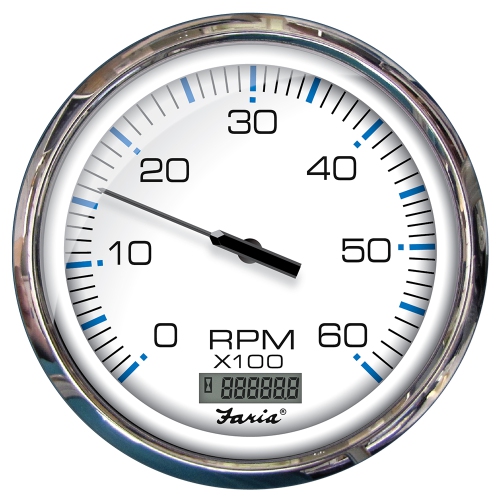
Understand motor speed and troubleshoot rotating equipment with confidence
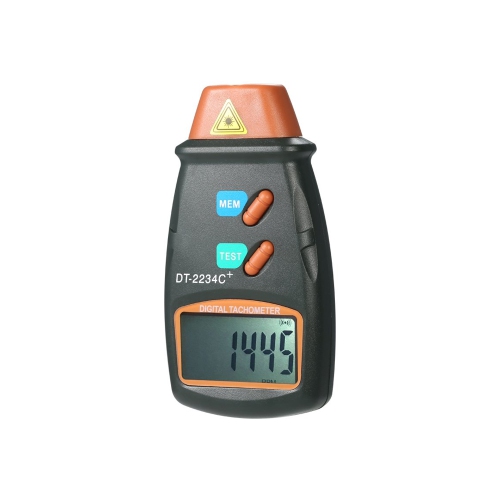
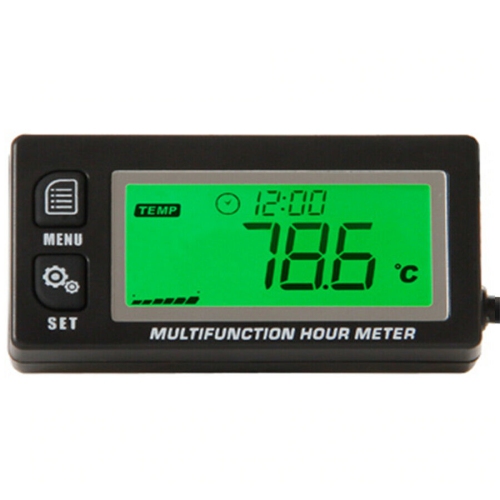
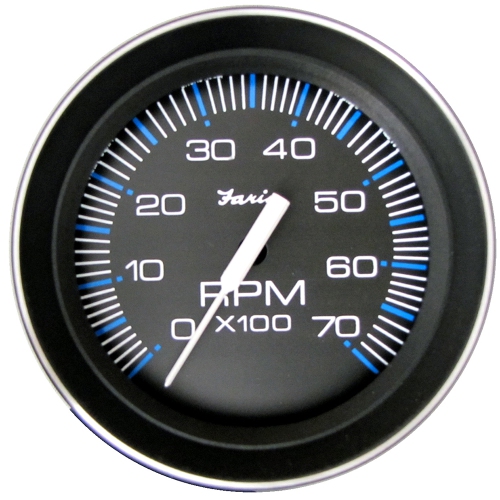
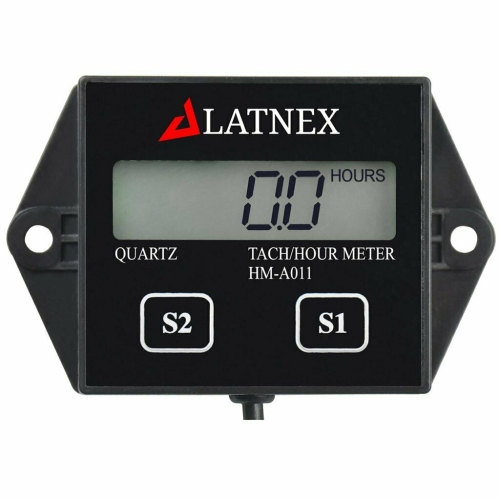
Handheld tachometers are portable instruments designed to measure rotational speed, usually shown in revolutions per minute (RPM), and some models can also measure the surface speed of a moving belt, roller, wheel, or other rotating component. They are useful wherever the speed of a motor or mechanism needs to be checked without relying solely on a built-in gauge. A handheld tachometer can help confirm whether a fan is operating at its intended speed, determine whether a motor is running faster or slower than expected, or provide a quick reading while troubleshooting equipment. They are commonly used by automotive enthusiasts, small-engine owners, mechanics, electricians, HVAC technicians, maintenance teams, machinists, hobbyists, and students learning about mechanical systems. They can also be handy in a home workshop, where a compact tool makes it easier to investigate an unusual vibration, inconsistent performance, or a suspected belt or pulley issue. During the cooler months, they may be used for maintaining snowblowers, generators, workshop machinery, and other equipment that needs to perform reliably when called upon. A tachometer can also make a practical gift for someone who enjoys restoring vehicles, building model engines, maintaining motorcycles, or working with motors and mechanical projects. When selecting one, consider the type of equipment being measured, the expected speed range, the distance between the tool and the moving part, and whether the reading needs to be taken without touching the machinery.
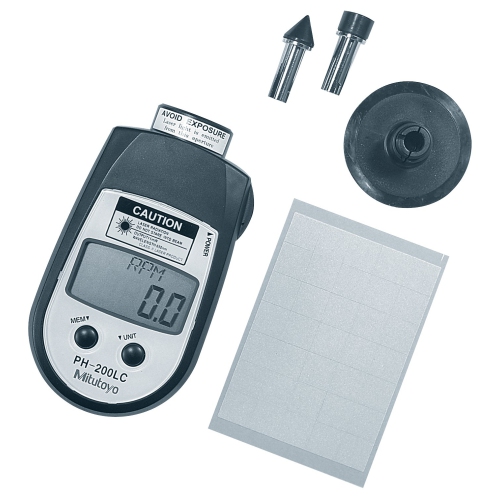
Non-contact optical or laser tachometers are often chosen for their convenience and ability to measure moving parts from a short distance. These tools direct a visible beam toward reflective tape placed on a rotating shaft, pulley, fan hub, or other suitable surface. Each pass of the reflective mark is detected by the instrument, which calculates and displays the rotational speed. This approach is helpful when a shaft is turning quickly, when the mechanism is difficult to reach, or when touching the equipment could affect its operation or create a safety concern. It also allows the person taking the measurement to stand clear of belts, blades, gears, and other moving components. Reflective tape needs to be applied securely and positioned so that the beam can identify one clear mark during each rotation; multiple marks or shiny surrounding surfaces may produce inconsistent readings. Optical models are often a good fit for checking workshop motors, ventilation fans, pumps, lathes, drills, remote-control vehicles, and other equipment with an accessible line of sight. Contact tachometers use an adapter, cone tip, funnel tip, or surface wheel that touches the rotating shaft or moving belt. They can be useful when reflective tape is impractical, when the component is enclosed but has an accessible contact point, or when surface speed is more important than RPM. A surface wheel can measure the movement of belts, rollers, paper, film, and similar materials, while a cone or funnel adapter can connect with different shaft shapes. Combination handheld tachometers that offer both contact and non-contact functions provide added flexibility for people who work with a variety of equipment. For small engines, an inductive tachometer can detect ignition pulses through a spark plug wire, allowing engine speed to be checked on equipment such as lawnmowers, chainsaws, recreational vehicles, and motorcycles. Shoppers comparing options may also wish to browse Motorcycle Tachometers when their main interest is monitoring motorcycle engine performance.
Important features extend beyond the measurement method. Check the advertised RPM range to ensure it covers the equipment being tested, with enough margin above and below the expected operating speed for useful troubleshooting. A clear digital display is valuable when readings need to be taken in a dim garage, a bright outdoor workspace, or a busy service area. Memory functions can make it easier to record a maximum, minimum, or last reading without taking notes while working, and an automatic shutoff can help preserve battery life between jobs. If the tool will be carried between locations, a compact body, protective case, wrist strap, and straightforward controls can make a noticeable difference. For optical models, look for a dependable reading distance and a visible aiming beam; for contact models, consider whether the included tips and wheels match the shafts or surfaces you expect to measure. Accuracy and repeatability matter most when a reading will be used to adjust a machine, compare performance over time, or verify a manufacturer’s specification. For occasional household checks, a simple tachometer may be sufficient, while technicians and industrial users may prefer a more rugged instrument with documented calibration, a broader speed range, or greater control over measurement settings. Always follow the equipment manufacturer’s instructions, keep loose clothing and hands away from moving parts, and never attach reflective tape or a contact adapter while machinery is running. Take readings from a stable position, use appropriate eye and hearing protection where required, and allow hot components to cool before applying tape or handling nearby parts. With the right measurement method and features, a handheld tachometer provides a quick, practical way to understand how rotating equipment is performing and to make maintenance decisions with greater confidence.
Non-contact optical or laser tachometers are often chosen for their convenience and ability to measure moving parts from a short distance. These tools direct a visible beam toward reflective tape placed on a rotating shaft, pulley, fan hub, or other suitable surface. Each pass of the reflective mark is detected by the instrument, which calculates and displays the rotational speed. This approach is helpful when a shaft is turning quickly, when the mechanism is difficult to reach, or when touching the equipment could affect its operation or create a safety concern. It also allows the person taking the measurement to stand clear of belts, blades, gears, and other moving components. Reflective tape needs to be applied securely and positioned so that the beam can identify one clear mark during each rotation; multiple marks or shiny surrounding surfaces may produce inconsistent readings. Optical models are often a good fit for checking workshop motors, ventilation fans, pumps, lathes, drills, remote-control vehicles, and other equipment with an accessible line of sight. Contact tachometers use an adapter, cone tip, funnel tip, or surface wheel that touches the rotating shaft or moving belt. They can be useful when reflective tape is impractical, when the component is enclosed but has an accessible contact point, or when surface speed is more important than RPM. A surface wheel can measure the movement of belts, rollers, paper, film, and similar materials, while a cone or funnel adapter can connect with different shaft shapes. Combination handheld tachometers that offer both contact and non-contact functions provide added flexibility for people who work with a variety of equipment. For small engines, an inductive tachometer can detect ignition pulses through a spark plug wire, allowing engine speed to be checked on equipment such as lawnmowers, chainsaws, recreational vehicles, and motorcycles. Shoppers comparing options may also wish to browse Motorcycle Tachometers when their main interest is monitoring motorcycle engine performance.
Important features extend beyond the measurement method. Check the advertised RPM range to ensure it covers the equipment being tested, with enough margin above and below the expected operating speed for useful troubleshooting. A clear digital display is valuable when readings need to be taken in a dim garage, a bright outdoor workspace, or a busy service area. Memory functions can make it easier to record a maximum, minimum, or last reading without taking notes while working, and an automatic shutoff can help preserve battery life between jobs. If the tool will be carried between locations, a compact body, protective case, wrist strap, and straightforward controls can make a noticeable difference. For optical models, look for a dependable reading distance and a visible aiming beam; for contact models, consider whether the included tips and wheels match the shafts or surfaces you expect to measure. Accuracy and repeatability matter most when a reading will be used to adjust a machine, compare performance over time, or verify a manufacturer’s specification. For occasional household checks, a simple tachometer may be sufficient, while technicians and industrial users may prefer a more rugged instrument with documented calibration, a broader speed range, or greater control over measurement settings. Always follow the equipment manufacturer’s instructions, keep loose clothing and hands away from moving parts, and never attach reflective tape or a contact adapter while machinery is running. Take readings from a stable position, use appropriate eye and hearing protection where required, and allow hot components to cool before applying tape or handling nearby parts. With the right measurement method and features, a handheld tachometer provides a quick, practical way to understand how rotating equipment is performing and to make maintenance decisions with greater confidence.
Top selling and popular products
-
 Your price for this item is $49.98
 -
 Your price for this item is $60.61
 -
 Your price for this item is $27.4
 -
 Your price for this item is $938.99
 -
 Your price for this item is $141.99
 -
 Your price for this item is $121.99
 -
 Your price for this item is $79.99
 -
 Your price for this item is $124.99
Discover more categories related to Handheld Tachometers

Top Collections:
Pokemon Centers, Kindle Devices, Best Cell Phones Under $500, Alarm Clock, Canon G7X Cameras, iPhone 15 Apple, Laptops for Students, Budget Smartphones, iPhone 14 256GB, Best Camera Tripods Under $100
Some products may be subject to Environmental Handling Fees
(EHF) depending on your province.
Learn more about EHFs.