Tachometers for Diesel Engines
Looking to keep track of your diesel engine's performance? Look no further than our wide selection of tachometers designed specifically for diesel engines. Whether you're a professional mechanic or an avid DIY enthusiast, these precision instruments are essential for monitoring your engine's RPM and ensuring optimal performance. With a variety of options available, you can easily find the perfect tachometer to suit your needs and keep your diesel engine running smoothly. Shop our collection today and take control of your engine's performance.
Sort


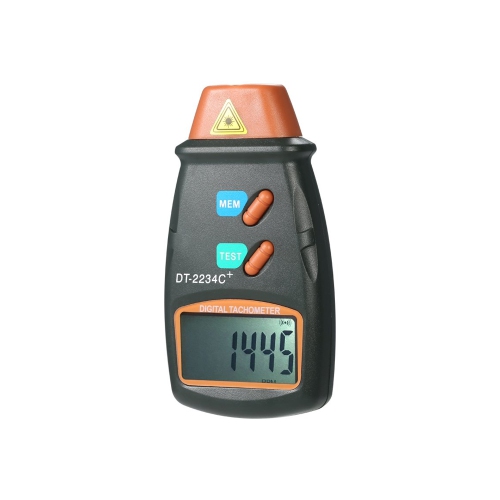

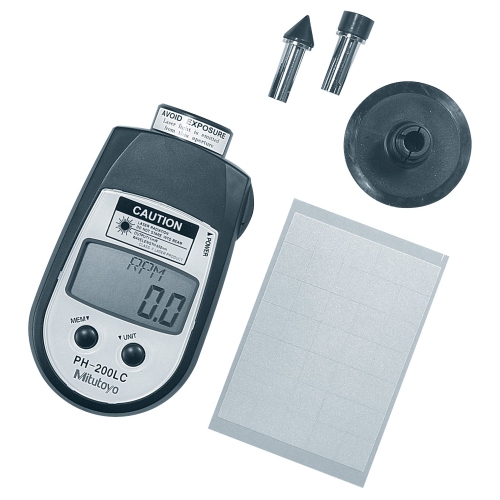

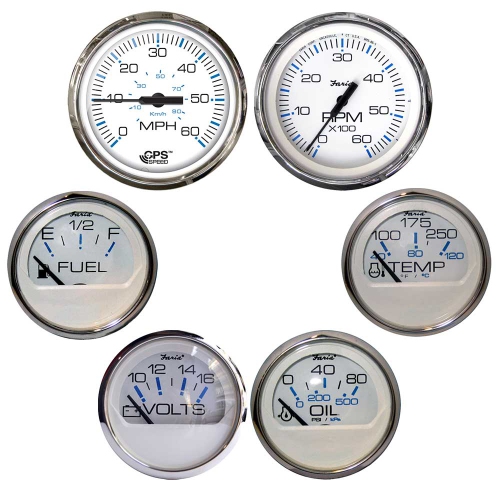
Accurate RPM readings start with a compatible signal
Tachometers for diesel engines measure engine speed in revolutions per minute, usually shown as RPM, giving operators a clear reference for idle speed, working speed, and changes in engine load. They are used in diesel-powered trucks, tractors, boats, generators, and other machinery where knowing how fast the engine is turning matters more than knowing how fast the vehicle is travelling. A tractor can move slowly while its engine runs at the speed needed for an attachment, while a stationary generator needs to maintain the operating speed specified for its electrical output. In each case, a tachometer makes engine speed visible rather than leaving the operator to judge it by sound alone. Unlike most gasoline engines, diesel engines do not use spark ignition, so a tachometer designed to take its signal from an ignition coil will not usually work without a suitable diesel signal source and, where required, an adapter. Diesel tachometers may receive a signal from an alternator terminal, a magnetic pickup, a compatible electronic control system, or a mechanical drive. Some portable instruments use optical sensing or a transducer attached to a suitable injection line. The correct type depends on the engine and its existing connections, not simply on whether the gauge face says RPM. An analogue dial offers an immediate sense of rising or falling speed, with a needle that can be read at a glance during operation. A digital display gives a numerical reading that can make small speed differences easier to distinguish, although display refresh rate and signal stability affect how useful that reading is. Some designs combine an RPM display with an hour meter, helping owners keep track of operating time alongside engine speed. These instruments suit equipment owners, marine operators, mechanics, and people maintaining older diesel vehicles, whether the goal is replacing a worn dash gauge or adding a dedicated display where none was fitted.
Signal compatibility is the most important distinction between diesel engine tachometers. An alternator-sensed tachometer reads electrical pulses from a suitable alternator output, often identified as a W terminal or another designated tachometer connection. Its calibration must account for the alternator’s pulse characteristics and the speed relationship between the alternator and crankshaft. A change in pulley size can therefore affect the reading even when the gauge itself has not changed. A magnetic pickup commonly detects passing flywheel teeth or another suitable toothed target; the gauge needs the correct pulse setting, and the sensor needs the mounting position and clearance specified for that installation. Mechanical tachometers use a rotating cable connected to an engine-driven take-off, making drive ratio, cable ends, rotation direction, and cable routing important fit details. They can be appropriate for older machinery that already has a mechanical tachometer connection, but a similar-looking replacement is not necessarily a match. Electronic displays that obtain RPM through an engine data network must support the engine’s communication protocol and connection requirements. Portable optical tachometers serve a different purpose: they typically read a reflective target on a rotating component during a controlled test rather than providing a permanent dashboard display. Injection-line sensing instruments are also application-specific, and compatibility depends on the sensing method, line dimensions, and injection system design. They should not be assumed to work with every modern common-rail diesel. For owners comparing instruments across different vehicle types, Motorcycle Tachometers relate to a separate application, where ignition-derived signals are common and diesel compatibility cannot be assumed. Across diesel applications, the useful RPM range should reflect the engine’s actual operating range. A dial with an unnecessarily high maximum can compress the portion used most often, making normal working speeds harder to read. Adjustable pulse settings, suitable signal adapters, and accessible calibration controls can help match a gauge to an installation, but they do not make every tachometer universal. Engine documentation and the instrument’s specifications remain the basis for confirming a suitable pairing.
Physical fit and construction have a direct effect on how well a diesel tachometer works in everyday use. For a dashboard replacement, the panel cut-out, bezel diameter, mounting depth, and clearance behind the gauge all matter. A face that looks right from the driver’s seat may still leave too little room for terminals, connectors, or a mechanical cable behind the panel. Surface-mounted housings and gauge pods offer another arrangement when a dashboard has no suitable opening, provided they can be secured without obstructing controls or sightlines. Electrical instruments need a compatible supply voltage, commonly a 12-volt or 24-volt system in vehicle and equipment applications, as well as the wiring protection and grounding arrangement specified by the manufacturer. Clear markings, strong contrast, and appropriate illumination help keep readings legible in a shaded cab, an engine room, or a helm station. The lens and bezel deserve attention too: glass and plastic lenses have different impact and scratch characteristics, while metal and moulded housings vary in weight, finish, and resistance to wear. Stated protection against vibration, dust, and water ingress is more useful than appearance alone when matching an instrument to machinery or marine use. A water-resistant gauge face does not necessarily mean its rear connections can tolerate direct exposure to water. Secure mounting, protected terminals, and properly supported wiring help prevent intermittent readings caused by loose connections or cable movement. Routine care generally involves wiping the lens with a soft cloth and a cleaner approved for its material, checking accessible connections with the equipment safely shut down, and inspecting cables for chafing. Installation and calibration near belts, pulleys, flywheels, or fuel-system components call for the engine manufacturer’s procedures and qualified assistance where needed; guards should remain in place during normal operation. Once correctly matched and calibrated, a tachometer provides a useful reference for noticing an altered idle or a drop in RPM under load. It does not identify the cause of those changes by itself, but it gives operators and technicians a consistent measurement to compare with the engine’s specified operating limits.
Top selling and popular products
-
 Your price for this item is $31.34
-
 Your price for this item is $30.54
-
 Your price for this item is $38.85
-
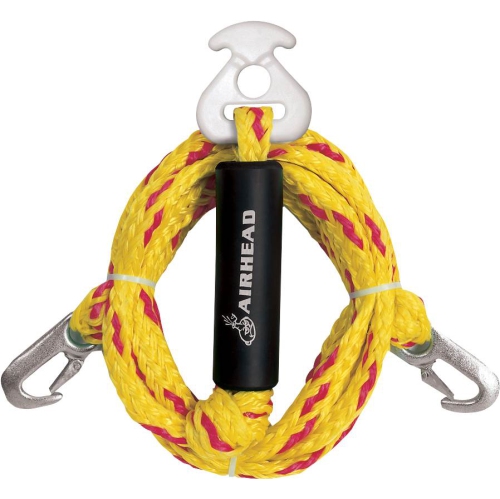 Your price for this item is $63.99
-
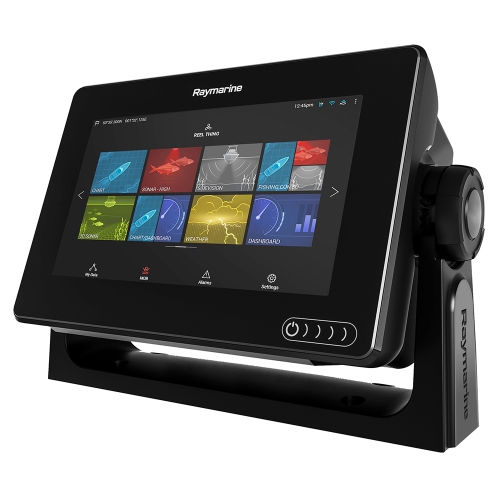 Your price for this item is $917.79
-
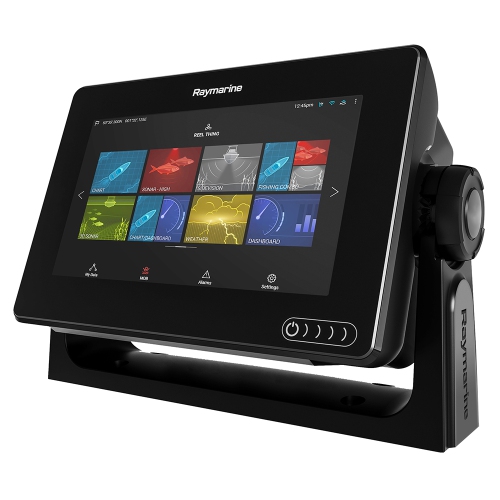 Your price for this item is $844.31
-
 Your price for this item is $31.38
-
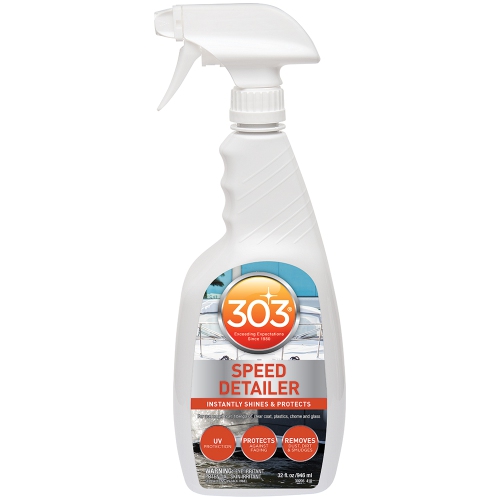 Your price for this item is $35.35
Discover more categories related to Tachometers for Diesel Engines

Top Collections:
Pokemon Centers, Kindle Devices, Best Cameras for Sports Photography, Pokémon 30th Celebration Cards, Apple iPhones 16, Canon G7X Cameras, iPhone 15 Apple, Flip Phones, Samsung Galaxy Phones, Alarm Clock
Some products may be subject to Environmental Handling Fees
(EHF) depending on your province.
Learn more about EHFs.