Must Have Boat Electronics
Must Have Boat Electronics are essential for enhancing your time on the water, offering convenience, safety, and entertainment for every boating adventure. Whether you’re navigating open waters or enjoying a day of fishing with friends, the right electronics can make all the difference. Explore a wide selection of top-rated options designed to elevate your boating experience and keep you connected while you cruise. Find everything you need to outfit your vessel with confidence and enjoy smooth sailing every time you hit the waves.
Sort





How your waterways shape the right onboard setup
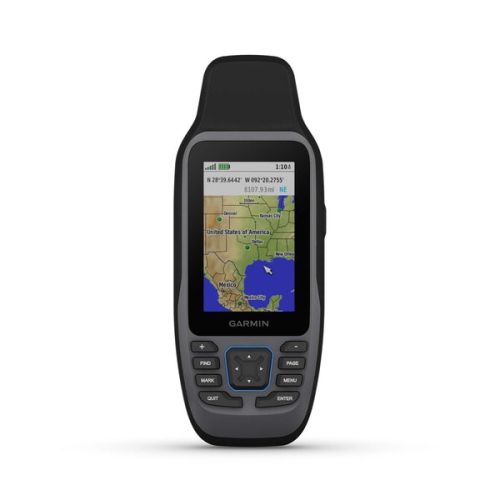
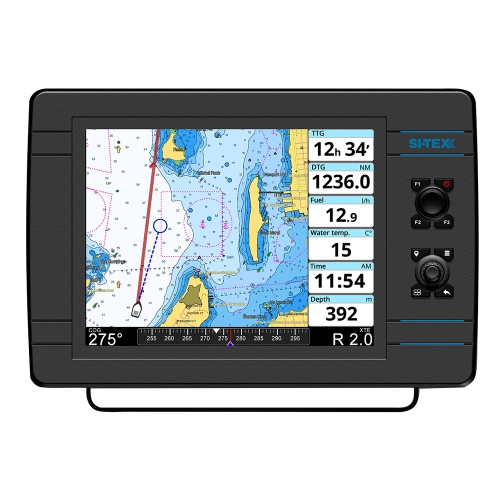
Must-have boat electronics bring together navigation, communication, situational awareness, and onboard convenience, with the right combination shaped by the boat and how it is used. A compact fishing boat on an inland lake has different requirements from a sailboat travelling between harbours or a cruiser sharing channels with commercial traffic. GPS chartplotters, depth sounders, marine VHF radios, and dependable power connections form the foundation of many onboard setups, while fish finders, radar, and Automatic Identification System equipment add capabilities for particular activities. A chartplotter displays the boat’s position against electronic charts and can store waypoints for a launch ramp, marina entrance, or fishing location. Chart coverage matters as much as screen size: the included mapping should cover the waterways being travelled, with suitable detail and a practical way to keep charts updated. Recorded tracks can help show where a boat has travelled, but they do not establish that a route remains clear of hazards. Depth sounders provide information beneath the boat, while fish finders use sonar to display bottom contours, underwater structure, and potential fish targets. Some displays combine chartplotting and sonar, although not every fish finder includes navigational charts. A transducer matched to the display and hull is essential to useful sonar performance; its mounting position affects how well it reads while the boat is moving. At the helm, a screen needs to be readable from the normal operating position without blocking the view ahead. Physical buttons can be useful when hands are wet, while touchscreens offer direct access to maps and menus. On smaller consoles, a compact combination display can leave room for radio controls and engine instruments. For anglers, paddlers using suitable portable equipment, and families exploring unfamiliar waterways, clear information is more valuable than a crowded dashboard of features that rarely get used. Electronic navigation also works best alongside current charts, an appropriate backup, and sound judgement, rather than as a replacement for attention to markers, traffic, and changing water depth.
Marine communication equipment serves a different purpose from entertainment electronics or a mobile phone. A marine VHF radio supports distress and safety calls, communication with nearby vessels, and contact with marine services, including locks and marinas where appropriate channels are used. Unlike a phone call, a VHF transmission can be heard by multiple nearby stations monitoring the channel, which can be important when assistance is needed. Fixed-mount radios draw on the boat’s electrical system and use an external antenna; handheld radios provide portability and can serve as a separate communication option when charged and kept accessible. Antenna height, installation quality, terrain, and distance all affect radio range, so coverage should never be assumed. Digital Selective Calling, or DSC, adds an automated distress-alert function to compatible radios. It requires correct setup, including a registered Maritime Mobile Service Identity number and a working position source, whether built in or connected. A distress alert is not a substitute for understanding voice procedures and knowing how to communicate the nature of an emergency. AIS equipment adds another layer of information by displaying data transmitted by equipped vessels, such as their identity, position, course, and speed. An AIS receiver shows received targets, whereas a compatible transceiver also broadcasts the boat’s own information. Neither identifies every vessel or obstruction, and displayed information depends on transmissions being received. Marine radar can help reveal shorelines, navigation markers, and other targets in darkness or when the view ahead is restricted, but interpreting its display takes practice. These capabilities are particularly relevant to boaters using busy approaches, crossing larger stretches of water, or travelling after dark. A clear layout keeps essential controls within reach, with audible alerts that can be heard over the engine. Familiarity matters too: anyone sharing time at the helm benefits from knowing where position information, radio controls, and emergency functions are located before they are needed.
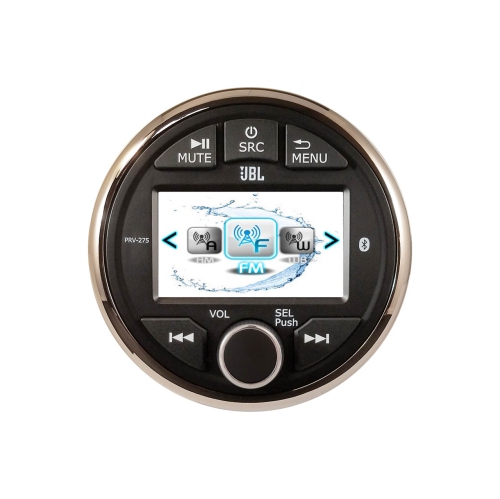
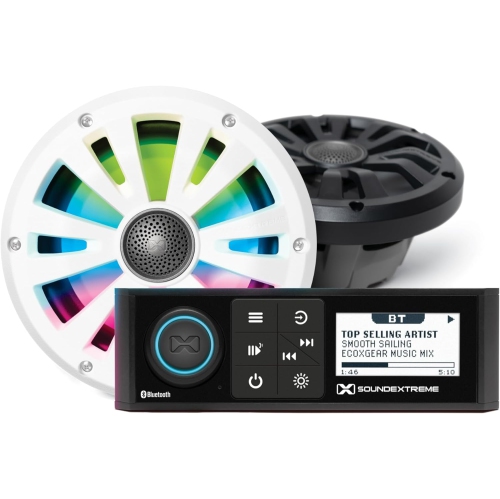
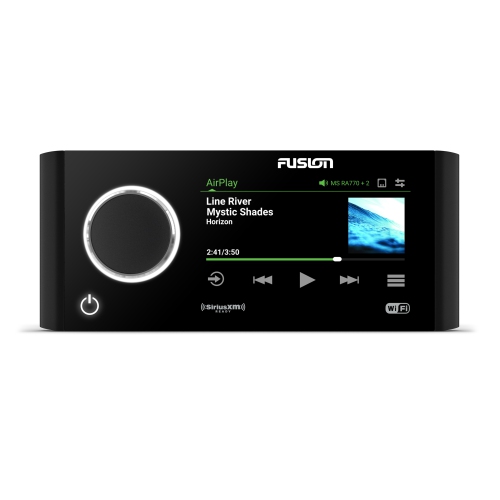
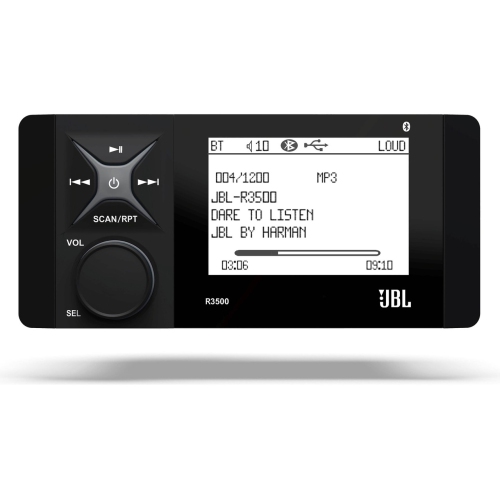
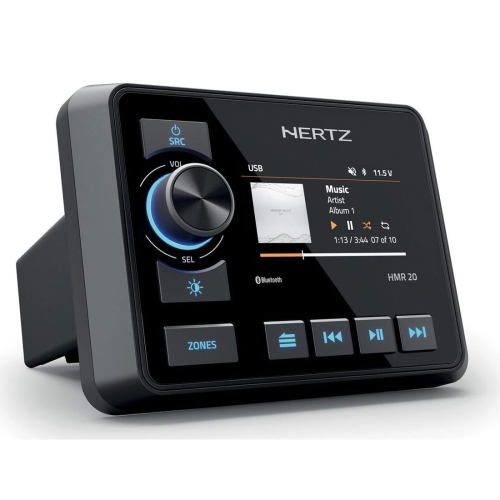
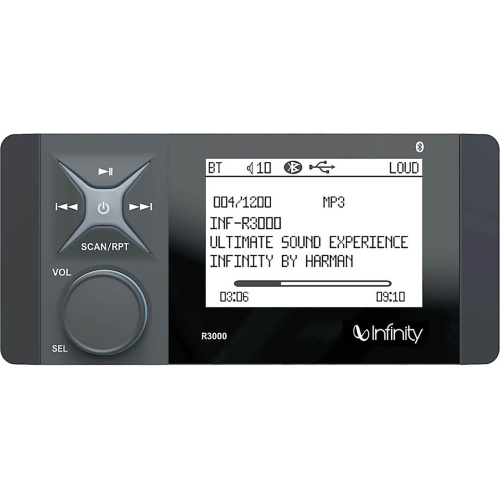
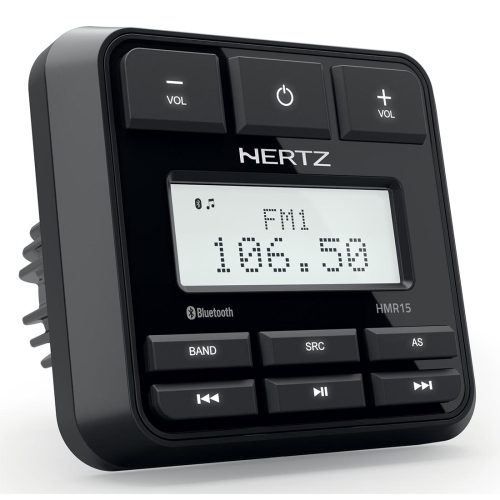
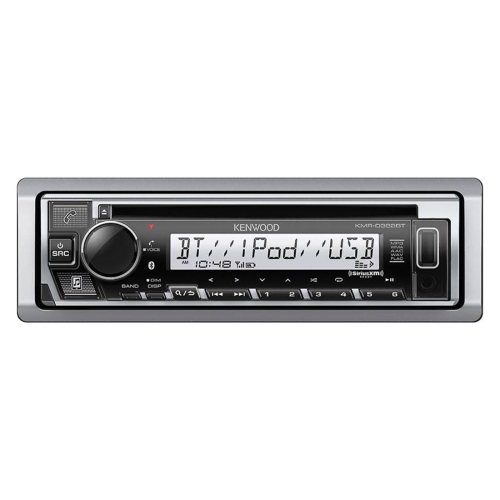
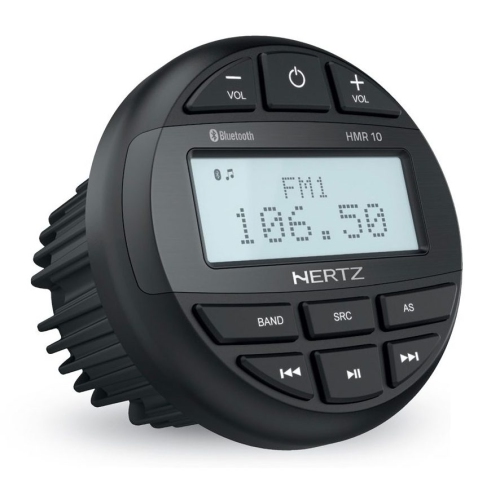
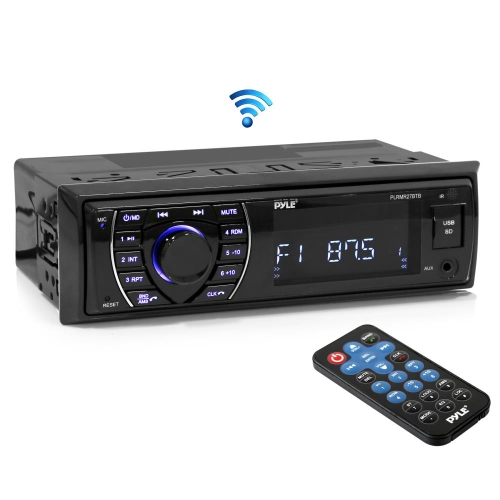
Durability and installation make a substantial difference to how boat electronics perform over time. Marine use exposes equipment to spray, vibration, direct sunlight, and, on coastal trips, salt deposits. Water-resistance ratings describe specific test conditions rather than unlimited protection, and a water-resistant display does not necessarily make its connections or power supply equally protected. Sealed connectors, corrosion-resistant hardware, suitable mounting brackets, and protected cable routes help create a more dependable installation. Fit includes the available dashboard space, mounting depth, clearance behind panels, and access for servicing, not simply the width of a screen. Electrical compatibility deserves the same attention: operating voltage, power draw, circuit protection, and battery capacity all affect whether several devices can run together without compromising essential systems. Marine-grade wiring and properly protected connections support reliability, while qualified installation is valuable for equipment involving through-hull fittings, external antennas, or changes to the boat’s electrical system. Shared data connections also need checking, since compatible networking can allow position, depth, or vessel information to appear across multiple displays. For relaxed trips, marine stereos and speakers add music without relying on equipment designed only for indoor use. Bluetooth connectivity can simplify playback, while accessible controls let passengers adjust listening levels without handling a phone near the water. Audio should remain low enough for the operator to hear signals, radio traffic, and activity nearby. Charging ports and secure device mounts can make phones and tablets more practical aboard, provided they stay protected and do not obstruct controls. Routine care includes following the manufacturer’s cleaning directions, removing salt residue where applicable, checking connections, and keeping charging contacts clean and dry. Removable equipment benefits from protective storage between outings. For a boating enthusiast receiving electronics as a gift, compatibility with the existing setup is more important than adding another screen. Complementary storage, mounting, and onboard essentials can be explored through Must Have Boating Accessories, helping keep the overall setup organized and suited to life on the water.
Top selling and popular products
-
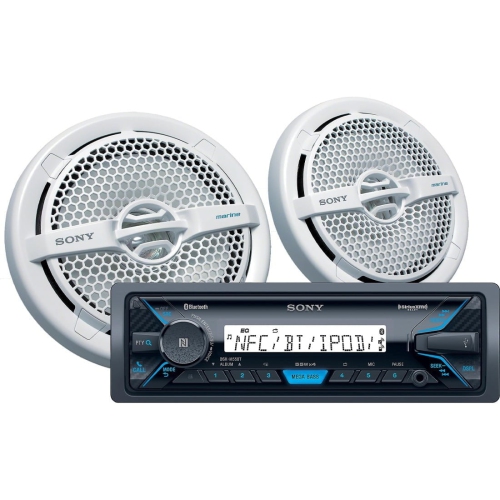 Your price for this item is $299.99
-
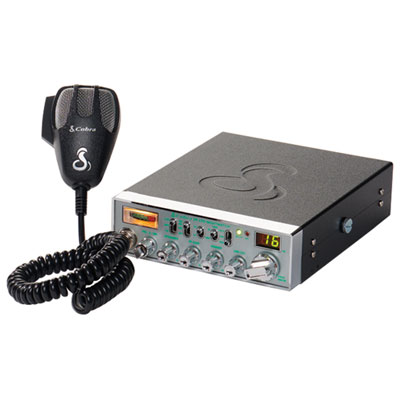 Your price for this item is $249.99
-
 Your price for this item is $257.16
-
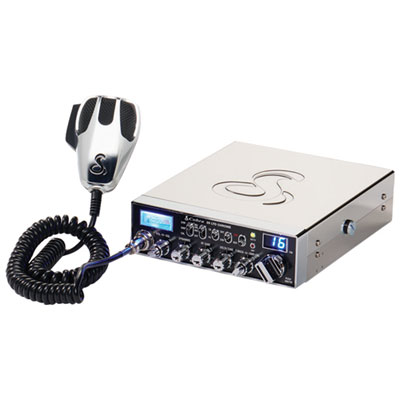 Your price for this item is $279.99
-
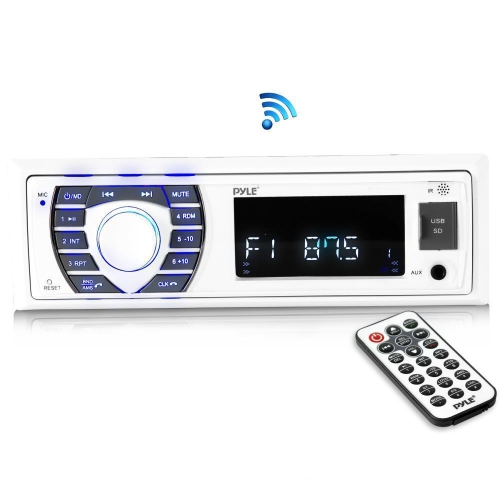 Your price for this item is $59.99
-
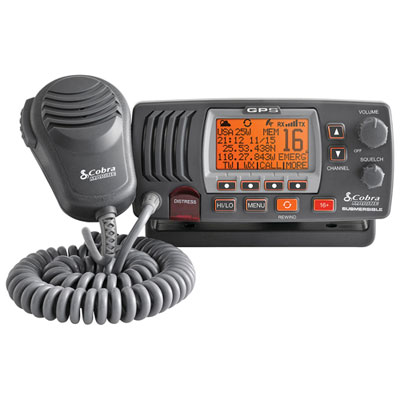 Your price for this item is $349.99
-
 Your price for this item is $45.73
-
 Your price for this item is $1299.95
Discover more categories related to Must Have Boat Electronics

Top Collections:
Best Black Friday Deals This Year, Best Black Friday Deals On Electronics, Kindle Devices, Pokemon Centers, Best Black Friday Deals On Apple Products, Best Cameras for Sports Photography, Dyson Airwrap, Pokémon 30th Celebration Cards, Apple iPhone 17 Pro, Canon G7X Cameras
Some products may be subject to Environmental Handling Fees
(EHF) depending on your province.
Learn more about EHFs.