Must Have Boating Accessories
Enhance every outing on the water with must have boating accessories designed to elevate your experience. Whether you're planning a relaxing day of fishing, a family adventure, or simply cruising with friends, the right accessories can make all the difference. From essentials that boost comfort and convenience to gear that helps you stay prepared for any situation, finding the best must have boating accessories ensures smooth sailing every time you set out. Explore options that add value to your boat and make every journey more enjoyable.
Sort
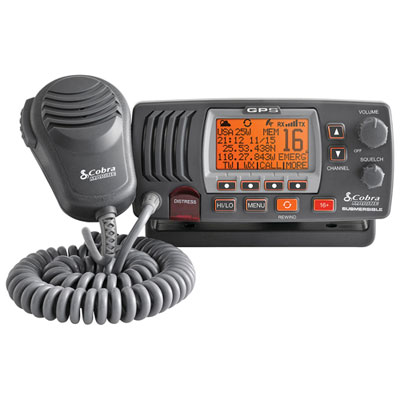



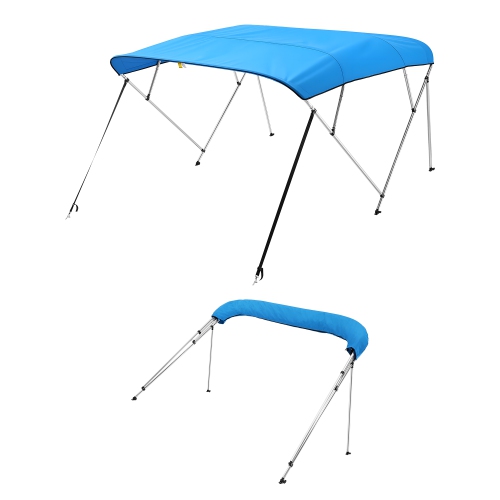

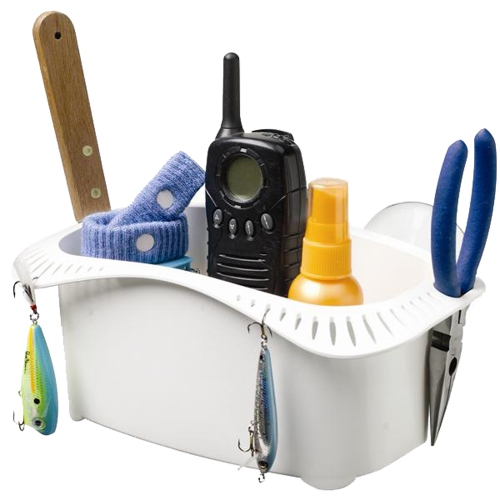

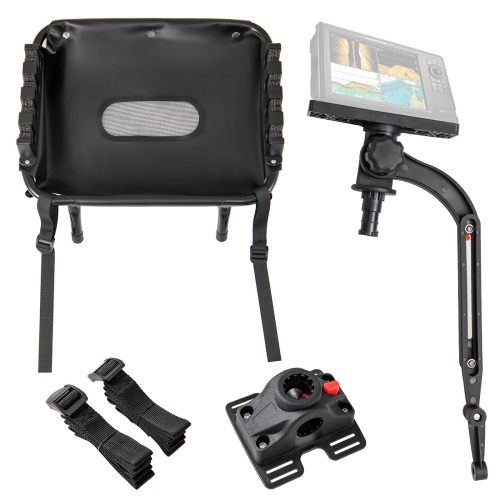
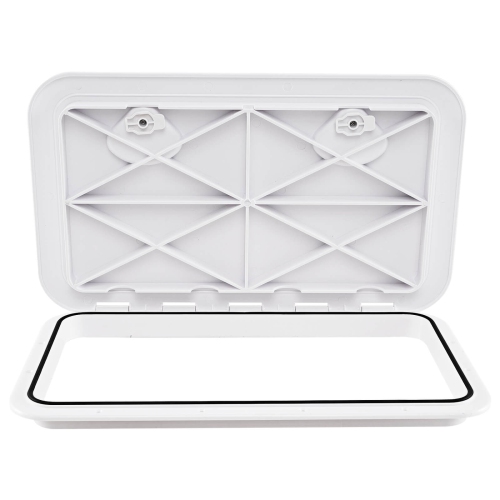






Your boat and activities shape the gear you need
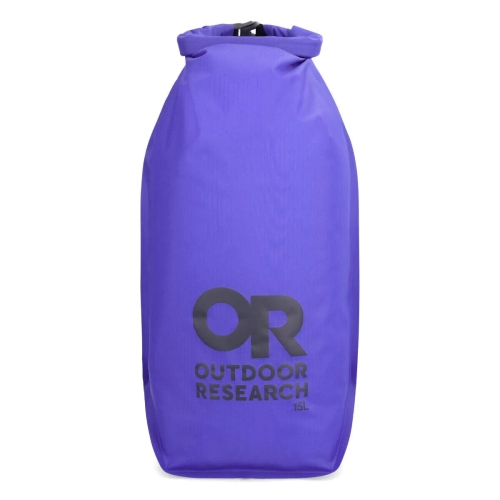
Must-have boating accessories support safety, organization, comfort, and the everyday tasks of handling a boat. Common essentials include properly fitted lifejackets or personal flotation devices, suitable signalling equipment, a buoyant heaving line, water-removal equipment, dock lines, fenders, and protected storage for belongings. The right combination depends on the vessel, the number of passengers, and whether the outing involves paddling, fishing, cruising, or watersports. A compact kayak has very different storage and mounting needs from a pontoon boat with seating compartments and rail space. Safety equipment deserves particular attention: look for lifejackets or personal flotation devices approved for use in Canada, with sizing and intended-use information that matches the wearer and activity. A secure fit should allow movement without riding up, and children need equipment selected for their weight and body size rather than something they will grow into. Different flotation designs have different limitations, so labels and manufacturer instructions matter. Transport Canada’s minimum safety equipment requirements vary by vessel type, size, and other factors; a preassembled kit should not be assumed to meet every boat’s requirements. Sound-signalling devices, appropriate lights, first-aid supplies, and a suitable means of communication also deserve a place in the overall setup. A bailer or manual bilge pump can help remove accumulated water where appropriate, but neither replaces attention to leaks or properly maintained onboard systems. Accessibility matters as much as ownership. A whistle buried beneath bags or a first-aid kit tucked behind a full cooler may be difficult to reach when needed. Secure storage should keep essential equipment protected without making it awkward to retrieve. Waterproof pouches and dry bags help protect phones, identification, and spare clothing, although closure methods and water-protection ratings vary. Floating capability is a separate feature and should never be assumed from a waterproof description. For families, guests, and occasional passengers, knowing where essential equipment is kept helps make the boat easier to use and keeps important supplies from disappearing into unfamiliar compartments.
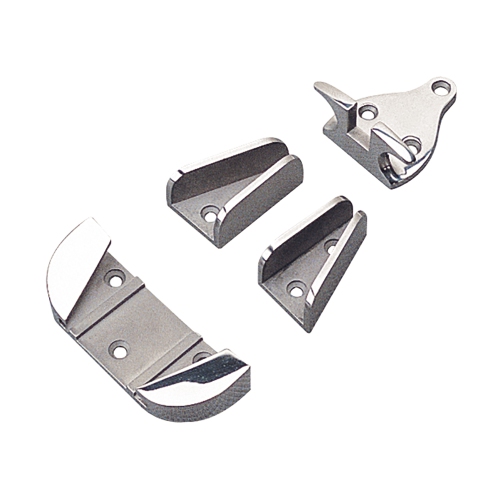
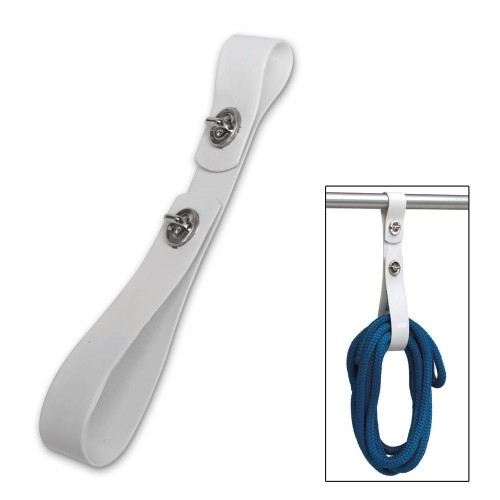
Docking, anchoring, and storage accessories take much of the wear that would otherwise reach the boat itself. Fenders provide a buffer between the hull and a dock or neighbouring vessel, while dock lines help hold the boat in position. Their dimensions, attachment points, and construction should suit the boat’s size, weight, and docking arrangement. A fender needs to sit where contact is likely to occur; one hanging too high or too low may offer little protection. Line selection also involves more than length. Diameter, strength, stretch, and resistance to abrasion all affect suitability, and nylon dock lines are commonly used because they combine strength with useful stretch. Anchors and their associated lines or chains need to match the vessel, water depth, and bottom conditions rather than simply fit inside a storage compartment. Materials matter throughout a boating setup. Marine-grade stainless steel hardware, corrosion-resistant fittings, durable moulded plastics, and coated fabrics can withstand regular exposure to splashes and handling, but none should be treated as maintenance-free. Rinsing away salt and grit where appropriate, allowing equipment to dry, and checking for frayed rope, cracked fittings, or worn stitching can extend useful life. Care instructions remain important, especially for flotation equipment and coated materials that may be damaged by harsh cleaners. Storage accessories work best when they solve a specific onboard problem. A secure caddy can keep frequently used tools within reach, while a latching box prevents small supplies from scattering when the boat moves. Drainage is useful for equipment that gets wet; sealed storage is better suited to belongings that need protection from water. On a smaller craft, compact shapes and dependable attachment points help preserve foot space and keep passageways clear. Measurements should account for opening lids, moving seats, and reaching controls, not just whether an accessory fits into an empty space. Mounts, straps, and brackets should also suit the mounting surface without interfering with steering, boarding, or access to safety equipment.
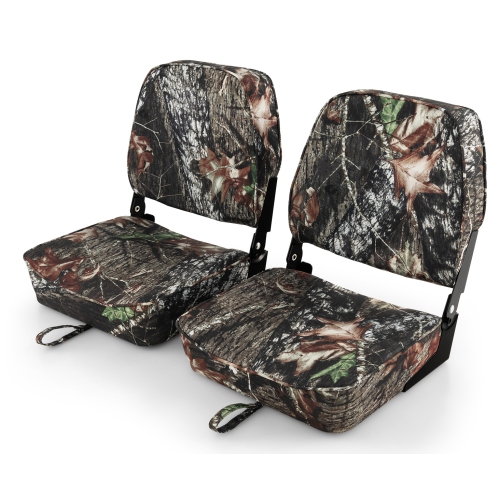
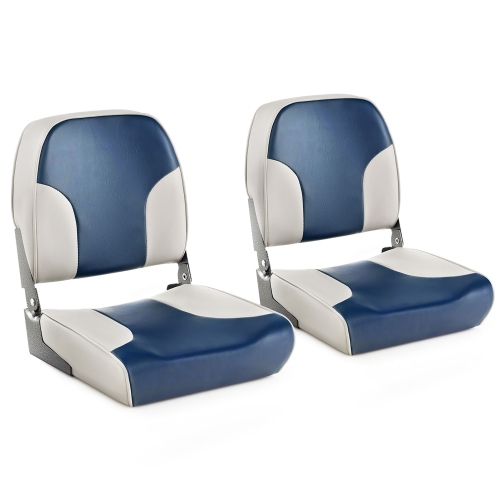
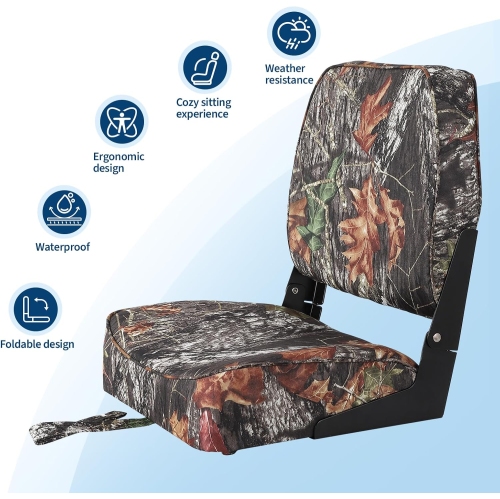
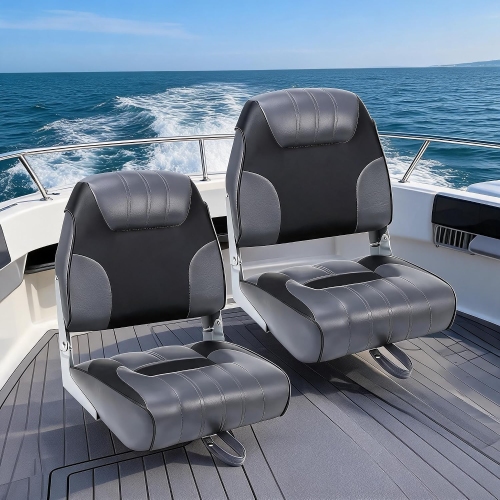
Comfort and convenience accessories are most useful when they reflect how people actually spend time aboard. For fishing, that may mean secure rod storage, accessible tackle organization, and a place to stow tools without leaving sharp points exposed. For relaxed cruising, practical additions might centre on supportive seating, drink storage, and a cooler that stays firmly in place. Paddlers often benefit from lightweight, compact equipment that can be attached securely without restricting movement or a safe exit from the craft. Seating accessories should match the existing seat dimensions and fastening system, with padding and covers suited to repeated contact with water. Removable covers can simplify cleaning, while textured surfaces may help reduce slipping; compatibility still matters more than appearance alone. Coolers need enough capacity for the outing without obstructing movement, and food should remain properly chilled throughout the trip. Leak-resistant containers and reusable drink bottles can make refreshments easier to manage in close quarters. Electronics introduce another set of considerations. A phone mount should hold the device securely without blocking the operator’s view, and any charging accessory needs compatibility with the boat’s electrical setup and protection appropriate to its location. Water-resistance ratings, connector protection, and mounting strength matter more than a rugged-looking exterior. A phone can be useful aboard, but it should not be treated as a universal substitute for dedicated navigation or communication equipment, particularly where cellular coverage is limited. Polarized eyewear can improve comfort by reducing reflected glare, while a retaining strap helps keep glasses from slipping overboard. These practical details also make boating accessories thoughtful gifts for boat owners, anglers, paddlers, and frequent passengers. The most useful choices suit the recipient’s vessel and habits, whether that means compact storage for a small cockpit or an easier way to organize shared supplies. For more gifting inspiration, Must Have Gifts for Boaters offers a related theme to explore. When fit, approval, or installation requirements are involved, confirming the recipient’s needs beforehand helps ensure an accessory earns a regular place aboard.
Top selling and popular products
-
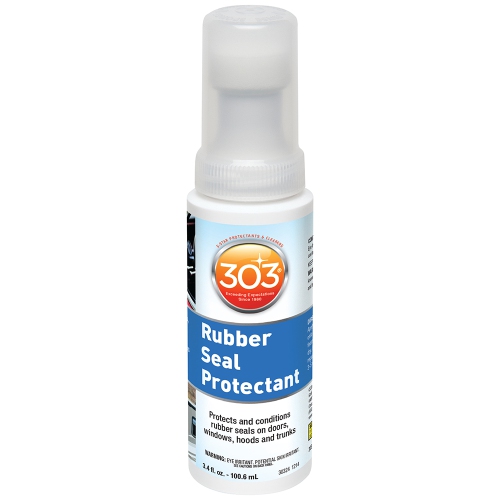 Your price for this item is $30.82
-
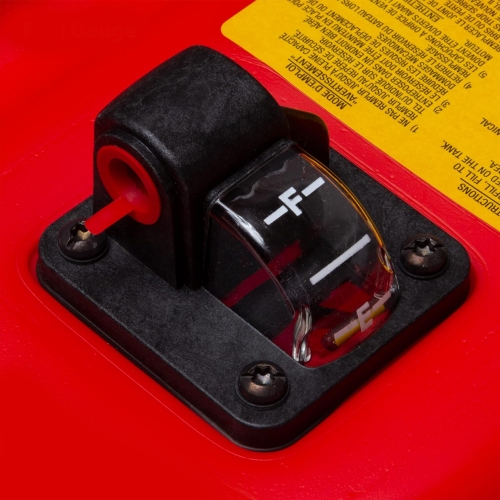 Your price for this item is $180.99
-
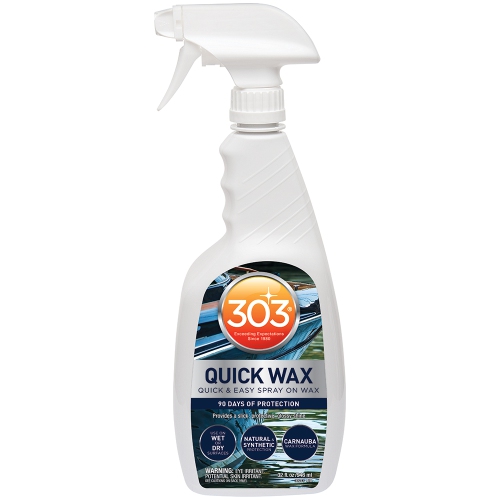 Your price for this item is $38.85
-
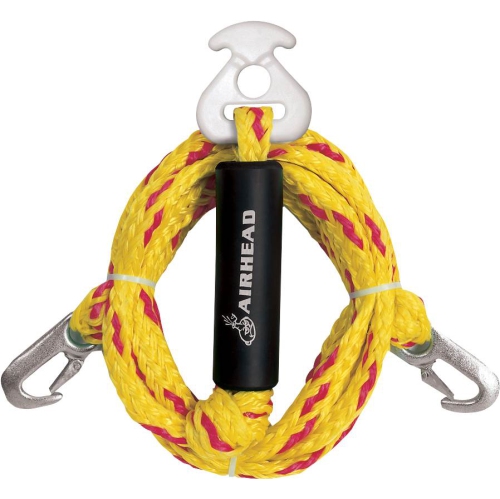 Your price for this item is $82.99
-
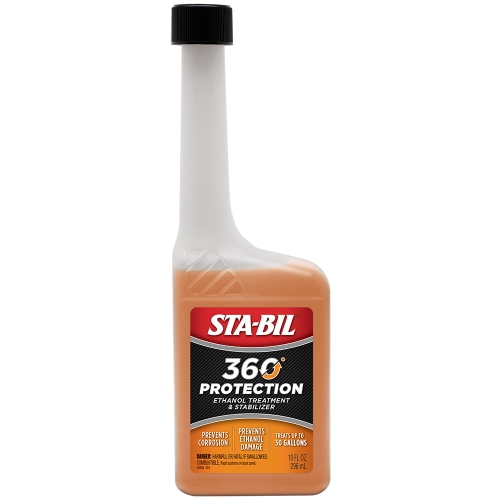 Your price for this item is $30.85
-
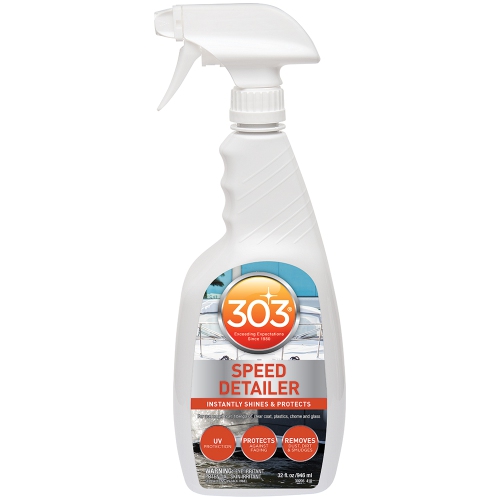 Your price for this item is $35.35
-
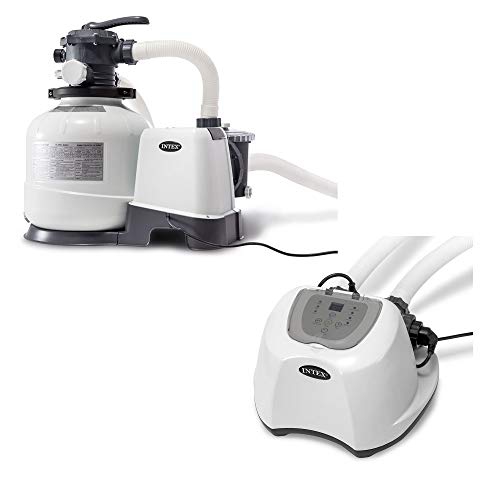 Your price for this item is $852.99
-
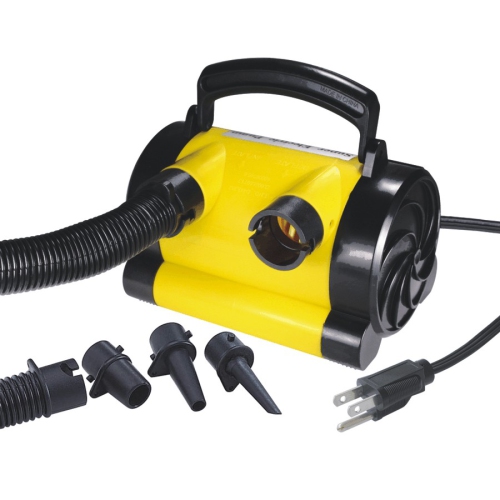 Your price for this item is $64.17
Discover more categories related to Must Have Boating Accessories

Top Collections:
Pokemon Centers, Pokémon 30th Celebration Cards, Best Budget Office Chairs, Kindle Devices, Best Cameras for Sports Photography, Canon G7X Cameras, Best Black Friday Deals On Electronics, Best Laptops for Writers, iPhone 15 Apple, Jackery Power Stations
Some products may be subject to Environmental Handling Fees
(EHF) depending on your province.
Learn more about EHFs.