Nautical Charts
Explore the vast ocean and navigate with ease using these nautical charts. Whether you're an avid sailor or simply enjoy boating as a hobby, these charts are essential tools for plotting your course and ensuring a safe journey. With detailed maps that highlight coastal areas, water depths, and navigation aids, these nautical charts offer the accuracy and reliability you need to confidently set sail. From the open seas to serene lakes, find the perfect chart to suit your navigational needs and embark on unforgettable maritime adventures.
Sort
What depths and symbols reveal beneath the surface
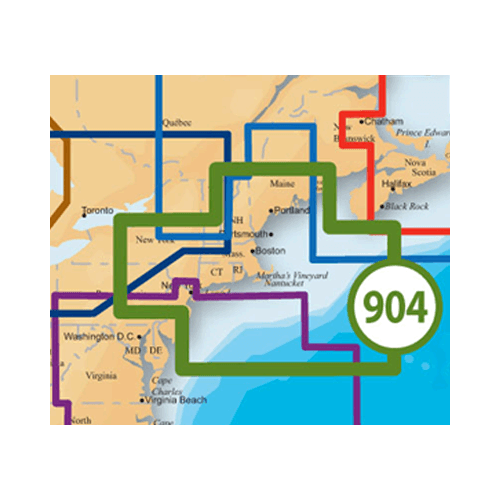
Nautical charts are specialized marine maps that show water depths, shoreline features, navigational hazards, and aids to navigation. Unlike road maps or decorative coastal illustrations, charts intended for navigation describe the waterways a vessel travels through, including underwater features that may not be visible from the surface. Depth figures, known as soundings, work with depth contours to show the shape of the bottom, while symbols identify rocks, wrecks, shoals, and other obstructions. Buoys, beacons, and lights are marked with identifying details that help boaters relate the chart to features around them. Colour also carries meaning: on many paper charts, blue highlights shallower water, white indicates deeper water, green identifies areas that uncover between high and low tide, and tan represents land. The chart legend and associated symbol references explain the conventions used, which can differ between printed charts and electronic displays. Charted depths are measured relative to chart datum, a defined reference level, rather than necessarily representing the depth beneath a boat at any given moment. Tides and changing water levels affect the actual depth, making the stated datum and units important parts of the information. Canadian charts commonly show depths in metres, although the units printed on each chart remain the reference. Coverage and scale determine how much detail a chart provides. A large-scale harbour chart shows a smaller area in greater detail, making channels, berths, and nearby hazards easier to distinguish. A small-scale coastal chart covers a wider area and provides the broader perspective useful for passage planning. For someone tracing a route through an island group, that combination allows the overall journey and the approach to an anchorage to be viewed at appropriate levels of detail. In Canada, the Canadian Hydrographic Service is the official source of nautical charts and related hydrographic information. Source, edition, and correction status help distinguish navigational charting from a map that simply depicts a coastline.
Paper nautical charts offer a broad, uninterrupted view that suits route planning at a table, discussion with a crew, and reference away from an electronic display. Their practical qualities depend on the sheet dimensions, print clarity, paper construction, and any protective finish. A large sheet can make small soundings and closely spaced symbols easier to read, but it also needs enough room to unfold without hiding important details beneath overlapping sections. Folded formats are more compact for storage, while flat sheets or rolled charts can suit a dedicated planning space. Standard paper requires protection from splashes and handling with wet hands; water-resistant sheets or suitable protective sleeves can be more practical aboard a boat. Where offered, laminated finishes add a wipeable surface, although glare and compatibility with pencils or erasable markers can affect everyday use. A chart used for plotting courses benefits from a surface that accepts clear marks without obscuring the printed information. Repeated folding, rubbing against other equipment, and prolonged exposure to direct sunlight can reduce legibility, so a clean, dry storage location and a properly sized chart case help preserve the sheet. Clear sleeves should leave the relevant area visible and allow the chart to lie securely on the working surface. These details matter to sailors, powerboat operators, anglers, paddlers, and others who need information suited to their vessel and route. Nautical charts also have an appeal beyond navigation: the intricate outlines of an inlet, a familiar harbour, or a much-loved stretch of coast can make a meaningful gift for someone with a connection to the water. Charts selected for display are best considered separately from working navigation charts. Historical reproductions and decorative prints may preserve older place names or striking cartographic details, but they should not be treated as up-to-date navigation references. For framing, the overall sheet size, printed area, and room for a mat influence how comfortably the chart fits the intended wall space.
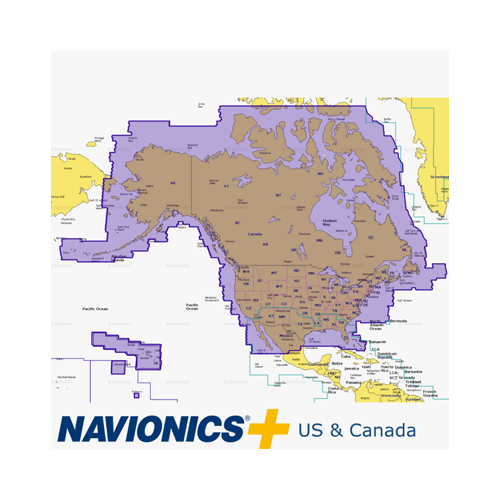
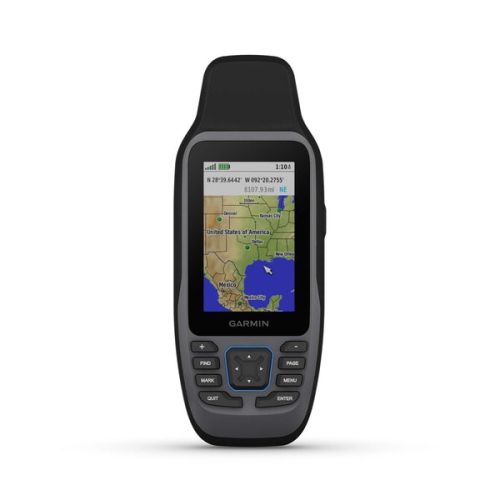
Electronic nautical charts present marine mapping on a compatible device, allowing the displayed area and level of detail to change as a route develops. Vector charts store features as data that a supported system can display in different ways, while raster charts reproduce a chart as an image. Official Electronic Navigational Charts, often called ENCs, are a defined type of vector chart; not every digital marine map is an official ENC. Electronic charts used with compatible marine chartplotters can combine chart information with a vessel’s position, making it easier to follow progress along a planned route. The chart coverage, supported file format, device requirements, and update arrangements all affect whether a chart package suits a particular setup. Coverage boundaries deserve attention when a journey crosses between adjoining regions or includes both open-water passages and detailed harbour approaches. Some digital features depend on the connected equipment or software rather than on the chart itself, so chart detail and device functions are separate considerations. Zooming in can enlarge symbols and labels, but it cannot create surveyed detail that is absent from the underlying data. Similarly, a position marker does not remove the need to interpret charted hazards, consider the vessel’s draught, or maintain awareness of nearby traffic and physical navigation aids. Paper and electronic formats can serve complementary roles: a paper chart provides the wider view for discussing a passage, while an electronic display supports position tracking during the journey. Keeping either format useful involves attention to revisions, since channels, aids to navigation, and charted information can change. Notices to Mariners provide corrections and important updates for Canadian waters, alongside applicable chart updates and other official navigational information. For a short trip to a familiar marina or a longer passage through less familiar waterways, the most useful nautical charts match the intended area, provide an appropriate scale, and remain readable in the setting where they will be used. That combination makes charts practical working references as well as detailed records of the waterways people explore.
Top selling and popular products
-
 Your price for this item is $776.86
-
 Your price for this item is $294.88
-
 Your price for this item is $194.97
-
 Your price for this item is $85.99
-
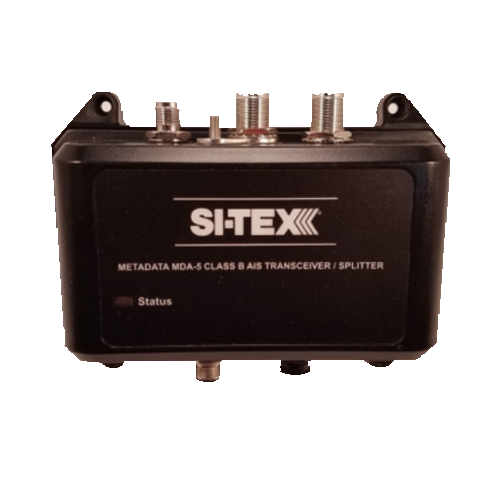 Your price for this item is $1742.96
-
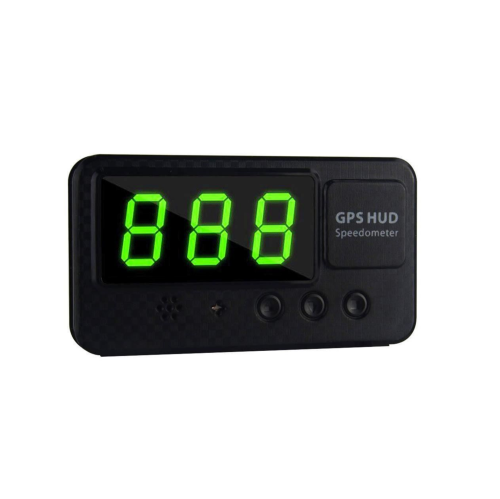 Your price for this item is $110
-
 Your price for this item is $12.99
-
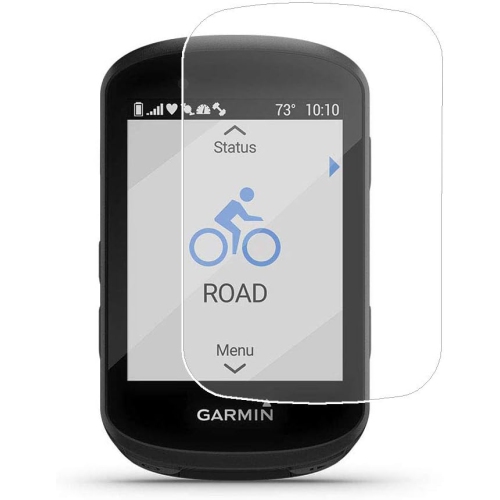 Your price for this item is $15.99
Discover more categories related to Nautical Charts
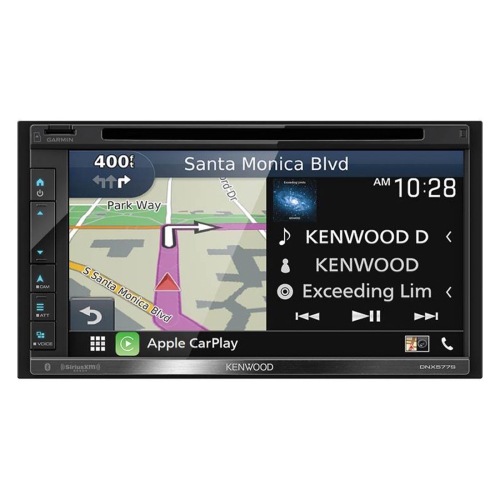
Top Collections:
Pokemon Centers, Best Cameras for Sports Photography, Kindle Devices, Samsung Galaxy Phones, Canon G7X Cameras, Pokémon 30th Celebration Cards, Refurbished Apple Laptops, iPhone 15 Apple, Laptops for Students, Budget Smartphones
Some products may be subject to Environmental Handling Fees
(EHF) depending on your province.
Learn more about EHFs.