NPT Pipe Fittings
Looking to find the perfect NPT pipe fittings for your plumbing project? Look no further! Our extensive selection of NPT pipe fittings offers a wide range of options to meet your specific needs. Whether you are a professional plumber or a DIY enthusiast, we have the right fittings to help you get the job done with ease and precision. From couplings to elbows, tees, and more, browse our collection to find the perfect NPT pipe fittings for your next project.
Sort
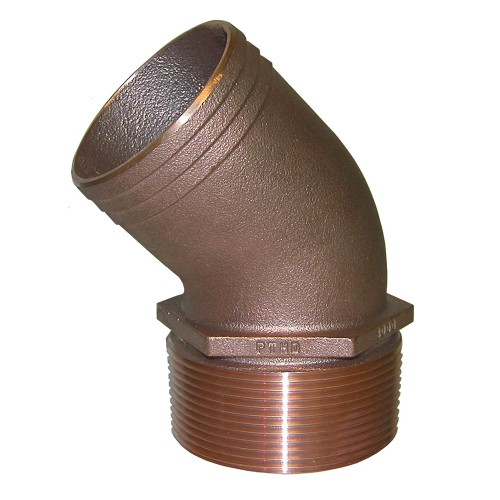
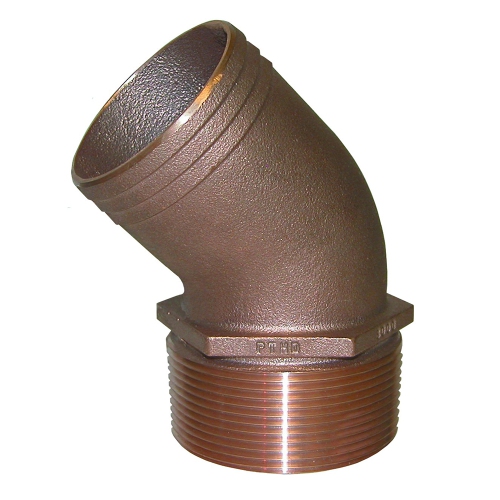
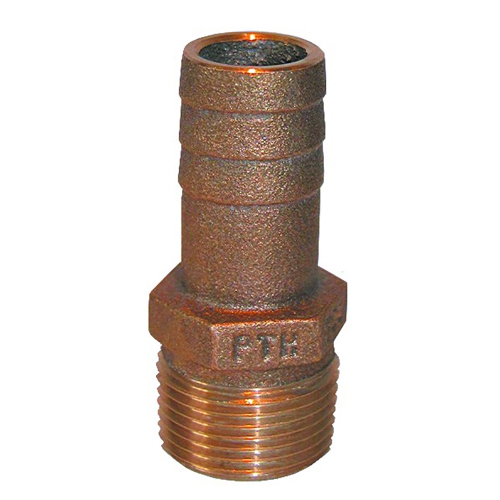
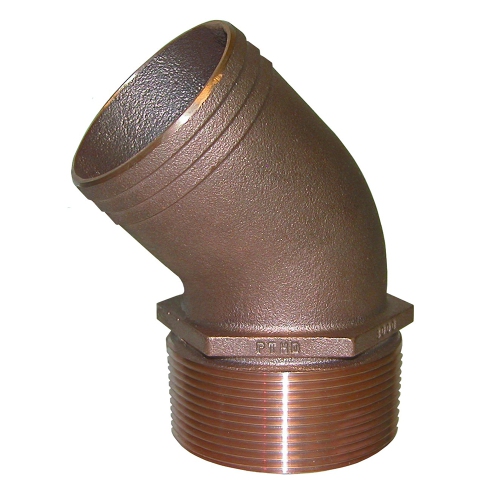
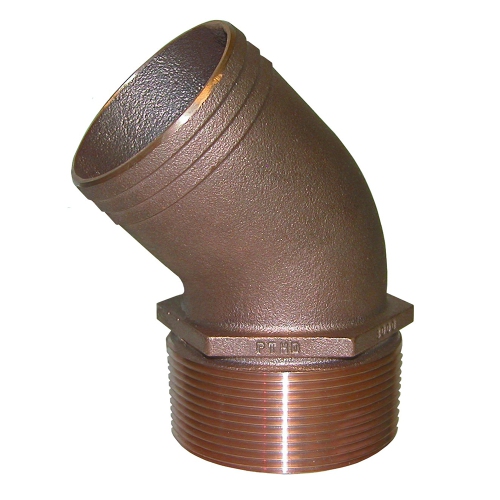
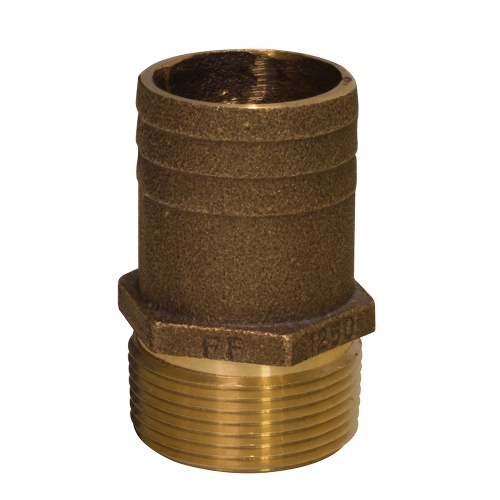
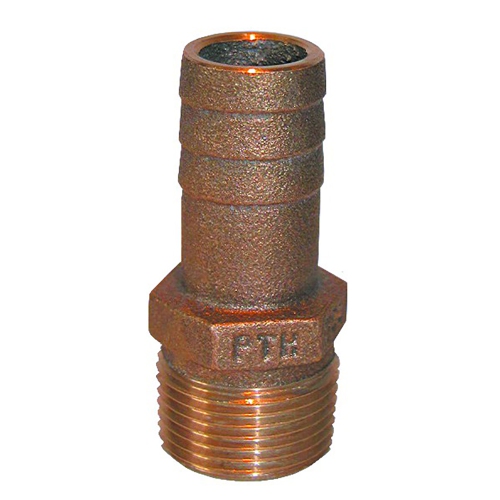
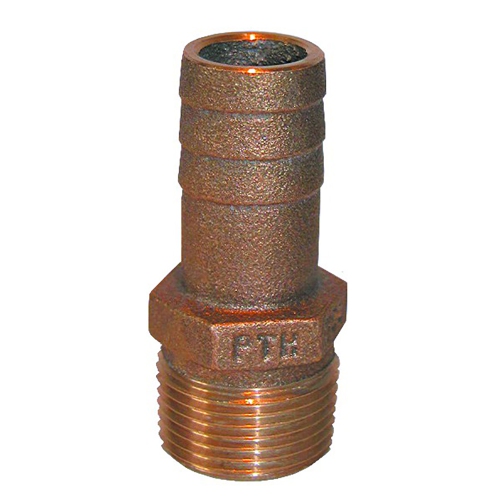
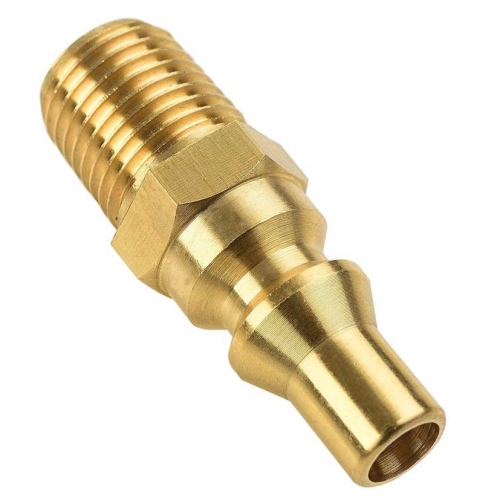

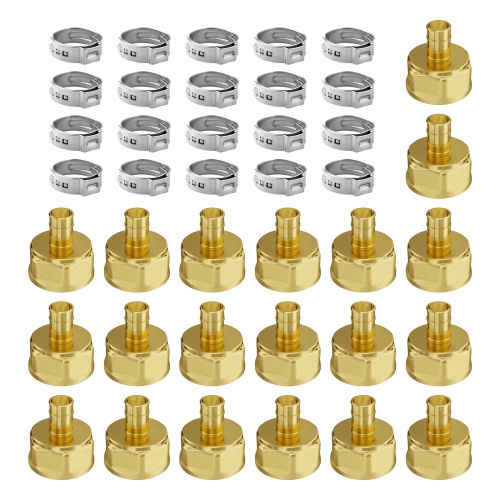
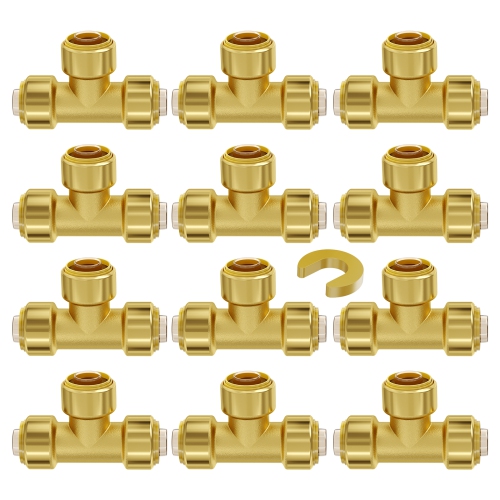
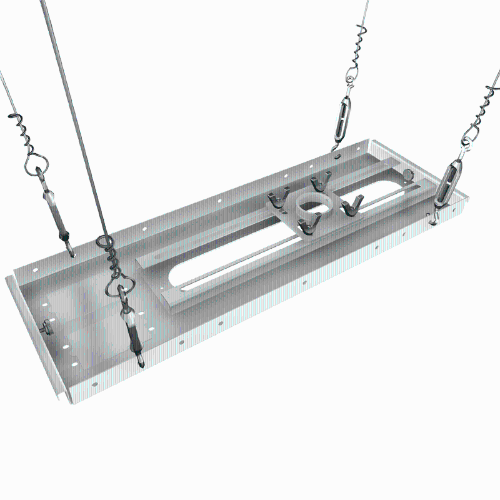
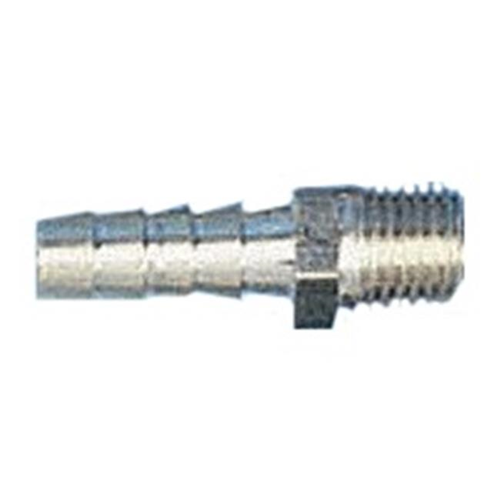
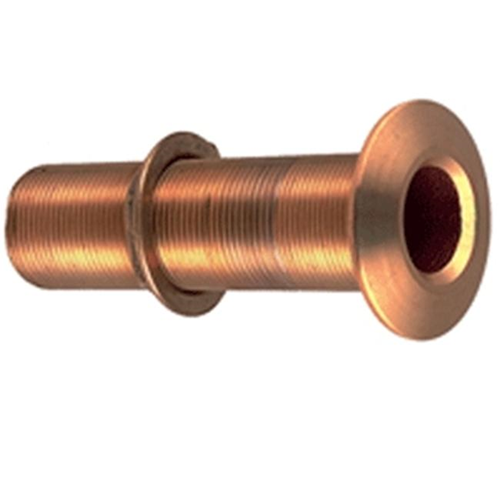
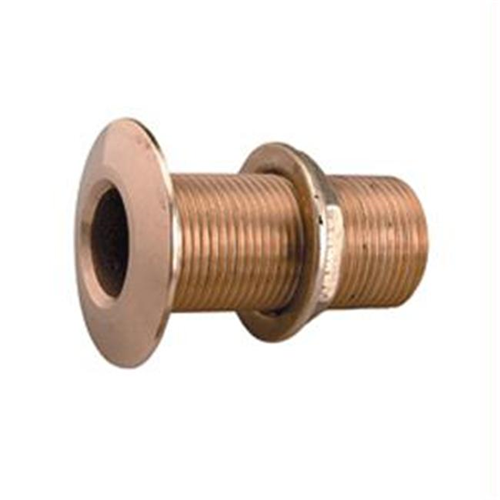
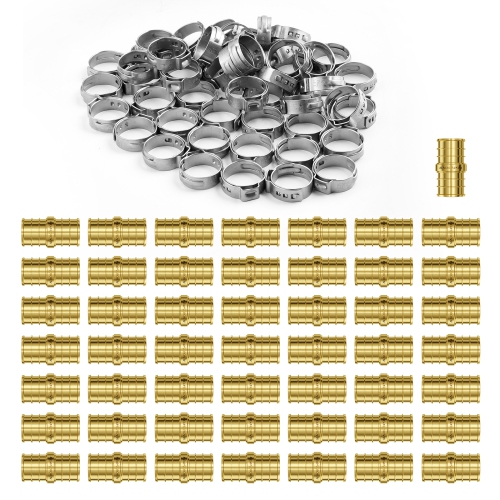

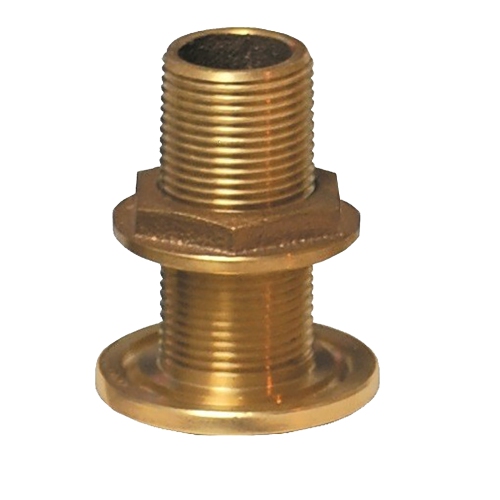
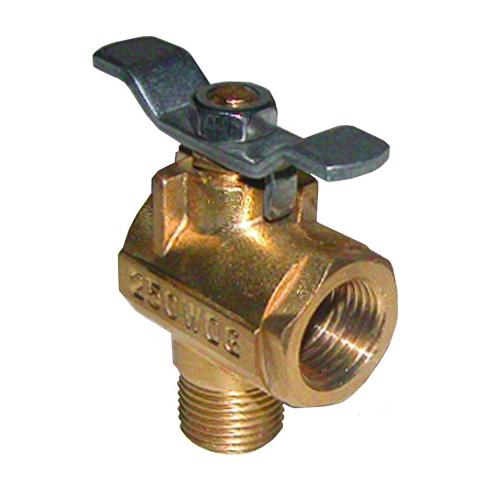
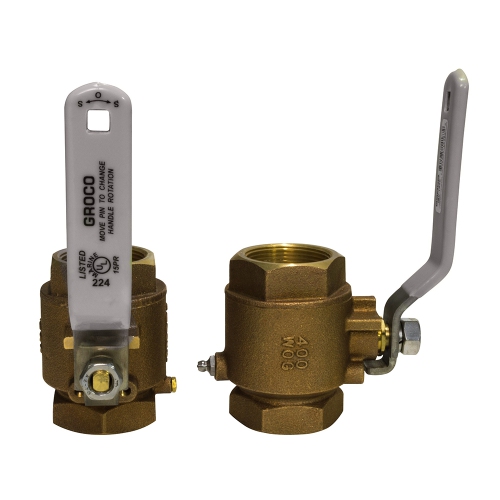
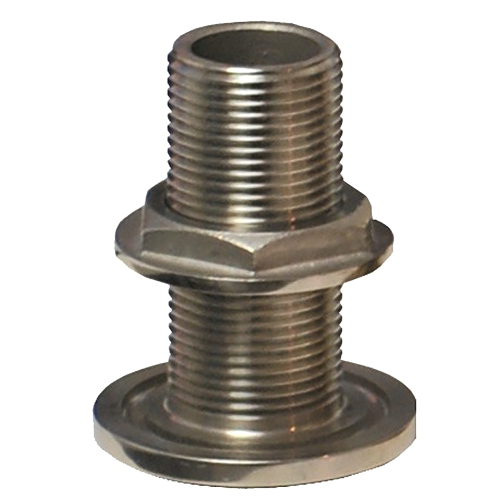
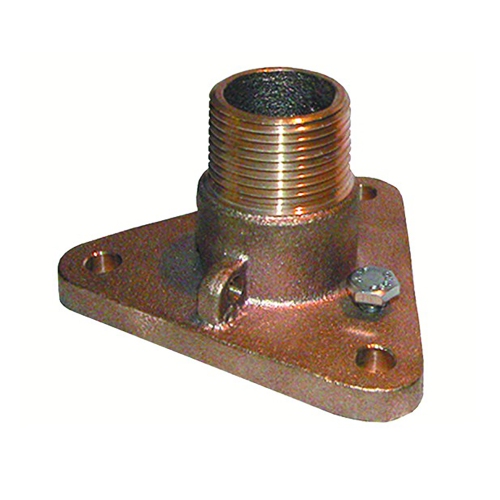
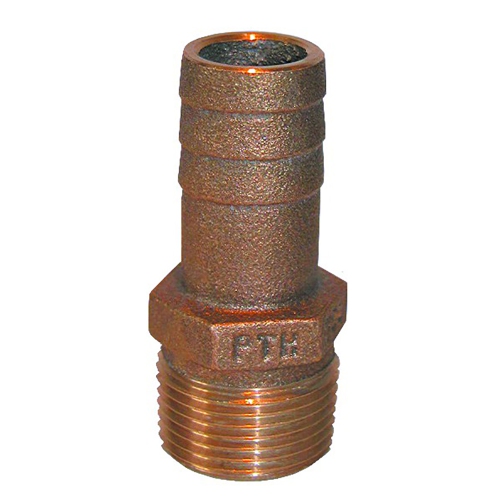
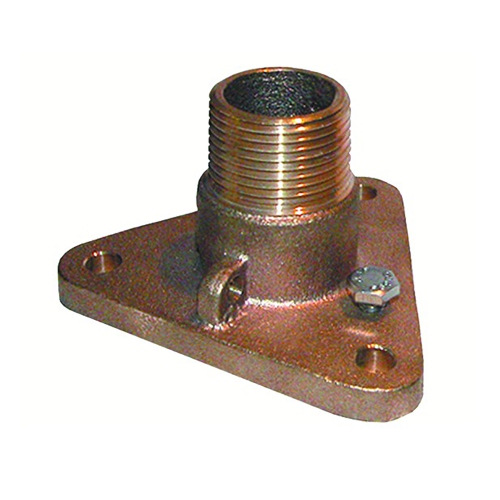
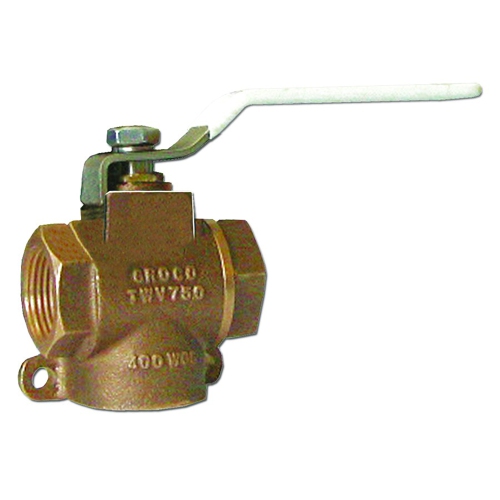

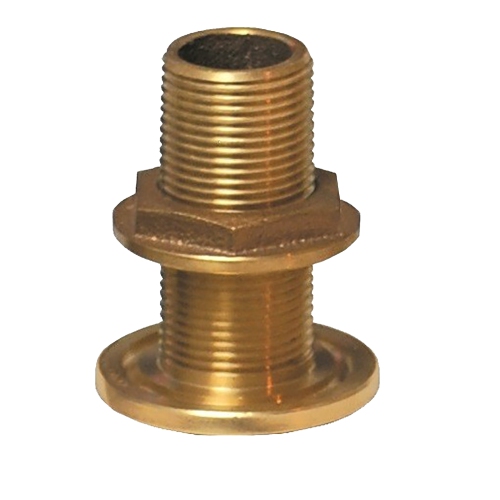
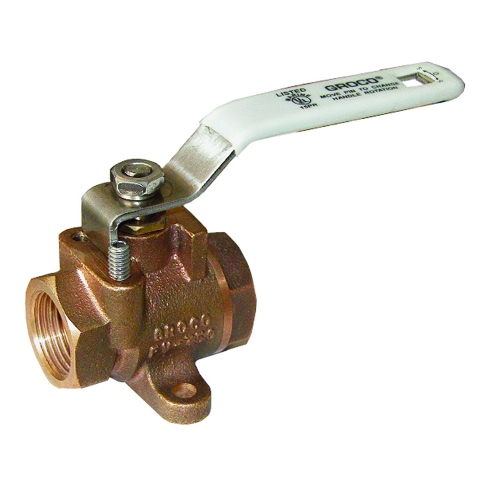
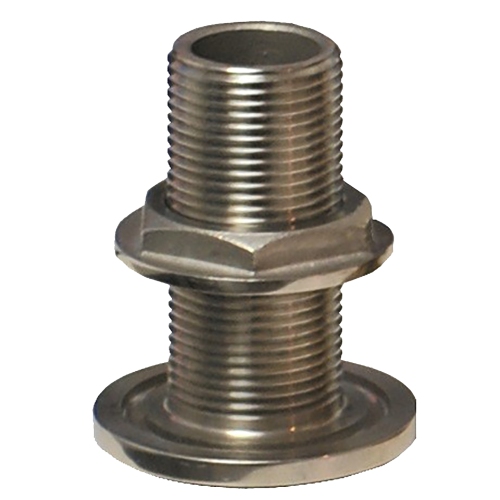
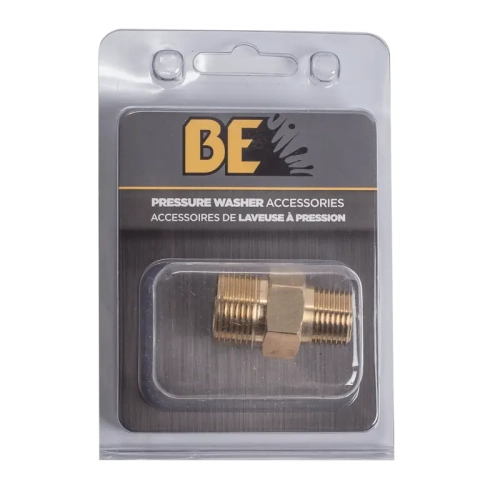
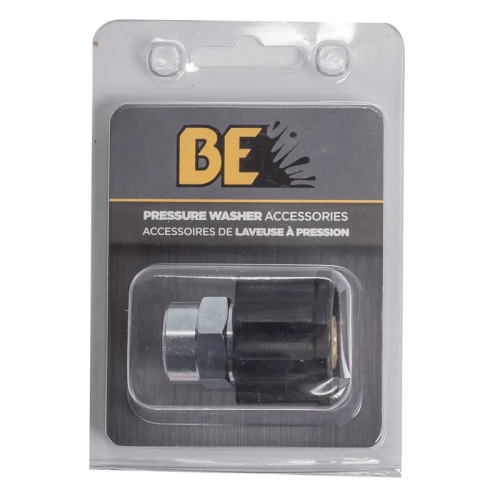
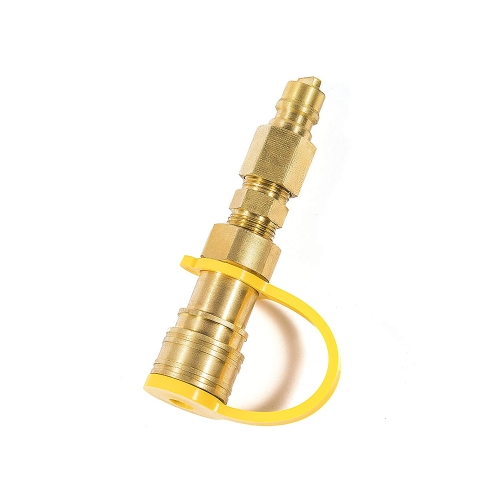
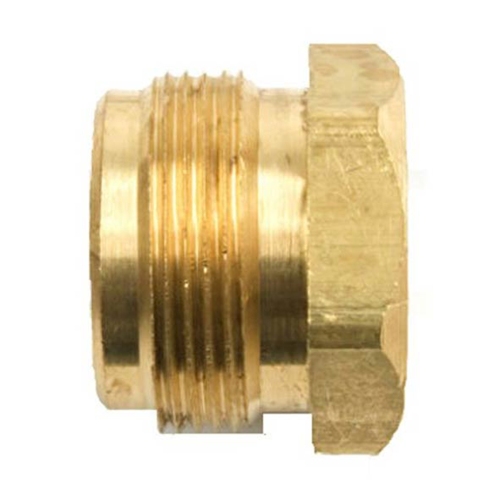

A dependable seal takes more than matching threads
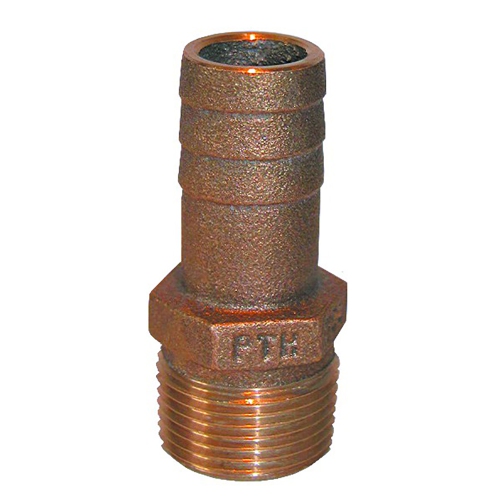
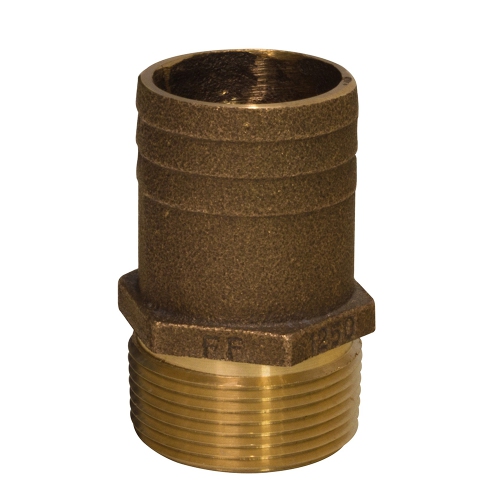
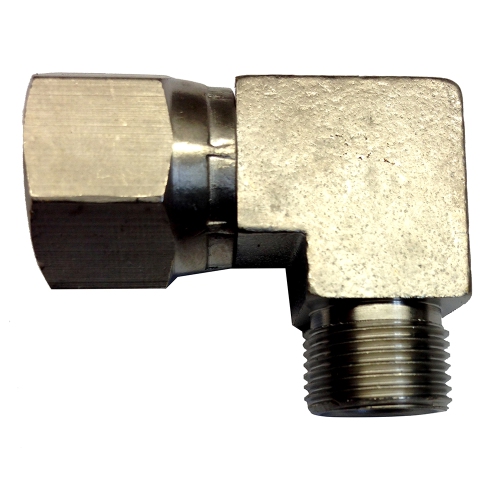
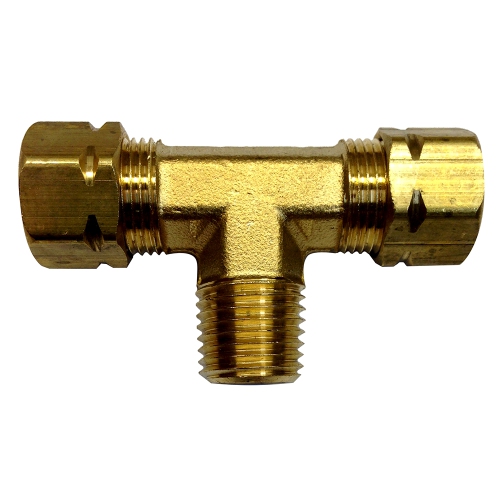
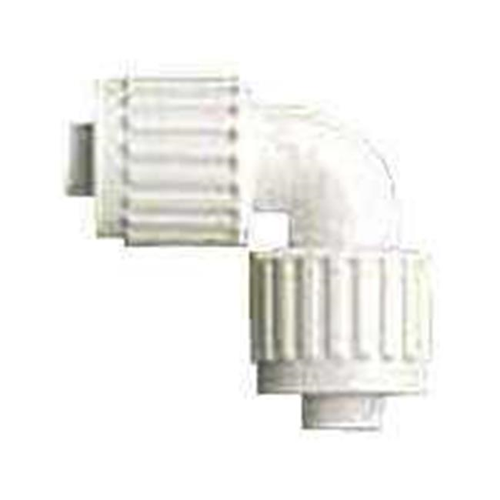
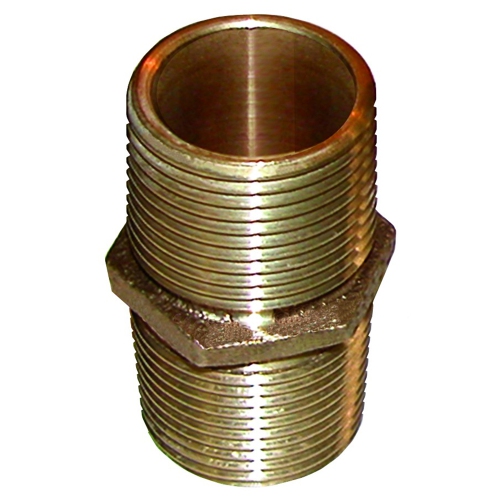
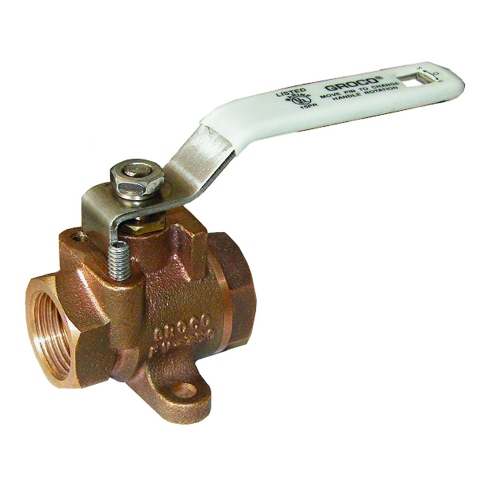
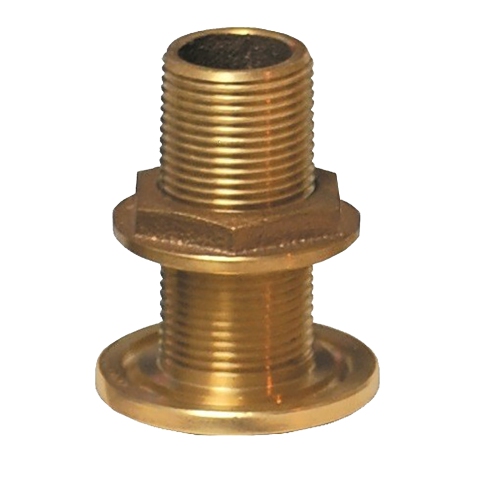
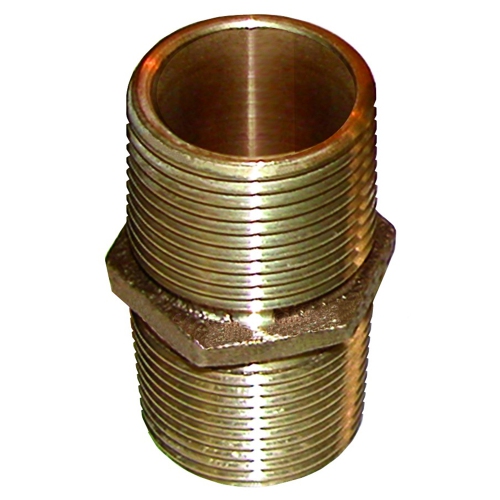
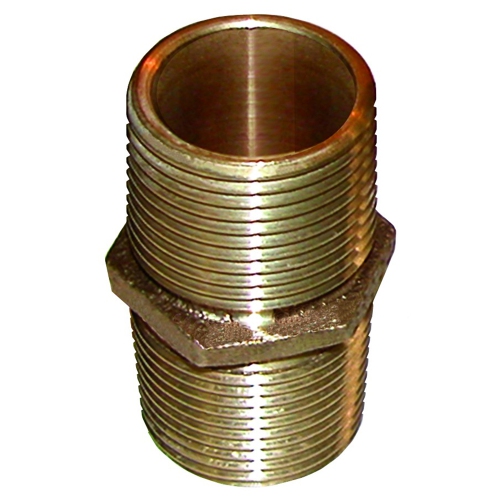
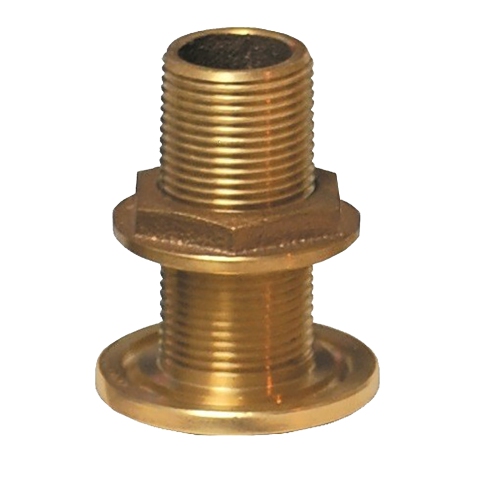
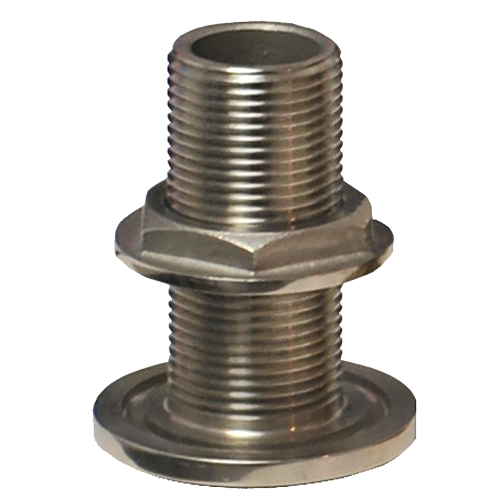
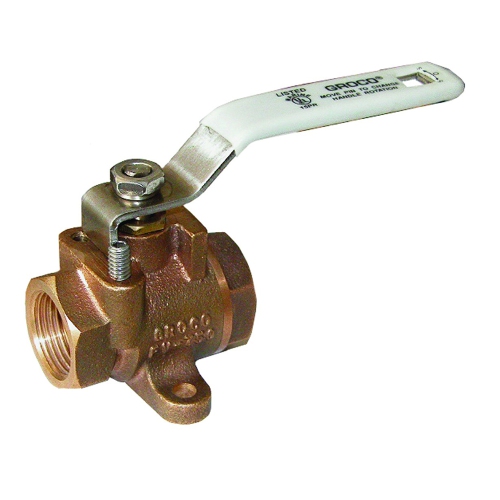
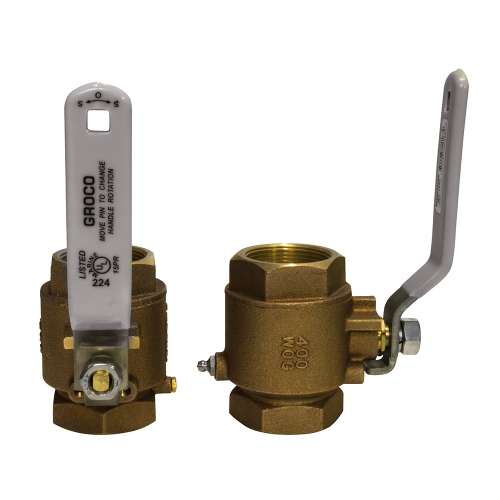
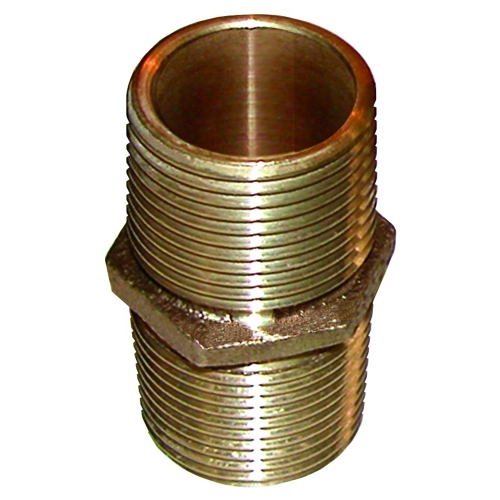
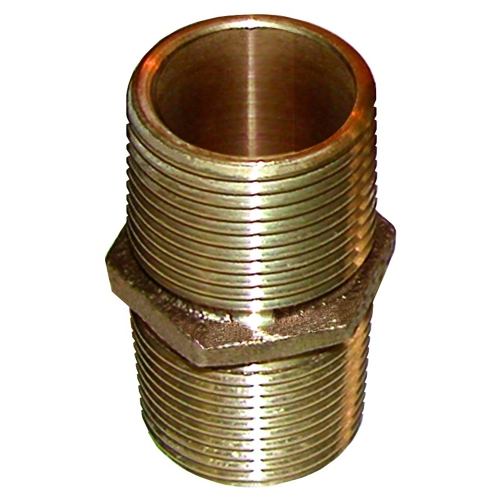
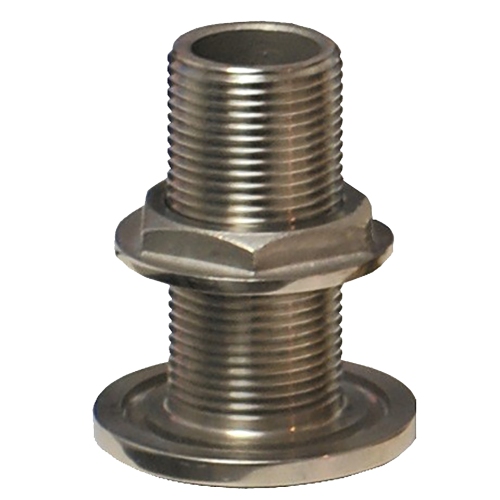
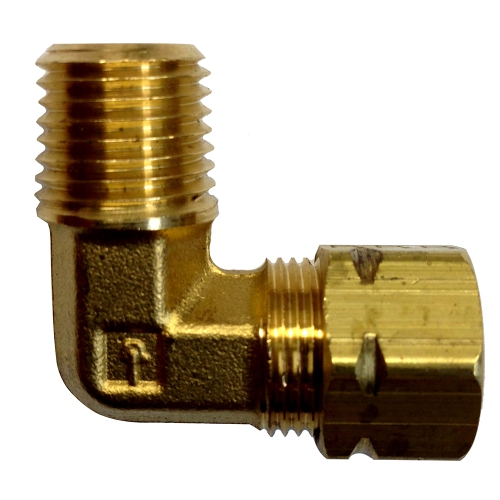
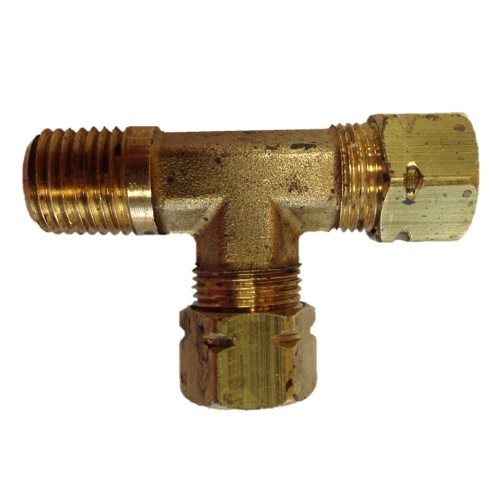
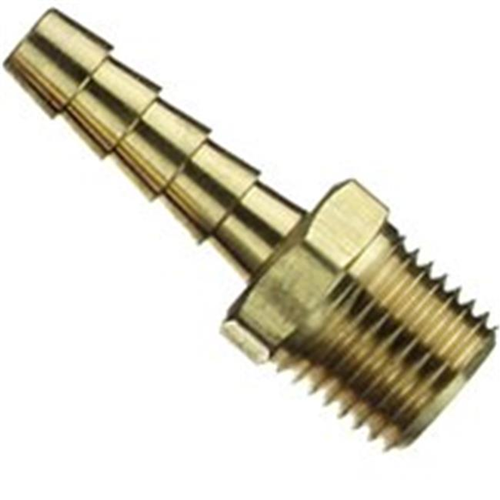
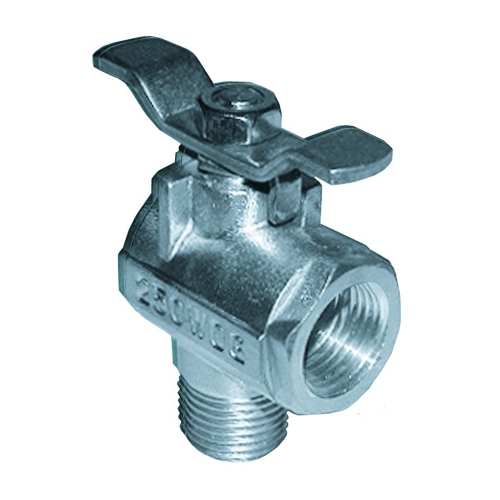
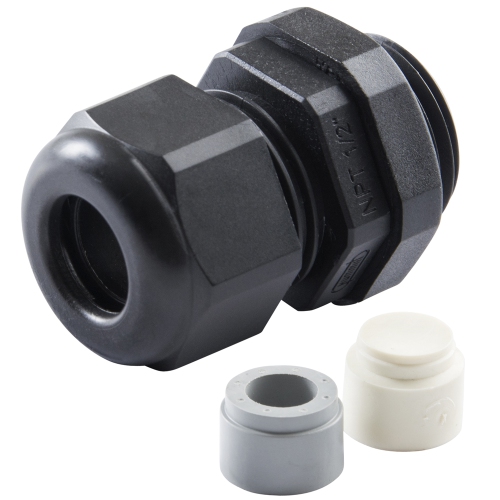
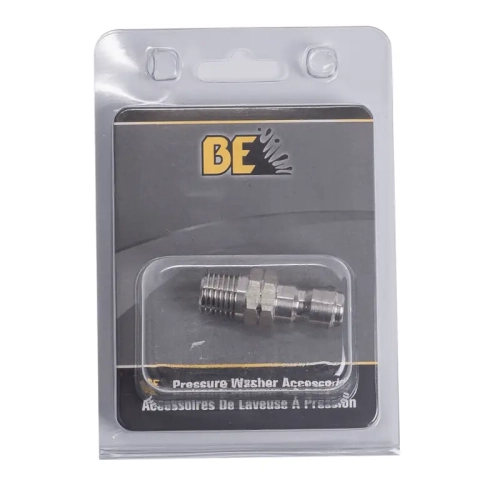
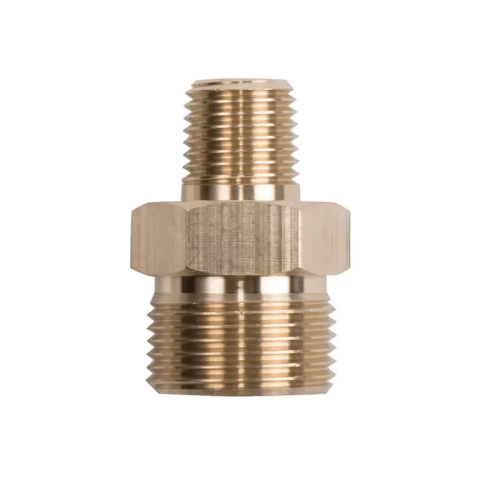
NPT pipe fittings join pipes, hoses, valves, and equipment ports through a standardized tapered thread connection. NPT stands for National Pipe Taper, a thread form commonly used in North American plumbing, compressed-air systems, and industrial equipment. The threads have a 60-degree profile, and their diameter changes along the threaded length, allowing matching male and female connections to engage more tightly as they are assembled. Male threads sit on the outside of a fitting, while female threads sit inside an opening. This tapered engagement provides mechanical holding strength, but standard NPT threads generally need a compatible thread sealant to close the small spiral leakage path between mating surfaces. A properly selected and assembled connection can provide a dependable seal, provided every component is suitable for the fluid, pressure, and operating conditions involved. Different fitting shapes serve distinct purposes within that connection. A coupling joins two threaded sections in a straight run, an elbow changes direction, and a tee creates a branch. A nipple has external threads at both ends, while plugs and caps close unused openings with female and male threads, respectively. Reducers connect different nominal sizes, and adapters join different connection types when their specifications permit. These differences matter in practical spaces: an elbow can route a line around the back of a workbench, while a union can allow a section to be disconnected for servicing without rotating an entire pipe run. NPT pipe fittings may be used by maintenance technicians, plumbers, equipment builders, and experienced home workshop users, but their suitability depends on the application rather than their appearance alone. A connector intended for a water line is not automatically appropriate for fuel gas, and a fitting suitable for one compressed-air setup may not meet another system’s pressure requirements. For projects involving more than one joining method, Pipe Connectors provides a broader category of connections to consider alongside threaded fittings. The essential match remains the same: connection standard, nominal size, material, and rated service must suit the equipment being joined.
Fit starts with understanding that an NPT size is a nominal designation, not a direct measurement of the threaded opening or outside diameter. For example, a 1/2-inch NPT male thread measures approximately 0.84 inch across its outside diameter, so choosing a replacement solely by holding a ruler against the opening can lead to a mismatch. Thread pitch, expressed as threads per inch, also varies by nominal size. The most useful reference is the equipment manufacturer’s port specification, supported by a thread gauge or identification chart when necessary. Both ends of an adapter need checking independently, since one end may have a different size, gender, or connection standard from the other. Labels such as MPT and FPT often describe male and female pipe threads, but the full specification should confirm that the thread standard is NPT. NPT should not be treated as interchangeable with BSPT, BSPP, or other pipe thread forms. Similar-looking connections can have different thread angles, pitches, or sealing methods, and partial engagement does not establish compatibility. Straight-thread connections may rely on an O-ring, gasket, or sealing washer rather than tapered thread engagement. NPTF is another distinct designation, intended for dryseal thread engagement under specified conditions; it should not be assumed to have the same assembly requirements as standard NPT. Beyond thread matching, physical dimensions influence how well a fitting works in the finished layout. A bulky elbow may clear the pipe but leave too little room for a wrench beside a pump housing. A long adapter assembly can place extra leverage on a small equipment port, especially when a hose is repeatedly moved. Internal passage size matters as well, since a restricted opening can limit flow even when the threads fit correctly. Checking overall length, wrench access, clearance, and support helps distinguish a connection that merely screws together from one that suits everyday use. Where disassembly is likely, access to unions, valves, and service points deserves the same attention as the initial fit.
Material selection affects corrosion resistance, mechanical strength, chemical compatibility, and care requirements. Brass is common in water and air connections because it machines well and offers useful corrosion resistance in many suitable applications. However, not every brass fitting is approved for drinking water; potable-water service requires the applicable certification and lead-content compliance. Stainless steel can suit applications needing greater corrosion resistance, although the grade must be compatible with the conveyed substance and cleaning products. Carbon steel is valued for strength in appropriate industrial and piping applications, but exposure to moisture can cause rust where adequate protection is absent. Plastic fittings, including PVC, offer a lightweight option for certain liquid systems, subject to their stated pressure, operating temperature, and chemical limits. They are not a universal substitute for metal, and ordinary PVC piping components should not be used for compressed air or gas unless expressly approved for that service by the manufacturer. Combining materials also needs care: some metal pairings can promote galvanic corrosion in the presence of a conductive liquid, while a metal male fitting can overstress a plastic female port if the assembly is unsuitable or overtightened. Long-term durability depends as much on assembly and support as on material. Threads should be clean and undamaged, with no cross-threading, flattened crests, or debris that could interfere with engagement. Standard NPT joints generally use PTFE thread seal tape or pipe joint compound approved for the fitting material and the substance carried through the line. The sealant manufacturer’s application directions matter, including coverage and suitability; a fixed number of tape wraps is not appropriate for every tape thickness or connection. Excess tightening can crack a port or distort threads, so assembly should follow the component manufacturer’s instructions rather than an assumption that tighter is always better. In service, checks for seepage, corrosion, vibration, and strain help identify problems before they affect nearby equipment. Lines must be isolated and depressurized before maintenance, and gas or other regulated installations require appropriately qualified professionals and applicable code compliance. Correctly matched fittings, suitable sealant, and sound support work together to make an NPT connection reliable and serviceable.
Fit starts with understanding that an NPT size is a nominal designation, not a direct measurement of the threaded opening or outside diameter. For example, a 1/2-inch NPT male thread measures approximately 0.84 inch across its outside diameter, so choosing a replacement solely by holding a ruler against the opening can lead to a mismatch. Thread pitch, expressed as threads per inch, also varies by nominal size. The most useful reference is the equipment manufacturer’s port specification, supported by a thread gauge or identification chart when necessary. Both ends of an adapter need checking independently, since one end may have a different size, gender, or connection standard from the other. Labels such as MPT and FPT often describe male and female pipe threads, but the full specification should confirm that the thread standard is NPT. NPT should not be treated as interchangeable with BSPT, BSPP, or other pipe thread forms. Similar-looking connections can have different thread angles, pitches, or sealing methods, and partial engagement does not establish compatibility. Straight-thread connections may rely on an O-ring, gasket, or sealing washer rather than tapered thread engagement. NPTF is another distinct designation, intended for dryseal thread engagement under specified conditions; it should not be assumed to have the same assembly requirements as standard NPT. Beyond thread matching, physical dimensions influence how well a fitting works in the finished layout. A bulky elbow may clear the pipe but leave too little room for a wrench beside a pump housing. A long adapter assembly can place extra leverage on a small equipment port, especially when a hose is repeatedly moved. Internal passage size matters as well, since a restricted opening can limit flow even when the threads fit correctly. Checking overall length, wrench access, clearance, and support helps distinguish a connection that merely screws together from one that suits everyday use. Where disassembly is likely, access to unions, valves, and service points deserves the same attention as the initial fit.
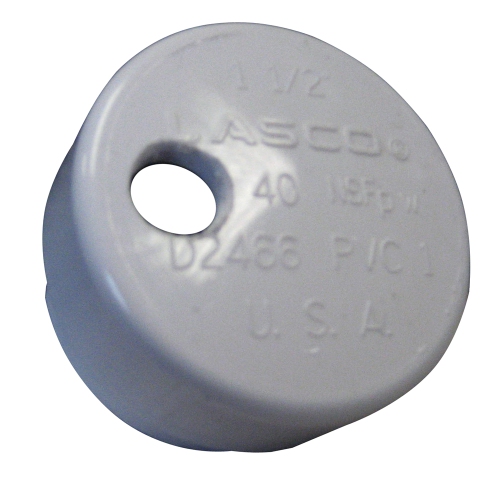
Material selection affects corrosion resistance, mechanical strength, chemical compatibility, and care requirements. Brass is common in water and air connections because it machines well and offers useful corrosion resistance in many suitable applications. However, not every brass fitting is approved for drinking water; potable-water service requires the applicable certification and lead-content compliance. Stainless steel can suit applications needing greater corrosion resistance, although the grade must be compatible with the conveyed substance and cleaning products. Carbon steel is valued for strength in appropriate industrial and piping applications, but exposure to moisture can cause rust where adequate protection is absent. Plastic fittings, including PVC, offer a lightweight option for certain liquid systems, subject to their stated pressure, operating temperature, and chemical limits. They are not a universal substitute for metal, and ordinary PVC piping components should not be used for compressed air or gas unless expressly approved for that service by the manufacturer. Combining materials also needs care: some metal pairings can promote galvanic corrosion in the presence of a conductive liquid, while a metal male fitting can overstress a plastic female port if the assembly is unsuitable or overtightened. Long-term durability depends as much on assembly and support as on material. Threads should be clean and undamaged, with no cross-threading, flattened crests, or debris that could interfere with engagement. Standard NPT joints generally use PTFE thread seal tape or pipe joint compound approved for the fitting material and the substance carried through the line. The sealant manufacturer’s application directions matter, including coverage and suitability; a fixed number of tape wraps is not appropriate for every tape thickness or connection. Excess tightening can crack a port or distort threads, so assembly should follow the component manufacturer’s instructions rather than an assumption that tighter is always better. In service, checks for seepage, corrosion, vibration, and strain help identify problems before they affect nearby equipment. Lines must be isolated and depressurized before maintenance, and gas or other regulated installations require appropriately qualified professionals and applicable code compliance. Correctly matched fittings, suitable sealant, and sound support work together to make an NPT connection reliable and serviceable.
Top selling and popular products
-
 Your price for this item is $30.59
 -
 Your price for this item is $30.54
 -
 Your price for this item is $38.85
 -
 Your price for this item is $92.99
 -
 Your price for this item is $844.91
 -
 Your price for this item is $909.33
 -
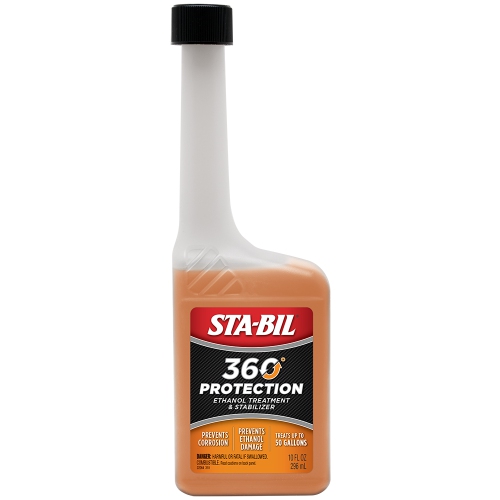 Your price for this item is $30.62
 -
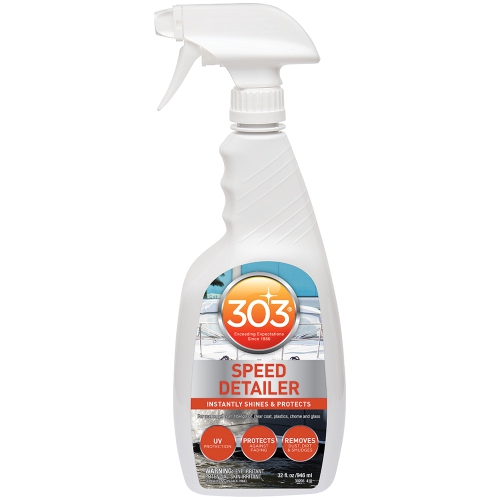 Your price for this item is $34.93
Discover more categories related to NPT Pipe Fittings
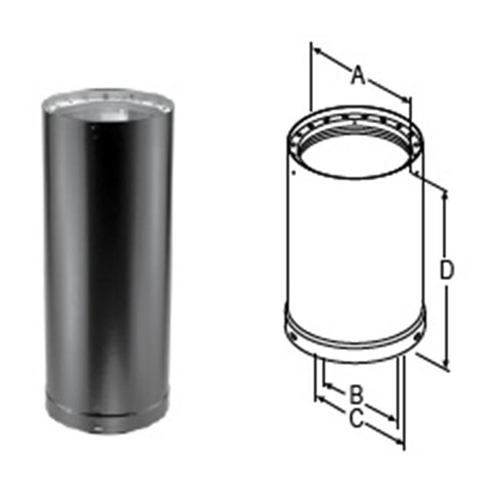
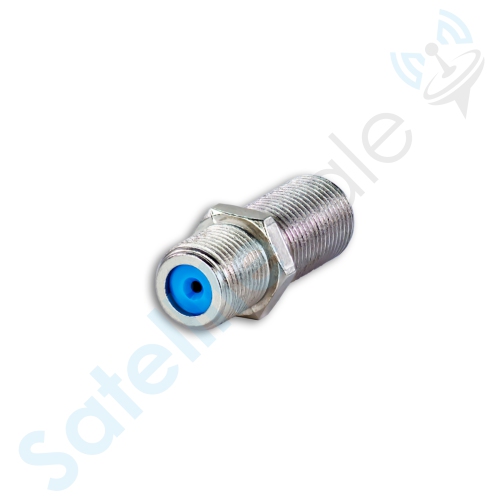
Top Collections:
Pokemon Centers, Kindle Devices, Best Budget Office Chairs, Apple iPhones 16, Best Laptops for Writers, iPhone 15 Apple, Canon G7X Cameras, Refurbished Apple Laptops, Alarm Clock, Motorola Razr Phones
Some products may be subject to Environmental Handling Fees
(EHF) depending on your province.
Learn more about EHFs.