Paddle Boards
Discover the perfect paddle board to elevate your time on the water, whether you're exploring calm lakes, cruising along rivers, or enjoying a day at the beach. With options designed for every skill level and activity, finding the right paddle board is easy. Browse a wide selection to match your adventure style and enjoy more fun in the sun with confidence and comfort.
Sort

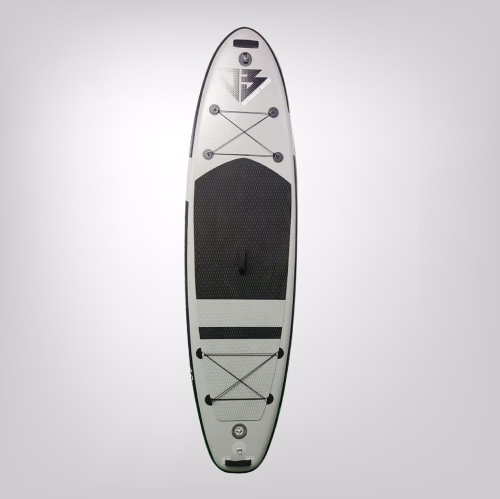
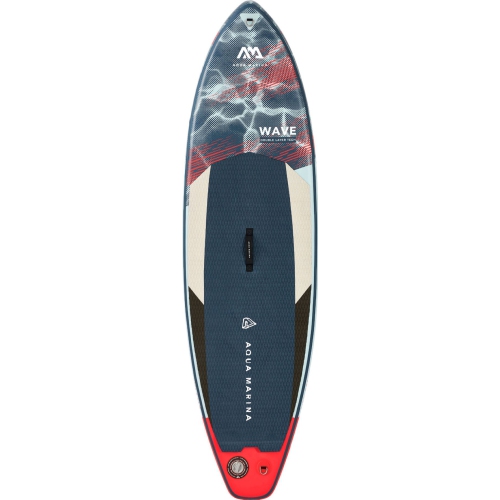
How inflatable and solid boards fit different paddling routines
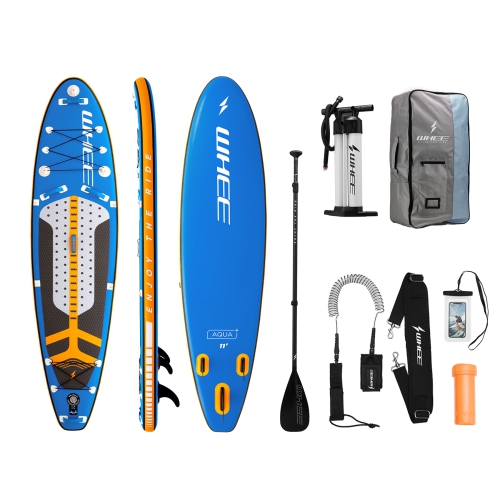
Paddle boards are watercraft propelled with a long paddle, usually from a standing position, though paddlers can also kneel while getting their balance or approaching shore. Often called stand-up paddleboards or SUPs, they bring together gentle exercise, time outdoors, and a clear view of the water beneath the deck. The two main types are inflatable paddle boards and solid boards, each with practical advantages for different routines. Inflatable SUPs typically use a PVC outer shell and an internal drop-stitch structure, with thousands of threads connecting the upper and lower surfaces so the board holds its shape when inflated to its specified pressure. Once deflated, they fit into a carrying bag, making them practical for apartment storage, car travel, and trips where a full-length board would be difficult to transport. Solid paddle boards commonly have a foam core covered with fibreglass, epoxy, or another protective construction. They retain their shape without pumping and can offer a more direct feel underfoot, with performance depending on their design and materials. Their full length needs to be considered when planning storage, carrying routes, and vehicle transport. Across both types, all-around boards suit varied leisure use, while touring shapes favour efficient travel over longer distances. Broad, rounded noses are common on boards designed for relaxed paddling; more pointed profiles often help touring boards move smoothly through flat water. The Stand-Up Paddleboard collection brings this style of on-water activity into focus, whether the goal is an easy circuit near the cottage or a steady fitness session on a sheltered lake. Beginners, experienced paddlers, and families may all use paddle boards, but the right match depends on the rider, the load, and the conditions rather than experience alone. A calm launch beside a sandy beach places different demands on a board than a long paddle with a dry bag secured beneath the deck cords. Even the walk from a parking area to the shoreline can make carrying weight and handle placement important parts of everyday use.
Length, width, thickness, and weight capacity work together to determine how a paddle board feels on the water. Many adult all-around boards measure roughly 10 feet 6 inches to 11 feet 6 inches long, balancing manageable handling with room for a comfortable stance. Shorter boards can be easier for smaller paddlers to handle or better suited to surfing, depending on their shape, while touring boards often measure 12 feet 6 inches or longer to support glide and straighter tracking. Width matters just as much: boards around 33 to 35 inches wide can provide a steadier platform for learning, stretching, or paddling with a dog, although extra width may make it harder for a smaller rider to keep the paddle close to the rail. Narrower designs can feel more efficient over distance but generally demand more balance. These measurements are useful reference points, not guarantees, since hull shape, construction, and load distribution also affect stability. Weight capacity should account for the paddler plus clothing, drinking water, safety equipment, and any permitted passenger or pet. A board used close to its maximum stated load may sit lower and handle differently than it does with a lighter load, so the manufacturer's intended rider range is worth distinguishing from its absolute capacity. Deck details become noticeable during longer outings. A textured foam pad gives bare feet a grippy standing surface and cushions knees, while a clear central area leaves room to adjust foot position. Carry handles at the centre, nose, or tail can simplify launching and lifting, and attachment points help keep suitable gear secured. Fin arrangements influence turning and tracking; removable fins also make packing easier, but their fittings need to stay free of sand. An adjustable paddle can accommodate different heights within its stated range, making it useful for a board shared by adults. Aluminium shafts are common for general use, while fibreglass and carbon constructions can reduce paddle weight. For a child, a board and paddle proportioned to their size are more manageable than an oversized adult setup, with attentive adult supervision essential on the water.
Intended use also shapes what makes a paddle board enjoyable over time. Someone who values quiet shoreline paddles may appreciate a forgiving all-around shape and simple carrying setup, while a distance-focused paddler may place greater importance on efficient glide, secure cargo space, and comfortable paddle weight. A broad deck can suit on-water stretching or yoga in sheltered conditions, but usable pad space and unobstructed footing matter alongside width. For a dog joining an outing, sufficient load capacity, secure footing, and gradual practice near shore are important; a suitable pet flotation device adds protection. Paddle boards can also be thoughtful gifts for cottage owners, fitness enthusiasts, or people who already enjoy watersports, provided their size, storage space, and transport arrangements are understood. Ownership involves a few regular care habits. Fresh-water rinsing helps remove salt, grit, and dirt from the board, paddle, valves, and fin fittings, and thorough drying before packing helps prevent mildew and odours. Inflatable boards tolerate many everyday bumps, but sharp rocks, dragging across gravel, and prolonged heat exposure can damage their surfaces or seams. Inflation pressure should stay within the manufacturer's specifications, with attention to temperature changes and instructions about time in direct sunlight. Solid boards need protection from hard impacts, and damage that exposes the core should be assessed before further use. During the cooler months, clean, dry storage away from excessive heat and freezing conditions, as specified by the manufacturer, helps protect materials and fittings. Safety equipment belongs in every outing plan: a properly fitted, approved personal flotation device or lifejacket should be worn, and applicable local boating requirements still apply. Leash choice depends on the water setting, as an ordinary ankle leash can create an entrapment hazard in moving water. Water temperature, wind, boat traffic, and a realistic return route deserve attention even close to shore. Cold water remains a serious risk on a mild day, making conditions-appropriate clothing and sound judgement as important as the board itself.
Top selling and popular products
-
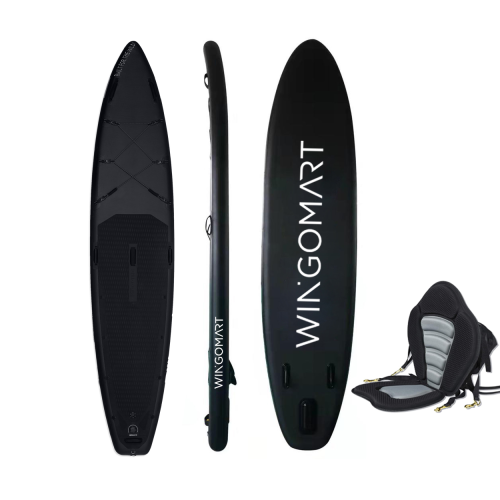 Your price for this item is $299.9
-
 Your price for this item is $599
-
 Your price for this item is $249.99
-
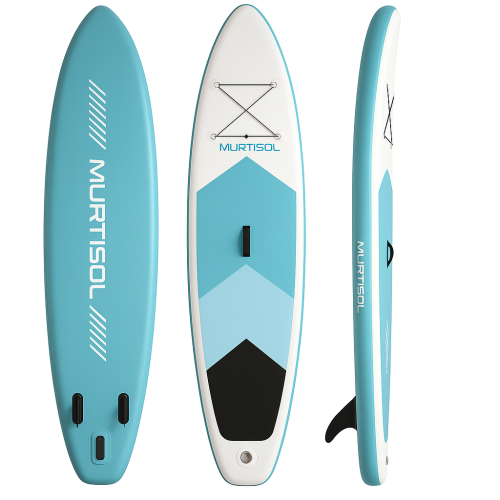 Your price for this item is $179.7
-
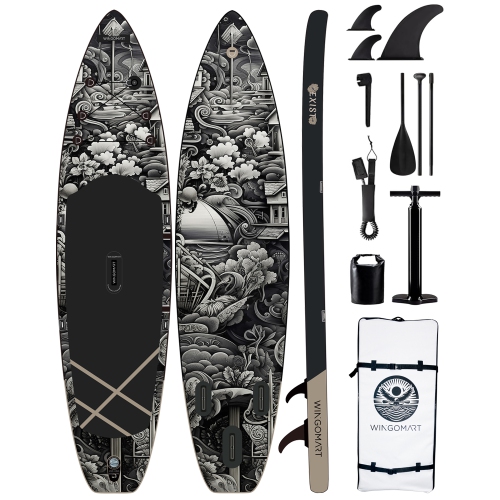 Your price for this item is $259.99
-
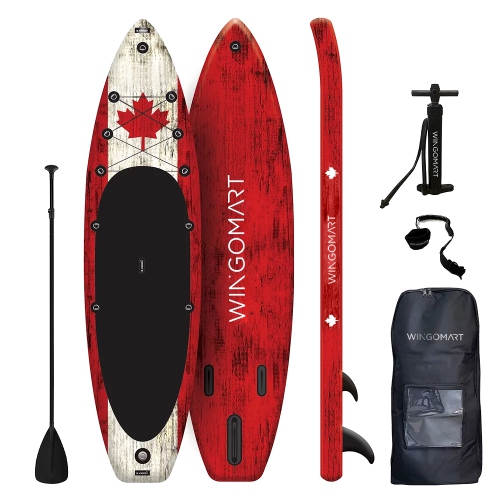 Your price for this item is $329.99
-
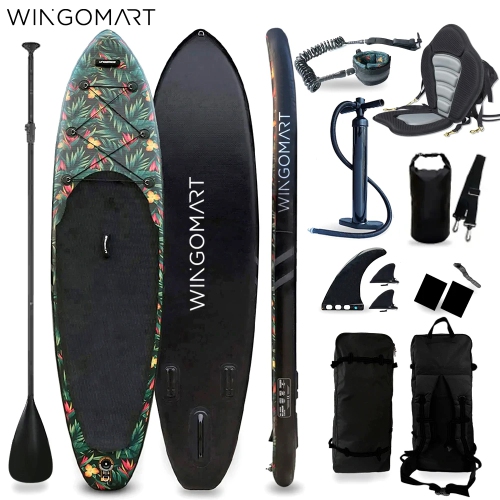 Your price for this item is $279.7
-
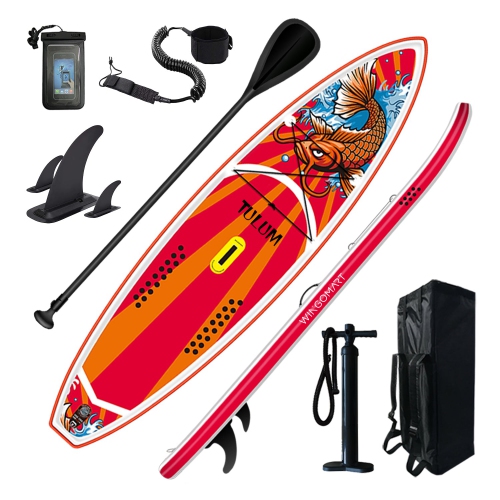 Your price for this item is $269.99
Discover more categories related to Paddle Boards
Top Collections:
Pokemon Centers, Kindle Devices, Best Budget Office Chairs, Canon G7X Cameras, Apple iPhones 16, Samsung Galaxy Phones, Refurbished Apple Laptops, Laptops for Students, iPhone 15 Apple, Budget Smartphones
Some products may be subject to Environmental Handling Fees
(EHF) depending on your province.
Learn more about EHFs.