Polycarbonate Lenses
Polycarbonate lenses are a popular choice for eyewear enthusiasts seeking durability and optical clarity. Known for their lightweight construction and impact resistance, these lenses are ideal for anyone with an active lifestyle or those in need of everyday protection. Whether you're updating your prescription glasses or looking for reliable sunglasses, polycarbonate lenses offer a versatile solution that combines comfort with robust performance. Perfect for both adults and children, they provide peace of mind with their shatter-resistant properties while ensuring a comfortable fit for all-day wear. Explore the benefits of polycarbonate lenses and discover why they are a preferred option in eyewear technology.
Sort
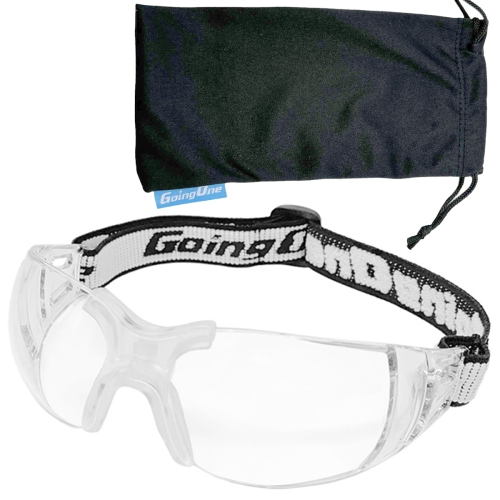
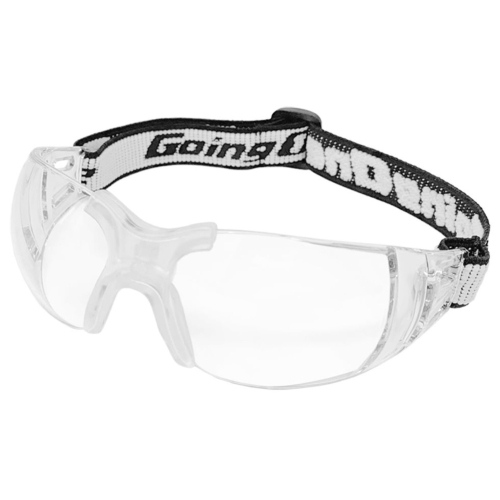
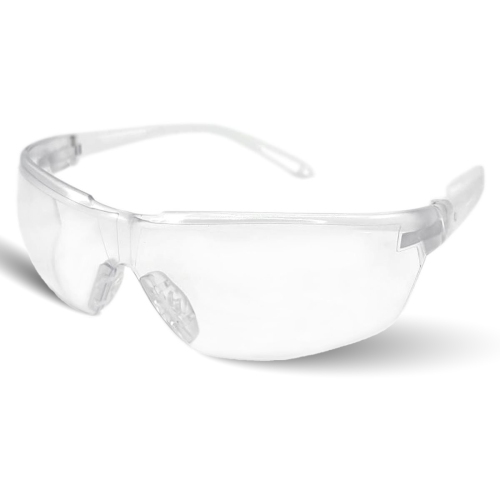
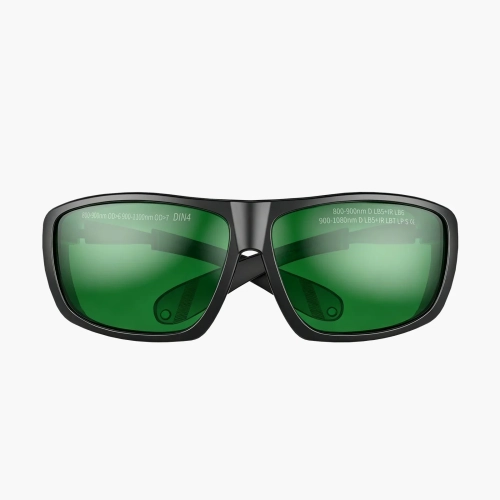
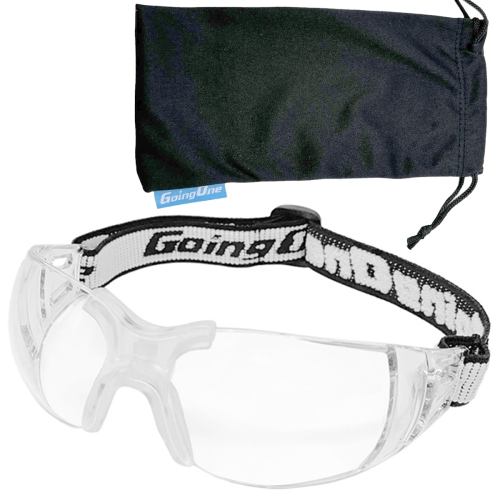
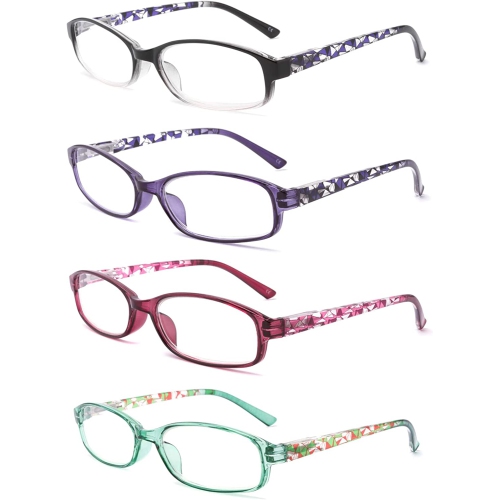
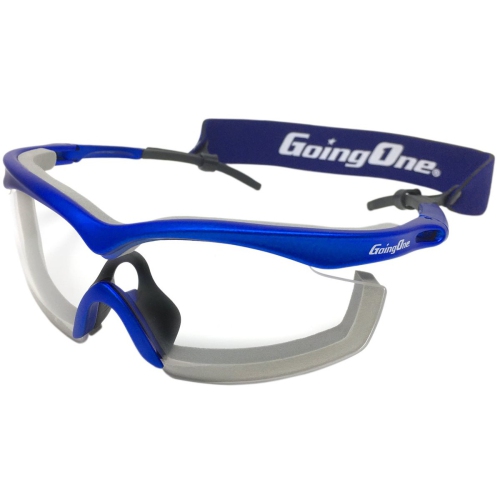
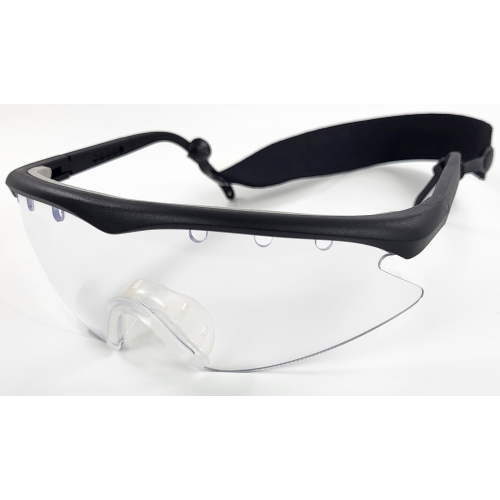
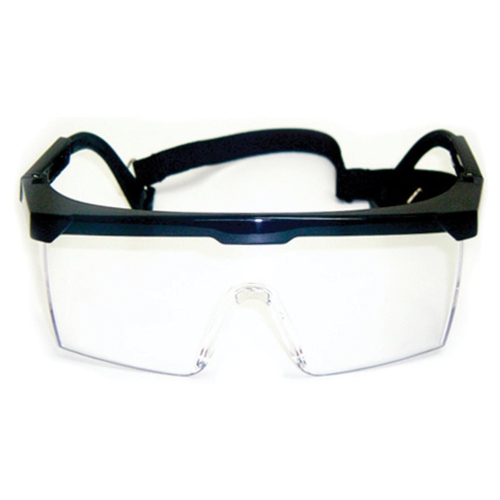
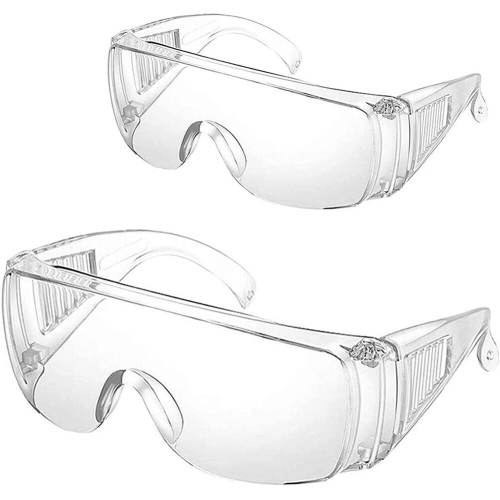
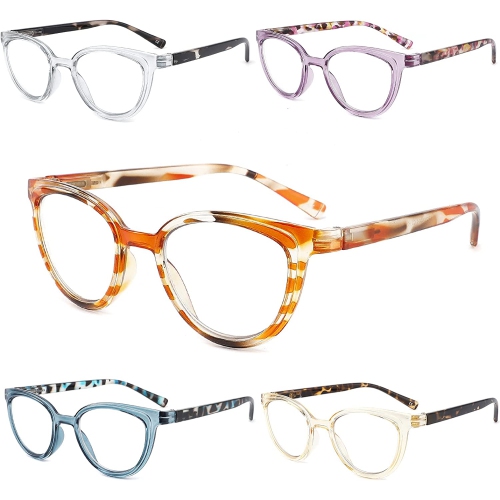
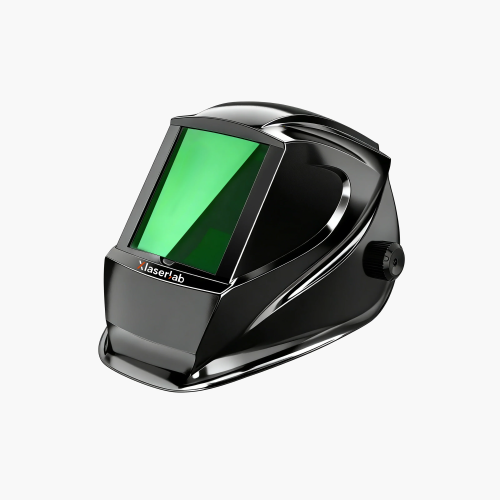
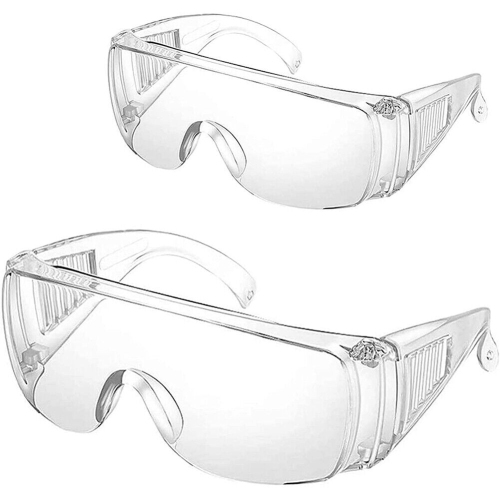


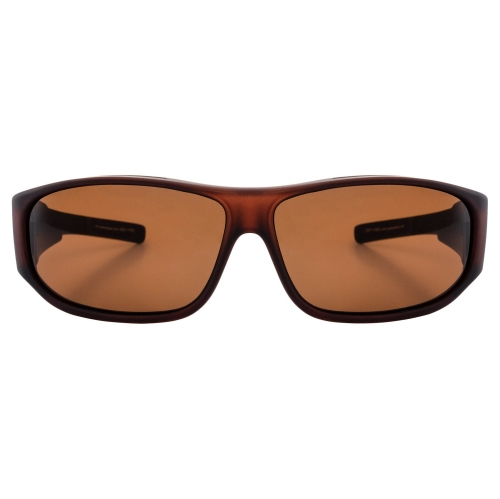
How lightweight lenses balance comfort and impact resistance
Polycarbonate lenses bring a useful combination of low weight, impact resistance, and optical versatility to everyday eyewear. Made from a tough thermoplastic, they are used in prescription glasses, sunglasses, sports eyewear, and protective eyewear, with the finished design determining how well each pair suits its intended purpose. Compared with conventional glass lenses, polycarbonate can help reduce the weight resting on the bridge of the nose, a difference that becomes noticeable during a full day of reading, commuting, or moving between meetings. Its refractive properties can also allow thinner lenses than standard plastic in a comparable prescription, although the final thickness depends on the prescription, lens shape, frame size, and where the eyes sit within the frame. For children, active adults, and anyone who prefers a lighter feel, those practical qualities can be especially appealing. Impact resistance is an important part of the material’s appeal, but it does not mean that a lens is unbreakable or that every pair qualifies as safety eyewear. Everyday glasses and purpose-built protective eyewear serve different roles, even when both use polycarbonate. The material’s toughness also explains its use beyond eyewear, including in Polycarbonate Luggage, though optical lenses require their own specialized manufacturing and finishing. In eyewear, the result is a material that can support many different routines without adding unnecessary bulk. Someone who alternates between a desktop monitor and face-to-face conversations may value comfortable prescription glasses, while a recreational athlete may place more emphasis on a secure fit and coverage. The material is only one part of that experience: frame construction, lens treatments, prescription accuracy, and careful fitting all contribute to how the glasses feel and perform throughout the day. A well-matched pair should feel balanced rather than front-heavy, stay in place during ordinary movement, and provide a clear view through the areas used most often.
Fit deserves as much attention as lens material, particularly when glasses are worn for long stretches or during movement. A frame that slides down the nose can change the position of the lenses in front of the eyes, while temples that pinch may become distracting before the day is finished. The bridge should sit securely without concentrated pressure, and the frame width should suit the face without squeezing at the sides. For prescription wearers, accurate measurements help position the optical centres correctly; multifocal designs require additional attention to fitting height and the relationship between the frame and the eyes. Smaller, well-centred frames can sometimes help manage visible lens thickness, especially with stronger prescriptions. Optical preferences matter as well. Some wearers notice colour fringing near the edges of polycarbonate lenses, particularly with stronger prescriptions or when looking away from the centre, making professional fitting and an appropriate lens design worthwhile considerations. Intended use helps narrow the other features that matter. For active use, a stable frame, suitable coverage, and compatibility with helmets or other equipment may be more useful than a fashionable shape alone. For workshop tasks or sports that involve impact hazards, the complete eyewear should carry the appropriate safety rating for the activity; a polycarbonate lens by itself is not proof of protection. Outdoor eyewear also needs clearly stated ultraviolet protection. Polycarbonate is inherently effective at absorbing ultraviolet radiation, but the finished eyewear’s UV rating and coverage remain important. A dark tint does not establish UV protection, and polarization is a separate feature designed to reduce certain types of reflected glare. Polarized lenses can be helpful around reflective surfaces, though they may affect how some digital displays appear. Clear, tinted, polarized, and light-responsive lenses offer different experiences, so the most useful combination depends on where and how the glasses will be worn. Light-responsive lenses can also behave differently behind a vehicle’s windscreen, since performance depends on the lens technology and the light reaching it.
Surface treatments and everyday care play a large role in keeping polycarbonate lenses comfortable to use. Although the base material is highly impact resistant, it is more susceptible to surface scratching than glass, which makes a suitable scratch-resistant coating valuable. That coating improves resistance to everyday wear but does not make the surface scratchproof. An anti-reflective treatment can reduce distracting reflections from the lens surfaces, particularly around overhead lighting or during video calls, while an easy-clean topcoat may help fingerprints and smudges wipe away more readily. Coating benefits vary, and cleaning methods should always follow the eyewear manufacturer’s directions. A practical routine usually begins with rinsing away loose dust before gently cleaning the lenses with an approved solution and a clean microfibre cloth. Rubbing a dry lens with a shirt sleeve or paper towel can drag particles across the surface and leave fine marks that gradually interfere with clarity. Where permitted by the care instructions, lukewarm water and a small amount of mild, lotion-free dish soap can help remove skin oils; household glass cleaners, strong solvents, and abrasive cleaners are best avoided unless expressly approved. Glasses also benefit from being put down with the lenses facing upward and stored in a protective case rather than loose beside keys or chargers. A case helps protect the frame as well as the lenses, preserving the alignment that contributes to a comfortable fit. Avoid leaving eyewear near direct heat sources, which can affect frames and coatings. For children, habits such as using both hands to remove glasses and keeping a case within reach can be just as useful as the lens material itself. If eyewear is being considered as a gift, prescription details, fit, and the recipient’s preferences make personal involvement especially important. Across everyday, recreational, and protective uses, the strongest match comes from treating polycarbonate lenses as one part of a complete pair: an appropriate frame, accurate optics, suitable protection, and straightforward care all contribute to dependable daily wear.
Top selling and popular products
-
 Your price for this item is $99.99
-
 Your price for this item is $73.99
-
 Your price for this item is $69.99
-
 Your price for this item is $59.99
-
 Your price for this item is $99.99
-
 Your price for this item is $99.99
-
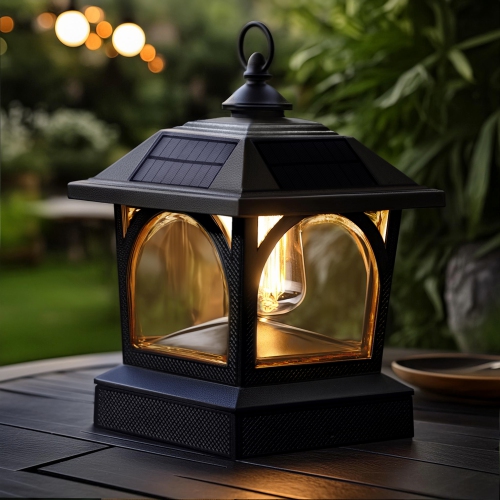 Your price for this item is $99.99
-
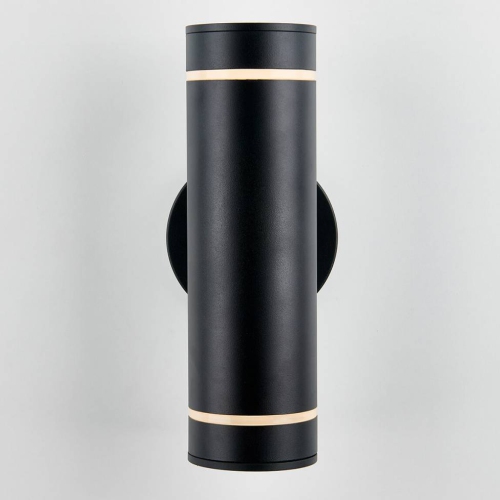 Your price for this item is $99
Discover more categories related to Polycarbonate Lenses
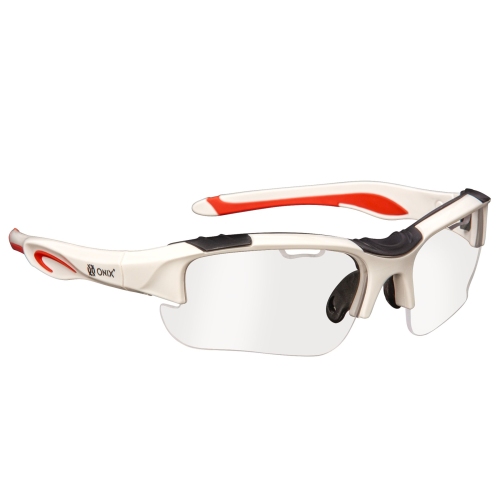

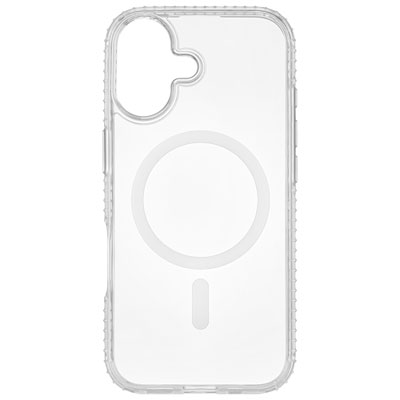
Top Collections:
Best Black Friday Deals This Year, Best Black Friday Deals On Electronics, Kindle Devices, Best Black Friday Deals On Apple Products, Best Budget Office Chairs, Best Cameras for Sports Photography, Dyson Airwrap, Canon G7X Cameras, Best Laptops for Writers, Samsung Galaxy Phones
Some products may be subject to Environmental Handling Fees
(EHF) depending on your province.
Learn more about EHFs.