High Definition Lenses
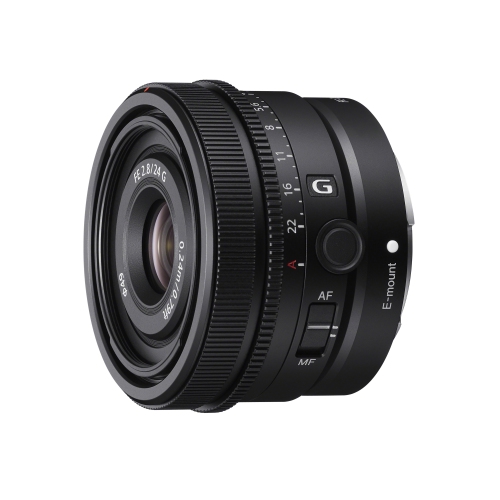
Upgrade your photography experience with our collection of high-definition lenses. Whether you're an avid photographer, a videographer, or simply enjoy capturing life's moments in stunning clarity, these lenses are designed to enhance the quality and precision of your images. From wide-angle lenses for breathtaking landscapes to telephoto lenses for capturing distant subjects, explore our range of options to find the perfect lens for your creative vision.
Sort





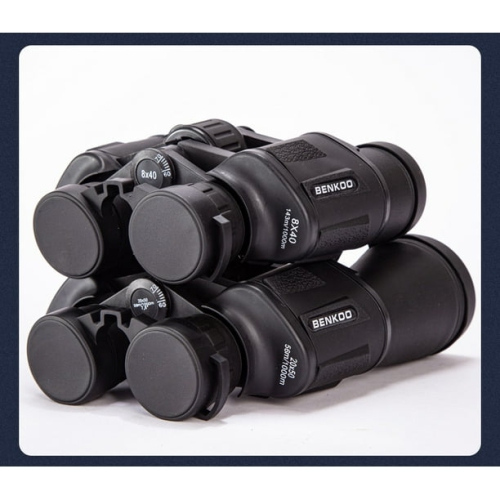
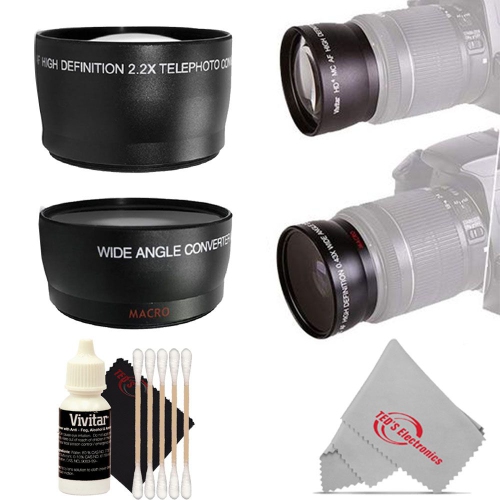
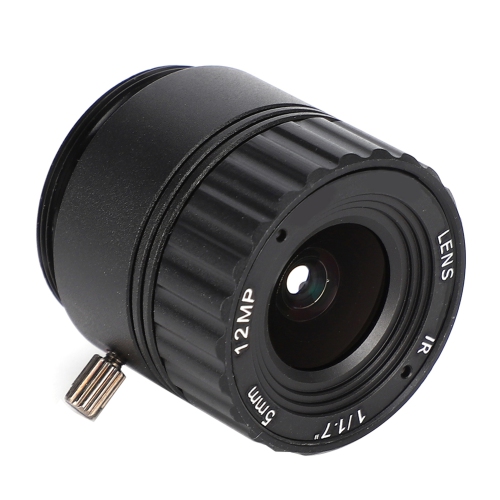
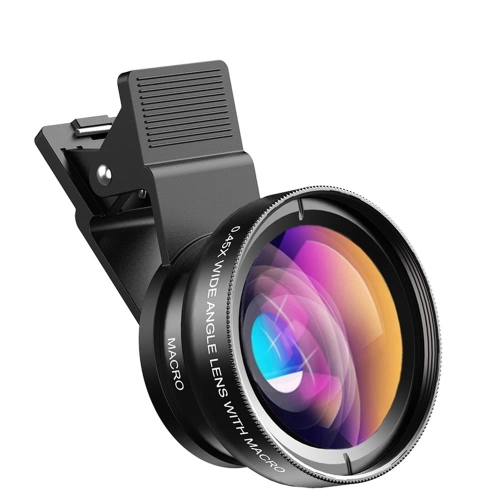
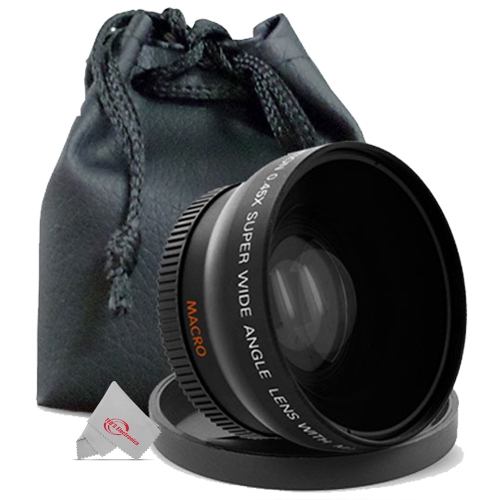
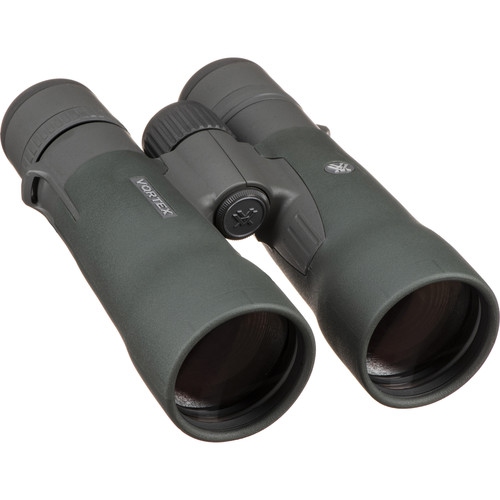
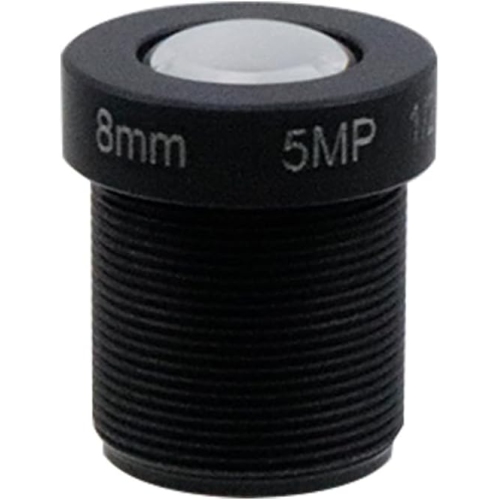
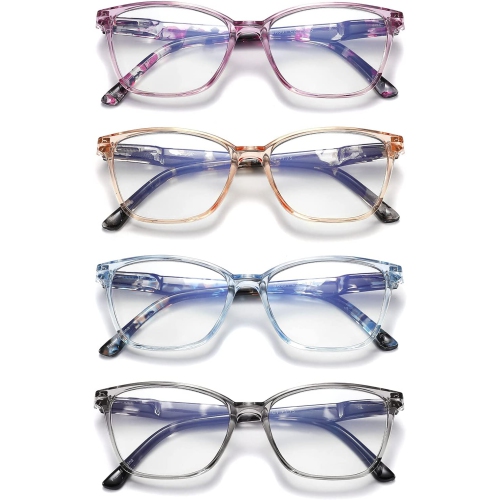





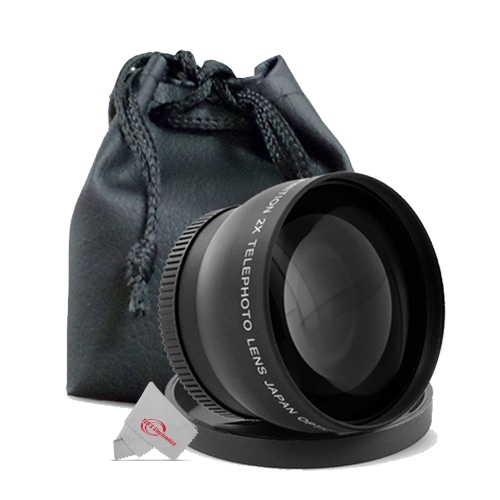
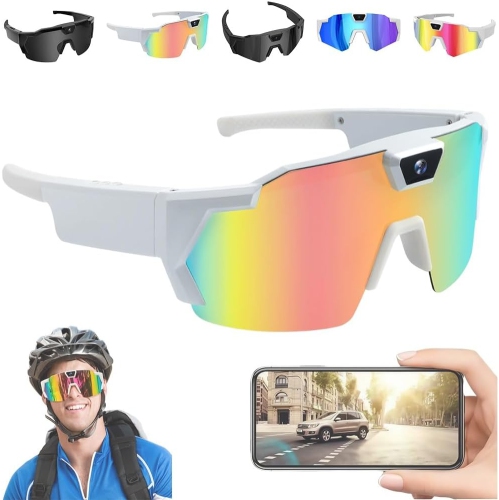
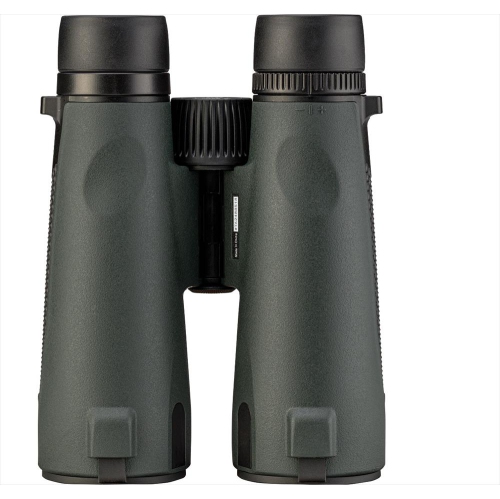
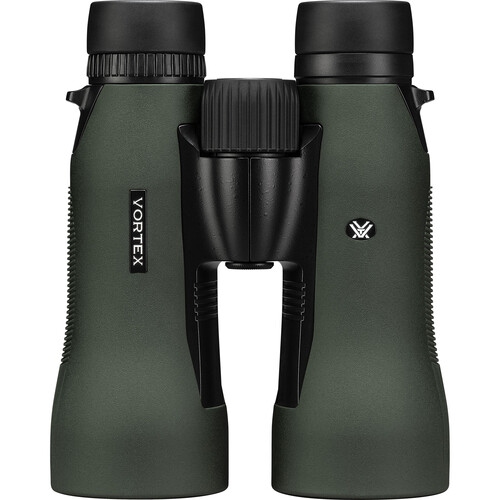
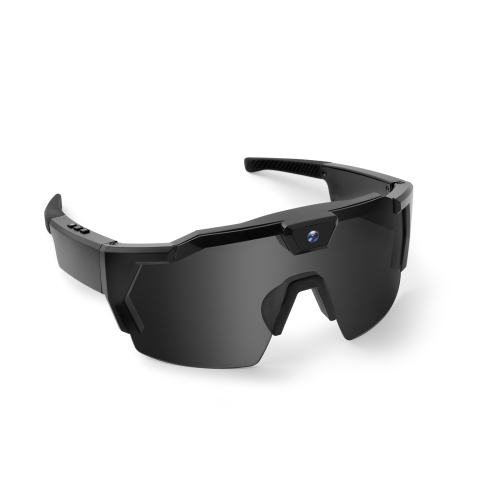
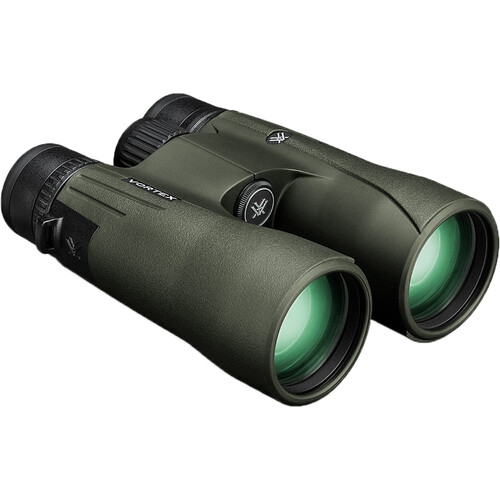
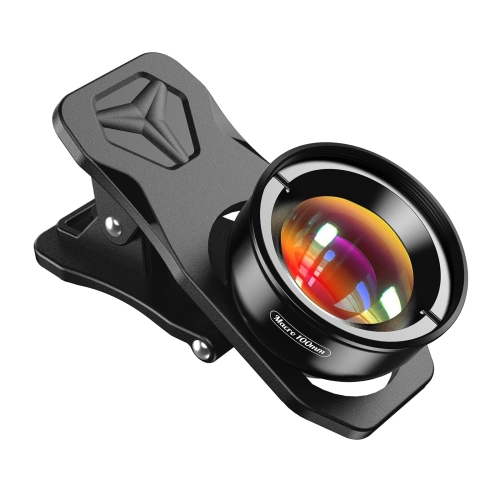
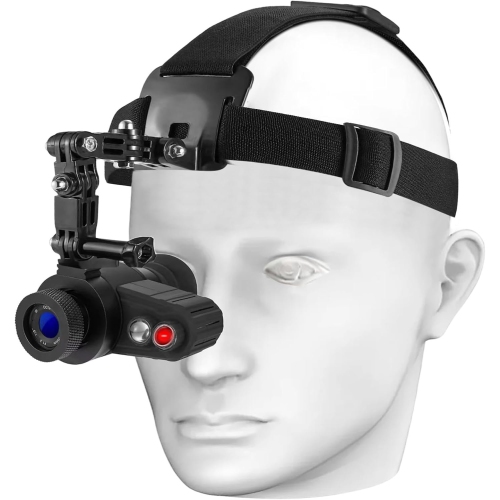

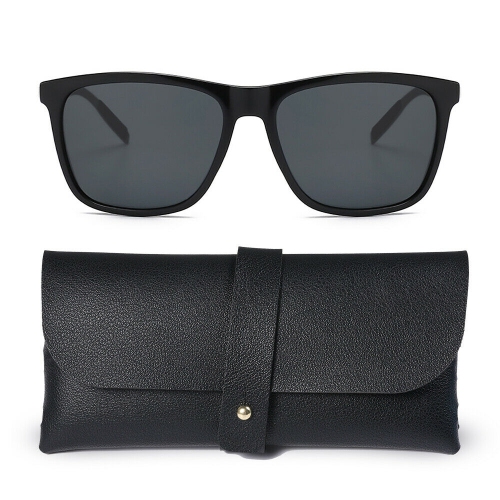
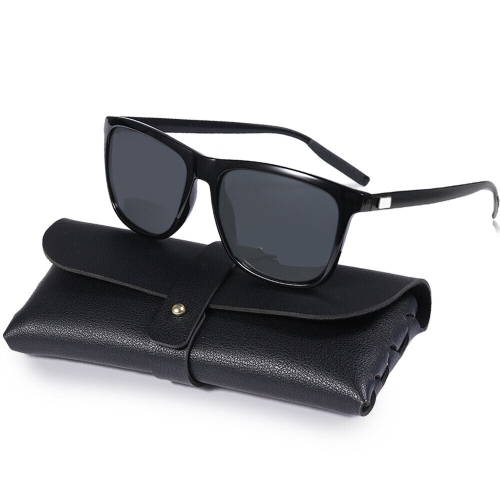
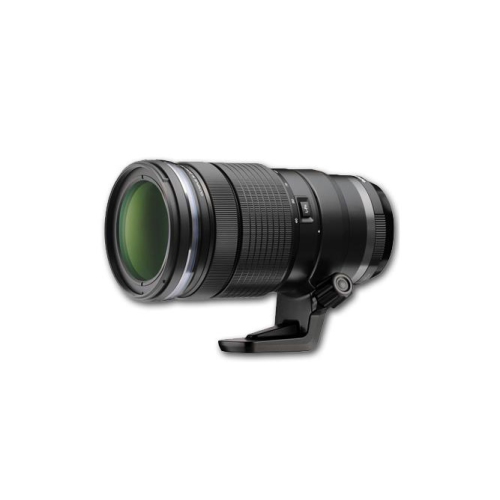
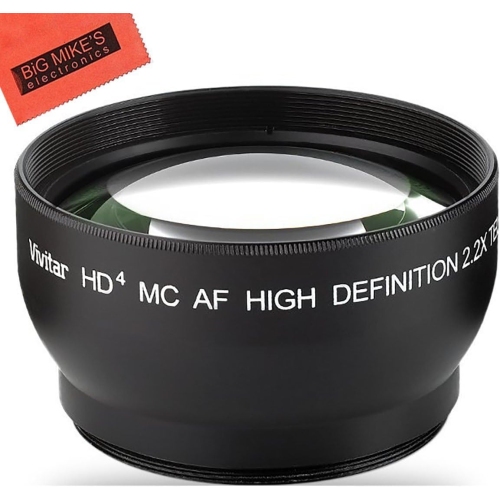

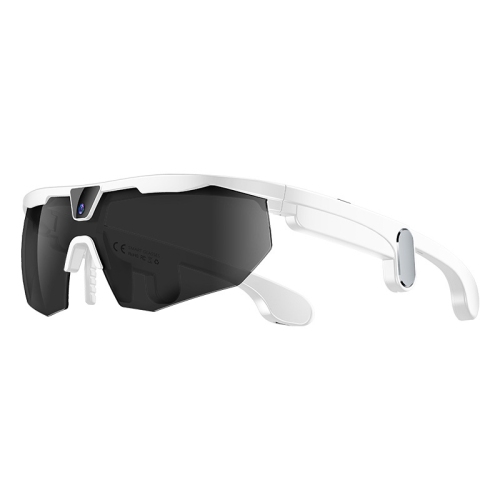

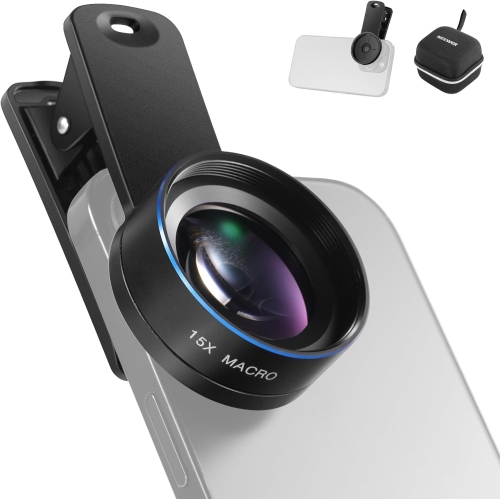


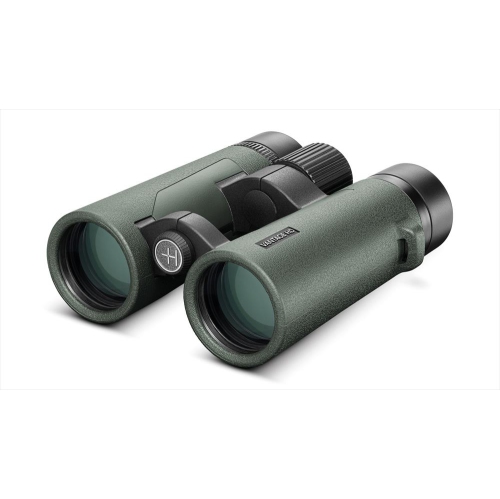

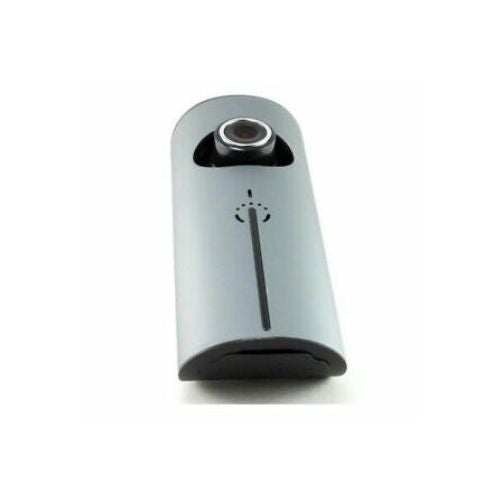
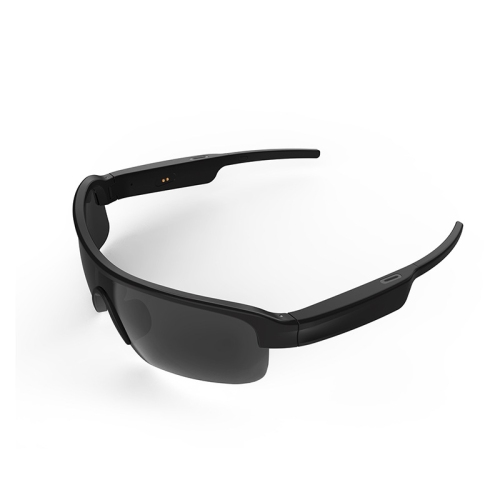
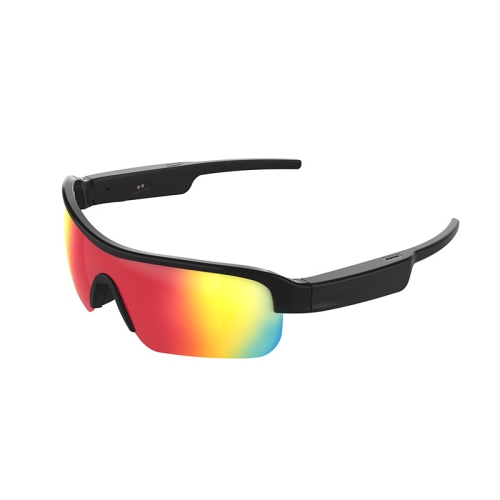
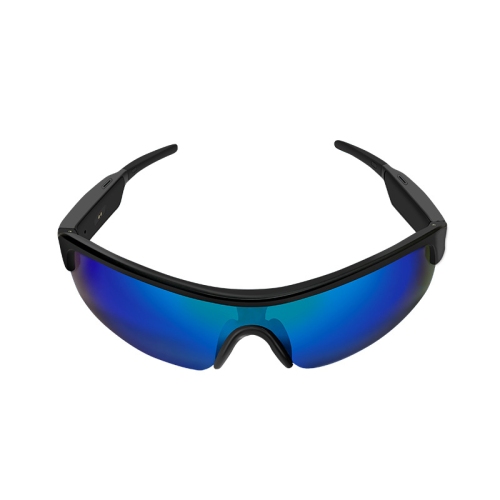
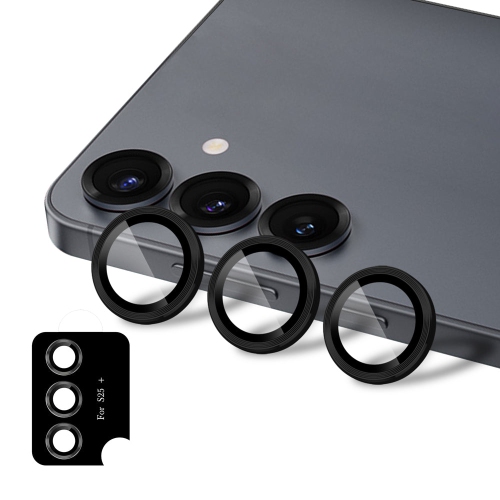
Why lens design and fit matter for clarity
High definition lenses are optical lenses designed to deliver clear, detailed vision, but the meaning of the term depends on the type of eyewear or optical equipment. In prescription glasses, high definition commonly refers to digitally surfaced, or free-form, lenses whose surfaces are calculated and shaped to address a wearer’s prescription with a high degree of precision. Depending on the lens design, that calculation may also account for measurements such as the distance between the pupils, the position of the eyes within the frame, and the angle at which the frame sits on the face. In sunglasses and other optical products, high definition may instead describe an emphasis on clarity, contrast, or reduced distortion. The label alone does not guarantee a particular level of visual performance, ultraviolet protection, or impact resistance; those qualities depend on the lens specifications. For prescription wearers, a well-matched lens design can help keep lettering, faces, and fine details more clearly defined across useful areas of the lens. The difference may be especially relevant with stronger prescriptions, where lens shape and optical alignment have a greater influence on the viewing experience. Single-vision designs support one prescribed viewing distance, while progressive designs combine distance, intermediate, and near vision within the same lens. Someone moving between a presentation screen, a laptop, and printed notes has different visual demands from someone mainly reading road signs or following a ball across a court. Digital lens design is not the same as a special filter for digital screens, and high definition does not automatically mean that a lens includes blue-light filtering, polarization, or any particular coating. An accurate prescription and appropriate fitting remain central to the result. Even a carefully manufactured lens cannot compensate for an outdated prescription or a frame that repeatedly slips out of position. Comfort and clarity come from the complete relationship between the eyes, lenses, frame, and intended activity, rather than from a single descriptive label.
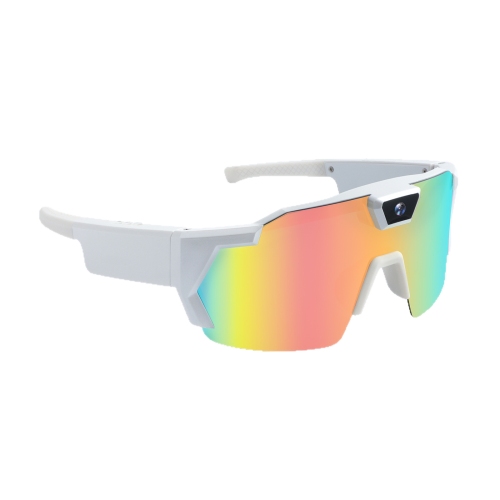
Lens materials influence weight, thickness, durability, and everyday comfort. Lightweight optical plastics are common in eyewear, while impact-resistant materials can suit active use when they are part of an appropriately rated design. High-index plastics can reduce thickness for some stronger prescriptions, although the finished appearance also depends on frame size, lens shape, and prescription strength. Glass can offer good optical clarity and resistance to everyday scratching, but its weight and impact characteristics make it less suitable for some activities. No lens material is entirely scratch-proof, and a scratch-resistant coating helps reduce ordinary wear rather than making the surface immune to damage. Anti-reflective treatments can reduce distracting reflections from the lens surfaces, which may make details easier to see under overhead lighting or when bright lights are present. Tint and polarization serve different purposes: tint changes how much visible light reaches the eyes, while polarization reduces certain reflected glare, such as the bright sheen across water or a paved surface. Polarized lenses can also change the appearance of some digital displays, an important consideration when regularly viewing a dashboard, navigation screen, or other electronic equipment. Lens darkness is not a reliable indication of ultraviolet protection, so UV performance needs to be stated separately. Dark tints are not suitable for night driving or other low-light tasks. Frame fit matters just as much as these optical features. A stable bridge, comfortable temples, and suitable lens coverage help keep the viewing area aligned without excessive pressure behind the ears or across the nose. Wrapped frames can offer broader coverage, but their curved position requires a compatible prescription lens design to avoid unwanted distortion. For activities involving flying debris, fast-moving objects, or contact hazards, ordinary sunglasses are not a substitute for protective eyewear with the appropriate impact rating. People who wear headphones or helmets may also find that temple shape makes a noticeable difference during longer periods of use.
High definition lenses can appeal to people who value detail during work, recreation, and everyday tasks, from reading a distant station sign to picking out the edges of a trail or watching a performance from the back of a venue. The most useful features are the ones that match those situations: a comfortable fit for extended wear, appropriate coverage for active movement, and lens treatments suited to the light and viewing task. The wider category of High Definition Optics includes related ways of bringing distant subjects or fine details into clearer view, although eyewear, magnifying optics, and imaging lenses serve different purposes and are not interchangeable. For eyewear, consistent care helps preserve the clarity that makes a lens useful in the first place. Loose dust and grit can scratch a surface when rubbed across it, so rinsing away particles before cleaning is gentler than wiping a dry lens with a shirt or tissue. A clean microfibre cloth and a cleaning solution approved for the lens material and coatings help remove fingerprints without unnecessary abrasion. Household glass cleaners, rough paper products, and unapproved solvents can damage some coatings. Storage in a protective case reduces contact with keys, loose objects, and abrasive surfaces, while placing glasses with the lenses facing upward helps prevent avoidable marks. Excessive heat can affect frames and lens treatments, so storage away from heat sources is also important. Regular frame adjustments can restore a secure fit when hinges loosen or the frame becomes uneven, and persistent blur, discomfort, or headaches warrant attention from an eye care professional rather than simply a different tint. As a gift, eyewear is most practical when the recipient’s fit, prescription requirements, and preferred activities are already understood. Prescription lenses require individual measurements, making personal fitting an essential part of their value. Whether used for everyday vision or a particular activity, the strongest combination is accurate optics, suitable materials, and a fit that stays comfortable through repeated use.
Top selling and popular products
-
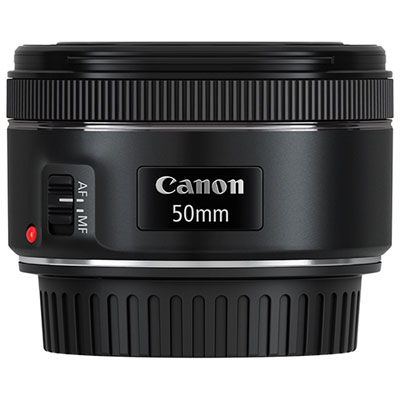 Your price for this item is $169.99
-
 Your price for this item is $279.99
-
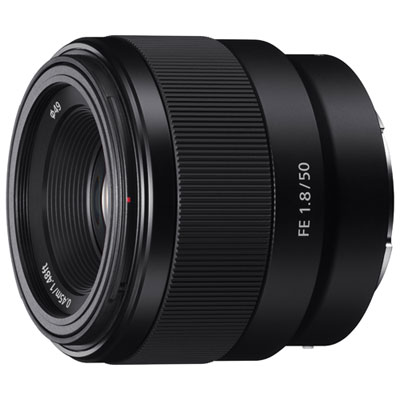 Your price for this item is $299.99
-
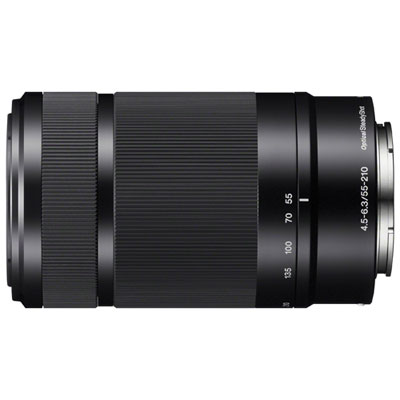 Your price for this item is $399.99
-
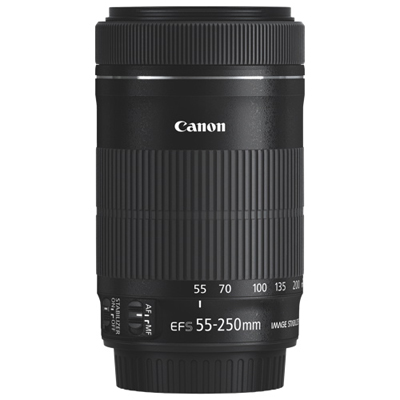 Your price for this item is $399.99
-
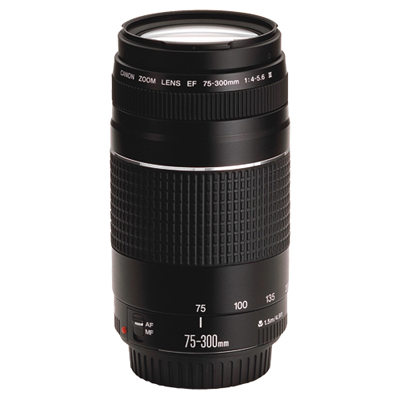 Your price for this item is $199.99
-
 Your price for this item is $539.99
-
 Your price for this item is $174.99
Discover more categories related to High Definition Lenses
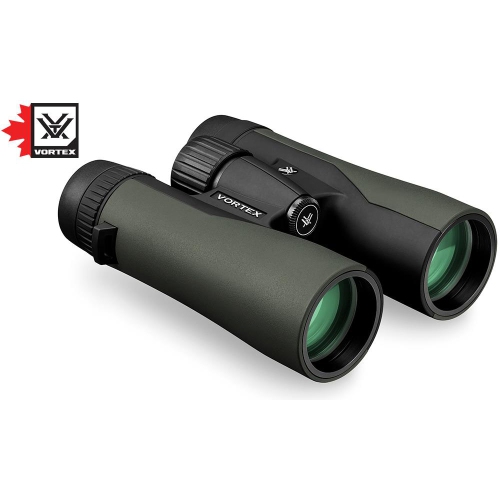

Top Collections:
Best Black Friday Deals This Year, Best Black Friday Deals On Electronics, Kindle Devices, Best Black Friday Deals On Apple Products, Best Budget Office Chairs, Best Cameras for Sports Photography, Dyson Airwrap, Canon G7X Cameras, Best Laptops for Writers, Samsung Galaxy Phones
Some products may be subject to Environmental Handling Fees
(EHF) depending on your province.
Learn more about EHFs.