Polyurethane Sealants
Polyurethane sealants are versatile and durable solutions for a wide range of sealing and bonding applications. Whether you're looking to seal joints, gaps, or cracks in various surfaces, polyurethane sealants offer excellent adhesion and flexibility to withstand environmental factors such as moisture, heat, and UV exposure. Ideal for both indoor and outdoor use, these sealants provide a long-lasting barrier against water intrusion and air leakage, making them essential for home improvement projects, construction work, automotive repairs, and more. Explore our selection of polyurethane sealants to find the perfect solution for your sealing needs.
Sort
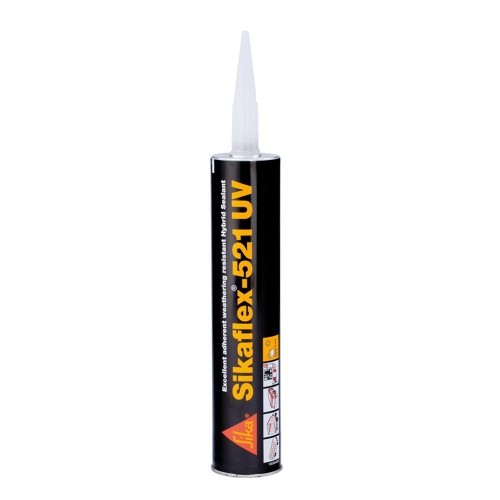
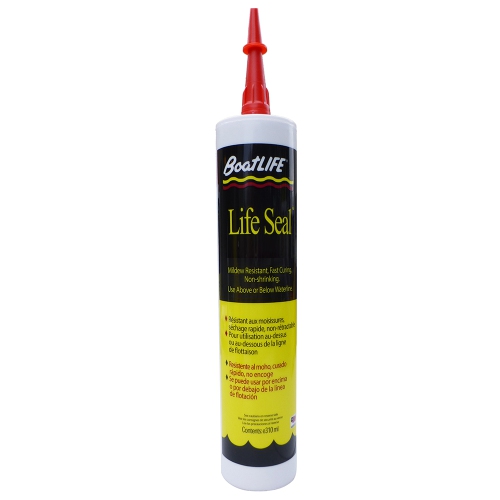
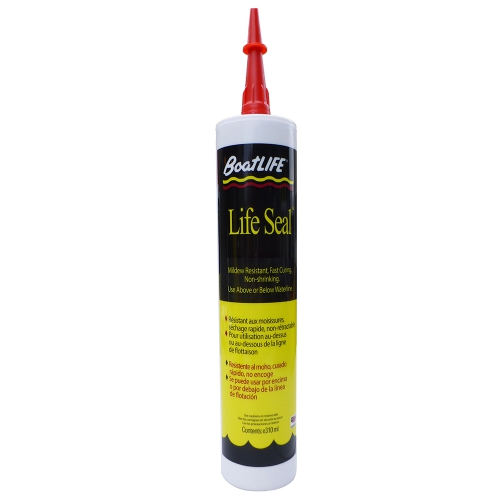
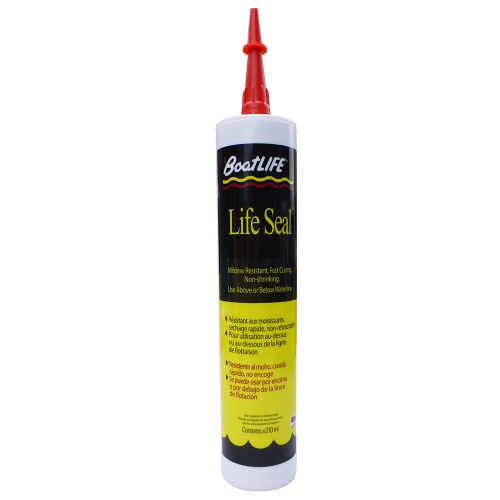
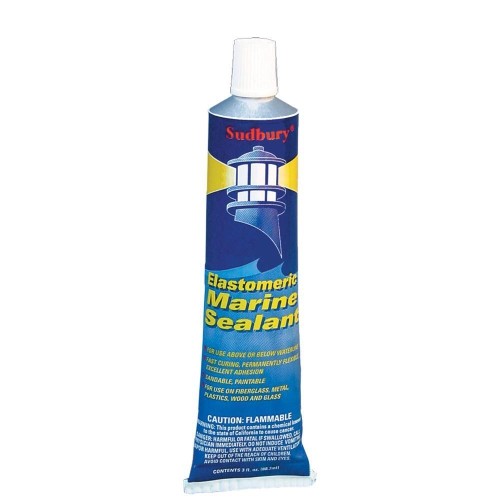
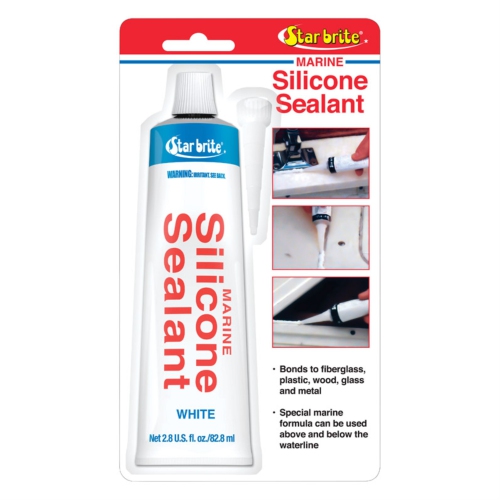


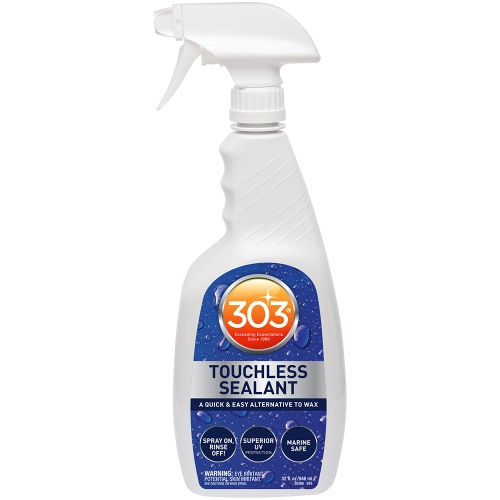
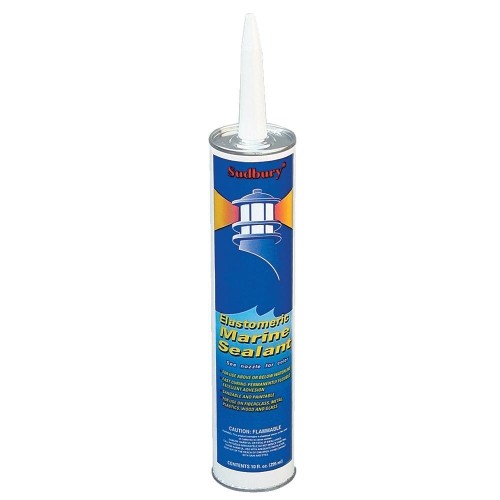
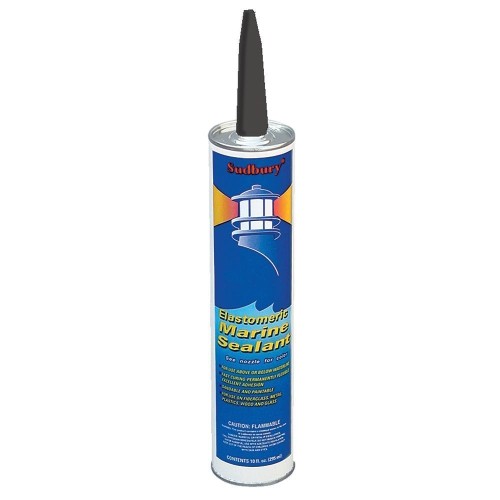


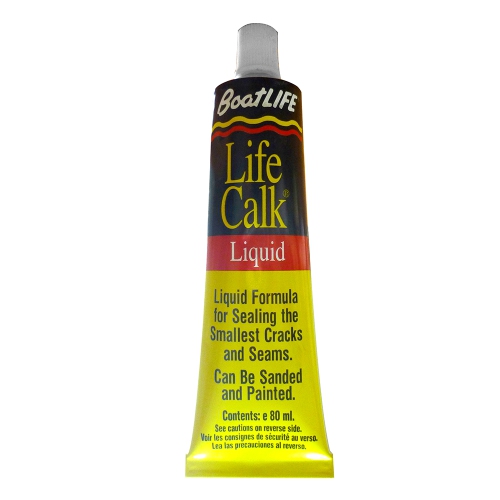
Flexible sealing for joints exposed to movement and moisture
Polyurethane sealants are heavy-duty, flexible sealing compounds designed to close gaps, joints, cracks, and seams where materials may expand, contract, vibrate, or shift over time. Unlike a rigid filler, a cured polyurethane bead can remain slightly elastic, helping it accommodate everyday movement while maintaining a continuous barrier against water and air. This makes polyurethane sealants useful for many demanding jobs around the home, workshop, garage, vehicle area, or building site. They are commonly used on concrete, masonry, brick, wood, metal, glass, and other compatible surfaces, with the right formula depending on the materials involved and the location of the joint. A properly applied bead can help protect exposed edges, reduce water entry, and give finished work a cleaner appearance. Polyurethane sealants are often selected for exterior joints, expansion gaps, window and door frames, foundation cracks, siding transitions, roof details, walkway joints, driveway repairs, and areas where foot or vehicle traffic may be present. They can also be useful indoors for construction and renovation work when a durable, flexible bond is needed. For related ways to address drafts and gaps around windows, explore Window Sealing Kits. When choosing a polyurethane sealant, start by considering the surface, joint size, direction of application, and amount of movement expected. A non-sag formula is generally well suited to vertical surfaces because it stays in place while curing, making it practical for wall joints, door frames, masonry gaps, and overhead areas. A self-levelling formula is intended for horizontal joints, where it can flow into a crack or expansion gap and form a relatively smooth surface. This type is often considered for concrete floors, walkways, garage slabs, and driveway joints, provided the joint is prepared correctly and the product is suitable for the depth and width involved. Some sealants are formulated for indoor use, while others are made to withstand rain, sunlight, temperature changes, and repeated exposure outdoors. Checking the package directions for approved applications is important, particularly when sealing around glass, painted surfaces, roofing materials, treated wood, or delicate finishes. Colour may also matter when the sealant will remain visible, while a paintable formula can offer more flexibility for projects that require a coordinated finish after the sealant has fully cured.
Successful results depend as much on preparation as on the sealant itself. The joint should generally be free of dust, loose particles, grease, standing water, old failing caulk, and other materials that could prevent strong adhesion. A stiff brush, scraper, vacuum, or suitable cleaner can help prepare the area, but the surface must be compatible with the cleaning method and allowed to dry as directed. Deep gaps may require backer material so the sealant fills the joint at an appropriate depth rather than forming an overly thick mass. Painter’s tape can help create crisp edges, especially on finished walls, trim, counters, or masonry. A caulking gun gives better control over the bead, allowing a steady application with fewer breaks and less wasted material. Smoothing the bead soon after application can help press the sealant into contact with both sides of the joint, although the product instructions should always take priority because working time varies. Polyurethane sealants cure by reacting with moisture in the air, so curing speed may change with temperature, humidity, bead size, ventilation, and the condition of the surrounding materials. Protecting the area from rain, dust, traffic, and accidental contact during the initial cure helps the seal form evenly. Even when the surface feels dry, the material underneath may still be curing, so heavy use, painting, or exposure to water should wait until the stated cure time has passed. For a homeowner, these products can be useful during fall maintenance, when small openings around steps, siding, door thresholds, or concrete joints become more noticeable as cooler weather arrives. A tradesperson may keep several formulas on hand for repairs that call for different curing behaviour, application positions, or levels of movement. They can also be a practical addition to a housewarming, workshop, renovation, or new-home maintenance gift basket for someone who enjoys handling small repairs. Polyurethane sealants are not a universal substitute for every type of caulk or adhesive, however, and the best selection should match the joint and material rather than relying on a single product for every task. Read the label for application limits, required tools, curing conditions, paint compatibility, and recommended personal protective equipment. With a suitable formula, sound surface preparation, and enough time to cure, a polyurethane sealant can provide a flexible, durable finish for repairs and construction details that need dependable protection through changing conditions and regular use.
Successful results depend as much on preparation as on the sealant itself. The joint should generally be free of dust, loose particles, grease, standing water, old failing caulk, and other materials that could prevent strong adhesion. A stiff brush, scraper, vacuum, or suitable cleaner can help prepare the area, but the surface must be compatible with the cleaning method and allowed to dry as directed. Deep gaps may require backer material so the sealant fills the joint at an appropriate depth rather than forming an overly thick mass. Painter’s tape can help create crisp edges, especially on finished walls, trim, counters, or masonry. A caulking gun gives better control over the bead, allowing a steady application with fewer breaks and less wasted material. Smoothing the bead soon after application can help press the sealant into contact with both sides of the joint, although the product instructions should always take priority because working time varies. Polyurethane sealants cure by reacting with moisture in the air, so curing speed may change with temperature, humidity, bead size, ventilation, and the condition of the surrounding materials. Protecting the area from rain, dust, traffic, and accidental contact during the initial cure helps the seal form evenly. Even when the surface feels dry, the material underneath may still be curing, so heavy use, painting, or exposure to water should wait until the stated cure time has passed. For a homeowner, these products can be useful during fall maintenance, when small openings around steps, siding, door thresholds, or concrete joints become more noticeable as cooler weather arrives. A tradesperson may keep several formulas on hand for repairs that call for different curing behaviour, application positions, or levels of movement. They can also be a practical addition to a housewarming, workshop, renovation, or new-home maintenance gift basket for someone who enjoys handling small repairs. Polyurethane sealants are not a universal substitute for every type of caulk or adhesive, however, and the best selection should match the joint and material rather than relying on a single product for every task. Read the label for application limits, required tools, curing conditions, paint compatibility, and recommended personal protective equipment. With a suitable formula, sound surface preparation, and enough time to cure, a polyurethane sealant can provide a flexible, durable finish for repairs and construction details that need dependable protection through changing conditions and regular use.
Top selling and popular products
-
 Your price for this item is $31.34
-
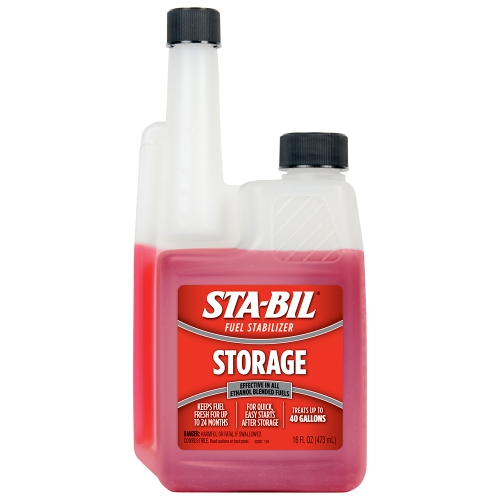 Your price for this item is $30.54
-
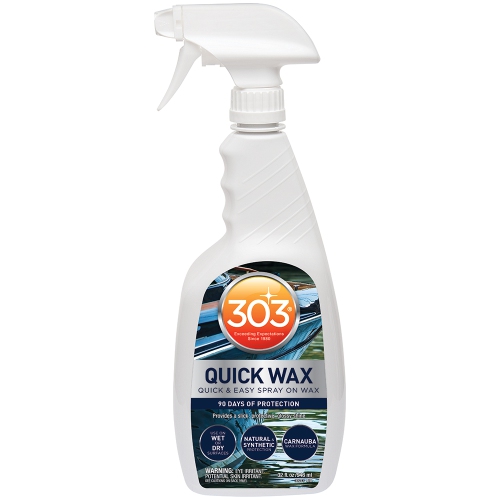 Your price for this item is $38.85
-
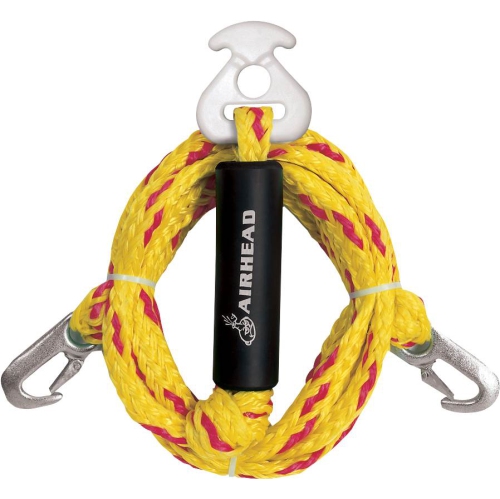 Your price for this item is $63.99
-
 Your price for this item is $844.91
-
 Your price for this item is $909.33
-
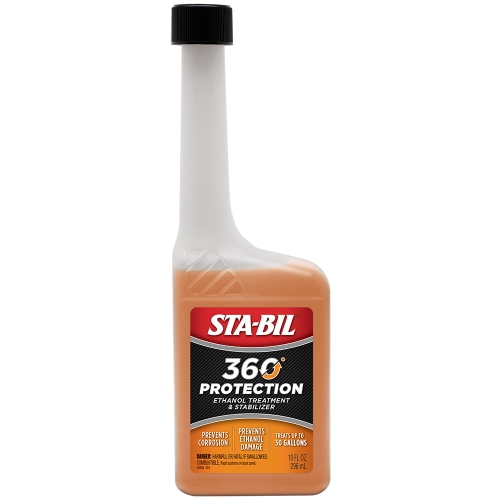 Your price for this item is $31.38
-
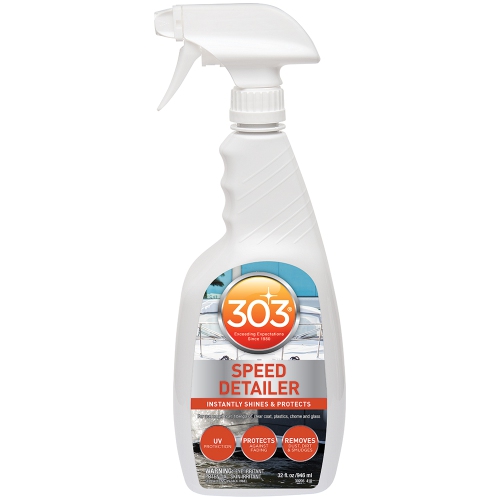 Your price for this item is $35.35
Discover more categories related to Polyurethane Sealants

Top Collections:
Pokemon Centers, Best Cameras for Sports Photography, Kindle Devices, Samsung Galaxy Phones, Canon G7X Cameras, Pokémon 30th Celebration Cards, Refurbished Apple Laptops, iPhone 15 Apple, Laptops for Students, Budget Smartphones
Some products may be subject to Environmental Handling Fees
(EHF) depending on your province.
Learn more about EHFs.