Marine Sealants
When it comes to maintaining your boat or watercraft, having the right marine sealants on hand is essential. These specialized products are designed to create watertight seals that can withstand the harsh conditions of marine environments. Whether you're repairing a leak, sealing joints, or bonding surfaces, marine sealants offer reliable protection against water intrusion and help keep your vessel in top condition. Explore this selection of high-quality marine sealants to find the perfect solution for your next project.
Sort
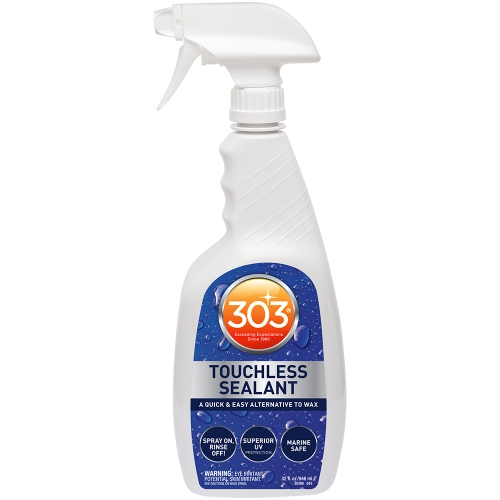
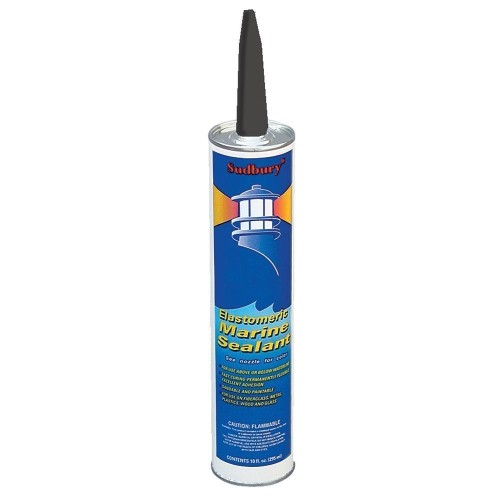
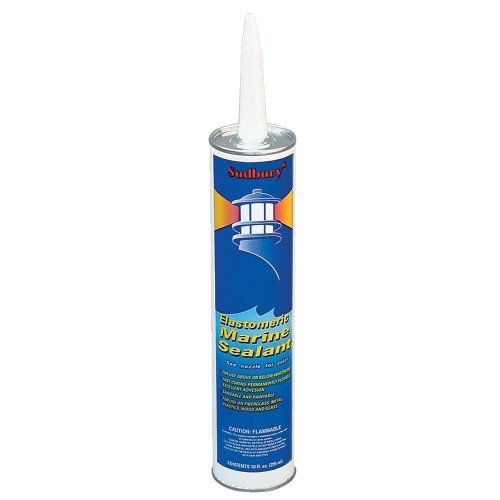
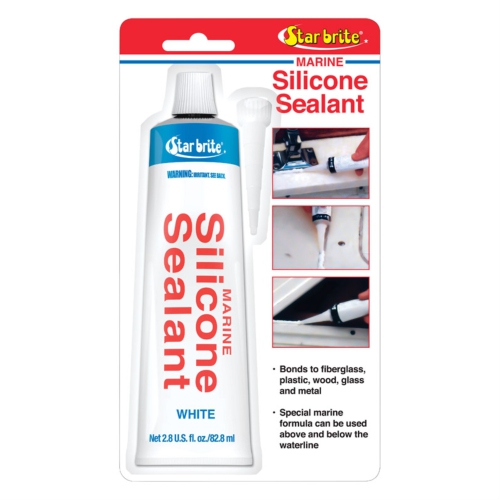
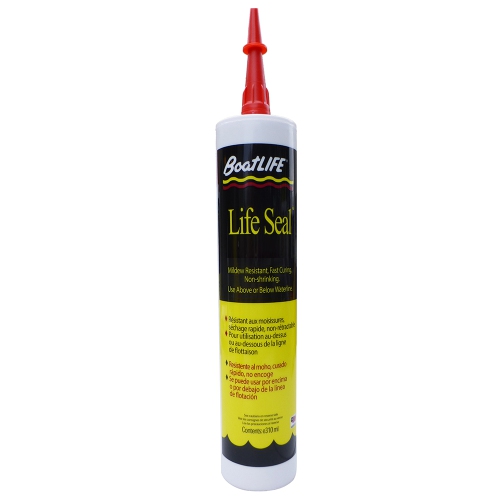
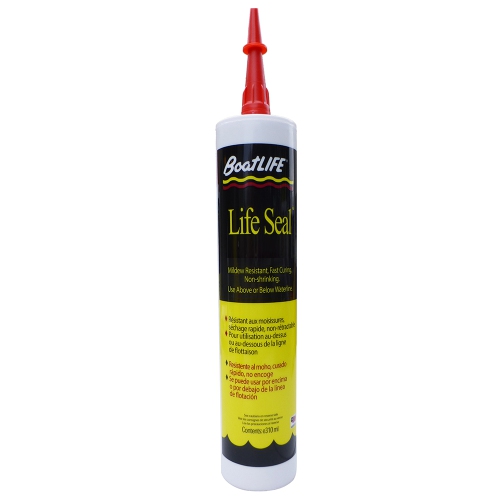
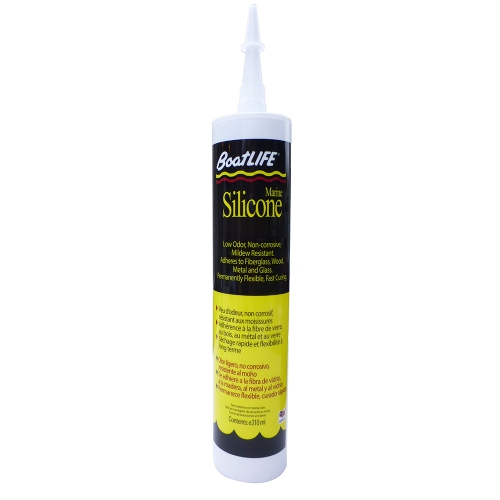
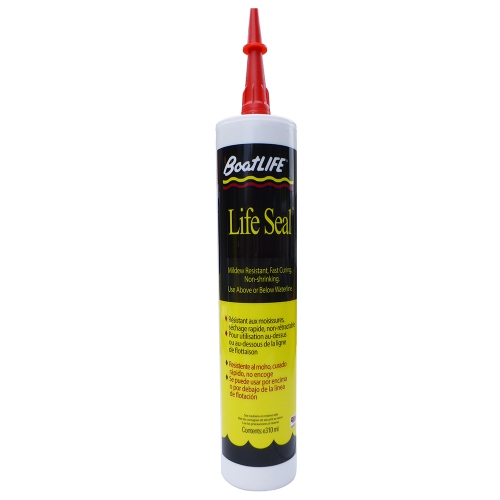
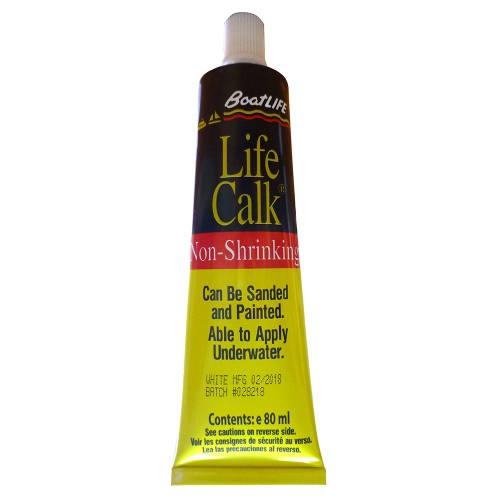
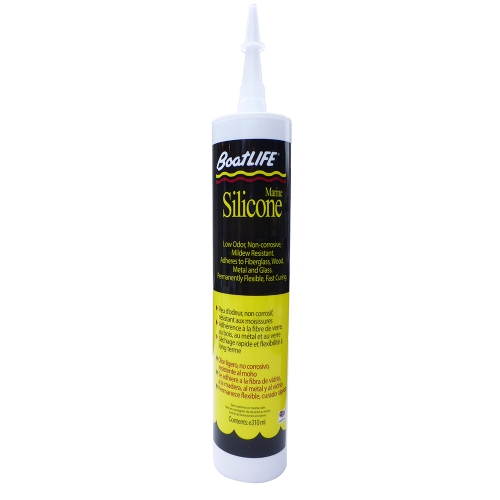
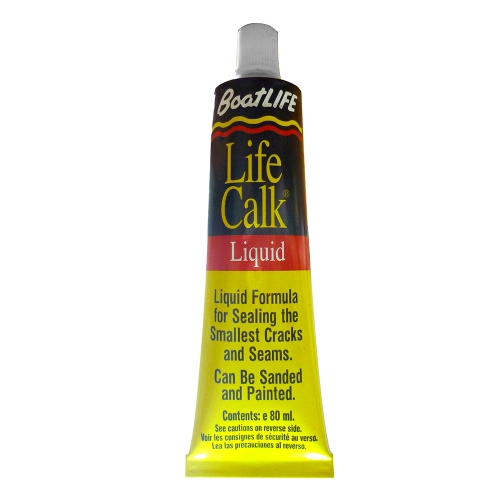
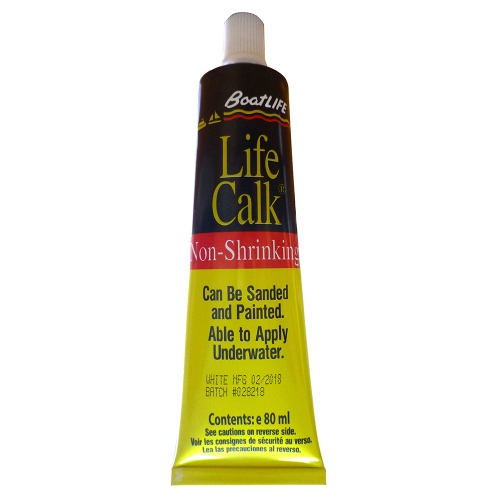
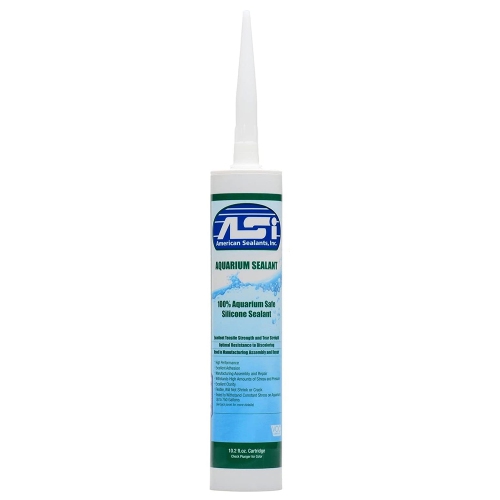
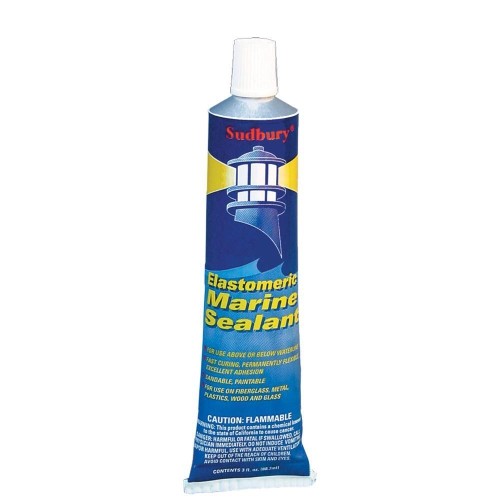
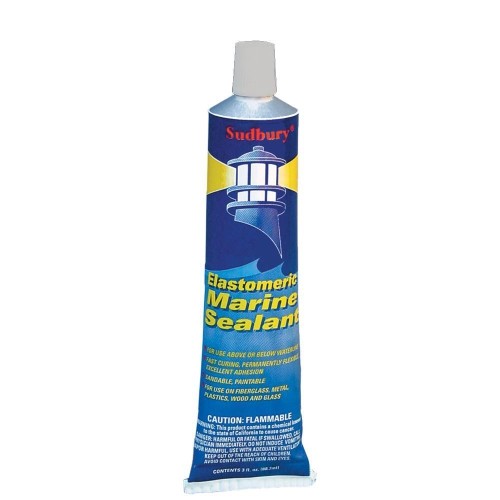
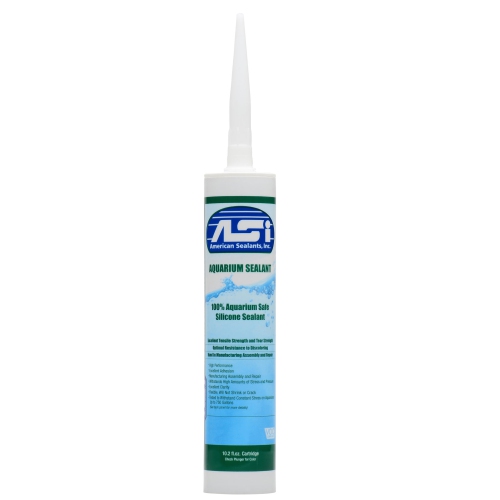
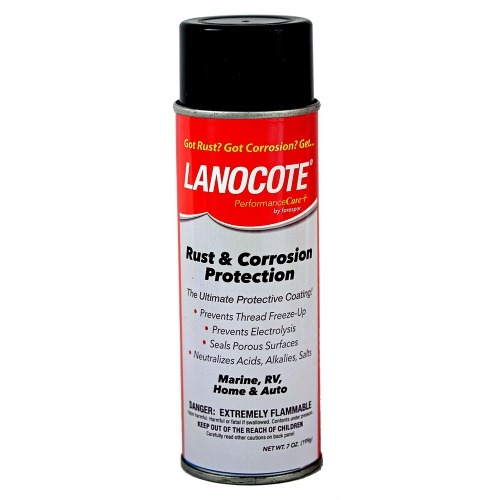
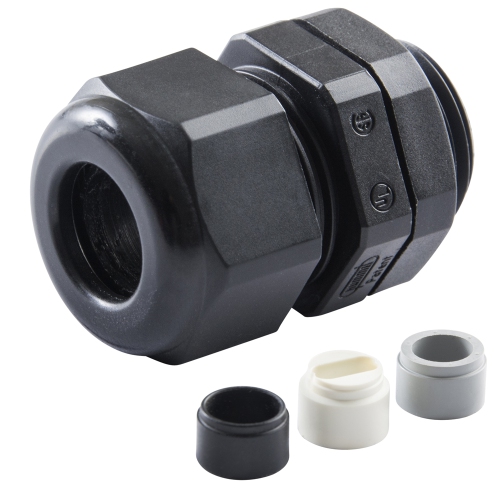
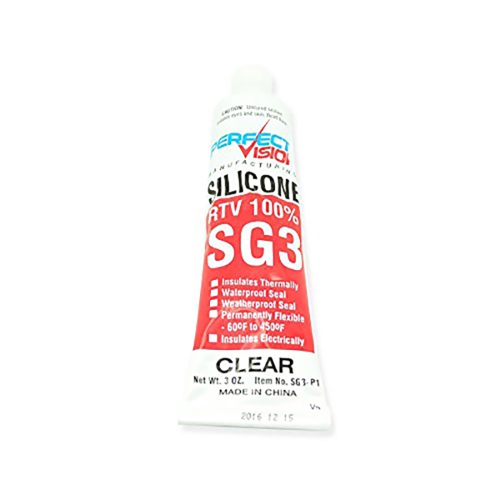
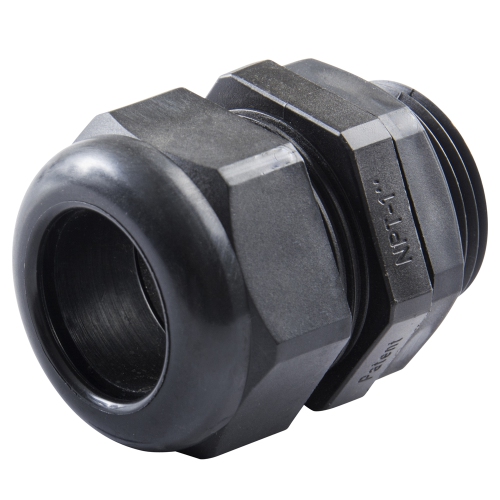
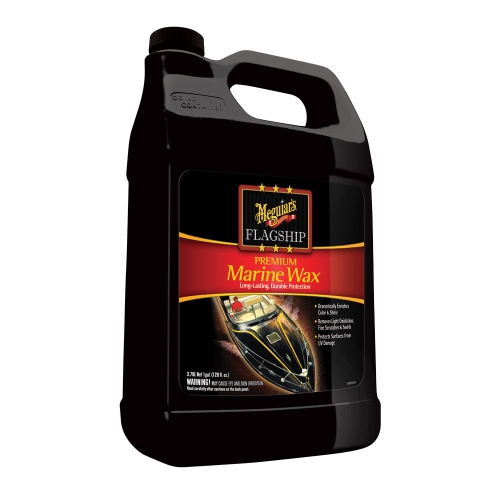
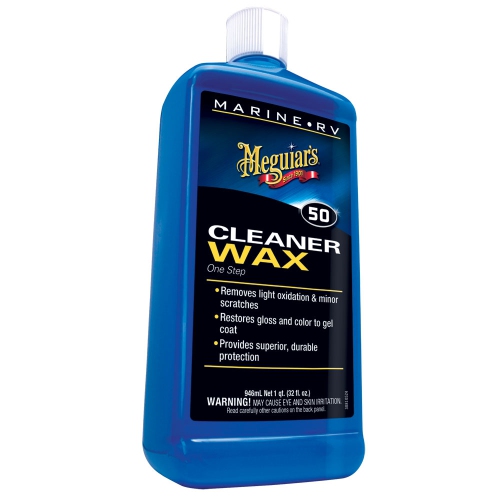
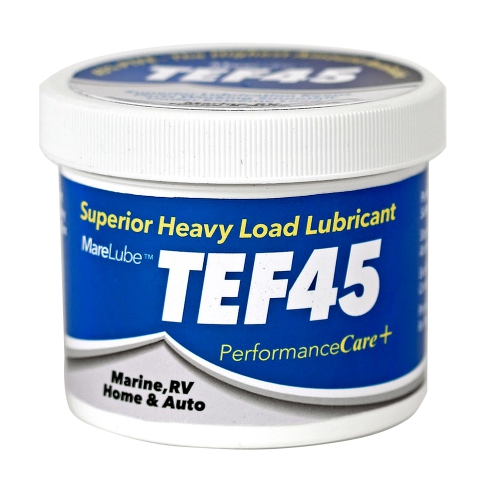
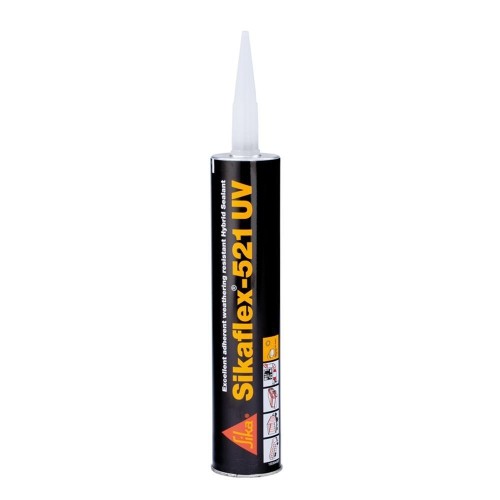
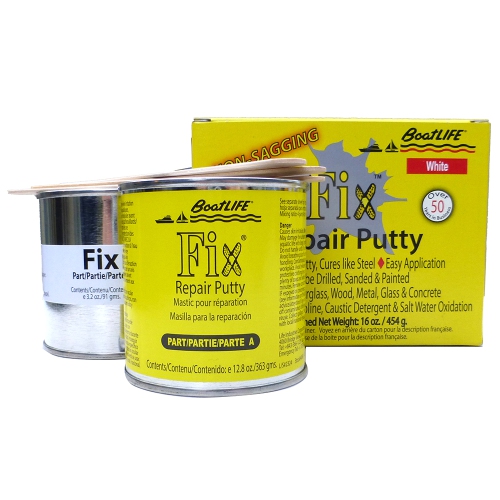
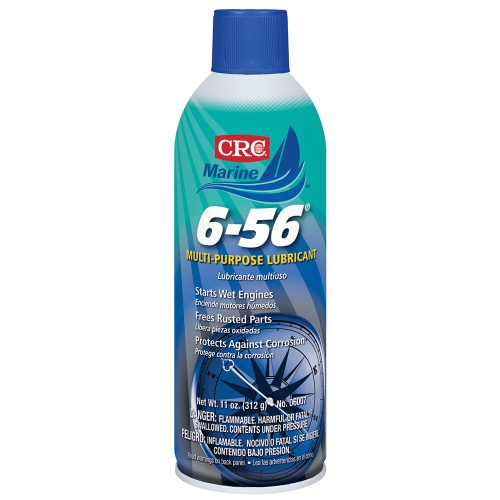
The right formula depends on waterline, materials and future servicing
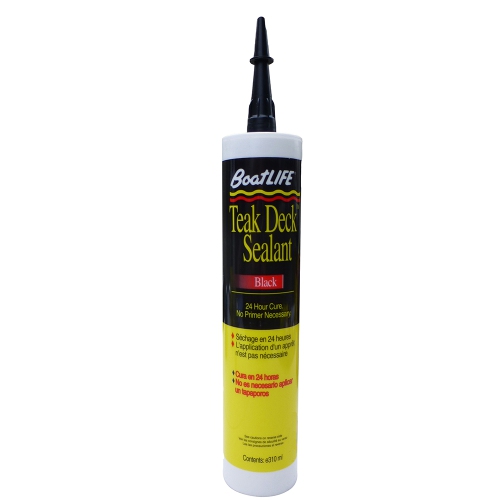
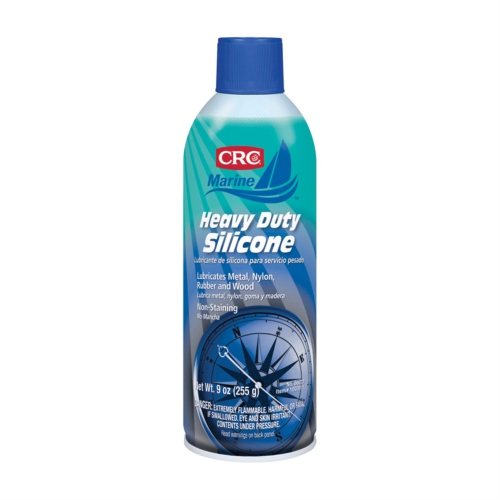
Marine sealants are specialized compounds used to create watertight, weather-resistant joints on boats, personal watercraft, docks and other equipment exposed to spray, humidity and changing temperatures. Unlike general-purpose caulking, marine formulations are designed to handle movement, vibration, ultraviolet exposure and repeated contact with water. They may be used around deck fittings, cleats, rails, hatches, windows, portlights, trim, through-hull fittings, seams and hardware, depending on the formulation and the location of the repair. Choosing the right sealant begins with identifying whether the application is above or below the waterline, which materials are being joined, and whether the joint must be permanently bonded or removed for future maintenance. Polyurethane sealants are often selected when a strong, flexible bond is needed and may be suitable for demanding applications above or below the waterline, subject to the manufacturer’s specifications. Some polyurethane formulas create an exceptionally durable bond intended to remain in place for many years, while others offer a balance of adhesion and flexibility that makes later servicing more practical. Polysulfide sealants are valued for their flexibility, chemical resistance and traditional use on wooden boats, including deck seams and hull planking. They can be a suitable choice where the seal must accommodate the natural movement of wood and where sanding or refinishing is part of future upkeep. Silicone marine sealants are generally intended for non-structural, above-waterline applications such as trim, windows and fittings. They offer good resistance to sunlight, moisture and mildew, but they are not typically chosen for high-strength bonding, may not accept paint and should not be used below the waterline unless the manufacturer specifically states that they are suitable for continuous immersion. Medium-strength adhesive sealants can be useful for hardware that needs a secure waterproof seal today but may need to be removed or replaced during a later repair. Looking through related Marine Hardware can also help when planning a project that involves replacing fasteners, fittings or deck accessories at the same time as resealing them. For boat owners, marina staff, sailing and fishing enthusiasts, cottage property owners and hands-on repairers, marine sealant is a practical addition to a maintenance kit. It can also make a thoughtful gift for someone preparing a boat for storage, refreshing a trailerable watercraft or completing a seasonal refit, particularly when paired with the appropriate preparation tools and replacement hardware.
A reliable seal depends as much on preparation and curing as it does on the sealant itself. Before applying a new bead, remove loose material and as much of the old sealant as possible without damaging the surrounding surface. The area should be clean, dry and free of oil, grease, wax, dust and residue. Different formulas react differently to cleaning agents, so the product instructions should be checked before using alcohol, solvents or other surface treatments. Compatibility matters as well: painted metal, bare aluminium, fibreglass, gelcoat, wood, glass, plastic and rubber can each require different preparation methods, and some plastics or treated surfaces may need a compatible primer. A neat application starts with masking the edges of the joint, cutting the nozzle to match the bead size and applying steady pressure so the sealant fills the gap without leaving voids. Tooling the bead promptly can improve contact and appearance, while excessive smoothing may pull material away from the joint. Fasteners should be installed according to the needs of the fitting, with enough sealant around the penetration to prevent water from tracking along the threads or underneath the hardware. Cure times vary widely with product chemistry, bead thickness, temperature and humidity. Some seals may become surface-dry within hours but require a day or longer before light handling, while thicker or more adhesive bonds may need several days before launching the boat, tightening the joint fully or exposing it to heavy strain. Cooler conditions during the later boating season can slow curing, so allowing extra time and following the stated cure schedule is important. Keep the work area protected from rain, spray, dust and accidental contact while the sealant sets. Store an opened cartridge or tube as directed and inspect the nozzle before use, since partially cured material can affect the consistency of a new bead. Marine sealants are best matched to the job rather than chosen solely for maximum strength: a permanent structural bond is not ideal where a fitting will need regular servicing, and a flexible above-waterline seal is not a substitute for a product approved for below-waterline use. Careful attention to the waterline, substrate, movement, removability and curing requirements can help prevent leaks and reduce repeat repairs as weather shifts from warm, active boating conditions to cooler months and storage preparation.
A reliable seal depends as much on preparation and curing as it does on the sealant itself. Before applying a new bead, remove loose material and as much of the old sealant as possible without damaging the surrounding surface. The area should be clean, dry and free of oil, grease, wax, dust and residue. Different formulas react differently to cleaning agents, so the product instructions should be checked before using alcohol, solvents or other surface treatments. Compatibility matters as well: painted metal, bare aluminium, fibreglass, gelcoat, wood, glass, plastic and rubber can each require different preparation methods, and some plastics or treated surfaces may need a compatible primer. A neat application starts with masking the edges of the joint, cutting the nozzle to match the bead size and applying steady pressure so the sealant fills the gap without leaving voids. Tooling the bead promptly can improve contact and appearance, while excessive smoothing may pull material away from the joint. Fasteners should be installed according to the needs of the fitting, with enough sealant around the penetration to prevent water from tracking along the threads or underneath the hardware. Cure times vary widely with product chemistry, bead thickness, temperature and humidity. Some seals may become surface-dry within hours but require a day or longer before light handling, while thicker or more adhesive bonds may need several days before launching the boat, tightening the joint fully or exposing it to heavy strain. Cooler conditions during the later boating season can slow curing, so allowing extra time and following the stated cure schedule is important. Keep the work area protected from rain, spray, dust and accidental contact while the sealant sets. Store an opened cartridge or tube as directed and inspect the nozzle before use, since partially cured material can affect the consistency of a new bead. Marine sealants are best matched to the job rather than chosen solely for maximum strength: a permanent structural bond is not ideal where a fitting will need regular servicing, and a flexible above-waterline seal is not a substitute for a product approved for below-waterline use. Careful attention to the waterline, substrate, movement, removability and curing requirements can help prevent leaks and reduce repeat repairs as weather shifts from warm, active boating conditions to cooler months and storage preparation.
Top selling and popular products
-
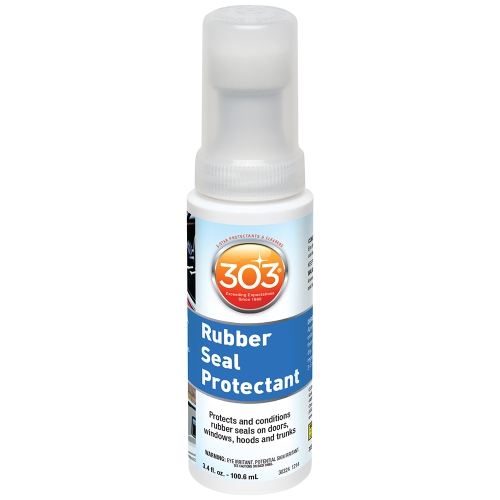 Your price for this item is $31.34
 -
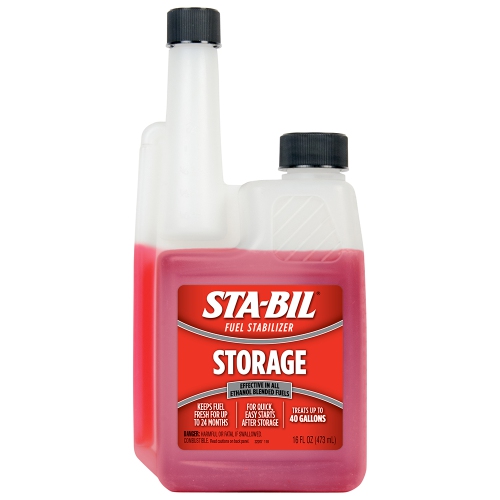 Your price for this item is $30.54
 -
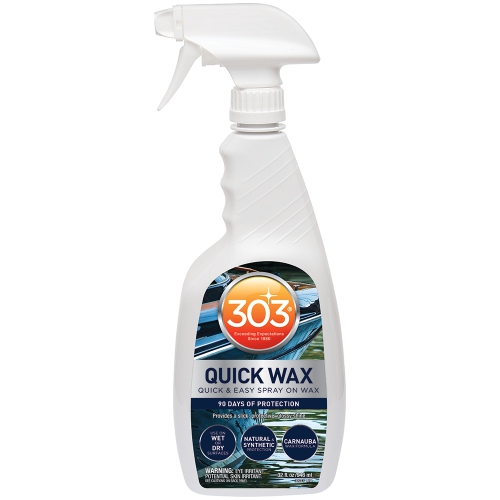 Your price for this item is $38.85
 -
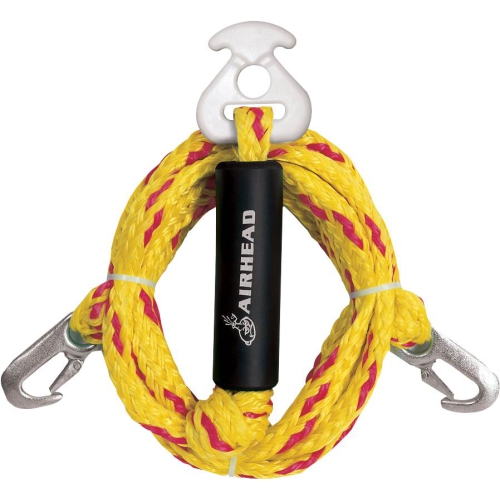 Your price for this item is $63.99
 -
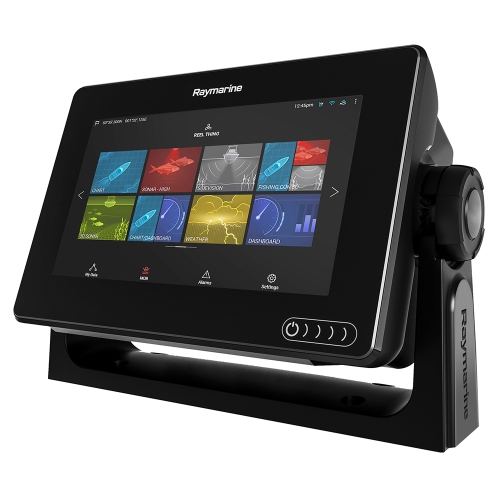 Your price for this item is $844.91
 -
 Your price for this item is $909.33
 -
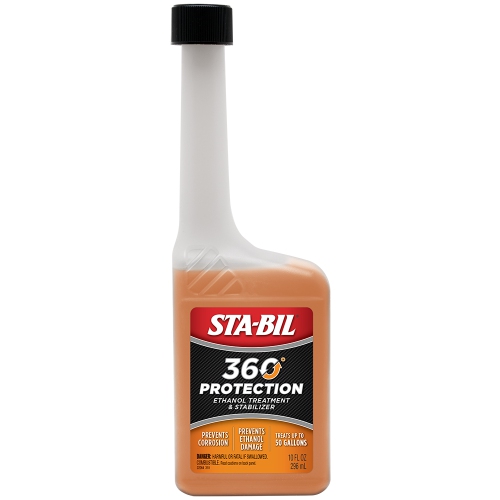 Your price for this item is $31.38
 -
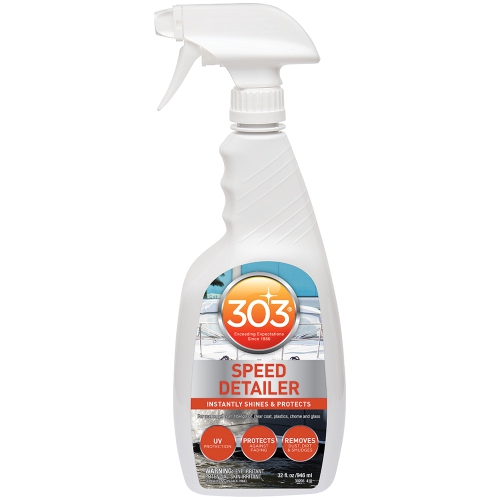 Your price for this item is $35.35
Discover more categories related to Marine Sealants
Top Collections:
Pokemon Centers, Best Cameras for Sports Photography, Kindle Devices, Samsung Galaxy Phones, Canon G7X Cameras, Pokémon 30th Celebration Cards, Refurbished Apple Laptops, iPhone 15 Apple, Laptops for Students, Budget Smartphones
Some products may be subject to Environmental Handling Fees
(EHF) depending on your province.
Learn more about EHFs.