Pop Up Screen Tent
Pop Up Screen Tents offer a convenient and versatile solution for outdoor gatherings, camping trips, backyard parties, and more. Designed for quick setup and easy portability, these tents provide a comfortable space to relax and enjoy the outdoors while staying protected from the elements. Whether you're planning a family picnic or looking for extra shade at your next event, a Pop Up Screen Tent is an ideal addition to your outdoor gear. Explore a variety of sizes and styles to find the perfect fit for your needs.
Sort
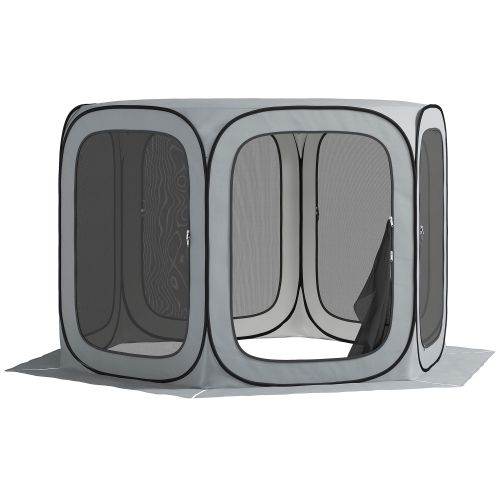


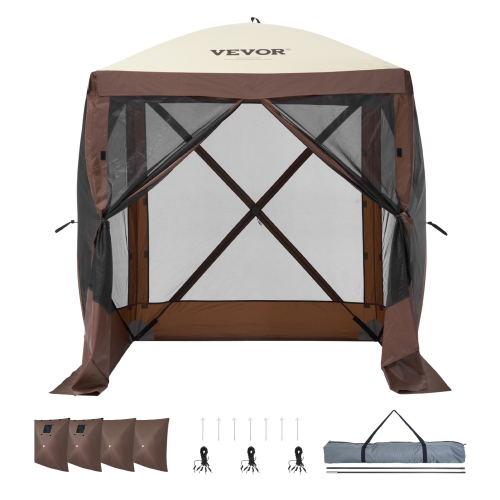


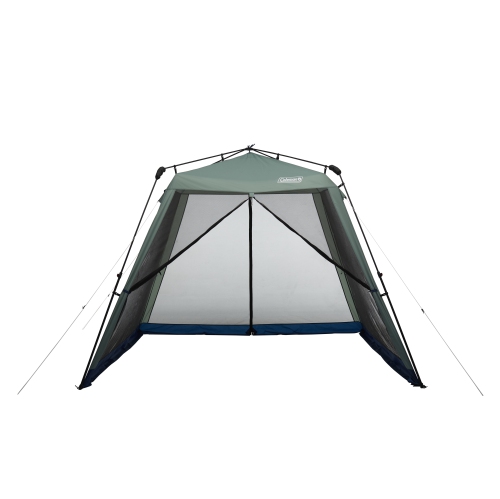


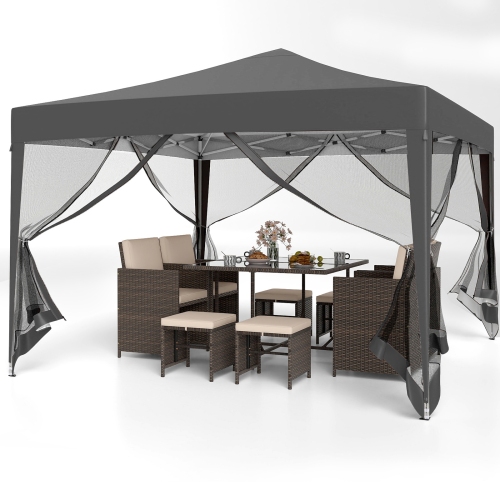


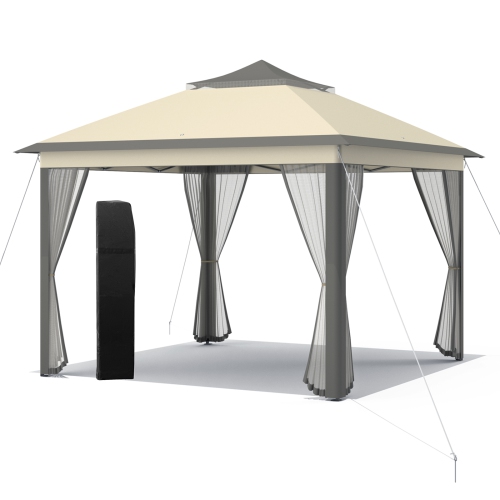
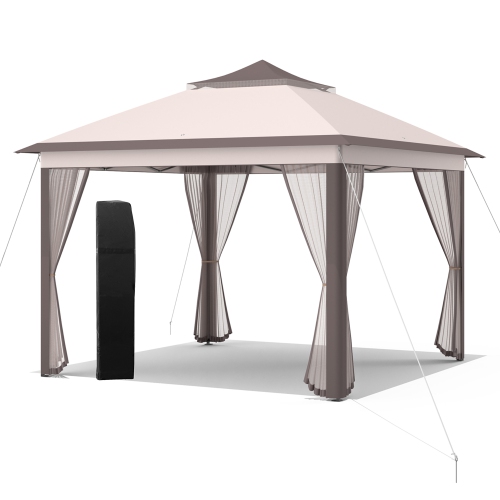
Outdoor meals with a view and fewer insects
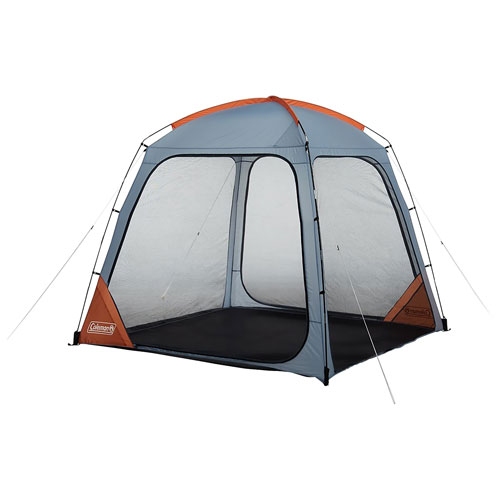
A pop-up screen tent is a portable outdoor shelter with mesh walls and a covered roof, designed to create a comfortable place to sit, eat, and gather while helping keep mosquitoes, flies, and other insects outside. Often called a screen house or screened canopy, it gives a picnic table or cluster of camping chairs a more sheltered setting without closing off the view. The mesh allows air to move through, while the roof provides overhead shade; protection from rain and sun exposure depends on the fabric, construction, and stated ratings. These shelters suit family campsites, backyard meals, cottage visits, and afternoons beside a parked camper, where a separate space for conversation or a board game can make outdoor time more enjoyable. Pop-up construction generally means that some or all of the frame stays attached to the fabric, reducing the number of loose components involved in setup. Hub-style designs open through frame sections connected at central hubs, while other quick-pitch designs use folding or telescoping supports. Setup speed varies with the design, shelter size, and conditions, and larger structures may be easier to handle with another person. The most useful size depends on what needs to fit inside, not simply the advertised number of occupants. A shelter holding several seated adults may feel much smaller once a picnic table, serving surface, and bags are added. A 10-foot by 10-foot footprint describes the space at ground level, but sloping walls can reduce usable room around shoulders and chair backs. Centre height, doorway clearance, and wall shape all affect comfort, especially for taller people or anyone moving between seats with a tray of food. Square shapes can work neatly around a table, while multi-sided layouts offer a different arrangement for chairs. Room to pull out a seat and walk around the table often matters as much as the overall floor area.
Materials and construction help determine how a pop-up screen shelter feels in use and how well it stands up to repeated packing. Polyester and Oxford-weave fabrics are common roof materials, sometimes paired with coatings intended to improve water resistance. A fabric’s denier describes its yarn thickness, but that number alone does not establish the strength or weather protection of the finished shelter. Weave, coatings, stitching, seam treatment, and frame design also matter. Fine mesh can help exclude smaller insects, although the size of the openings needs to match the pests of concern; screening described only as mosquito mesh may not provide the same barrier against tiny biting midges. Tightly woven mesh can also feel less breezy than more open screening. Fibreglass, steel, and aluminium supports each bring different combinations of flexibility, weight, and rigidity, with the complete frame design influencing stability. Reinforced corners, secure hub connections, and well-finished attachment points are useful details for a shelter that will travel frequently. Door construction deserves similar attention: a wide opening makes it easier to carry chairs inside, while a zipper that moves smoothly helps keep the entrance closed between trips. Floorless screen tents can sit over an existing picnic table, but uneven ground may leave gaps beneath the walls where insects can enter. Extended ground skirts can help reduce those gaps when positioned as directed. Removable side panels offer added privacy and can block some wind or wind-driven drizzle, though they also reduce airflow and place more load on the shelter in gusty conditions. A covered roof does not make every screen tent waterproof, and mesh walls do not stop rain. Any stated sun-protection rating applies only to the rated material, not automatically to the entire enclosed space. Screen tents are intended for the conditions specified by their manufacturer, rather than as shelter from severe weather, heavy snow, or strong winds. Anchoring points, guy lines, and suitable ground fasteners are important parts of the design, even when the frame opens quickly.
Everyday practicality becomes clearer when the shelter is considered alongside the rest of an outdoor setup. At a campsite, enough room around the perimeter allows guy lines to extend without crossing the main walking route. In a backyard, the relationship between the doorway, patio furniture, and access to the house can make meals easier to manage. Children may enjoy a screened place for colouring or cards, while adults can appreciate a seat with a view of the lake and fewer insects around their ankles. Mesh is not a secure barrier for children or pets, however, and a screen house does not replace supervision. It is also different from a sleeping tent: many screen shelters have no integrated floor, limited privacy, and no full rainfly. For trips that call for a dedicated overnight sleeping space, Pop Up Camping Tents serve a different purpose from an open-air dining shelter. Portability involves more than weight, too. Packed length determines whether the carry bag fits across a vehicle boot or beside other camping equipment, and handles that balance the load make the walk from the parking area less awkward. Care between outings helps preserve the fabric and moving parts. Leaves, grit, and crumbs can be brushed away before packing, while cleaning should follow the material’s care directions rather than rely on harsh detergents or abrasive scrubbing. Thorough drying before storage helps prevent mildew and lingering odours, especially where folded roof fabric rests against mesh. Zippers, hubs, and poles benefit from an occasional check for trapped debris, loose connections, or damage, and small mesh tears are easier to address before they spread. Cooking appliances, barbecues, and open flames belong well away from tent fabric and should never be used inside a screen shelter. With suitable dimensions, manageable packed size, and construction matched to its intended use, a pop-up screen tent can become a practical gathering space for shared meals and relaxed outdoor breaks.
Top selling and popular products
-
 Your price for this item is $2016.99
-
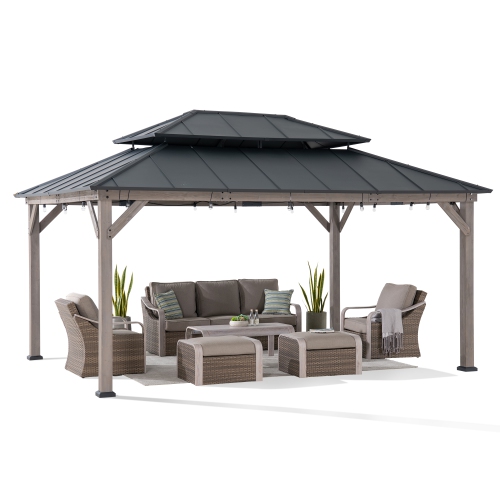 Your price for this item is $2197.99
-
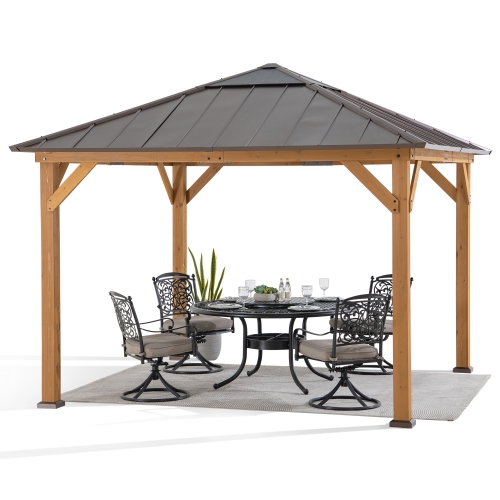 Your price for this item is $1479.99
-
 Your price for this item is $1598.99
-
 Your price for this item is $1843.99
-
 Your price for this item is $95.99
-
 Your price for this item is $107.99
-
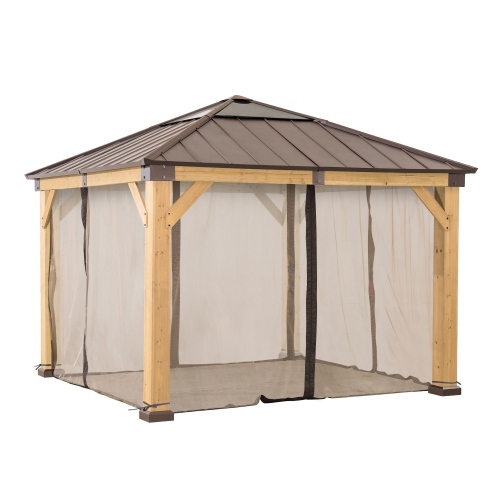 Your price for this item is $85.99
Discover more categories related to Pop Up Screen Tent


Top Collections:
Pokemon Centers, Best Cameras for Sports Photography, Kindle Devices, Samsung Galaxy Phones, Canon G7X Cameras, Pokémon 30th Celebration Cards, Refurbished Apple Laptops, iPhone 15 Apple, Laptops for Students, Budget Smartphones
Some products may be subject to Environmental Handling Fees
(EHF) depending on your province.
Learn more about EHFs.