Portable Wood Stoves
Discover the convenience and versatility of a portable wood stove, perfect for outdoor adventures, backyard gatherings, or emergency preparedness. Designed for easy transport and setup, these stoves offer a practical solution for cooking and heating wherever you go. Explore a range of options to find the ideal portable wood stove that fits your needs, whether you’re camping, hiking, or simply enjoying time outside with family and friends.
Sort


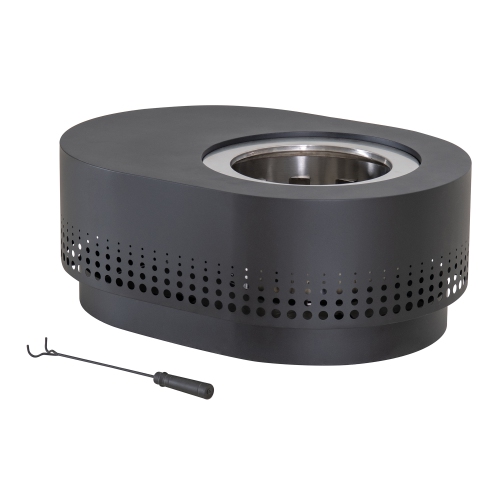
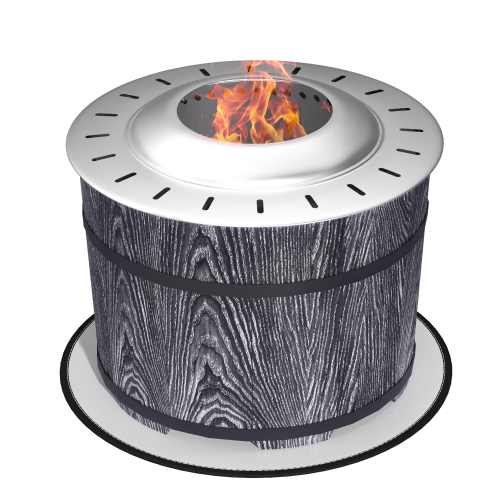


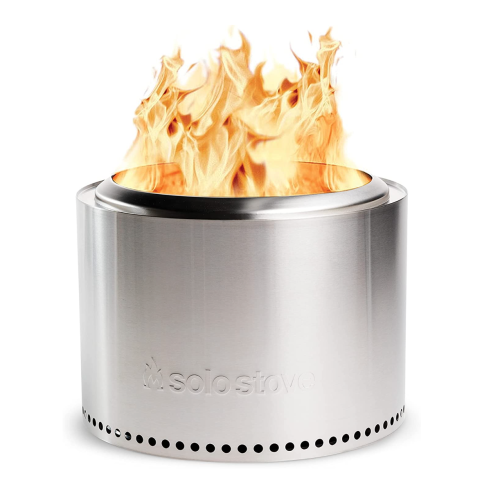
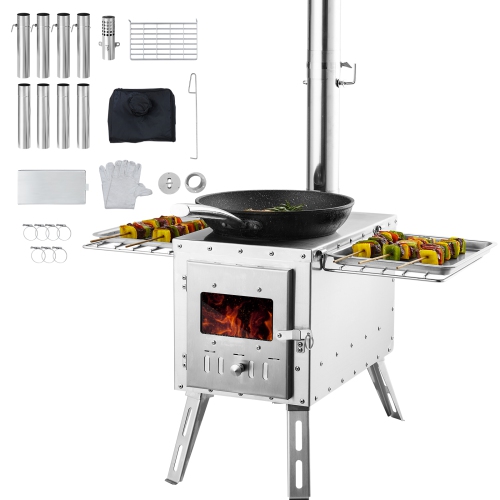
Key features and safety considerations for outdoor wood-stove use
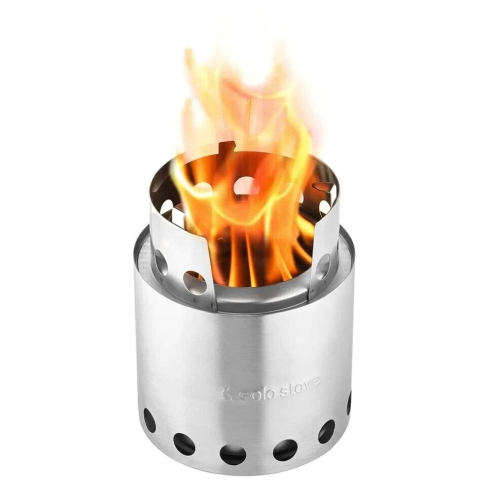
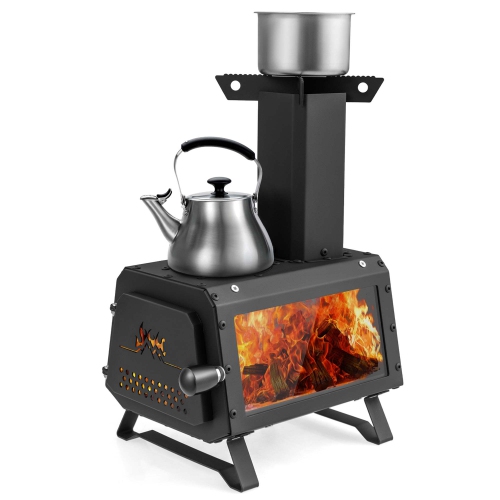
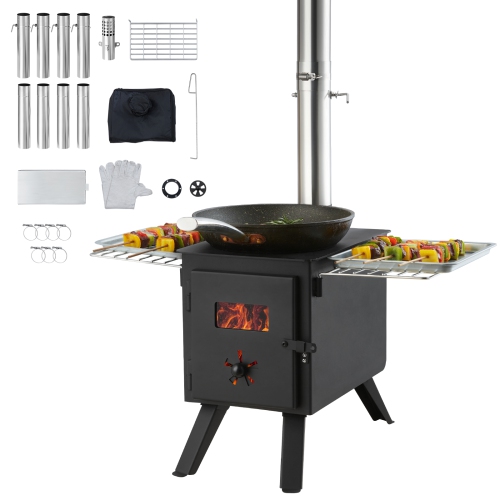
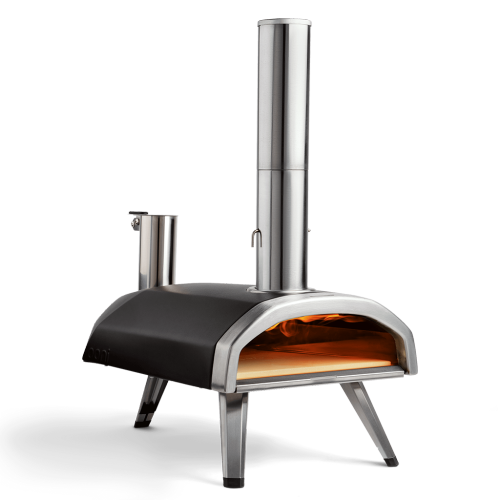
Portable wood stoves bring a practical source of heat and cooking power to campsites, remote cabins, hunting camps, work shelters, and other outdoor settings where a compact wood-burning appliance is useful. Depending on the design, a portable wood stove can use small pieces of dry firewood, split branches, or approved natural fuel to warm a shelter, boil water, simmer a meal, or provide a steady cooking surface. Compact backpacking models are generally designed for efficient outdoor cooking and pack down into a small space, while larger tent stoves are made to heat canvas tents, wall tents, yurts, and other compatible shelters. Rocket-style stoves use a vertical burn chamber to create a focused flame for cooking, and many have an enclosed design that helps direct heat towards a pot or pan. When comparing options, consider how you plan to travel and what you expect the stove to do. A lightweight stainless steel or titanium model may suit backpackers who carry their equipment over long distances, while a heavier carbon steel stove may be a better fit for car camping, base camps, or seasonal shelter use where durability and a larger firebox matter more than pack weight. Foldable legs, removable components, nesting chimney sections, and a compact packed shape can make transport and storage much easier. If cooking is the main purpose, look for a stable top surface, a firebox that accepts suitably sized wood, and airflow that allows the flame to be adjusted without constant tending. If shelter heating is the priority, pay close attention to chimney compatibility, pipe length, stove-jack requirements, and the amount of heat the unit can produce for the size of the space. Portable wood stoves are distinct from many gas or liquid-fuel options, so shoppers seeking a broader selection of compact outdoor cooking equipment may also want to explore Portable Camping Stoves.
Airflow control is one of the most important features to evaluate when choosing a portable wood stove. Adjustable intake vents can help manage how quickly fuel burns, while a chimney damper can help regulate the draw and retain useful heat when the stove is installed in a compatible shelter. Double-wall construction on some compact cooking stoves promotes a cleaner, more concentrated burn and can help improve efficiency, although every model has its own operating requirements. A spark arrestor is especially important for tent use because it helps reduce the risk of burning embers travelling through the chimney and contacting the shelter fabric. Before using any stove inside a tent or enclosed structure, confirm that the shelter is specifically designed or modified for stove use, that the stove jack is correctly installed, and that the chimney has the required clearance from walls, roof material, branches, and other combustible surfaces. Adequate ventilation is essential, and a carbon monoxide detector intended for the environment can provide an additional layer of awareness; never rely on a stove as the sole source of ventilation or leave a burning appliance unattended. Set the stove on a stable, non-combustible surface, keep clothing and equipment away from hot metal, and use heat-resistant gloves when handling the door, chimney, or cookware. Burn only clean, dry, untreated wood that is appropriate for the stove. Painted, stained, glued, or chemically treated materials can release harmful fumes and may damage the appliance. Local fire restrictions, campground rules, transport regulations, and land-management requirements can change with weather and regional conditions, so check the rules for your destination before lighting a fire. A stove should be fully extinguished before packing, and ashes should be allowed to cool completely before disposal in accordance with local guidance. These precautions are particularly important during dry conditions, strong winds, and periods when fire bans are in effect.
Portable wood stoves can be useful for experienced campers, anglers, hunters, backcountry travellers, cabin owners, outdoor cooks, and anyone who spends time in a properly equipped cold-weather shelter. They can also make a thoughtful gift for someone preparing for a hot-tent trip, building a camp kitchen, or outfitting a remote weekend retreat, provided the recipient has a suitable shelter, chimney setup, and a clear understanding of safe wood-stove operation. For backpacking, weight and packed dimensions often come first, since every component may be carried between camps. For car camping or stationary use, a wider cooking surface, larger firebox, sturdier legs, and longer burn time may be more valuable. Think about the cookware you already own, including the diameter and weight of pots, kettles, Dutch ovens, or frying pans, and check the stove’s supported load before use. A model that breaks down easily can fit in a vehicle storage bin or gear tote, while a model with nesting pipes and removable accessories can reduce the amount of loose equipment in a pack. Maintenance also deserves attention: inspect seams, doors, legs, vents, and chimney sections before each outing; remove accumulated ash safely; and check for warping, corrosion, loose fasteners, or blocked pipe sections. Steel stoves may develop a natural patina with use, while titanium models can show heat discolouration, but visible damage or compromised joints should not be ignored. As the weather turns cooler, a well-matched portable wood stove can add warmth to a properly ventilated shelter and provide a dependable way to prepare hot food or drinks outdoors. Choosing the right size, material, airflow system, chimney arrangement, and safety accessories will help ensure that the stove suits the way you travel rather than adding unnecessary weight or complexity to your setup.
Top selling and popular products
-
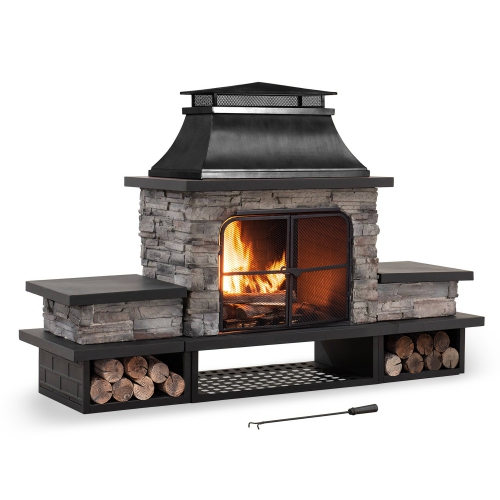 Your price for this item is $1674.99
-
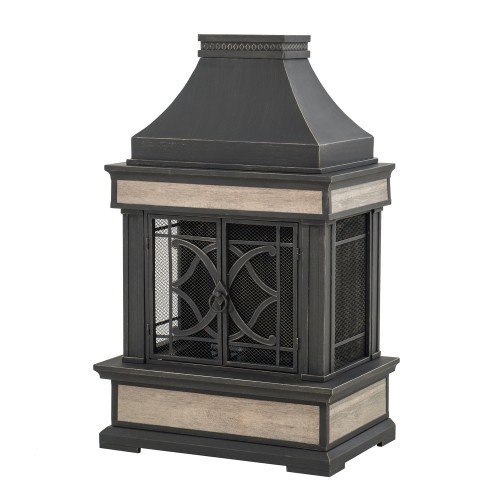 Your price for this item is $869.99
-
 Your price for this item is $377.99
-
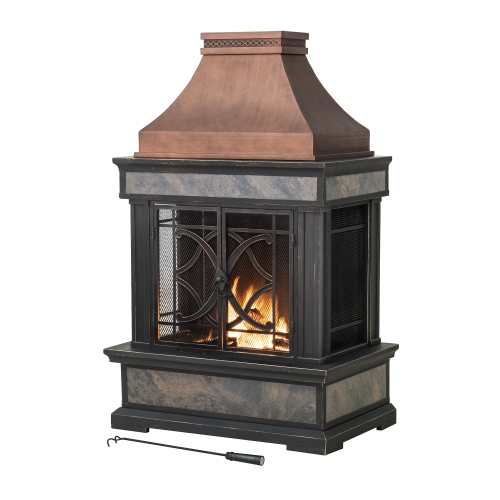 Your price for this item is $1033.99
-
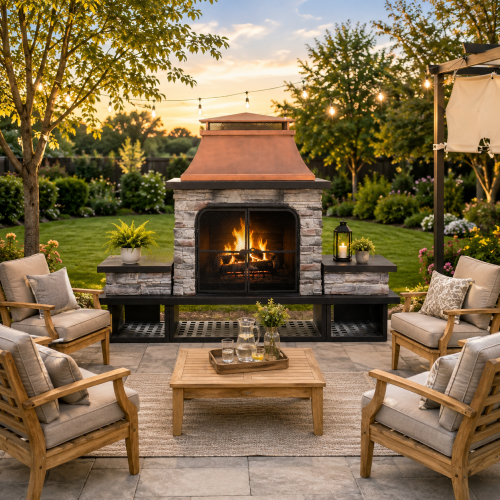 Your price for this item is $1572.99
-
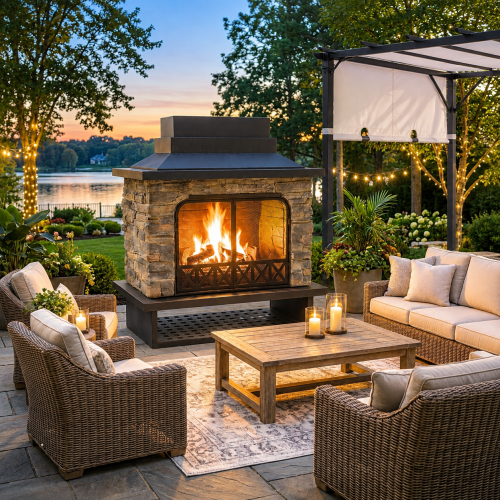 Your price for this item is $1169.99
-
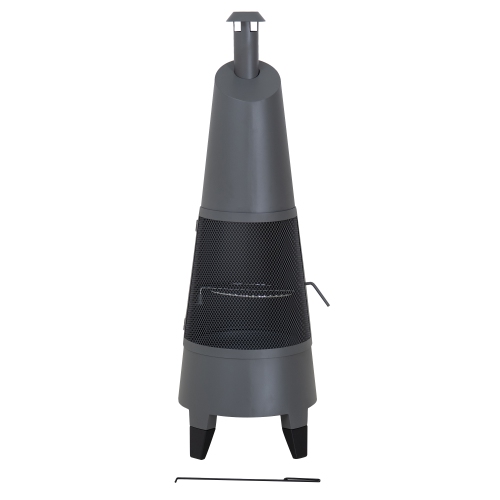 Your price for this item is $197.99
-
 Your price for this item is $464.99
Discover more categories related to Portable Wood Stoves
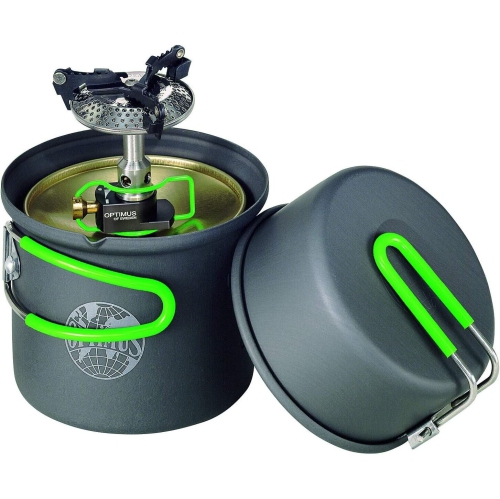
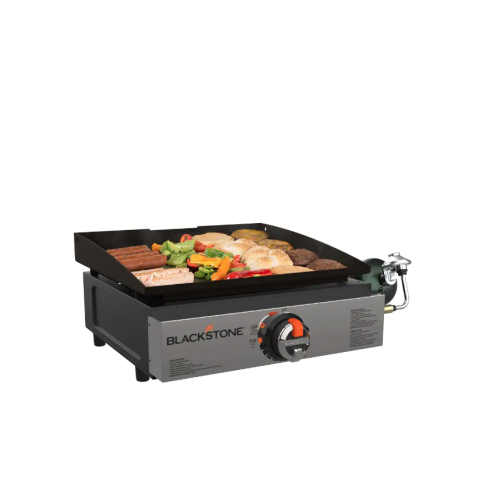
Top Collections:
Pokemon Centers, Best Cameras for Sports Photography, Kindle Devices, Samsung Galaxy Phones, Canon G7X Cameras, Pokémon 30th Celebration Cards, Refurbished Apple Laptops, iPhone 15 Apple, Laptops for Students, Budget Smartphones
Some products may be subject to Environmental Handling Fees
(EHF) depending on your province.
Learn more about EHFs.