Running Gear
Whether you're a seasoned marathon runner or just starting out on your fitness journey, having the right running gear can make all the difference in your performance and comfort. From supportive running shoes to moisture-wicking apparel and essential accessories like armbands and water bottles, our collection of running gear is designed to help you reach your fitness goals with style and functionality. Explore our selection of high-quality products that cater to every runner's needs, so you can hit the pavement feeling confident and ready to conquer any distance.
Sort







The fit details that make running more comfortable
Running gear includes running shoes, moisture-wicking clothing, supportive socks, hydration carriers, and accessories for tracking activity and carrying essentials. Together, these products help make movement more comfortable, whether the routine is a short neighbourhood loop, a treadmill session, or a longer run along a mixed-use path. Footwear is the foundation: a secure heel, enough space for the toes to move naturally, and a shape that suits the foot all matter more than appearance alone. A running shoe should feel comfortable without relying on a lengthy break-in period, with no pinching across the forefoot or slipping at the heel. Cushioning can soften the feel of repeated landings, while the shoe’s weight, flexibility, and sole construction influence how it feels at different paces. Daily training shoes generally balance cushioning and durability for regular use; lighter designs may appeal to runners who prefer a less substantial feel during faster sessions. Road-running soles are designed for paved surfaces, while trail-running footwear typically has deeper tread for grip on loose ground and uneven paths. Neither design is a substitute for watching foot placement, particularly around roots, gravel, or abrupt changes in the surface. Running socks also affect how shoes fit and feel. Polyester, nylon, and blended fabrics can move moisture away from the skin and dry more readily than cotton, while smooth seams and a close fit help limit rubbing. Extra padding at the heel and forefoot may feel comfortable on longer outings, but it also takes up space inside the shoe. Socks that bunch under the arch or slide down into the heel can create pressure points even in otherwise comfortable footwear. Durability depends on the runner, the surface, and frequency of use rather than a single fixed lifespan. Flattened cushioning, uneven sole wear, or a noticeable change in comfort can signal that footwear needs attention. Removing loose dirt, following the manufacturer’s cleaning directions, and allowing shoes to air-dry away from direct heat help protect their shape and materials.
Running apparel is designed to move with the body without adding unnecessary bulk or distraction. Lightweight tops, shorts, leggings, and tights often use synthetic fabrics that manage perspiration, with stretch fibres providing room to reach, bend, and lengthen a stride. Fabric weight and construction influence how a garment feels: a fine knit may feel light against the skin, while a denser stretch fabric can offer more coverage and a firmer fit. Mesh panels can improve airflow, and flat seams may reduce friction where fabric repeatedly moves against the body. Fit is especially important at waistbands, armholes, and inner thighs. A waistband that stays in place without digging in, a top that does not twist around the torso, and shorts that allow comfortable leg movement can make a familiar route feel much less distracting. Compression-style garments provide a close-fitting feel, but tighter is not automatically better; movement should remain comfortable and unrestricted. For runners who need breast support, a sports bra intended for high-impact activity should feel secure through the band and straps without chafing or limiting a full breath. Storage deserves just as much attention as fabric. A zipped pocket can keep a key secure, while a close-fitting phone pocket helps reduce bouncing. Pocket dimensions matter because a phone in a protective case may fit differently from a bare device. Colour and design remain personal choices, though reflective details can make clothing more noticeable when illuminated by vehicle headlights after dark. Those details complement attentive route choices rather than replacing them. Clothing care also affects comfort and longevity. Washing according to the label, securing zippers before laundering, and avoiding fabric softener where advised can help preserve stretch and moisture-management properties. Garments should be fully dry before being stored in a gym bag to help limit lingering odour. Running apparel can be a thoughtful gift for someone building a regular routine, although familiar sizes, preferred fits, and personal support needs are useful starting points.
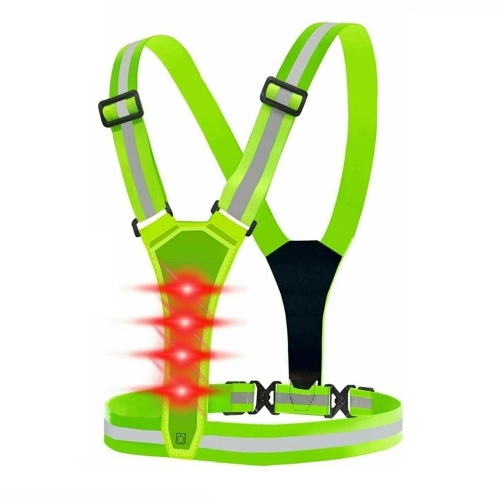
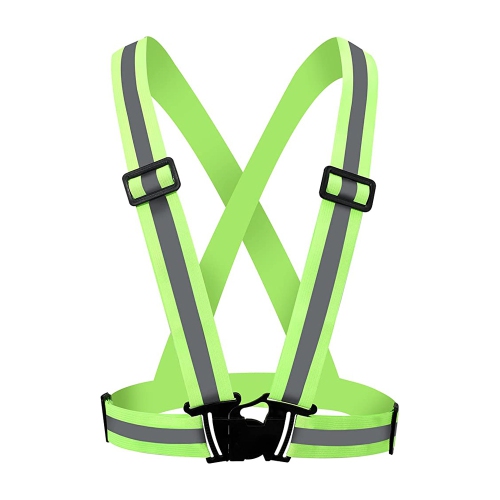
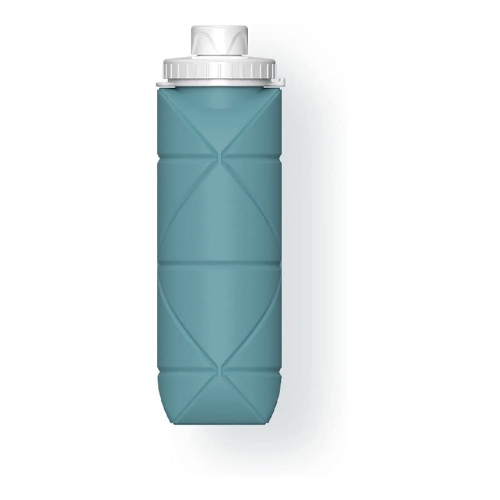
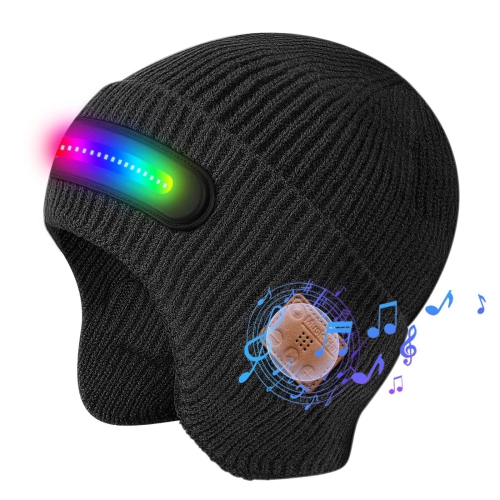
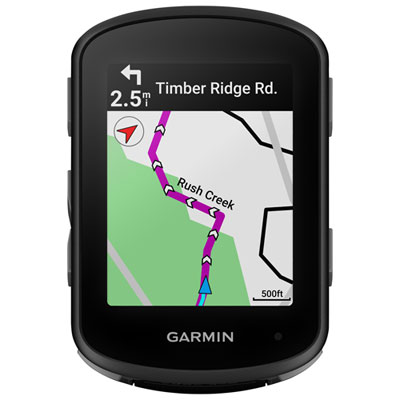
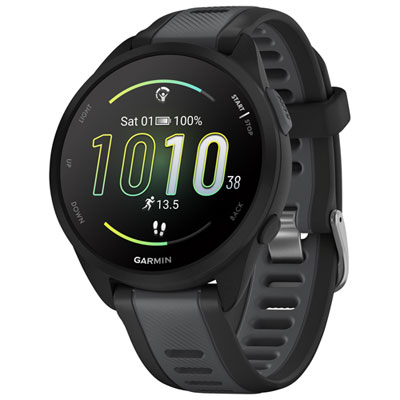
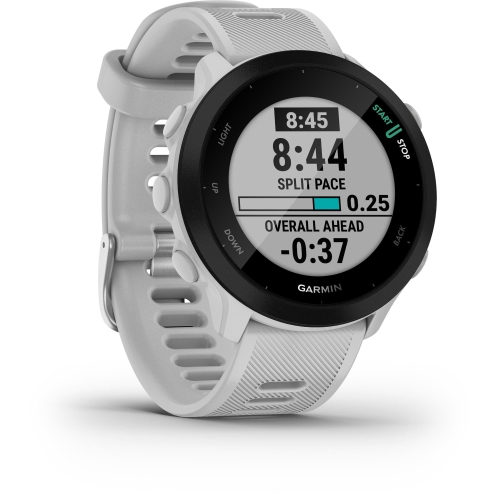
Accessories address the practical details that become more noticeable as distance or time on foot increases. A running belt keeps small essentials close to the waist, while a hydration vest spreads the load across the torso and can accommodate fluids, snacks, and additional storage. A secure fit matters with either option: repeated bouncing or a bottle pressing against the ribs can become distracting well before the run is finished. Adjustable straps, accessible pockets, and closures that are easy to operate help keep frequently used belongings within reach. Handheld bottles offer another carrying option, while soft flasks become less bulky as they empty. Fluid needs vary with effort, duration, and the individual, so carrying capacity is best matched to the planned outing and access to refill points. Bottles, reservoirs, and drinking tubes need regular cleaning and thorough drying according to their care instructions. For activity tracking, GPS running watches can record routes, distance, and pace, while fitness trackers may offer step counts, workout logging, and heart-rate estimates. Built-in GPS can track a route without relying on a connected phone; other devices use the phone’s location services. Battery life, screen readability, comfortable straps, and compatibility with a phone are practical considerations alongside training features. Wrist-based readings are estimates, and location accuracy can vary around tall buildings or dense tree cover. Audio accessories can add music or spoken directions, but secure fit and accessible controls matter when hands are occupied. Open-ear designs leave the ear canal uncovered, although any audio can distract from traffic and other path users. Reflective accessories and running lights can improve visibility after dark, with fit, beam direction, and battery runtime affecting their usefulness. These accessories can also suit gift recipients whose footwear or clothing preferences are difficult to judge, provided device compatibility and personal habits are considered. For longer-distance training and race-day needs, Gear for Marathon Runners offers a related focus on equipment suited to extended time on the move.
Top selling and popular products
-
 Your price for this item is $62.36
-
 Your price for this item is $300.1
-
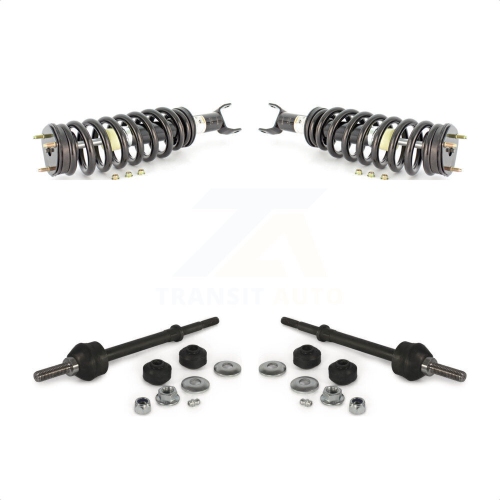 Your price for this item is $339.92
-
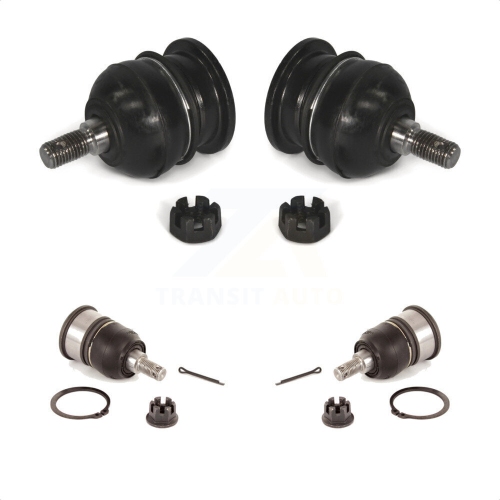 Your price for this item is $64.44
-
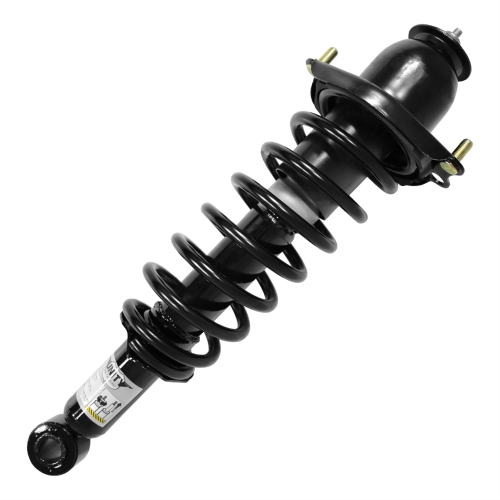 Your price for this item is $130.91
-
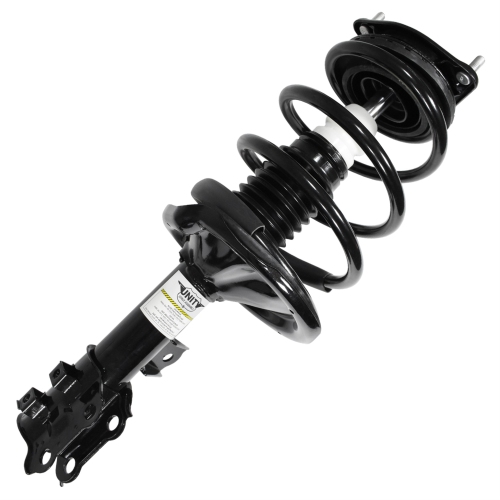 Your price for this item is $183.07
-
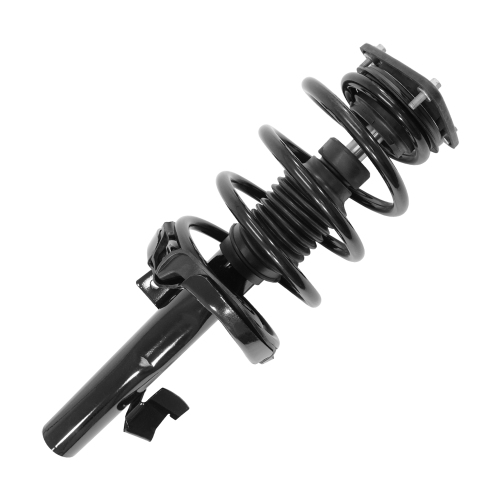 Your price for this item is $168.16
-
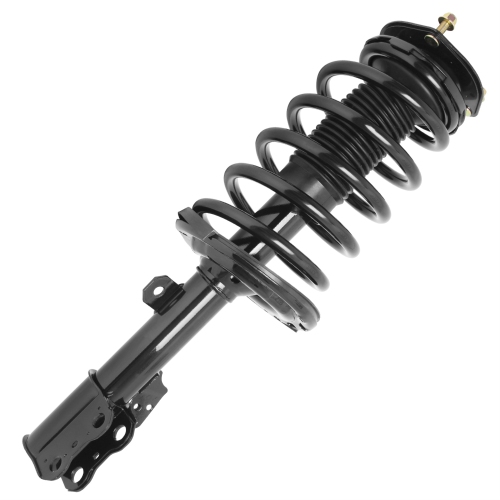 Your price for this item is $207.71
Discover more categories related to Running Gear
Top Collections:
Pokemon Centers, Best Cameras for Sports Photography, Kindle Devices, Samsung Galaxy Phones, Canon G7X Cameras, Pokémon 30th Celebration Cards, Refurbished Apple Laptops, iPhone 15 Apple, Laptops for Students, Budget Smartphones
Some products may be subject to Environmental Handling Fees
(EHF) depending on your province.
Learn more about EHFs.