RV Inverters
Upgrade your RV experience with high-quality RV inverters designed to provide reliable power wherever your adventures take you. Whether you're boondocking off the grid or simply looking for a convenient power source on the road, these inverters are essential for ensuring your electronics and appliances run smoothly. Discover a range of options that offer efficient performance, easy installation, and compatibility with various devices, making them a must-have accessory for any RV enthusiast.
Sort
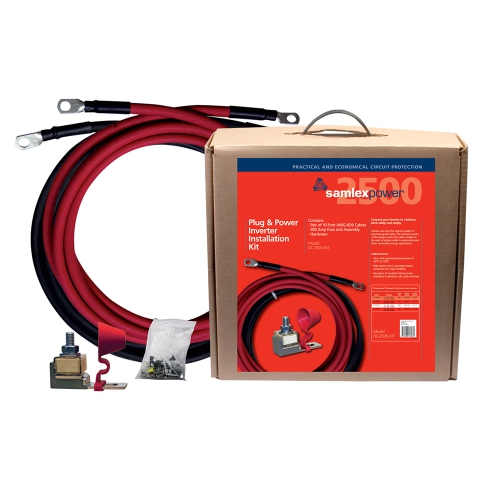
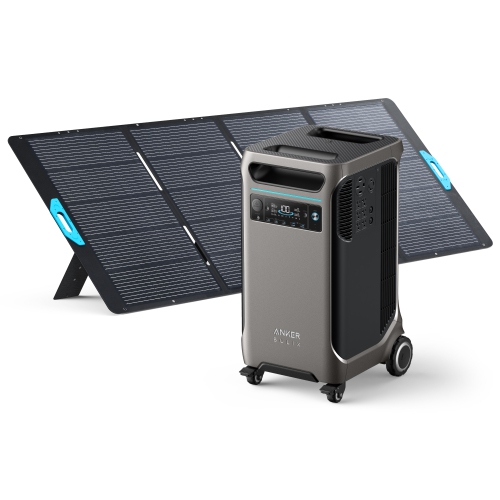
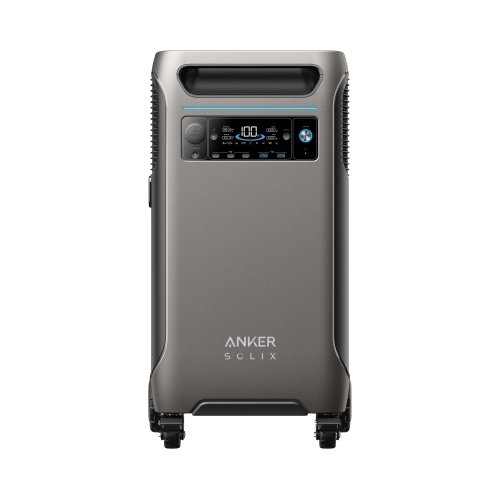
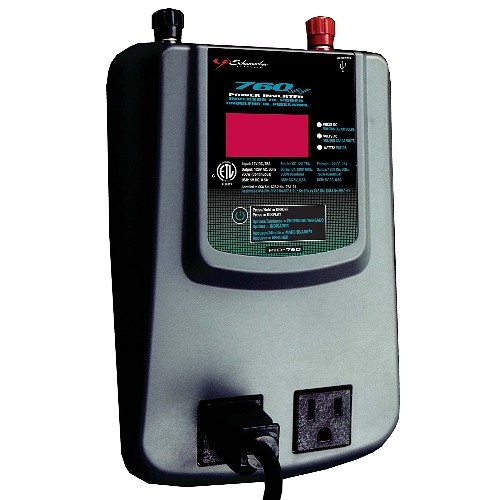
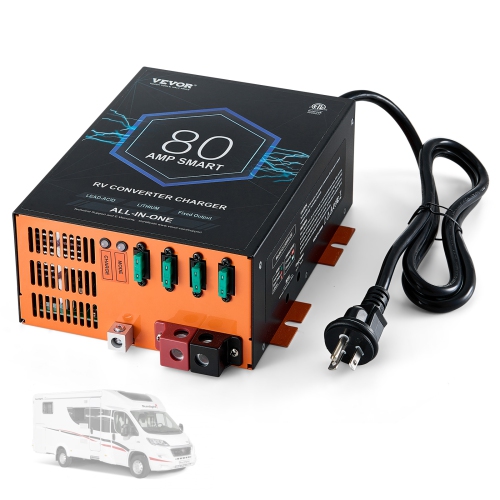
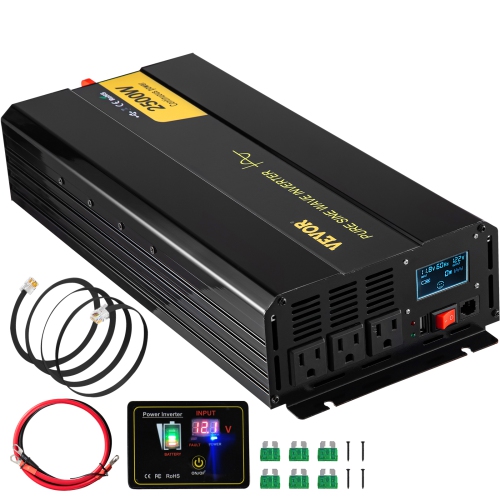
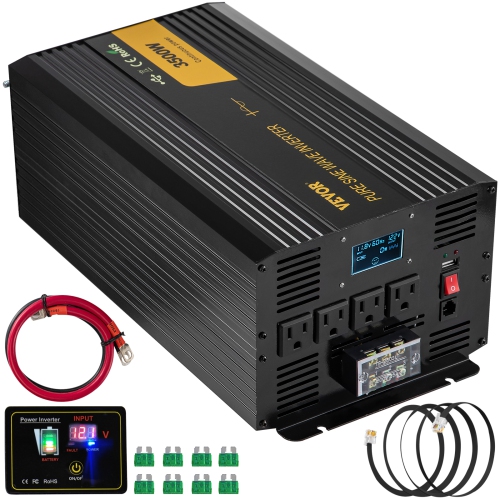
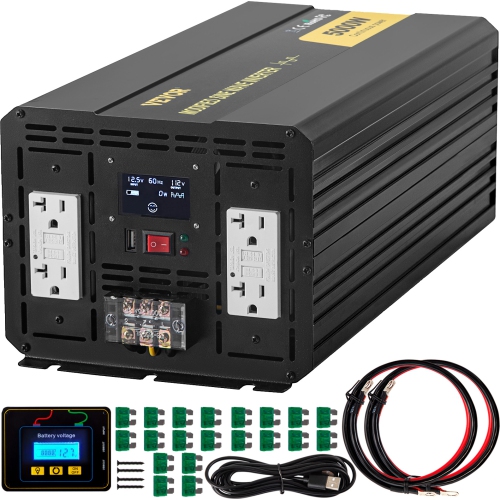
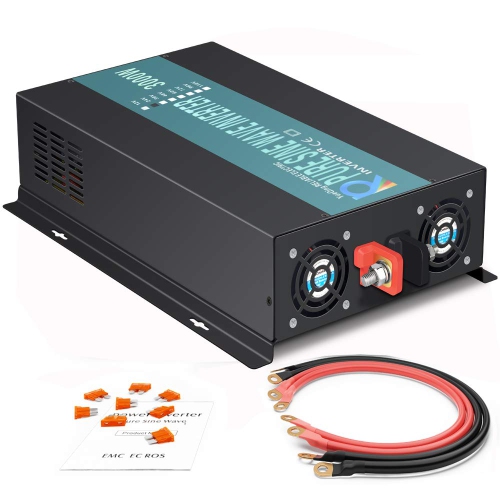
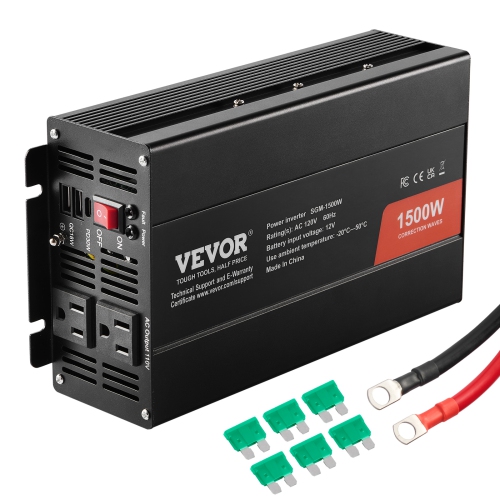
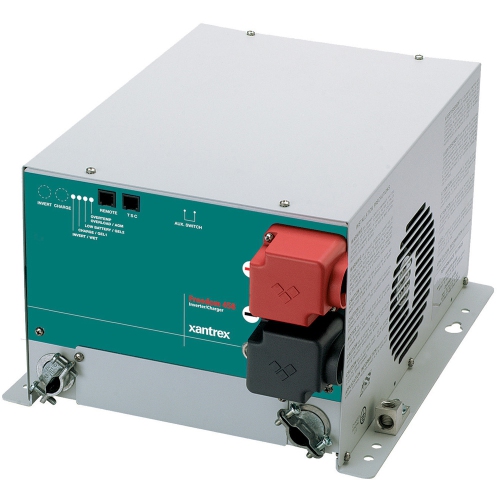
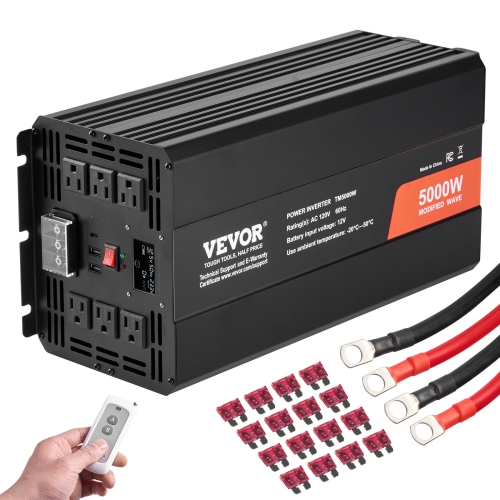
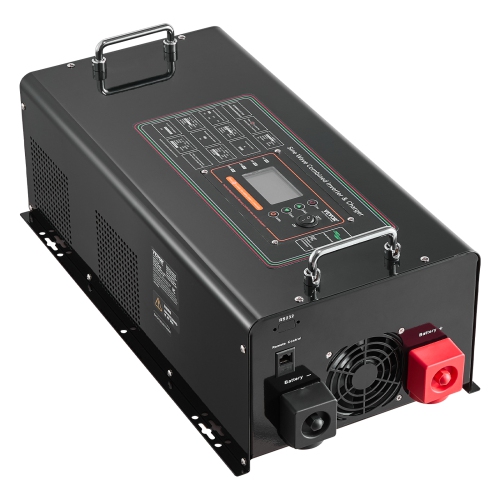
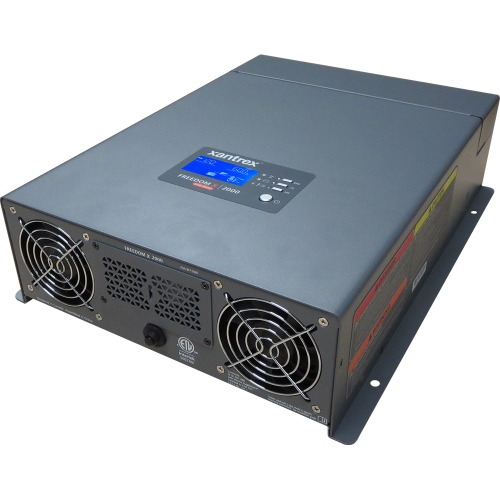
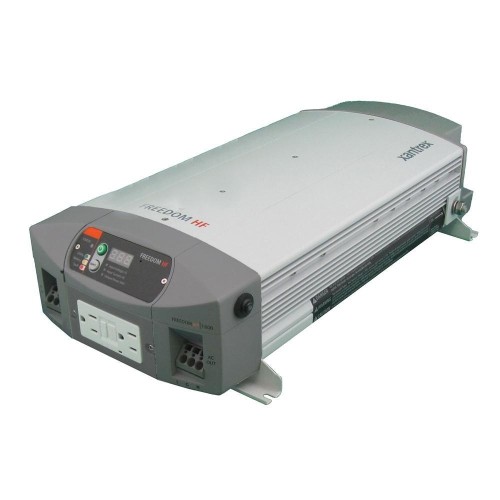
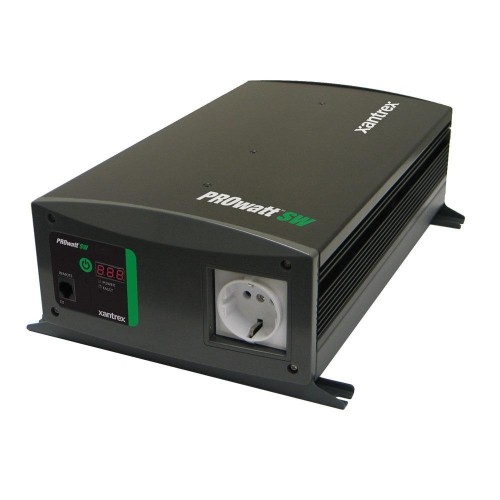
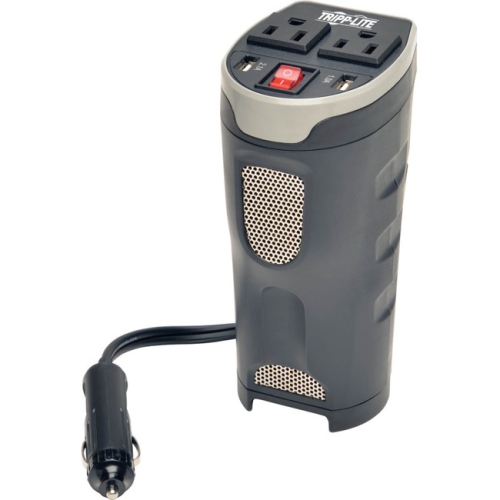
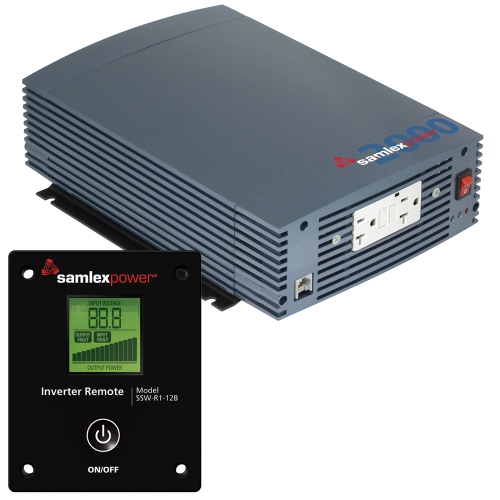
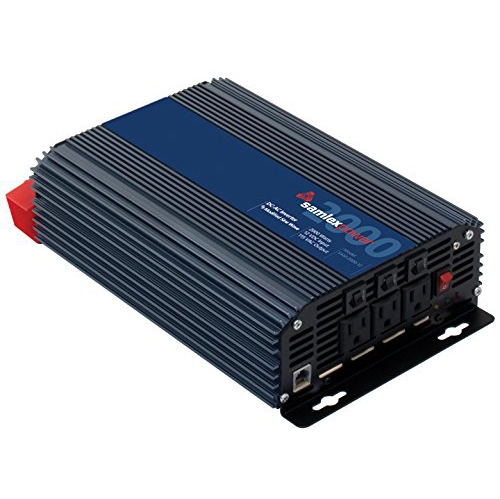
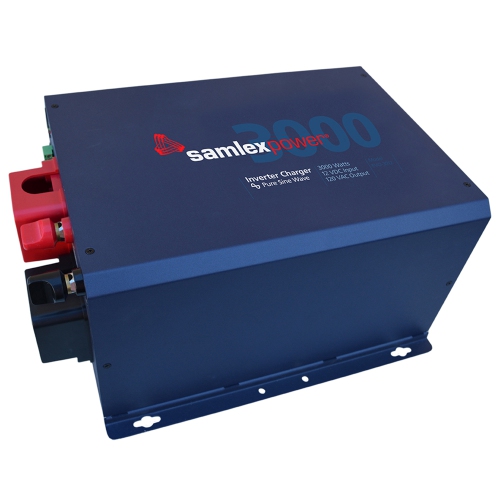
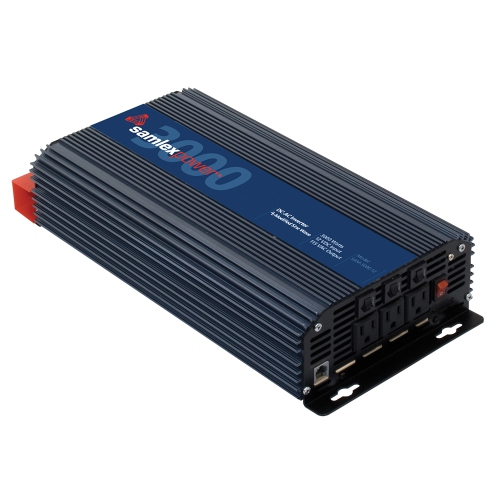
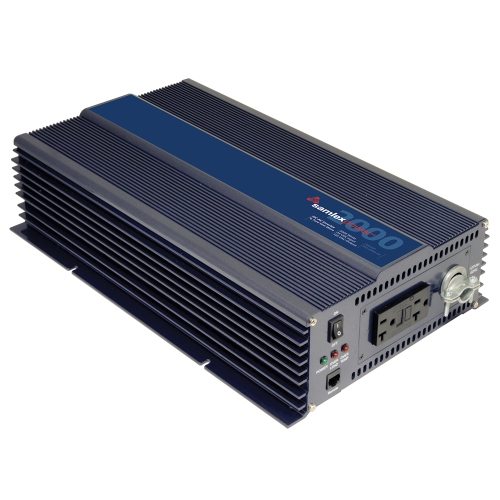
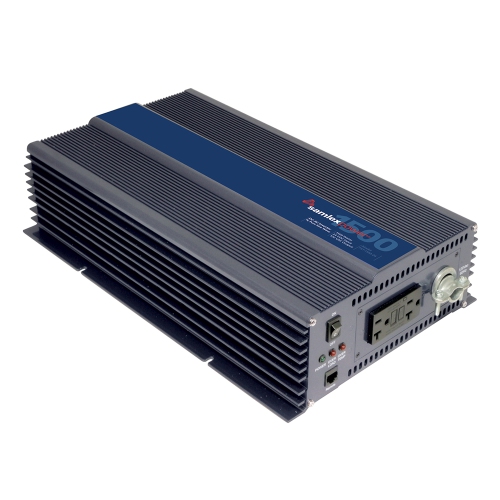
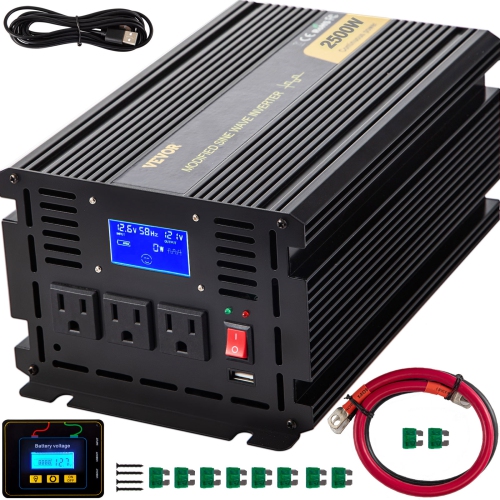
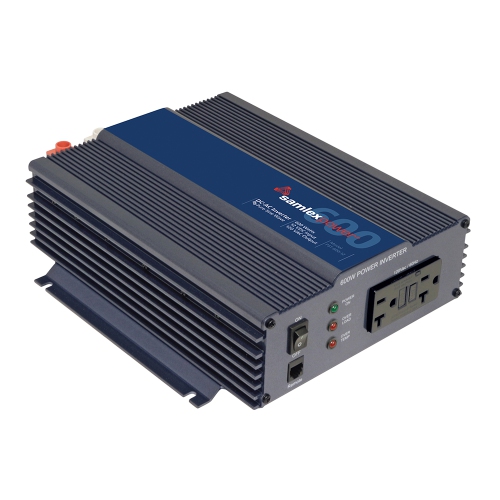
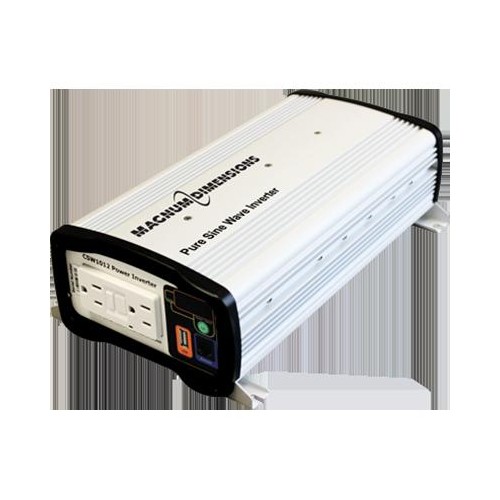
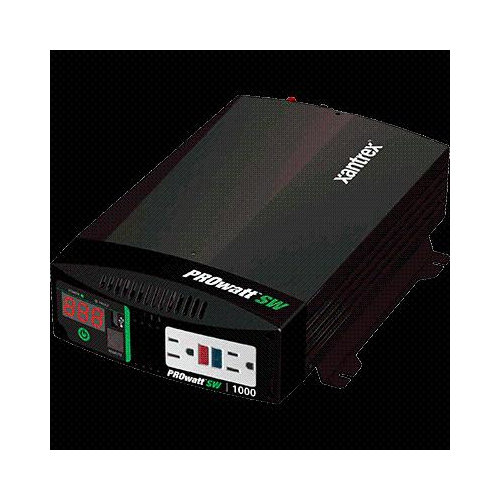
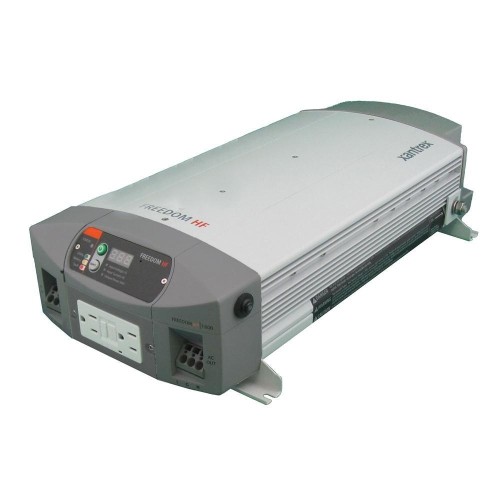
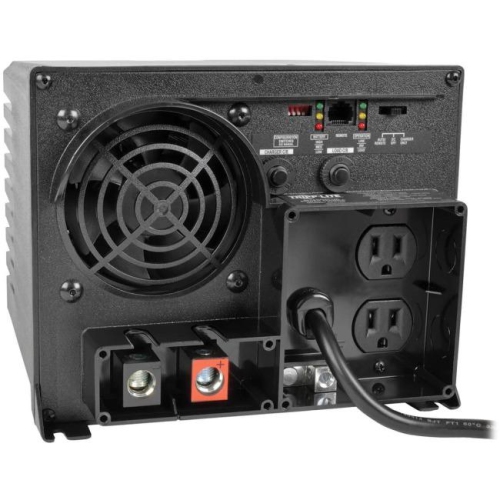
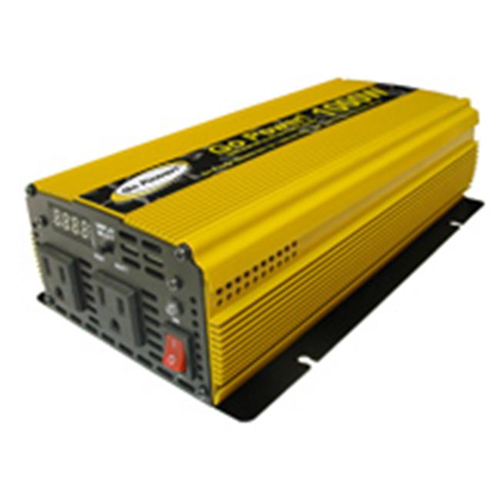
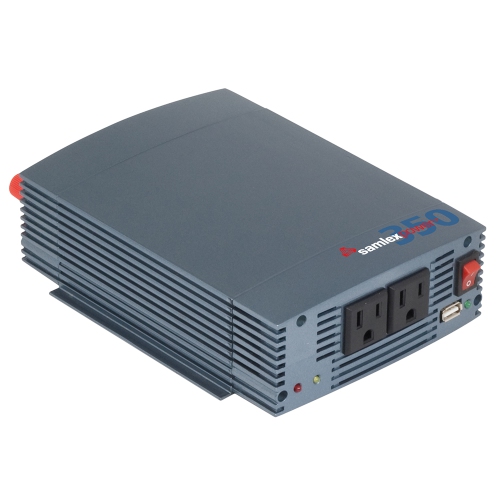
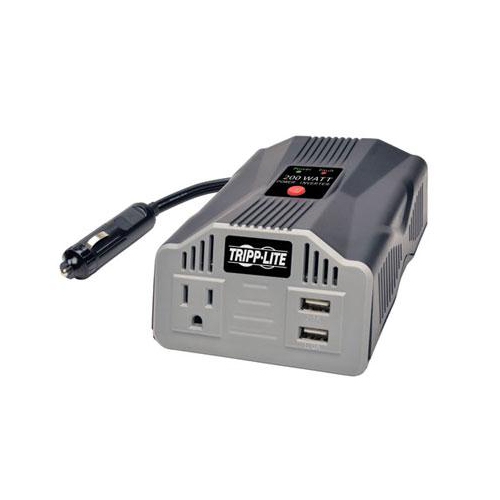
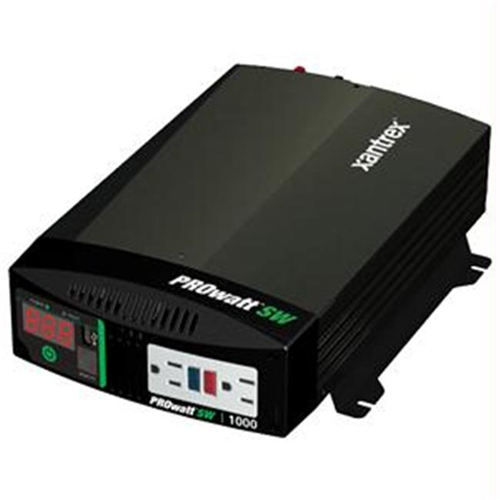
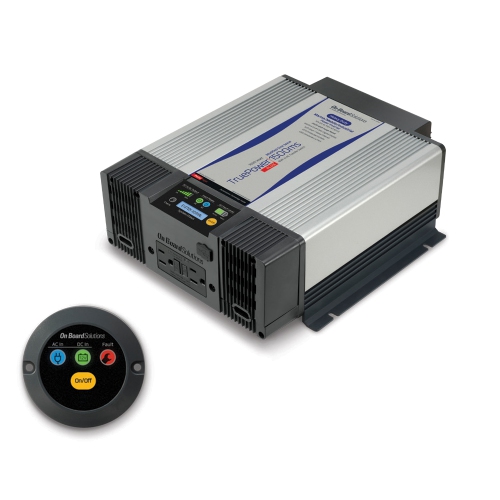
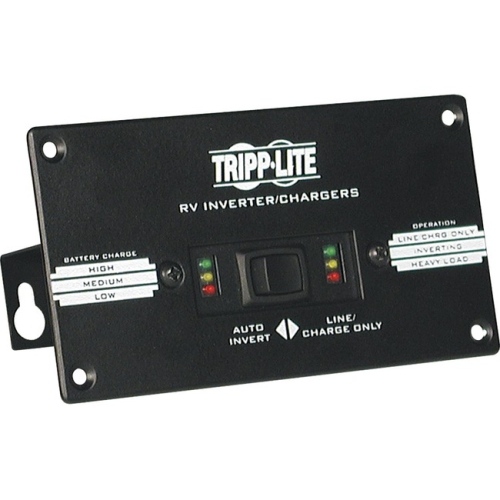

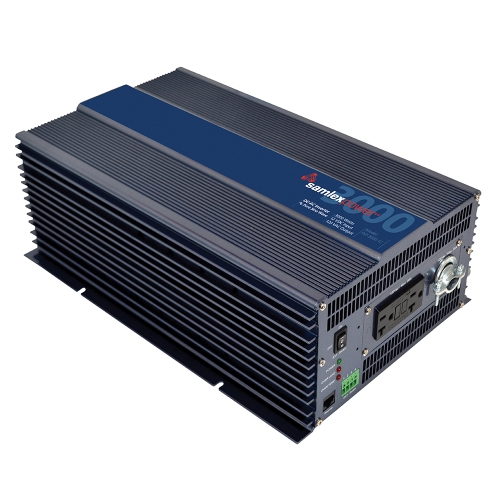
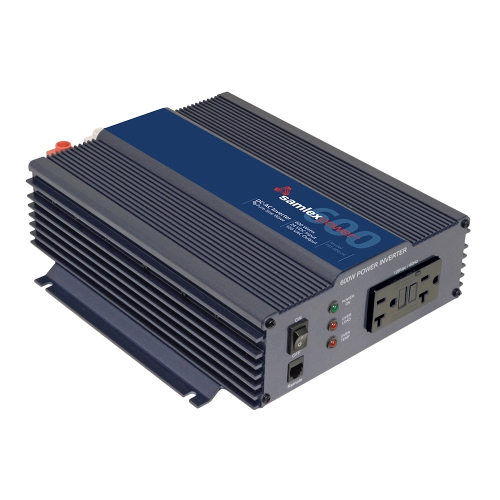
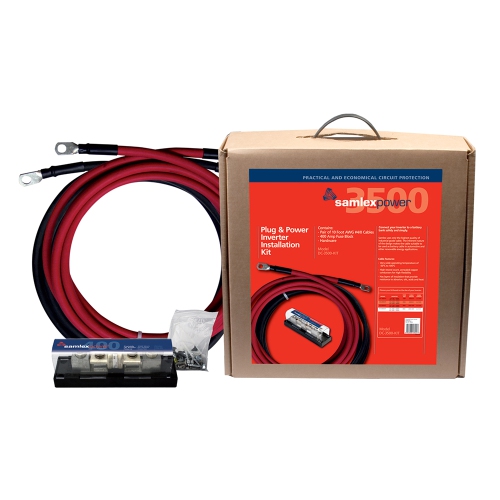
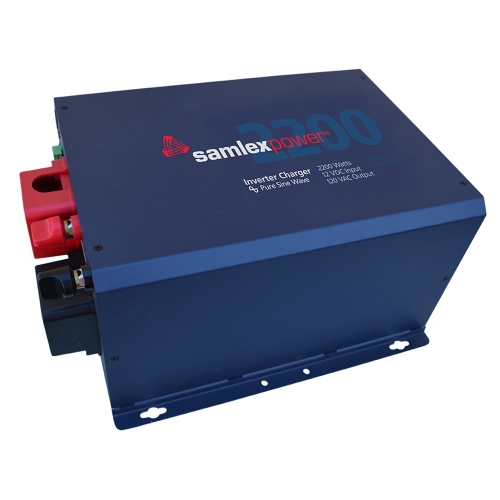
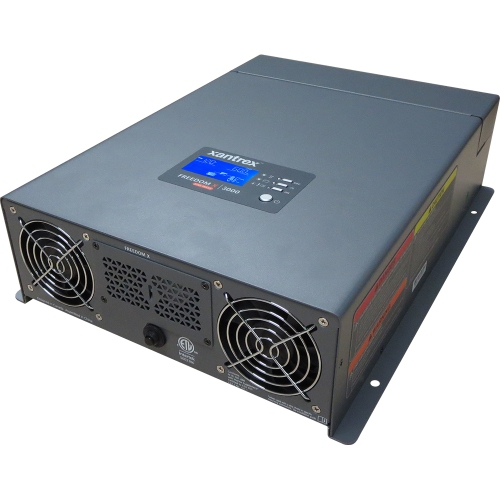
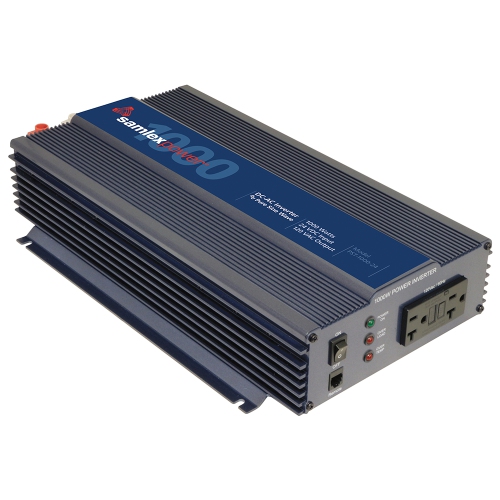
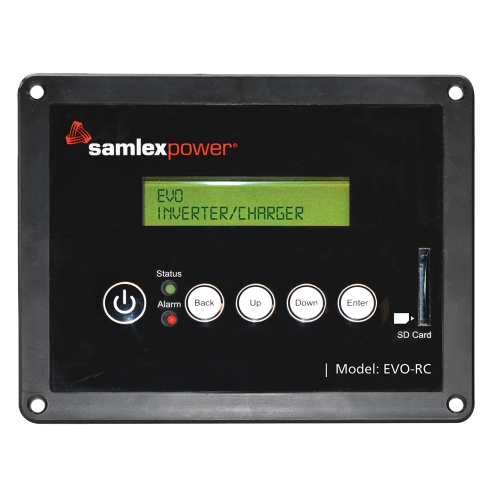
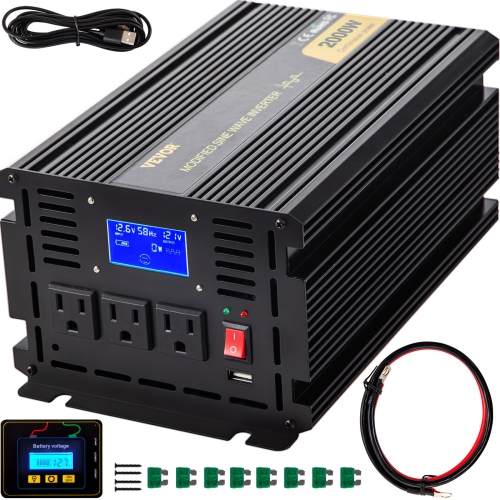
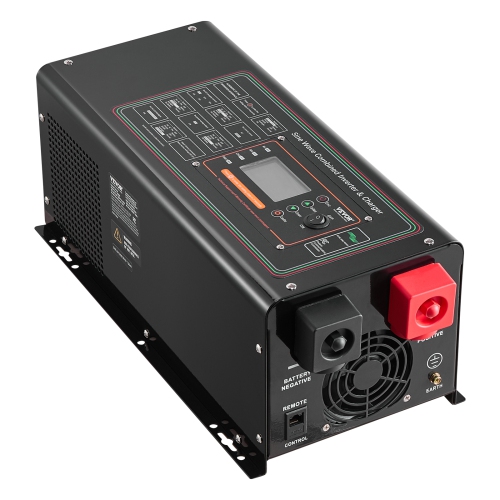
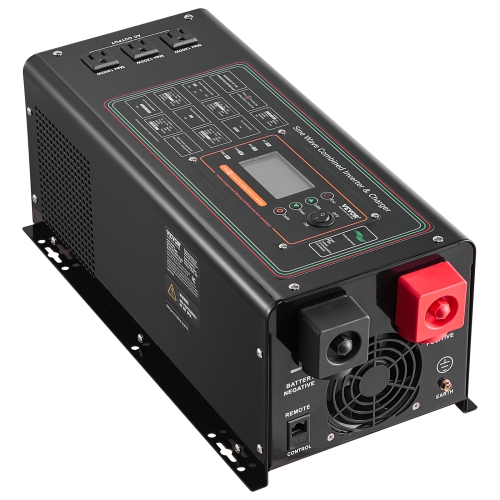
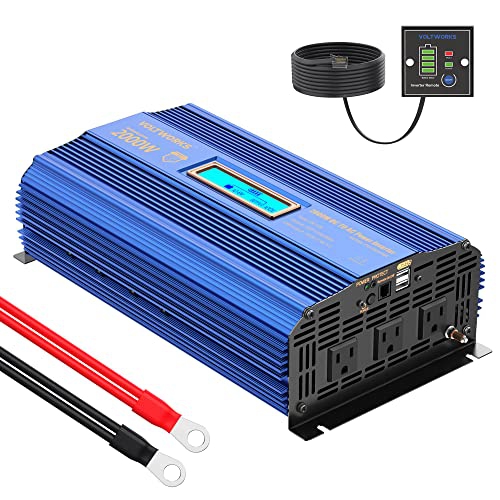

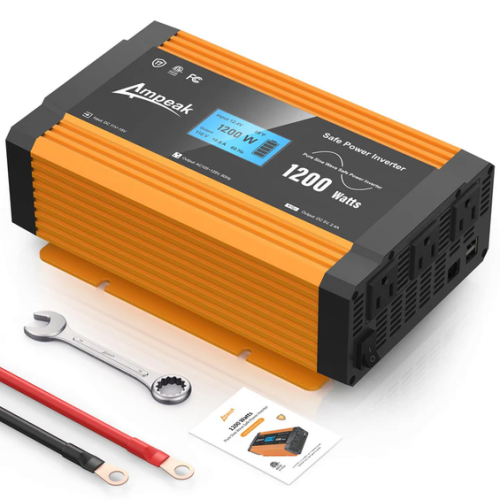
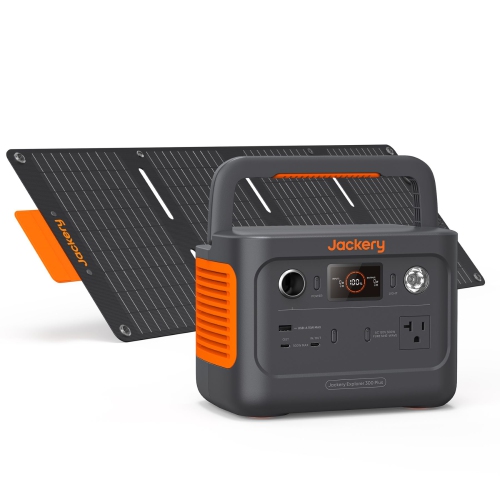
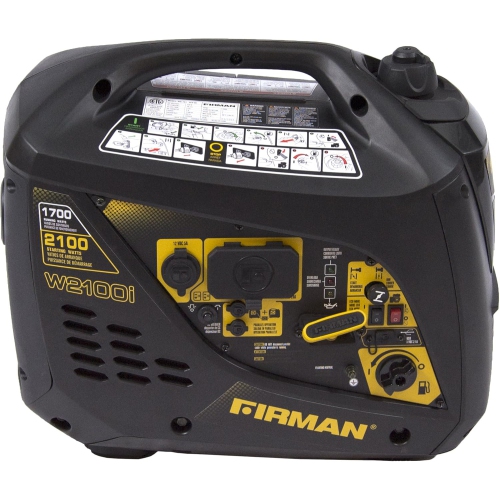
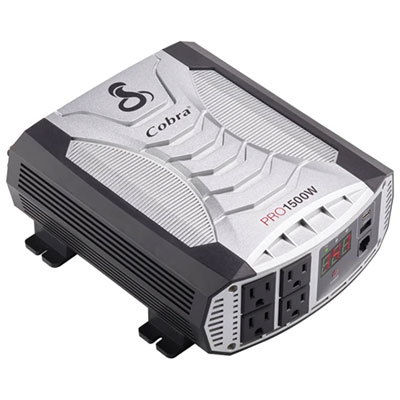
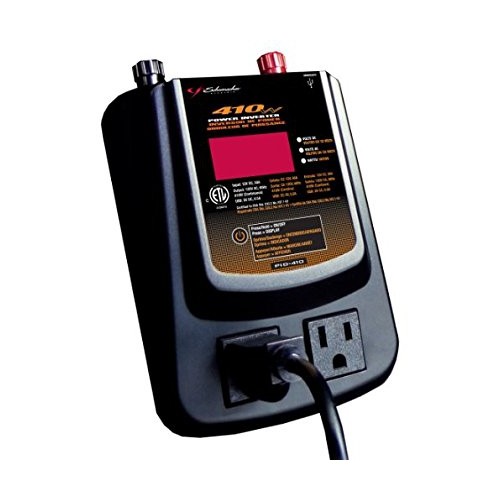
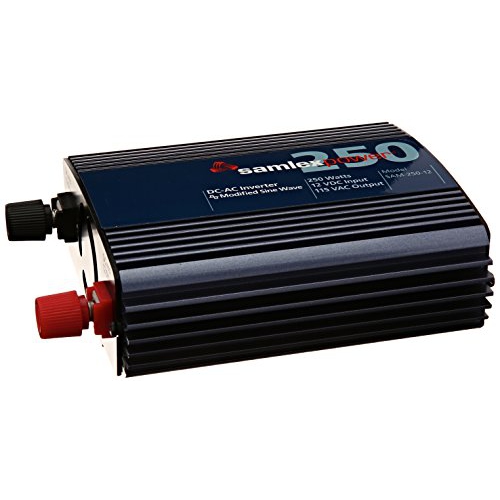
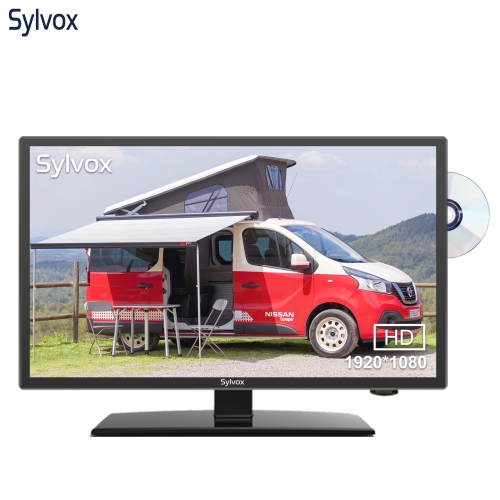
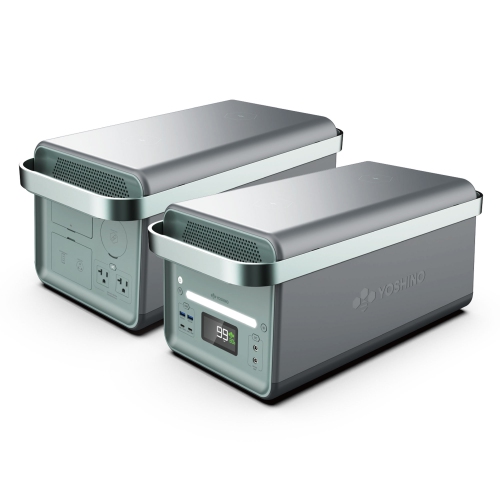
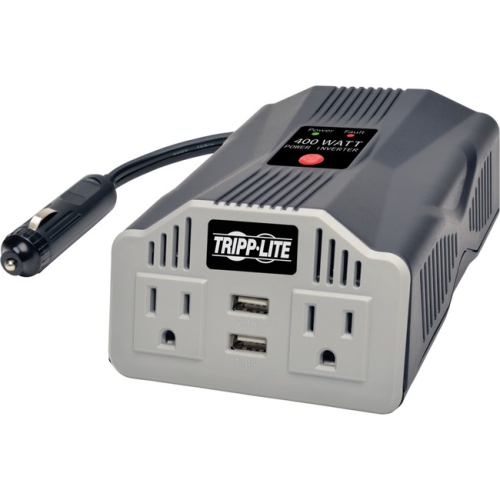
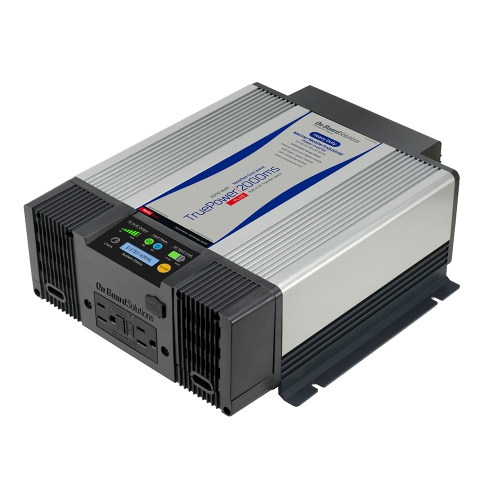
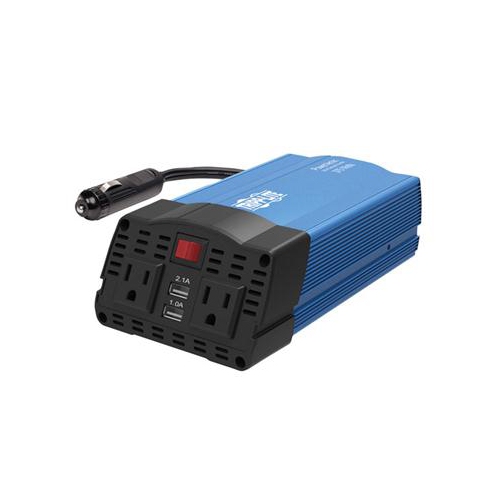
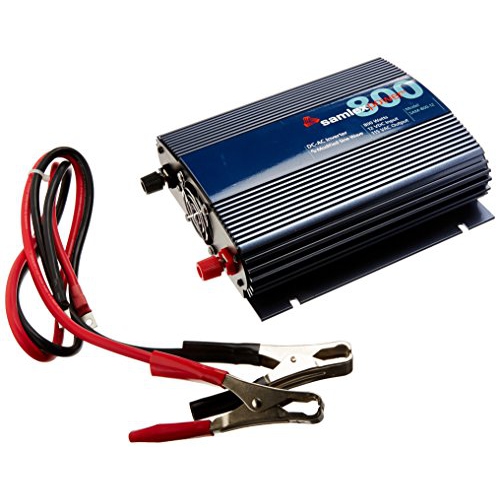

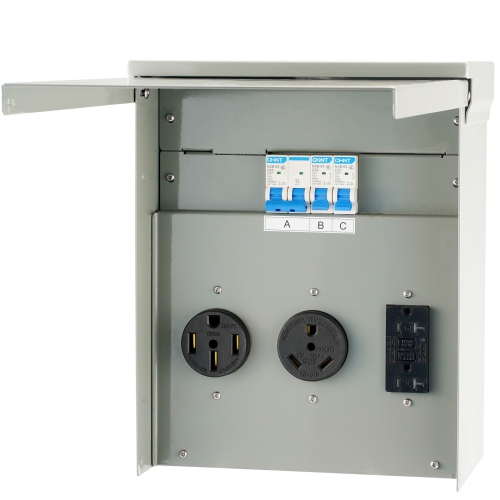
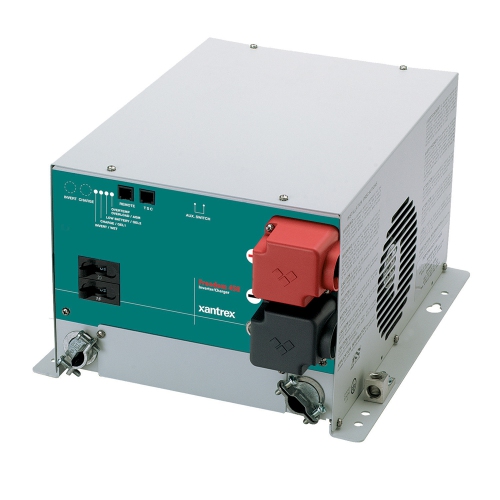
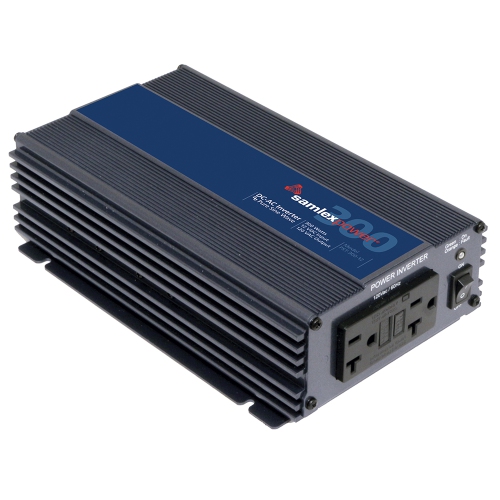
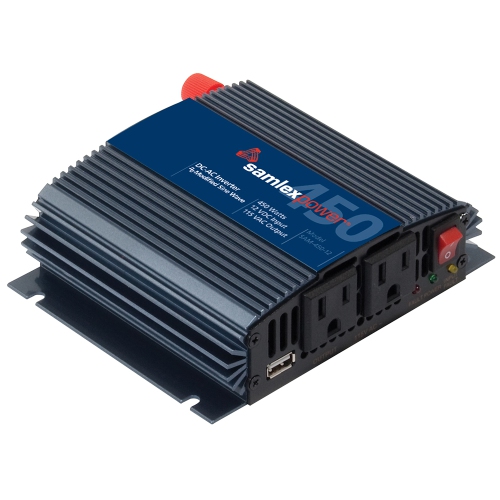
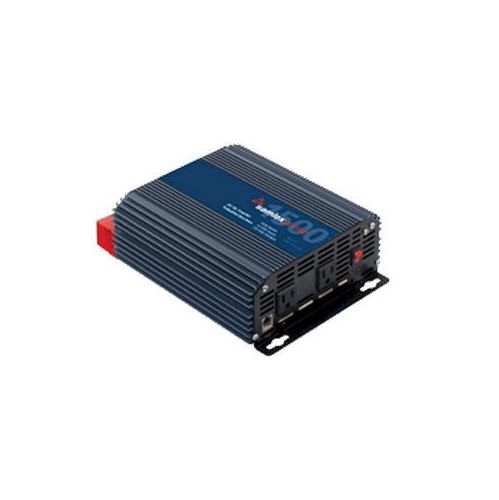

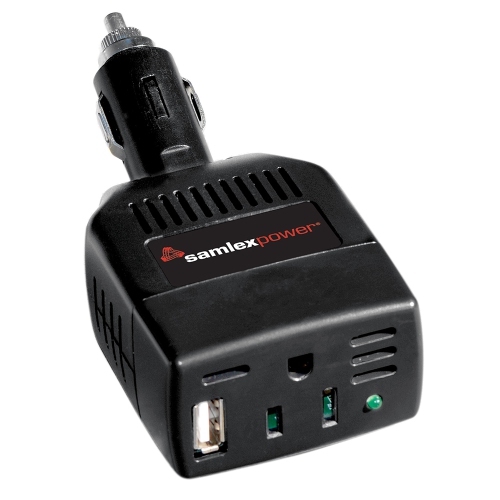
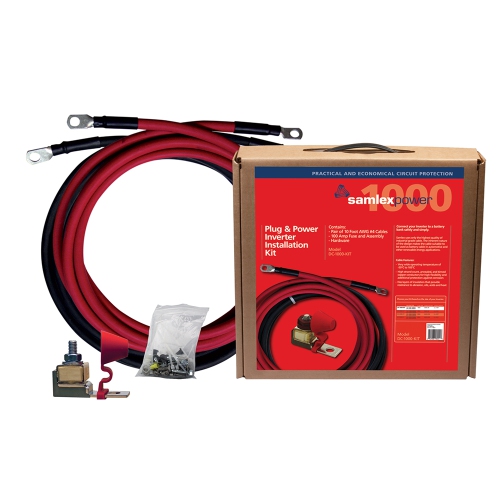
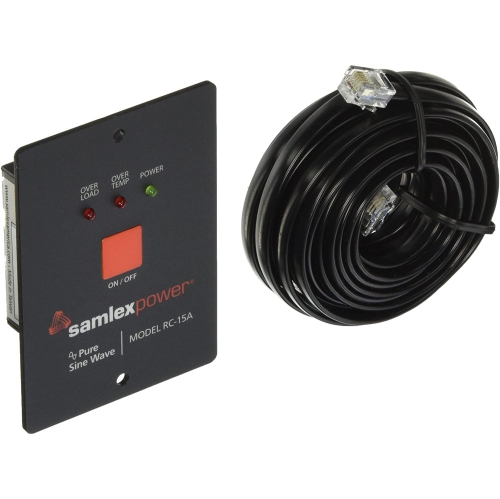
Power everyday electronics beyond the campground’s electrical hookups
An RV inverter converts direct-current (DC) power stored in an RV battery into the 120-volt alternating-current (AC) power used by household electronics. That makes it possible to use familiar devices when the RV is away from shore power, whether you are parked at a campsite without electrical hookups, taking a break at a remote trailhead, or travelling between destinations. Depending on the model and the capacity of the battery system, an inverter can provide power for phones, tablets, laptops, televisions, small kitchen appliances and other everyday essentials. It is important to remember that an inverter does not create electricity; it draws power from the RV’s 12-volt or 24-volt battery bank, so the battery capacity, wiring and charging setup all affect how long your devices can run. For a broader look at equipment that converts vehicle battery power for everyday electronics, explore Dc To Ac Inverters. RV owners often choose an inverter to make travel more comfortable and flexible, while occasional campers may appreciate one for keeping communication devices charged, running a laptop during a work trip, or enjoying a movie after the sun goes down. It can also be a practical gift for someone who spends weekends in a trailer, travels in a motorhome, or is preparing an RV for longer journeys during the warmer and cooler parts of the year.
Choosing the right RV inverter starts with matching its continuous wattage and surge capacity to the devices you plan to use. Models rated from 1000W to 1500W are generally suited to smaller loads such as chargers, laptops, internet equipment, a television or other compact electronics, provided the combined demand stays within the inverter’s limits. A 2000W to 3000W unit may be more appropriate for higher-draw appliances such as a microwave, coffee maker or hair dryer, although these devices can consume substantial power and may shorten battery runtime quickly. Appliances with motors or compressors, including some refrigerators, fans and air conditioners, can require a brief but significant surge when they start. Check both the running wattage and start-up demand before selecting an inverter, and allow additional capacity rather than operating continuously at the maximum rating. Larger systems rated above 3000W, including setups that use multiple inverters, may be considered for demanding RV loads, but they require a suitably sized battery bank, heavy-gauge cabling, proper overcurrent protection and an installation designed for the complete electrical system. The battery chemistry, age and state of charge matter as well; an inverter may have enough wattage on paper but still shut down if the battery voltage drops under load. Ventilation is another consideration, since inverters generate heat while operating. A clear, dry mounting location with adequate airflow can support dependable performance and help prevent nuisance shutdowns.
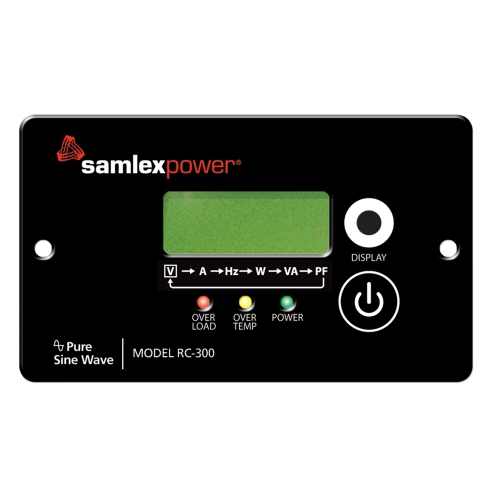
The inverter waveform is also important. Pure sine wave inverters produce smooth AC power similar to the electricity available from a household outlet, making them a strong choice for sensitive electronics, televisions, audio equipment, medical devices and appliances with precise electronic controls. Modified sine wave inverters can be a more economical option for basic loads, but some motors, clocks, chargers and audio devices may run noisily, less efficiently or with extra heat when connected to this type of output. An inverter/charger combines several functions in one installation: it changes battery power into AC power, charges the batteries when the RV is connected to shore power, and may switch automatically between shore power and battery power. This can simplify operation and reduce the need to move plugs, but compatibility with the RV’s converter, distribution panel, battery bank and transfer-switch arrangement should be confirmed before purchase. Other useful features may include low-voltage shutdown, overload protection, thermal protection, remote controls, built-in outlets and clear status displays. Portable units can be convenient for occasional use and can move between vehicles, while permanently installed models may offer cleaner integration for frequent travellers. Always follow the installation instructions, use appropriate fuses and cable sizes, keep the unit away from moisture and combustible materials, and have hardwired installations completed or checked by a qualified professional. With the right combination of output, waveform, battery support and safety features, an RV inverter can provide dependable access to household-style power without changing the freedom of travelling on your own schedule.
Choosing the right RV inverter starts with matching its continuous wattage and surge capacity to the devices you plan to use. Models rated from 1000W to 1500W are generally suited to smaller loads such as chargers, laptops, internet equipment, a television or other compact electronics, provided the combined demand stays within the inverter’s limits. A 2000W to 3000W unit may be more appropriate for higher-draw appliances such as a microwave, coffee maker or hair dryer, although these devices can consume substantial power and may shorten battery runtime quickly. Appliances with motors or compressors, including some refrigerators, fans and air conditioners, can require a brief but significant surge when they start. Check both the running wattage and start-up demand before selecting an inverter, and allow additional capacity rather than operating continuously at the maximum rating. Larger systems rated above 3000W, including setups that use multiple inverters, may be considered for demanding RV loads, but they require a suitably sized battery bank, heavy-gauge cabling, proper overcurrent protection and an installation designed for the complete electrical system. The battery chemistry, age and state of charge matter as well; an inverter may have enough wattage on paper but still shut down if the battery voltage drops under load. Ventilation is another consideration, since inverters generate heat while operating. A clear, dry mounting location with adequate airflow can support dependable performance and help prevent nuisance shutdowns.
The inverter waveform is also important. Pure sine wave inverters produce smooth AC power similar to the electricity available from a household outlet, making them a strong choice for sensitive electronics, televisions, audio equipment, medical devices and appliances with precise electronic controls. Modified sine wave inverters can be a more economical option for basic loads, but some motors, clocks, chargers and audio devices may run noisily, less efficiently or with extra heat when connected to this type of output. An inverter/charger combines several functions in one installation: it changes battery power into AC power, charges the batteries when the RV is connected to shore power, and may switch automatically between shore power and battery power. This can simplify operation and reduce the need to move plugs, but compatibility with the RV’s converter, distribution panel, battery bank and transfer-switch arrangement should be confirmed before purchase. Other useful features may include low-voltage shutdown, overload protection, thermal protection, remote controls, built-in outlets and clear status displays. Portable units can be convenient for occasional use and can move between vehicles, while permanently installed models may offer cleaner integration for frequent travellers. Always follow the installation instructions, use appropriate fuses and cable sizes, keep the unit away from moisture and combustible materials, and have hardwired installations completed or checked by a qualified professional. With the right combination of output, waveform, battery support and safety features, an RV inverter can provide dependable access to household-style power without changing the freedom of travelling on your own schedule.
Top selling and popular products
-
 Your price for this item is $30.59
 -
 Your price for this item is $30.54
 -
 Your price for this item is $38.85
 -
 Your price for this item is $92.99
 -
 Your price for this item is $844.91
 -
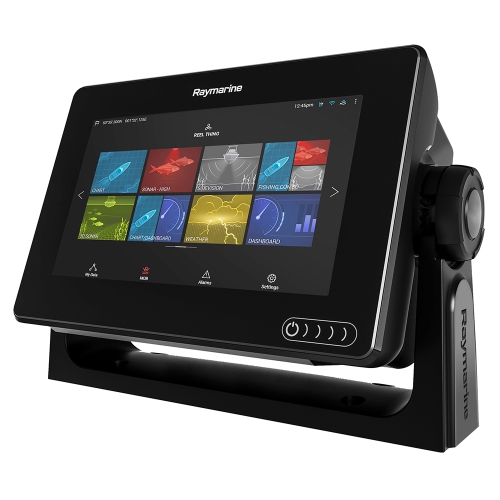 Your price for this item is $909.33
 -
 Your price for this item is $30.62
 -
 Your price for this item is $34.93
Discover more categories related to RV Inverters
Top Collections:
Pokemon Centers, Kindle Devices, Best Budget Office Chairs, Apple iPhones 16, Best Laptops for Writers, iPhone 15 Apple, Canon G7X Cameras, Refurbished Apple Laptops, Alarm Clock, Motorola Razr Phones
Some products may be subject to Environmental Handling Fees
(EHF) depending on your province.
Learn more about EHFs.