Marine Inverters
When it comes to powering your marine electronics and appliances on the water, marine inverters are essential for converting DC power from your boat's battery into AC power. Whether you're looking to run a refrigerator, charge your devices, or power up other electrical equipment while out at sea, a reliable marine inverter is a must-have. Explore our selection of marine inverters designed to meet your power needs and keep you connected while enjoying your time on the water.
Sort
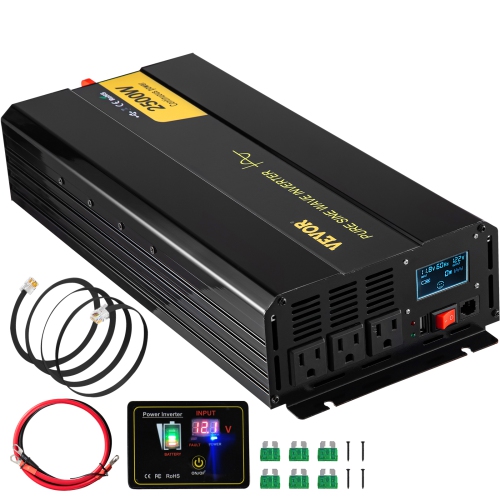
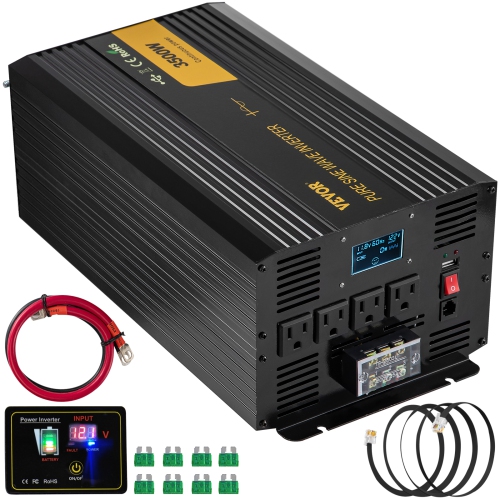
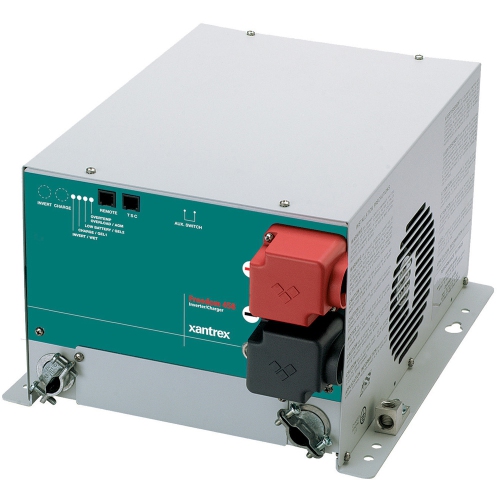
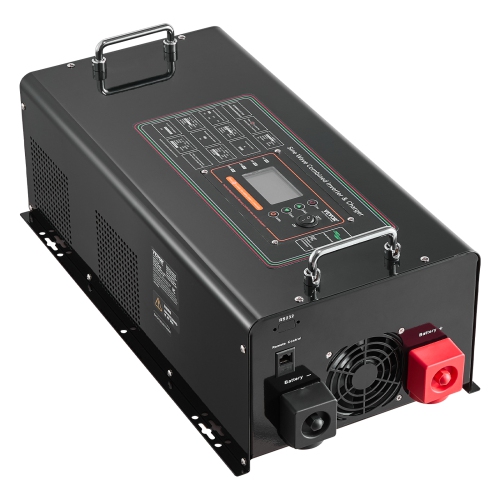
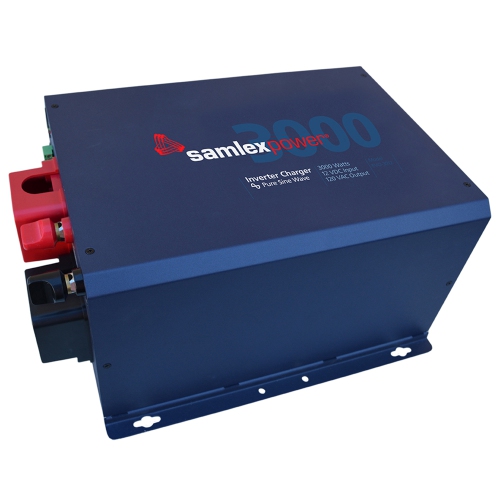
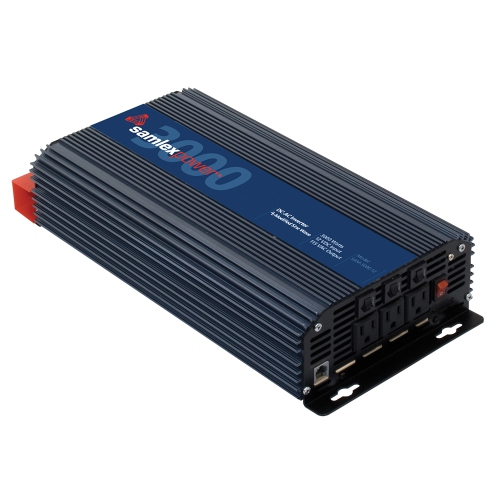
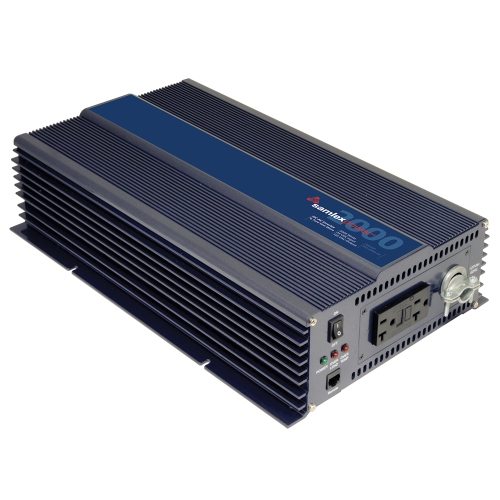
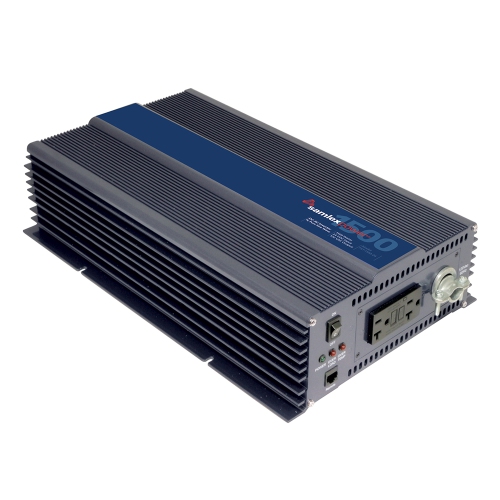
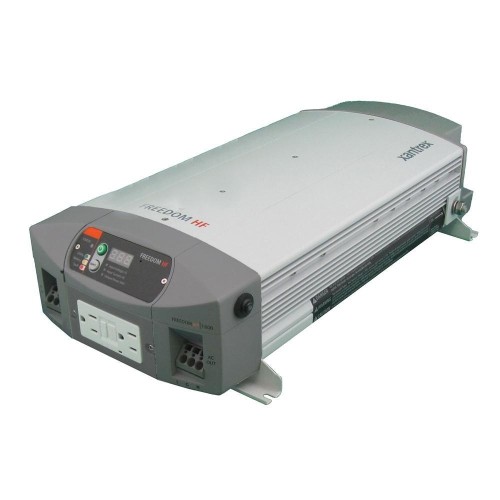
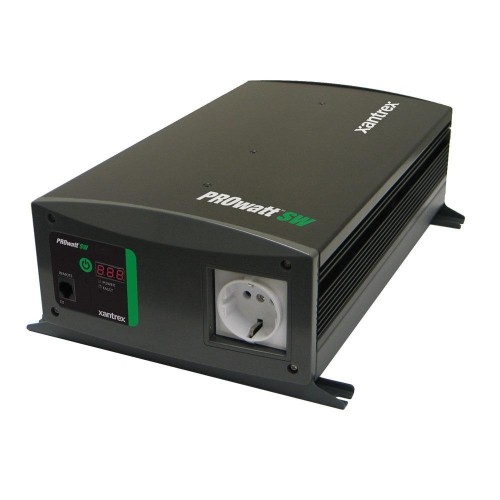
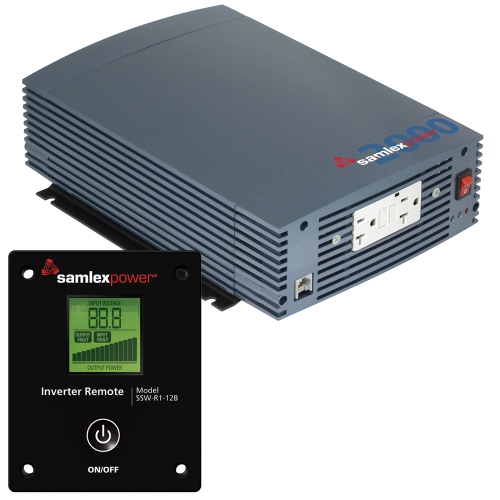
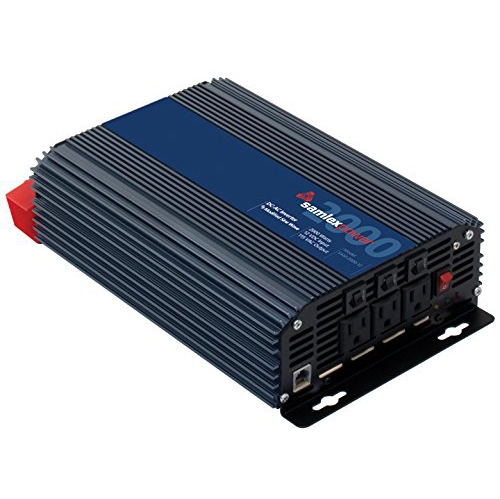
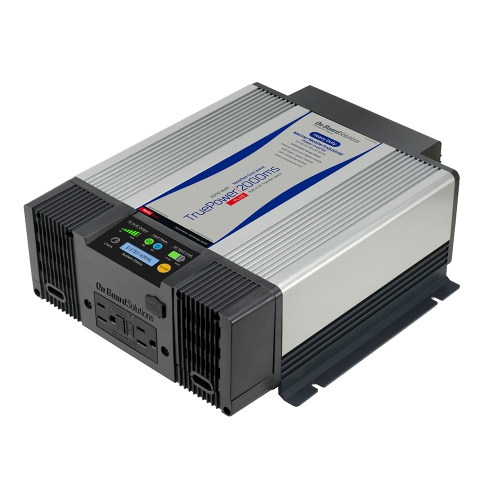
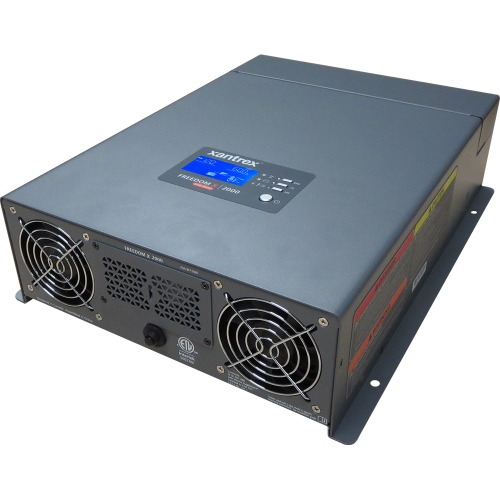
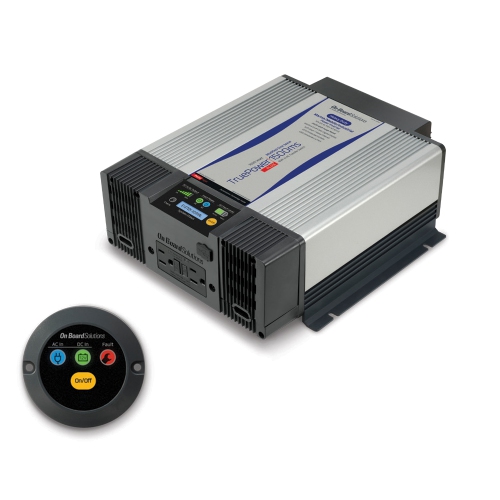

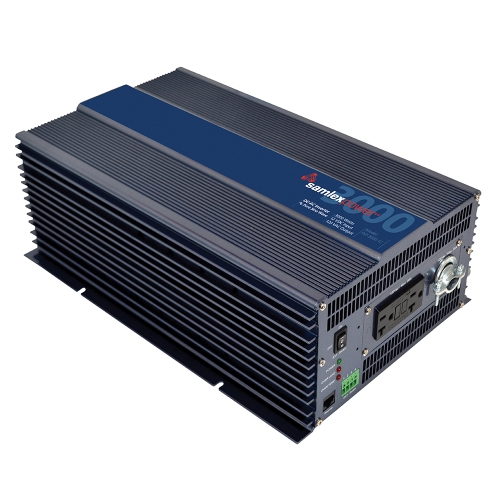
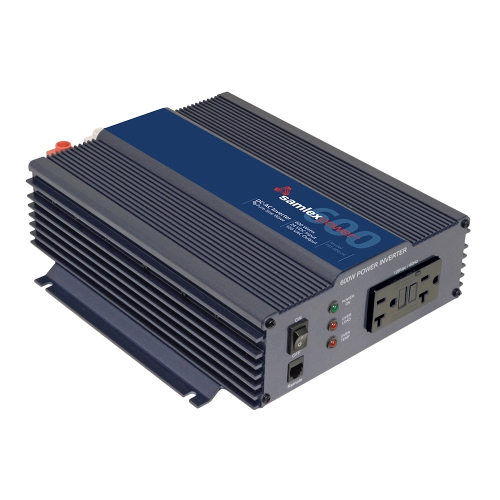
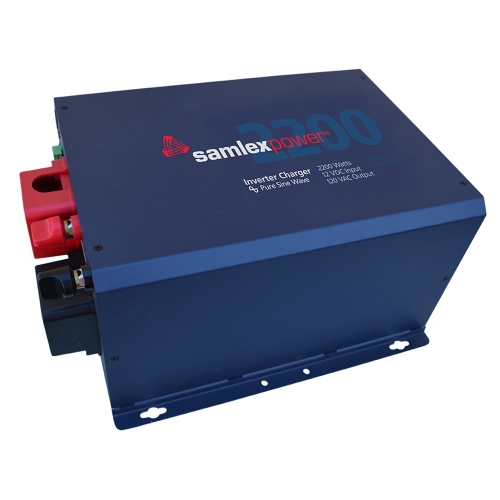

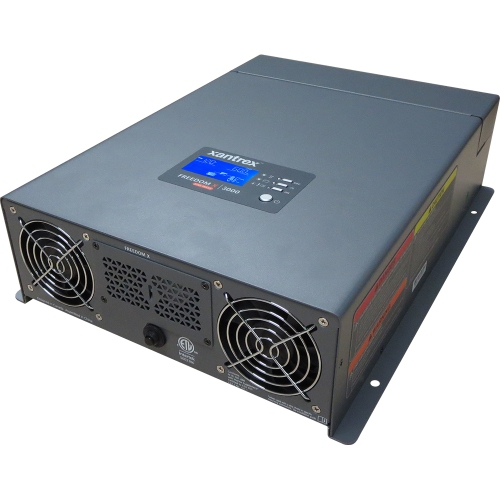
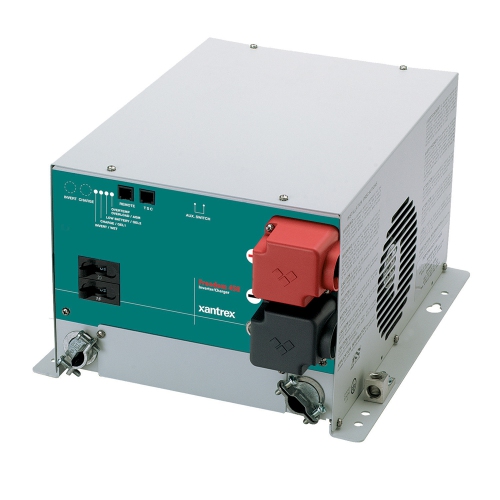
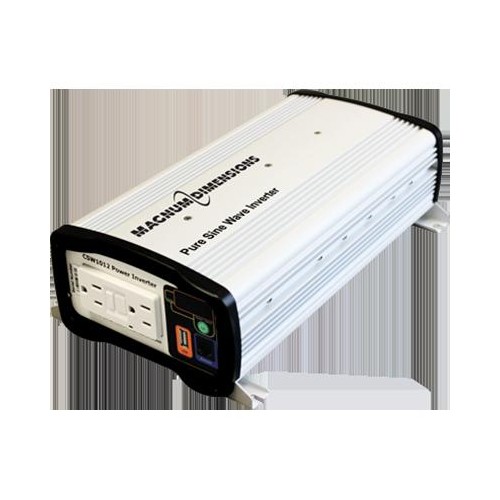
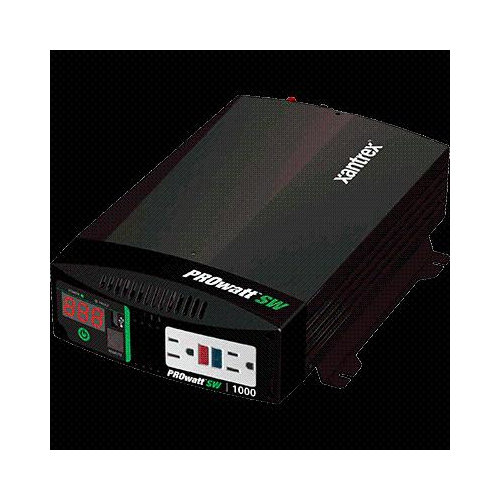
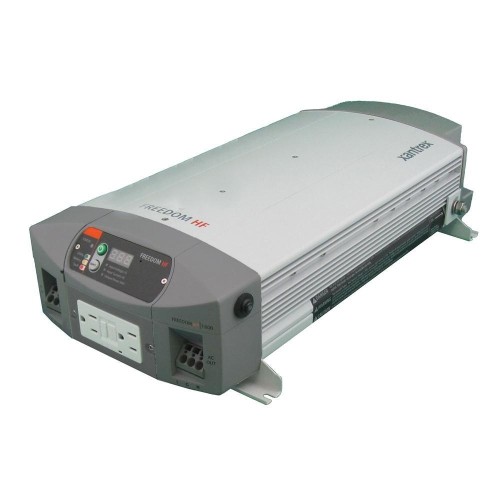
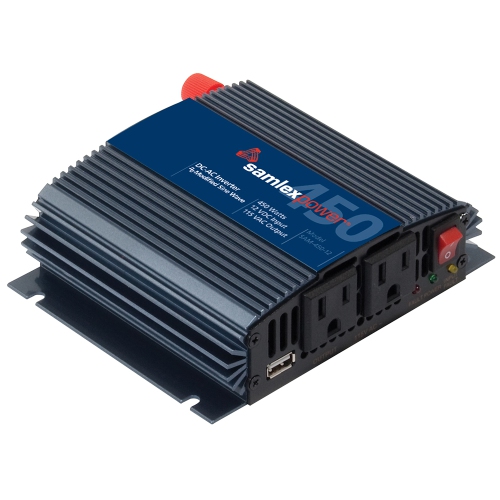
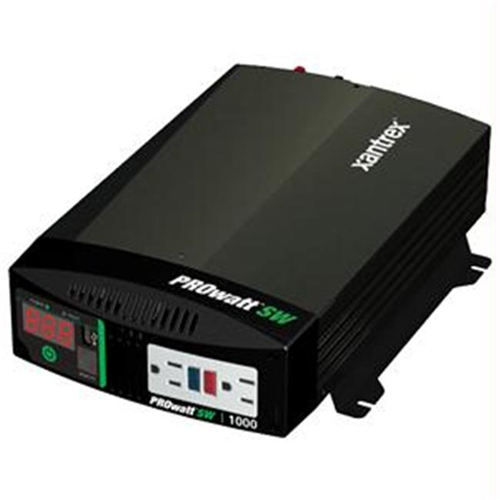
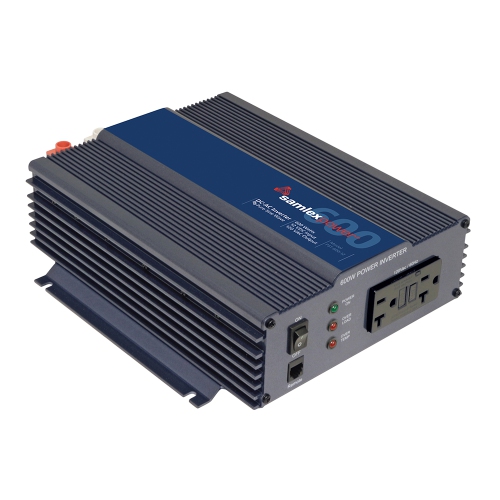
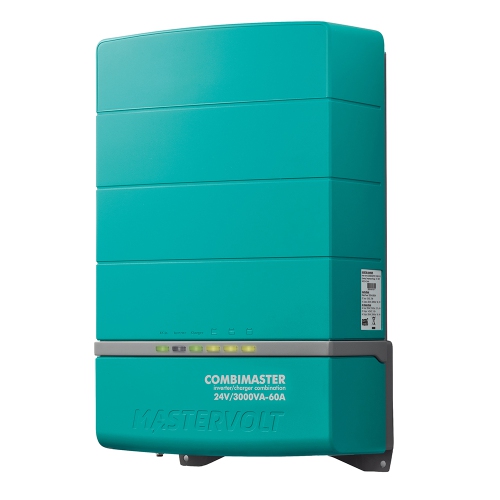
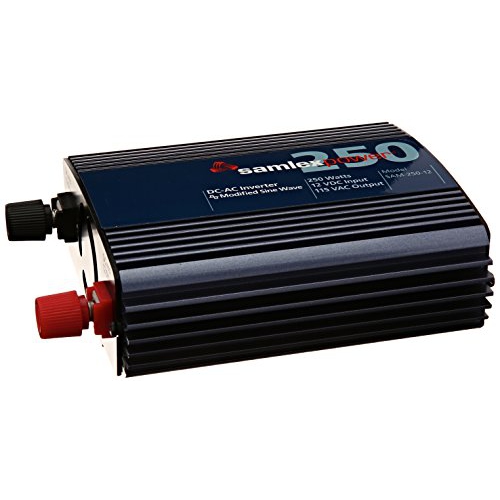
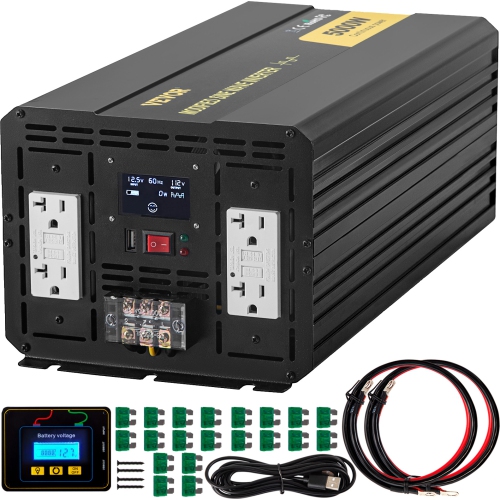
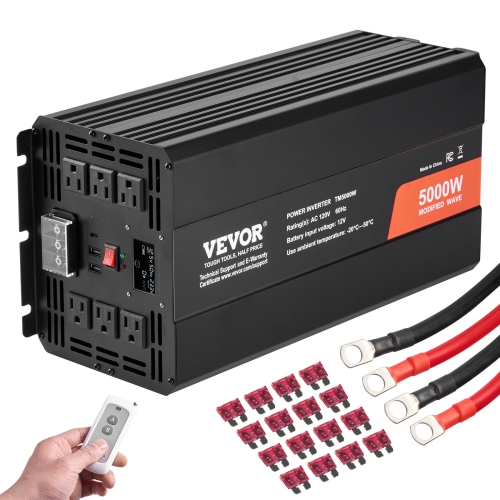


Household power aboard your boat beyond the dock
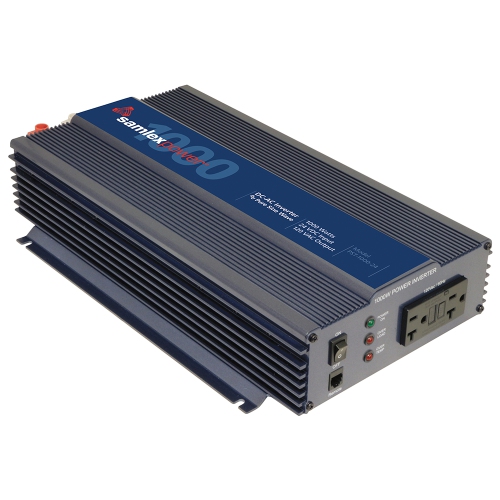
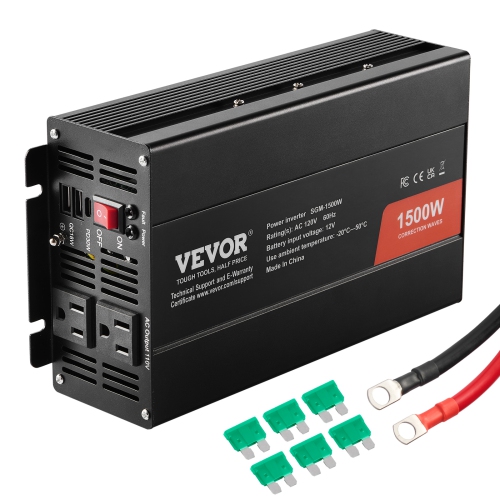
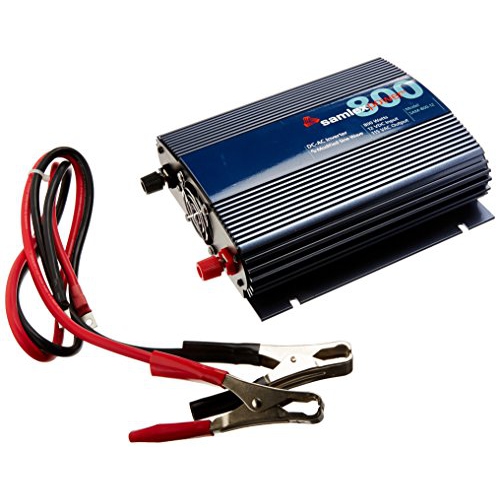
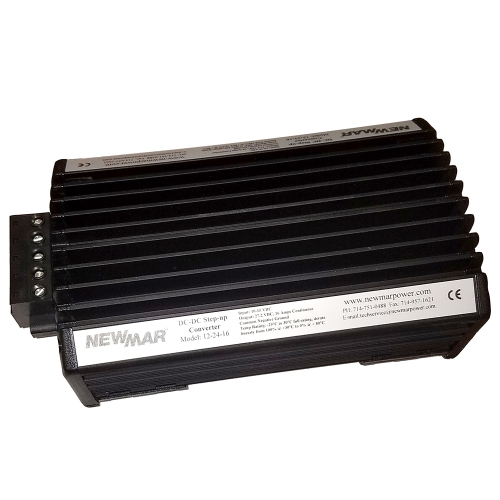
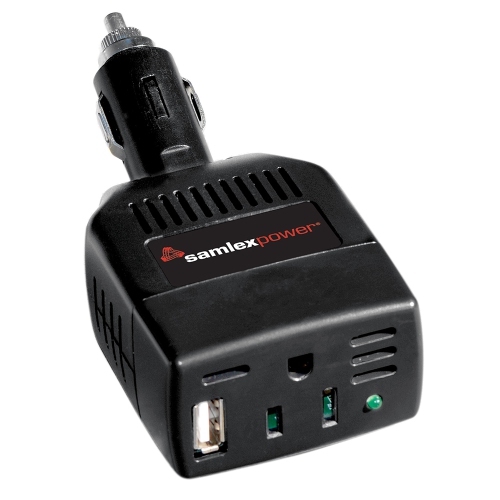
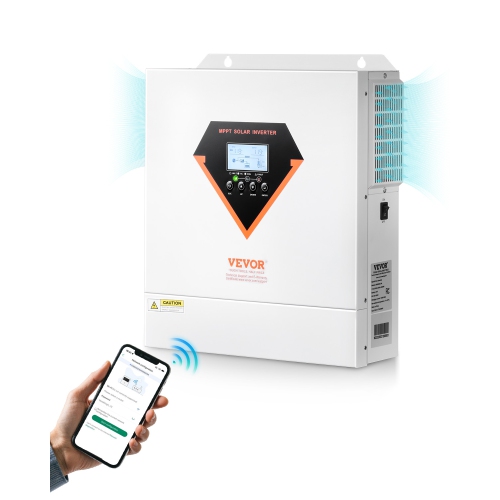
Marine inverters convert direct current (DC) from a boat’s battery bank into alternating current (AC) for household appliances and electronics when shore power is disconnected. On many recreational boats, that means converting 12-volt DC power into 120-volt AC power, although some electrical systems use 24-volt or higher-voltage battery banks. The inverter’s input voltage must match the boat’s battery system, while its output voltage and frequency must suit the equipment being powered. This makes a marine power inverter useful for cabin cruisers, sailboats, fishing boats, and other vessels where passengers want to charge a laptop, watch television, or use a small galley appliance away from the dock. The inverter does not generate electricity or replenish the batteries; it draws on stored energy, so its usefulness depends on both the connected loads and the capacity of the battery bank. Pure sine wave inverters produce an AC waveform that closely resembles utility power and are generally the preferred choice for sensitive electronics, audio equipment, and appliances with electronic controls or variable-speed motors. Modified sine wave inverters produce a stepped waveform that may suit certain basic loads, but compatibility needs to be confirmed with the appliance manufacturer. Some equipment may hum, run less efficiently, or fail to operate properly on modified sine wave power. The distinction matters when a boat serves as both a place to relax and a practical workspace: charging a camera battery after a day on the water has different demands from operating refrigeration while someone uses a computer in the cabin. A suitable marine inverter supports those everyday routines without treating every onboard device as an identical load. For owners who spend extended periods at anchor, families sharing cabin space, or anglers using onboard recording and charging equipment, the right combination of waveform, power capacity, and battery compatibility can make familiar conveniences easier to use beyond the marina.
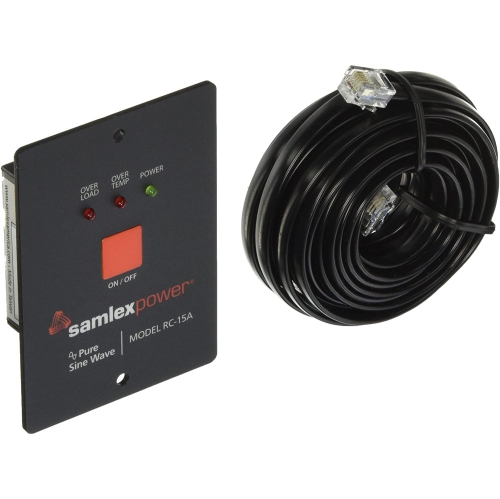
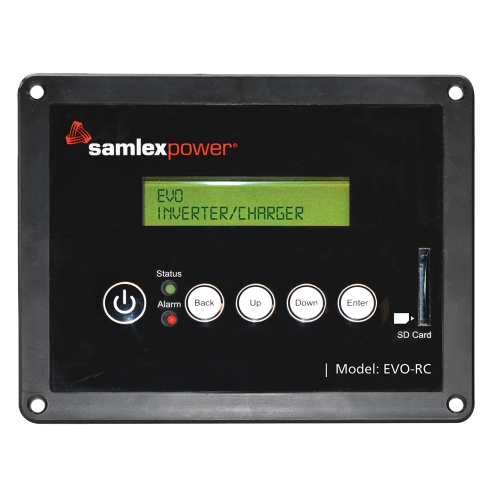
Power capacity is usually expressed through continuous output and surge output, and both figures matter when matching an inverter to onboard appliances. Continuous output describes the load the inverter can support during normal operation under its specified conditions. Surge output describes its ability to handle a brief increase in demand, such as the starting load of a refrigerator compressor. The duration of that surge rating matters as much as the headline figure, since not every inverter can sustain its maximum surge for the same length of time. Several modest loads running together can also exceed expectations: a television, laptop charger, and galley appliance all contribute to the total demand. Heating appliances deserve particular attention because they can draw substantial power even when used only briefly. Battery capacity sets another practical limit. A 1,000-watt AC load supplied from a 12-volt battery bank can draw roughly 93 amps at 90 percent inverter efficiency, illustrating why a compact household appliance may place a considerable demand on a boat’s DC system. Actual current varies with battery voltage, load, and inverter efficiency, while usable runtime depends on battery chemistry, permitted depth of discharge, battery condition, and other connected equipment. A higher-output inverter alone does not provide longer runtime. Standalone marine inverters suit installations where battery charging is handled separately, while marine inverter/chargers combine AC power conversion with a charger that can replenish a compatible battery bank when connected to shore power. Some also provide an automatic transfer function between an external AC supply and inverter output. Charging profiles must match the batteries, including any lithium battery requirements and battery management system limits. Adjustable charging current, low-voltage protection, overload protection, and clear status displays can make everyday operation more manageable, depending on the model. A remote control panel is especially useful when the inverter is installed out of sight, allowing the operator to check its status or switch it off from an accessible location. No-load power consumption also deserves attention, since leaving an inverter running without an active appliance still uses stored energy.
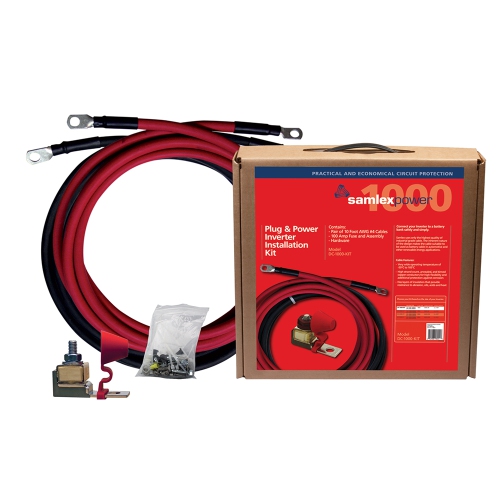
Physical fit and construction are just as important as electrical specifications aboard a boat. A marine installation subjects equipment to movement, vibration, and potentially corrosive salt exposure, so suitability should be established through the manufacturer’s stated application, protection ratings, and installation requirements rather than appearance alone. Depending on the design, protective circuit-board coatings, corrosion-resistant hardware, and robust mounting points may contribute to durability. A metal enclosure does not automatically make an inverter waterproof, and a marine designation does not mean it can be installed wherever space happens to be free. The installation location needs to remain dry, provide the specified ventilation clearances, and allow access for inspection and service. Dimensions should account for cable bends, terminals, and airflow as well as the enclosure itself; a unit that fits tightly beneath a berth may still lack the clearance needed for safe operation. Ignition protection is a separate requirement wherever flammable vapours may be present, and it must be explicitly confirmed for that location. Appropriate DC cable sizing, correctly rated overcurrent protection, secure connections, grounding, and AC circuit arrangements are essential parts of the installation. Marine electrical systems also require careful handling of shore power transfer and neutral-to-ground bonding, making professional installation by a qualified marine electrician a sensible choice. Applicable requirements and relevant ABYC standards provide a framework for assessing the complete installation, rather than assuming every marine-labelled unit meets every standard. Boats and motorhomes share some battery-powered comforts, and RV Inverters serve a related purpose, but suitability for one application does not establish suitability for the other. Ongoing care generally includes keeping ventilation openings clear, checking for corrosion or loose mounting hardware, and having cable connections inspected according to the manufacturer’s schedule, with all power sources safely isolated before maintenance. Matching the inverter to the vessel’s wiring, battery bank, available mounting space, and actual appliance use helps create an onboard power setup that is practical to operate and straightforward to maintain.
Power capacity is usually expressed through continuous output and surge output, and both figures matter when matching an inverter to onboard appliances. Continuous output describes the load the inverter can support during normal operation under its specified conditions. Surge output describes its ability to handle a brief increase in demand, such as the starting load of a refrigerator compressor. The duration of that surge rating matters as much as the headline figure, since not every inverter can sustain its maximum surge for the same length of time. Several modest loads running together can also exceed expectations: a television, laptop charger, and galley appliance all contribute to the total demand. Heating appliances deserve particular attention because they can draw substantial power even when used only briefly. Battery capacity sets another practical limit. A 1,000-watt AC load supplied from a 12-volt battery bank can draw roughly 93 amps at 90 percent inverter efficiency, illustrating why a compact household appliance may place a considerable demand on a boat’s DC system. Actual current varies with battery voltage, load, and inverter efficiency, while usable runtime depends on battery chemistry, permitted depth of discharge, battery condition, and other connected equipment. A higher-output inverter alone does not provide longer runtime. Standalone marine inverters suit installations where battery charging is handled separately, while marine inverter/chargers combine AC power conversion with a charger that can replenish a compatible battery bank when connected to shore power. Some also provide an automatic transfer function between an external AC supply and inverter output. Charging profiles must match the batteries, including any lithium battery requirements and battery management system limits. Adjustable charging current, low-voltage protection, overload protection, and clear status displays can make everyday operation more manageable, depending on the model. A remote control panel is especially useful when the inverter is installed out of sight, allowing the operator to check its status or switch it off from an accessible location. No-load power consumption also deserves attention, since leaving an inverter running without an active appliance still uses stored energy.
Physical fit and construction are just as important as electrical specifications aboard a boat. A marine installation subjects equipment to movement, vibration, and potentially corrosive salt exposure, so suitability should be established through the manufacturer’s stated application, protection ratings, and installation requirements rather than appearance alone. Depending on the design, protective circuit-board coatings, corrosion-resistant hardware, and robust mounting points may contribute to durability. A metal enclosure does not automatically make an inverter waterproof, and a marine designation does not mean it can be installed wherever space happens to be free. The installation location needs to remain dry, provide the specified ventilation clearances, and allow access for inspection and service. Dimensions should account for cable bends, terminals, and airflow as well as the enclosure itself; a unit that fits tightly beneath a berth may still lack the clearance needed for safe operation. Ignition protection is a separate requirement wherever flammable vapours may be present, and it must be explicitly confirmed for that location. Appropriate DC cable sizing, correctly rated overcurrent protection, secure connections, grounding, and AC circuit arrangements are essential parts of the installation. Marine electrical systems also require careful handling of shore power transfer and neutral-to-ground bonding, making professional installation by a qualified marine electrician a sensible choice. Applicable requirements and relevant ABYC standards provide a framework for assessing the complete installation, rather than assuming every marine-labelled unit meets every standard. Boats and motorhomes share some battery-powered comforts, and RV Inverters serve a related purpose, but suitability for one application does not establish suitability for the other. Ongoing care generally includes keeping ventilation openings clear, checking for corrosion or loose mounting hardware, and having cable connections inspected according to the manufacturer’s schedule, with all power sources safely isolated before maintenance. Matching the inverter to the vessel’s wiring, battery bank, available mounting space, and actual appliance use helps create an onboard power setup that is practical to operate and straightforward to maintain.
Top selling and popular products
-
 Your price for this item is $30.59
 -
 Your price for this item is $30.54
 -
 Your price for this item is $38.85
 -
 Your price for this item is $92.99
 -
 Your price for this item is $844.91
 -
 Your price for this item is $909.33
 -
 Your price for this item is $30.62
 -
 Your price for this item is $34.93
Discover more categories related to Marine Inverters
Top Collections:
Pokemon Centers, Kindle Devices, Best Budget Office Chairs, Apple iPhones 16, Best Laptops for Writers, iPhone 15 Apple, Canon G7X Cameras, Refurbished Apple Laptops, Alarm Clock, Motorola Razr Phones
Some products may be subject to Environmental Handling Fees
(EHF) depending on your province.
Learn more about EHFs.