Size 6 Basketball
Looking for a size 6 basketball to elevate your game on the court? Look no further! Our collection of size 6 basketballs offers high-quality options designed for optimal performance and durability. Whether you're a seasoned player or just starting out, having the right size basketball is essential for honing your skills and enjoying the game to the fullest. Explore our range of size 6 basketballs to find the perfect fit for your needs and take your gameplay to the next level.
Sort
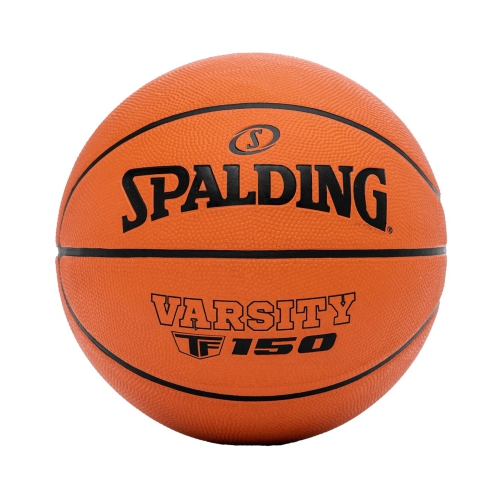

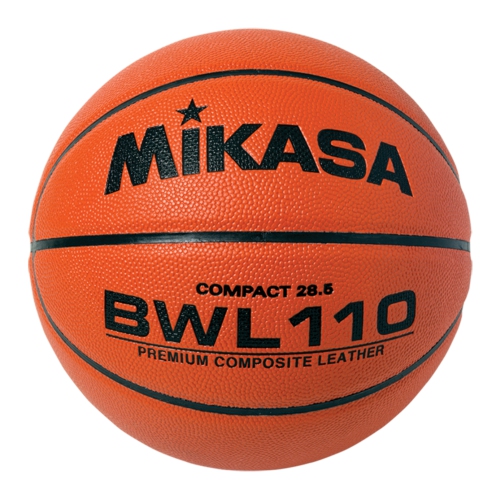
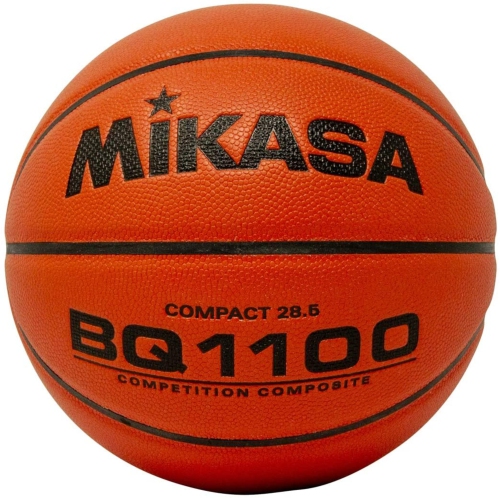
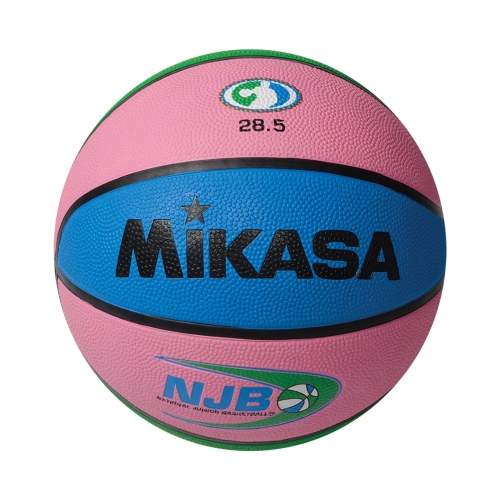

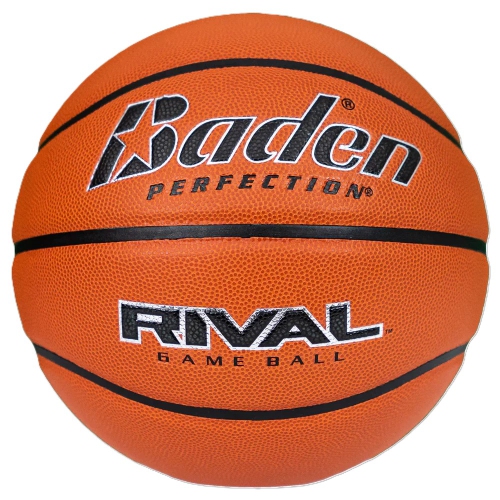
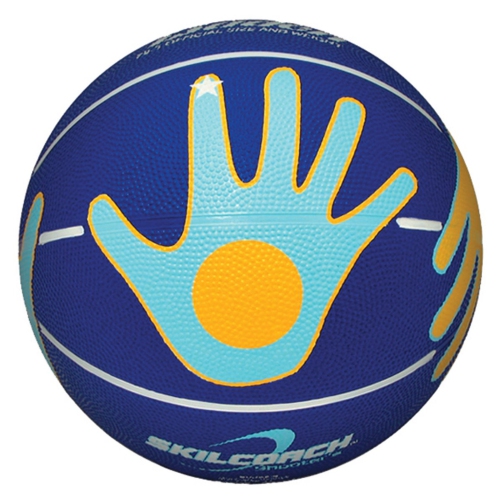
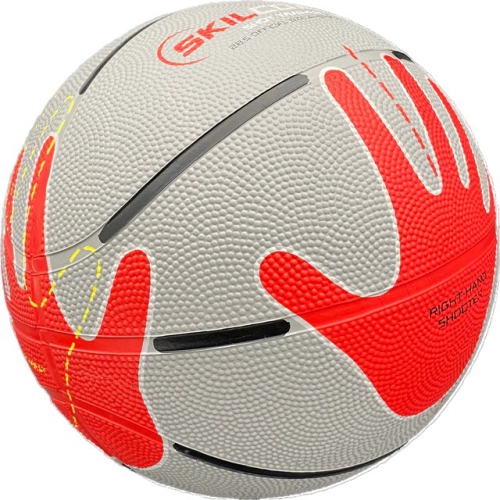
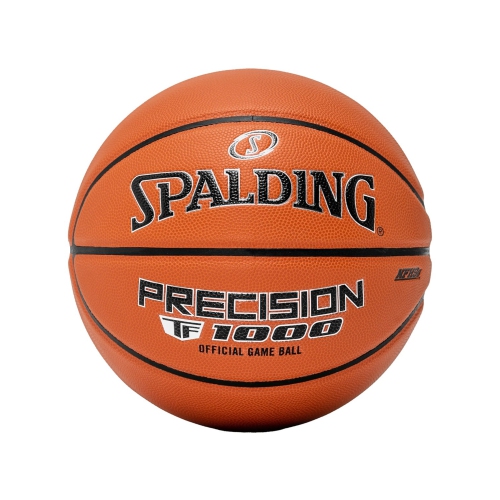
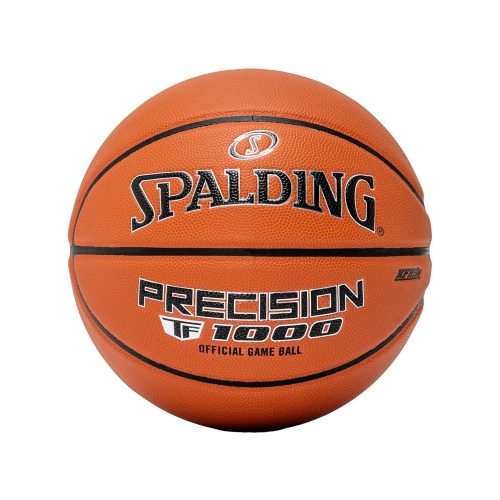
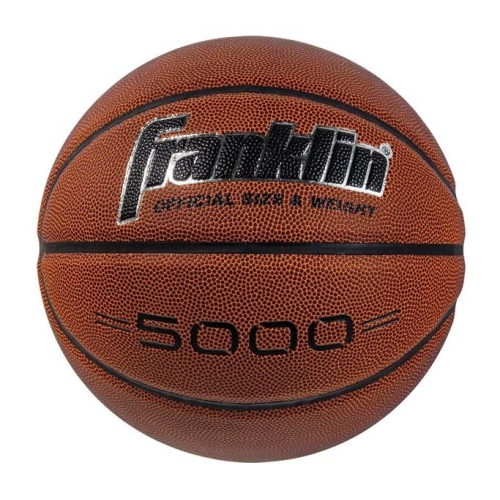

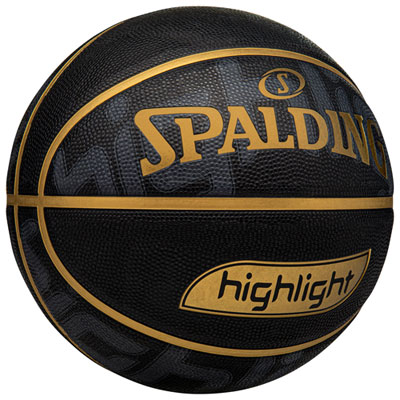

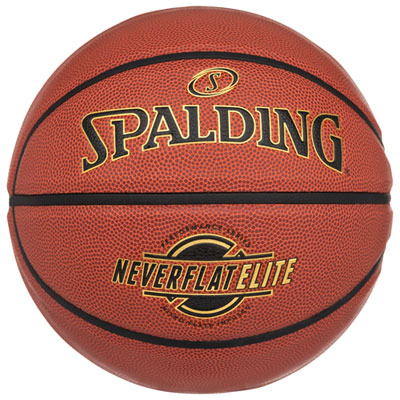
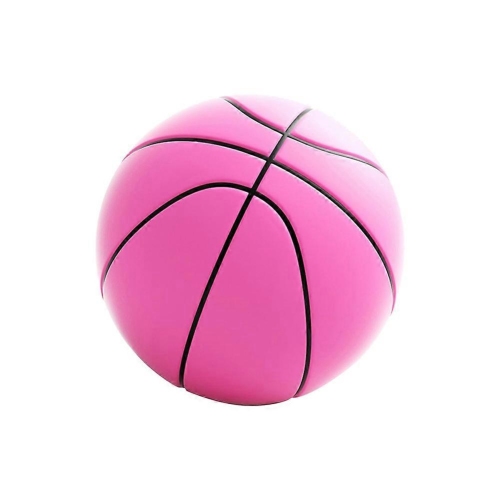

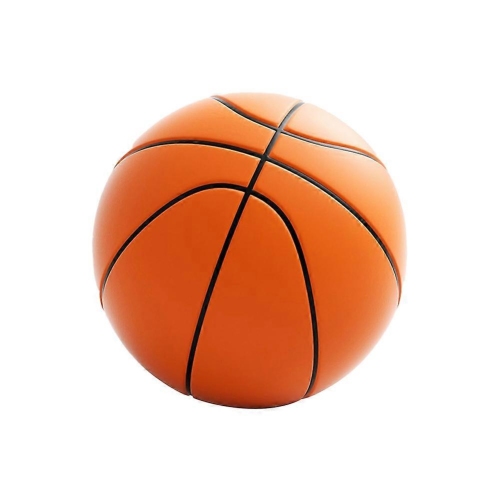
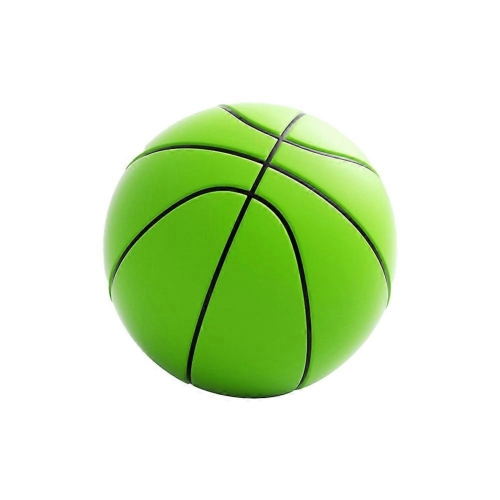
The balanced fit for developing skills indoors or out
A size 6 basketball has a circumference of 28.5 inches and typically weighs between 18 and 20 ounces, placing it between a smaller youth ball and a full-size size 7 basketball. This balanced size is commonly recommended for boys and girls around 9 to 12 years old, although the most suitable choice can vary by age, hand size, strength, league rules, and playing experience. It is also the standard ball size used in many women’s basketball settings, including women’s collegiate and high school play, and is associated with women’s league competition and FIBA 3x3 formats. For young players, the slightly smaller circumference can make it easier to grip, control, pass, and shoot with proper technique. A child learning to set their feet at the free-throw line or practising a clean chest pass in the driveway can often develop better form with a ball that fits comfortably in their hands. Adult recreational players may also prefer a size 6 basketball for casual games, skills training, or shooting practice, particularly if they play in a women’s league or want a lighter-feeling ball for repeated drills. The right basketball should feel secure without requiring excessive squeezing. When a player can spread their fingers across the surface, guide the ball with their fingertips, and release it smoothly, they have a better foundation for building consistent handling and shooting habits.
Playing location is one of the most important considerations when choosing among size 6 basketballs. Indoor basketballs are generally selected for gym floors, school courts, community centres, and other smooth playing surfaces. They often have a softer, more refined feel that supports controlled dribbling, accurate passing, and comfortable shooting during practices or games. Outdoor basketballs are made for surfaces such as asphalt, concrete, and residential driveways, where the ball may encounter dust, grit, rough texture, and changing weather conditions. A durable exterior and reliable grip can make a noticeable difference during a long afternoon of play, especially when the ball is used for repeated dribbling drills or pickup games. Some basketballs are suitable for both indoor and outdoor use, offering flexibility for players who move between a home court and a gym. It is still helpful to consider where the ball will be used most often, since a ball intended for a polished indoor floor may wear more quickly on rough pavement. Grip is another practical detail. A textured surface can help with ball control when hands are slightly damp or during fast-paced play, while deeper channels may make it easier to position the fingers for passing and shooting. Inflation matters as well: a ball that is underinflated may feel sluggish and make dribbling less predictable, while one that is overinflated can feel hard in the hands and rebound too sharply. Follow the manufacturer’s recommended pressure, use a suitable pump and needle, and check the bounce before practice or a game. Store the basketball in a cool, dry place away from sharp objects, and wipe away dirt after outdoor use so the surface remains comfortable to handle.
A size 6 basketball can be a thoughtful gift for a young athlete, a student joining a school team, a recreational player returning to the court, or anyone building a home practice routine. It pairs naturally with time spent outside during warmer conditions and can also support indoor skill work during the cooler months, when a driveway session may give way to a community gym or basement practice area. For a child, the ball can become part of a simple routine: a few minutes of stationary dribbling, alternating-hand control, bounce passes against a marked target, and form shots from a manageable distance. For an older player, it may be used for warmups, ball-handling circuits, free-throw repetition, or informal games with friends. When selecting a basketball as a gift, consider the recipient’s age, league or school requirements, preferred playing surface, and whether they already have access to a pump and storage space. A player who participates in organized competition may need a particular material, colour, or inflation specification, while a family looking for a shared recreational ball may value versatility and a comfortable grip. Players who are still developing coordination may benefit from a ball that is easy to control rather than one chosen solely for appearance. Smaller children or beginners who are not yet ready for a standard size 6 basketball may be more comfortable starting with a Mini Basketball. With the proper size and playing environment, practice becomes more enjoyable and productive, whether the goal is to learn the fundamentals, prepare for league play, stay active with friends, or enjoy the familiar rhythm of a ball bouncing across the court.
Top selling and popular products
-
 Your price for this item is $279.98
-
 Your price for this item is $114.99
-
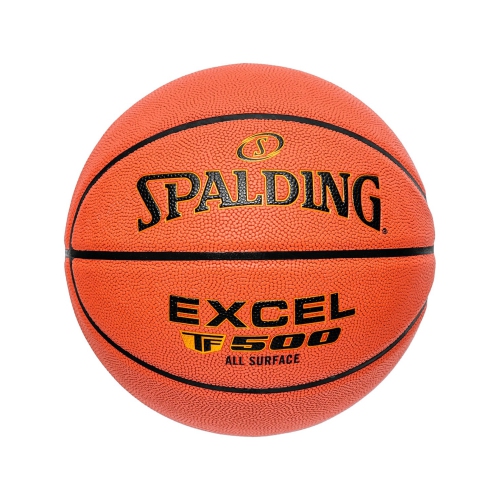 Your price for this item is $58.99
-
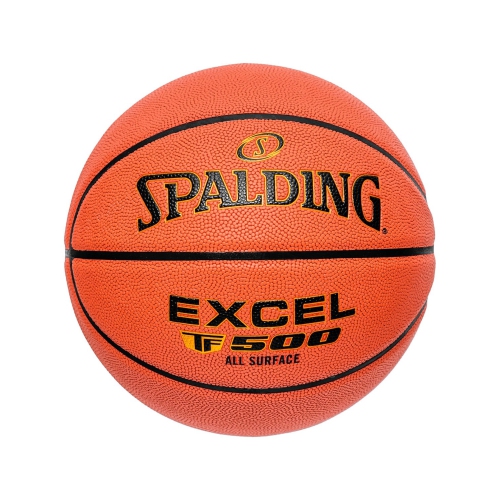 Your price for this item is $58.99
-
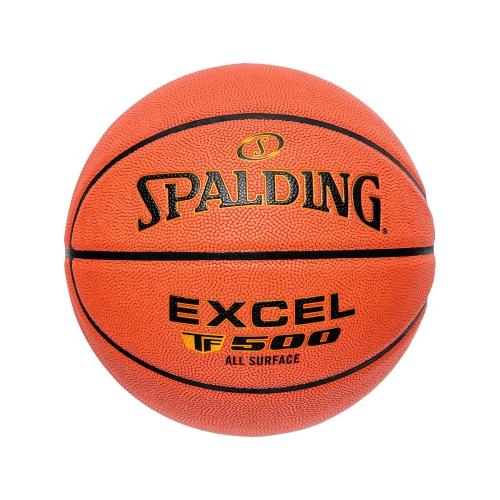 Your price for this item is $58.99
-
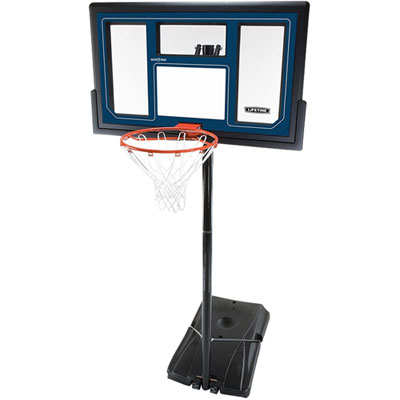 Your price for this item is $479.98
-
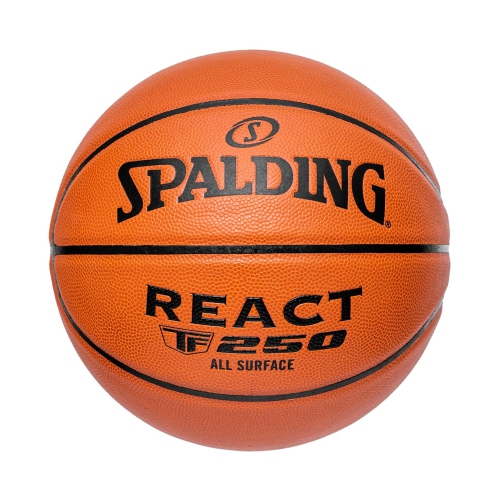 Your price for this item is $52.99
-
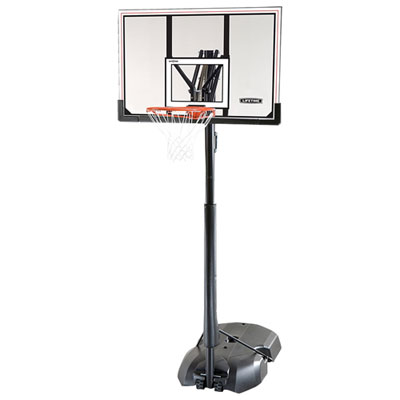 Your price for this item is $638.98
Discover more categories related to Size 6 Basketball
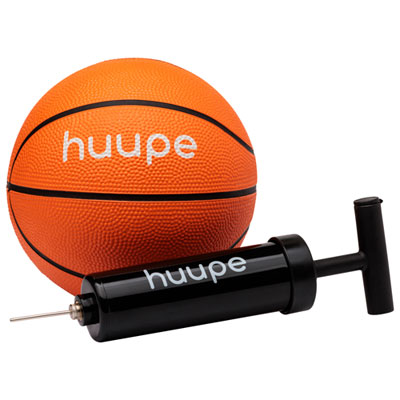

Top Collections:
Pokemon Centers, Best Cameras for Sports Photography, Kindle Devices, Samsung Galaxy Phones, Canon G7X Cameras, Pokémon 30th Celebration Cards, Refurbished Apple Laptops, iPhone 15 Apple, Laptops for Students, Budget Smartphones
Some products may be subject to Environmental Handling Fees
(EHF) depending on your province.
Learn more about EHFs.