Official Size Basketballs
Looking to shoot hoops like the pros? Look no further than our collection of official size basketballs. Whether you're a seasoned player or just starting out, these regulation-sized balls are designed to deliver optimal performance on the court. With their durable construction and superior grip, our official size basketballs will help you perfect your dribbling, shooting, and passing skills. Get ready to dominate the game with these high-quality basketballs that are built to withstand intense play and provide hours of endless fun.
Sort



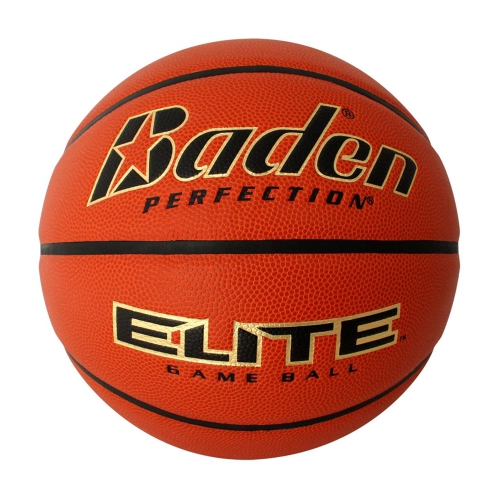
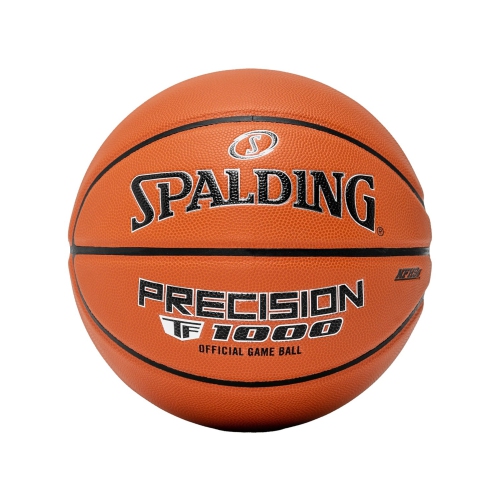
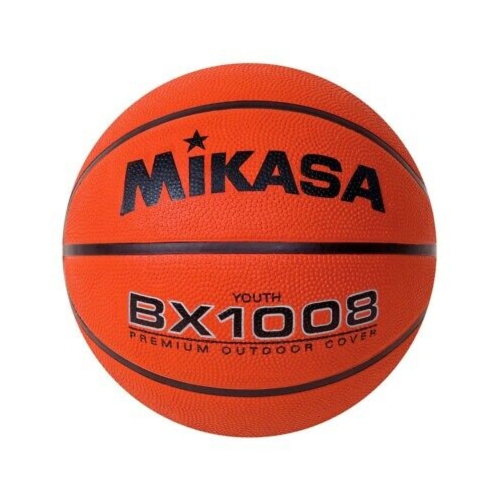
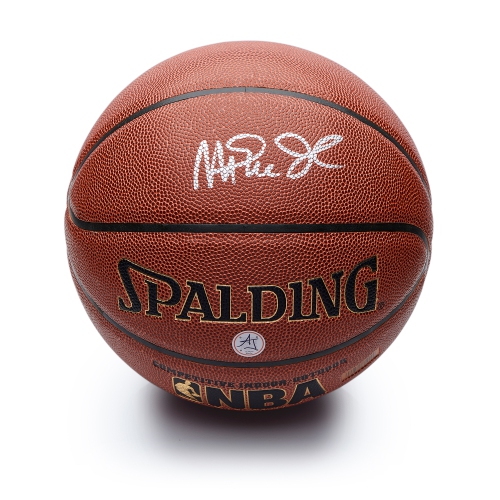
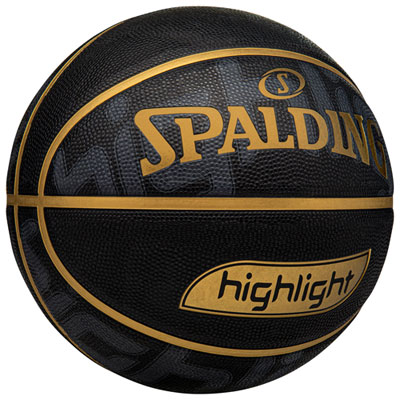
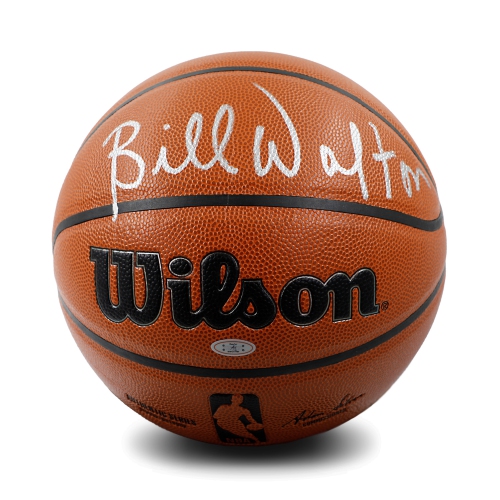
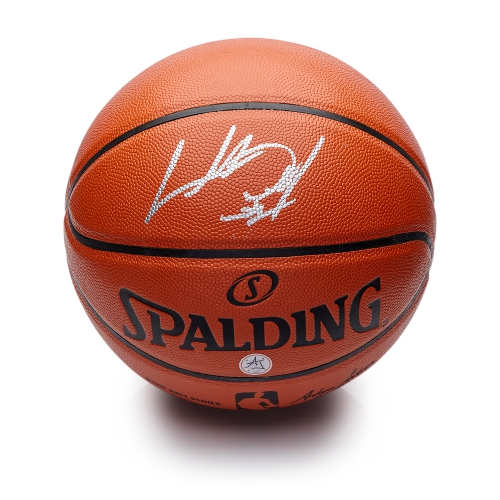
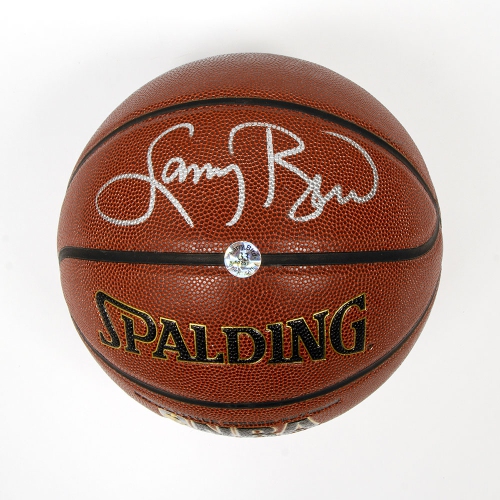

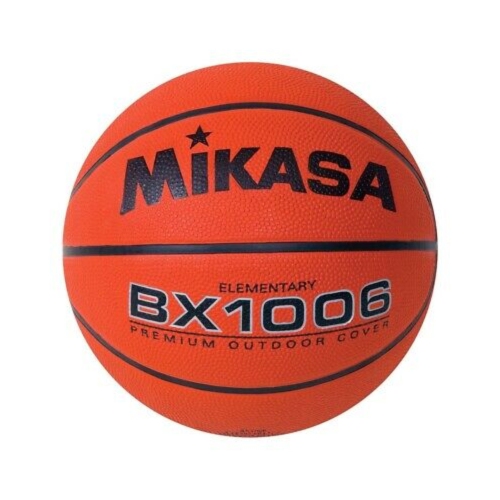
How size, surface and grip shape every session
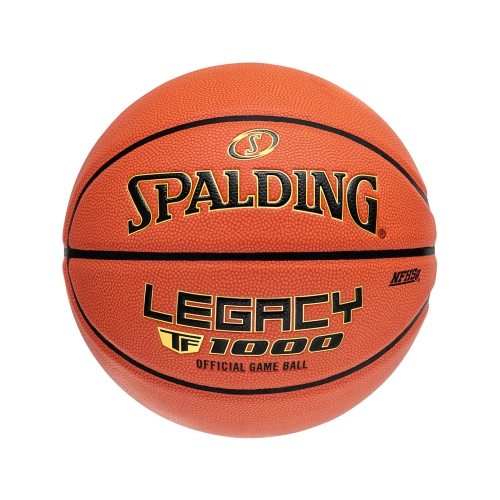
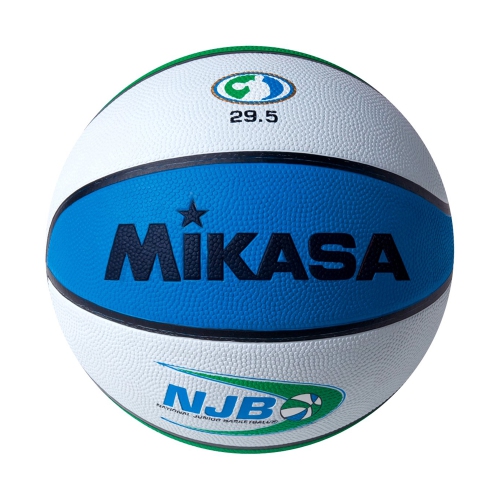
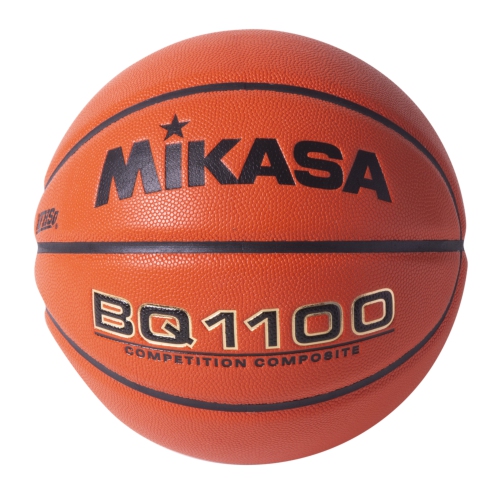
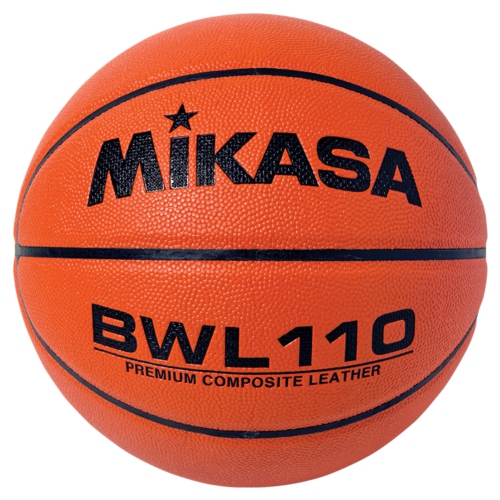
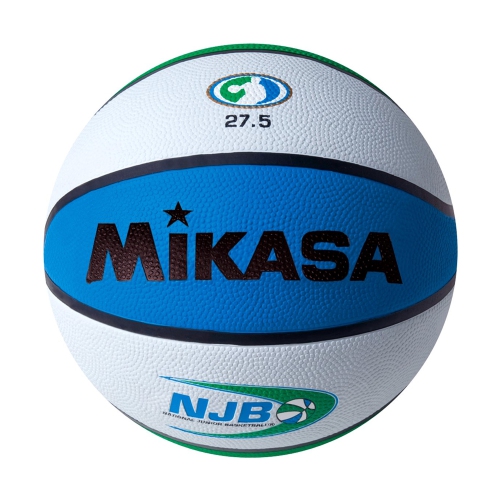
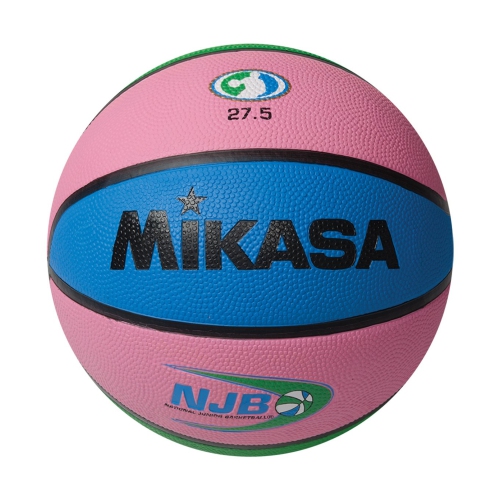
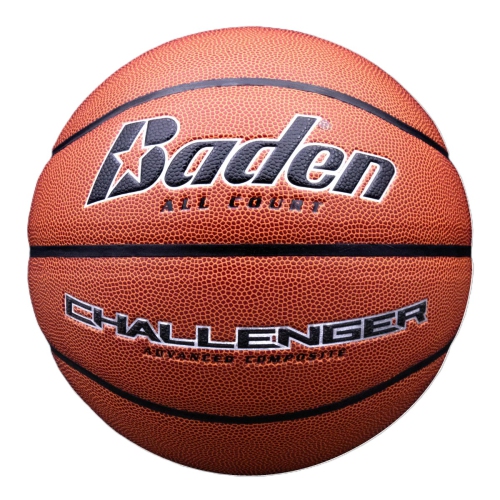
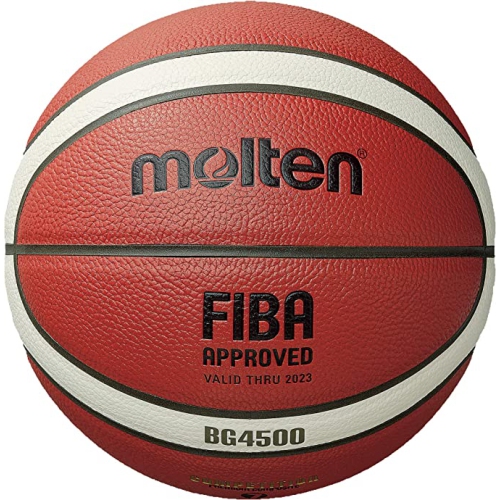
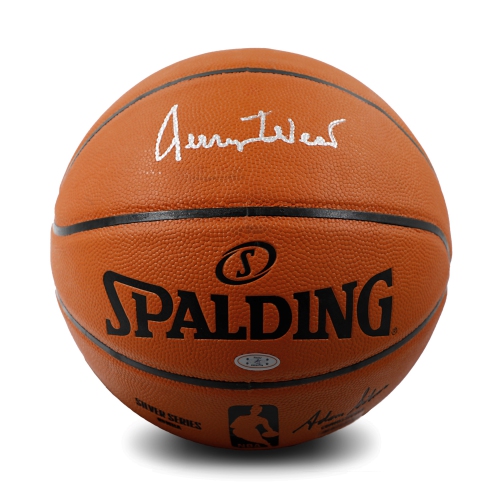
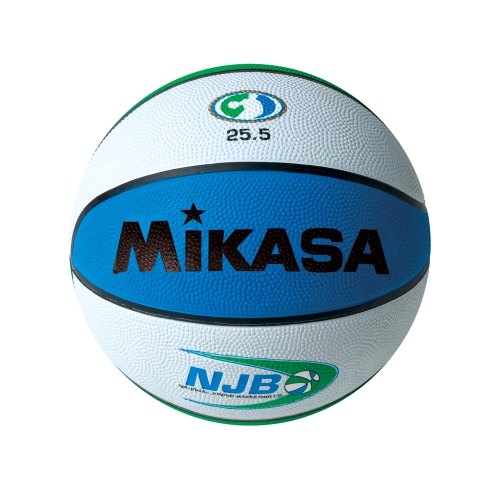
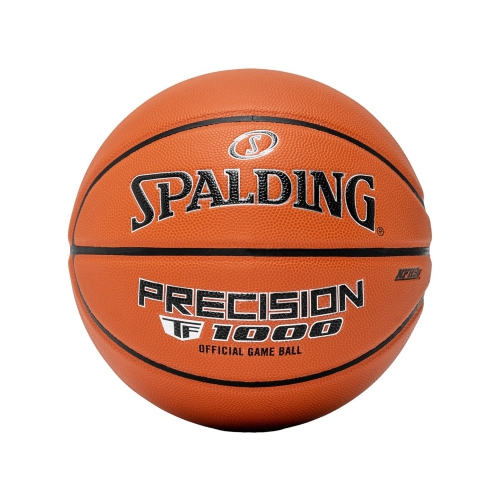
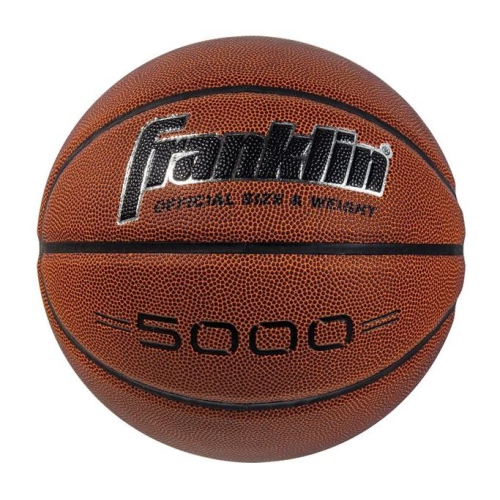
Official size basketballs are made for players who want the dimensions and feel used in organized games, skill sessions, practices and competitive play. In most basketball listings, “official size” refers to a Size 7 ball with a circumference of 29.5 inches and a weight of approximately 22 ounces, or 623 grams. This is the standard size used for men’s high school, college and professional basketball, and is generally recommended for players aged 13 and up. The larger circumference gives experienced players enough surface area to practise full-sized dribbling, passing, shooting and ball-handling techniques, while the regulation weight helps develop realistic control and release. A Size 7 basketball can be a practical choice for a high school athlete preparing for a season, a recreational player who regularly joins adult pick-up games, or a coach stocking equipment for team practices. It can also make a thoughtful gift for a basketball enthusiast, especially when the recipient enjoys practising in the driveway, joining community-league games or working on fundamentals between scheduled practices. For younger players and many women’s leagues, however, a different size may be more appropriate. Size 6 basketballs measure 28.5 inches in circumference and are the official size for women’s professional, college and high school play, as well as many youth players aged 9 to 12. Size 5 basketballs measure 27.5 inches and are commonly used by children aged 9 and under. Choosing the correct size is important because a ball that is too large or heavy can make it harder for a developing player to learn proper shooting form, pass accurately or maintain control while dribbling. When shopping for official size basketballs, check the stated size, circumference and intended age or league before considering appearance or extra features. A regulation-sized ball is most useful when it matches the player’s competition rules and the type of play they enjoy.
The playing surface should guide the next part of the decision. Basketballs designed for indoor courts often use a softer composite or leather-like cover that provides a comfortable touch and reliable grip on polished wood. These balls are well suited to school gyms, recreation centres, athletic clubs and home training areas with smooth flooring. Outdoor play places greater demands on a cover, since asphalt, concrete, dust and changing conditions can affect how the ball feels and how long it performs well. For driveway games, park courts and community outdoor courts, look for an all-surface or outdoor-ready cover with channels that are easy to feel during dribbling and passing. Browsing Outdoor Basketballs can help players compare options intended for courts beyond the gym. Composite covers often offer a balance between softness and durability, making them a versatile choice for people who split their time between indoor and outdoor play. Rubber covers are typically practical for frequent outdoor use and casual games, particularly when the ball may encounter rougher court surfaces. Grip is another important consideration: a textured surface and defined channels can help a player keep control during quick crossovers, one-handed passes and shots taken with sweaty hands. The ball’s construction also affects its bounce and shape retention. Look for a dependable bladder, consistent panel seams and a design that sits evenly in the hand when preparing to shoot. Some basketballs include features such as moisture-managing surfaces or deeper channels to support handling during energetic sessions, while others are intentionally straightforward for family recreation and general practice. An air pump and compatible needle can be useful additions, since even a well-made basketball needs occasional inflation to maintain its intended bounce. Follow the recommended pressure printed on the ball rather than inflating it until it feels excessively firm. A properly inflated Size 7 ball should rebound consistently, feel stable on the fingertips and respond predictably when passed across the court.
Think about where, how often and with whom the basketball will be used before making a final selection. Someone who plays organised men’s basketball may prioritize a true Size 7 ball with a dependable indoor cover and a refined grip, while a family looking for a shared option may prefer a durable indoor-outdoor model that can move from a gym floor to a backyard hoop. A beginner may benefit from a surface that feels comfortable and easy to control, whereas a serious player may pay closer attention to panel design, moisture handling and the ball’s balance during shooting drills. For a gift, consider the recipient’s age, league requirements and usual court surface rather than choosing by size alone. A teenager entering high school basketball may need a Size 7 ball for men’s competition, while a young player, women’s league participant or developing athlete may require a Size 6 model. Players who practise during the cooler months can use an indoor basketball at a recreation facility, school gym or home court, while outdoor games remain enjoyable whenever the surface is dry and conditions are comfortable. Storing the ball away from sharp objects, excessive heat and prolonged dampness can help protect the cover and preserve its shape. Wiping off dust after outdoor sessions and checking the air before practice can also make each game feel more consistent. For players building confidence, an official size basketball is useful for repetitive drills: stationary dribbling develops hand control, chest passes sharpen accuracy, layup practice builds footwork and shooting from different spots helps establish a dependable release. Coaches and parents can use the same ball for structured drills or relaxed games that make practice feel social rather than routine. With the right size, cover and intended playing environment, an official size basketball can support competitive preparation, casual recreation and steady skill development across seasons.
The playing surface should guide the next part of the decision. Basketballs designed for indoor courts often use a softer composite or leather-like cover that provides a comfortable touch and reliable grip on polished wood. These balls are well suited to school gyms, recreation centres, athletic clubs and home training areas with smooth flooring. Outdoor play places greater demands on a cover, since asphalt, concrete, dust and changing conditions can affect how the ball feels and how long it performs well. For driveway games, park courts and community outdoor courts, look for an all-surface or outdoor-ready cover with channels that are easy to feel during dribbling and passing. Browsing Outdoor Basketballs can help players compare options intended for courts beyond the gym. Composite covers often offer a balance between softness and durability, making them a versatile choice for people who split their time between indoor and outdoor play. Rubber covers are typically practical for frequent outdoor use and casual games, particularly when the ball may encounter rougher court surfaces. Grip is another important consideration: a textured surface and defined channels can help a player keep control during quick crossovers, one-handed passes and shots taken with sweaty hands. The ball’s construction also affects its bounce and shape retention. Look for a dependable bladder, consistent panel seams and a design that sits evenly in the hand when preparing to shoot. Some basketballs include features such as moisture-managing surfaces or deeper channels to support handling during energetic sessions, while others are intentionally straightforward for family recreation and general practice. An air pump and compatible needle can be useful additions, since even a well-made basketball needs occasional inflation to maintain its intended bounce. Follow the recommended pressure printed on the ball rather than inflating it until it feels excessively firm. A properly inflated Size 7 ball should rebound consistently, feel stable on the fingertips and respond predictably when passed across the court.
Think about where, how often and with whom the basketball will be used before making a final selection. Someone who plays organised men’s basketball may prioritize a true Size 7 ball with a dependable indoor cover and a refined grip, while a family looking for a shared option may prefer a durable indoor-outdoor model that can move from a gym floor to a backyard hoop. A beginner may benefit from a surface that feels comfortable and easy to control, whereas a serious player may pay closer attention to panel design, moisture handling and the ball’s balance during shooting drills. For a gift, consider the recipient’s age, league requirements and usual court surface rather than choosing by size alone. A teenager entering high school basketball may need a Size 7 ball for men’s competition, while a young player, women’s league participant or developing athlete may require a Size 6 model. Players who practise during the cooler months can use an indoor basketball at a recreation facility, school gym or home court, while outdoor games remain enjoyable whenever the surface is dry and conditions are comfortable. Storing the ball away from sharp objects, excessive heat and prolonged dampness can help protect the cover and preserve its shape. Wiping off dust after outdoor sessions and checking the air before practice can also make each game feel more consistent. For players building confidence, an official size basketball is useful for repetitive drills: stationary dribbling develops hand control, chest passes sharpen accuracy, layup practice builds footwork and shooting from different spots helps establish a dependable release. Coaches and parents can use the same ball for structured drills or relaxed games that make practice feel social rather than routine. With the right size, cover and intended playing environment, an official size basketball can support competitive preparation, casual recreation and steady skill development across seasons.
Top selling and popular products
-
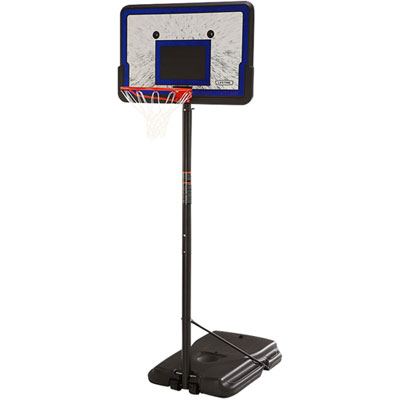 Your price for this item is $279.98
 -
 Your price for this item is $114.99
 -
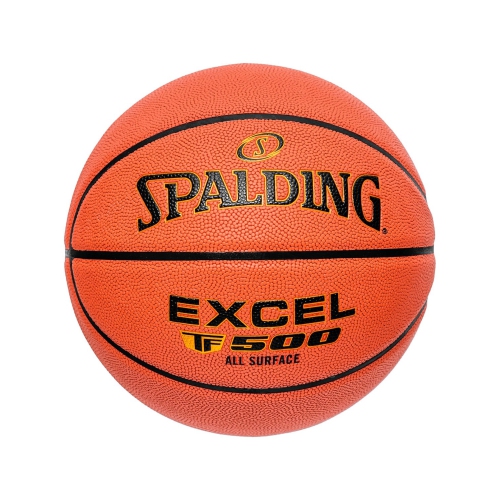 Your price for this item is $58.99
 -
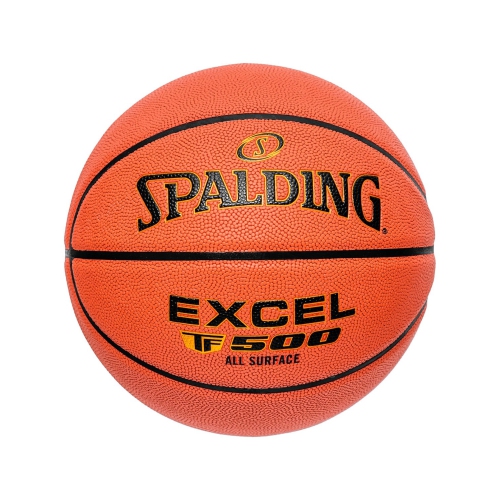 Your price for this item is $58.99
 -
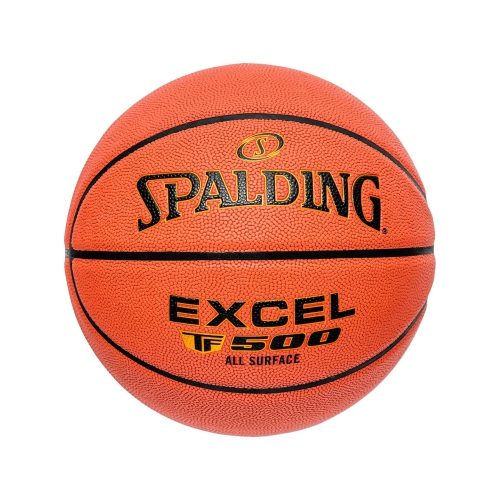 Your price for this item is $58.99
 -
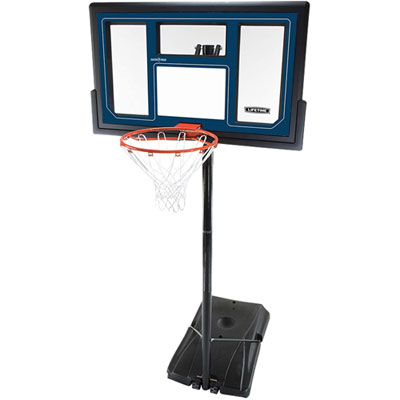 Your price for this item is $479.98
 -
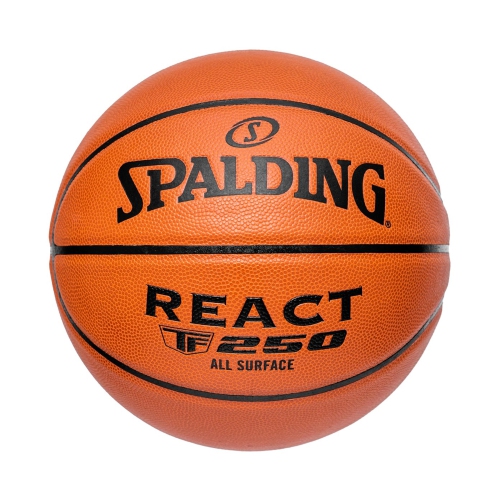 Your price for this item is $52.99
 -
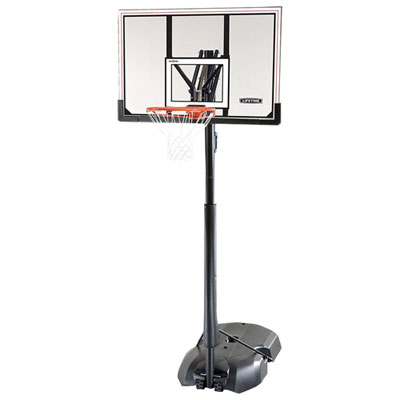 Your price for this item is $638.98
Discover more categories related to Official Size Basketballs
Top Collections:
Pokemon Centers, Best Cameras for Sports Photography, Kindle Devices, Samsung Galaxy Phones, Canon G7X Cameras, Pokémon 30th Celebration Cards, Refurbished Apple Laptops, iPhone 15 Apple, Laptops for Students, Budget Smartphones
Some products may be subject to Environmental Handling Fees
(EHF) depending on your province.
Learn more about EHFs.