Basketballs 29.5
Looking to up your game on the court? Look no further than our collection of 29.5-inch basketballs. Whether you're a seasoned athlete or just starting out, these regulation-sized basketballs are designed to enhance your skills and bring out your best performance. With their durable construction and superior grip, these basketballs are perfect for indoor and outdoor use. So get ready to shoot, dribble, and dunk with confidence with our selection of top-quality 29.5-inch basketballs.
Sort


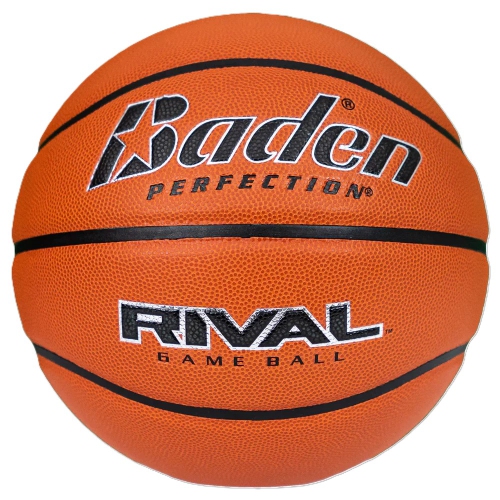
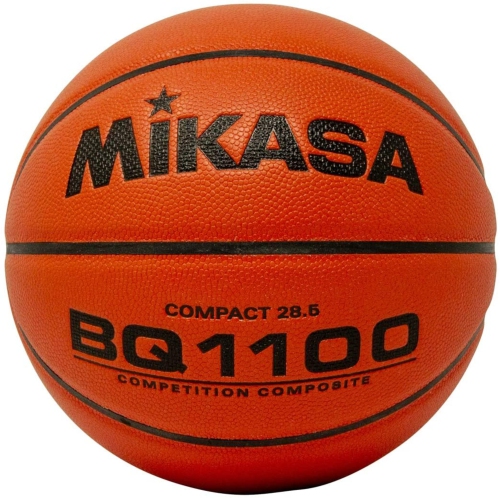

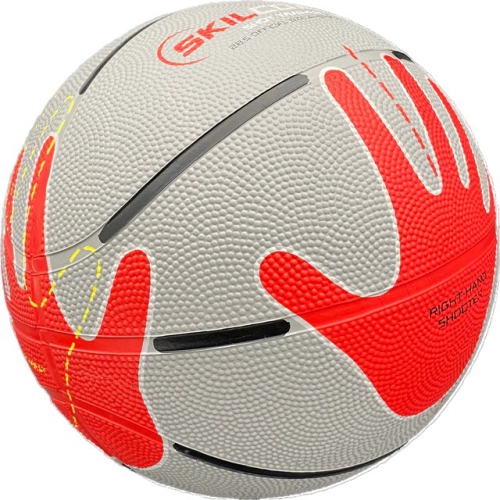
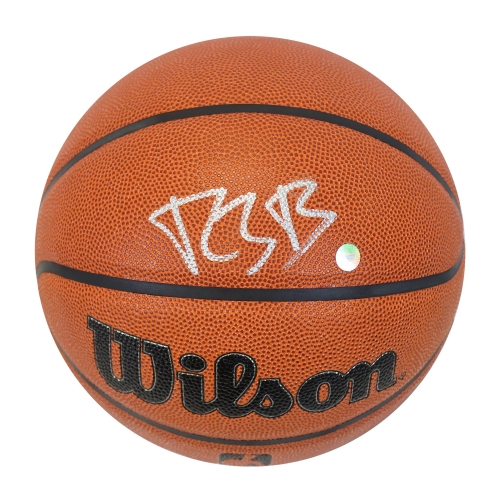
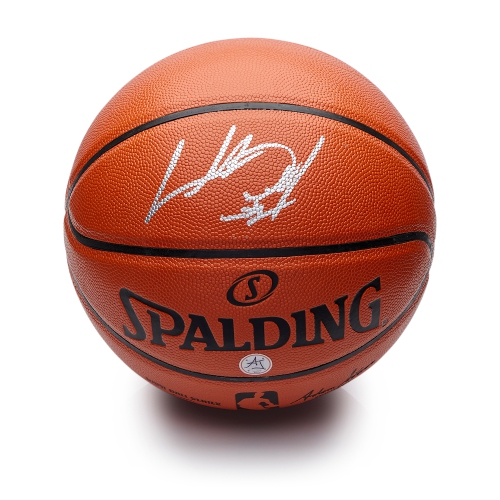


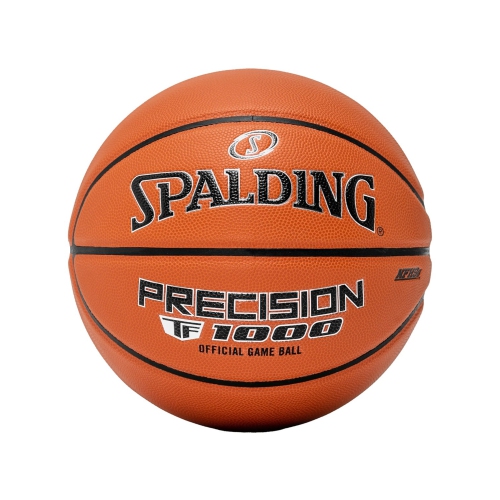
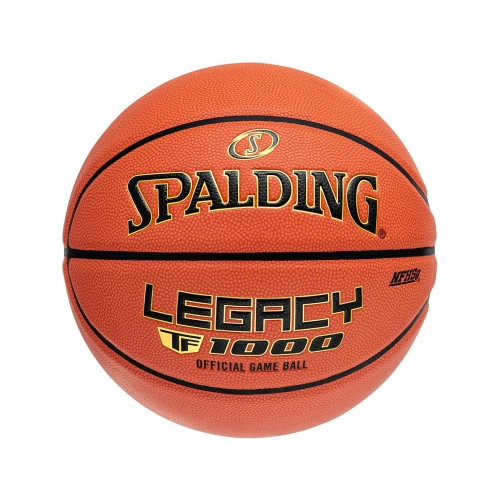


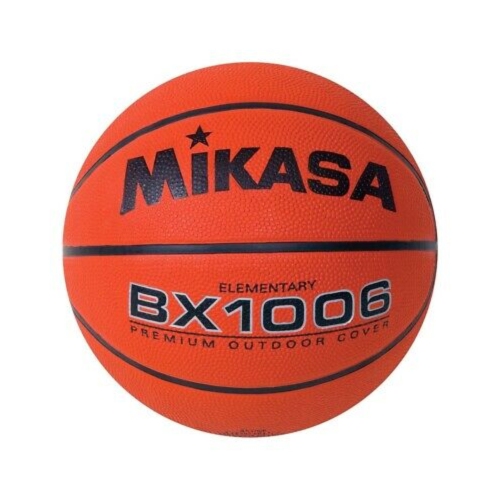
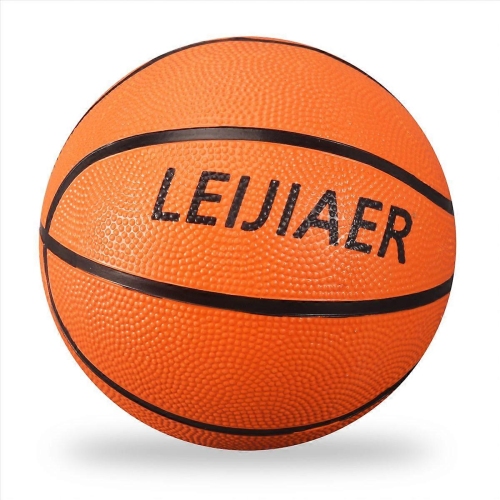
Why regulation size matters for basketball practice
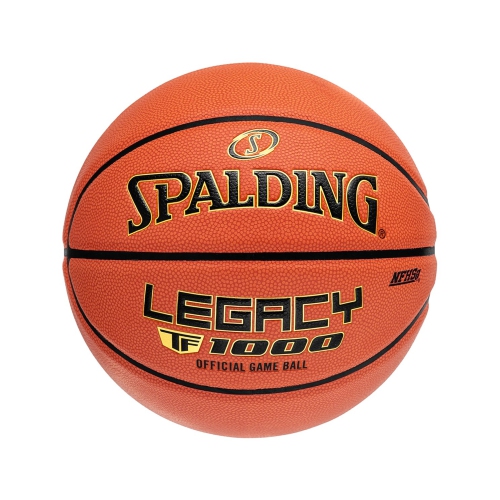
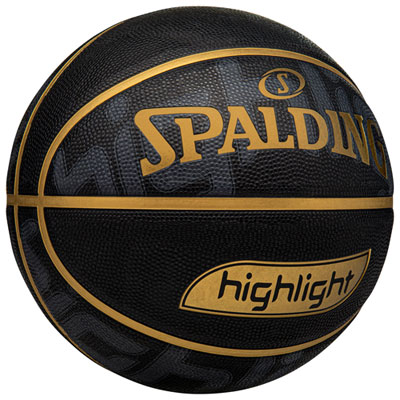
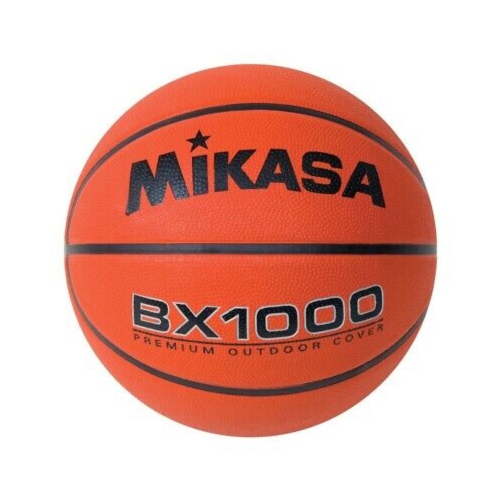
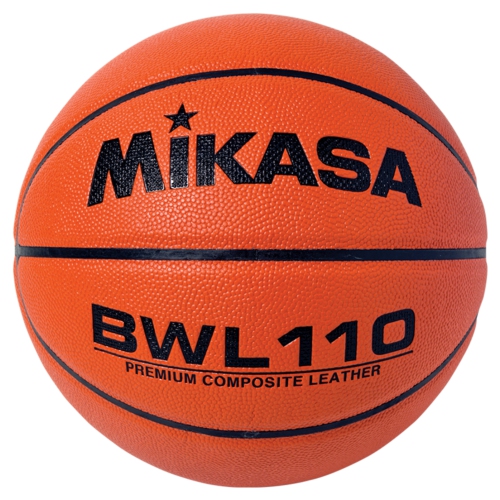
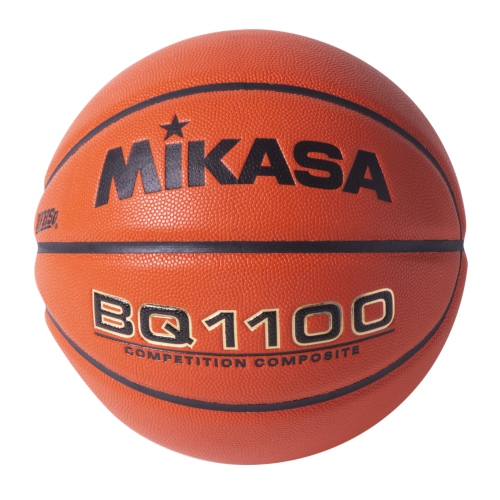
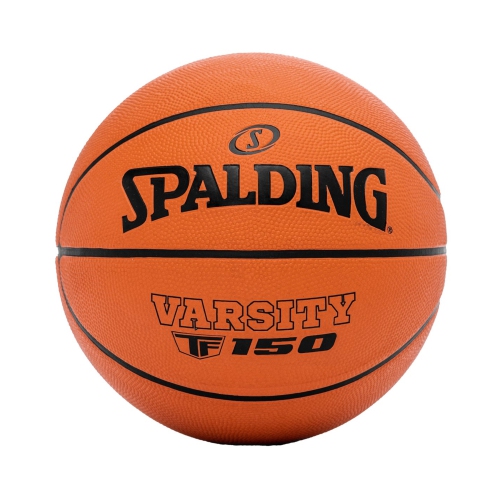
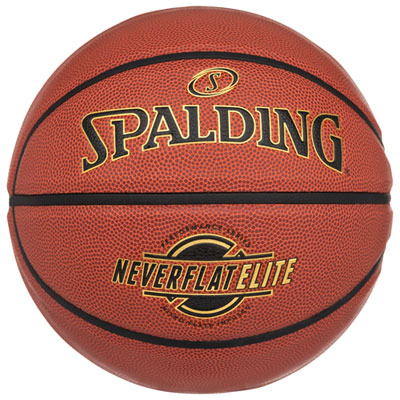
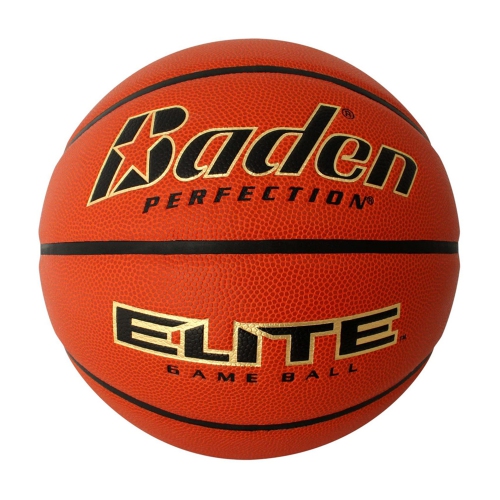
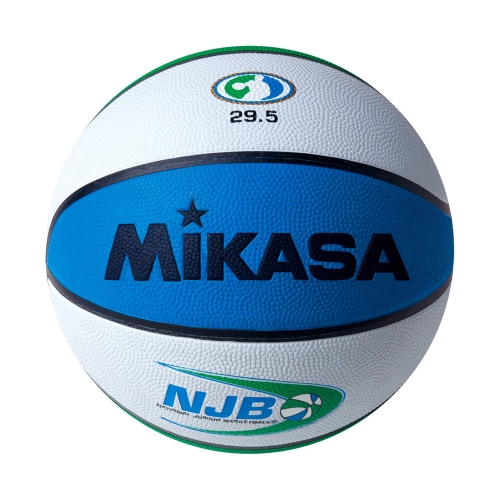
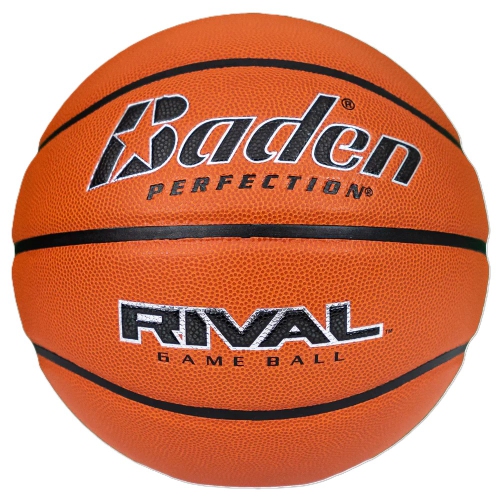
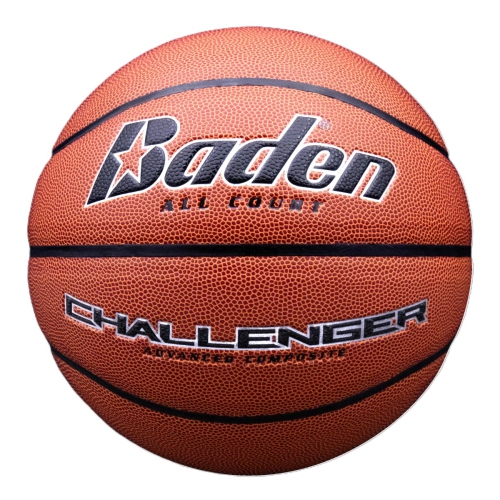
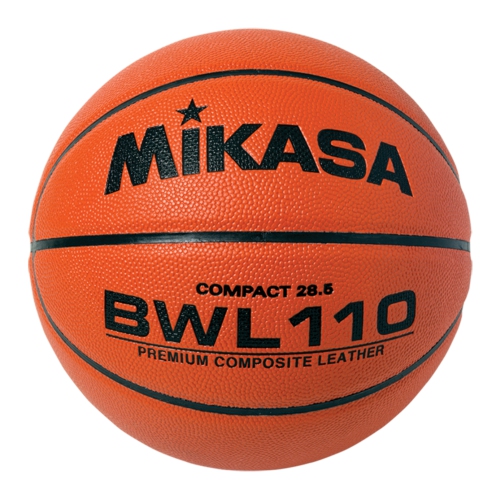
A 29.5-inch basketball is a size 7 ball, the standard size used in men’s professional, college, and high school basketball in many leagues. The measurement refers to the ball’s circumference, not its diameter, and a standard size 7 basketball weighs approximately 22 ounces, or 623 grams. These full-size basketballs are commonly used by boys aged 13 and older and by adult players, although the appropriate size depends on the league, age group, and individual player. For anyone practising for organized games, matching the ball size used in competition helps make shooting, passing, and dribbling practice more consistent. The familiar weight matters when setting up a free throw, delivering a chest pass across the key, or keeping a low dribble while changing direction. A smaller ball can feel easier to control, but it will not reproduce the same hand position or effort needed to shoot a size 7 ball. Players moving up from youth basketball may need time to adjust to the larger circumference, particularly when catching one-handed or finishing a layup. Hand size and strength affect comfort, but being able to palm the ball is not a requirement for playing with it. Younger players and participants in leagues that use a smaller regulation size may be better served by a different circumference rather than a full-size ball. For school teams, community programs, recreational leagues, and individual practice, checking the applicable size requirements is a useful starting point. Those exploring Professional Basketballs can also consider the distinction between regulation dimensions and a ball’s suitability for a particular level of play: size alone does not establish league approval, cover quality, or court compatibility. A well-matched 29.5-inch basketball combines the correct dimensions with a surface and feel that suit where and how it will be used, whether that means structured drills in a gym or regular pickup games on a neighbourhood court.
Cover material is one of the biggest differences between 29.5-inch basketballs, especially when comparing indoor and outdoor use. Rubber covers are a practical choice for asphalt and concrete because they generally tolerate abrasive surfaces better than covers designed exclusively for hardwood. Their textured finish can provide a pronounced grip, and their sturdy construction suits repeated dribbling on a driveway, schoolyard, or public court. Composite leather covers vary in construction: some are intended for indoor play, while others are specifically rated for both indoor and outdoor courts. Indoor composite basketballs often have a softer, more cushioned feel that is comfortable during catches and controlled releases. Many are designed to feel playable without an extended break-in period, though texture and firmness differ. Genuine leather basketballs are typically associated with indoor hardwood and may need regular use before their cover develops its intended feel. Taking an indoor-only ball onto rough pavement can quickly wear down its texture, so the stated court rating matters more than appearance alone. An indoor/outdoor basketball offers flexibility for players who divide their time between a gym and an outdoor court, but its cover still experiences more abrasion on concrete than on a smooth floor. Grip also depends on the pebbling, channel depth, and how the surface handles moisture from players’ hands. Channels help fingers find a secure position for passing and shooting, while the raised texture contributes to control during fast changes of direction. A very tacky finish is not automatically the best fit for every player; some prefer a softer touch, while others favour a firmer, more textured surface. Consistent bounce and balanced construction are just as important as grip, particularly during crossover drills or quick passing sequences. Under the cover, the bladder and supporting layers help maintain air pressure, shape, and response. The most suitable combination is one that feels predictable through repeated possessions and is built for the court where most of those possessions happen.
Care and inflation have a direct effect on how a full-size basketball performs and how long its playing surface lasts. Follow the pressure range printed on the ball or provided by its manufacturer rather than assuming every size 7 basketball needs exactly the same inflation. Too little air can produce a sluggish bounce and make the ball feel heavy during dribbling, while too much can create an overly lively rebound and an unnecessarily hard feel. A pump with a pressure gauge makes adjustments more precise, and a suitable inflation needle should be lubricated as directed before being inserted straight into the valve. Forcing a dry needle or bending it sideways can damage the valve and lead to air loss. Checking pressure before practice helps keep the feel consistent from one session to the next. After play, wipe away dust and grit with a soft cloth, using a lightly dampened cloth where the cover’s care instructions permit. Avoid soaking the ball, using harsh cleaners, or treating every cover material the same way; genuine leather may have different care requirements from rubber or composite leather. Let the surface dry before placing the ball in a bag, and keep it away from sharp objects that could cut or puncture the cover. Regularly checking for worn pebbling, separating seams, or recurring pressure loss can help identify when the ball is no longer delivering dependable performance. For players who practise both indoors and outdoors, keeping a separate ball for each court type can preserve the indoor ball’s texture and prevent pavement grit from being carried onto hardwood. A 29.5-inch basketball can also make a thoughtful gift for a teenager joining a team, an adult returning to recreational play, or a dedicated player building a home practice routine. Confirming the recipient’s usual ball size and court surface makes the choice more personal and useful. Whether used for quiet free-throw repetition or a lively game with friends, the right size 7 basketball should offer a comfortable grip, a reliable bounce, and durability suited to its intended use.
Top selling and popular products
-
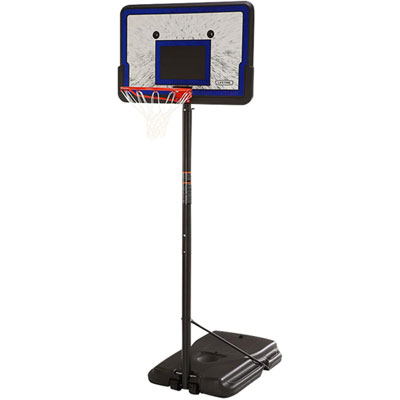 Your price for this item is $279.98
-
 Your price for this item is $114.99
-
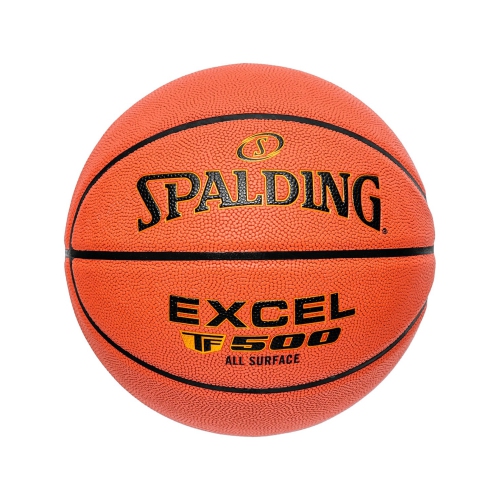 Your price for this item is $58.99
-
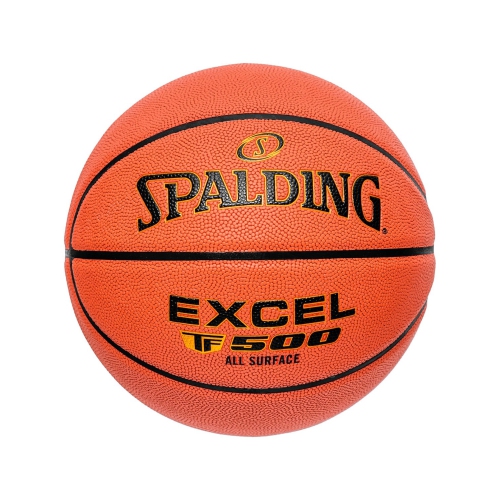 Your price for this item is $58.99
-
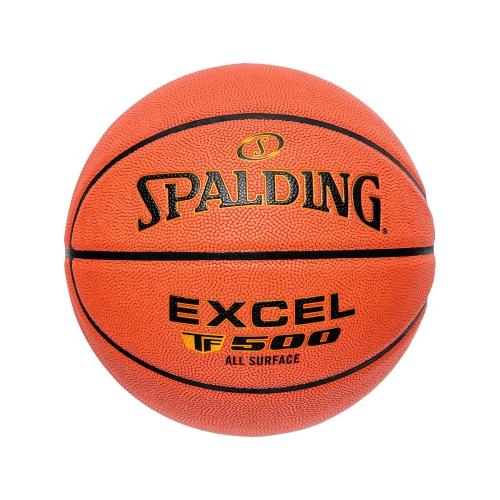 Your price for this item is $58.99
-
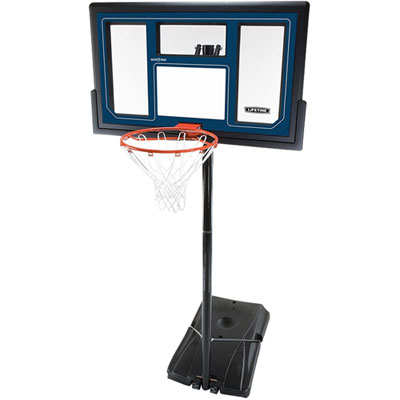 Your price for this item is $479.98
-
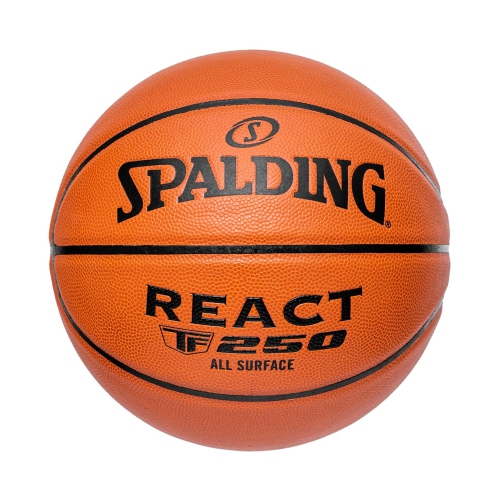 Your price for this item is $52.99
-
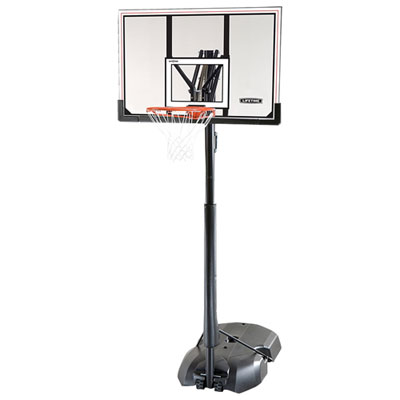 Your price for this item is $638.98
Discover more categories related to Basketballs 29.5
Top Collections:
Pokemon Centers, Best Cameras for Sports Photography, Kindle Devices, Samsung Galaxy Phones, Canon G7X Cameras, Pokémon 30th Celebration Cards, Refurbished Apple Laptops, iPhone 15 Apple, Laptops for Students, Budget Smartphones
Some products may be subject to Environmental Handling Fees
(EHF) depending on your province.
Learn more about EHFs.