Solar Panels Canada
Harness the power of the sun and embrace sustainable living with solar panels, a smart and eco-friendly solution for energy needs. As renewable energy continues to gain traction, solar panels have become an increasingly popular choice for homeowners and businesses alike. With advancements in technology, these panels are now more efficient and accessible than ever, offering a reliable way to reduce electricity bills while minimizing environmental impact. Whether you're looking to power your entire home or simply supplement your current energy usage, solar panels provide a versatile option that aligns with both economic and ecological goals. Explore the possibilities of clean energy and take a step towards a greener future today.
Sort

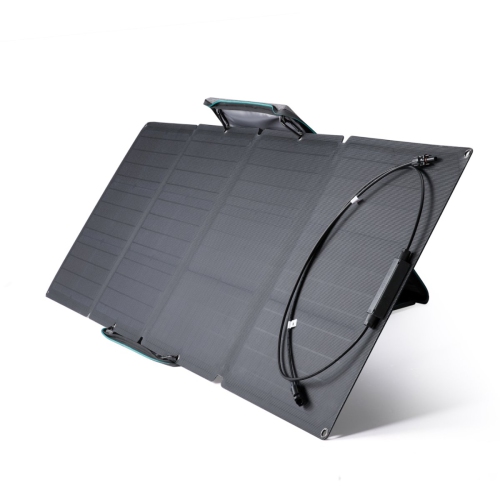
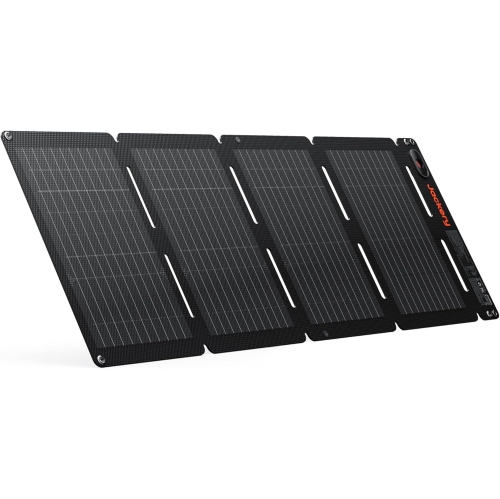
Why solar panel wattage is only part of the picture
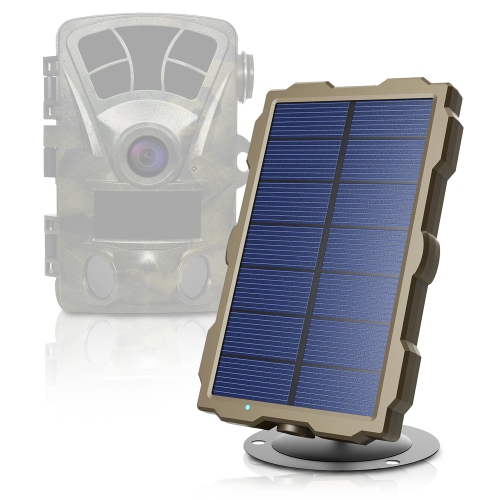
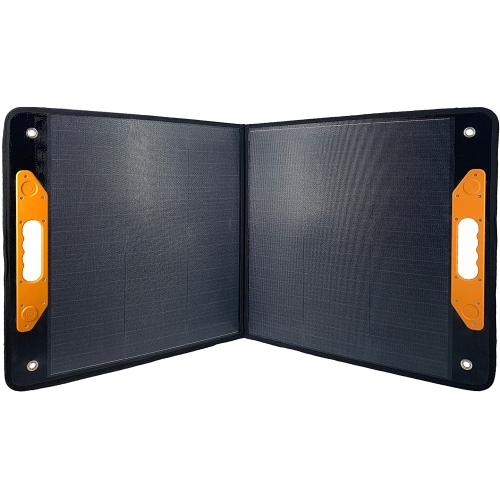
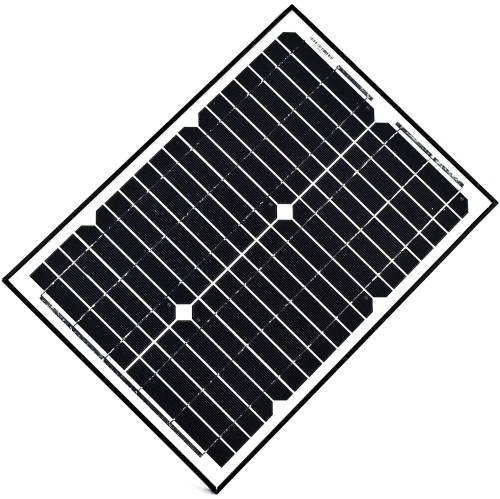
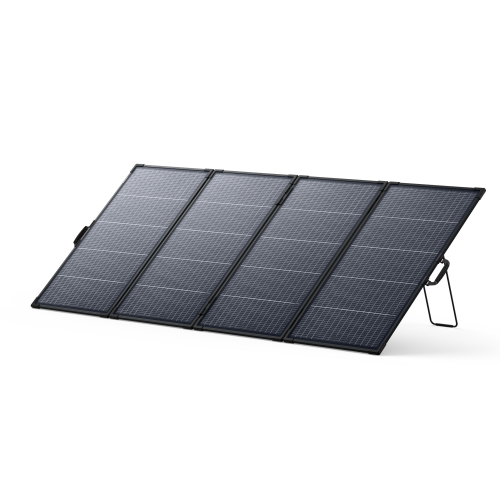
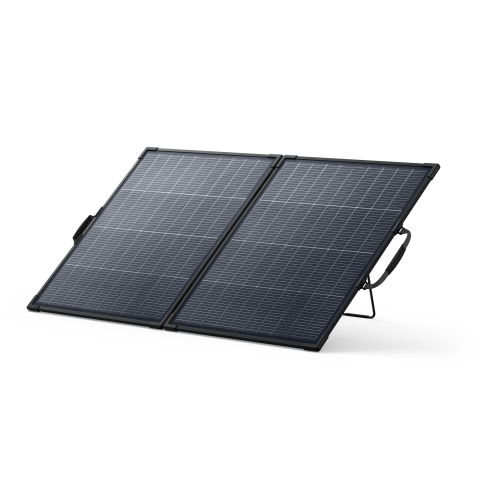
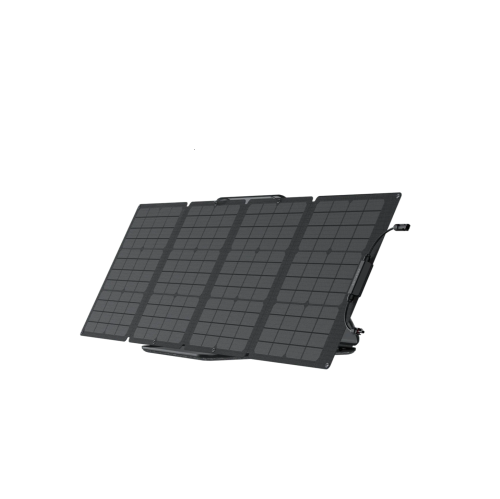
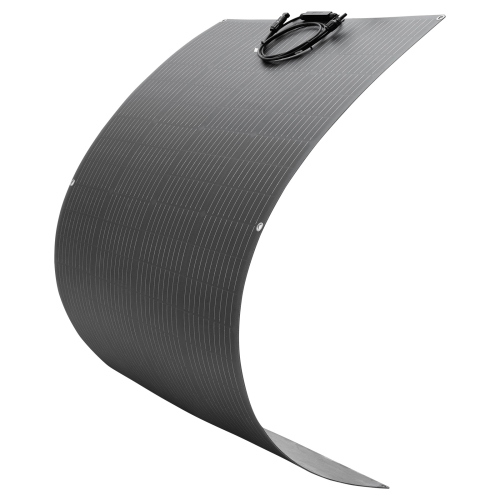
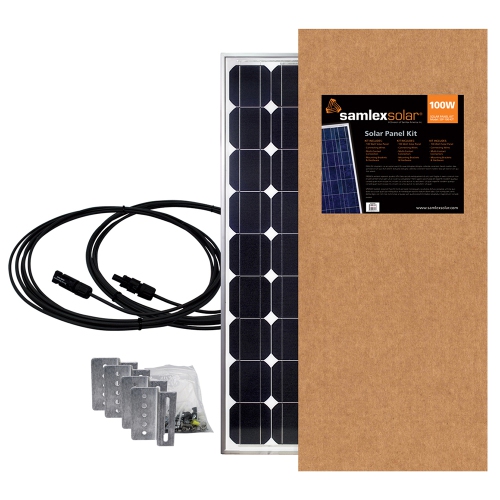
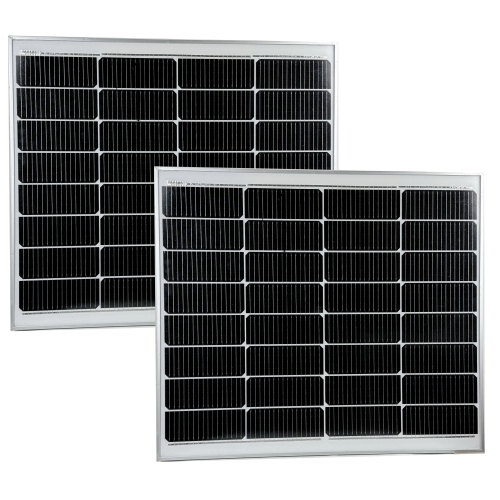
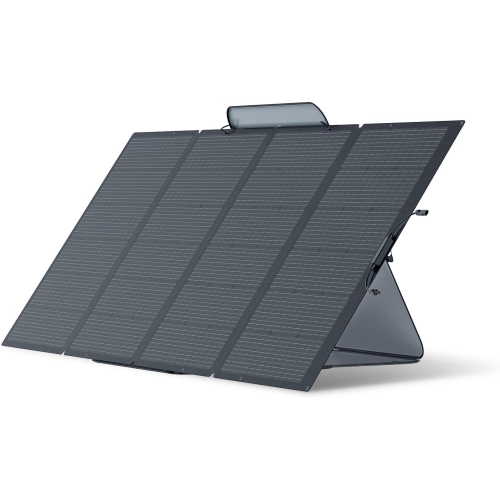
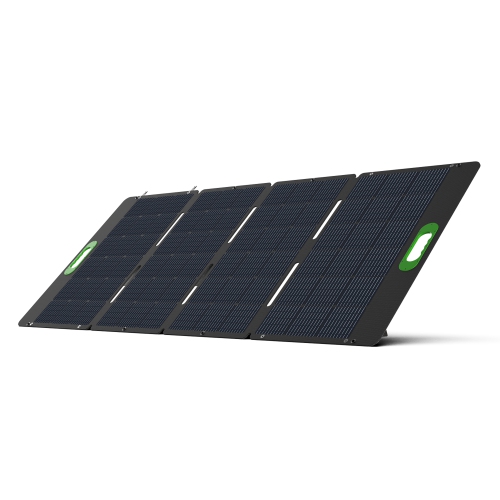
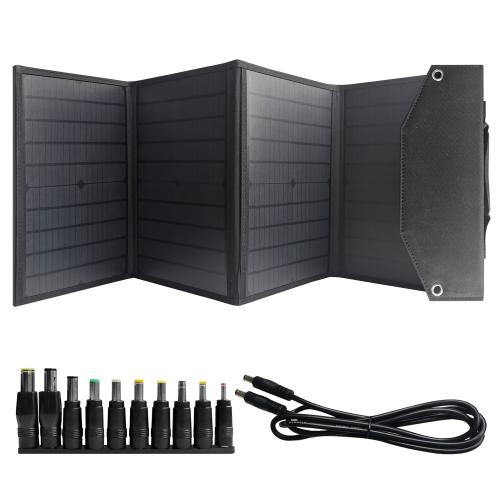
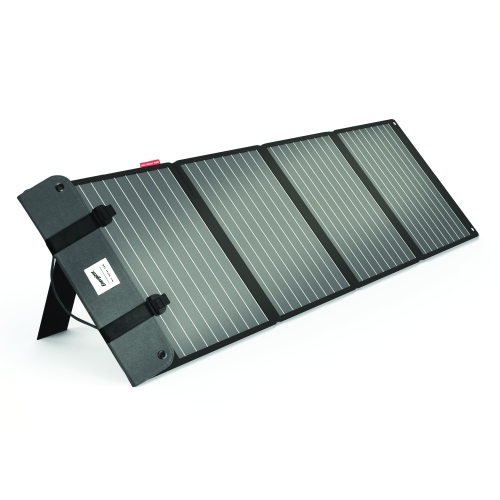
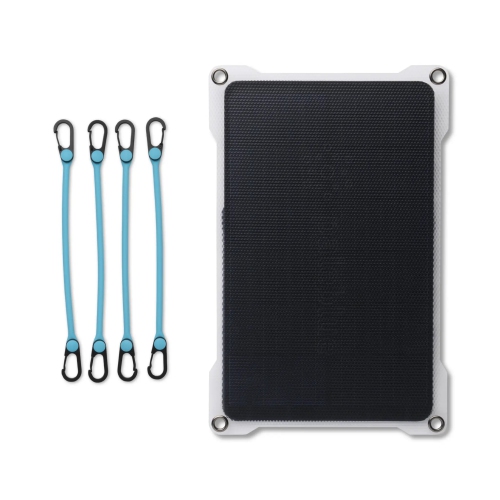
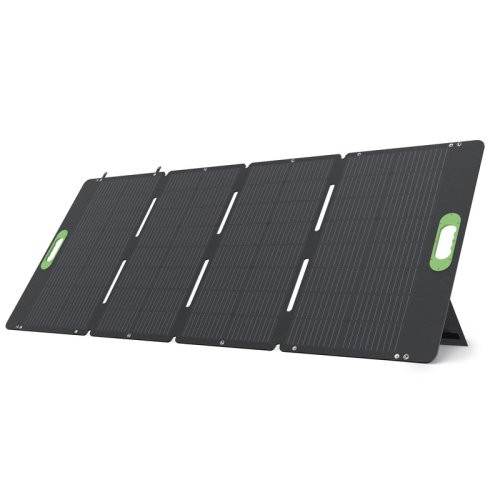
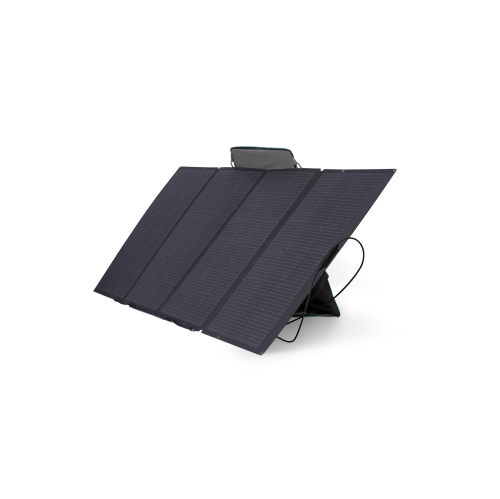
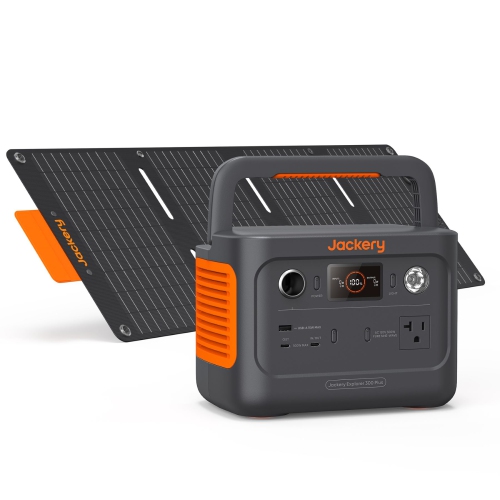
Solar panels in Canada serve a wide range of purposes, from charging a portable power station at a campsite to supplying electricity through a permanently installed rooftop system. The basic function is the same: photovoltaic cells convert sunlight into direct-current electricity, which compatible charging equipment can store in a battery or an inverter can convert into alternating current for household use. The right panel format depends on where it will sit, what it will power and how often it needs to move. Rigid panels typically combine a protective glass surface with an aluminium frame, giving them a sturdy structure for fixed mounting on a suitable roof, rack or vehicle. Folding panels are designed to pack down between uses, making them practical for camping trips, cottage visits and mobile charging setups. Flexible panels have a thinner profile and may suit certain gently curved surfaces, but their permitted bend radius and mounting requirements matter; flexible does not mean they can be creased or shaped without limits. Monocrystalline and polycrystalline describe different silicon cell structures, while the complete panel’s dimensions, construction and rated output determine its suitability for a particular space. Wattage describes power output under standard test conditions, not a guaranteed amount of electricity throughout the day. A 200-watt panel receiving the equivalent of five hours of full-rated sunlight could theoretically produce 1,000 watt-hours, or 1 kilowatt-hour, before system losses. Actual energy production depends on the installation location, panel angle, shading and charging equipment. Even a narrow shadow from a roof rack, railing or nearby branch can reduce output, making an unobstructed position especially valuable. Larger systems are described in kilowatts: fifteen 400-watt panels have a combined rated capacity of 6 kilowatts. That figure describes the array’s power rating rather than its daily energy production, and it does not establish how many panels a particular home needs.
Matching solar panels to the equipment they will support involves more than choosing a higher wattage. A portable power station has defined solar-input voltage and current limits, and the panel or combined array must remain within those specifications. A connector that physically fits is not proof of electrical compatibility; connector type, polarity and the manufacturer’s approved connection method all matter. For a separate battery setup, a suitable charge controller regulates the electricity flowing from the panel to the battery. The controller must support the battery’s chemistry and nominal voltage as well as the panel’s electrical characteristics. An MPPT controller can help capture more usable power as operating conditions change, but its input limits still need to match the array. Connecting panels in series raises voltage, while connecting them in parallel raises current, so adding panels is not simply a matter of joining more cables. Intended use provides a useful starting point for sizing. A laptop drawing 60 watts for four hours uses approximately 240 watt-hours; a 20-watt light running for five hours adds another 100 watt-hours. Together, those loads require about 340 watt-hours before charging and conversion losses are included. Battery capacity determines how much energy can be stored, while panel output influences how quickly that stored energy can be replenished during suitable sunlight hours. A camper charging phones and lights has different requirements from an RV owner supporting several appliances or a homeowner considering a grid-connected installation. For a permanent setup, roof condition, usable mounting area, structural suitability, cable routing and access for maintenance are important considerations alongside electrical output. Local permits, electrical requirements and utility approval may apply, with qualified professionals handling the relevant installation work. Grid-connected systems may qualify for net metering or another export-credit arrangement, depending on the province or territory and the utility’s rules. A standard grid-connected solar installation also generally shuts down during a power outage unless it includes equipment specifically designed for approved backup operation. Panels alone do not provide household backup power.
Durability and everyday handling are particularly important when solar panels will be packed, transported or left in a fixed position for extended periods. For portable use, folded dimensions and carrying weight affect whether a panel fits comfortably beside camping gear or inside an RV storage compartment. An adjustable stand can help position the panel towards the sun, while a suitably rated cable provides some flexibility in placing the connected charging equipment. Cable length should follow the manufacturer’s guidance because undersized or excessively long cables can increase electrical losses. For fixed panels, secure mounting hardware, protected cable runs and appropriate clearance behind the panel support a reliable installation. Water-resistance and ingress-protection ratings should be read carefully: protection specified for a panel surface does not automatically apply to its connectors, junctions or every connected device. Care usually centres on keeping the light-receiving surface unobstructed and following the manufacturer’s cleaning instructions. Where cleaning is permitted, non-abrasive materials help avoid scratches; harsh chemicals, high-pressure washing and walking on the panel can damage components. Flexible panels need support and handling that prevent repeated stress at the cells, while folding designs benefit from being packed without trapped grit or pressure against their surfaces. Warranty terms also deserve attention because a product warranty and a power-output warranty cover different things. An output warranty generally describes expected performance retention over time, not a promise of uninterrupted charging or a fixed amount of daily electricity. These practical details make solar panels useful for people who spend time away from convenient outlets, maintain compatible battery systems or want a fixed installation tailored to their property. As a gift for a camper or RV traveller, compatibility with their existing charging equipment matters more than simply choosing the largest panel. A panel that is easy to carry, position and connect is more likely to become part of a familiar routine. When comparing the Solar Pannel collection, rated output, physical dimensions, mounting needs and electrical compatibility provide a practical basis for choosing a format that fits its intended use.
Top selling and popular products
-
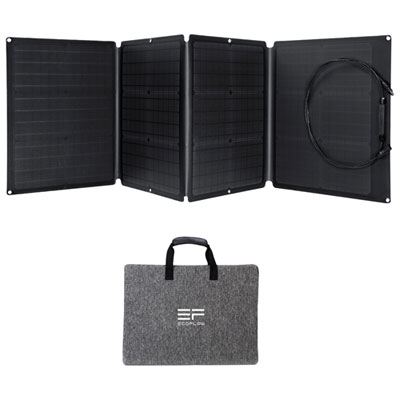 Your price for this item is $301.98
-
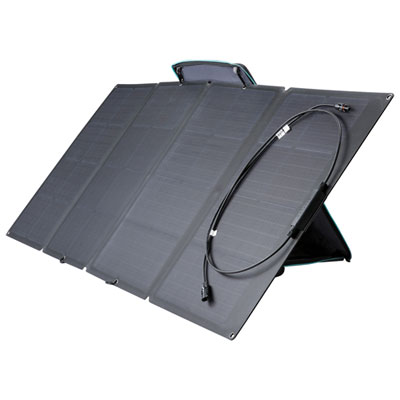 Your price for this item is $401.98
-
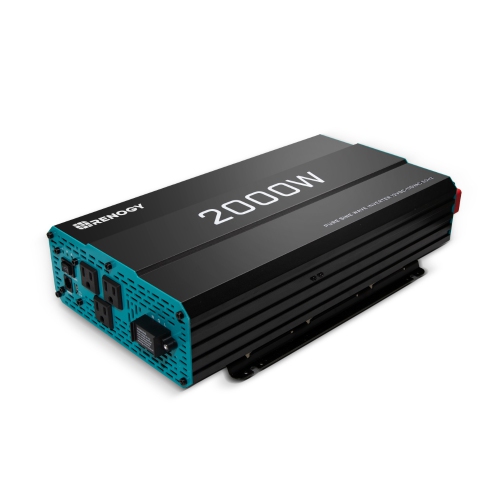 Your price for this item is $464.99
-
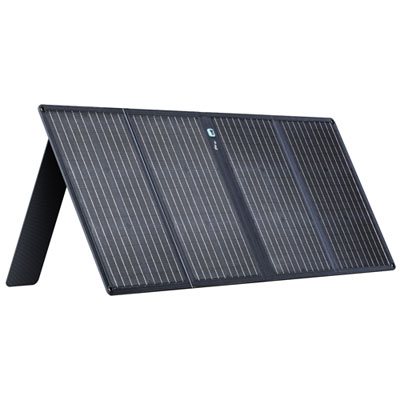 Your price for this item is $399.99
-
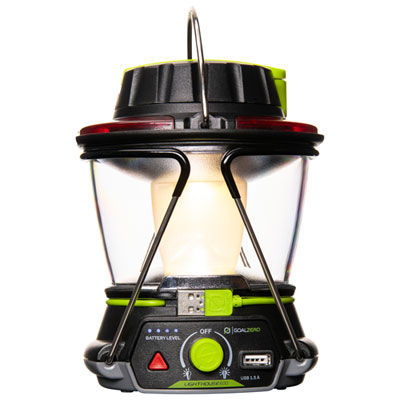 Your price for this item is $99.99
-
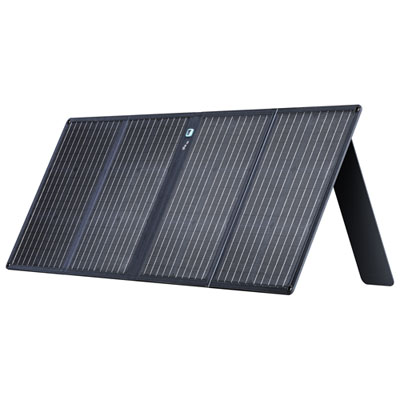 Your price for this item is $439.99
-
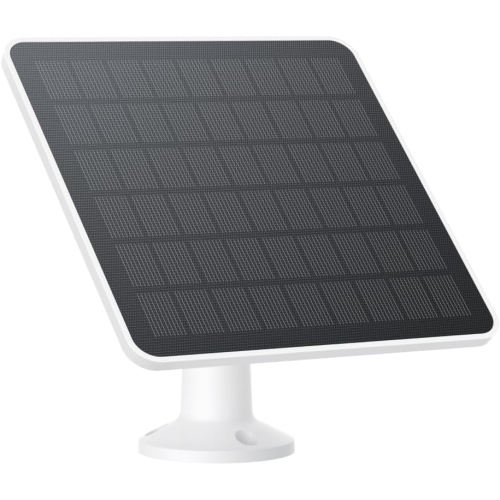 Your price for this item is $69.99
-
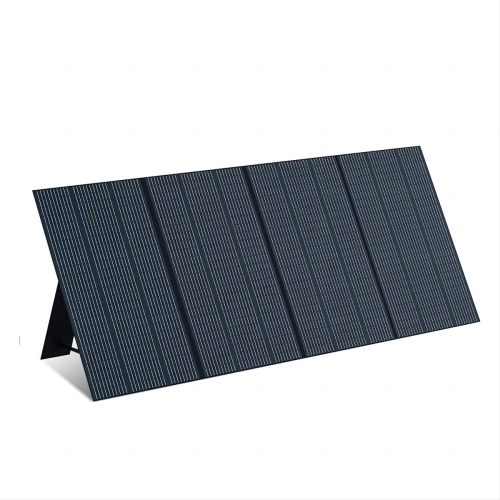 Your price for this item is $999
Discover more categories related to Solar Panels Canada
Top Collections:
Pokemon Centers, Best Cameras for Sports Photography, Kindle Devices, Samsung Galaxy Phones, Canon G7X Cameras, Pokémon 30th Celebration Cards, Refurbished Apple Laptops, iPhone 15 Apple, Laptops for Students, Budget Smartphones
Some products may be subject to Environmental Handling Fees
(EHF) depending on your province.
Learn more about EHFs.