Home Solar Panels
Harness the power of the sun with our selection of home solar panels. Reduce your carbon footprint and energy bills by generating clean, renewable electricity right from your rooftop. With easy installation and low maintenance, solar panels are a sustainable and cost-effective solution for powering your home. Explore our range of solar panels today and take the first step towards a more energy-efficient lifestyle.
Sort


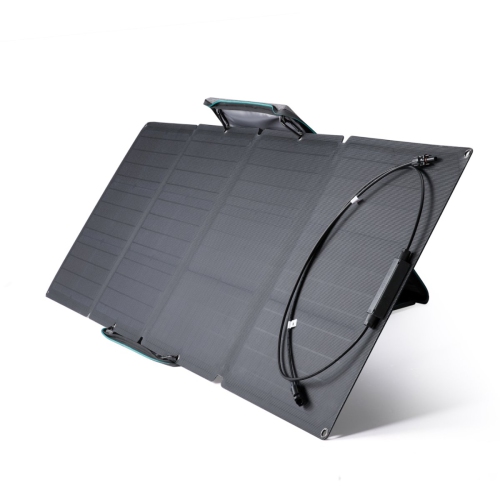
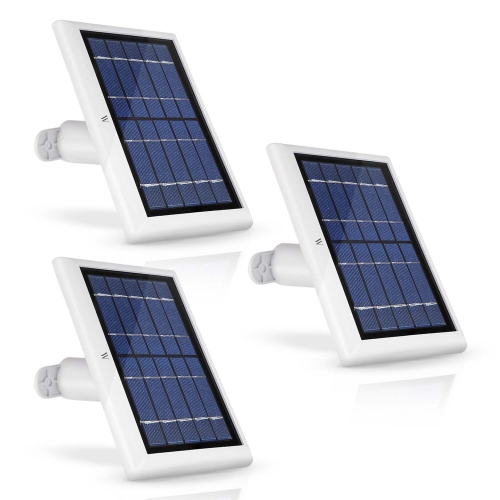
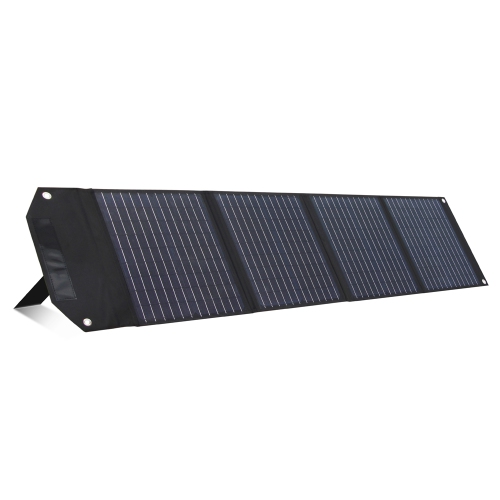
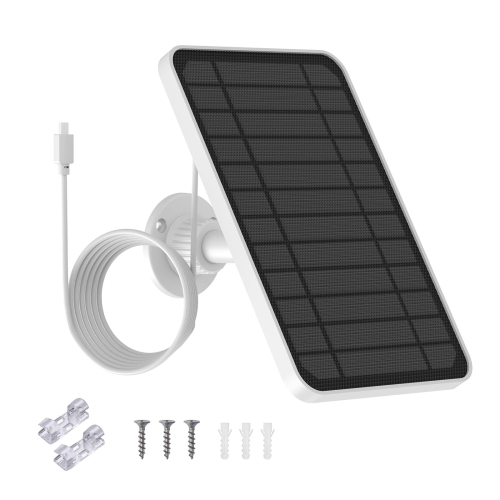


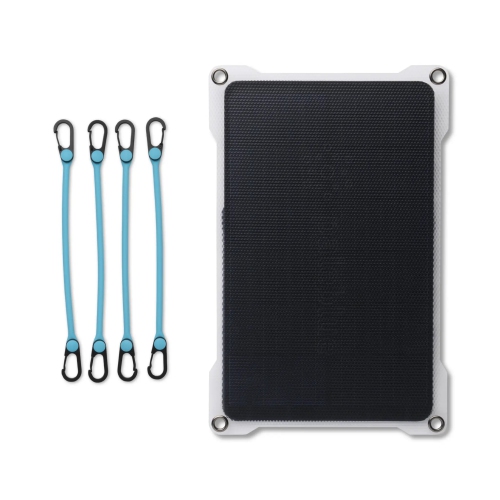
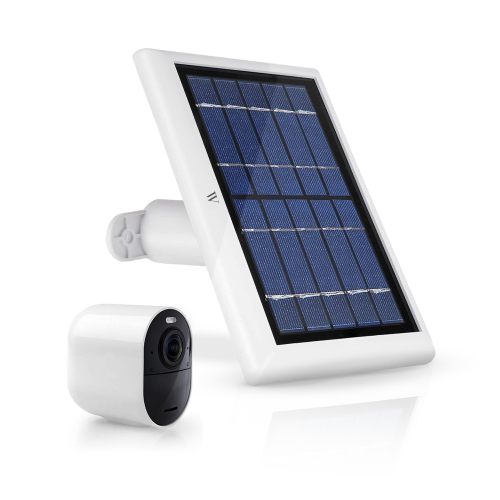
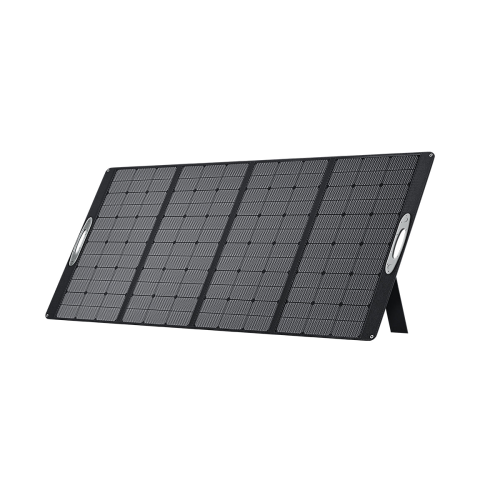
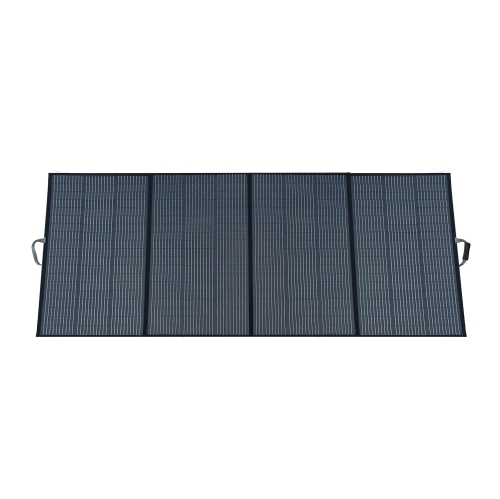
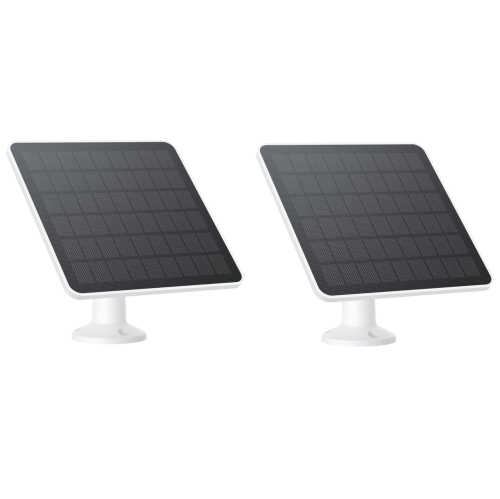
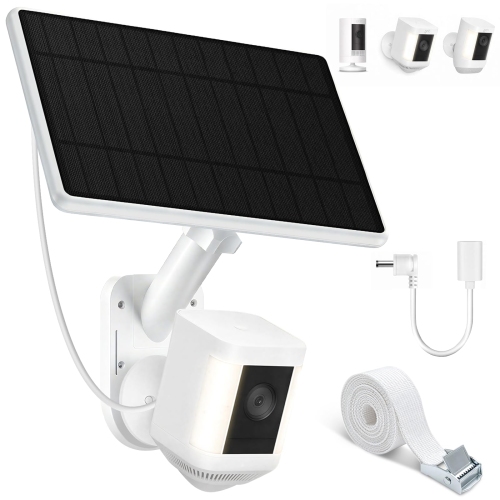
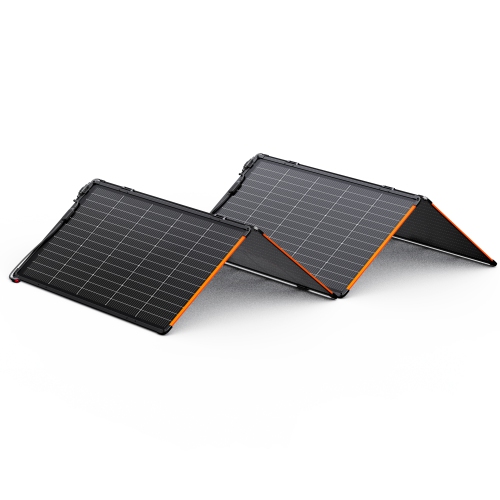
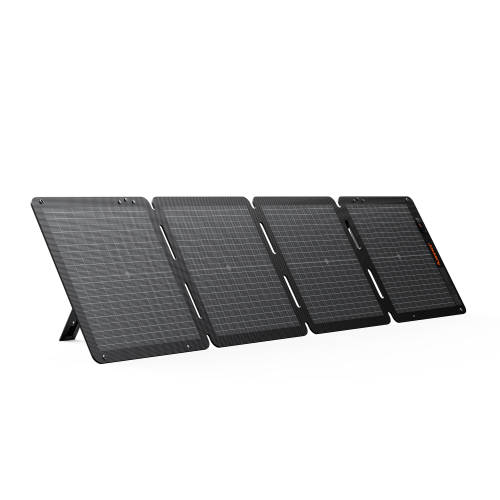

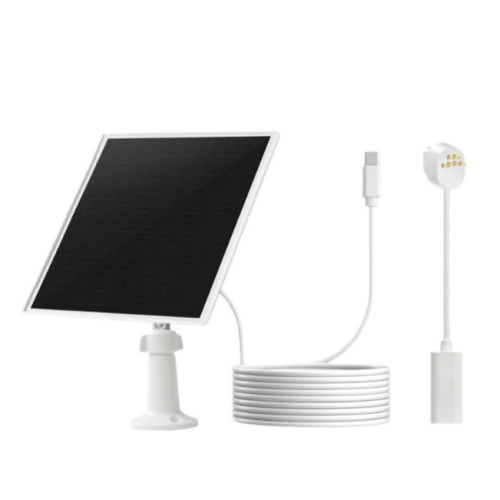
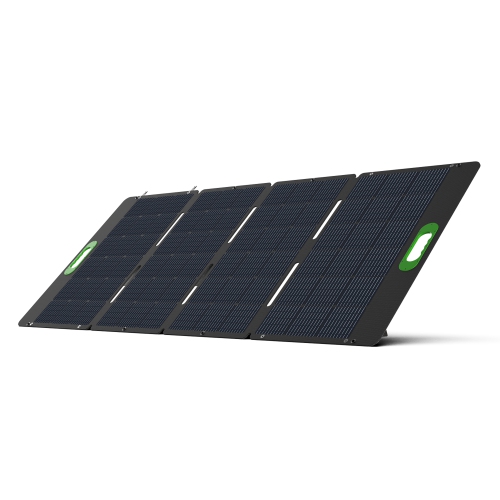
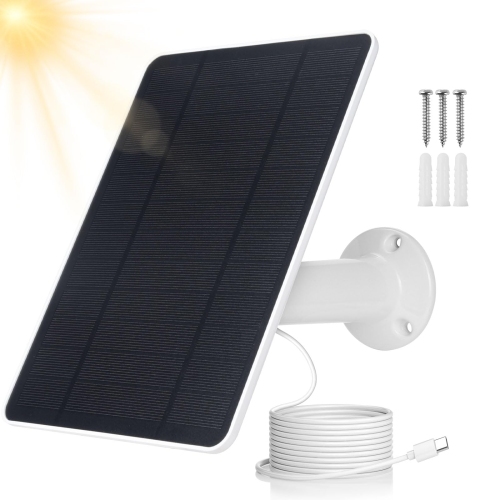
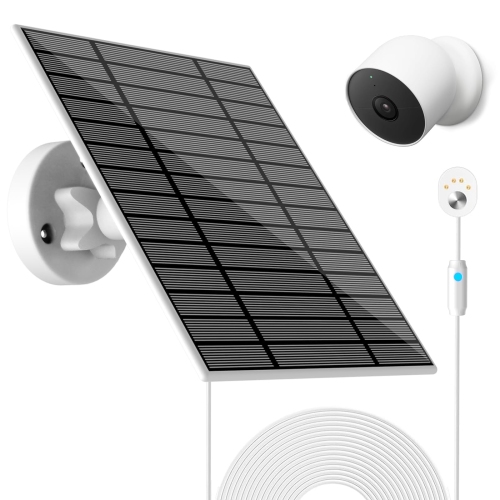
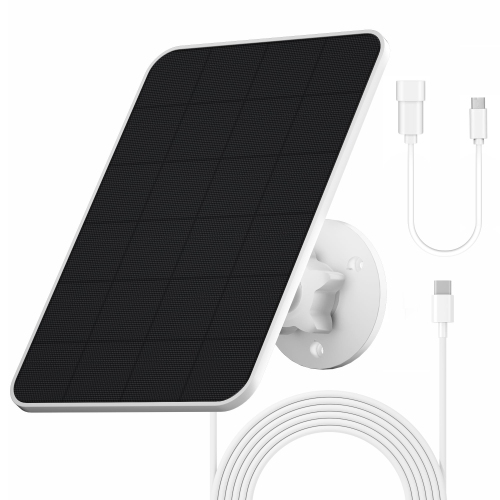
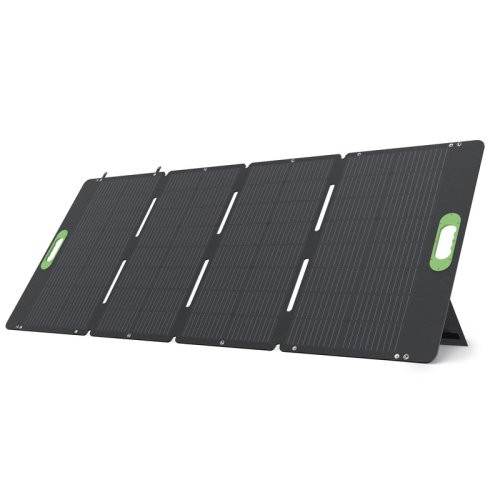
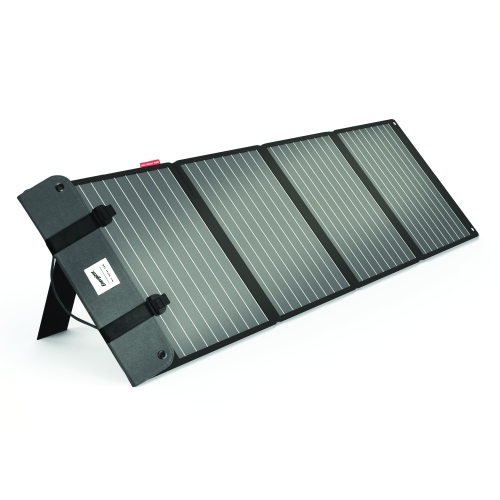
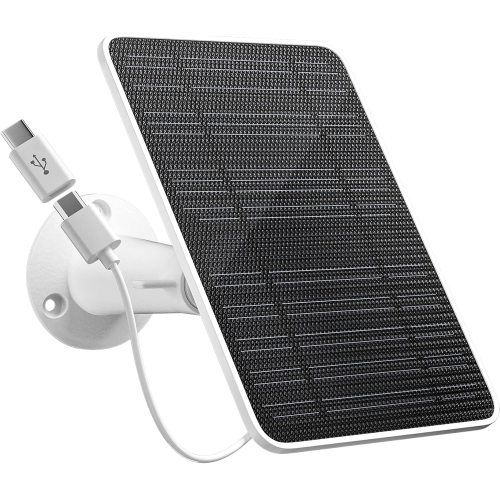
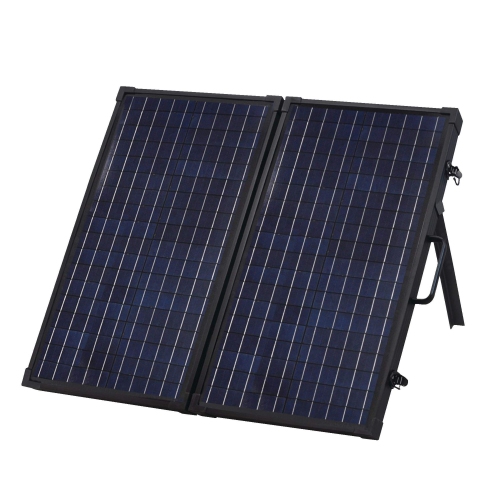
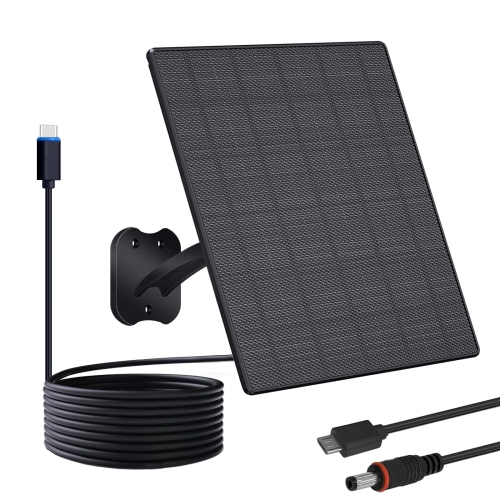
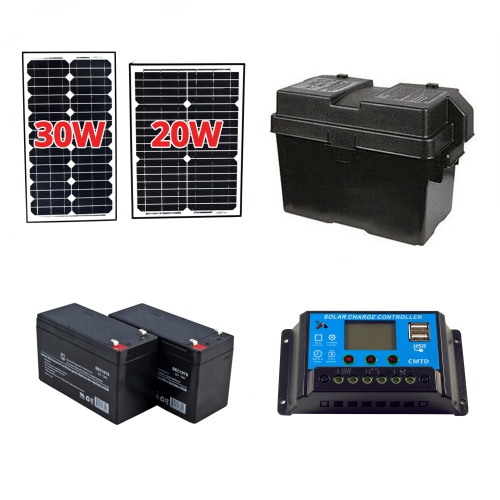
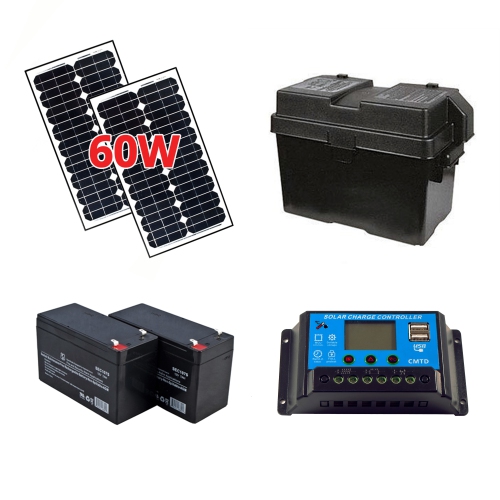

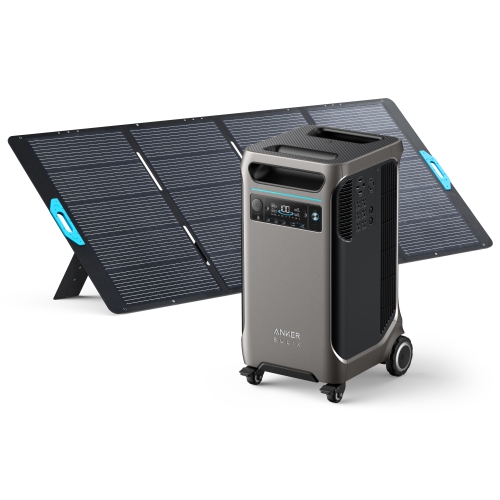
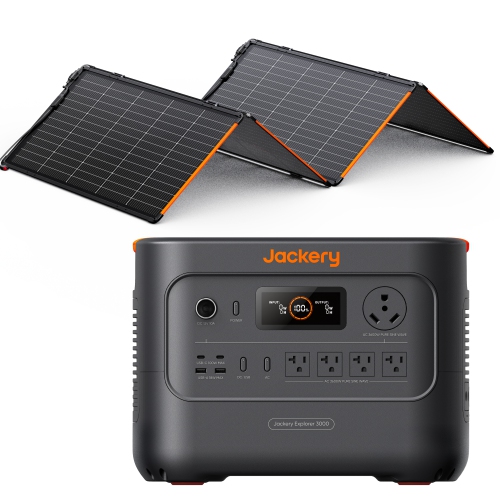
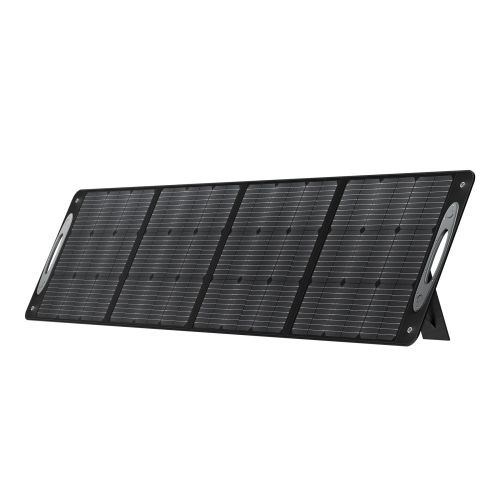

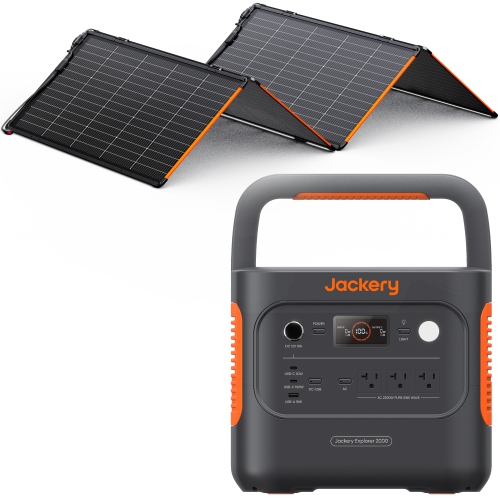
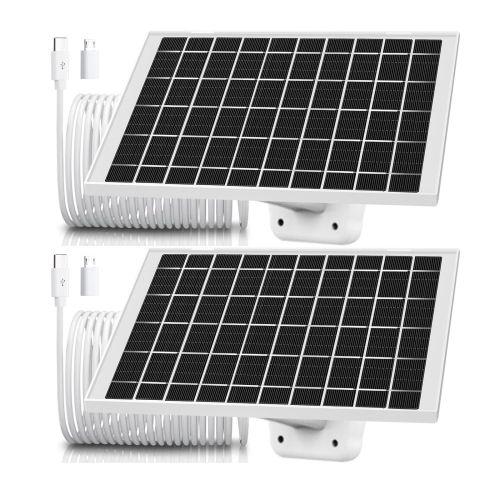
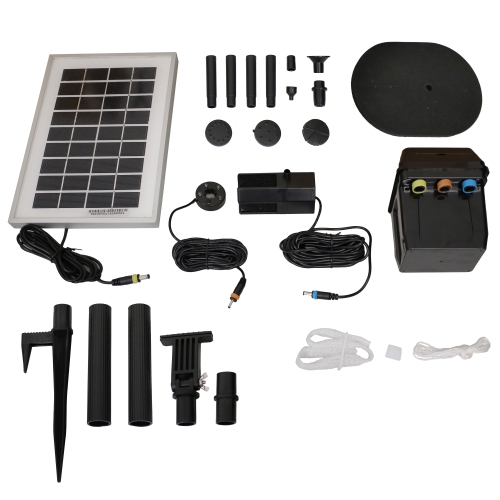
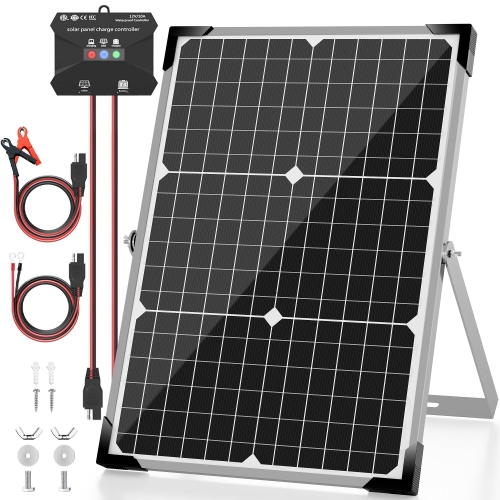
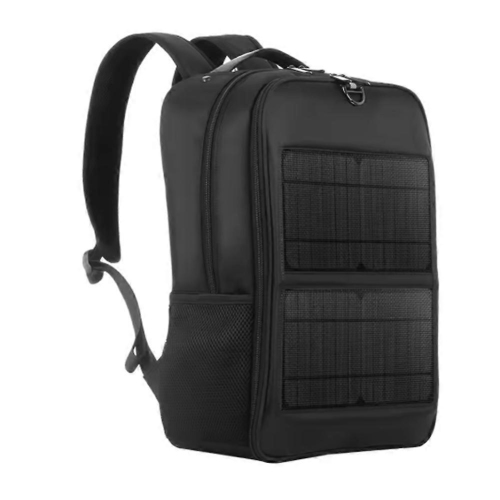

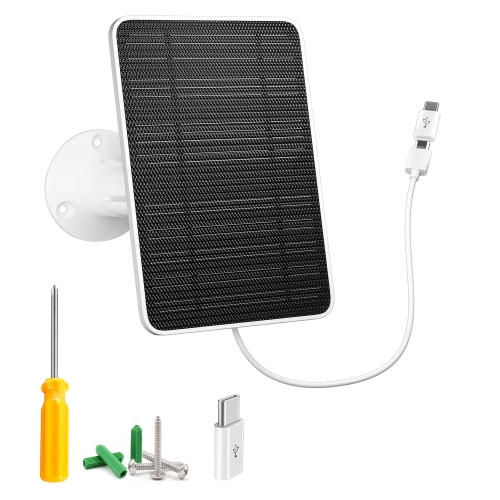
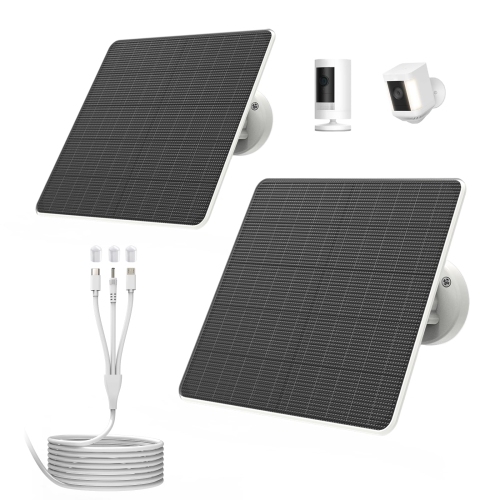
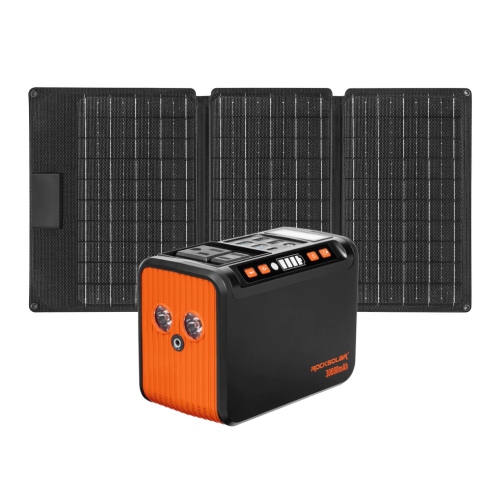
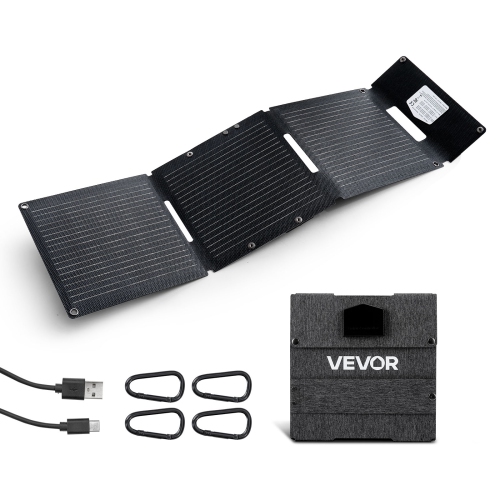
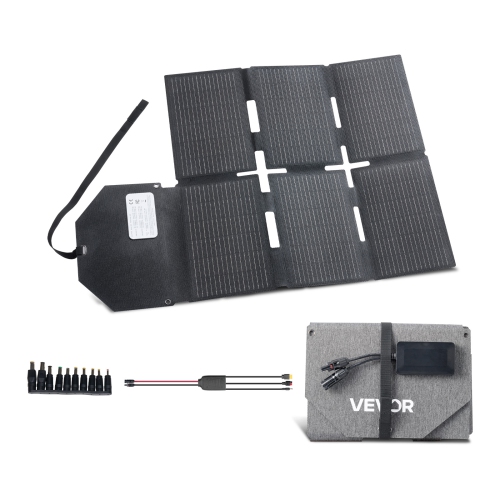
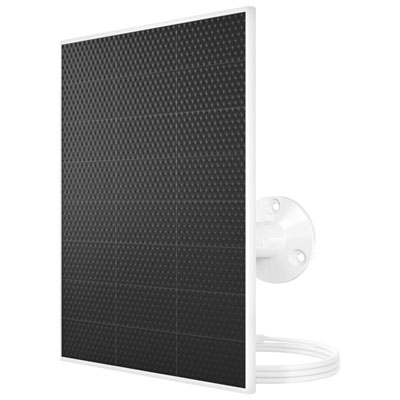
Why powering a home takes more than solar panels
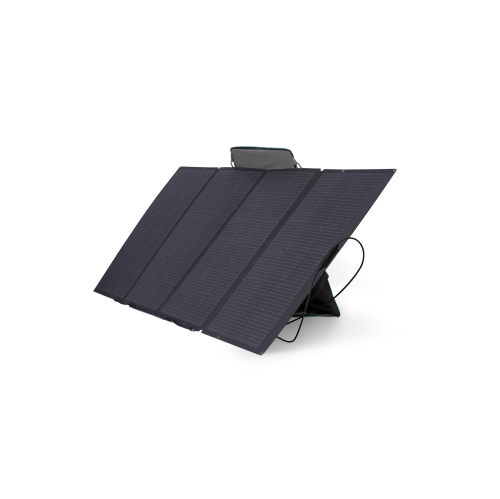
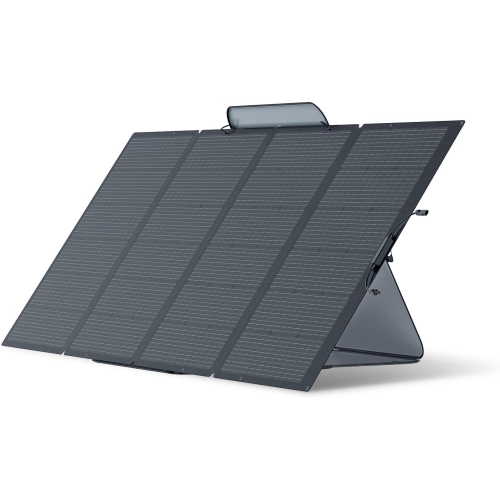
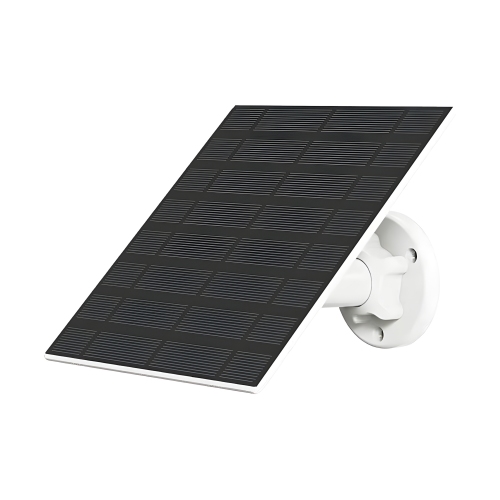
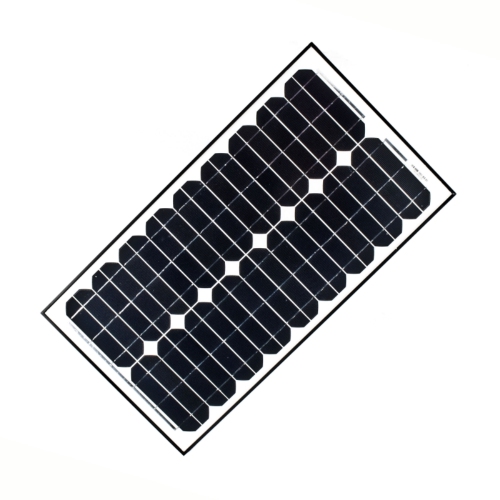
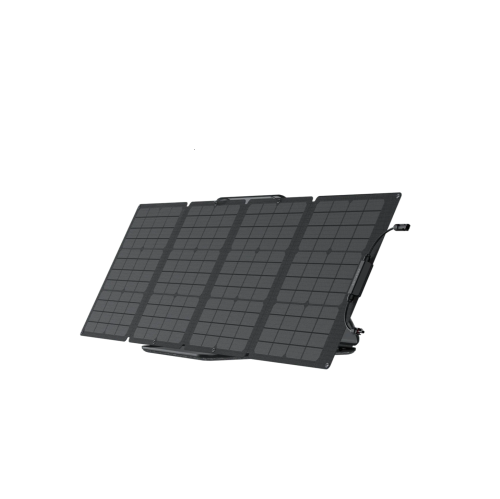
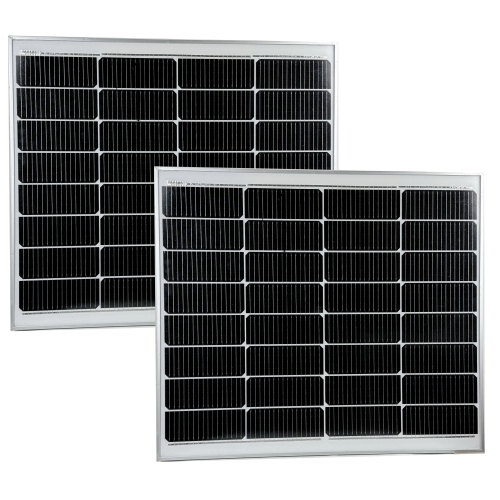
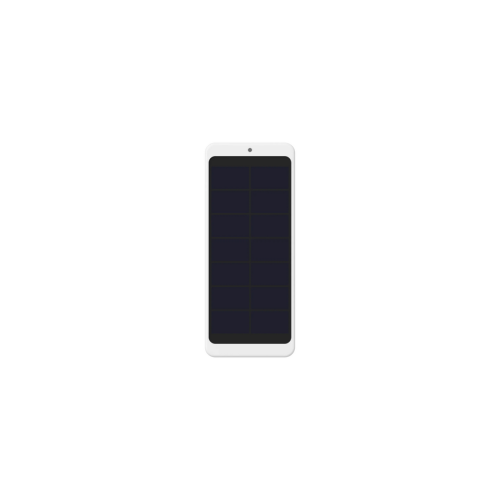
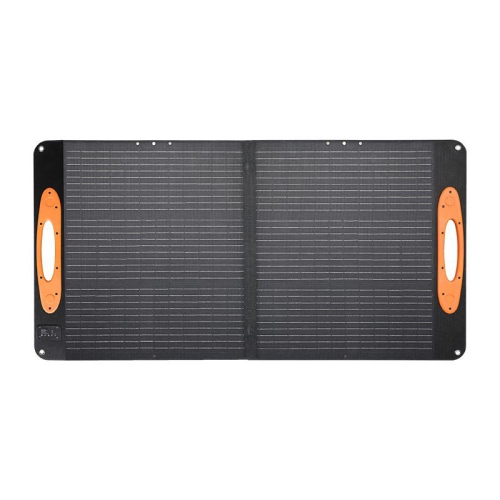
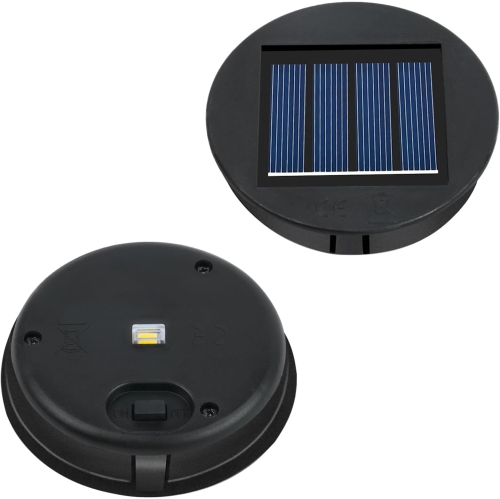
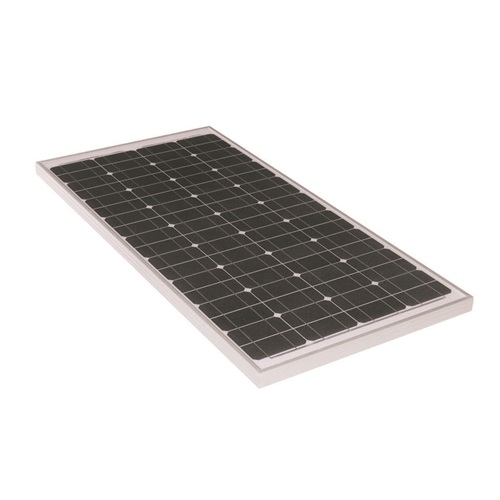
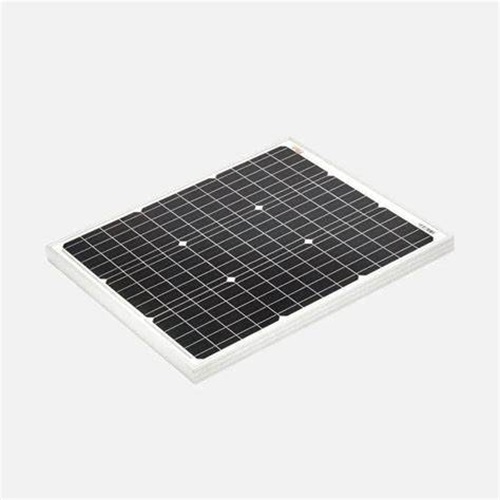
Home solar panels convert sunlight into direct current electricity that can be used by a compatible home power system. For residential installations, the panels are usually one part of a larger setup that includes mounting hardware, wiring, protective equipment, and an inverter to supply alternating current for household use. A fixed rooftop array can supplement electricity from the grid, while a purpose-designed off-grid system can serve a cabin or another property without a utility connection. These are different applications, and the panel alone does not determine what the system can run. Usable roof area, electricity consumption, shading from nearby structures or trees, and the direction and angle of the installation all influence the most suitable arrangement. In Canada, a south-facing location often offers strong solar exposure, but east- and west-facing roof sections may also be useful when the system is designed around the property. Panel wattage describes rated power under standardized test conditions rather than guaranteed output throughout the day. A 400 W panel, for example, has a rated capacity of 0.4 kW; 15 panels with that rating provide a combined nameplate capacity of 6 kW. That figure is not the same as energy production, which is measured in kilowatt-hours and depends on actual sunlight and system losses. Nor does it establish how many panels a household needs. A home with electric space heating, a heat pump, or an electric vehicle may have a different usage pattern from a similarly sized home with fewer electrical loads. Total annual consumption and the timing of daily electricity use provide a more meaningful picture than floor area alone. Rigid panels with crystalline silicon cells are common for permanent installations, with high-efficiency monocrystalline designs often useful where space is limited. Comparing rated output with physical dimensions helps show how much generating capacity can fit within the usable installation area, rather than simply favouring the largest panel.
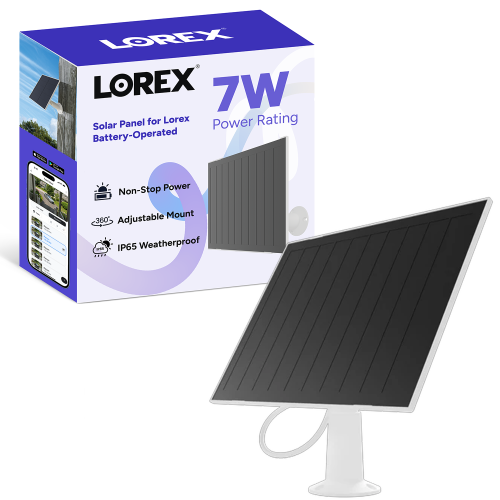
The components connected to home solar panels are just as important as the panels themselves. An inverter must be suitable for the array’s electrical characteristics and the intended application, whether that involves supplying a grid-connected home, charging battery storage, or supporting an independent electrical system. Some installations use a central string inverter, while others use microinverters or power optimizers to manage output at the individual panel level. These approaches have different design requirements, and no single configuration is best for every roof. Matching connectors alone does not establish compatibility: voltage, current, wiring, protective devices, and equipment ratings also matter. Battery-based systems need suitable charging controls, which may be integrated into other equipment or provided separately. Storage capacity and power output describe different capabilities. Capacity, commonly expressed in kilowatt-hours, indicates how much energy a battery can store, while its power rating helps determine which loads it can support at once. Keeping a refrigerator, a few lights, and a home network operating is a different task from supplying an electric range or an entire house. Appliances with motors can also require extra power when starting. Importantly, ordinary grid-connected solar panels do not automatically provide electricity during a utility outage. Standard grid-tied systems shut down when the grid fails to protect utility workers and equipment. Backup operation requires a system specifically designed for that purpose, with compatible equipment and approved isolation from the grid. A battery alone does not establish whole-home backup capability. For permanent residential use, recognized electrical certification, local permit requirements, and utility interconnection rules are essential considerations. Roof attachments, structural suitability, and electrical connections belong with qualified professionals. A well-matched system accounts for the property’s electrical service and the household’s intended loads, rather than treating a collection of panels as a complete, ready-to-connect home power supply.
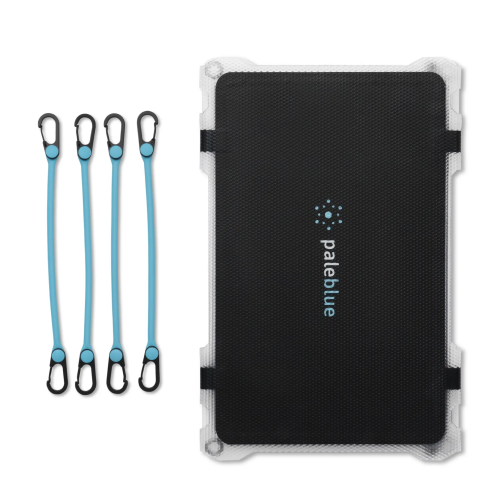
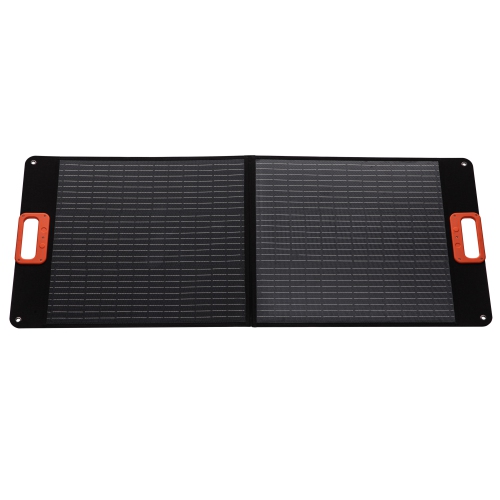
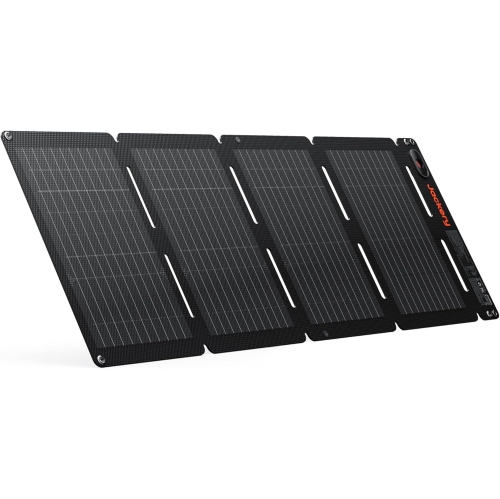
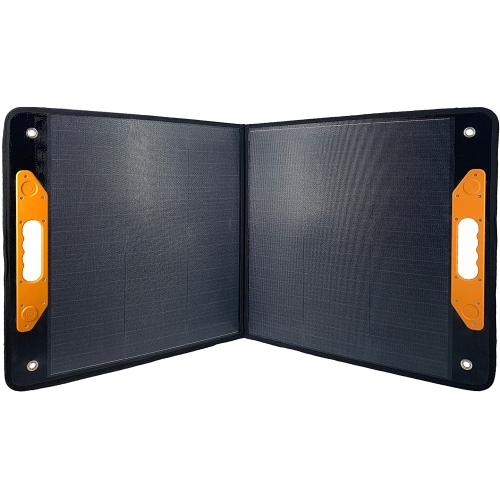
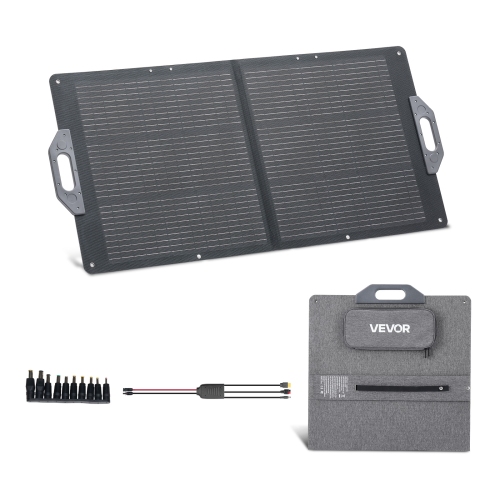
Materials, mounting design, and access for maintenance help distinguish panels intended for a lasting home installation. Many rigid residential panels combine a tempered glass face, an aluminum frame, and a sealed cell assembly. The frame and mounting hardware need to suit one another, with attachment methods appropriate for the roof material or a purpose-built ground structure. Panel dimensions and weight affect handling, spacing, and structural planning; roof vents, chimneys, skylights, and required access clearances reduce the area that can actually be used. A roof nearing replacement also presents a different planning situation from one with a substantial service life remaining, since removing and reinstalling an array adds work. For homeowners with suitable land, ground mounting can offer another layout option, subject to site conditions and local rules. Durability is best assessed through documented construction, certification, installation requirements, and warranty terms rather than appearance alone. A product warranty generally addresses specified defects, while a performance warranty describes a defined level of retained output over time; the two are not interchangeable, and their exclusions deserve attention. Care should follow the manufacturer’s directions, particularly for cleaning methods and approved materials. Abrasive tools, pressure washing, or unsuitable chemicals can damage panel surfaces, seals, or connections. Safe access matters more than keeping every surface spotless, so rooftop cleaning and inspection are better left to appropriately equipped professionals. Monitoring can help identify an unexpected drop in generation, although a change in output does not necessarily mean a panel has failed. Shading, inverter operation, and other system conditions can also be involved. For occasional use with compatible charging equipment rather than a fixed residential installation, Portable Solar Panels offer a different format that can be moved and stored. They are not a substitute for a properly designed whole-home array. The most suitable home solar panels fit the property, the electrical system, and the intended use, with durable construction and clear compatibility information supporting dependable day-to-day operation.
Top selling and popular products
-
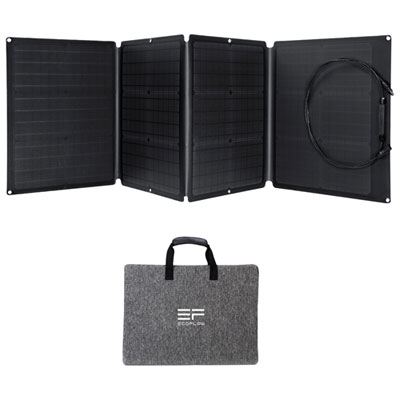 Your price for this item is $301.98
-
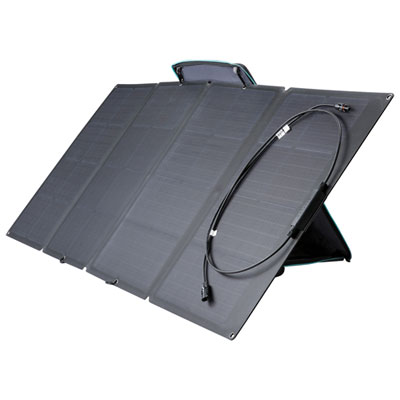 Your price for this item is $401.98
-
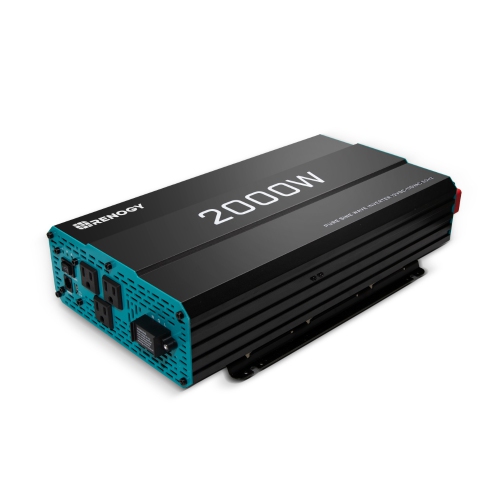 Your price for this item is $464.99
-
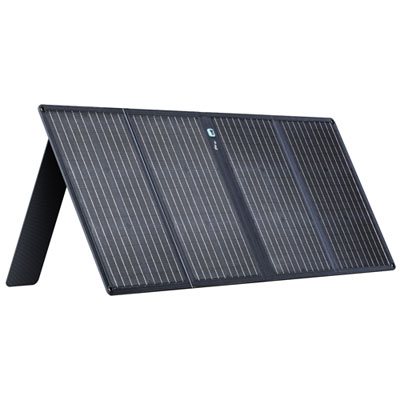 Your price for this item is $399.99
-
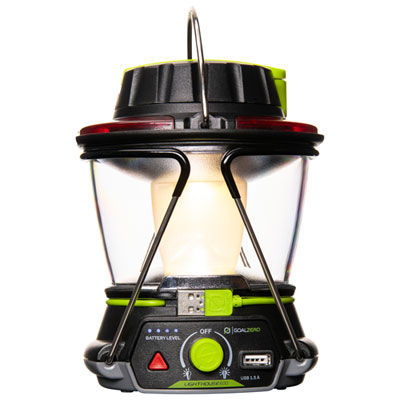 Your price for this item is $99.99
-
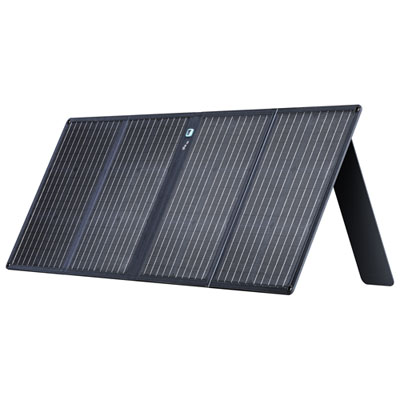 Your price for this item is $439.99
-
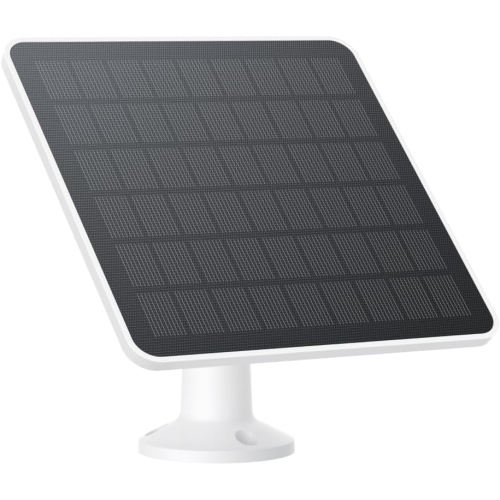 Your price for this item is $69.99
-
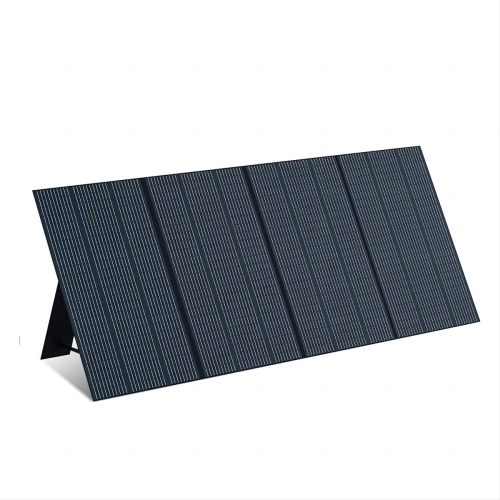 Your price for this item is $999
Discover more categories related to Home Solar Panels
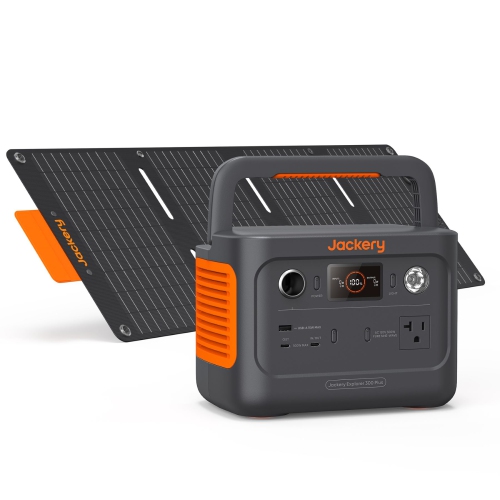
Top Collections:
Pokemon Centers, Best Cameras for Sports Photography, Kindle Devices, Samsung Galaxy Phones, Canon G7X Cameras, Pokémon 30th Celebration Cards, Refurbished Apple Laptops, iPhone 15 Apple, Laptops for Students, Budget Smartphones
Some products may be subject to Environmental Handling Fees
(EHF) depending on your province.
Learn more about EHFs.