Solar Panels
Harness the power of the sun with our selection of solar panels. Whether you're looking to reduce your carbon footprint, lower your energy bills, or simply embrace renewable energy solutions, our range of solar panels offers a sustainable and cost-effective way to generate electricity for your home or business. With various sizes and capacities available, you can find the perfect solar panel system to meet your specific needs and help you take a step towards a greener future.
Sort









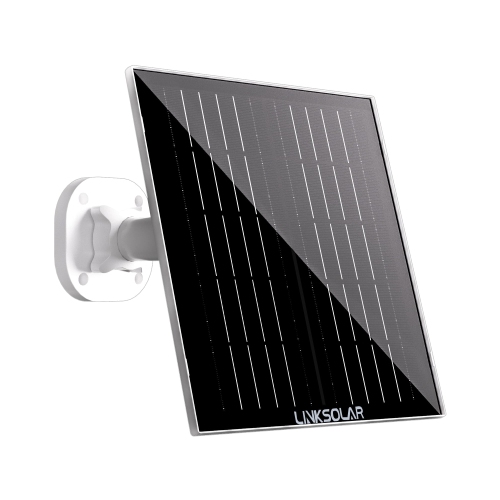
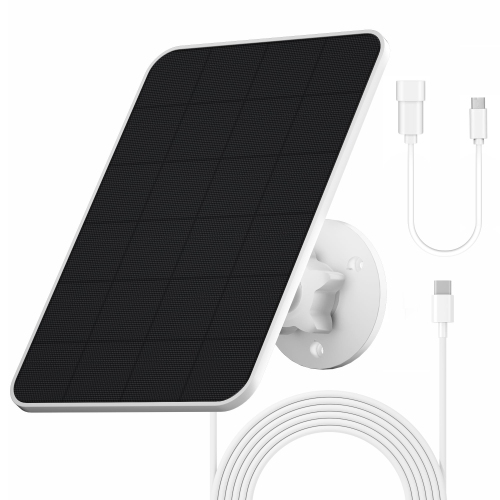
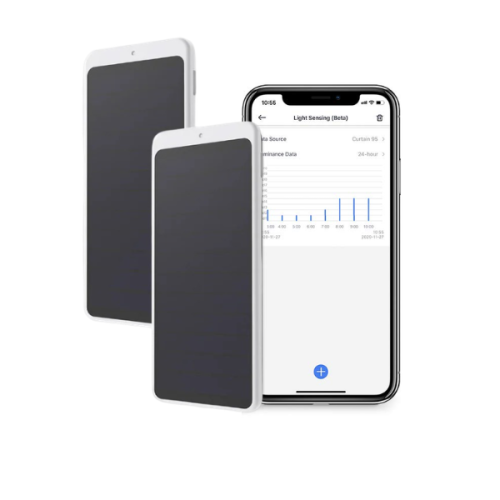
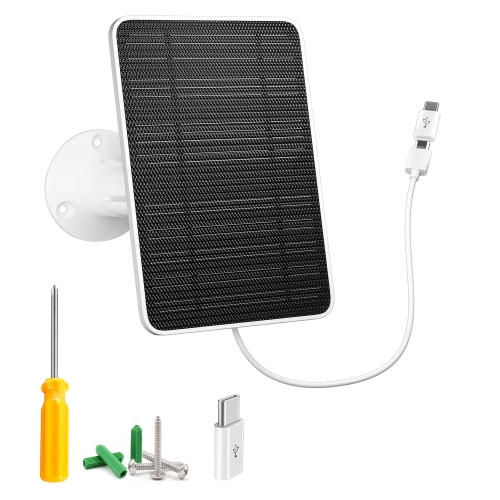
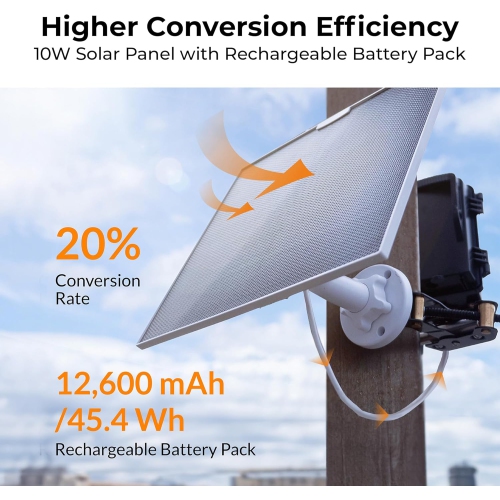
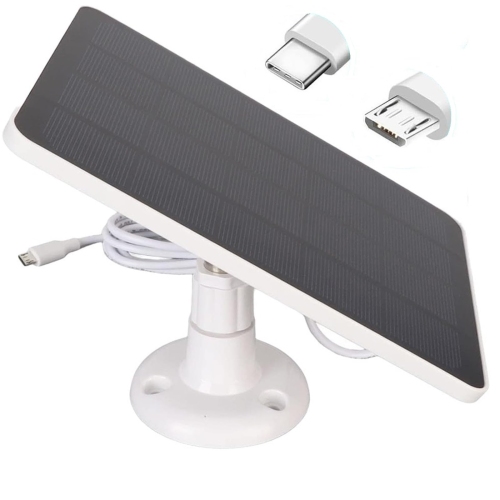
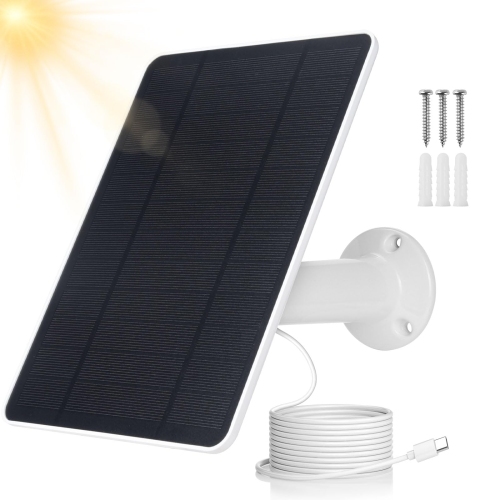
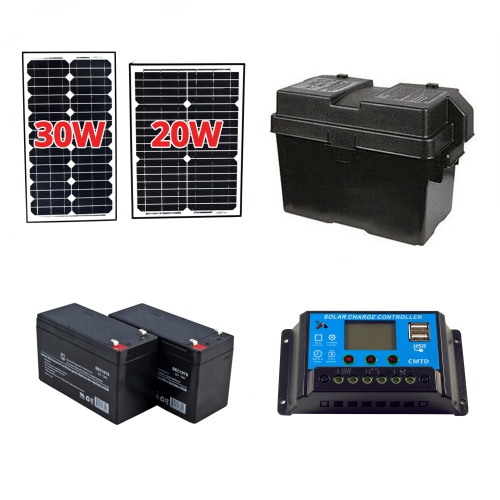

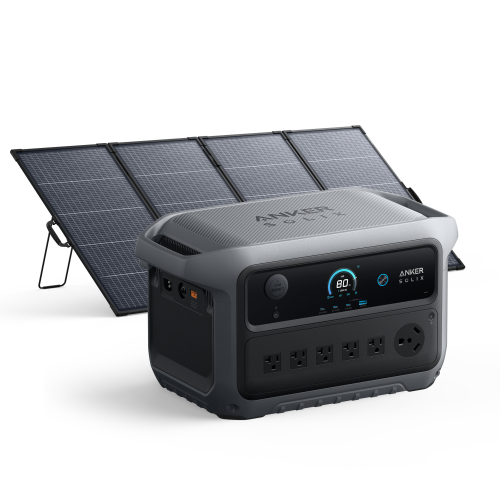
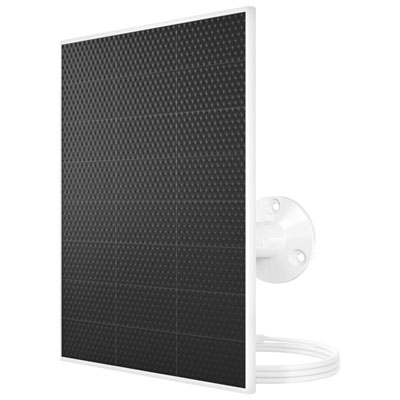
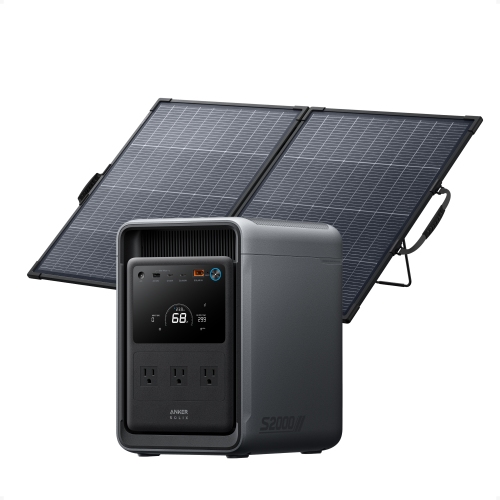









Why panel wattage alone doesn’t tell the whole story
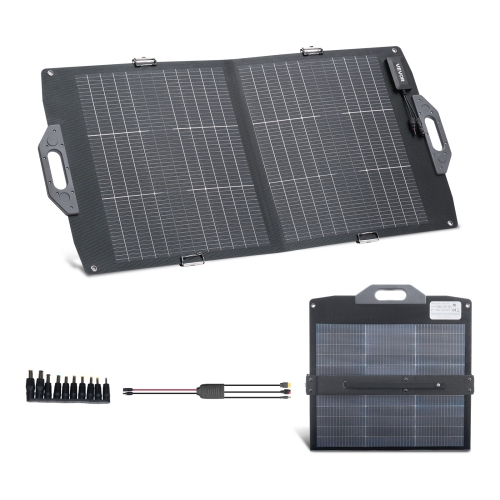
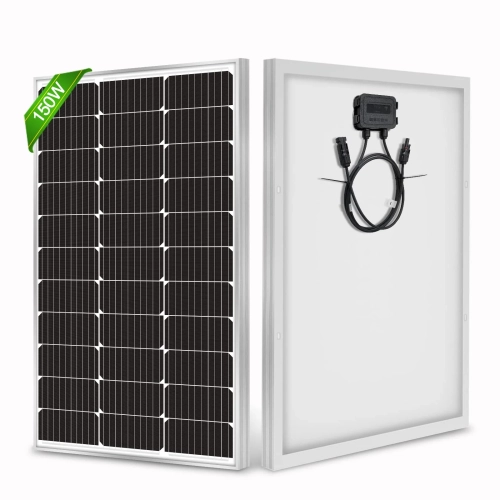
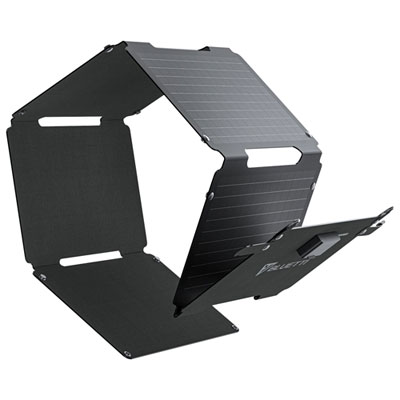
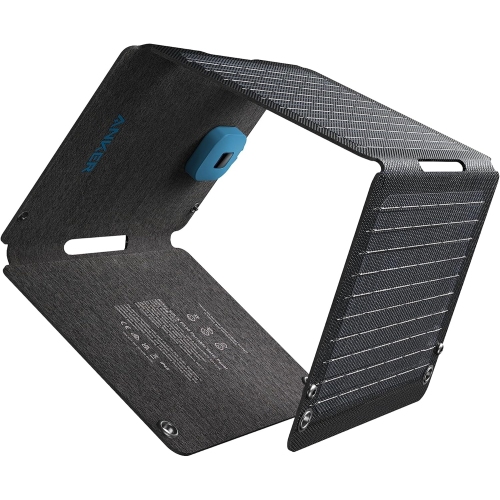
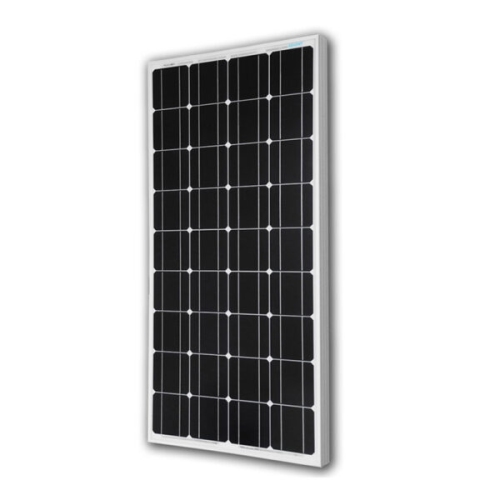
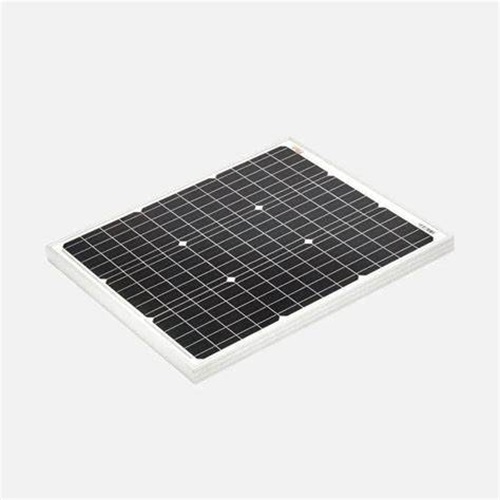
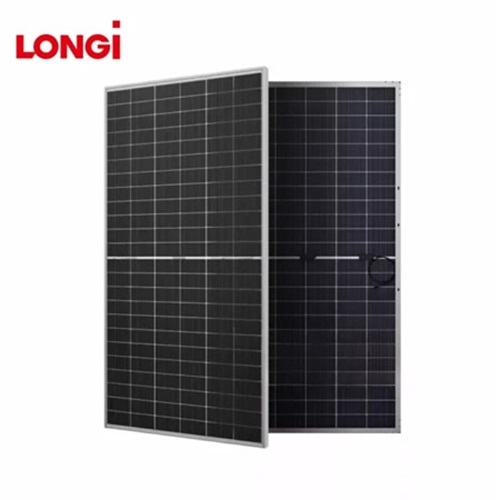
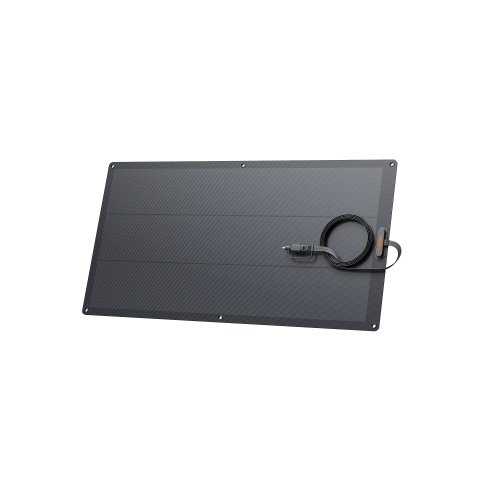
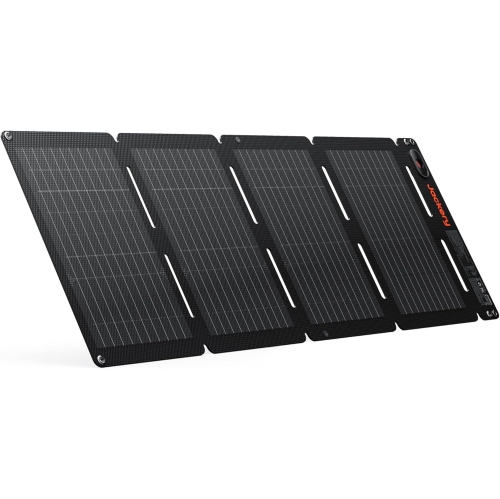
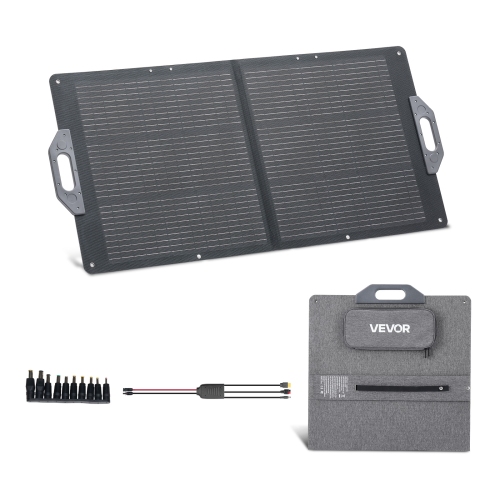
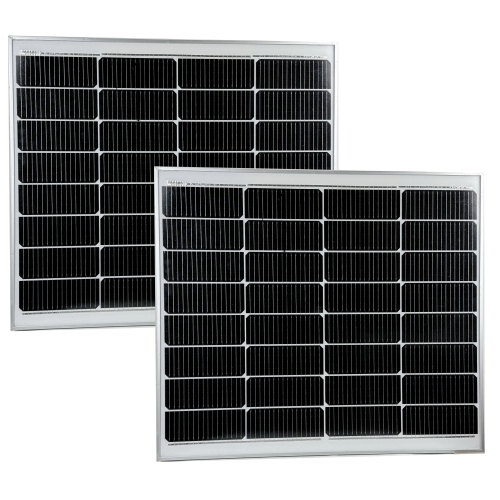
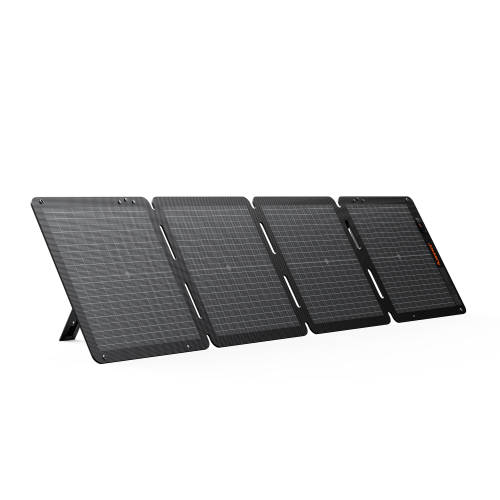
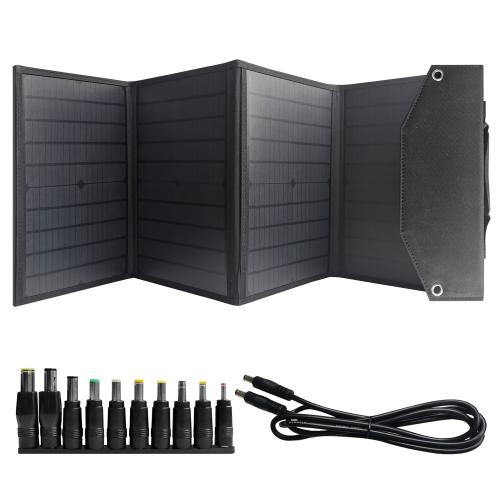
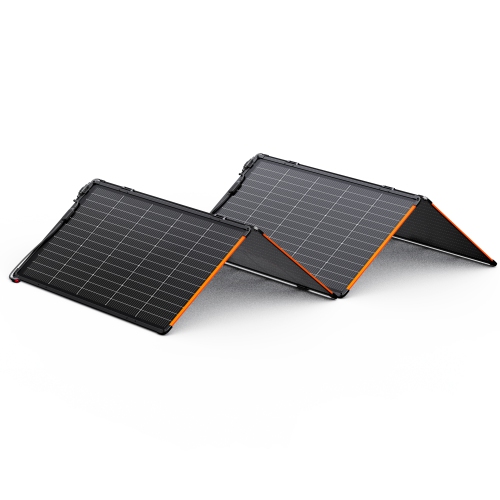
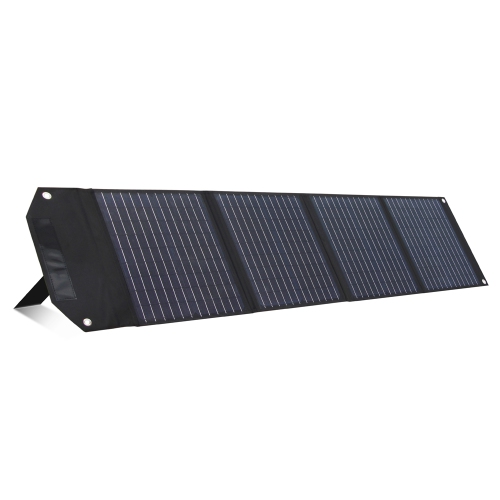
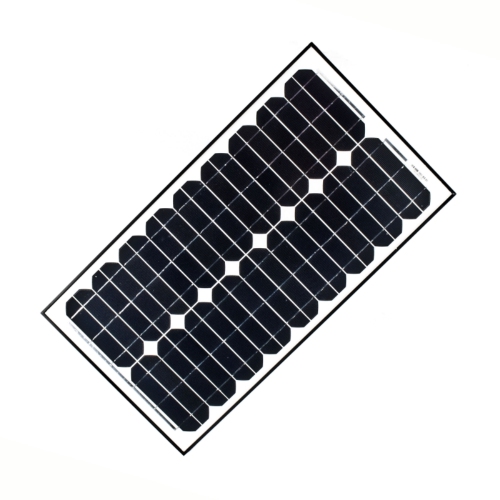
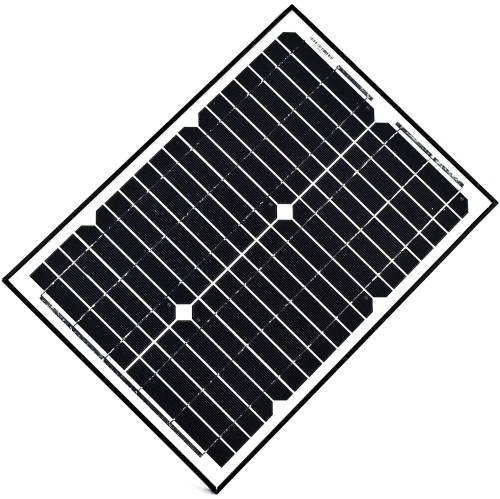
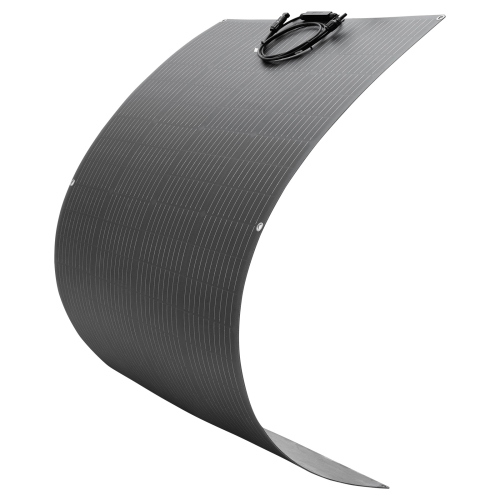
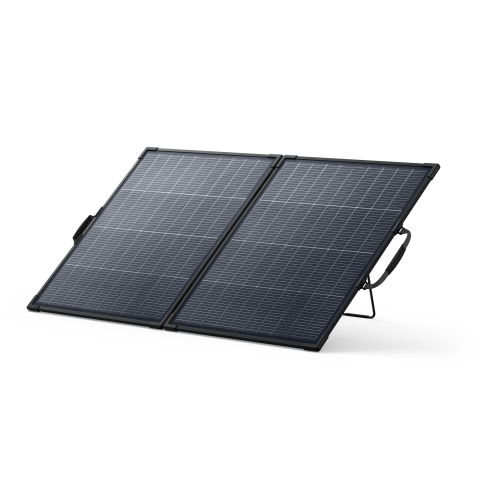
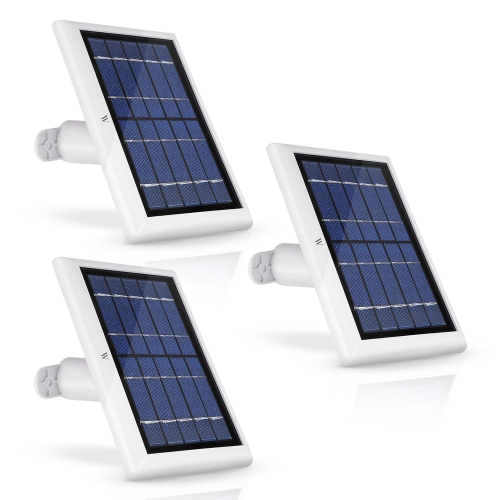
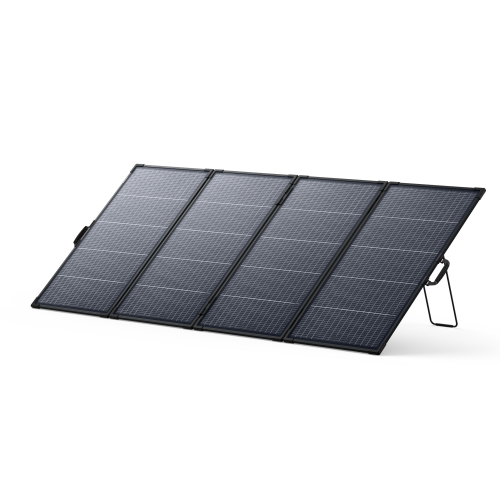
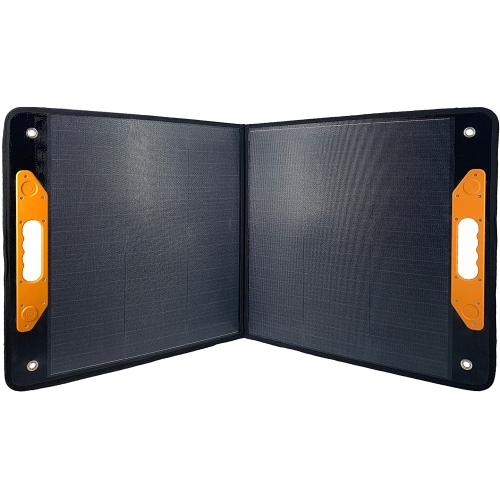
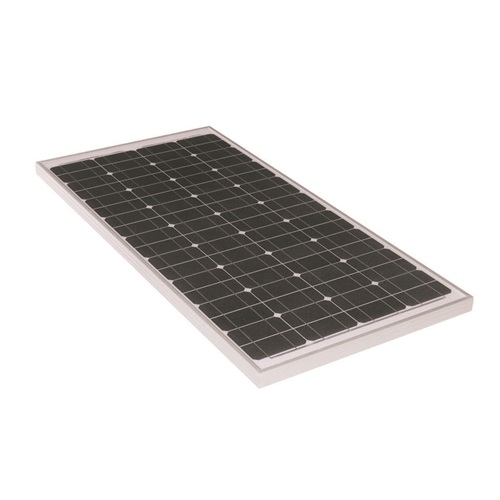
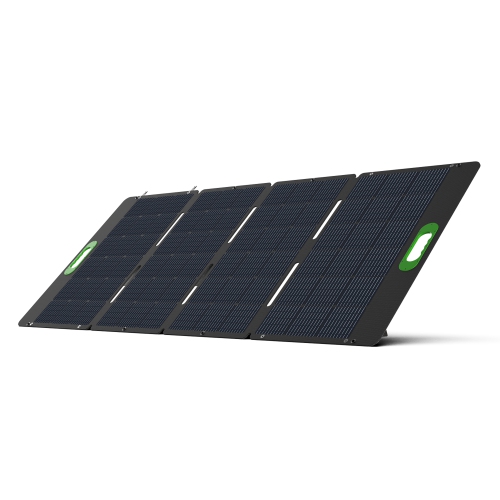
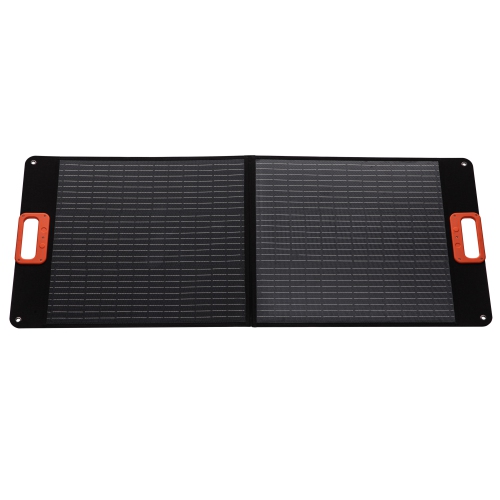
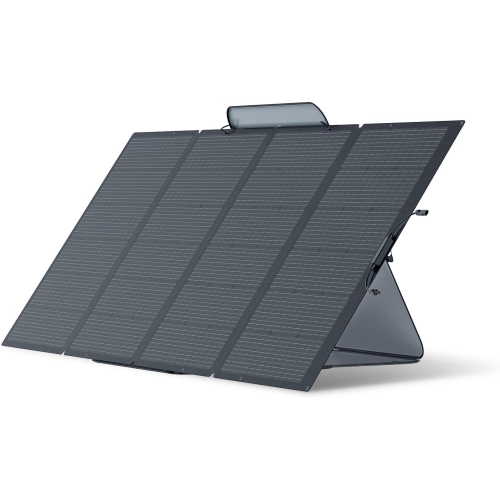
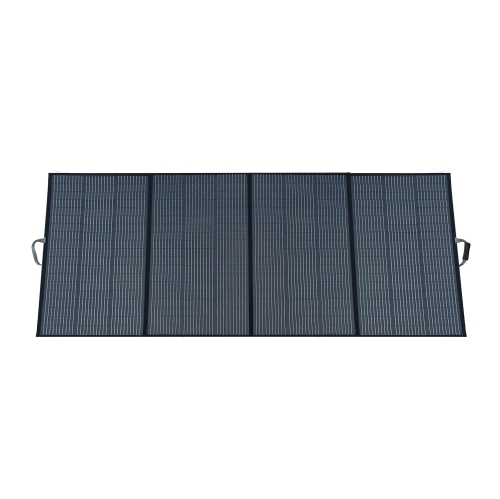
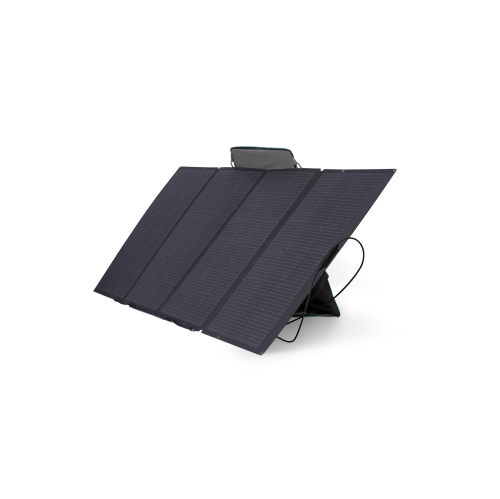
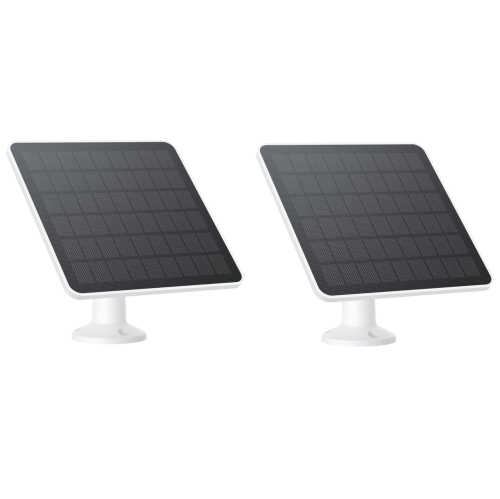
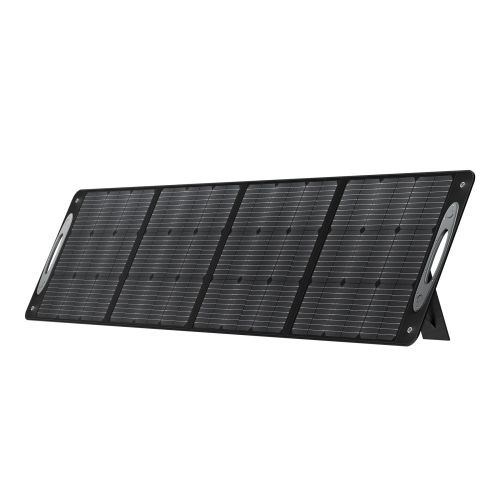
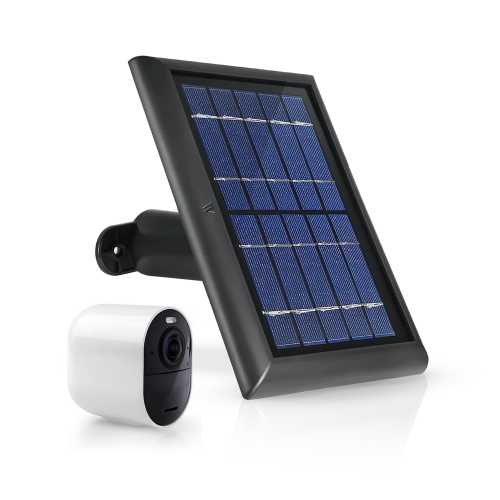
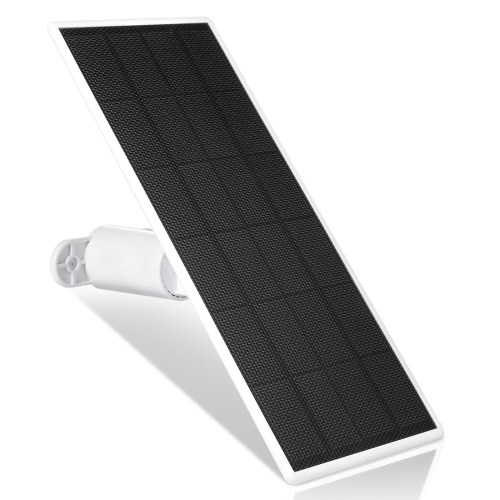
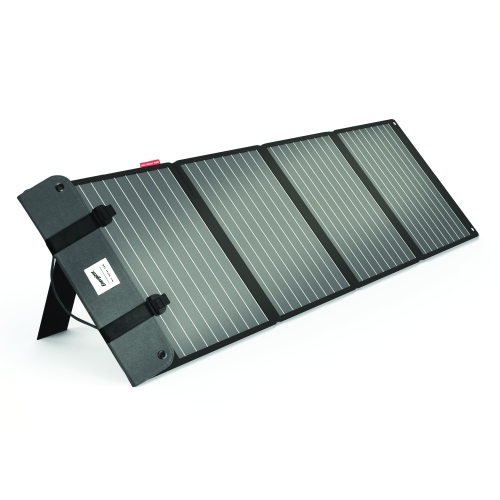
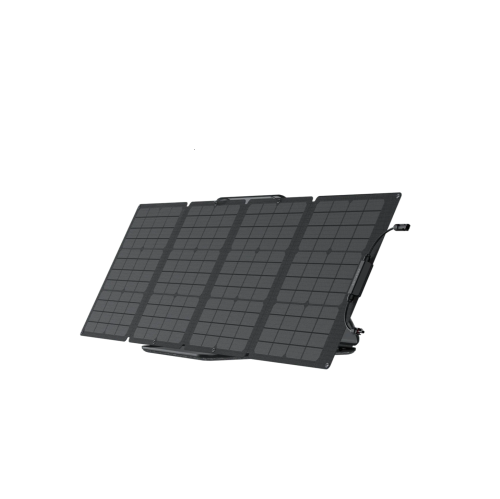
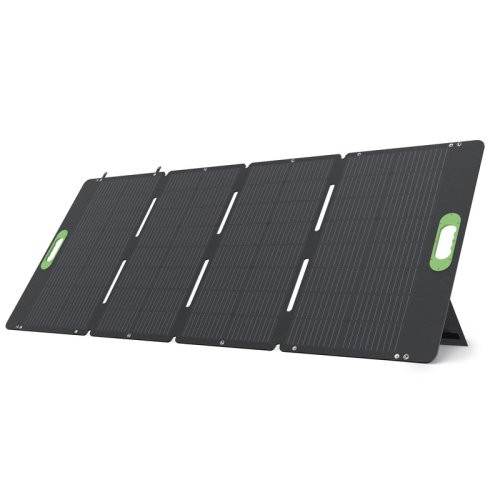
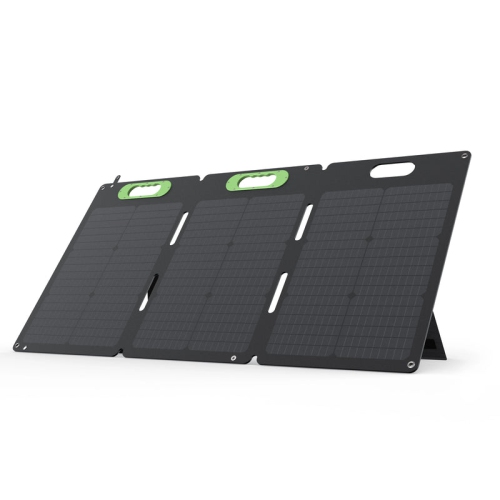
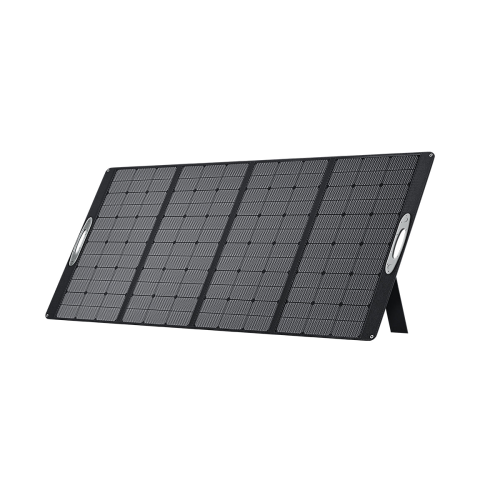
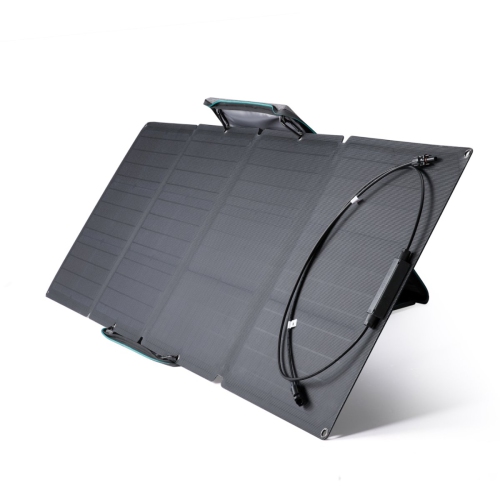
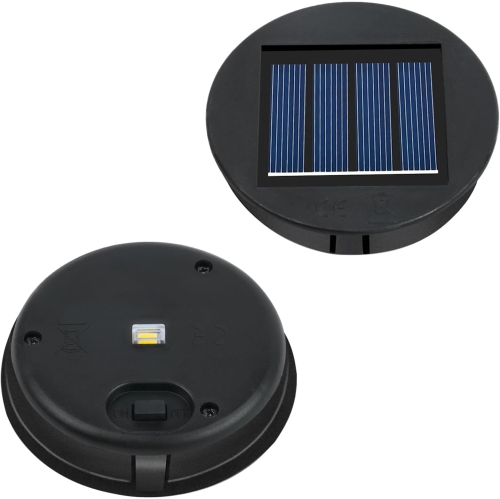
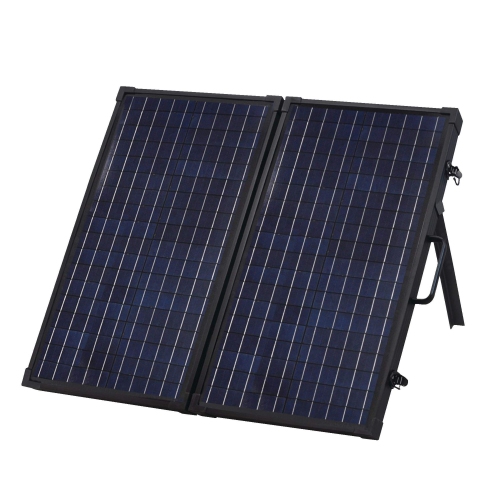
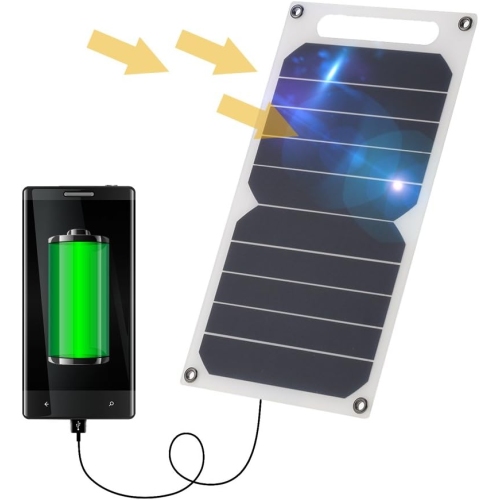
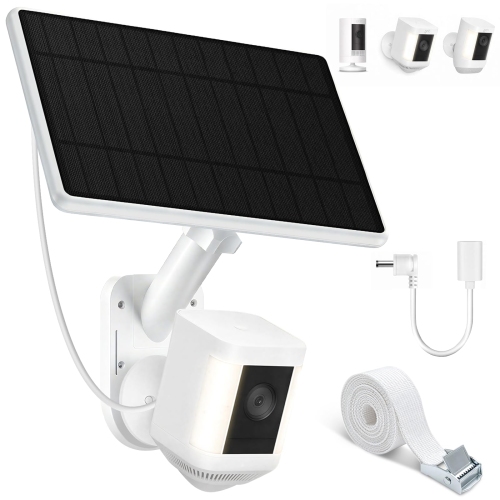
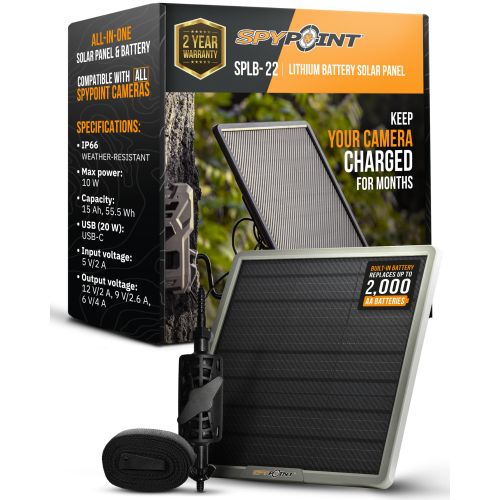
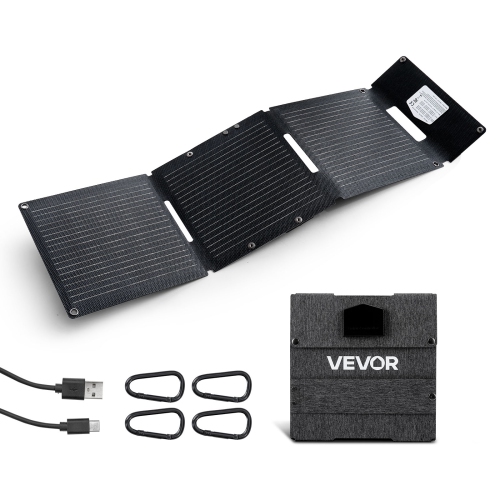
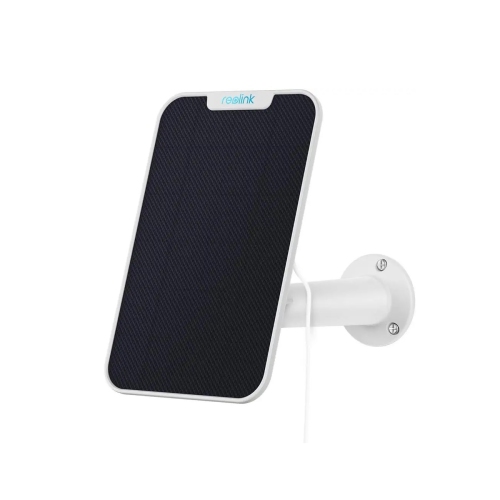
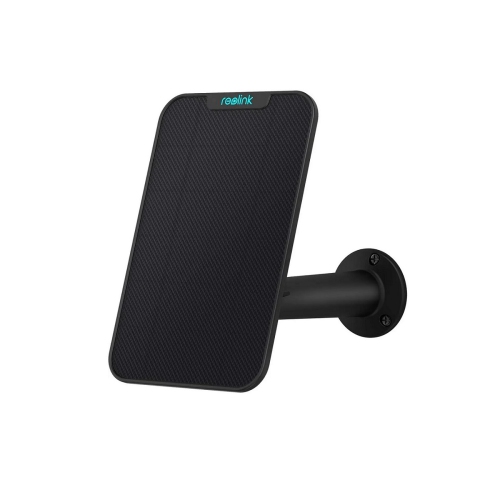
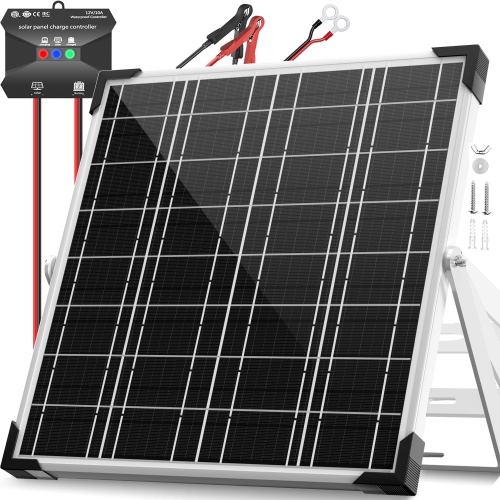
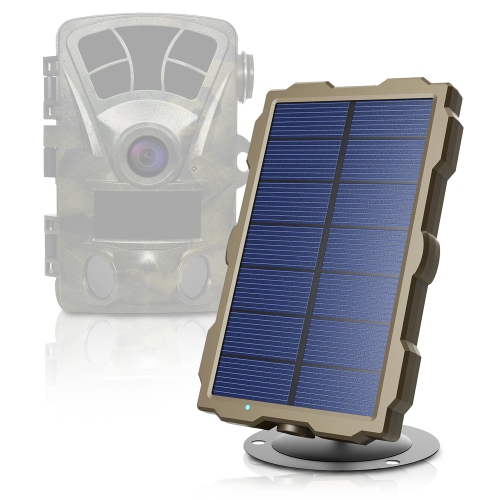
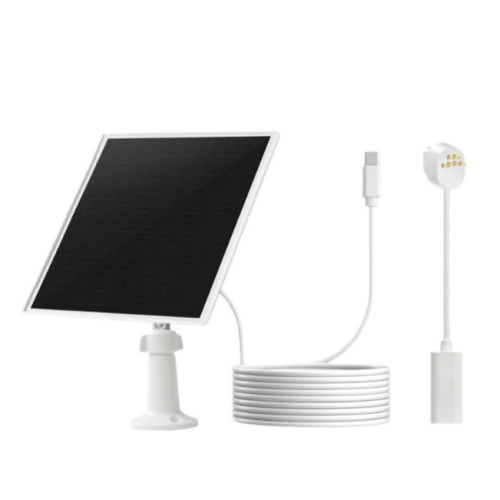
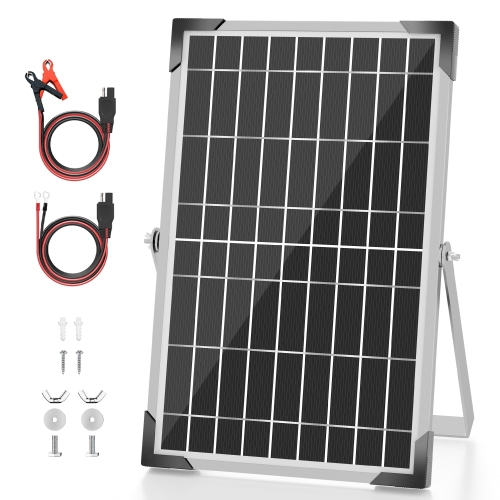
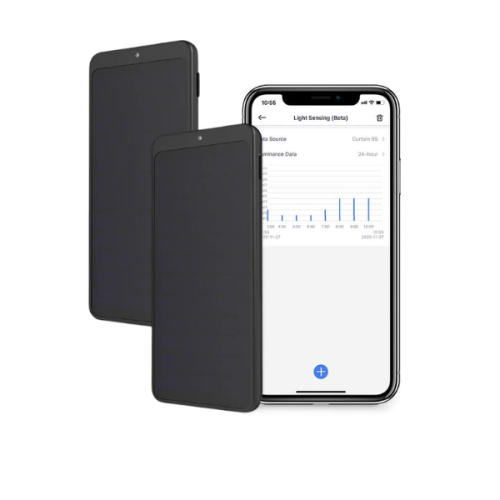
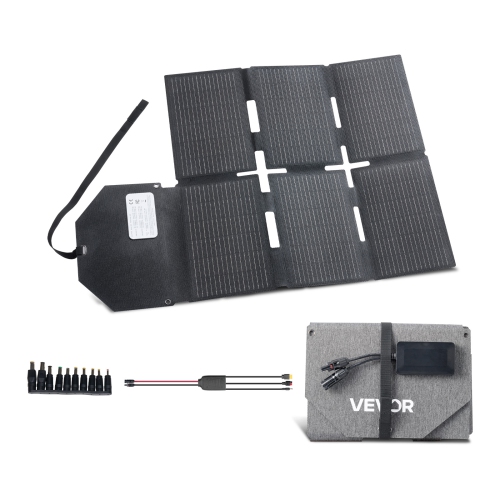
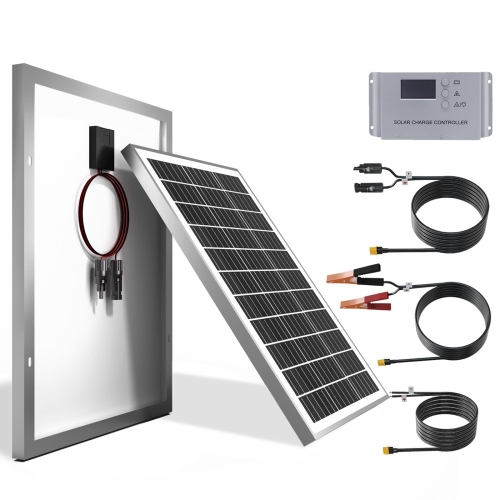
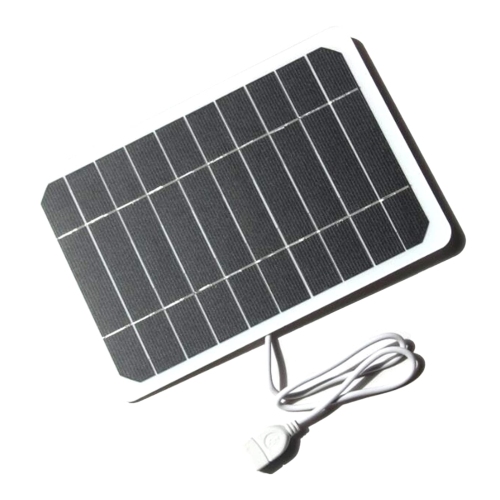
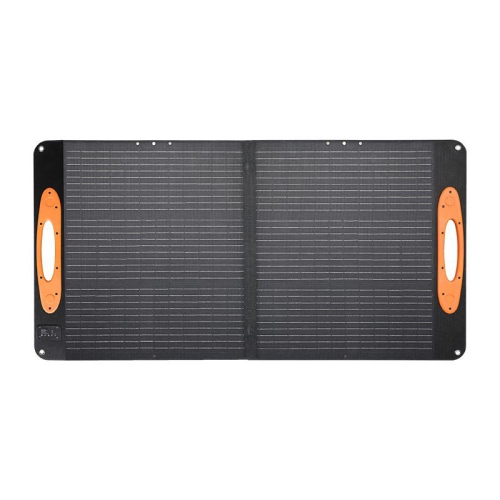
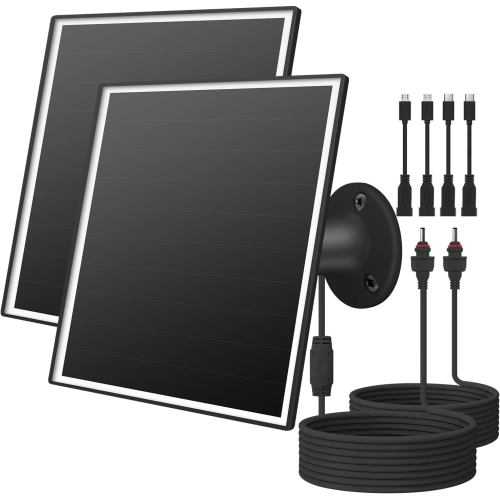
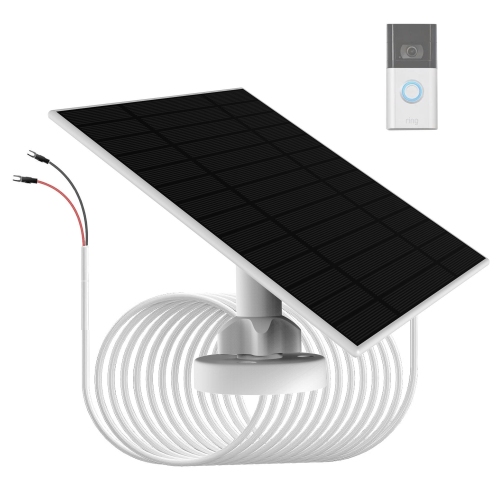
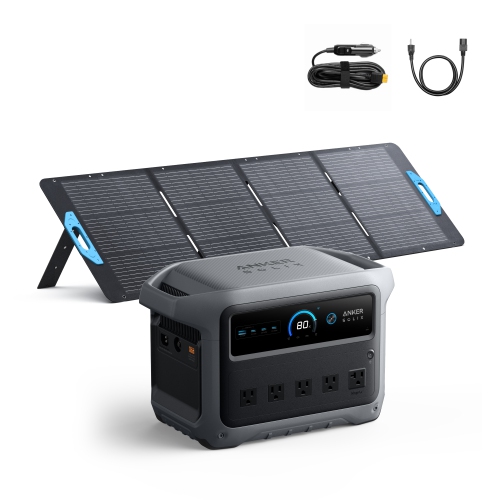
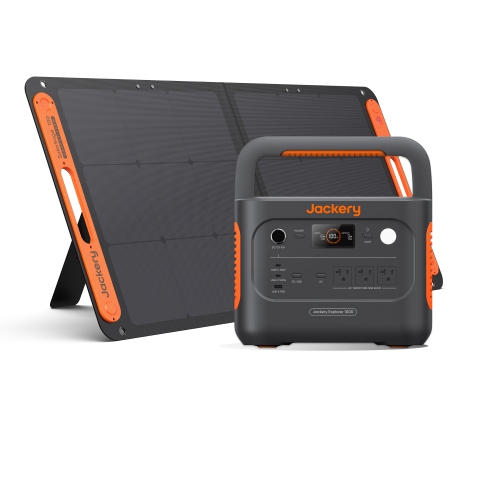
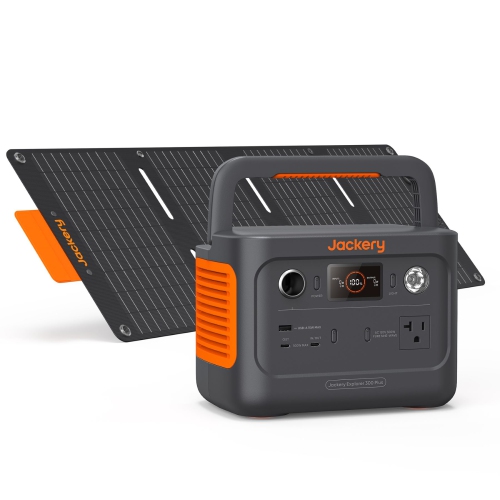
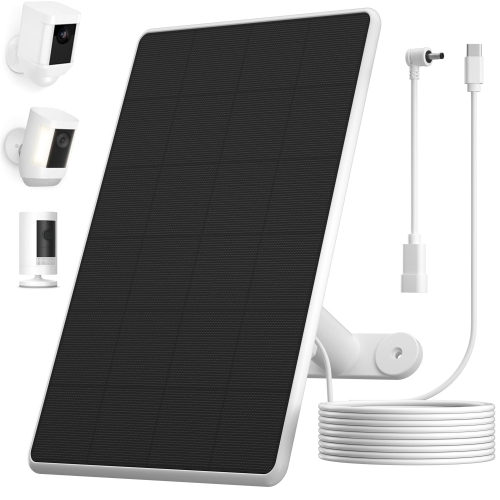
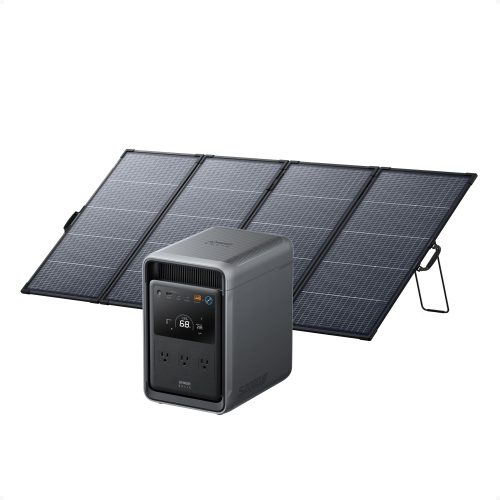
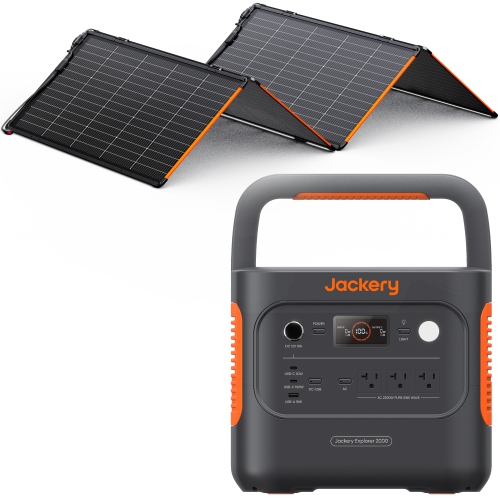
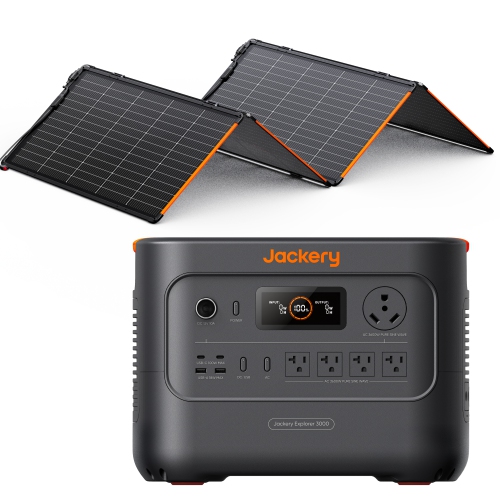
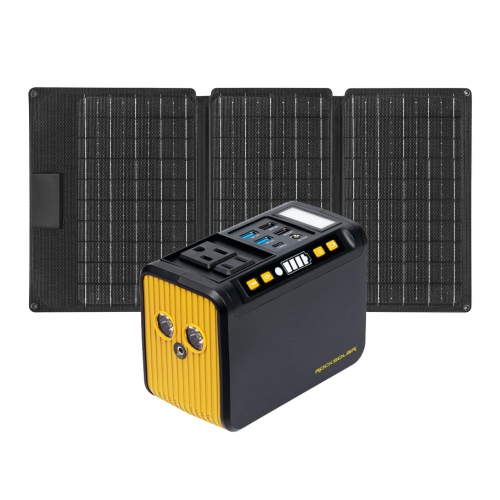
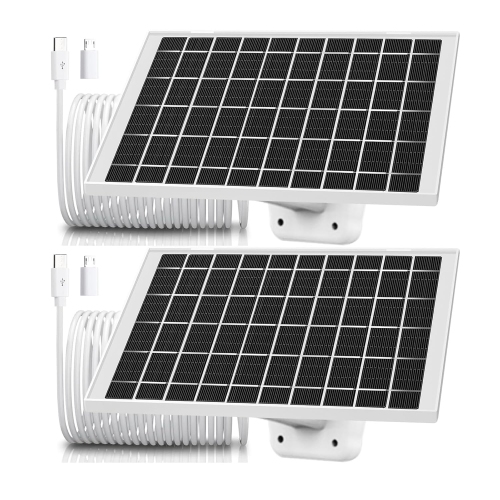
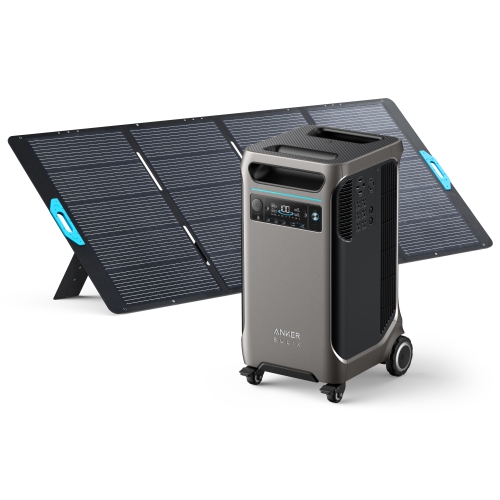
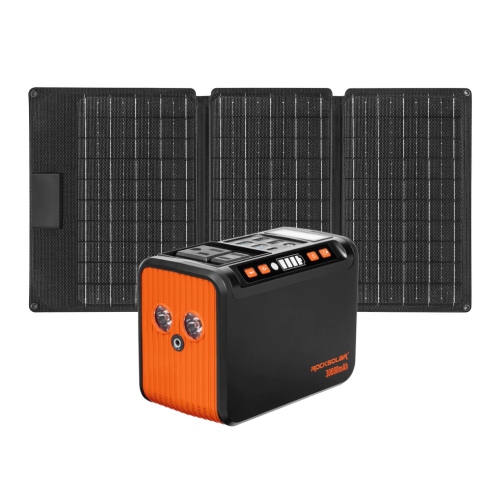
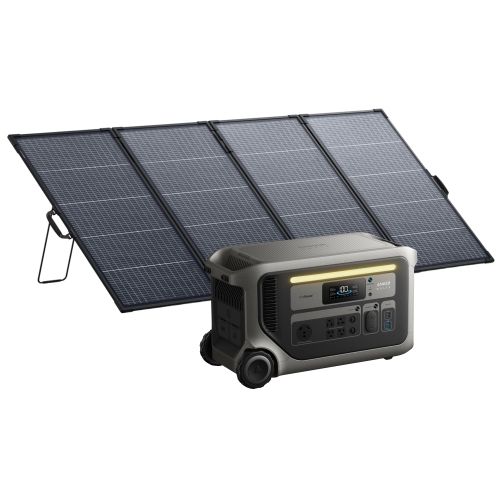
Solar panels convert sunlight into direct current (DC) electricity through photovoltaic cells, usually made from silicon. That electricity can charge a compatible battery or power suitable DC equipment; an inverter converts it into alternating current (AC) for household appliances and other devices that require AC power. The panel itself does not store electricity, so a setup intended to provide power after daylight hours needs battery storage. Solar panels serve a range of purposes, from charging a portable power station at a campsite to supplying an off-grid cabin or forming part of a professionally installed home system. Their construction helps determine where they fit best. Rigid solar panels commonly combine photovoltaic cells with a protective glass surface and an aluminium frame, creating a stable structure for fixed mounting on a roof, rack, or suitable vehicle installation. Portable solar panels often fold into a carrying format and include supports that hold them at an angle, making them practical for temporary setups where easy transport matters. Flexible panels can accommodate some gently curved surfaces, but their permitted bending radius and installation requirements vary. A flexible design should not be assumed to tolerate folding or repeated bending unless the manufacturer specifically allows it. Monocrystalline and polycrystalline describe different forms of crystalline silicon cell construction, while thin-film panels use photovoltaic materials deposited in thin layers. Monocrystalline designs generally offer higher conversion efficiency than polycrystalline designs, although actual performance depends on the complete panel and its operating conditions. Higher efficiency means more electricity can be generated from a given surface area, which can be useful on a compact mounting space or when carrying dimensions are limited. For an RV owner, usable roof space and secure mounting may shape the choice; for a camper, folded size, carrying weight, and compatibility with a portable power station may matter more. The most suitable format connects the intended use with the available space, the equipment being powered, and the amount of handling the panel will receive.
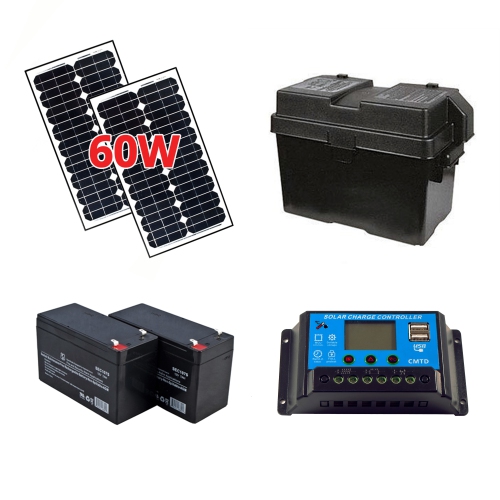
A panel’s rated wattage describes its output under standardized test conditions, not a guaranteed level of power throughout the day. Actual output depends on the sunlight reaching the cells, the panel’s orientation, shading, and losses elsewhere in the electrical setup. Even a narrow shadow from a nearby branch, railing, or roof fitting can reduce production, so an unobstructed placement is important. Adjustable supports on portable panels make it easier to aim the surface towards the sun, while fixed installations need a suitable position and mounting angle from the outset. Wattage and watt-hours describe different things: watts measure power at a particular moment, while watt-hours measure energy produced or used over time. A device drawing 50 watts for four hours uses approximately 200 watt-hours before accounting for conversion losses. This distinction helps explain why charging a phone, running several lights, and powering a larger appliance place very different demands on the same setup. Panel wattage alone also does not establish compatibility with a battery or power station. The receiving equipment has limits for input voltage, current, and total solar input, and those limits must match the panel configuration. Connector shape is only one part of the connection; polarity and electrical specifications matter too. Linking panels in series raises the combined voltage, while a parallel arrangement raises the combined current, so adding panels requires attention to the receiving equipment’s limits and the manufacturer’s permitted configurations. A charge controller manages the electricity delivered to a battery, and many portable power stations include this function internally. Maximum power point tracking, commonly called MPPT, is a controller feature that helps draw usable power from the panels as their output changes. For applications that need coordinated generation, storage, and power conversion, Solar Power Systems provide context for how these components work together. A complete setup depends on compatible components rather than panel wattage alone, including appropriate cables, any required adapters, suitable protective devices, and an inverter sized for the equipment it will supply.
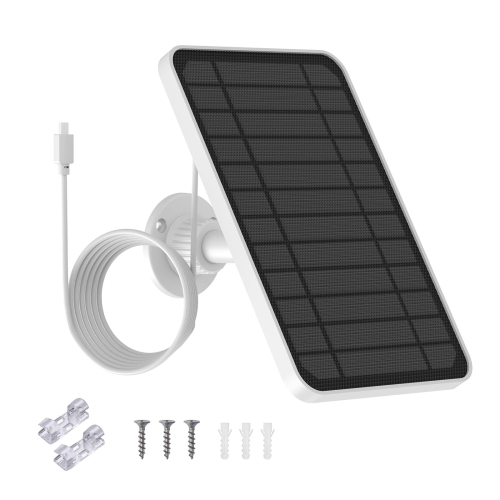
Materials, mounting details, and care requirements influence how comfortably solar panels fit into everyday use. A rigid frame offers a defined mounting structure, but the supporting surface and mounting hardware still need to suit the panel’s dimensions and weight. On a vehicle, secure attachment and properly routed cables are especially important because movement and vibration place demands on the installation. A foldable panel is easier to pack away between uses, though its hinges, fabric sections, carrying handles, and attached leads deserve the same attention as the photovoltaic surface. A durable carrying case can help protect a portable panel during transport, and storage should keep sharp objects and heavy gear away from its face. Flexible panels require particular care around bending limits and mounting methods; some need spacing or ventilation beneath them, while others have different attachment requirements. Surface protection and an ingress protection rating can help describe resistance to dust or water, but those specifications may not apply equally to the panel, connectors, controller, and attached accessories. Electrical connections should remain protected according to the instructions for each component. Routine care usually centres on keeping the light-receiving surface clear of dirt and residue without damaging its coating. A soft cloth and a cleaning method approved by the manufacturer are preferable to abrasive pads or harsh chemicals, and panels should be disconnected as directed before cleaning or maintenance. Cables should be checked for damaged insulation, strained connections, and routing that could allow pinching or abrasion. For fixed home installations, structural suitability, electrical work, permits, and utility connection requirements belong with qualified professionals. A grid-connected solar installation does not necessarily supply electricity during a power outage; backup operation requires equipment specifically designed for that purpose. These distinctions matter whether the intended use is a reading light at a cabin, charging camera batteries during a trip, or supporting a larger household installation. For a recipient who enjoys camping or RV travel, a portable solar panel can also be a thoughtful gift when its electrical specifications are confirmed against equipment they already own. Matching construction, capacity, and connections to the intended use helps make solar panels practical, manageable additions to a power setup.
Top selling and popular products
-
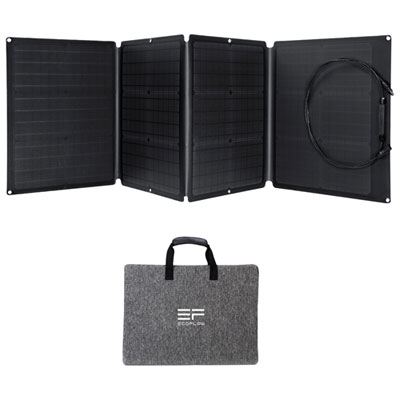 Your price for this item is $301.98
-
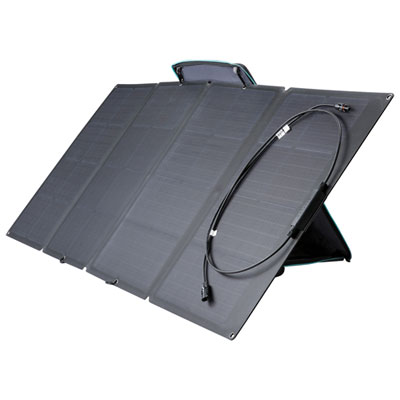 Your price for this item is $401.98
-
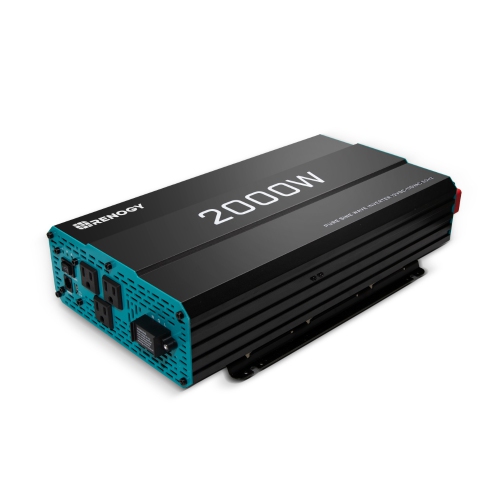 Your price for this item is $464.99
-
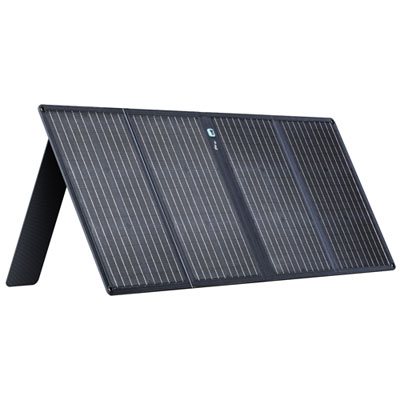 Your price for this item is $399.99
-
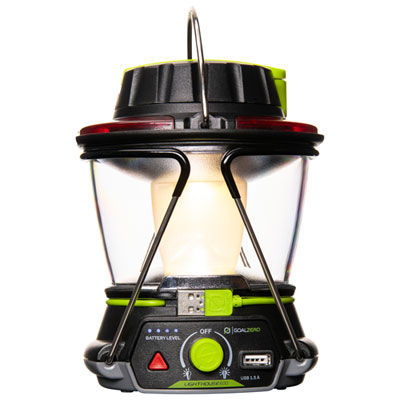 Your price for this item is $99.99
-
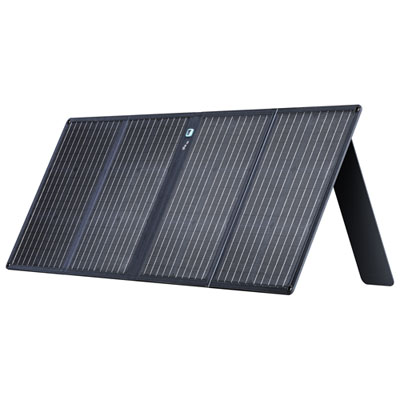 Your price for this item is $439.99
-
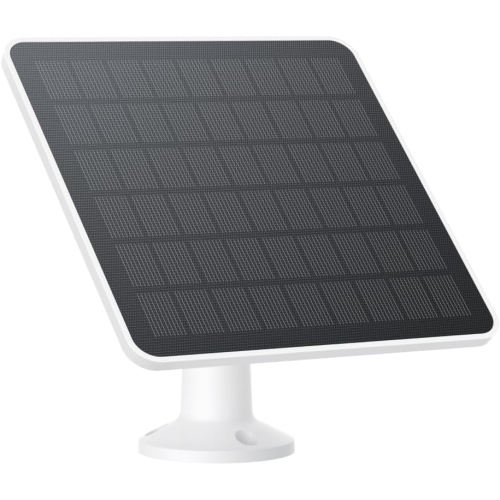 Your price for this item is $69.99
-
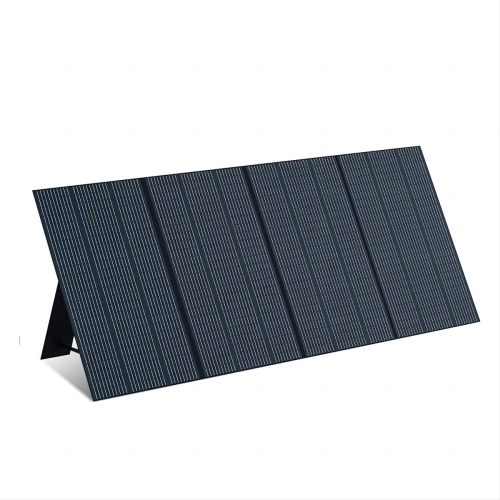 Your price for this item is $999
Discover more categories related to Solar Panels
Top Collections:
Pokemon Centers, Best Cameras for Sports Photography, Kindle Devices, Samsung Galaxy Phones, Canon G7X Cameras, Pokémon 30th Celebration Cards, Refurbished Apple Laptops, iPhone 15 Apple, Laptops for Students, Budget Smartphones
Some products may be subject to Environmental Handling Fees
(EHF) depending on your province.
Learn more about EHFs.