Survival Fire Starters
Survival Fire Starters are essential tools for outdoor enthusiasts, campers, and emergency preparedness kits. Designed to help you confidently ignite a fire in a variety of conditions, these reliable devices make it easier to cook meals, stay warm, and signal for help when needed. Explore a wide selection of Survival Fire Starters that offer dependable performance whether you're on an adventure or preparing for unexpected situations. Find the right option to add peace of mind and convenience to your next outdoor experience.
Sort
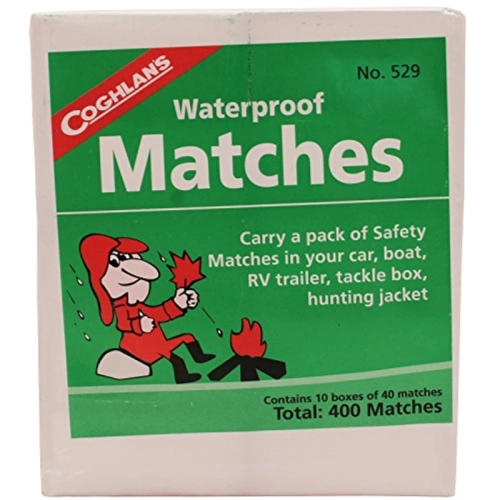

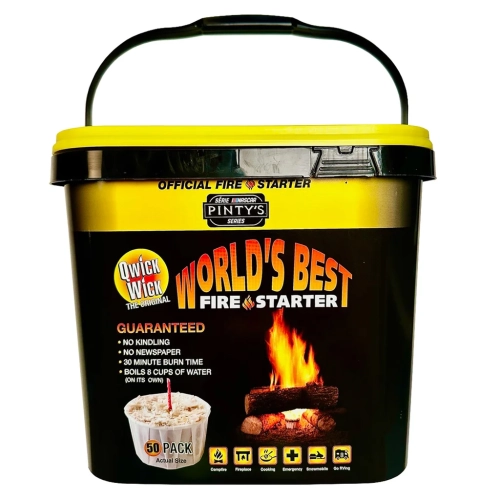
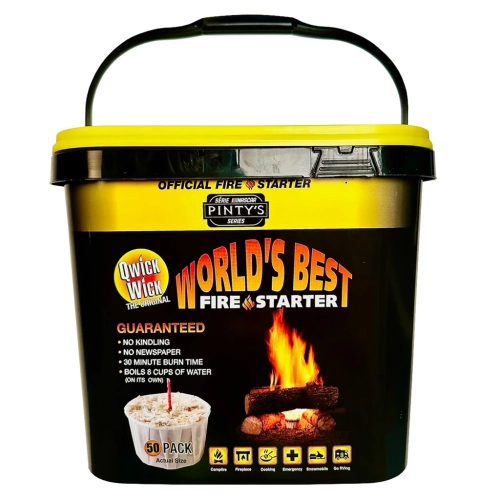

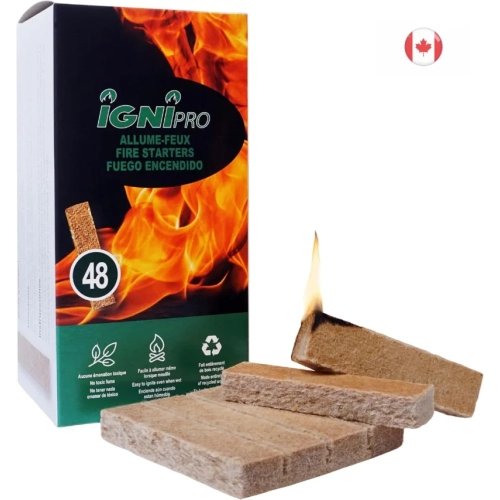
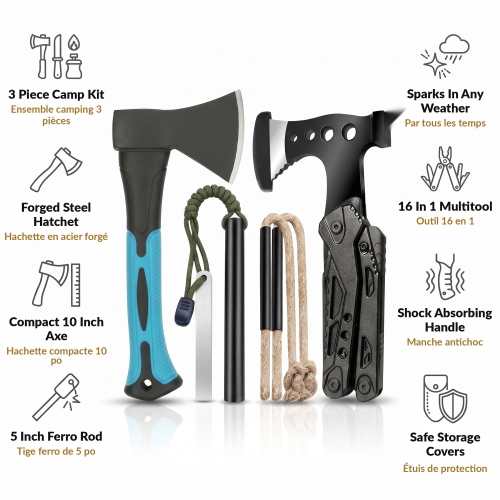
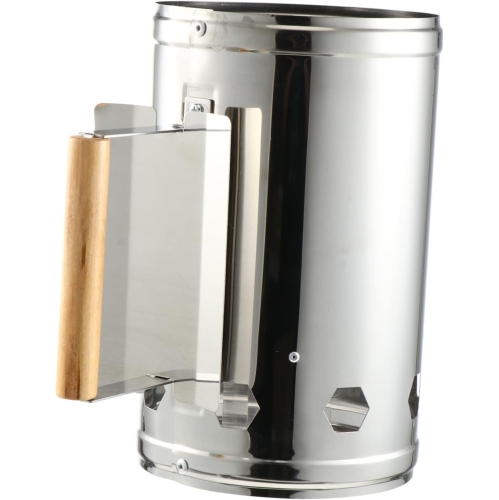
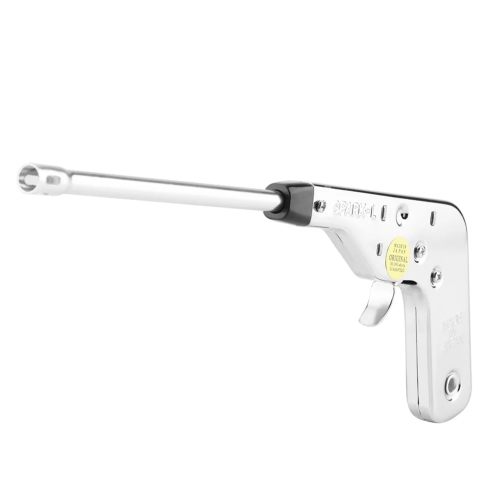

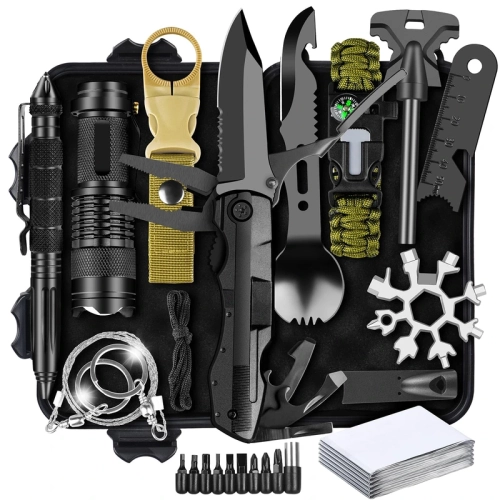

Why a spark needs the right tinder
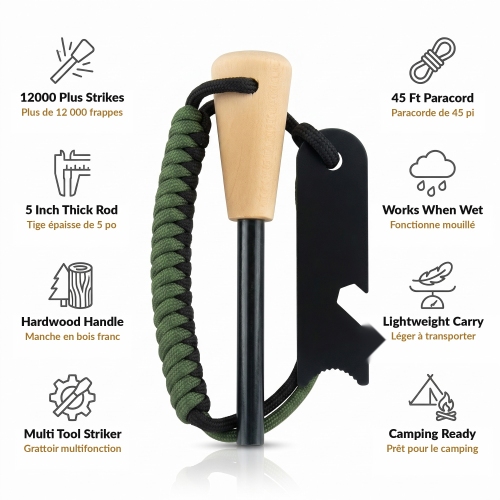
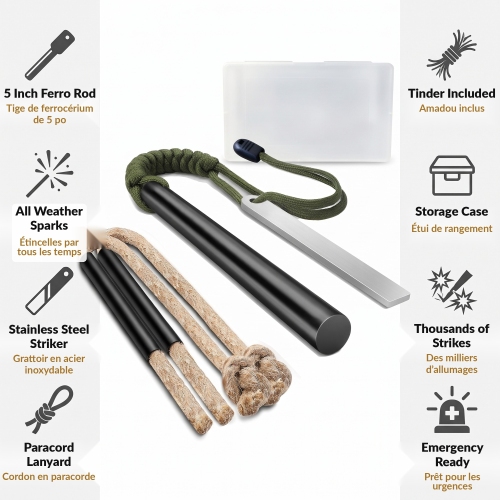
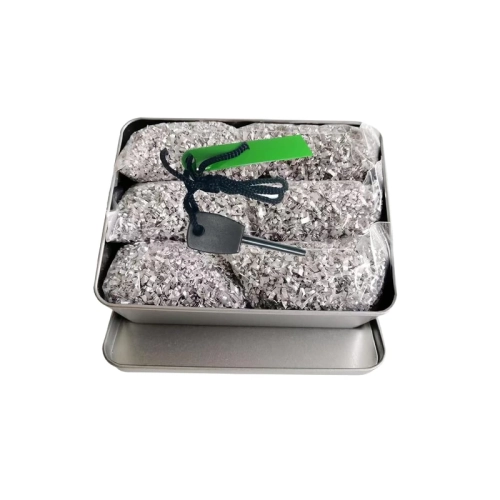
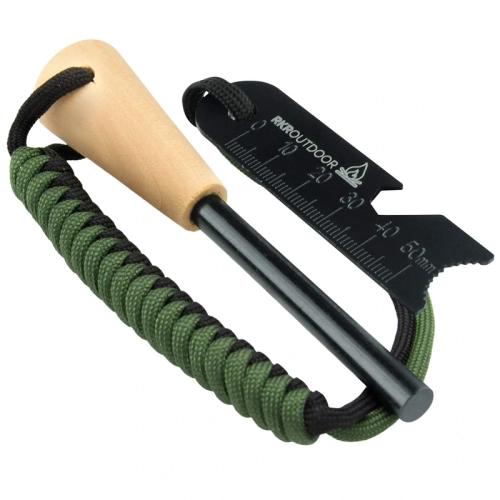
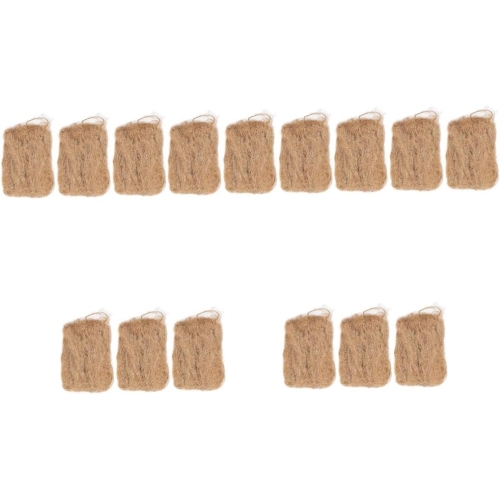
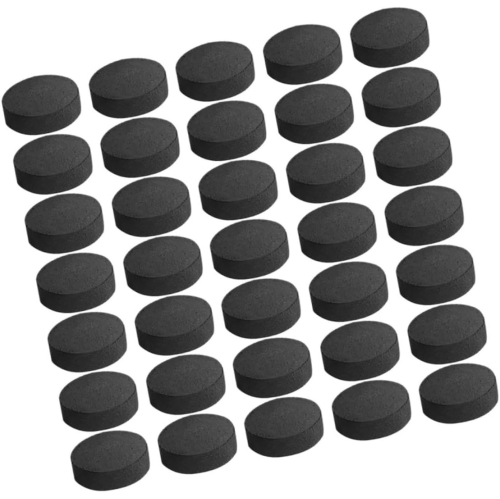
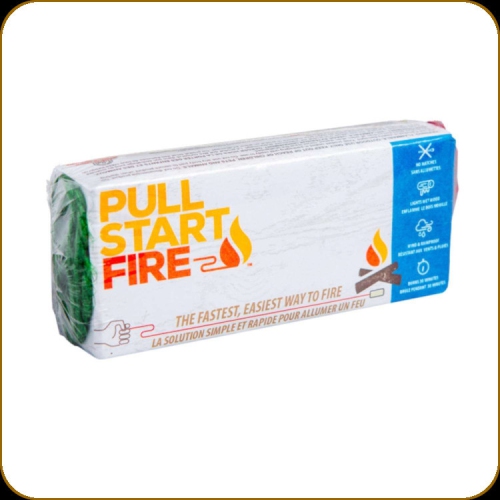
Survival fire starters are compact tools and supplies designed to help get a fire going where it’s safe and permitted, whether at a backcountry campsite or as part of an emergency kit. The main difference between designs is what they provide: a spark, a flame or tinder that keeps burning long enough for small kindling to catch. A ferrocerium rod, often called a ferro rod, produces hot sparks when drawn against a compatible striker. It doesn’t rely on liquid fuel or batteries, and the rod can work after getting wet, although the sparks still need suitable tinder. Some designs pair a ferro rod with a magnesium block, which supplies a separate source of tinder and wears down with use. Prepared tinder, including wax-based blocks and treated fibre tabs, serves a different purpose. It’s meant to catch and hold a flame, but not every formula will ignite from a spark alone. That distinction matters when choosing what to pack together: a long-burning starter that needs an open flame won’t do much good if the only ignition tool in the kit produces sparks. When comparing survival fire starters, look at the stated ignition method before comparing burn time or the number of strikes. A burn-time claim describes how long a piece of tinder is expected to stay lit under specified conditions, while a strike count describes the expected life of the sparking tool. Neither figure tells the whole story. A longer burn gives small kindling more time to catch, but it doesn’t make damp wood behave like dry wood. Likewise, a rod rated for many strikes can last through repeated outings, but that capacity means little if the striker is missing or the tinder is too damp to catch.
Size, grip and packaging make a noticeable difference once a fire starter moves from the gear bin into a pack. For a backpacker counting grams, a slim rod and a small supply of compatible tinder may make more sense than a bulky kit. Someone who regularly handles gear with gloves may prefer a larger handle with enough texture to grip securely. One-handed sparkers are worth a look when ease of operation matters, but check what the claim covers. A tool may produce a spark with one hand even if opening the case or getting the tinder out takes two. For a paddler, the key detail may be whether the tinder itself resists water or depends on a sealed case to stay dry. Check whether any water-resistance claim applies to the tool, the tinder or just the packaging. A rod that still sparks after a soaking doesn’t guarantee that the tinder stored beside it will light. The same distinction applies to wind: a design that can produce sparks in a gust doesn’t necessarily provide a flame that will stay lit long enough for kindling to catch. Fit can be as simple as checking that the case sits in an accessible pack pocket instead of disappearing beneath a tightly packed sleeping bag. A striker attached to the rod is harder to misplace when setting up camp, and a protective case can keep loose tinder from breaking apart or shedding fibres into the rest of the kit. For supplies that stay packed between outings, follow the storage directions, replace used tinder and periodically check that closures still seal and attached parts haven’t come loose.
The best fit depends on how often the fire starter will be used and what it needs to do. On regular camping trips, an easy-to-grip, reusable tool may matter more than shaving a little weight from the pack. For an emergency kit that spends most of its time in storage, clear directions, sturdy packaging and compatible components are more useful than a high strike count alone. Anyone planning to use a starter with a wood-burning stove should check which materials the stove manufacturer permits rather than assuming a starter meant for a campfire is suitable indoors. A compact fire starter can also make a practical gift for someone assembling a first camping kit or an experienced camper replacing worn gear. For a beginner, a straightforward design that pairs the ignition tool with compatible tinder makes it easier to get familiar with both before relying on them away from home. For an experienced camper, a starter that fits an existing kit may be more useful than a larger set that duplicates what’s already packed. Fire starters can sit alongside other Survival Tools in an emergency kit, but a fire isn’t always a safe or permitted option. Check local restrictions before lighting one, even at an established campsite, and don’t use outdoor fire-starting supplies inside a tent or vehicle. Where a campfire is allowed, use a designated fire area when provided, keep water close by and make sure the fire is fully out before leaving. The most useful starter is one that’s easy to find, comfortable to handle and matched to the tinder and kindling it’s meant to light.
Top selling and popular products
-
 Your price for this item is $44.95
-
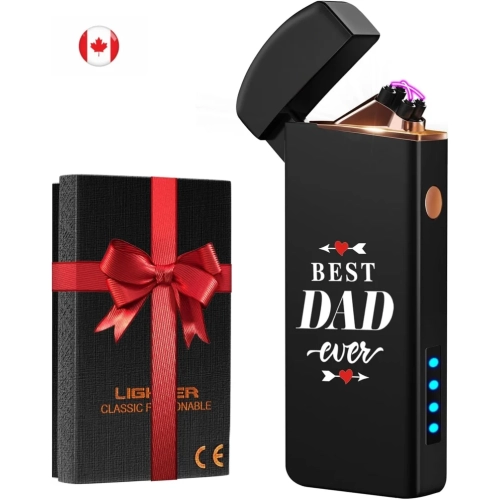 Your price for this item is $19.99
-
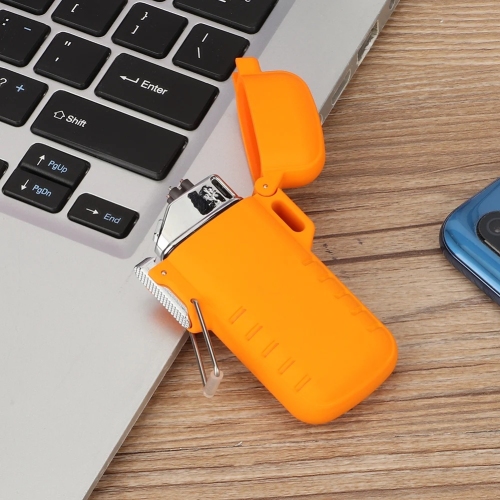 Your price for this item is $22.56
-
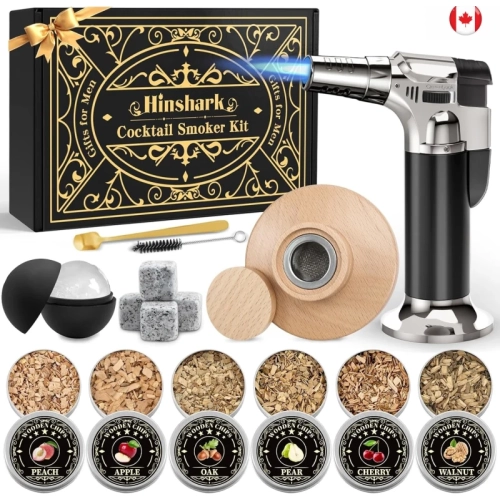 Your price for this item is $59.99
-
 Your price for this item is $26.96
-
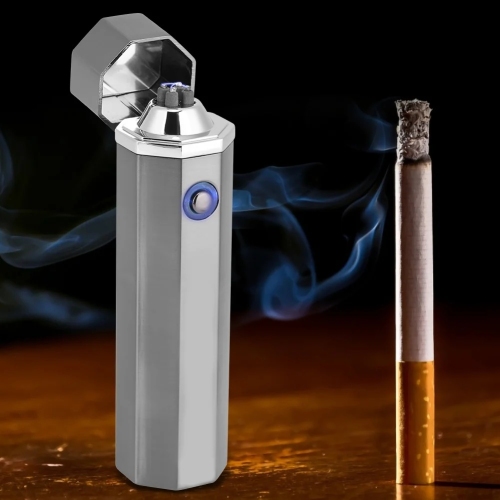 Your price for this item is $26.45
-
 Your price for this item is $22.56
-
 Your price for this item is $22.56
Discover more categories related to Survival Fire Starters

Top Collections:
Best Black Friday Deals This Year, Best Black Friday Deals On Electronics, Kindle Devices, Pokemon Centers, Best Black Friday Deals On Apple Products, Best Cameras for Sports Photography, Dyson Airwrap, Pokémon 30th Celebration Cards, Apple iPhone 17 Pro, Canon G7X Cameras
Some products may be subject to Environmental Handling Fees
(EHF) depending on your province.
Learn more about EHFs.