Swimming Pool Basketball Hoops
If you're looking to take your poolside fun to the next level, look no further than these swimming pool basketball hoops. Whether you're hosting a summer party or simply want to add some excitement to your daily swim, these basketball hoops are the perfect addition to almost any pool. With their durable construction and adjustable heights, they cater to players of all ages and skill levels.
Sort
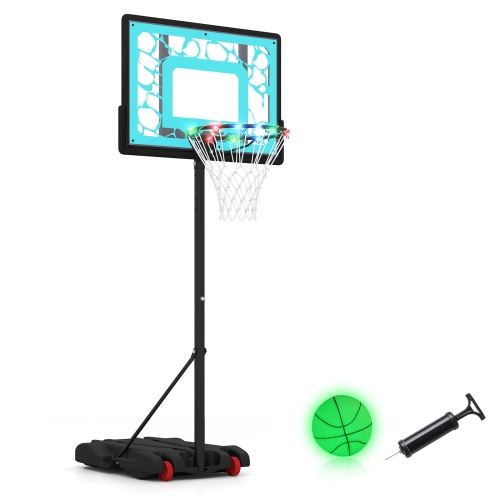
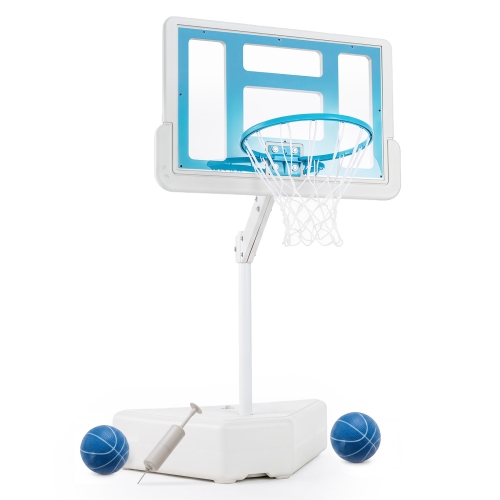
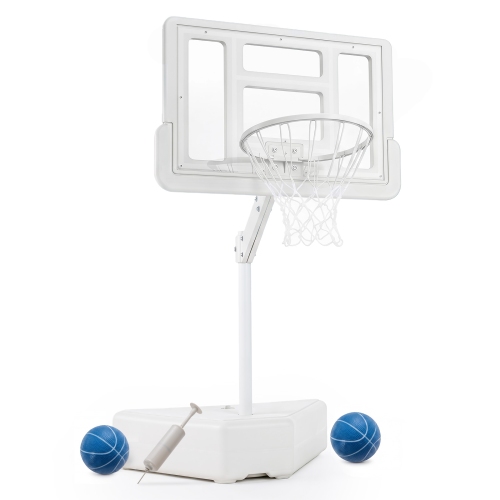


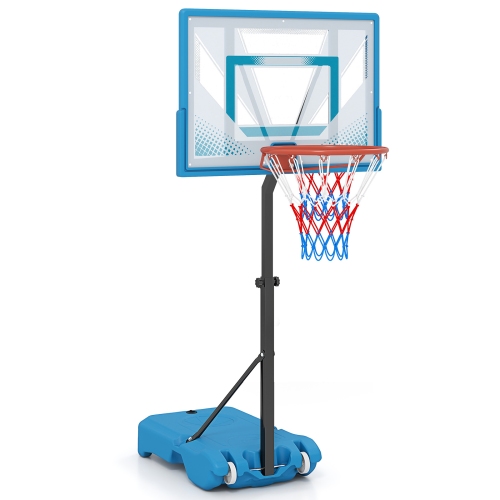


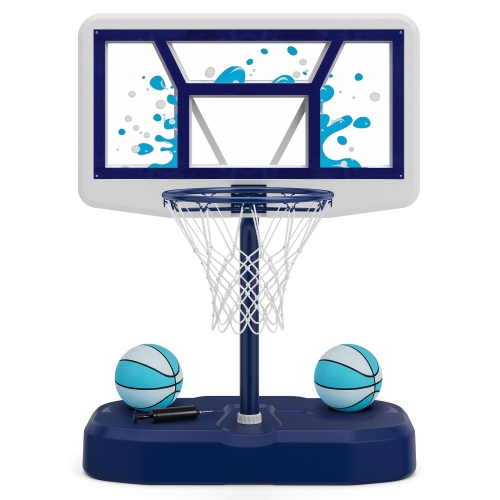
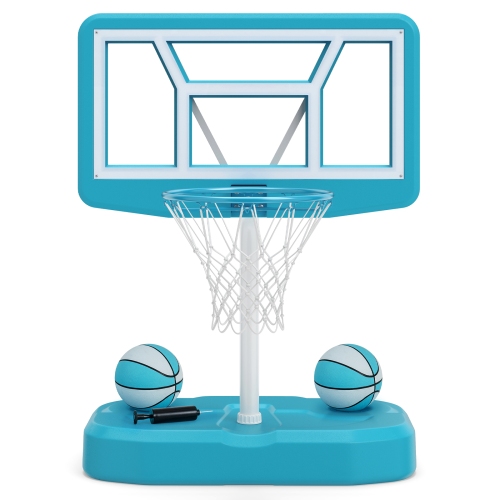


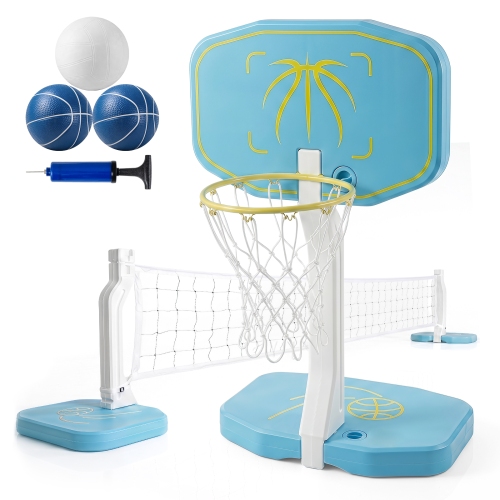
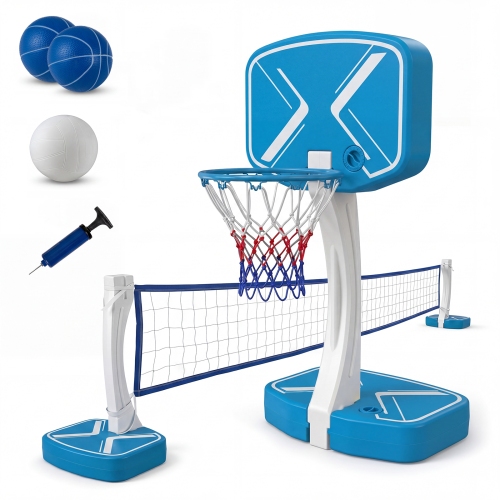



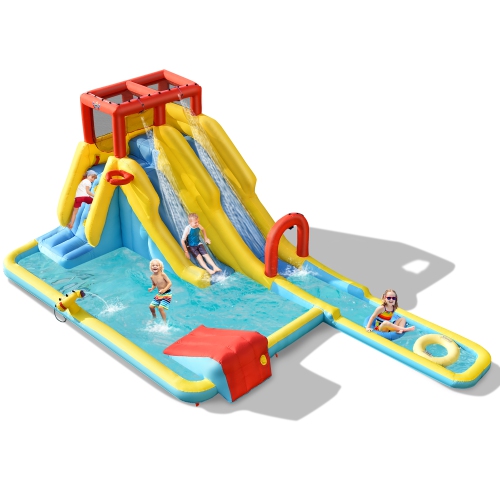
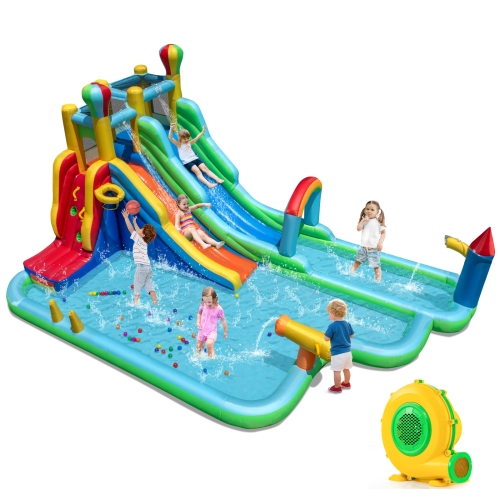
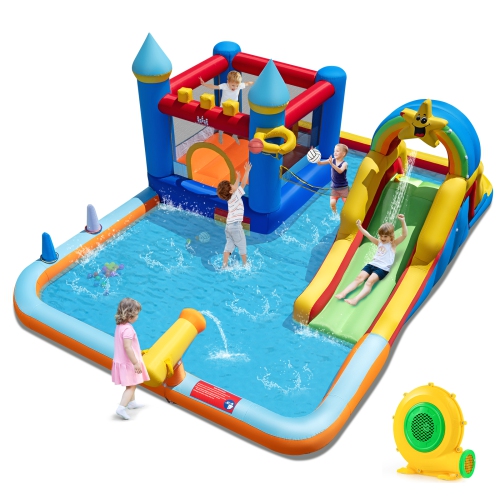
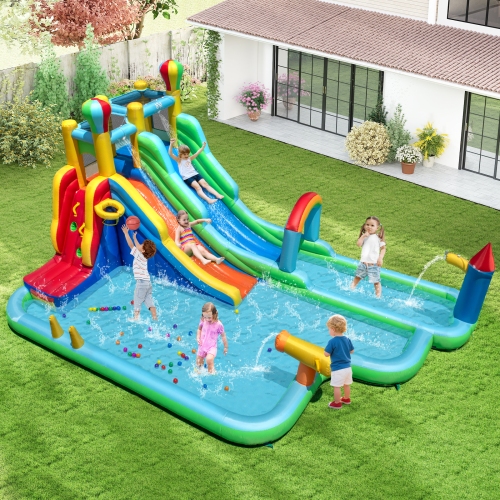


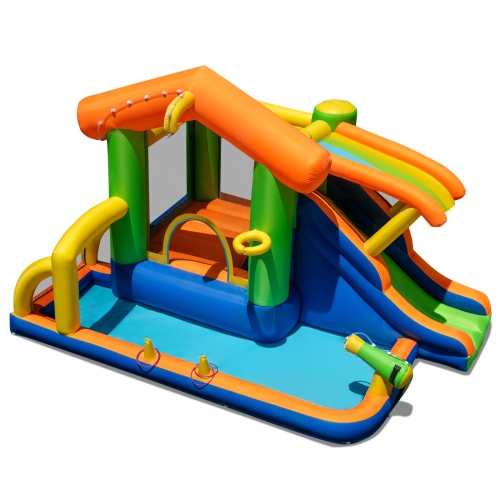
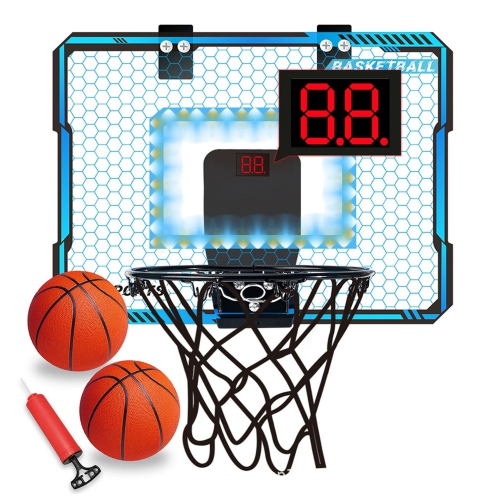
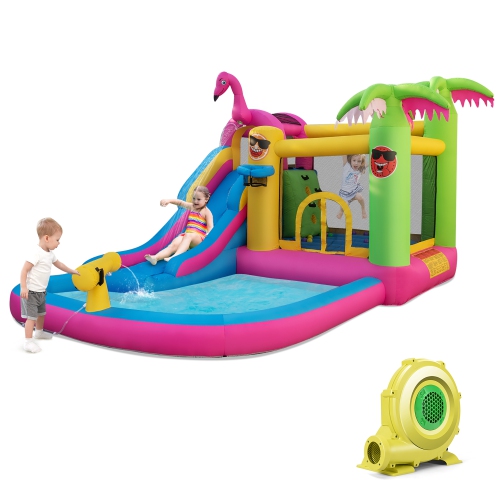
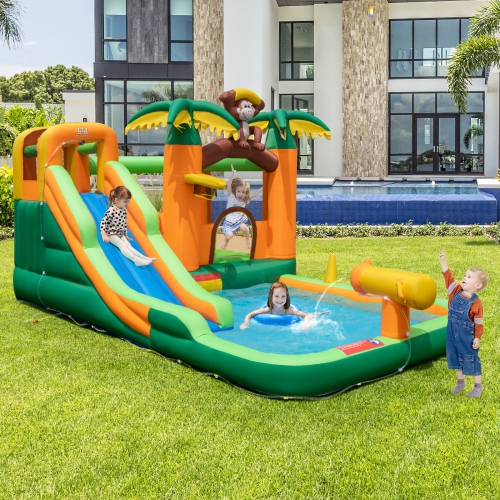
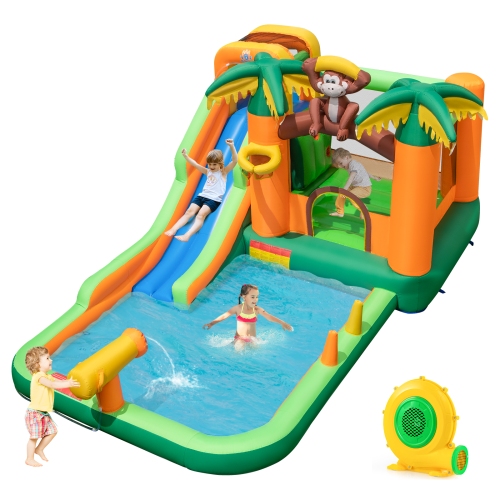
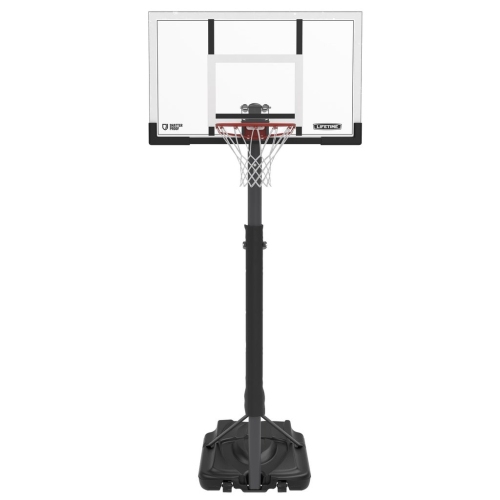
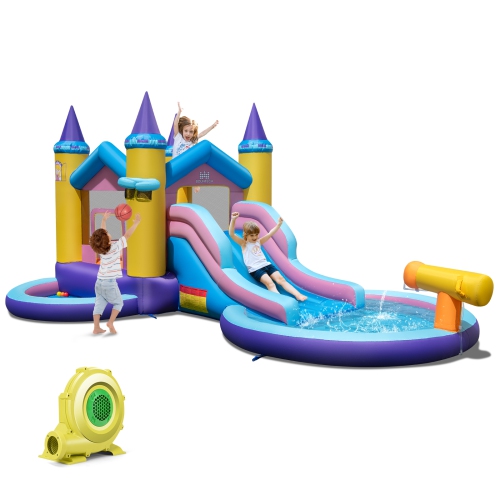
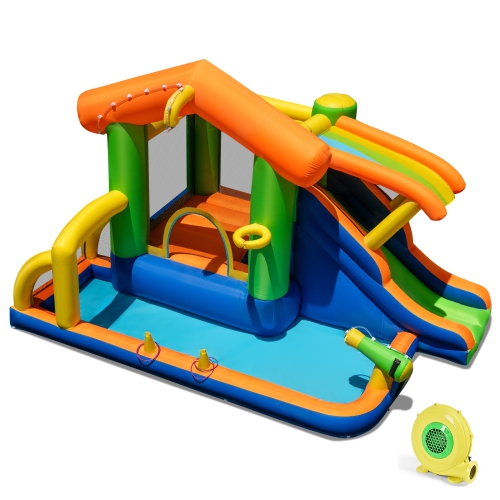


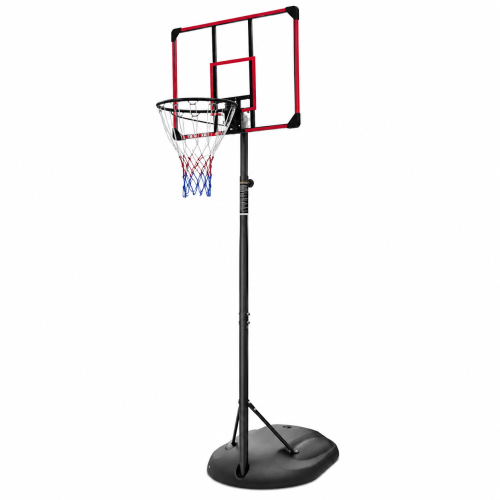
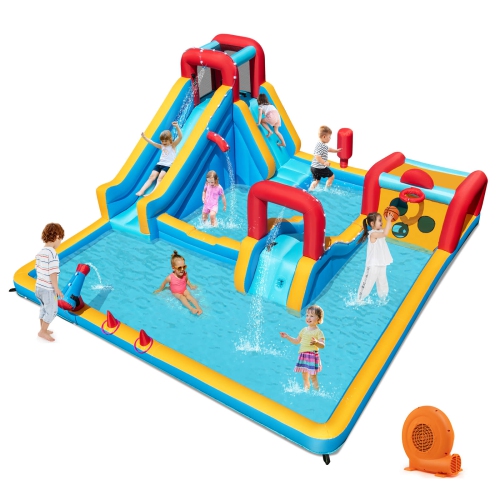
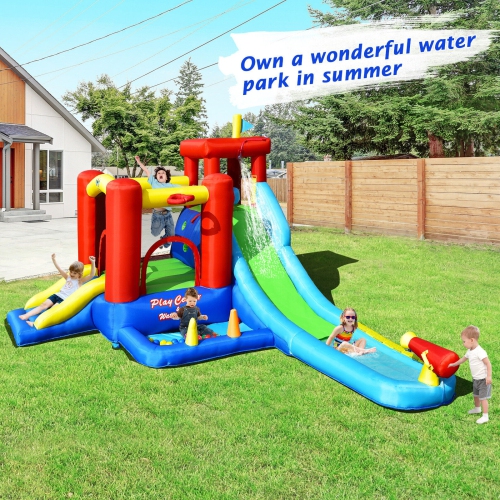
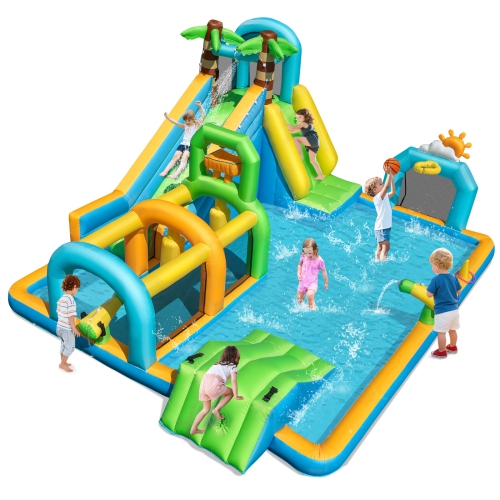


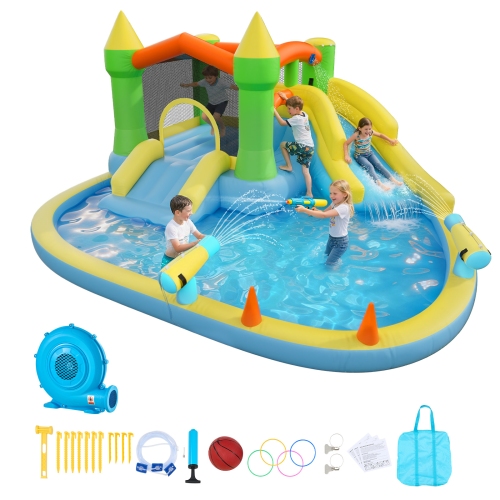


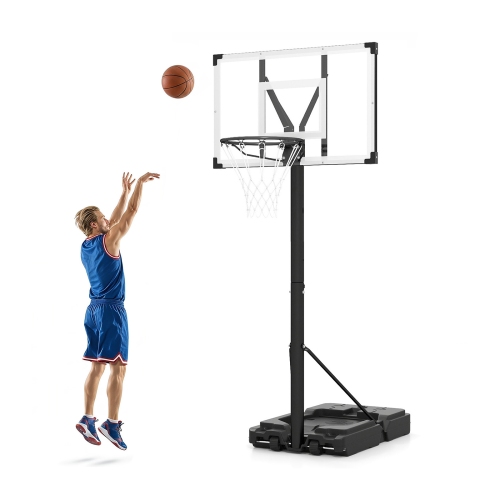
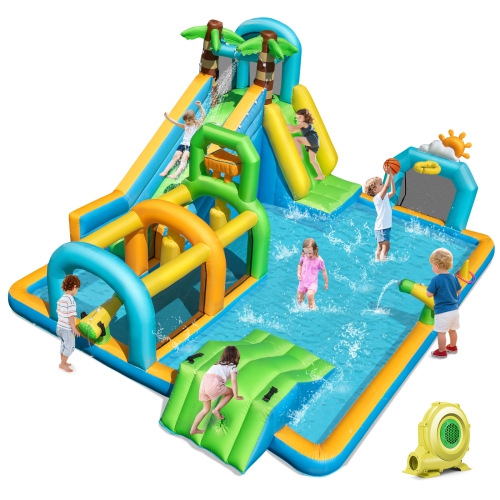



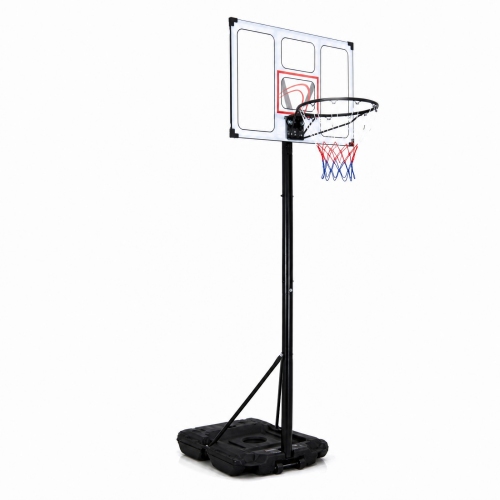

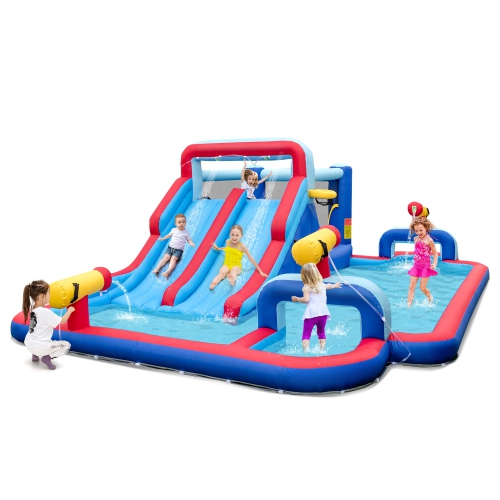


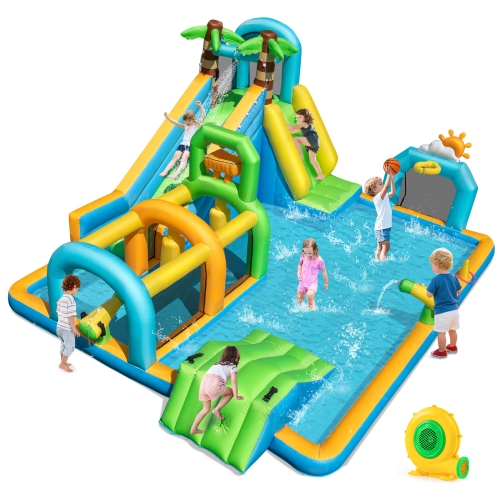
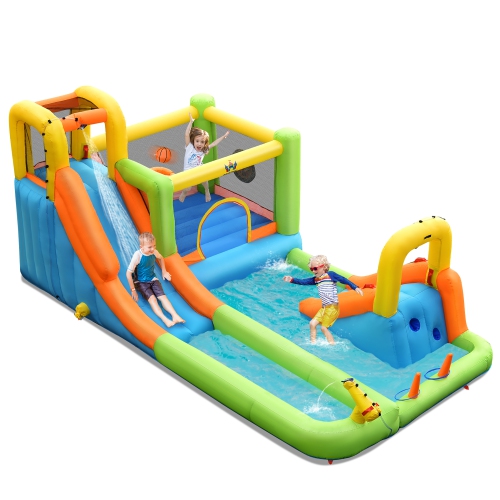






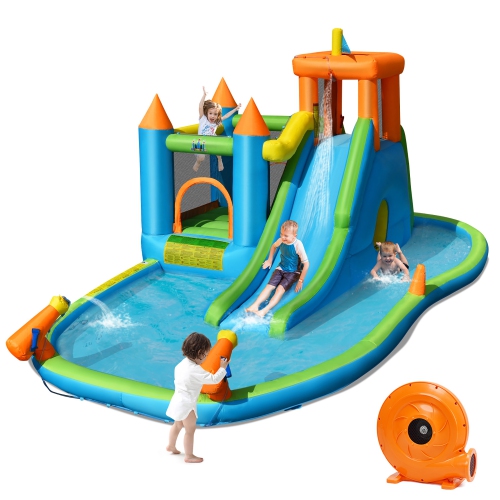

How floating and poolside hoops change the game
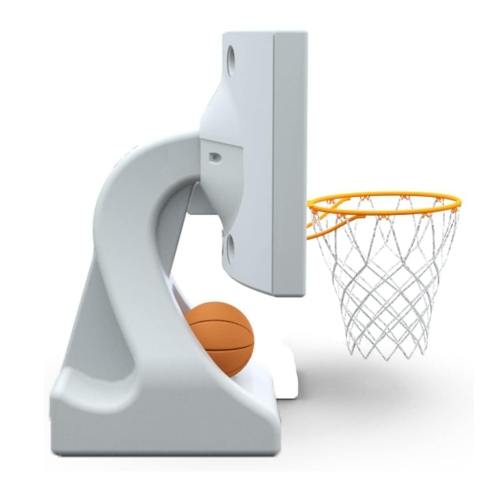
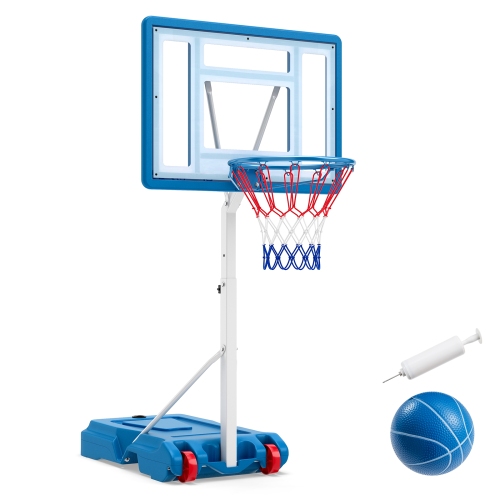
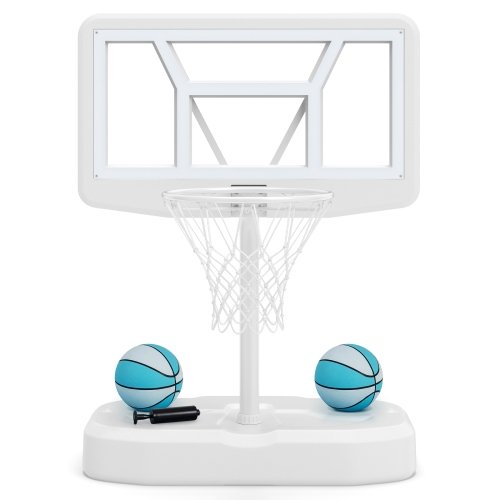
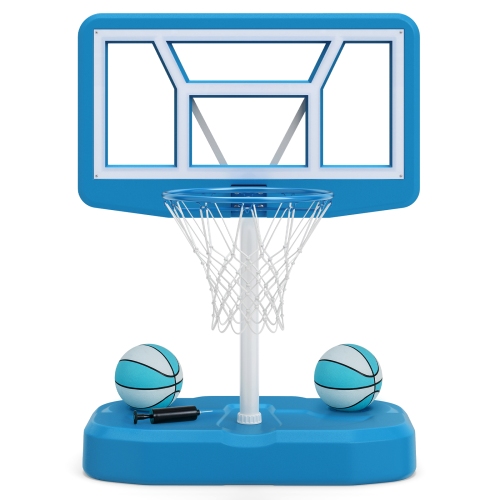
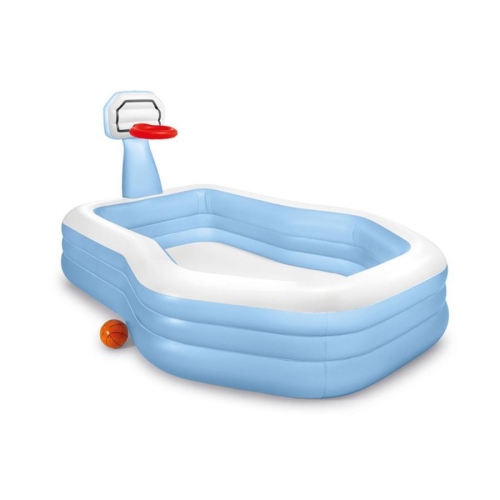
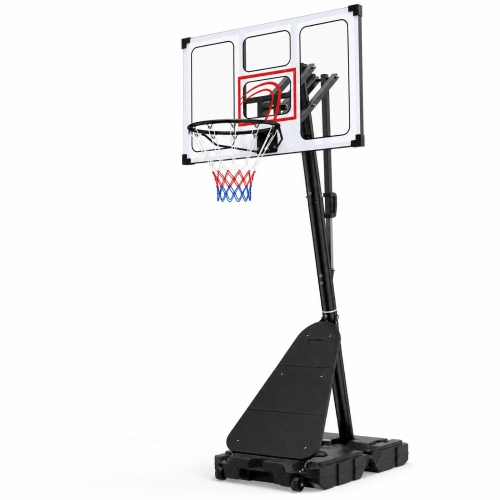
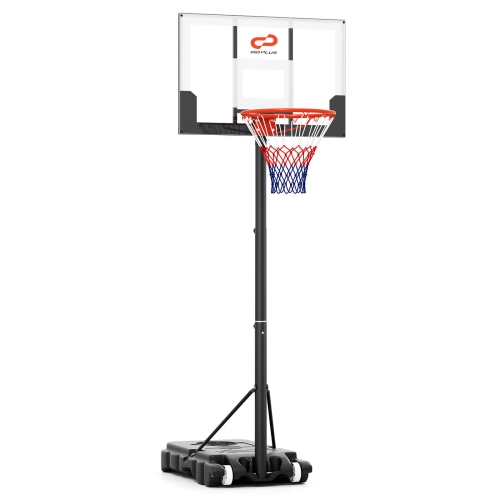
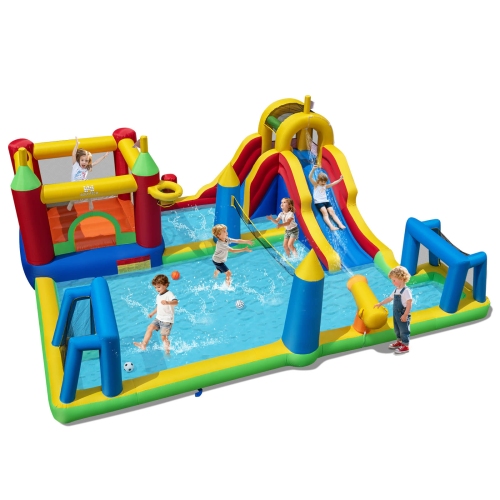
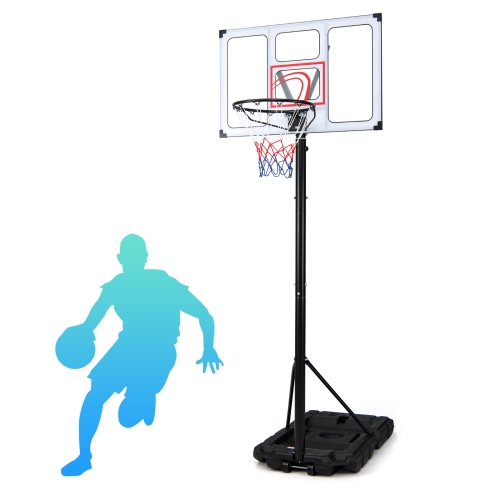
Swimming pool basketball hoops bring a familiar game into the water, with designs that range from lightweight floating targets to poolside systems with a backboard and weighted base. They give swimmers a place to aim during a relaxed game of catch, a family shooting contest, or a few rounds of friendly competition. The main differences between pool basketball hoops are where they sit, how they stay upright, and how much space they need around the pool. Floating hoops rest on the water and move with the ripples, making them well suited to casual play with lightweight balls. Their drifting target adds a different challenge from a fixed basket, although they offer less resistance to the ball and generally do not provide the same backboard response as a poolside system. Portable poolside hoops stand on the deck, usually with a hollow base filled with water or sand as specified by the manufacturer. This style keeps the basket in a more predictable position while allowing the system to be relocated when properly emptied or prepared for moving. Deck-mounted hoops attach to a suitable pool surround and are intended for a more permanent setup, with installation requirements that depend on the mounting system and deck construction. Compatibility matters more than appearance alone: an in-ground pool with a broad, level surround presents a different setup from an above-ground pool with a raised deck or limited clearance. A hoop needs enough reach to place the basket over the water without making the base, support, or pool edge an obstacle for players. For families, the appeal may be a low-pressure activity that lets children practise aiming and passing. For adults and confident older swimmers, a firm backboard and a stable basket can make short shooting games more satisfying. In either case, the best fit comes from matching the hoop to the pool layout, the intended players, and the style of play rather than simply choosing the tallest design.
Materials and construction make a noticeable difference in how a swimming pool basketball hoop handles repeated splashing, pool chemicals, and outdoor exposure. Moulded plastic backboards and bases are common because they can tolerate wet use without the same corrosion concerns as exposed steel, though plastic still needs suitable care and protection from damage. High-density polyethylene, often described as HDPE, is used in some poolside components, while UV-resistant materials can help limit deterioration caused by sunlight. Metal supports may use a protective coating, and stainless steel hardware can offer corrosion resistance, but neither a coating nor stainless steel makes a hoop completely immune to pool water. Chlorinated and saltwater pools both call for attention to the manufacturer's compatibility and maintenance information. Scratched finishes, exposed fasteners, and joints that hold water deserve particular attention over time. Backboard dimensions affect the target area for bank shots, while rigidity influences whether the ball rebounds cleanly or loses momentum against a flexible surface. A larger board can give players more room to aim, but it also needs a support and base designed to handle its size. Base stability depends on the complete construction, the specified fill material and quantity, and placement on a firm, level surface; a broad footprint alone does not guarantee that a hoop will stay upright. Adjustable height can make a basket more approachable for younger players or add variety for mixed-age groups. The broader category of adjustable basketball hoops includes designs for other settings, so height adjustment should not be taken as proof that a hoop is suitable for use beside a pool. For pool play, the adjustment mechanism also needs to lock securely at the chosen setting. Ball size and texture matter just as much during a game: a smaller, lightweight ball can be easier for children to handle, while a grippy surface helps wet hands keep control. The ball should suit the hoop's rim size and intended use, rather than being chosen solely because it resembles a regulation basketball.
Everyday fit includes the details that become obvious once people start playing: whether the base blocks a walking route, whether missed shots repeatedly land beyond the pool, and whether the basket leaves enough clear water for swimmers to move comfortably. A compact floating hoop can suit gentle passing games, while a poolside backboard creates a consistent target for players taking turns from different positions. Neither format replaces attentive adult supervision, and games should stay within each swimmer's ability and a suitable water depth. Jumping from the deck, climbing the support, and hanging from the rim can create hazards; a pool basketball hoop should not be treated as a diving platform or climbing frame. Even a heavily weighted base does not make dunking safe unless the manufacturer expressly permits that use. For households sharing a pool across different ages, simple turn-taking games often work better than crowded contests around the basket. Storage and upkeep also affect how convenient a hoop feels after the game ends. Floating frames may separate into smaller sections, while larger poolside systems need enough storage space for the base, post, and backboard. Wheels, where fitted, may help with relocation, but a filled base can still be very heavy and should only be moved as directed. A fresh-water rinse, appropriate cleaning, and drying before storage can help reduce residue and keep parts easier to inspect. Nets, adjustment points, fittings, and inflatable seams all benefit from regular checks, with damaged components replaced before further play. Outdoor systems stored in freezing conditions may need their water-filled bases drained according to the manufacturer's instructions. As a gift for a household with a pool, a basketball hoop offers an activity to share rather than another decoration for the deck. Confirming the pool type, available space, age recommendations, and assembly needs helps make that gift a practical addition to family swims and relaxed get-togethers.
Top selling and popular products
-
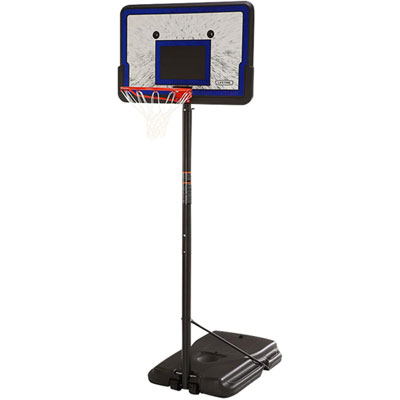 Your price for this item is $279.98
-
 Your price for this item is $114.99
-
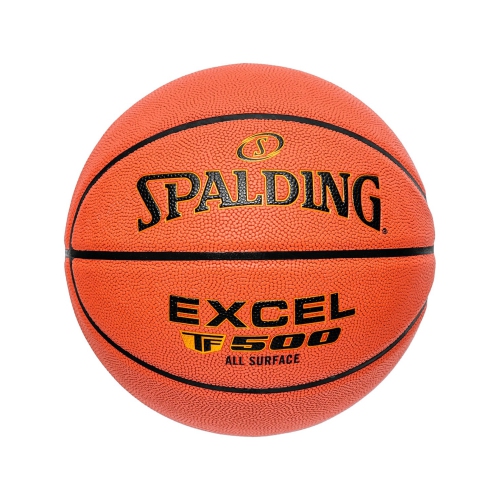 Your price for this item is $58.99
-
 Your price for this item is $58.99
-
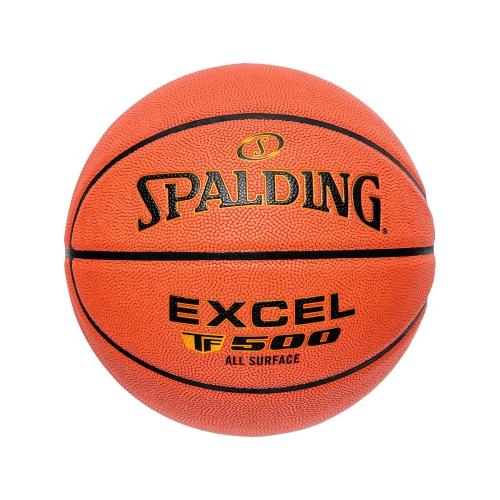 Your price for this item is $58.99
-
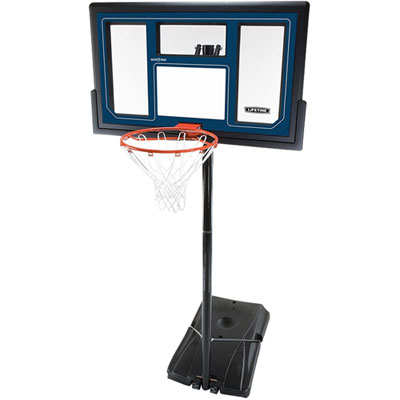 Your price for this item is $479.98
-
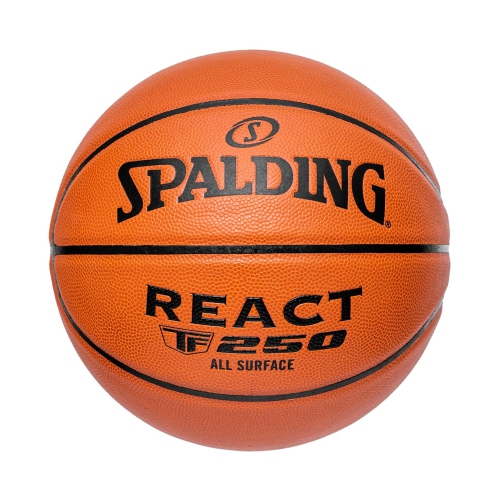 Your price for this item is $52.99
-
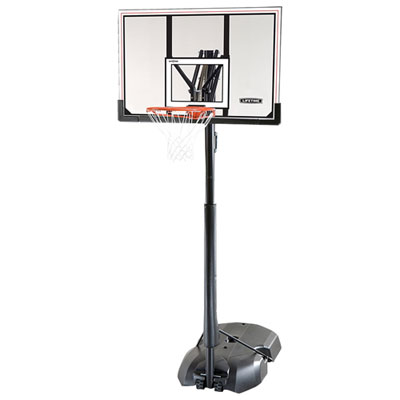 Your price for this item is $638.98
Discover more categories related to Swimming Pool Basketball Hoops


Top Collections:
Pokemon Centers, Best Cameras for Sports Photography, Kindle Devices, Samsung Galaxy Phones, Canon G7X Cameras, Pokémon 30th Celebration Cards, Refurbished Apple Laptops, iPhone 15 Apple, Laptops for Students, Budget Smartphones
Some products may be subject to Environmental Handling Fees
(EHF) depending on your province.
Learn more about EHFs.