Thru Hull Transducers
Looking to enhance your boating experience with top-of-the-line technology? Look no further than our collection of thru hull transducers. Designed to provide accurate and reliable sonar readings, these innovative devices are a must-have for almost any avid boater or fishing enthusiast. Whether you're exploring new waters or trying to locate that perfect fishing spot, our range of thru hull transducers will ensure you have the information you need right at your fingertips.
Sort
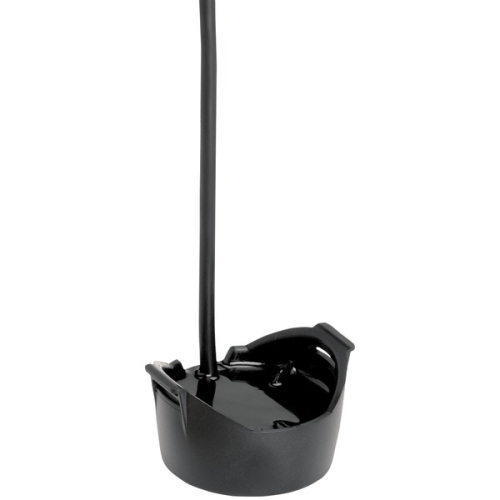
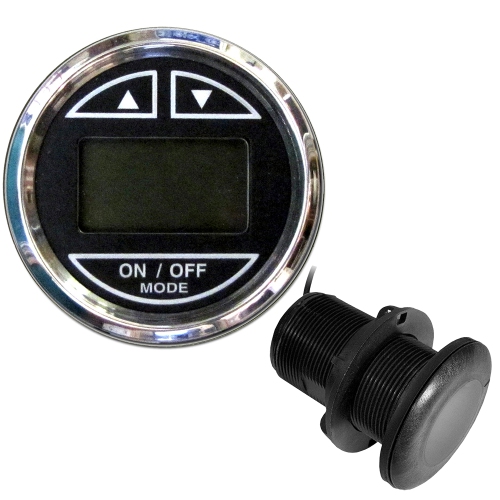
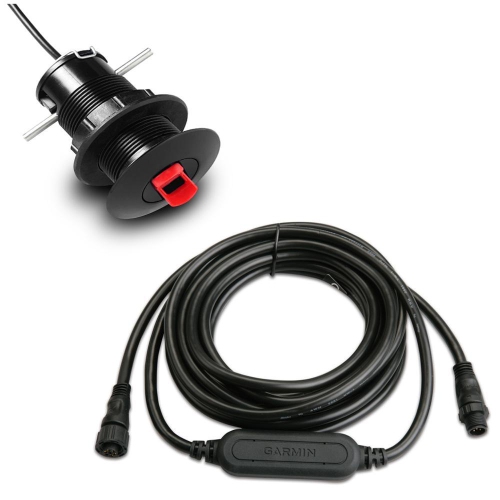
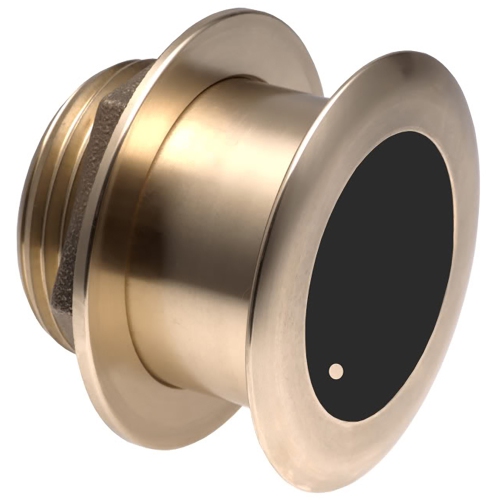
Reliable Depth Readings for Safer Boating and Fishing
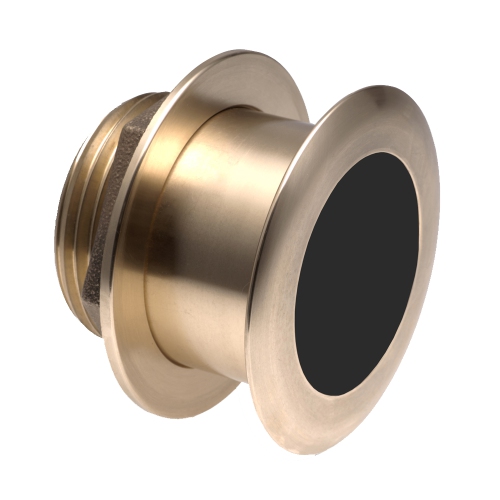
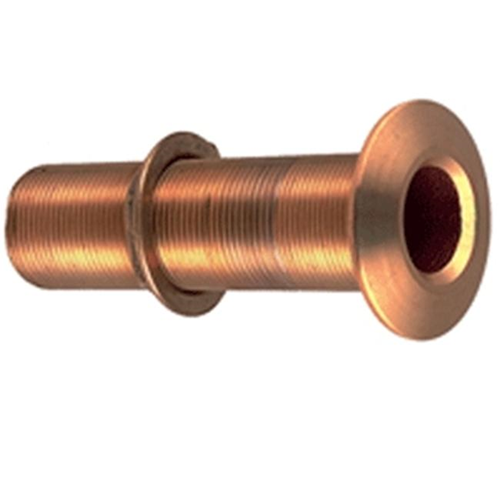
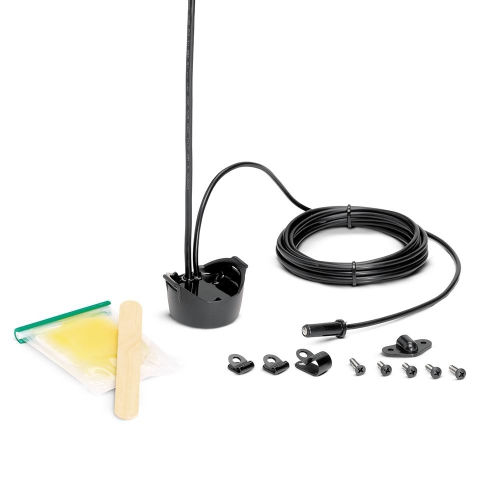
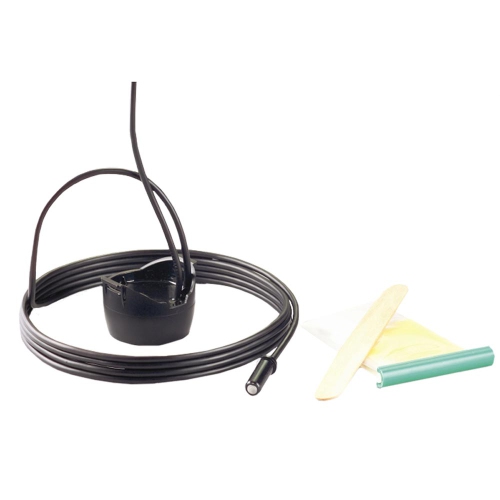
Thru-hull transducers are marine sonar sensors installed through the bottom of a boat’s hull to provide dependable readings for depth, fish location, and underwater structure. Because the sensing element sits in direct contact with the water, a properly installed thru-hull transducer can deliver a clean, consistent signal at speeds where some other mounting styles may lose accuracy. Anglers use them to identify changes in bottom contour, suspended targets, weed beds, drop-offs, and other features beneath the boat, while cruisers and recreational boaters rely on them for depth awareness when navigating unfamiliar waterways. They can also be useful for anyone who spends long days on the water and wants their depth sounder or chartplotter to maintain a steady reading while travelling between fishing spots, marinas, and anchorages. Unlike a portable depth accessory, a thru-hull installation is intended to become a permanent part of the boat, making it especially suitable for owners who use the same vessel regularly during the warmer boating season and into the cooler months. When choosing one, start by checking compatibility with the boat’s sonar display, fish finder, or chartplotter. Connector style, supported sonar technology, operating frequency, power rating, maximum depth capability, and the display’s software requirements can all affect performance. Traditional sonar may be suitable for general depth readings, while CHIRP-equipped models can provide more detailed separation between targets across a range of depths. Some boating and fishing systems also support additional scanning views, but the transducer and display must be designed to work together. Reviewing the manufacturer’s technical specifications before purchase helps prevent compatibility issues and ensures that the selected sensor matches the way the boat is used.
Hull construction is one of the most important considerations when selecting a thru-hull transducer. Bronze housings are commonly suited to fiberglass, wood, and composite hulls, but bronze should not be installed in an aluminum hull because contact between dissimilar metals can contribute to galvanic corrosion. Stainless steel or plastic housings may be suitable for aluminum and other metal hulls, depending on the boat manufacturer’s requirements and the transducer’s specifications. Plastic housings should be approached carefully on wooden boats, since seasonal swelling and movement in the hull can place stress on the housing and potentially cause cracking. The shape of the hull matters as well. A flush-mount transducer sits flat against the hull and typically uses an internally angled element to direct the sonar beam straight down. This low-profile design can be a practical choice where clearance beneath the hull is limited. A transducer used with an external fairing block projects below the hull, with the fairing shaped to streamline water flow and correct the beam angle on boats with a pronounced deep-V hull. The hull’s deadrise angle should be measured accurately before selecting a tilted element or fairing block; an incorrect angle can cause the beam to point off to one side rather than directly below the boat, reducing the usefulness of depth and structure readings. Placement also deserves careful attention. The installation area is generally selected on the starboard side, ahead of propellers, rudders, keels, strakes, water intakes, and other sources of turbulence. Smooth, undisturbed water is essential because bubbles and aerated flow can interfere with sonar performance, particularly when the boat is moving at higher speeds. Since installation requires drilling a hole through the hull and sealing the housing against water intrusion, it is often best handled by a qualified marine technician or an experienced installer following the boat and transducer instructions closely. The work may involve measuring deadrise, aligning the housing with the centreline, applying the correct sealant, securing the retaining hardware, and testing the system while the vessel is safely in the water.
A thru-hull transducer can be a thoughtful gift for an angler upgrading a boat, a family that spends weekends at the cottage, or a new vessel owner preparing for extended outings during changing weather. It is also a practical addition for boaters who already have a compatible display but want more reliable readings than their existing setup provides. Before purchasing as a gift, confirm the recipient’s hull material, hull shape, display compatibility, preferred sonar features, and whether the boat has an appropriate location available for installation. It is useful to keep the intended use in mind: a coastal angler searching deeper water may prioritize high-power performance and detailed target separation, while a lake boater may place greater value on accurate shallow-water readings and a compact flush-mount design. Frequent maintenance is straightforward but important. Inspect the exterior housing for damage, check that the fairing remains secure, and keep the exposed surface free from heavy marine growth that could affect water contact. Follow the recommended service intervals and avoid using unsuitable cleaning tools or chemicals that may damage the housing. Before heading out as the weather warms, test the display and confirm that depth readings remain stable at idle and underway. During the cooler months, inspect the installation before storing the boat or preparing it for a final trip, and follow the vessel manufacturer’s guidance for haul-out, winterization, and through-hull protection. For shoppers comparing related sonar accessories and depth-sensing equipment, the Depth Finder Transducers selection can help put different mounting styles and applications into context. With the right housing material, deadrise match, mounting position, and system compatibility, a thru-hull transducer can provide clear underwater information for safer navigation, more productive fishing, and a more confident day on the water.
Hull construction is one of the most important considerations when selecting a thru-hull transducer. Bronze housings are commonly suited to fiberglass, wood, and composite hulls, but bronze should not be installed in an aluminum hull because contact between dissimilar metals can contribute to galvanic corrosion. Stainless steel or plastic housings may be suitable for aluminum and other metal hulls, depending on the boat manufacturer’s requirements and the transducer’s specifications. Plastic housings should be approached carefully on wooden boats, since seasonal swelling and movement in the hull can place stress on the housing and potentially cause cracking. The shape of the hull matters as well. A flush-mount transducer sits flat against the hull and typically uses an internally angled element to direct the sonar beam straight down. This low-profile design can be a practical choice where clearance beneath the hull is limited. A transducer used with an external fairing block projects below the hull, with the fairing shaped to streamline water flow and correct the beam angle on boats with a pronounced deep-V hull. The hull’s deadrise angle should be measured accurately before selecting a tilted element or fairing block; an incorrect angle can cause the beam to point off to one side rather than directly below the boat, reducing the usefulness of depth and structure readings. Placement also deserves careful attention. The installation area is generally selected on the starboard side, ahead of propellers, rudders, keels, strakes, water intakes, and other sources of turbulence. Smooth, undisturbed water is essential because bubbles and aerated flow can interfere with sonar performance, particularly when the boat is moving at higher speeds. Since installation requires drilling a hole through the hull and sealing the housing against water intrusion, it is often best handled by a qualified marine technician or an experienced installer following the boat and transducer instructions closely. The work may involve measuring deadrise, aligning the housing with the centreline, applying the correct sealant, securing the retaining hardware, and testing the system while the vessel is safely in the water.
A thru-hull transducer can be a thoughtful gift for an angler upgrading a boat, a family that spends weekends at the cottage, or a new vessel owner preparing for extended outings during changing weather. It is also a practical addition for boaters who already have a compatible display but want more reliable readings than their existing setup provides. Before purchasing as a gift, confirm the recipient’s hull material, hull shape, display compatibility, preferred sonar features, and whether the boat has an appropriate location available for installation. It is useful to keep the intended use in mind: a coastal angler searching deeper water may prioritize high-power performance and detailed target separation, while a lake boater may place greater value on accurate shallow-water readings and a compact flush-mount design. Frequent maintenance is straightforward but important. Inspect the exterior housing for damage, check that the fairing remains secure, and keep the exposed surface free from heavy marine growth that could affect water contact. Follow the recommended service intervals and avoid using unsuitable cleaning tools or chemicals that may damage the housing. Before heading out as the weather warms, test the display and confirm that depth readings remain stable at idle and underway. During the cooler months, inspect the installation before storing the boat or preparing it for a final trip, and follow the vessel manufacturer’s guidance for haul-out, winterization, and through-hull protection. For shoppers comparing related sonar accessories and depth-sensing equipment, the Depth Finder Transducers selection can help put different mounting styles and applications into context. With the right housing material, deadrise match, mounting position, and system compatibility, a thru-hull transducer can provide clear underwater information for safer navigation, more productive fishing, and a more confident day on the water.
Top selling and popular products
-
 Your price for this item is $30.62
 -
 Your price for this item is $30.54
 -
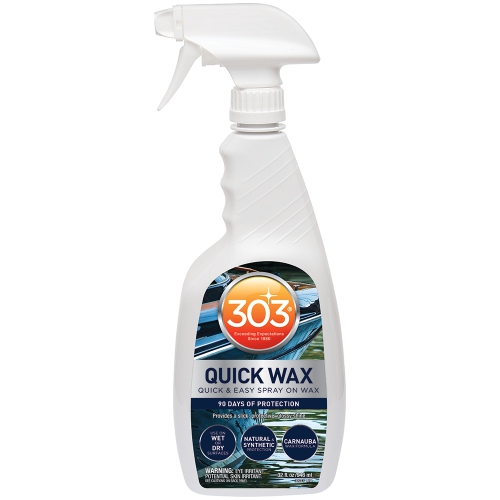 Your price for this item is $43.31
 -
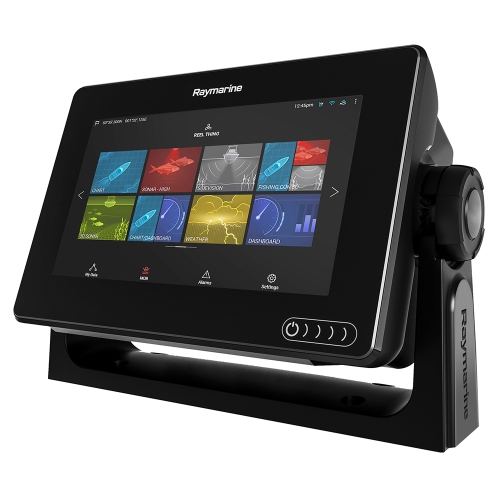 Your price for this item is $844.91
 -
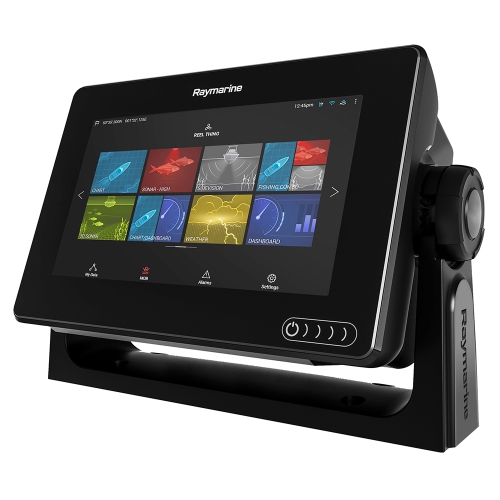 Your price for this item is $909.33
 -
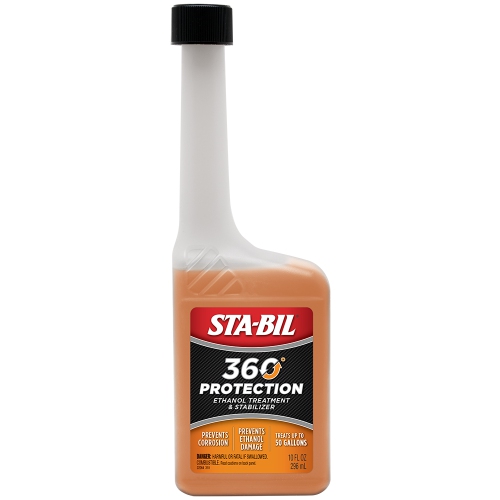 Your price for this item is $30.65
 -
 Your price for this item is $65.23
 -
 Your price for this item is $213.56
Discover more categories related to Thru Hull Transducers
Top Collections:
Pokemon Centers, Kindle Devices, Best Cell Phones Under $500, Alarm Clock, Canon G7X Cameras, iPhone 15 Apple, Laptops for Students, Budget Smartphones, iPhone 14 256GB, Best Camera Tripods Under $100
Some products may be subject to Environmental Handling Fees
(EHF) depending on your province.
Learn more about EHFs.