Sonar Transducers
Enhance your underwater exploration and navigation with our wide selection of sonar transducers. These powerful devices are designed to provide accurate depth readings, detect fish and other underwater objects, and deliver crystal-clear sonar imaging. Whether you're an avid angler looking to improve your fishing experience or a boating enthusiast wanting to enhance your navigation capabilities, our range of sonar transducers offers cutting-edge technology and reliable performance. Discover the perfect sonar transducer to suit your needs and take your aquatic adventures to new depths.
Sort
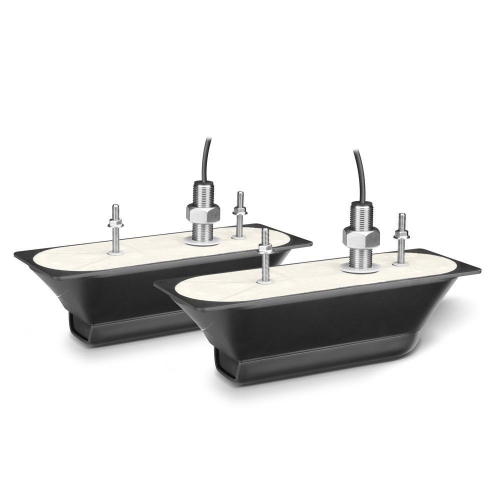
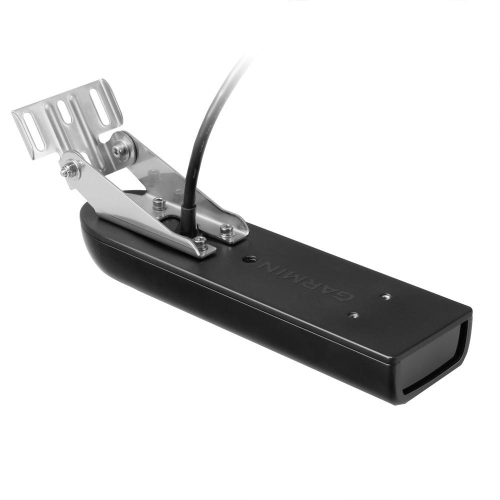
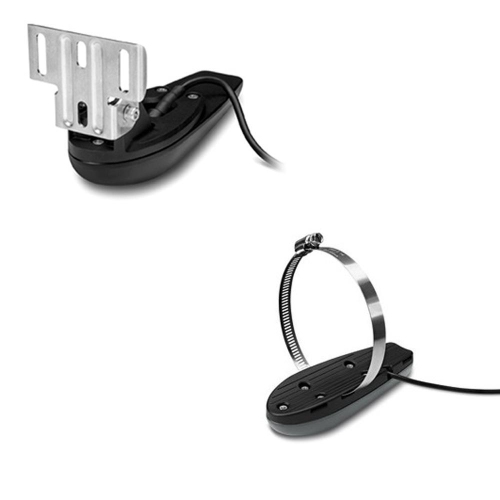
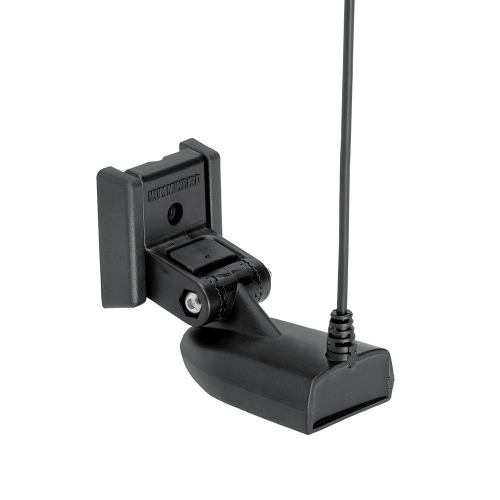






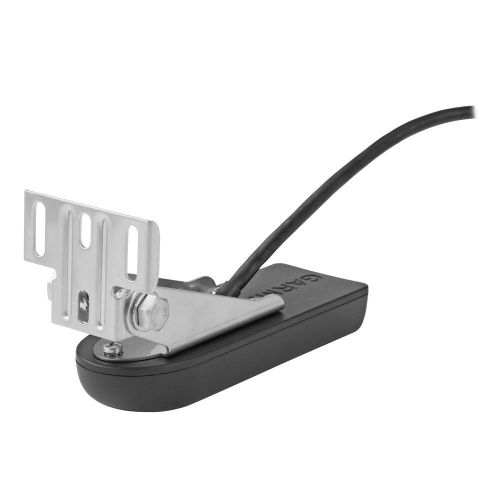
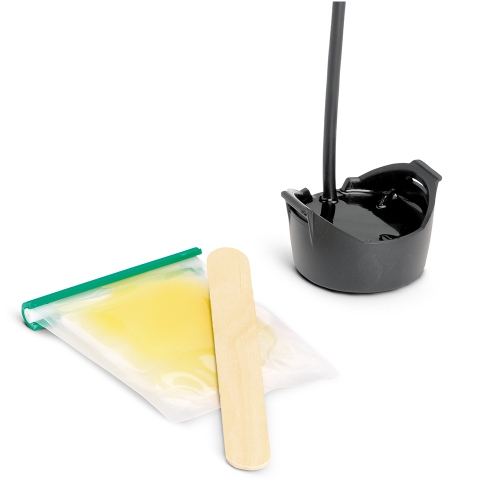


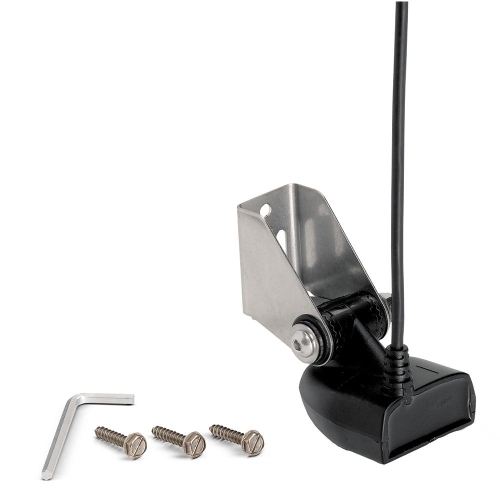


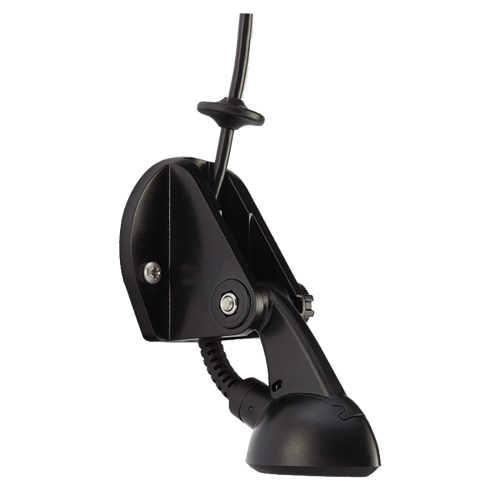







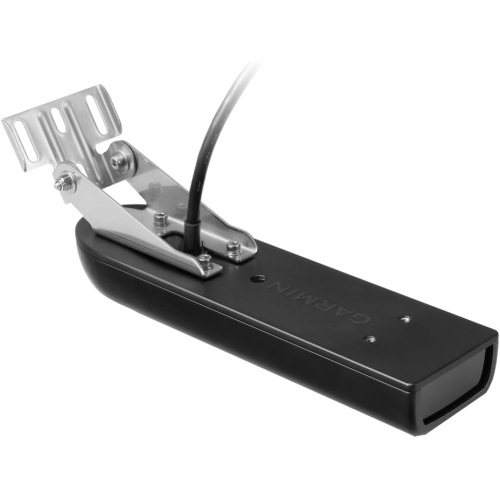

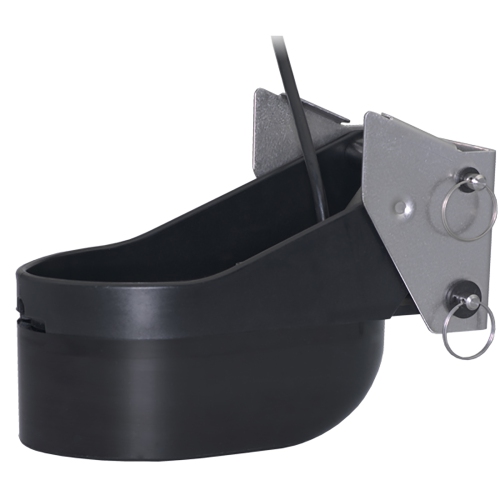


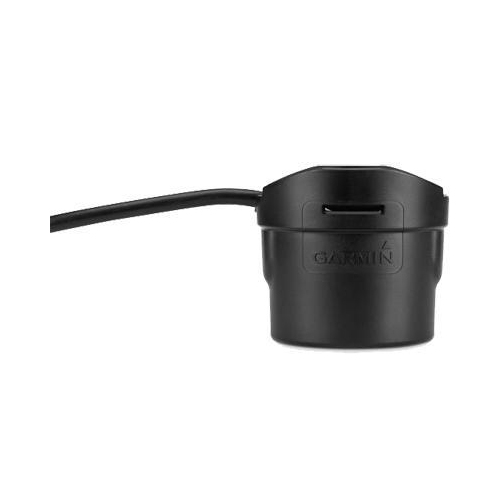
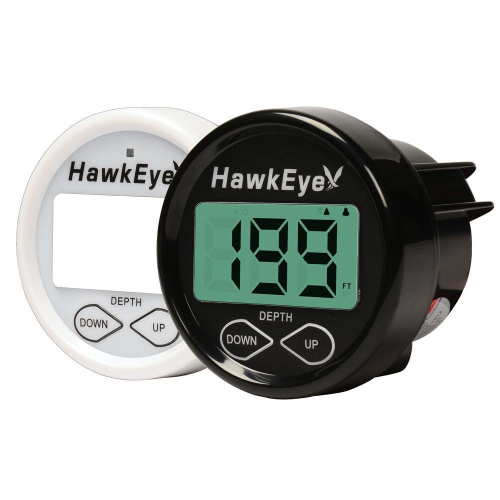






How sound waves reveal what lies beneath your boat
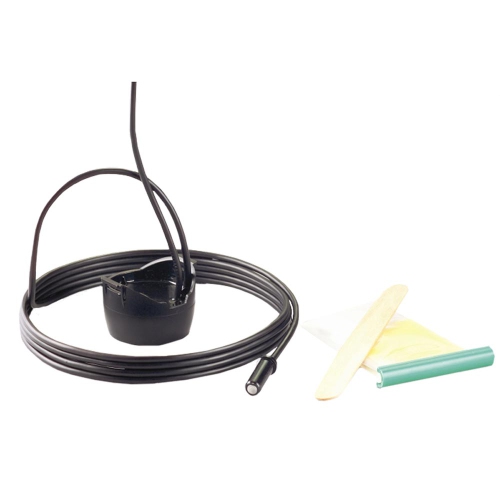
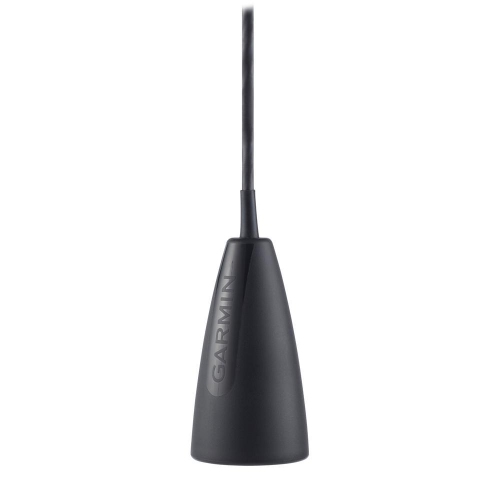
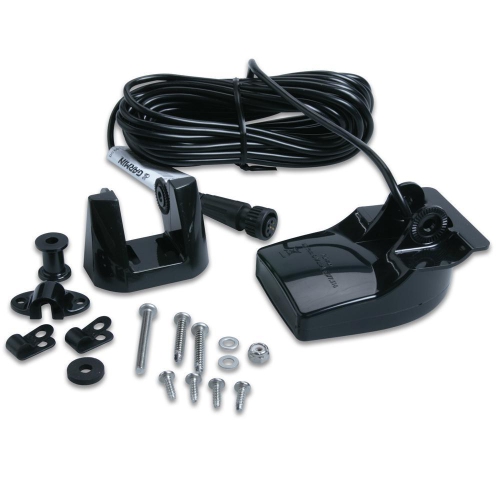
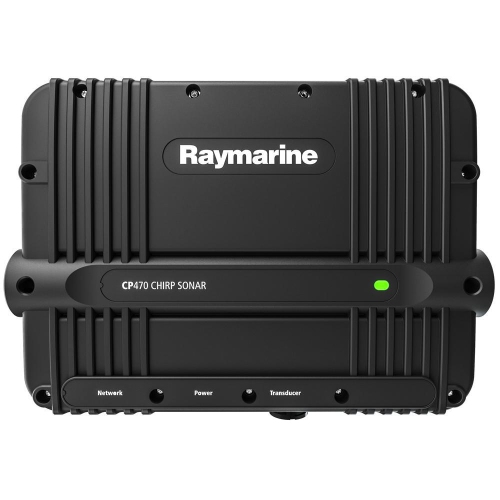
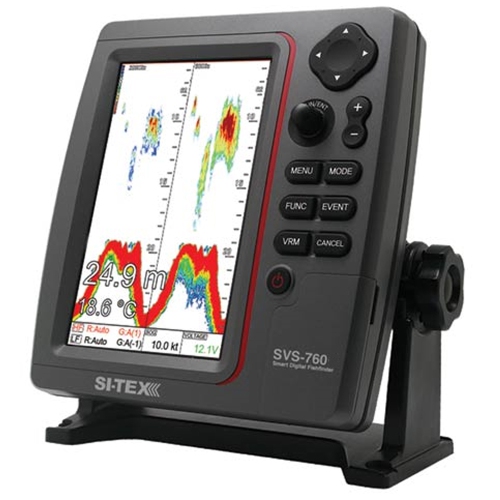
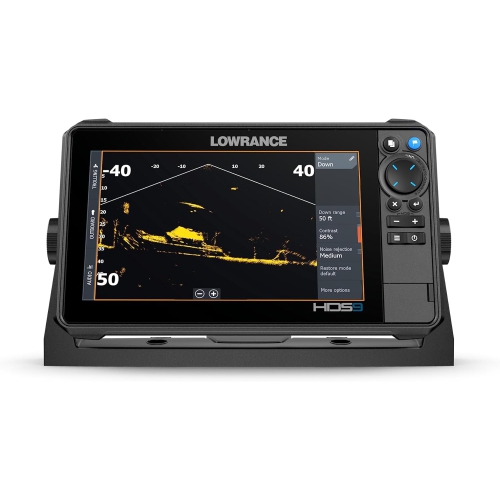
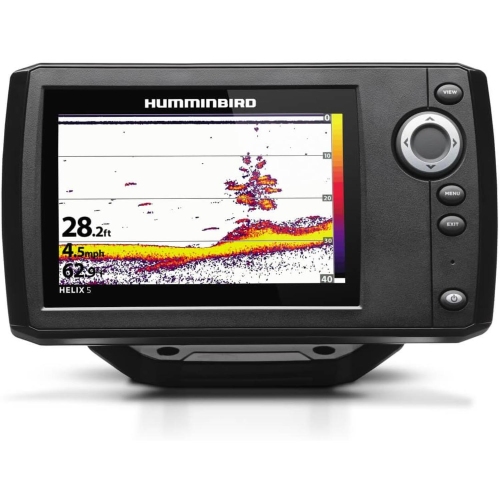
Sonar transducers are underwater sensing devices that convert electrical pulses into sound waves and receive the returning echoes. Connected to a compatible fish finder, depth sounder, or marine display, a transducer provides the signals that the system uses to show water depth, fish targets, and submerged features. The display calculates distance from the time it takes sound to travel through the water and return, while differences in the returning signal help reveal bottom contours and other details. For anglers, that information can bring a submerged ledge, a patch of vegetation, or a school of fish into view. For recreational boaters, it adds useful depth information when approaching an unfamiliar anchorage or travelling across a shallow bay, although sonar does not replace charts, safe navigation practices, or attention to surrounding conditions. Different transducer designs support different views of the water. Traditional sonar typically shows targets within a cone-shaped area beneath the boat, while compatible scanning systems can produce more detailed views below or to either side. Forward-facing and live sonar require equipment designed for those functions and can show changes in fish position or movement with rapid updates. CHIRP sonar uses a sweep of frequencies rather than a single frequency, helping compatible systems distinguish closely spaced targets and reduce some forms of clutter. Frequency and beam width affect the balance between coverage, detail, and useful depth: lower frequencies generally suit deeper water, while higher frequencies generally provide finer detail over shorter ranges. A wider beam covers more area beneath the boat, but it may be less precise about a target’s position within that area. Angling-focused setups often use Fish Finder Transducers to connect these capabilities with a compatible display. The most useful choice depends on whether the priority is following bottom contours, separating fish near structure, surveying a broad stretch of water, or maintaining a dependable depth reading while underway.
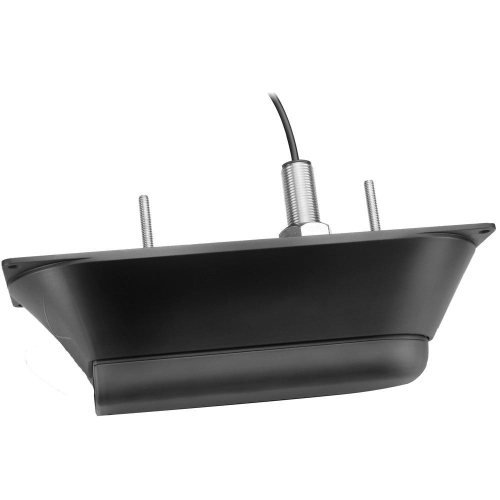
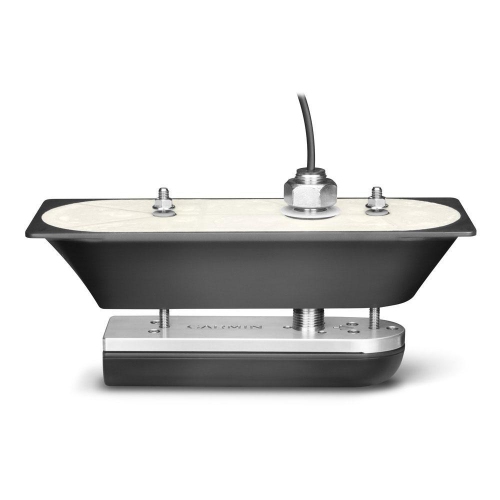
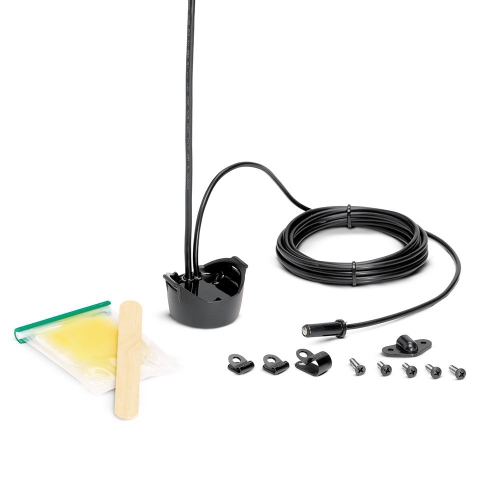
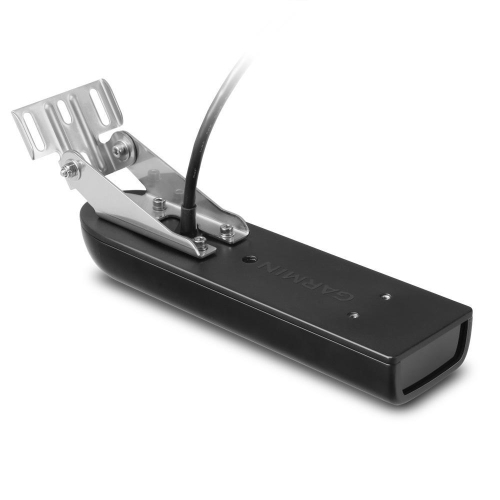
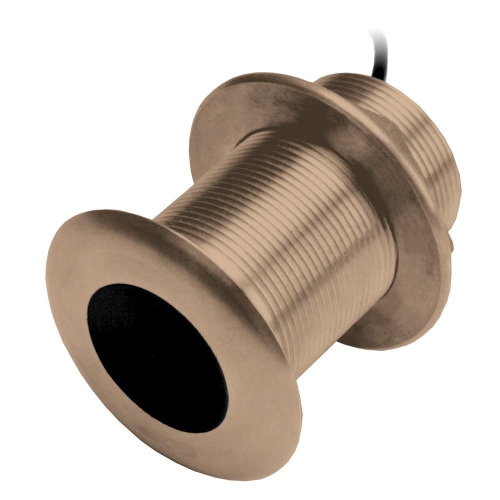
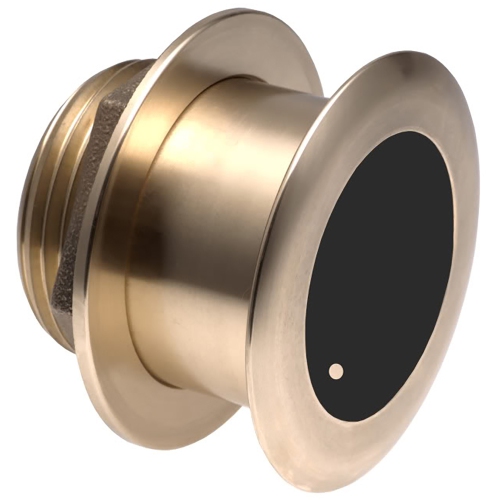
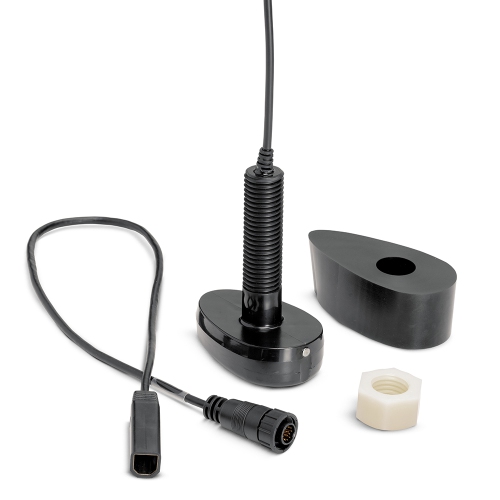
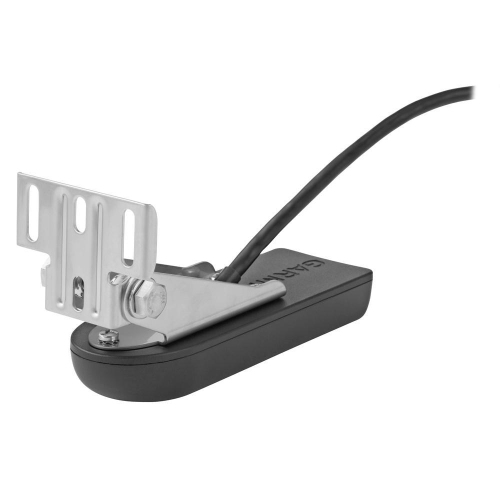
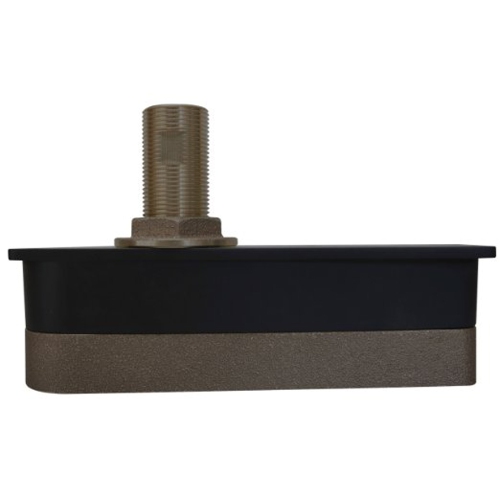
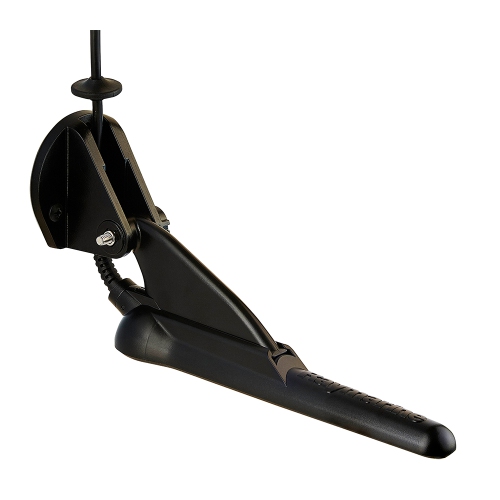
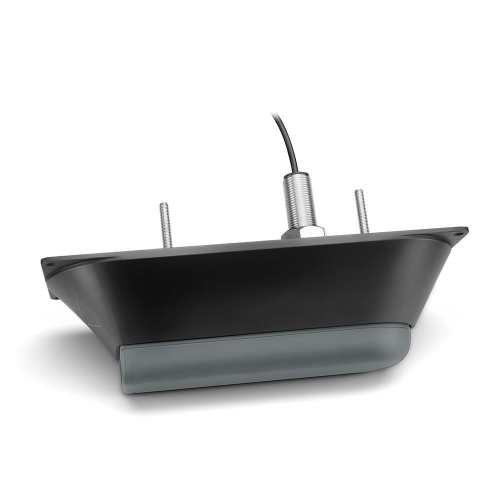
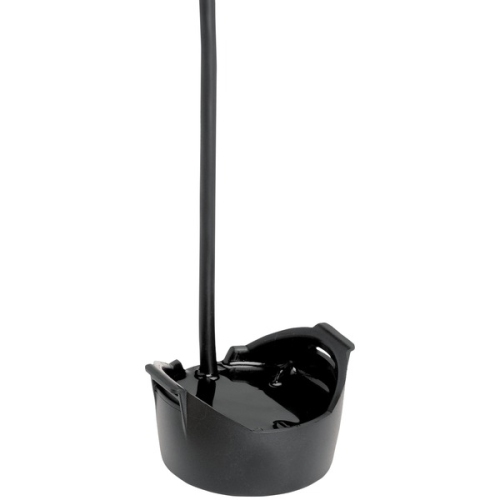
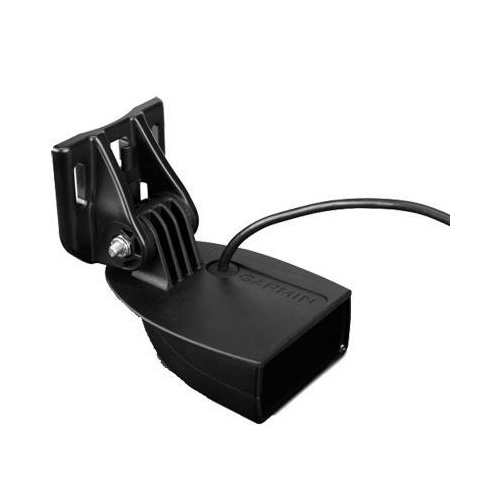
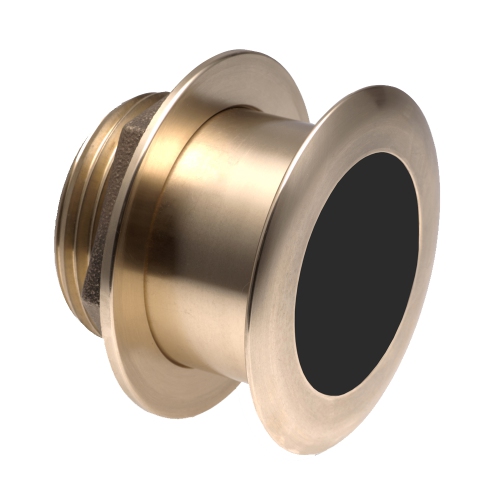
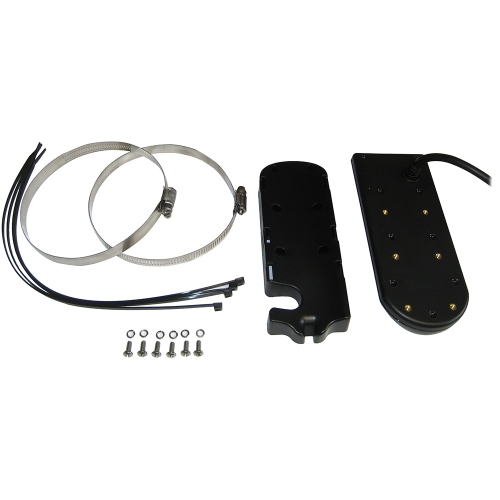
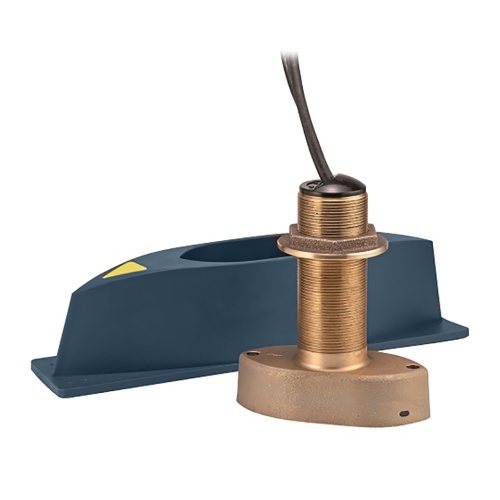
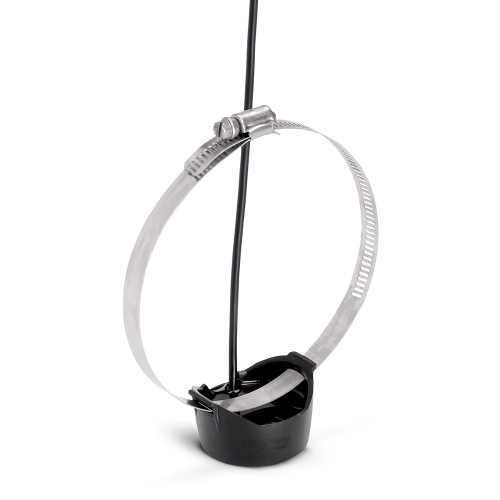
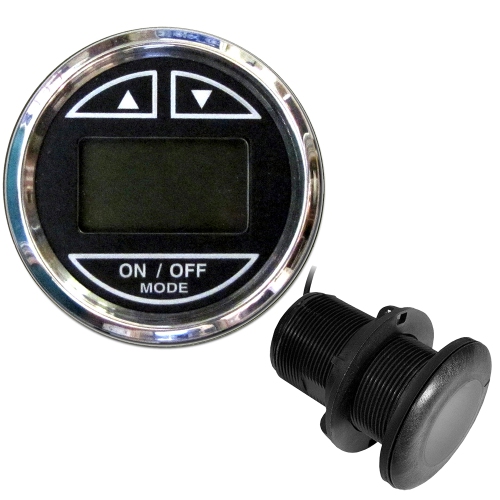
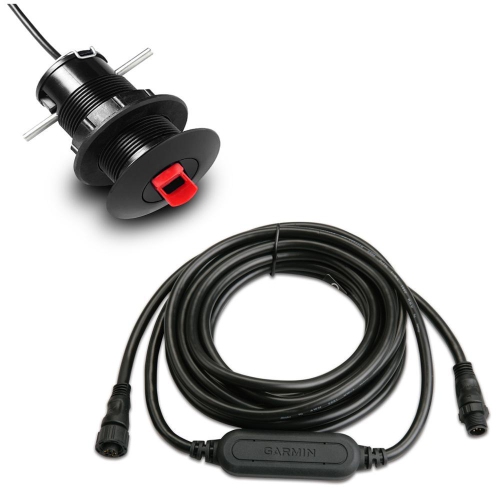
Compatibility and mounting style are central to how a sonar transducer fits a boat and performs on the water. A matching connector is only part of the picture: the display also needs to support the transducer’s frequencies, sonar functions, and power requirements. Some combinations require an approved adapter or separate sonar module, and an adapter cannot add a sonar capability that the display does not support. Cable length matters as well, particularly when routing from the stern to a console or from a bow-mounted sensor to a display near the front deck. A suitable installation leaves enough room for steering movement and service access without stretching the cable or creating loose loops that can snag. Transom-mounted transducers attach near the back of the boat and offer accessible installation and adjustment, but their position must keep the sensing face in clean water flow rather than behind fittings or hull features that introduce bubbles. Through-hull designs pass through an opening in the hull and may suit installations where dependable contact with the water is a priority. Hull angle, often called deadrise, influences the required mounting arrangement; a tilted-element design or an appropriate fairing can help direct the beam correctly. In-hull transducers transmit through a suitable hull section without an exposed sensing face, but they are generally intended for compatible solid fibreglass construction, not metal hulls or sections containing a core. Passing sound through the hull can also reduce performance compared with direct water contact. Portable and trolling-motor-mounted designs serve different needs, including small craft, kayaks, and bow-focused fishing setups, provided the mounting hardware and cable routing suit the application. Housing materials may include plastic, bronze, or stainless steel, with suitability depending on hull construction and installation requirements. Metal housings and hulls need careful compatibility assessment to avoid corrosion problems. A low-profile shape can reduce exposure to impacts, while more prominent designs may need additional clearance from trailers, bunks, and lifting equipment. These physical details matter just as much as the sonar specification.
Durability depends on both the transducer’s construction and the way it is installed, handled, and maintained. The sensing face, mounting bracket, cable, and connector each have a role in preserving a reliable signal. A transducer positioned where it can strike a trailer roller or scrape during launching may suffer damage even when its housing is designed for marine use. On a fishing kayak, a protected mount or a bracket that can be raised before landing can help keep the sensor clear of rocks and shoreline obstacles. On a larger boat, secure cable routing helps prevent chafing against sharp edges, while separation from sources of electrical interference can improve signal quality. Mounting angle also affects performance: a sensor that points away from its intended direction may give an uneven view or lose a useful bottom reading. Air bubbles, propeller turbulence, and excessive movement at the mount can interrupt readings, so a stronger signal rating alone does not solve every performance issue. Routine care is usually straightforward but should follow the transducer’s instructions. Gentle cleaning helps remove residue and marine growth from the sensing face without scratching it, and any protective coating must be approved for that housing and surface. Cables should not be cut, sharply bent, or used to lift the transducer, and connectors benefit from being kept clean, dry, and protected when disconnected. Periodic checks for loose hardware, damaged insulation, and wear around moving mounts can catch small problems before they affect a day on the water. Some transducers also contain water-temperature sensors, and certain installations support speed measurements through additional sensing components; these features are worth distinguishing from the core sonar functions. For a boat owner or angler receiving a transducer as a gift, the existing display model, hull material, mounting preference, and preferred style of fishing are essential details. A well-matched setup supports the activities already enjoyed, whether that means tracing a drop-off, checking the depth beneath a moored boat, or watching fish gather near submerged structure.
Top selling and popular products
-
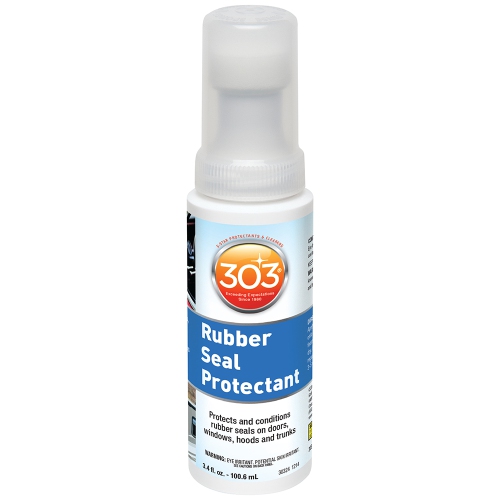 Your price for this item is $31.34
-
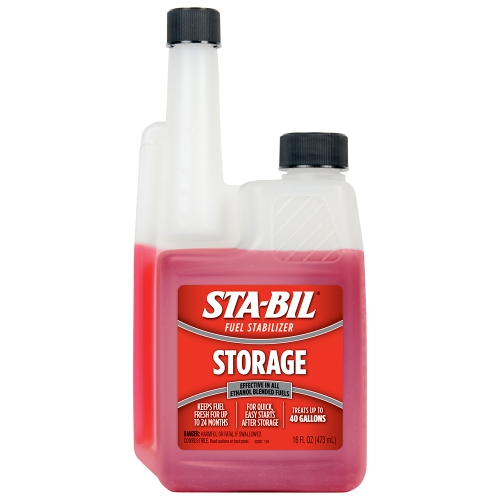 Your price for this item is $30.54
-
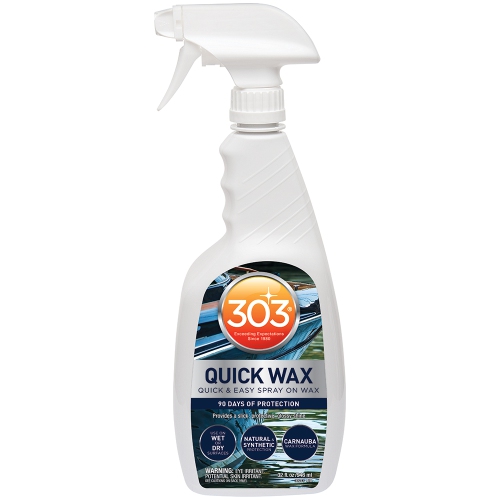 Your price for this item is $38.85
-
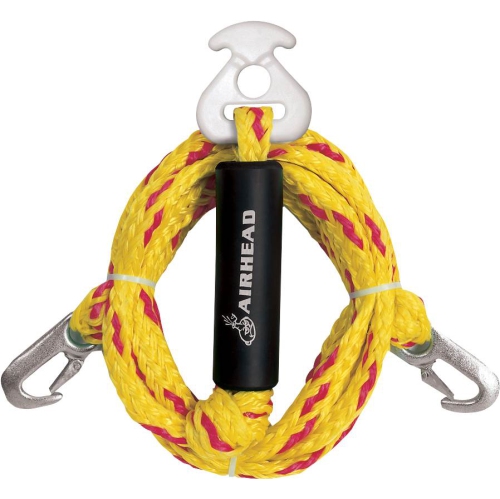 Your price for this item is $63.99
-
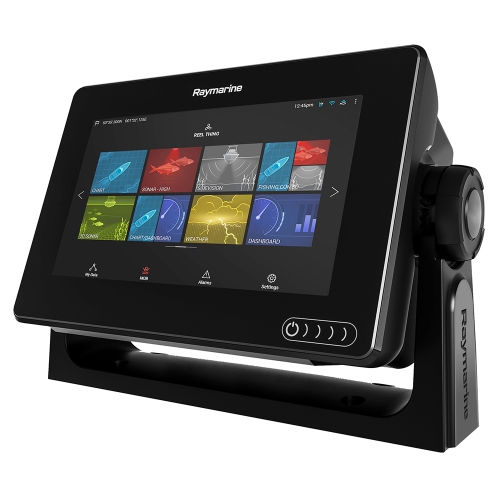 Your price for this item is $917.79
-
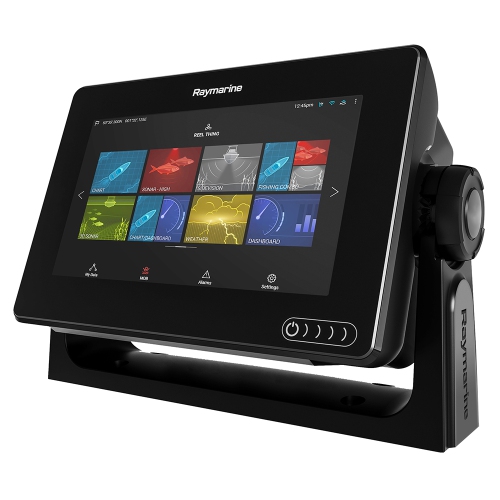 Your price for this item is $844.31
-
 Your price for this item is $31.38
-
 Your price for this item is $35.35
Discover more categories related to Sonar Transducers

Top Collections:
Pokemon Centers, Kindle Devices, Best Cameras for Sports Photography, Pokémon 30th Celebration Cards, Apple iPhones 16, Canon G7X Cameras, iPhone 15 Apple, Flip Phones, Samsung Galaxy Phones, Alarm Clock
Some products may be subject to Environmental Handling Fees
(EHF) depending on your province.
Learn more about EHFs.