Travel Sleeping Bags
Whether you're a seasoned outdoor enthusiast or a casual camper, having the right sleeping bag can make all the difference in getting a good night's sleep while on the go. Our selection of travel sleeping bags is designed to provide comfort, warmth, and convenience for your adventures, whether you're backpacking through the wilderness or enjoying a weekend camping trip with family and friends. With a variety of styles, sizes, and features to choose from, you'll find the perfect sleeping bag to suit your needs and ensure a restful night under the stars.
Sort
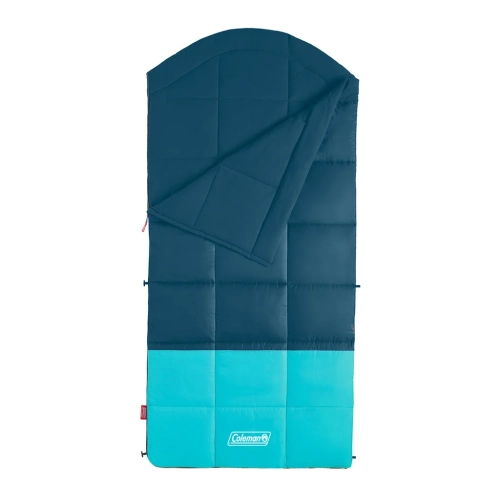
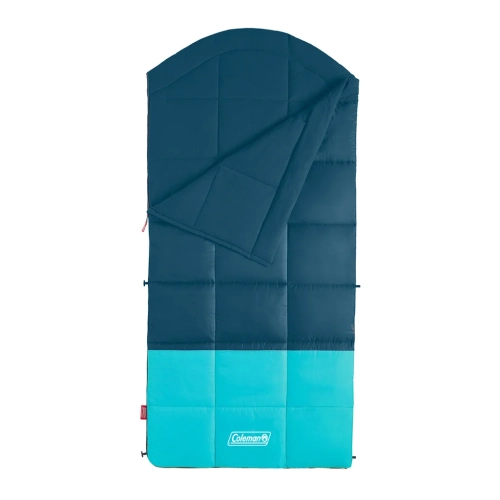
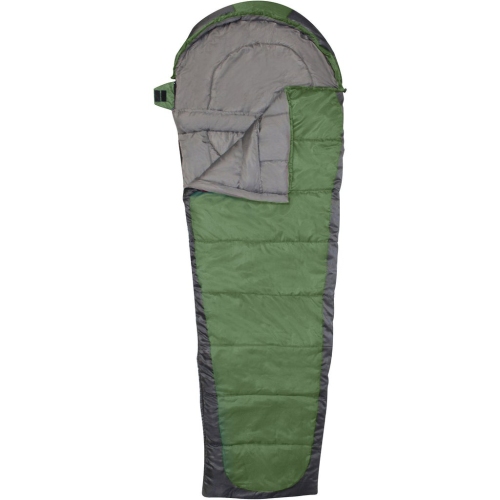
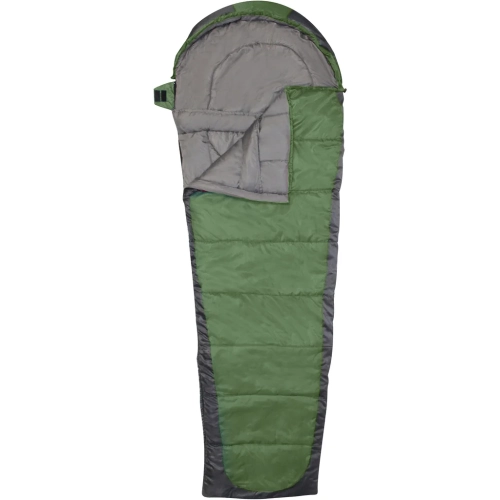
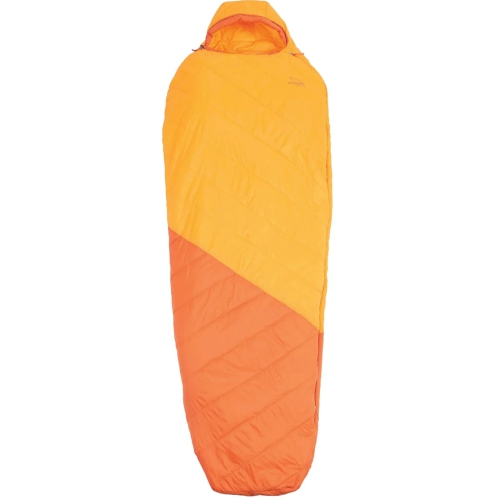
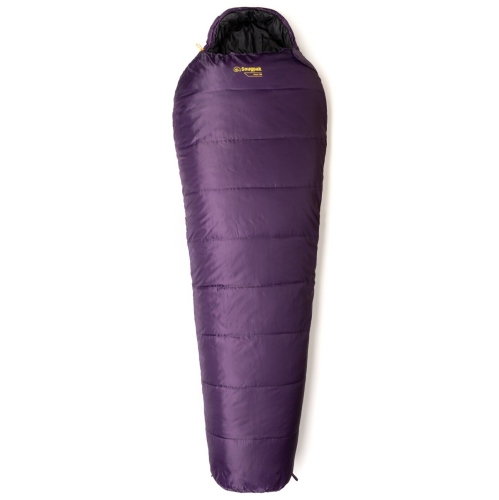
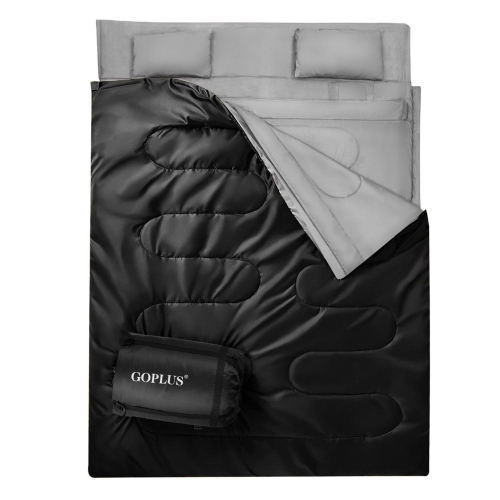
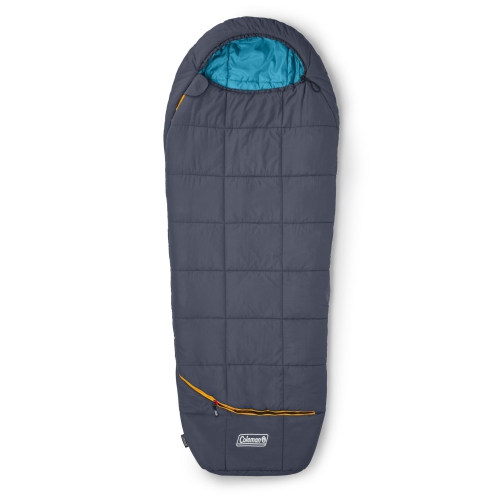
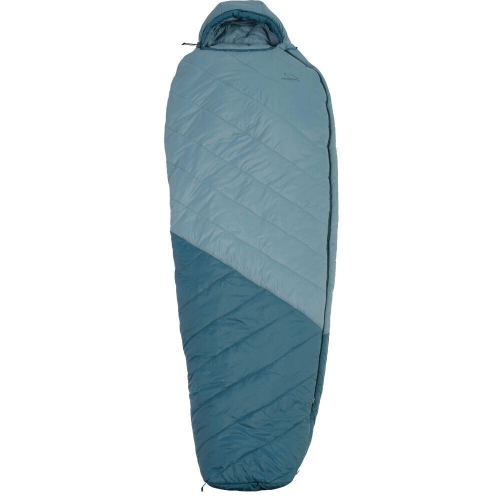
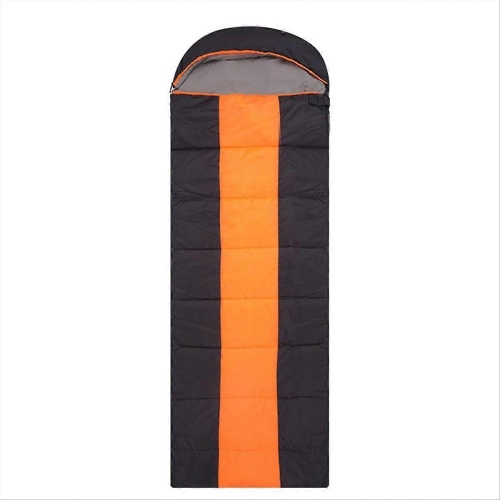
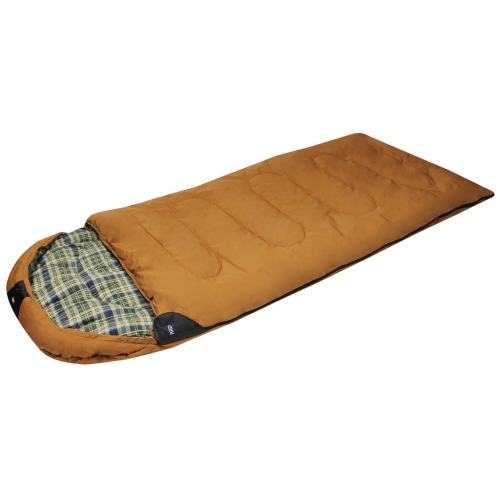
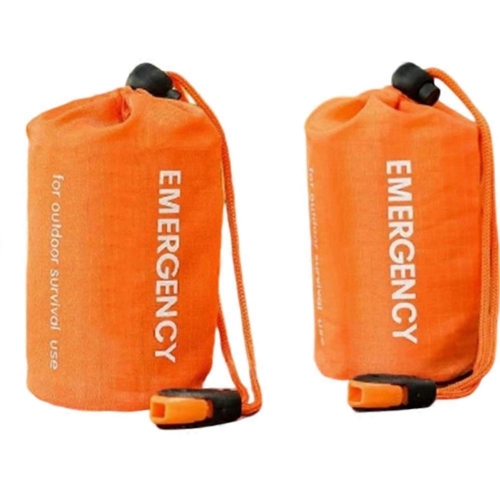

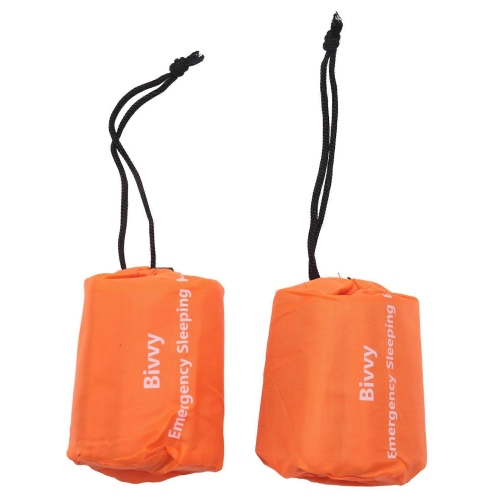
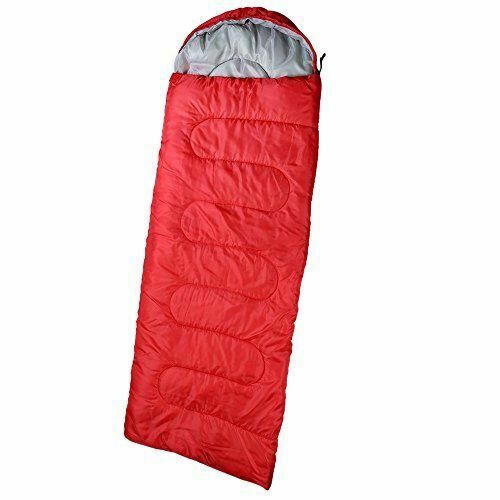
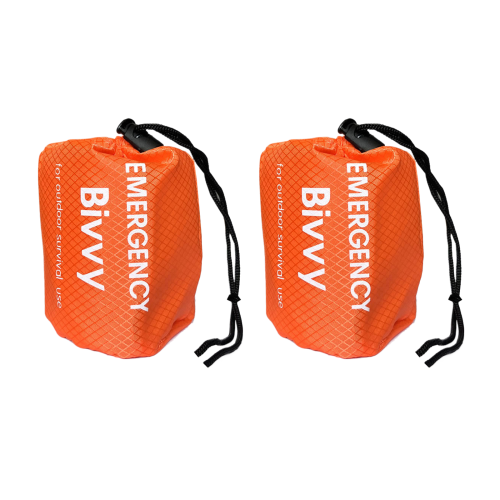
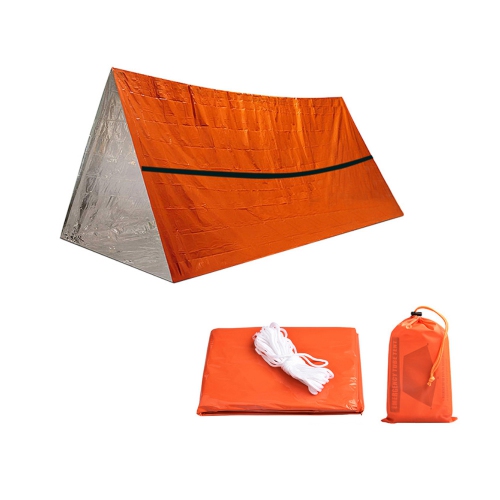
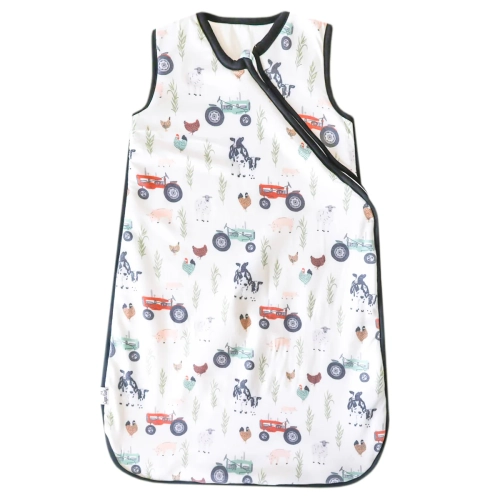
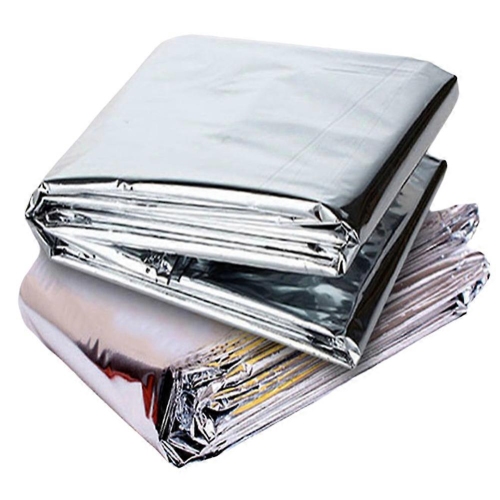
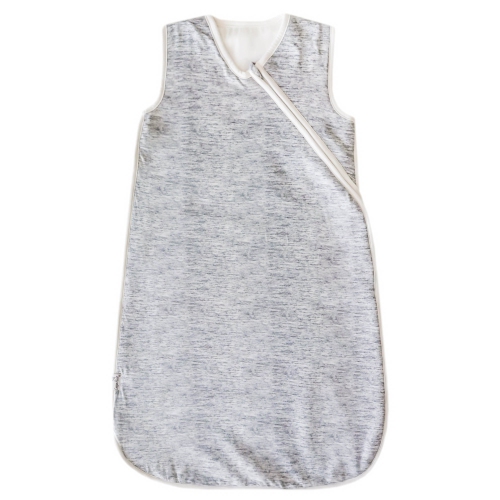
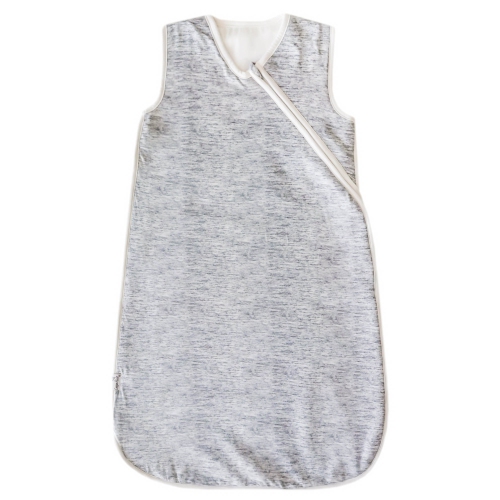
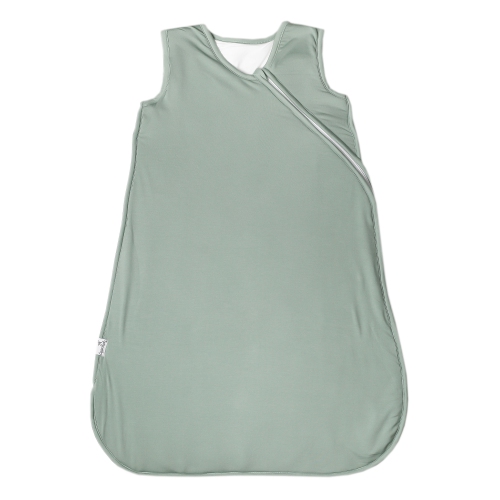
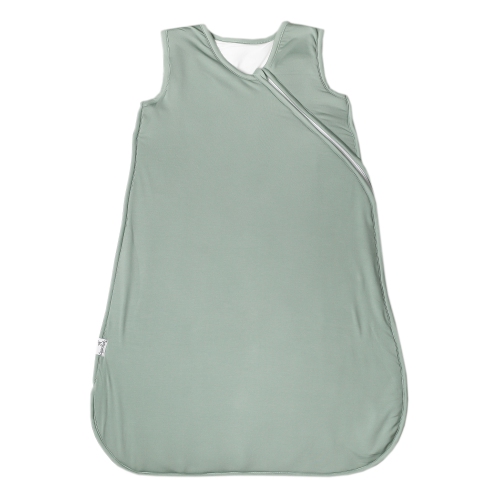
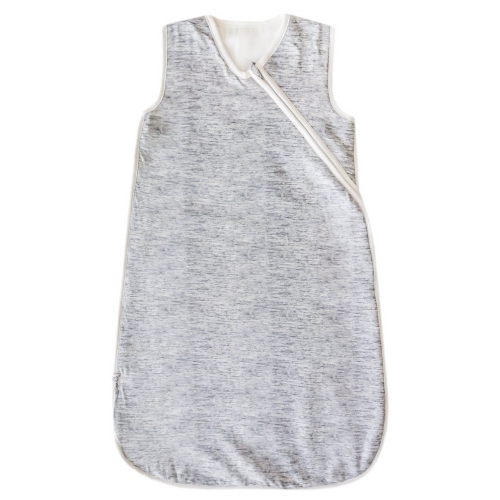
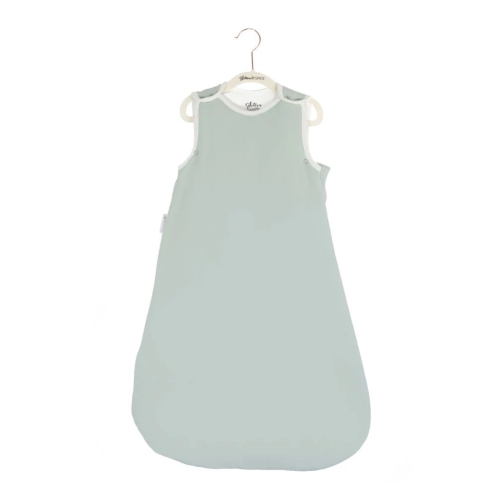

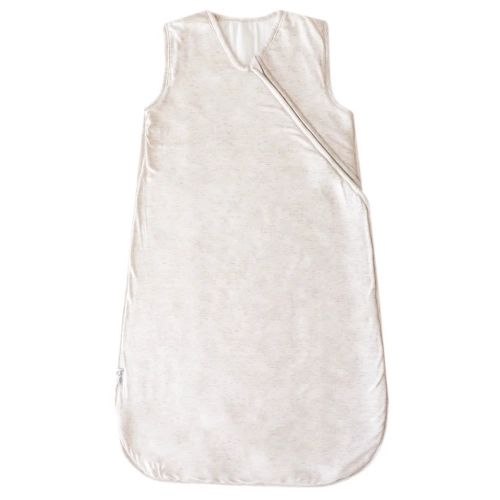

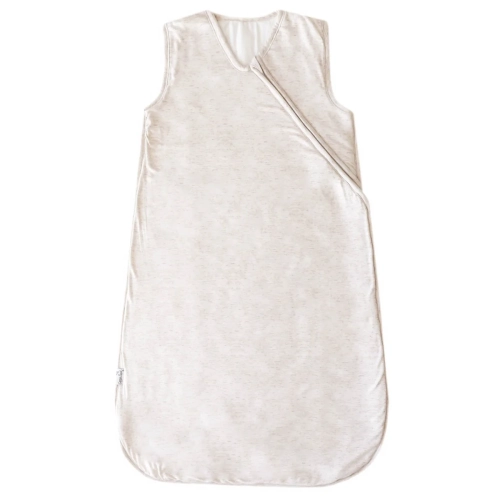


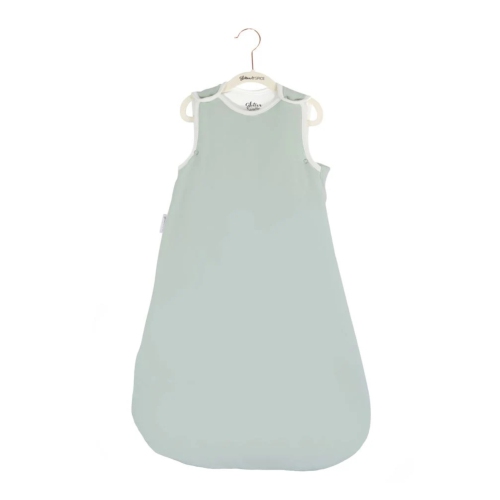
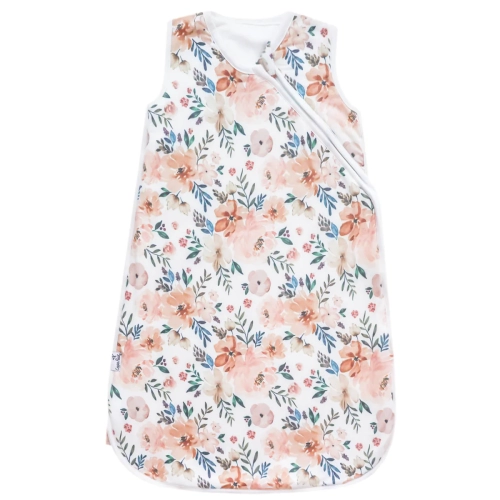
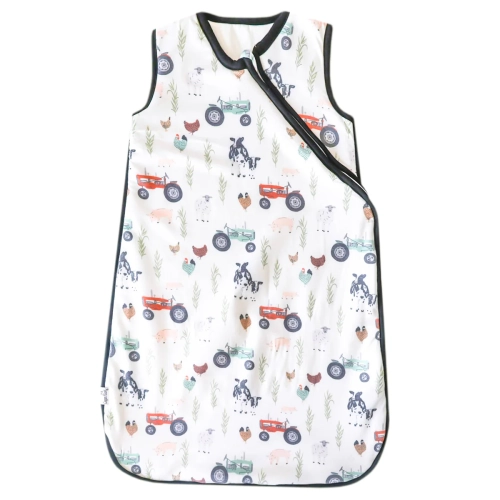
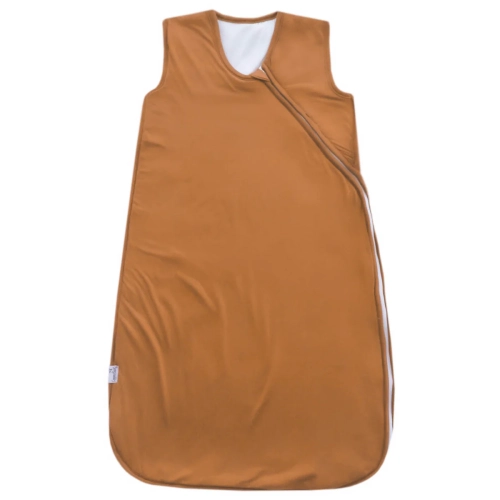
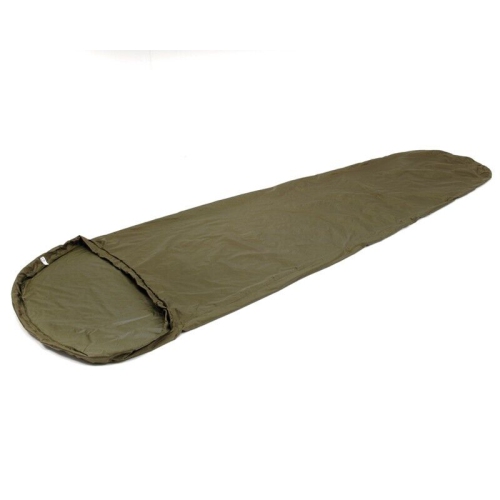

How packed size and fit shape overnight comfort
Travel sleeping bags provide a portable sleeping space for overnight stays where carrying personal bedding makes the journey more comfortable. They suit a range of settings, from hostel bunks and mountain huts to camper vans, cabins, and visits with friends, with designs that balance packed size, sleeping room, and insulation. Unlike a sleeping bag intended for extended backcountry trips, a travel-focused option may put greater emphasis on easy packing, a soft lining, and the ability to open flat. The distinction matters when a bag needs to share a suitcase with clothing or fit inside a backpack that will be carried between train stations and accommodation. A lightweight sleeping bag can provide modest insulation for indoor stays, while an insulated design may be more appropriate for sleeping outdoors. A sleeping bag liner serves a different purpose: it creates a washable layer between the sleeper and bedding but generally does not replace the warmth of an insulated bag. Rectangular shapes offer room to bend a knee or shift onto one side, making them appealing to sleepers who dislike a close fit. Tapered and mummy shapes reduce extra space around the legs and feet, often helping to limit bulk while retaining warmth. Fit depends on more than overall length; shoulder width, hip room, and the shape of the footbox all affect how naturally someone can settle in. A bag that is too short can press against the toes and shoulders, while an unnecessarily large bag adds material to carry and leaves more interior space to warm. For someone moving between several places on one trip, details such as an accessible zipper, a small internal pocket, and a stuff sack that is easy to repack can matter as much as the stated weight. Accommodation rules also deserve attention, since some hostels and huts permit liners but restrict personal sleeping bags.
Materials influence how travel sleeping bags feel, pack, and stand up to repeated use. Nylon and polyester shells are common because they can offer a useful balance of low weight and resistance to everyday wear. Ripstop fabrics use a reinforcing weave that can help keep a small tear from spreading, although they still need protection from sharp luggage hardware and rough surfaces. A water-resistant finish can help shed light moisture, but it does not make a sleeping bag waterproof or suitable for sleeping exposed to rain. Inside, smooth synthetic linings tend to slide easily over sleepwear, while brushed fabrics can feel softer against the skin. Cotton linings may appeal for indoor comfort, though they generally dry more slowly and can add packed bulk. Synthetic insulation typically retains more insulating ability when damp than untreated down and can be a practical choice for trips involving frequent washing or uncertain drying conditions. Down often provides an excellent warmth-to-weight ratio and compresses well, but its performance depends on keeping it dry and following appropriate cleaning instructions. Fill type alone does not establish how warm a bag will feel: insulation quantity, construction, fit, clothing, and the sleeping surface all play a part. Where temperature ratings are provided, a comfort rating is more useful for judging everyday sleeping comfort than an extreme rating, which is not a comfortable-use target. Ratings are most meaningful when they follow a recognized testing standard, and personal sensitivity to cold still varies. For outdoor use, insulation beneath the sleeper matters because the fill underneath the body becomes compressed; a suitable sleeping pad helps reduce heat loss to the ground. Zipper draft tubes, adjustable hoods, and neck baffles can limit heat escaping through openings, while a full-length zipper allows more ventilation. Some designs use different insulation levels on each side to offer flexibility, but their intended orientation and stated ratings should be checked rather than assumed. These differences separate a compact bag for indoor accommodation from one suited to nights in a tent.
Packing and care have a direct effect on how useful a travel sleeping bag remains over successive trips. Packed dimensions are often more revealing than photographs: a bag that looks small when rolled loosely may take up a substantial portion of a carry-on, especially alongside shoes and toiletries. Weight also deserves attention for travellers who will carry everything on their backs, whereas someone driving to a cabin may prefer extra room and a softer lining over the smallest possible package. A compression sack can reduce bulk during transit when suitable for the bag, while a protective outer bag can help keep bedding separate from damp clothing or a leaking toiletry bottle. For organizing those neighbouring essentials, Travel Storage Bags can help keep clothing and smaller belongings together without relying on the sleeping bag’s stuff sack as an all-purpose compartment. After a trip, airing the sleeping bag and allowing it to dry completely before storage helps prevent trapped moisture and lingering odours. Most insulated bags benefit from being stored loosely rather than left tightly compressed between journeys, preserving the loft that traps warm air. Cleaning requirements vary by shell, fill, and construction, so the sewn-in care label should determine the washing method, detergent, and drying approach. Down in particular needs thorough drying to break up clumps and restore an even distribution of fill. A removable liner can reduce how often the whole bag needs washing, especially on longer trips with several overnight stops. Durable stitching, firmly attached zipper pulls, and fabric guards beside the zipper can also make everyday handling easier, particularly when packing in a small room or opening the bag without much light. For gifting, a travel sleeping bag makes sense for a frequent hostel guest, a student planning a backpacking trip, or someone who enjoys casual overnight getaways, provided the size and intended use match their plans. The most useful choice is one that feels comfortable at bedtime, fits the luggage it will travel in, and can be cared for easily once the journey ends.
Top selling and popular products
-
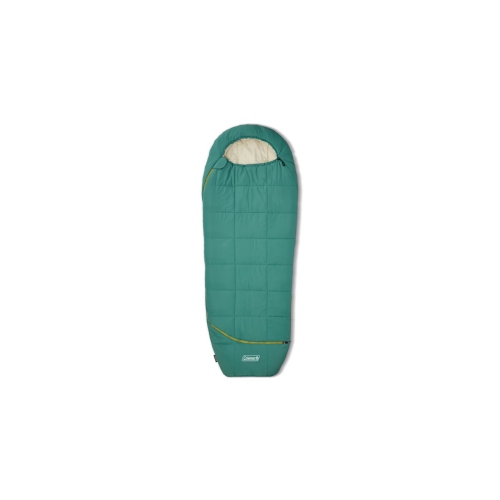 Your price for this item is $149.99
-
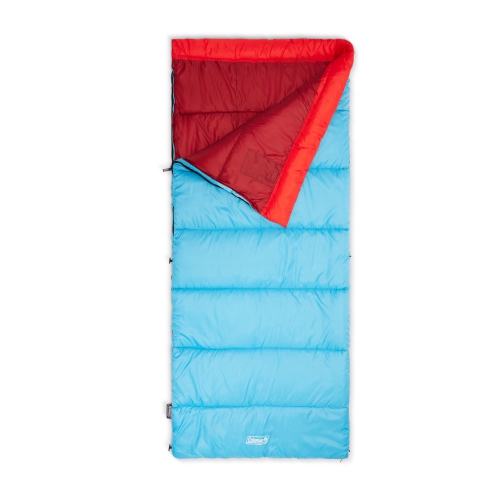 Your price for this item is $134.99
-
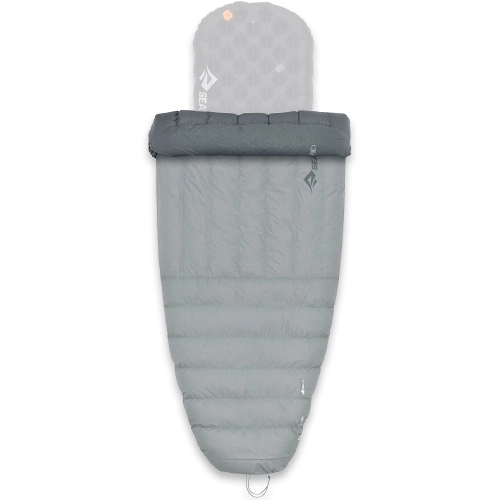 Your price for this item is $378.95
-
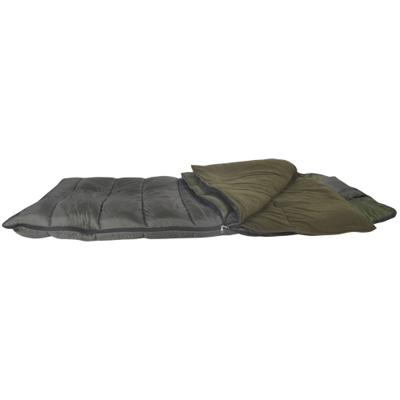 Your price for this item is $219.99
-
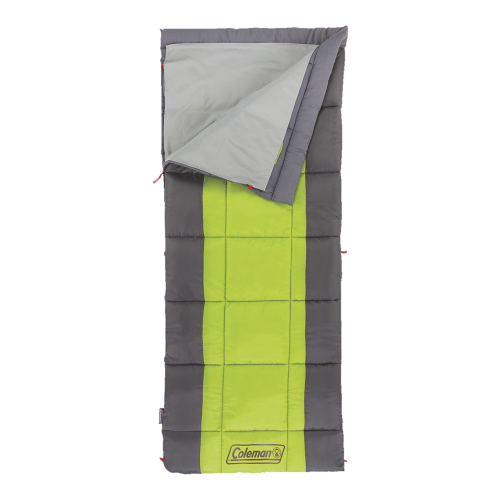 Your price for this item is $90
-
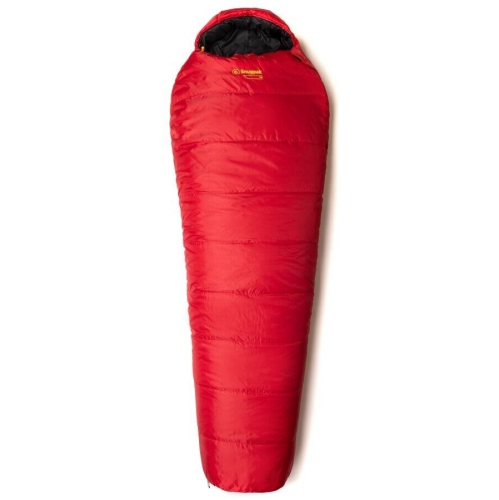 Your price for this item is $109.95
-
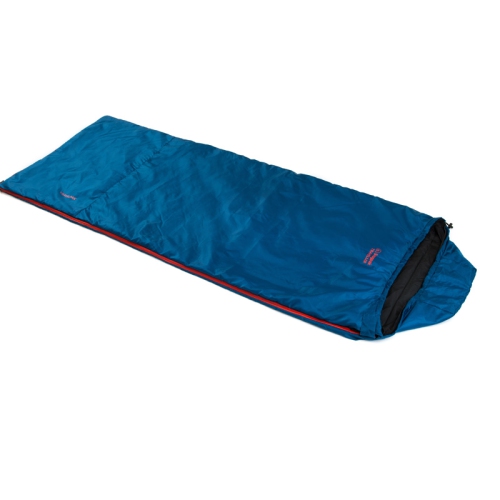 Your price for this item is $124.95
-
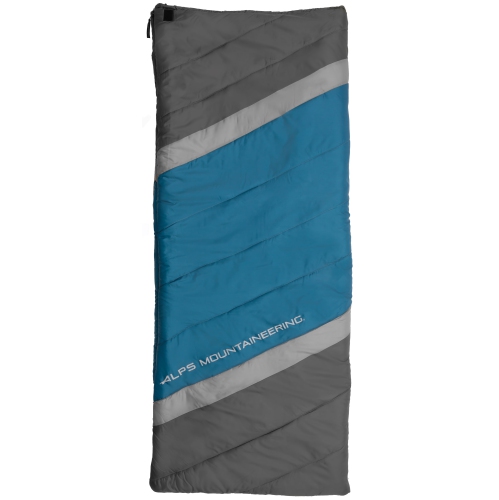 Your price for this item is $159.99
Discover more categories related to Travel Sleeping Bags

Top Collections:
Pokemon Centers, Kindle Devices, Best Cameras for Sports Photography, Pokémon 30th Celebration Cards, Canon G7X Cameras, Samsung Galaxy Phones, iPhone 15 Apple, Best Black Friday Deals On Electronics, Jackery Power Stations, Solar Generators for Home
Some products may be subject to Environmental Handling Fees
(EHF) depending on your province.
Learn more about EHFs.