Winch Straps
Winch Strap options are essential for securing loads with confidence and ease, whether you're transporting equipment, vehicles, or other heavy cargo. Designed to provide reliable performance in demanding situations, these straps help ensure your items stay in place during transit or storage. Explore a variety of Winch Strap choices to find the right fit for your hauling needs and enjoy peace of mind on the road or at the job site.
Sort
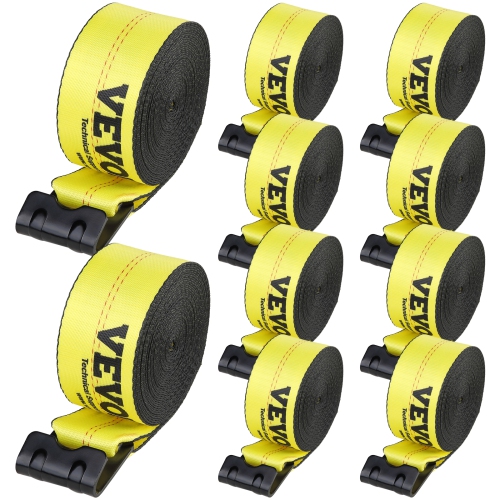
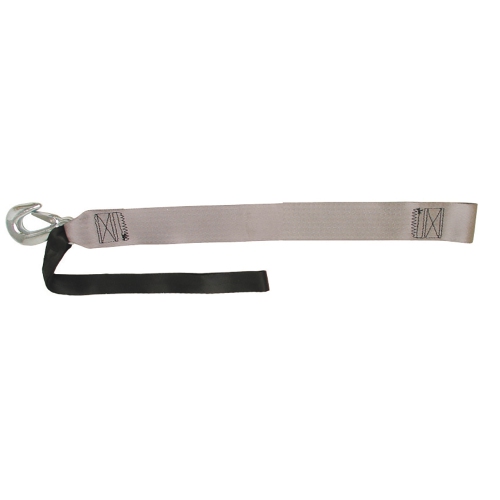
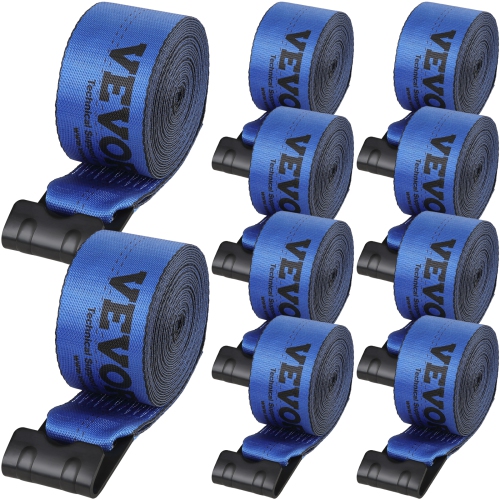
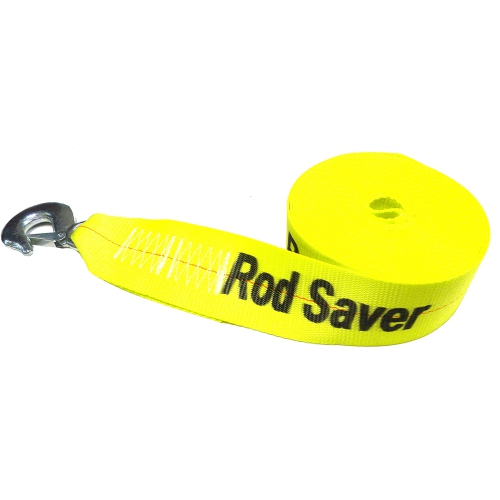

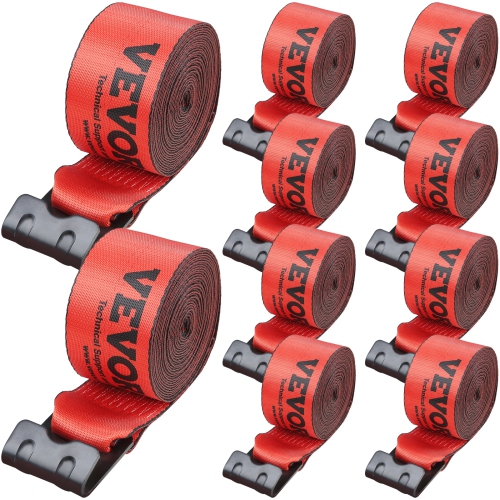
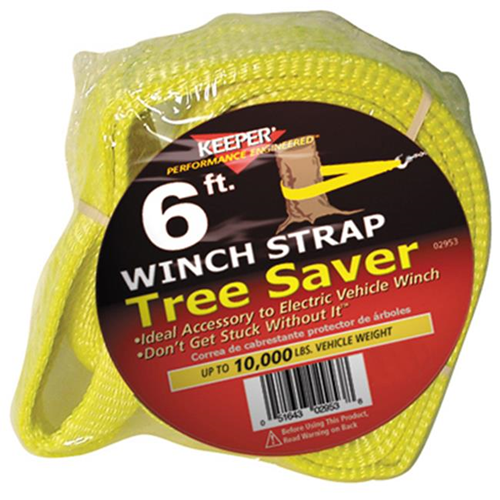
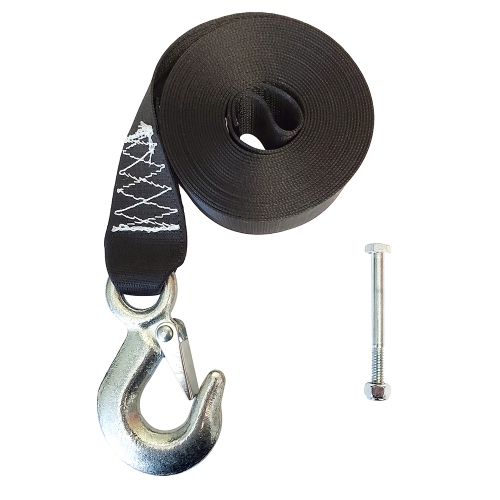
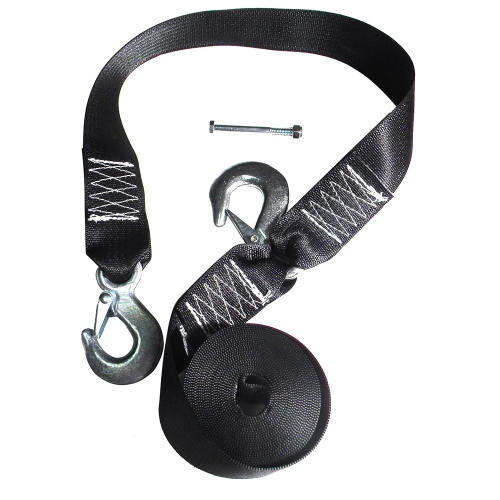
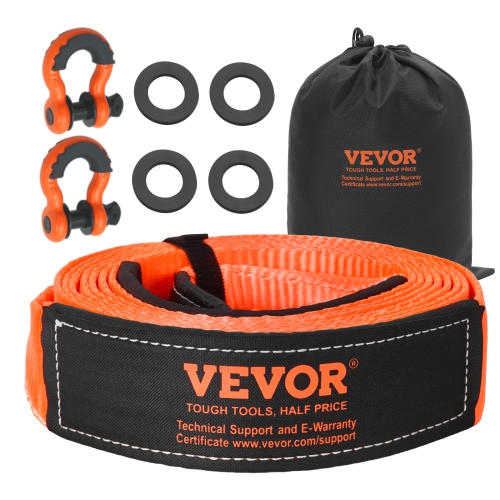
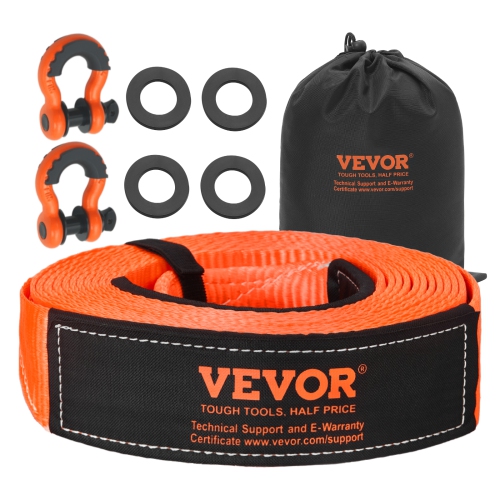
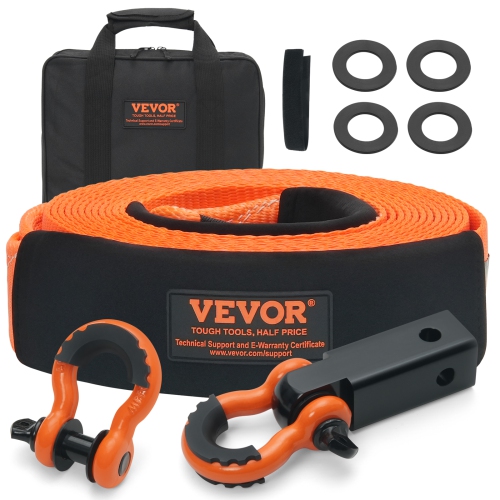
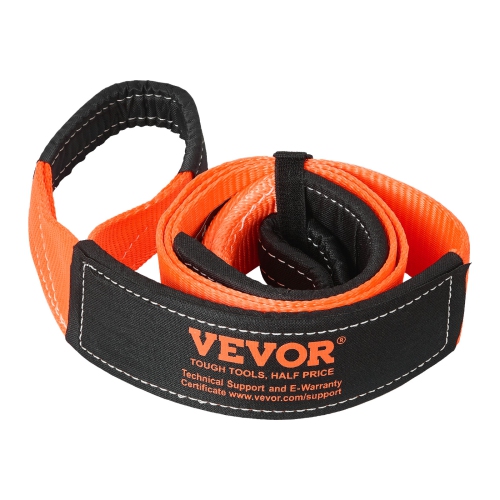

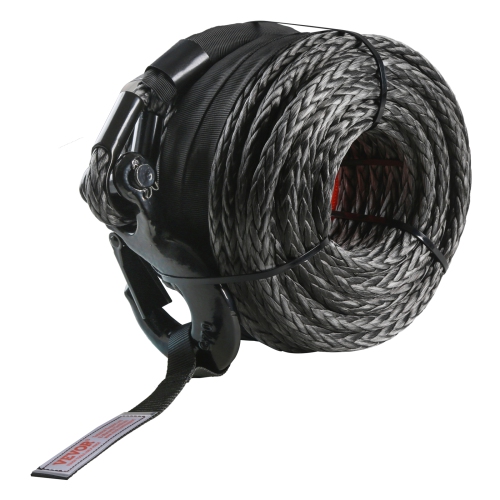
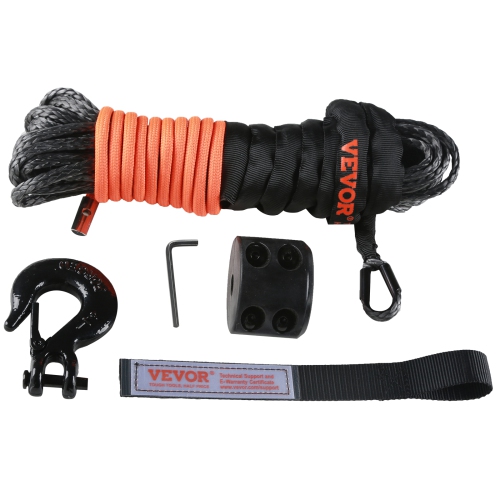
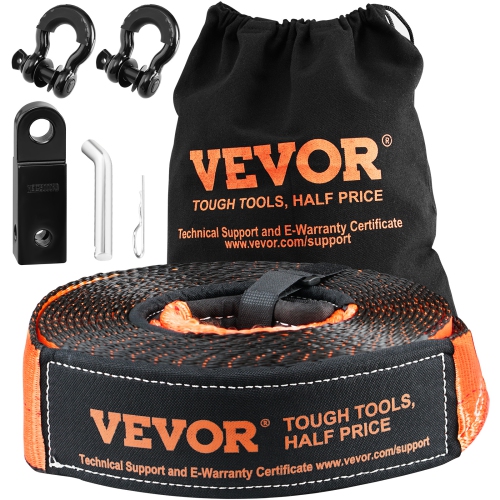
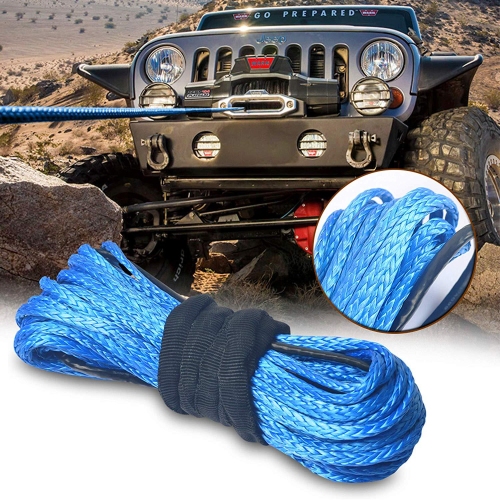
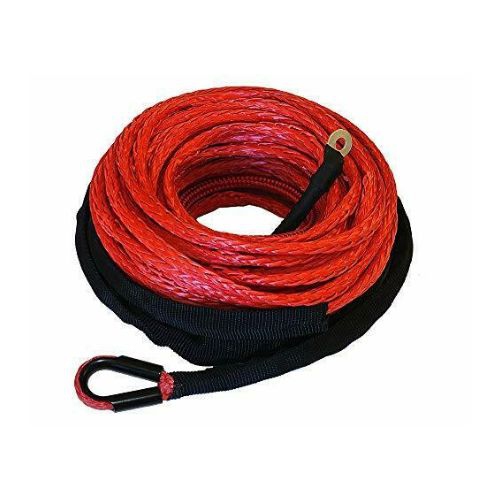
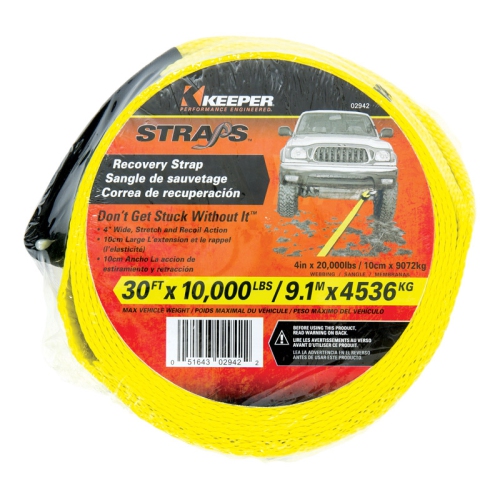
Cargo tie-downs and boat loading call for different straps
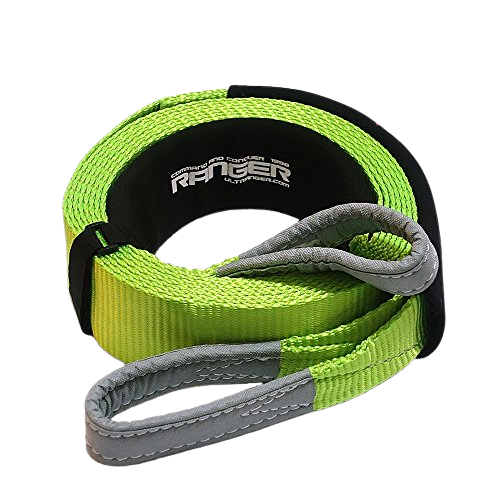
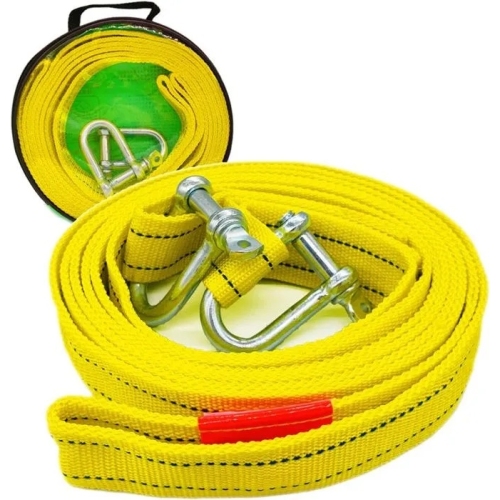
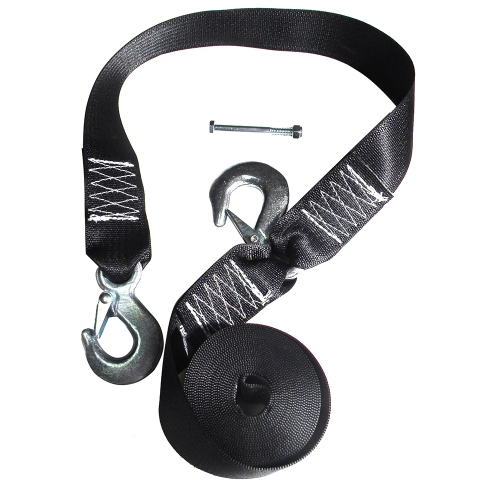
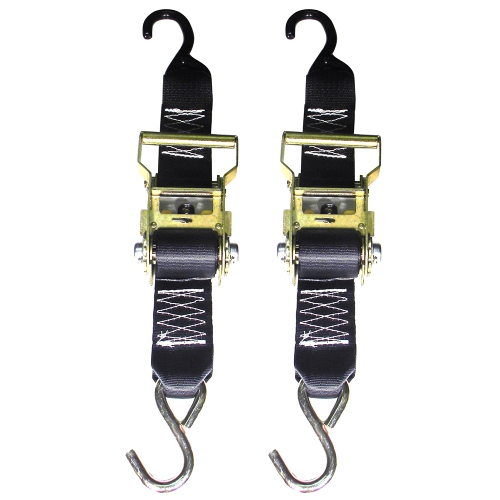
Winch straps are heavy-duty webbing straps used with compatible winches to secure cargo on flatbed trailers or draw boats onto boat trailers. Although both applications use strong woven webbing, the straps serve different purposes and are not automatically interchangeable. A flatbed winch strap forms part of a cargo tie-down system, with one end attached to an anchor point and the other tensioned through a trailer-mounted winch. A boat trailer winch strap connects the trailer winch to the boat’s bow eye, helping control the boat’s movement as it comes onto the trailer. That distinction matters when comparing strap construction, dimensions, end fittings, and load ratings. For commercial drivers and equipment haulers, the relevant features may include wide webbing, reinforced ends, and a hook or chain anchor suited to the trailer. For boat owners, compatibility with the winch drum, the bow connection, and the manufacturer’s specified pulling capacity takes priority. Polyester is common in winch straps because it combines strength with relatively low stretch and good resistance to moisture and abrasion. Nylon webbing has different stretch characteristics, so material alone does not establish whether a strap suits a particular task. The complete strap assembly, its stated application, and its manufacturer’s specifications provide a more useful basis for comparison. Close, even weaving and neatly finished stitching are important construction details, particularly around attachment points where force transfers between the webbing and hardware. Protective sleeves or reinforced sections can add resistance to rubbing in designated contact areas, but no textile strap is immune to sharp edges or repeated wear. A strap used to secure building materials on a flatbed faces different demands from one winding onto a boat trailer winch. Matching the strap to that actual use helps narrow the choices without treating every length of heavy webbing as equivalent. These are practical components for drivers, tradespeople, boat owners, and others who regularly move equipment, supplies, or watercraft with a properly matched trailer system.
Fit involves more than choosing a strap that reaches from one point to another. Width and thickness must suit the winch opening and drum, while length must accommodate the load or pulling distance without exceeding the drum’s capacity. On a boat trailer, excessive webbing can crowd the drum, while insufficient length can leave too few wraps for the attachment arrangement specified by the winch manufacturer. The connection at the drum also needs to match the winch design; a sewn loop, bolt attachment, or other fastening arrangement is not a universal fit. At the opposite end, hook size and shape affect how securely the fitting seats against the intended attachment point. A latch, where fitted, helps retain the connection but does not replace correct hook engagement or increase the strap’s rating. Flatbed applications bring their own fitting considerations, including flat hooks, wire hooks, and chain anchors designed for different trailer attachment systems. Hardware should bear against the surfaces it was designed to engage rather than catching on an edge or carrying force across an unintended part of the fitting. Load information deserves equally close attention. Working load limit and breaking strength describe different things, and a high breaking-strength figure should never be treated as the permitted everyday load. For cargo securement, the working load limit of the complete assembly is constrained by its lowest-rated component. The number and arrangement of tie-downs also depend on the cargo, the securement method, and applicable Canadian requirements. A strap description alone does not establish compliance with every transport rule. Boat winch ratings likewise need to be considered alongside the trailer setup and winch manufacturer’s instructions rather than matched to boat weight through a simple assumption. Hull support, ramp angle, and resistance during loading can affect pulling demands. Clear rating labels, stated dimensions, and application details make these distinctions easier to assess, whether the task involves holding a stack of materials firmly on a trailer deck or bringing a boat steadily into position at the bow stop.
Long-term durability depends on how the webbing and fittings are treated between uses as well as how they are made. A strap running across a rough cargo edge can develop damage at a single contact point even when the rest of the webbing looks sound. Suitable edge protection helps spread contact and shield the fibres, while a clear path into the winch helps the strap wind evenly without folds or twists. On boat trailers, grit trapped between layers can rub against the weave as the strap winds and unwinds. Salt residue, oil, and other contaminants can also affect components, making cleaning methods and chemical compatibility worth checking against the manufacturer’s care instructions. Fresh-water rinsing after saltwater exposure, where recommended, and allowing the webbing to dry before storage help keep the assembly in serviceable condition. Storage away from direct sunlight, sharp tools, and damaging substances protects a strap when it is not in use. Inspection is particularly important around stitching, sewn eyes, hook connections, and the section attached to the winch drum. Cuts, frayed edges, melted or glazed fibres, damaged stitching, distorted hooks, and unreadable identification labels are reasons to remove a strap from service and follow the manufacturer’s replacement guidance. Knots and improvised repairs do not restore its rated capability. Compatible Winch Accessories can support the wider setup, but each component still needs to suit the equipment and intended application. A boat winch strap is not a substitute for the separate restraints needed to secure a boat for road travel, and a cargo winch strap is not automatically suitable for towing, vehicle extraction, or overhead lifting. For frequent users, useful everyday qualities include manageable webbing, clearly marked ratings, dependable attachment hardware, and dimensions that fit the existing winch without modification. The right match is a strap that works as part of the complete system, from its anchor connection to the way it winds onto the drum.
Top selling and popular products
-
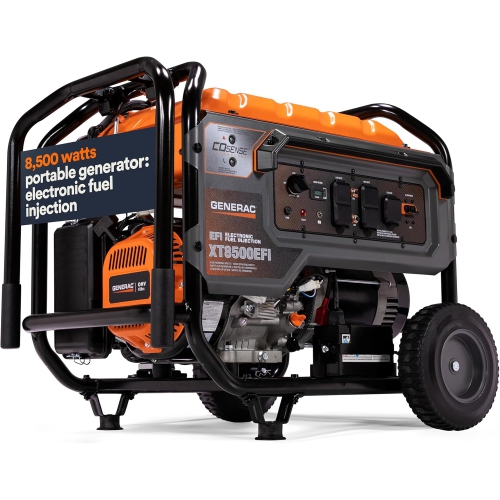 Your price for this item is $3000
-
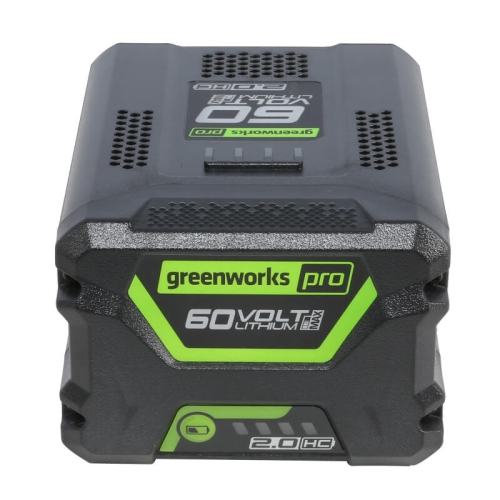 Your price for this item is $152.99
-
 Your price for this item is $329.99
-
 Your price for this item is $144.49
-
 Your price for this item is $255
-
 Your price for this item is $779.99
-
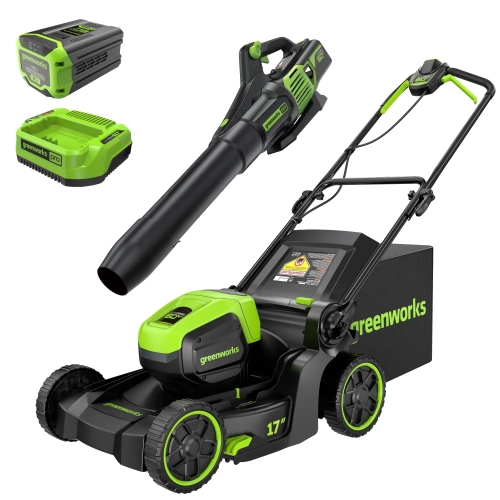 Your price for this item is $659.99
-
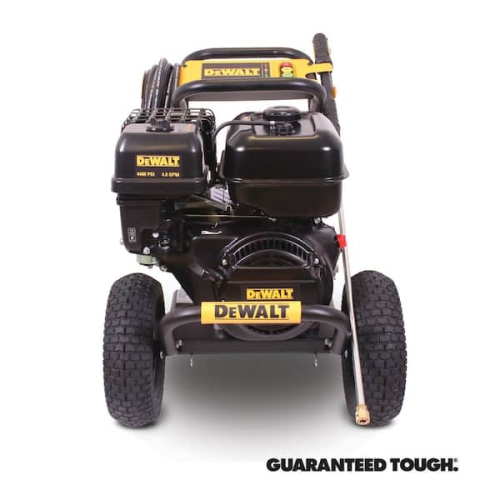 Your price for this item is $999.99
Discover more categories related to Winch Straps
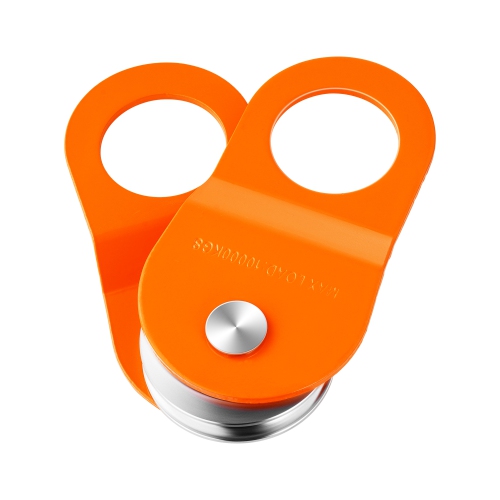
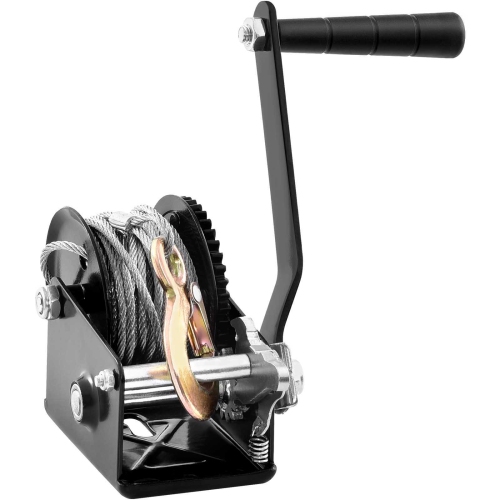
Top Collections:
Best Black Friday Deals This Year, Best Black Friday Deals On Electronics, Kindle Devices, Pokemon Centers, Best Black Friday Deals On Apple Products, Best Cameras for Sports Photography, Dyson Airwrap, Pokémon 30th Celebration Cards, Apple iPhone 17 Pro, Canon G7X Cameras
Some products may be subject to Environmental Handling Fees
(EHF) depending on your province.
Learn more about EHFs.