Ratchet Straps
Our collection of ratchet straps offers a reliable solution for all your hauling needs. Whether you're transporting furniture, appliances, or outdoor gear, these heavy-duty straps provide the strength and durability required to keep your items safe and secure during transit. With adjustable lengths and sturdy buckles, our ratchet straps are designed to make loading and unloading a breeze. Explore our range of high-quality options to find the perfect fit for your next transportation task.
Sort
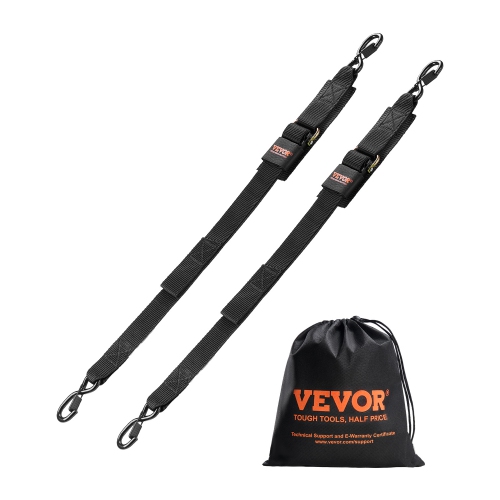
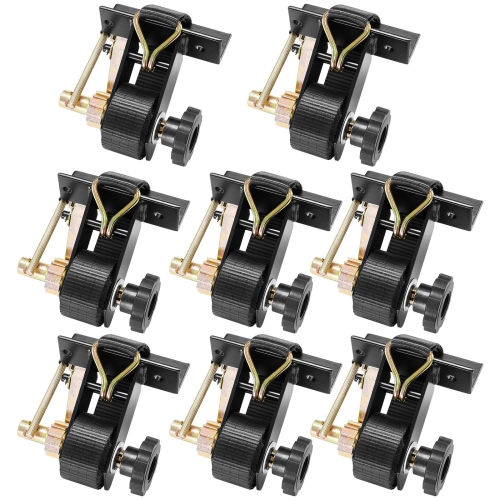
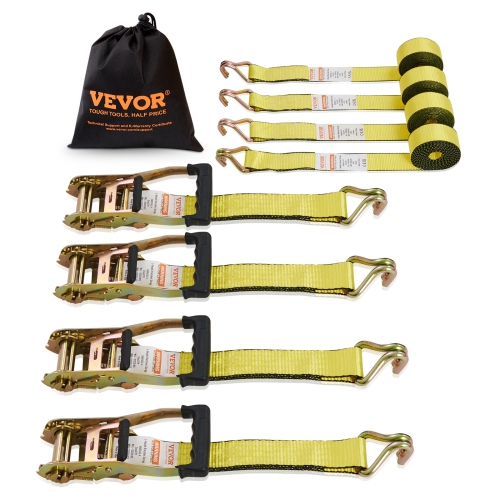
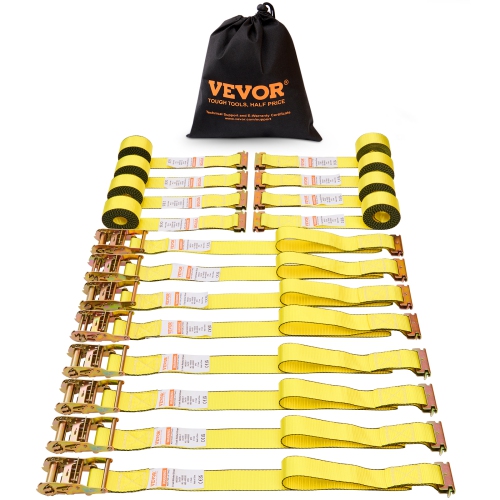
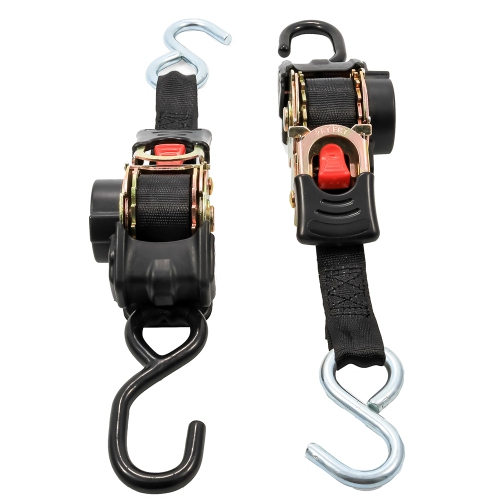
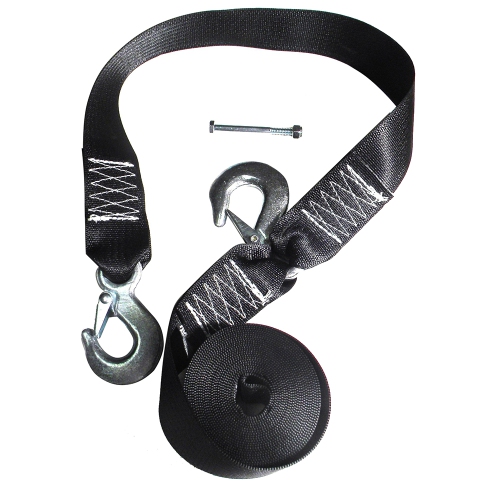
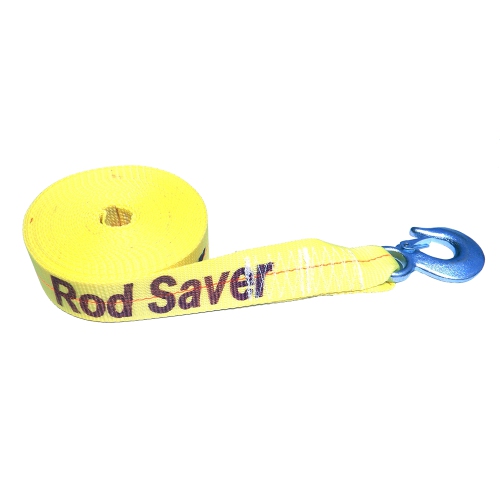
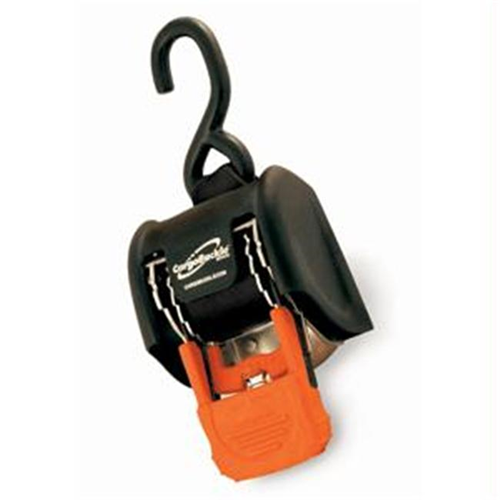
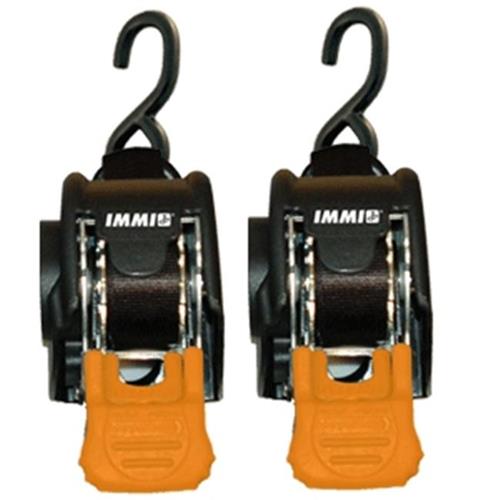
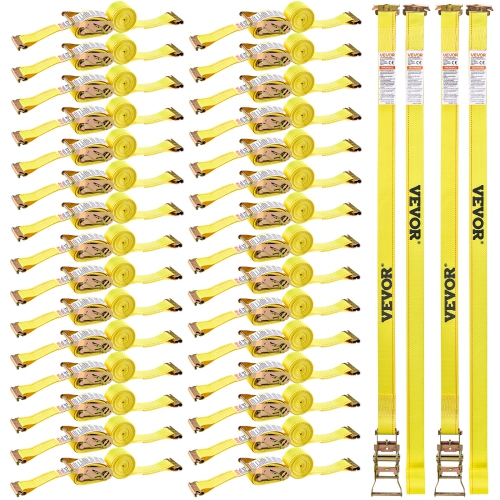
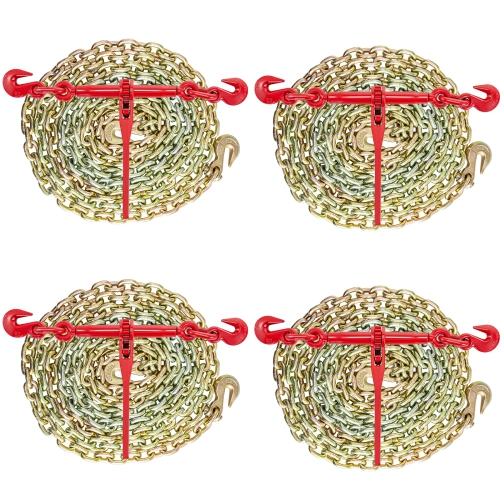
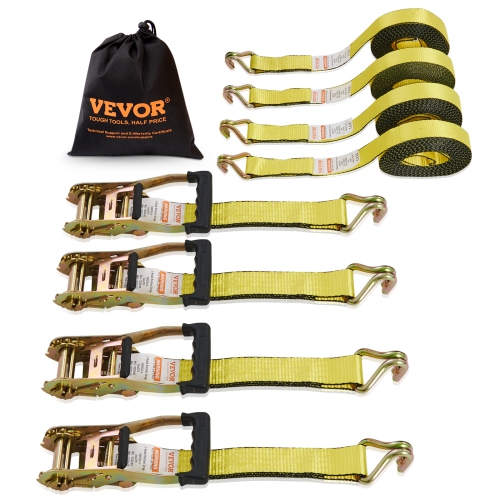

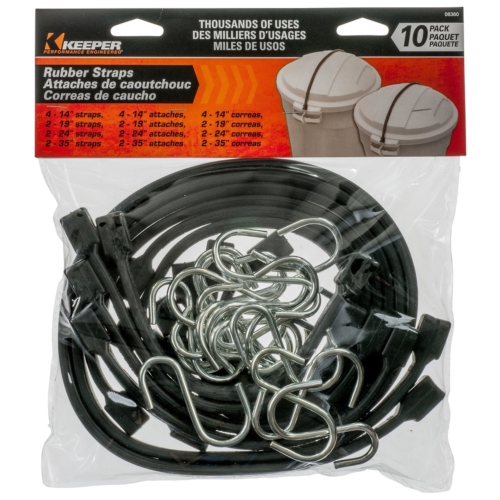
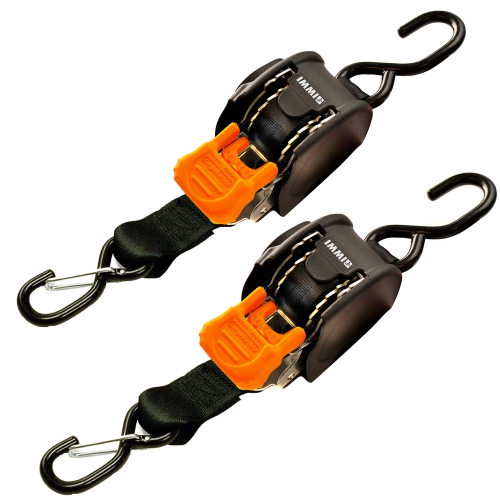
Practical guidance for securing cargo safely during transport
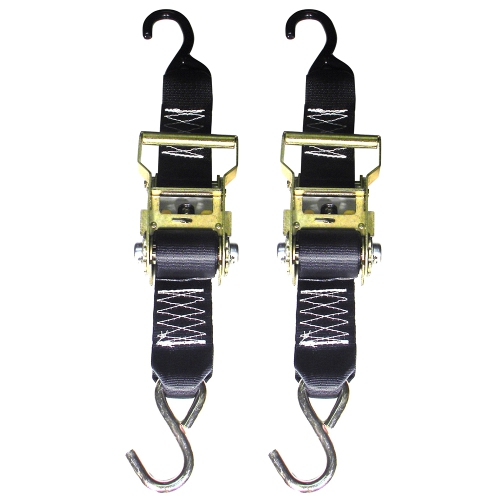
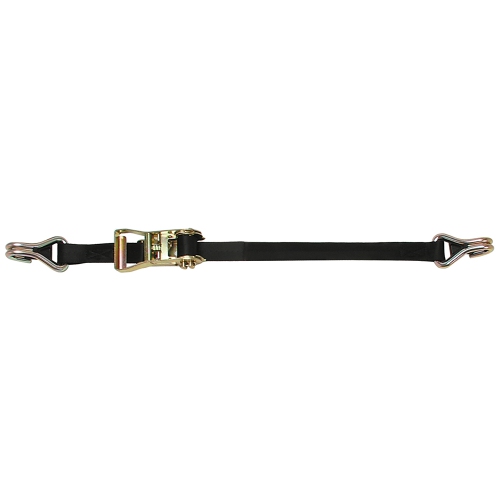
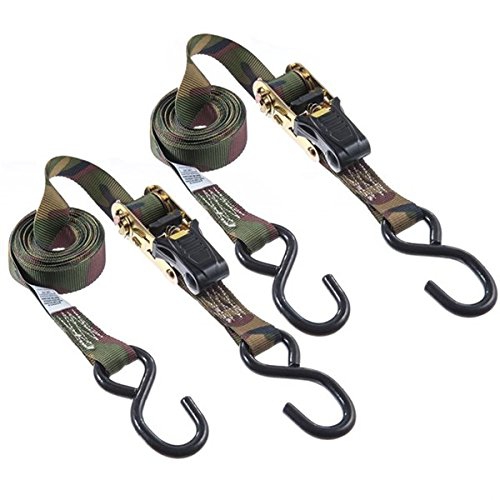
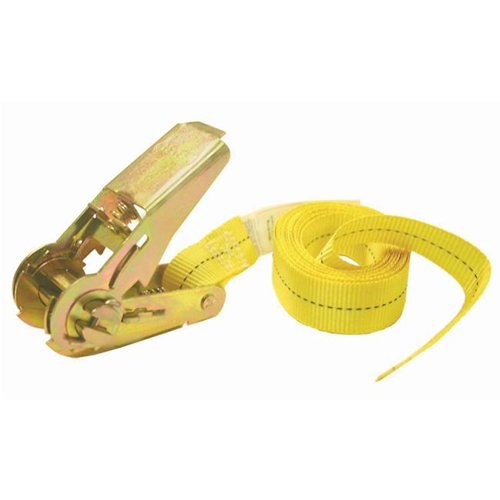
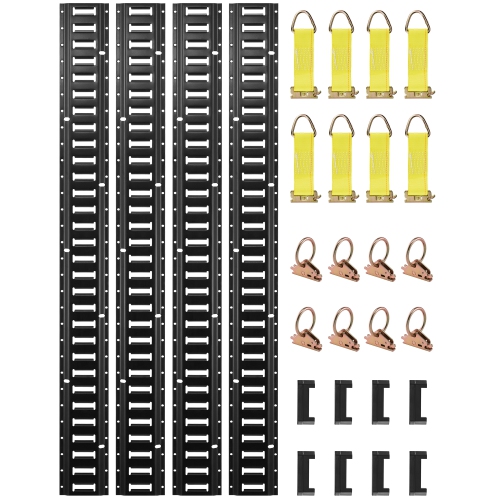
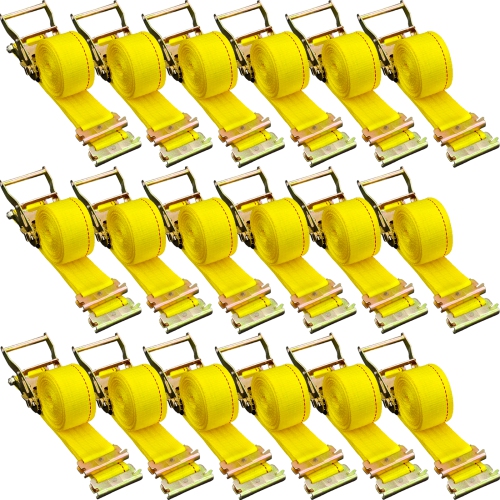
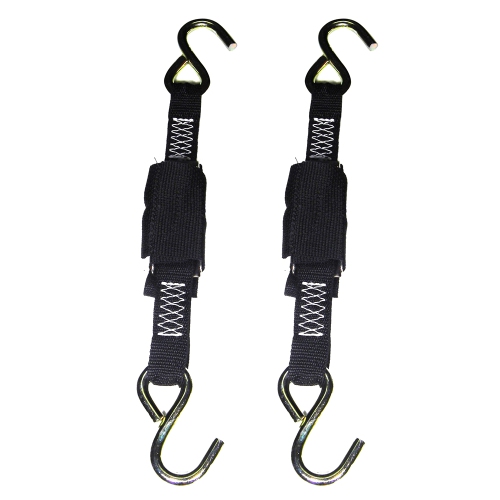
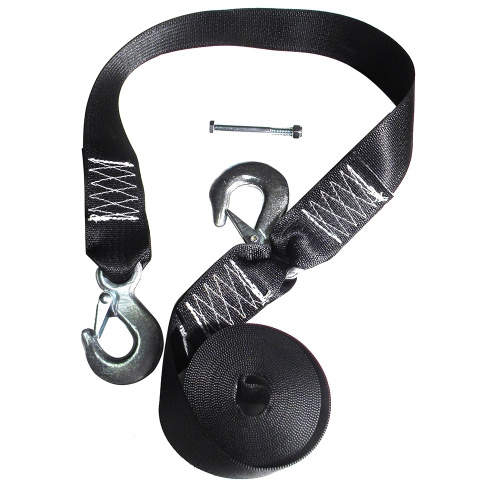
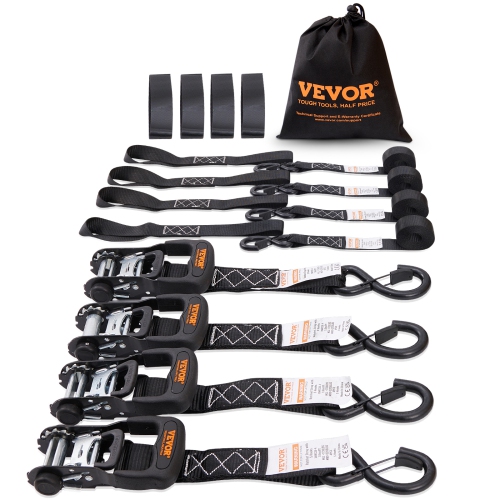
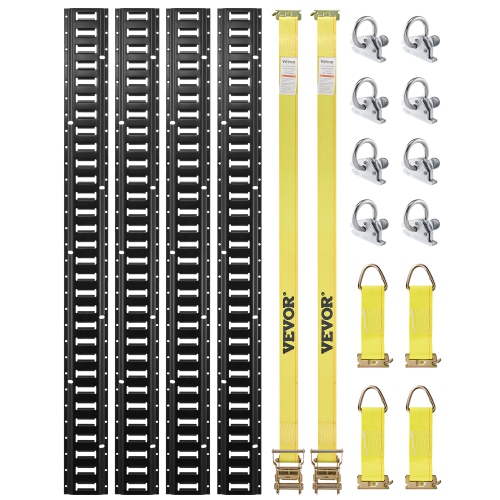
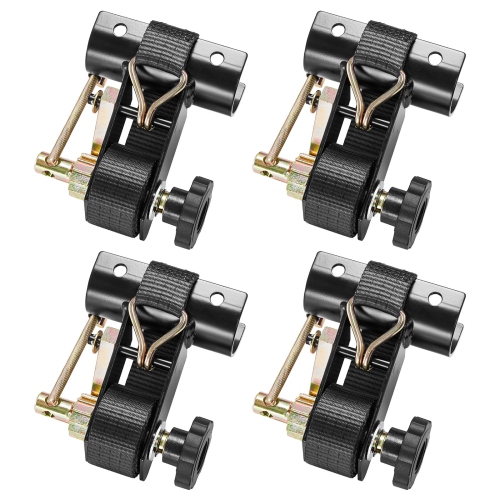
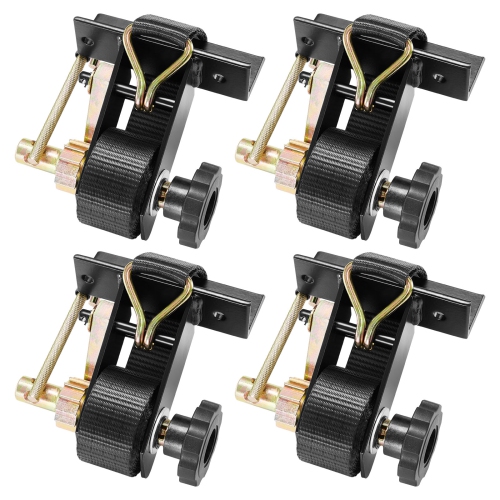
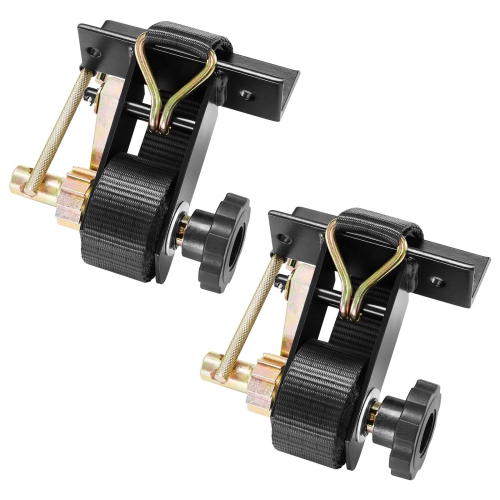
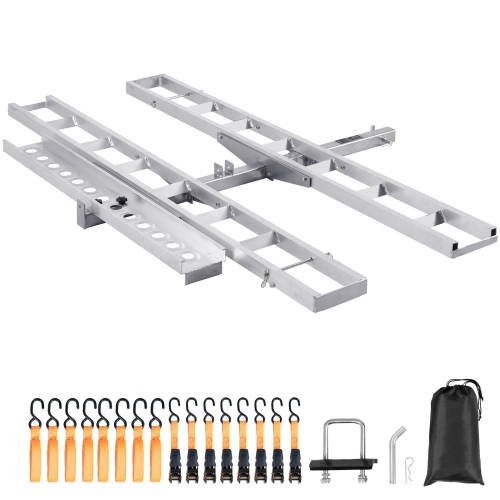
Ratchet straps are adjustable tie-down systems designed to keep cargo stable while it is being transported in a truck, trailer, van, utility vehicle or on an exterior rack. Each strap typically combines durable webbing, a tensioning ratchet and attachment hooks or loops that connect to suitable anchor points. As the webbing feeds through the ratcheting spindle, operating the handle creates controlled tension around the load, helping prevent shifting, sliding or tipping during travel. They can be useful for securing motorcycles, lawn equipment, furniture, appliances, renovation supplies, bins, sporting equipment and many other bulky items that are difficult to restrain with ordinary rope. A properly selected set can be a practical addition to a garage, workshop, vehicle emergency kit or moving supplies, particularly for people who regularly transport equipment or tackle do-it-yourself projects. They may also be a thoughtful gift for a new homeowner, camper, contractor, tradesperson, motorsport enthusiast, recreational vehicle owner or anyone who spends weekends hauling supplies. For occasional use, a compact set can be convenient to keep in a vehicle; for frequent hauling, multiple lengths and attachment styles can make it easier to secure different shapes and anchor configurations. Before choosing, consider the type of cargo, the distance it must travel, the available tie-down points and the environment in which the straps will be used. A shorter strap may suit compact loads, while longer webbing can wrap around wide furniture or pass through anchor points on a trailer. The strap width, webbing material, ratchet construction and hook design all contribute to ease of use and performance. Products described as Heavy Duty Straps may be especially appropriate for larger or heavier loads, provided their ratings and attachment hardware match the job.
The most important specification to review is the working load limit, sometimes abbreviated as WLL. This is the maximum load the strap is intended to restrain under stated conditions, and it is different from the breaking strength, which describes the point at which the strap may fail. Select a working load limit that comfortably exceeds the weight and movement demands of the cargo, rather than choosing a strap based only on its maximum advertised strength. One-inch straps are often convenient for lighter recreational, household or utility loads, while two-inch straps are commonly chosen for heavier cargo and more demanding tie-down work; larger commercial options may be available for specialised applications. A set with S-hooks, J-hooks or flat hooks can connect directly to different anchor points, but the hook must sit fully and securely on a suitable attachment point rather than resting on an edge or being held in place by tension alone. Soft loops can be useful when a hook or metal fitting could scratch painted surfaces, handlebars, frames or finished furniture. Place the webbing over strong sections of the cargo and avoid routing it across sharp corners, hot surfaces or areas that could cut, melt or abrade the material. Edge protection, corner guards or padding can help shield both the load and the strap, especially when transporting cabinets, bicycles, appliances or furniture with delicate finishes. Keep the ratchet positioned where it can be checked during stops, and tighten it firmly without forcing the handle beyond its normal range. The ratchet should close and lock completely, with the webbing sitting flat on the spindle and no twists that could weaken the setup or create uneven pressure. Never rely on a tie-down to lift a load, tow a vehicle or support a person, and do not exceed the rating of the weakest component, including the anchor point, hook or loop.
Good preparation is just as important as choosing the right strap. Inspect the webbing, stitching, hooks, handle, spindle and release mechanism before each use. Fraying, cuts, stretched areas, damaged stitching, corrosion, heat marks or a ratchet that does not lock properly are reasons to remove the strap from service. Place the cargo so its weight is balanced and keep heavier pieces low where possible. Use enough tie-down points to limit forward, backward and sideways movement, then test the load by applying gentle hand pressure before setting off. After a short distance, stop in a safe location to check for loosened tension, shifted cargo or webbing that has worked against an edge. During the warmer part of the year, ratchet straps can be useful for moving outdoor furniture, garden equipment, renovation materials, camping gear and recreational vehicles; during the cooler months, they can help secure firewood bundles, storage containers, snow equipment and household items being moved between locations. Weather exposure makes regular inspection particularly important, since moisture, road spray and dirt can affect metal hardware and collect in the weave. When the job is complete, release the tension carefully, remove the strap without dragging hooks across surfaces and allow damp webbing to dry fully before storage. Coil or daisy-chain excess length so it cannot catch on wheels, doors or passing objects, and keep the set in a clean, dry place away from direct heat, sharp tools and chemicals. With appropriate sizing, careful attachment and routine checks, ratchet straps provide a straightforward way to keep loads orderly and secure through everyday transport, moving projects and recreational trips.
The most important specification to review is the working load limit, sometimes abbreviated as WLL. This is the maximum load the strap is intended to restrain under stated conditions, and it is different from the breaking strength, which describes the point at which the strap may fail. Select a working load limit that comfortably exceeds the weight and movement demands of the cargo, rather than choosing a strap based only on its maximum advertised strength. One-inch straps are often convenient for lighter recreational, household or utility loads, while two-inch straps are commonly chosen for heavier cargo and more demanding tie-down work; larger commercial options may be available for specialised applications. A set with S-hooks, J-hooks or flat hooks can connect directly to different anchor points, but the hook must sit fully and securely on a suitable attachment point rather than resting on an edge or being held in place by tension alone. Soft loops can be useful when a hook or metal fitting could scratch painted surfaces, handlebars, frames or finished furniture. Place the webbing over strong sections of the cargo and avoid routing it across sharp corners, hot surfaces or areas that could cut, melt or abrade the material. Edge protection, corner guards or padding can help shield both the load and the strap, especially when transporting cabinets, bicycles, appliances or furniture with delicate finishes. Keep the ratchet positioned where it can be checked during stops, and tighten it firmly without forcing the handle beyond its normal range. The ratchet should close and lock completely, with the webbing sitting flat on the spindle and no twists that could weaken the setup or create uneven pressure. Never rely on a tie-down to lift a load, tow a vehicle or support a person, and do not exceed the rating of the weakest component, including the anchor point, hook or loop.
Good preparation is just as important as choosing the right strap. Inspect the webbing, stitching, hooks, handle, spindle and release mechanism before each use. Fraying, cuts, stretched areas, damaged stitching, corrosion, heat marks or a ratchet that does not lock properly are reasons to remove the strap from service. Place the cargo so its weight is balanced and keep heavier pieces low where possible. Use enough tie-down points to limit forward, backward and sideways movement, then test the load by applying gentle hand pressure before setting off. After a short distance, stop in a safe location to check for loosened tension, shifted cargo or webbing that has worked against an edge. During the warmer part of the year, ratchet straps can be useful for moving outdoor furniture, garden equipment, renovation materials, camping gear and recreational vehicles; during the cooler months, they can help secure firewood bundles, storage containers, snow equipment and household items being moved between locations. Weather exposure makes regular inspection particularly important, since moisture, road spray and dirt can affect metal hardware and collect in the weave. When the job is complete, release the tension carefully, remove the strap without dragging hooks across surfaces and allow damp webbing to dry fully before storage. Coil or daisy-chain excess length so it cannot catch on wheels, doors or passing objects, and keep the set in a clean, dry place away from direct heat, sharp tools and chemicals. With appropriate sizing, careful attachment and routine checks, ratchet straps provide a straightforward way to keep loads orderly and secure through everyday transport, moving projects and recreational trips.
Top selling and popular products
-
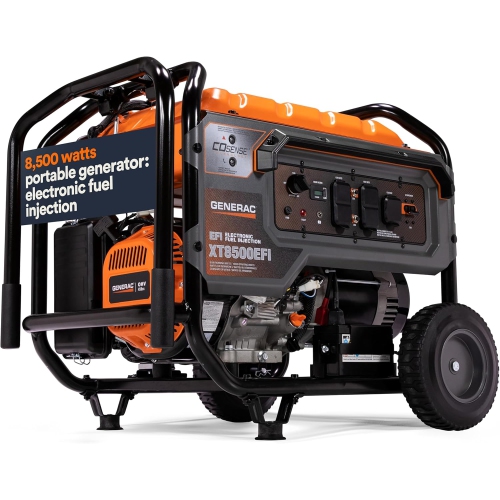 Your price for this item is $3000
 -
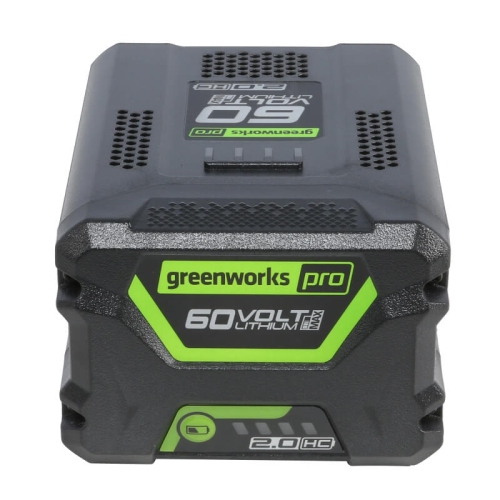 Your price for this item is $124.45
 -
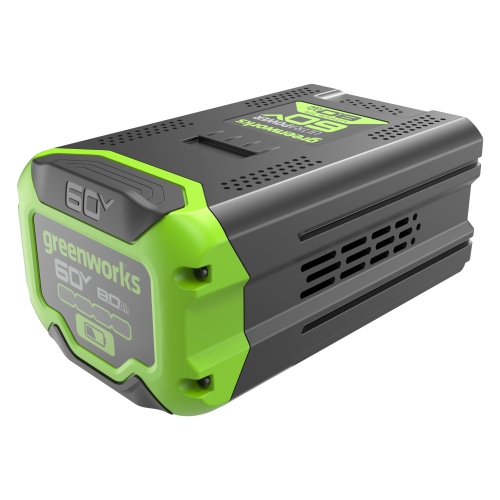 Your price for this item is $329.99
 -
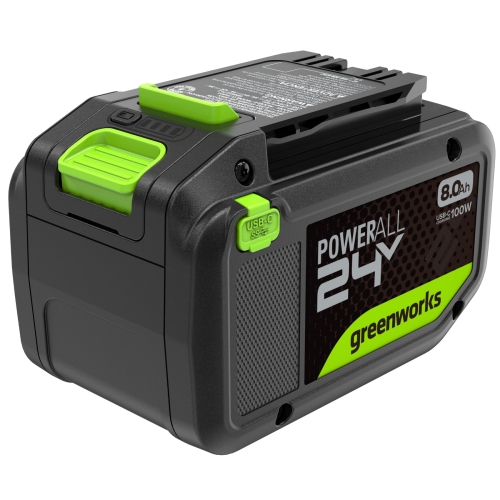 Your price for this item is $139.99
 -
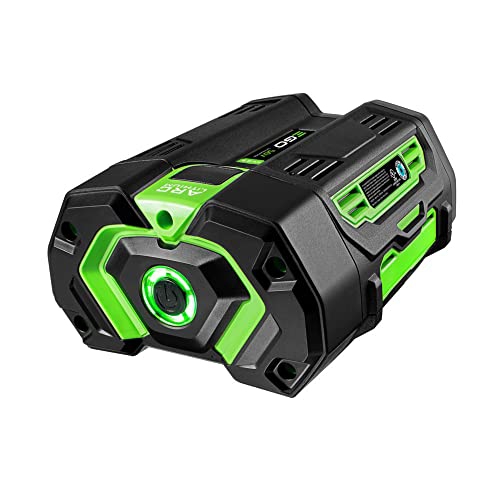 Your price for this item is $264
 -
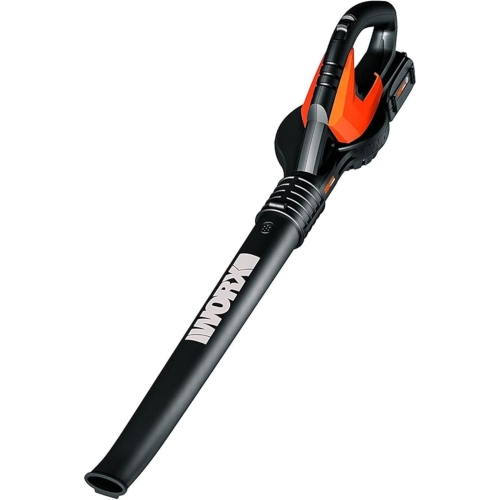 Your price for this item is $217.55
 -
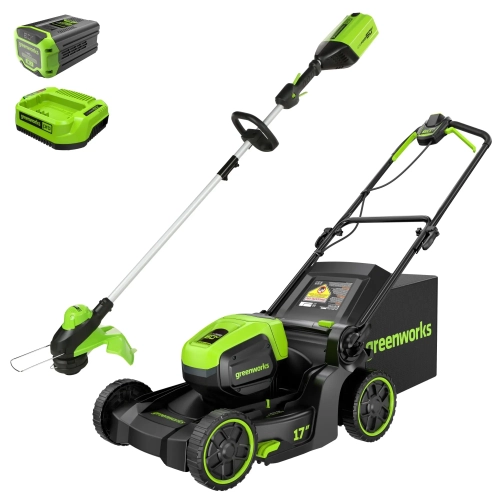 Your price for this item is $739.99
 -
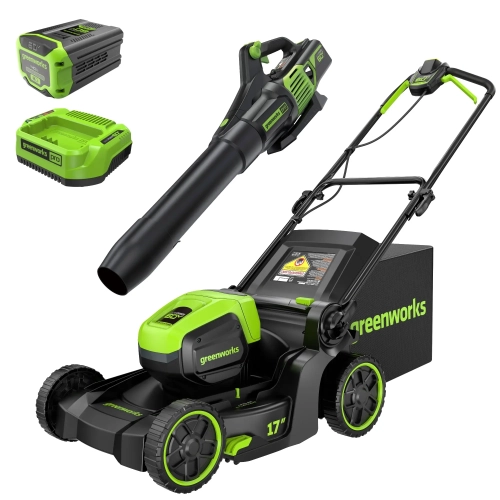 Your price for this item is $599.99
Discover more categories related to Ratchet Straps
Top Collections:
Pokemon Centers, Kindle Devices, Best Budget Office Chairs, Apple iPhones 16, Best Laptops for Writers, iPhone 15 Apple, Canon G7X Cameras, Refurbished Apple Laptops, Alarm Clock, Motorola Razr Phones
Some products may be subject to Environmental Handling Fees
(EHF) depending on your province.
Learn more about EHFs.