Youth Metal Detectors
Searching for the perfect metal detector for your young adventurer? Look no further than our selection of youth metal detectors designed to inspire curiosity and exploration in the great outdoors. Whether they're hunting for buried treasures in the backyard or embarking on a thrilling adventure at the beach, these metal detectors are lightweight, easy to use, and equipped with features tailored to young enthusiasts. With durable construction and adjustable settings, these youth metal detectors offer endless possibilities for exciting discoveries and memorable experiences.
Sort
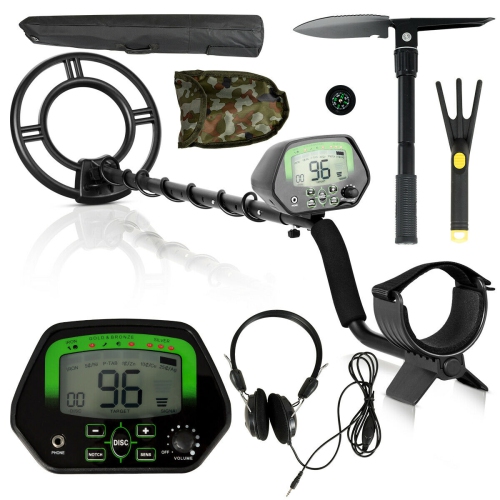
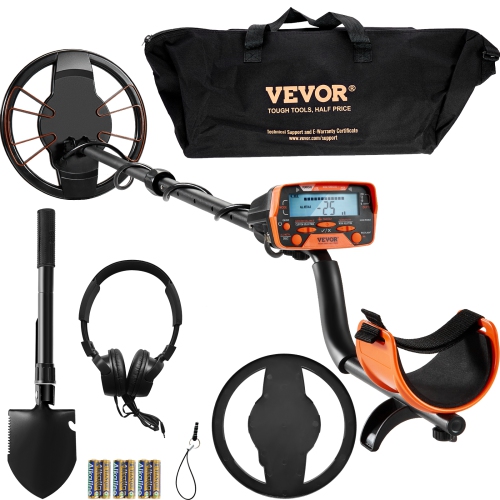
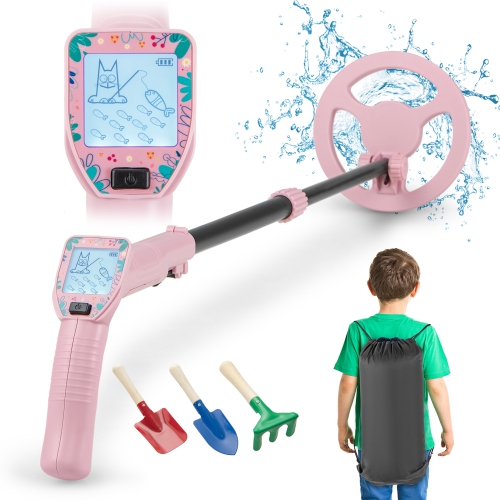
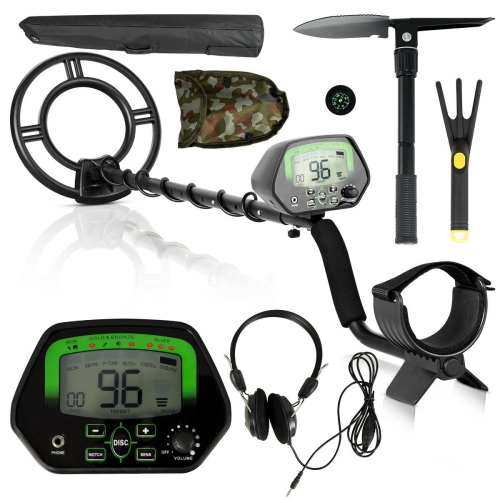
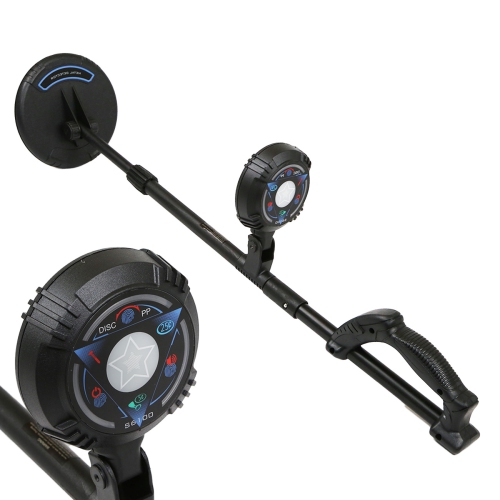
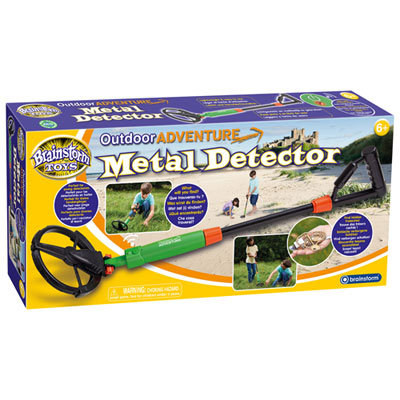
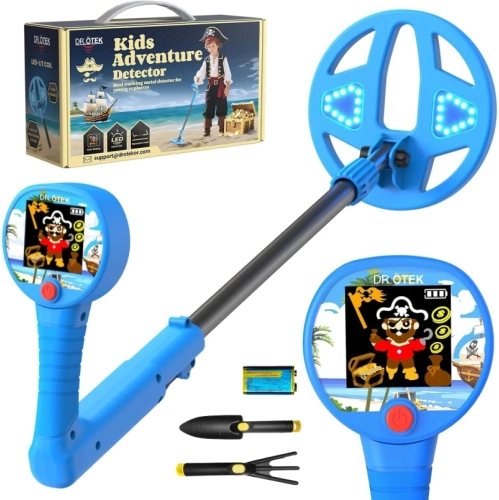
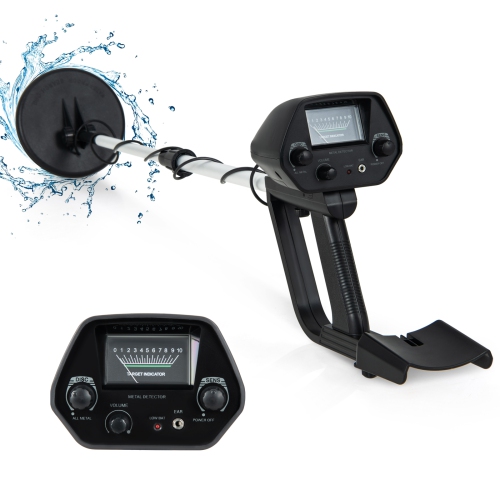
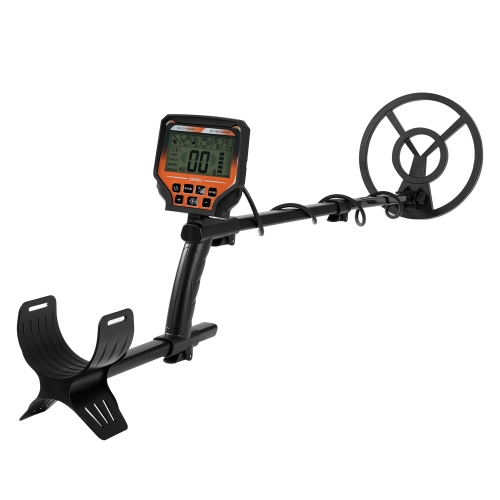
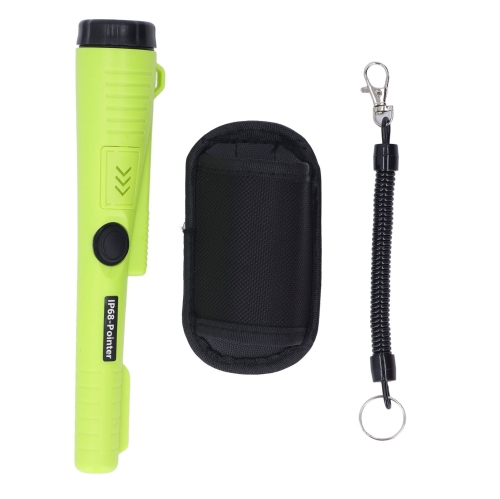
Outdoor searches combine movement, patience, and exciting discoveries
Youth metal detectors can turn an ordinary walk, beach outing, or backyard afternoon into an hands-on adventure. Designed with younger users in mind, these detectors make it easier for children and teens to explore the ground beneath their feet, learn how search technology works, and enjoy the anticipation of hearing a signal. Some models are intended for younger children and focus on lightweight construction, straightforward controls, and simple sound or light indicators. Others are entry-level detectors with more capable search features for pre-teens and teens who are ready to spend more time learning the hobby. When choosing a youth metal detector, age, height, arm strength, attention span, and intended location all matter. A child around six to twelve may be most comfortable with a compact, easy-to-operate detector that does not feel cumbersome during an outdoor search. Older children and teens may prefer a detector with an adjustable shaft, improved target identification, and enough range to support more challenging searches. For younger arms, keeping the total weight below approximately 2.5 pounds, or about 1.1 kilograms, can help reduce fatigue and make longer sessions more enjoyable. An adjustable stem is also useful because it allows the detector to be set at a comfortable height and shared among children or used as they grow. Ergonomic handles, a balanced search coil, and simple controls can make a noticeable difference when a child is learning how to sweep the detector evenly from side to side. Look for clear audio tones, visual indicators, or both, so users can understand when the detector has located a potential target without needing to manage complicated settings. Basic discrimination features can help distinguish likely iron objects from other metals, while preset search modes may simplify the learning process for beginners. Children often enjoy the discovery itself, so a detector that responds clearly and consistently can help maintain interest as they practise.
Metal detecting is best approached as an outdoor activity that combines movement, observation, and patience. A young explorer might begin by scanning a garden, open field, or permitted section of a beach, then compare signals and dig carefully to see what caused each response. The excitement may come from finding a coin, bottle cap, old nail, or small piece of metal, but the lasting value is often in learning to make predictions, test them, and keep searching after a few quiet passes. Adults can make the experience more rewarding by helping children mark promising areas, listen for changes in tone, and use a small hand tool to investigate the surface carefully. It is also helpful to establish simple habits from the beginning: sweep slowly, keep the coil close to the ground without dragging it, refill any holes, and leave the area as it was found. A detector with waterproof or water-resistant components may be suitable for damp grass or shallow shoreline searches, but the product specifications should always be checked closely because waterproof ratings vary by model and by component. Fully waterproof detectors may be designed for submersion to a stated depth, while others are intended only to handle light splashes or wet ground. Search conditions also affect performance. Mineral-rich soil, wet sand, and areas with heavy metal debris can create more signals and may require extra patience, while open ground can make it easier for a beginner to hear and identify changes. Children should use metal detectors with adult supervision, particularly near water, roads, steep slopes, unfamiliar land, or crowded public areas. Before searching, confirm that detecting is allowed at the location and follow local rules, park requirements, property permissions, and any restrictions around archaeological or protected sites. The detector is only one part of the activity; comfortable footwear, weather-appropriate clothing, water, and a small container for permitted finds can help make a family outing more comfortable during the cooler months or whenever the weather changes quickly.
A youth metal detector can be a memorable gift for a child who enjoys treasure hunts, outdoor play, science activities, collecting, or exploring how everyday objects are made. It can also suit siblings who want an activity they can share, grandparents looking for an outing to enjoy together, or teens who are ready to develop a more focused interest in a new hobby. For a gift, consider whether the recipient will use the detector in a backyard, on walking trails, at a cottage, or near the shoreline, then match the features to those settings. A lightweight toy-style detector may be the right starting point for a younger child who values simple controls and quick discoveries. A more capable entry-level detector may be a better fit for an older child or teen who wants greater depth, an adjustable shaft, target identification, and room to build skills over time. Battery type and battery life are practical details that can affect the experience, especially when the detector is taken on longer outings. A straightforward battery compartment and an easy-to-read low-battery indicator can prevent interruptions. Headphone compatibility may be useful in busy places or when a young user wants to hear subtle tones more clearly, while an external speaker can make the activity more social when searching with family. Storage size is worth considering as well, since a collapsible or adjustable detector is easier to transport in a vehicle or keep ready for the next permitted adventure. Beginners may benefit from starting with familiar locations and gradually trying different ground conditions as their confidence grows. Those looking for additional options for more advanced searches can explore Underground Metal Detectors. With the right fit, clear expectations, and a little guidance, youth metal detecting can become a relaxed way to spend time outdoors while building curiosity, concentration, and a sense of discovery.
Metal detecting is best approached as an outdoor activity that combines movement, observation, and patience. A young explorer might begin by scanning a garden, open field, or permitted section of a beach, then compare signals and dig carefully to see what caused each response. The excitement may come from finding a coin, bottle cap, old nail, or small piece of metal, but the lasting value is often in learning to make predictions, test them, and keep searching after a few quiet passes. Adults can make the experience more rewarding by helping children mark promising areas, listen for changes in tone, and use a small hand tool to investigate the surface carefully. It is also helpful to establish simple habits from the beginning: sweep slowly, keep the coil close to the ground without dragging it, refill any holes, and leave the area as it was found. A detector with waterproof or water-resistant components may be suitable for damp grass or shallow shoreline searches, but the product specifications should always be checked closely because waterproof ratings vary by model and by component. Fully waterproof detectors may be designed for submersion to a stated depth, while others are intended only to handle light splashes or wet ground. Search conditions also affect performance. Mineral-rich soil, wet sand, and areas with heavy metal debris can create more signals and may require extra patience, while open ground can make it easier for a beginner to hear and identify changes. Children should use metal detectors with adult supervision, particularly near water, roads, steep slopes, unfamiliar land, or crowded public areas. Before searching, confirm that detecting is allowed at the location and follow local rules, park requirements, property permissions, and any restrictions around archaeological or protected sites. The detector is only one part of the activity; comfortable footwear, weather-appropriate clothing, water, and a small container for permitted finds can help make a family outing more comfortable during the cooler months or whenever the weather changes quickly.
A youth metal detector can be a memorable gift for a child who enjoys treasure hunts, outdoor play, science activities, collecting, or exploring how everyday objects are made. It can also suit siblings who want an activity they can share, grandparents looking for an outing to enjoy together, or teens who are ready to develop a more focused interest in a new hobby. For a gift, consider whether the recipient will use the detector in a backyard, on walking trails, at a cottage, or near the shoreline, then match the features to those settings. A lightweight toy-style detector may be the right starting point for a younger child who values simple controls and quick discoveries. A more capable entry-level detector may be a better fit for an older child or teen who wants greater depth, an adjustable shaft, target identification, and room to build skills over time. Battery type and battery life are practical details that can affect the experience, especially when the detector is taken on longer outings. A straightforward battery compartment and an easy-to-read low-battery indicator can prevent interruptions. Headphone compatibility may be useful in busy places or when a young user wants to hear subtle tones more clearly, while an external speaker can make the activity more social when searching with family. Storage size is worth considering as well, since a collapsible or adjustable detector is easier to transport in a vehicle or keep ready for the next permitted adventure. Beginners may benefit from starting with familiar locations and gradually trying different ground conditions as their confidence grows. Those looking for additional options for more advanced searches can explore Underground Metal Detectors. With the right fit, clear expectations, and a little guidance, youth metal detecting can become a relaxed way to spend time outdoors while building curiosity, concentration, and a sense of discovery.
Top selling and popular products
-
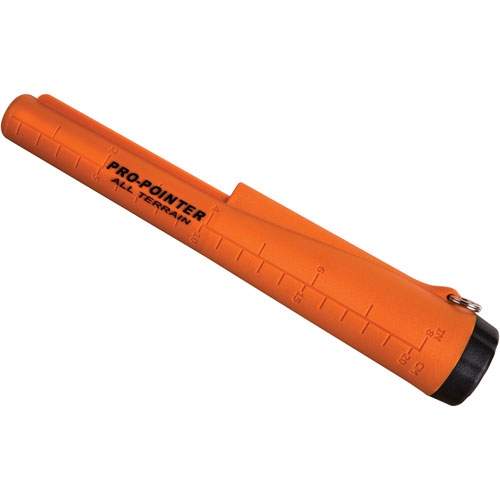 Your price for this item is $160.99
 -
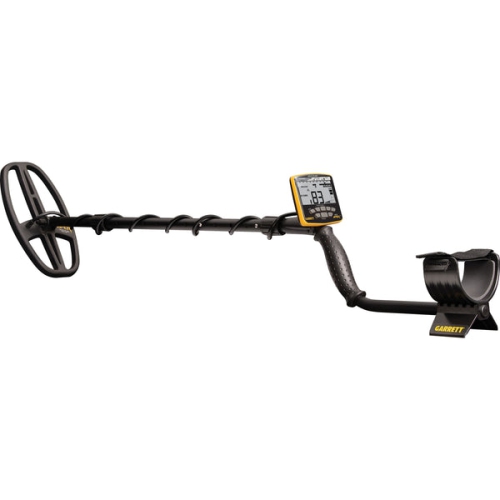 Your price for this item is $650.99
 -
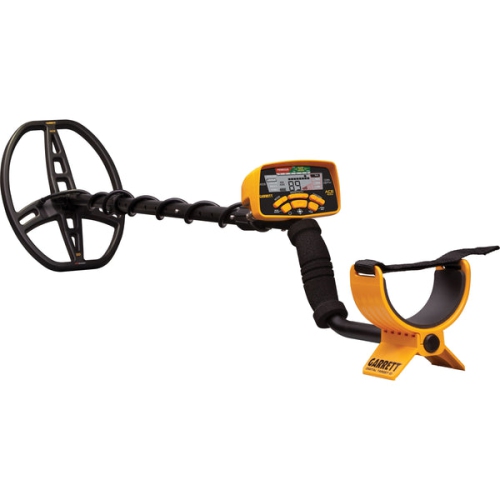 Your price for this item is $520.99
 -
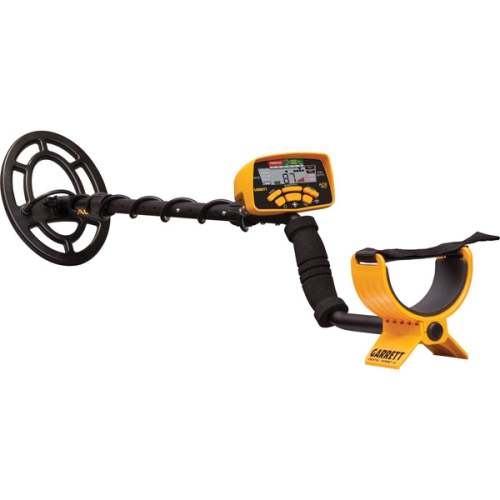 Your price for this item is $392.99
 -
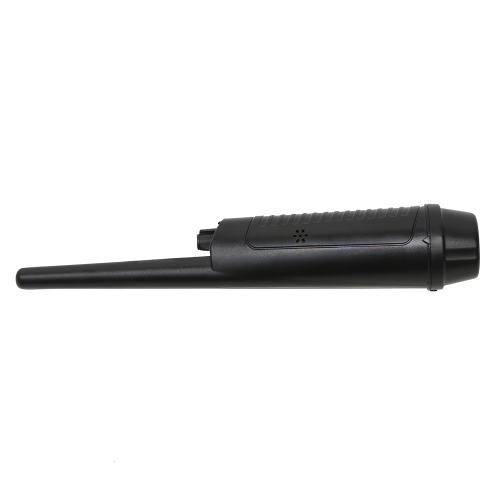 Your price for this item is $53.04
 -
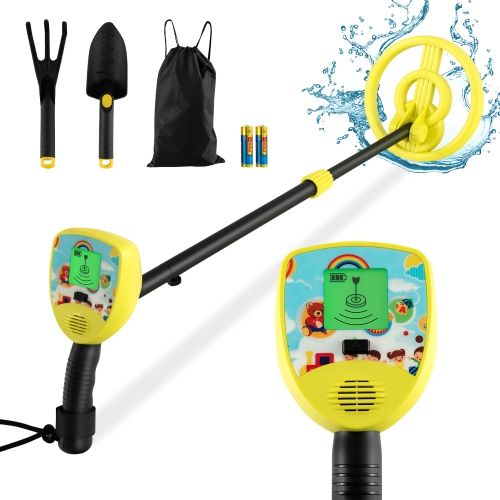 Your price for this item is $69.99
 -
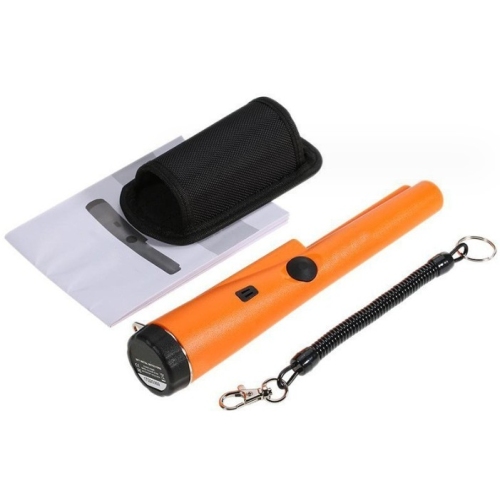 Your price for this item is $29.13
 -
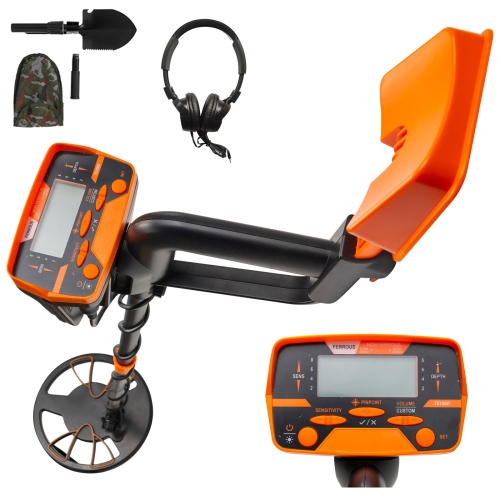 Your price for this item is $93.99
Discover more categories related to Youth Metal Detectors
Top Collections:
Pokemon Centers, Kindle Devices, Best Budget Office Chairs, Apple iPhones 16, Best Laptops for Writers, iPhone 15 Apple, Canon G7X Cameras, Refurbished Apple Laptops, Alarm Clock, Motorola Razr Phones
Some products may be subject to Environmental Handling Fees
(EHF) depending on your province.
Learn more about EHFs.