Treasure Hunting Metal Detectors
Looking to uncover hidden treasures? Our collection of metal detectors is perfect for all your treasure hunting adventures. Whether you're a beginner or an experienced enthusiast, these powerful devices are designed to help you locate valuable items buried beneath the surface. From coins and jewelry to relics and artifacts, our selection of metal detectors offers a wide range of features to suit every need. Get ready to embark on exciting expeditions and discover the thrill of finding hidden gems with our top-notch treasure hunting metal detectors.
Sort
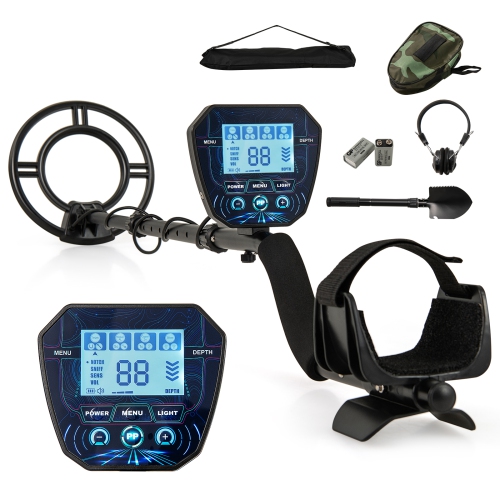
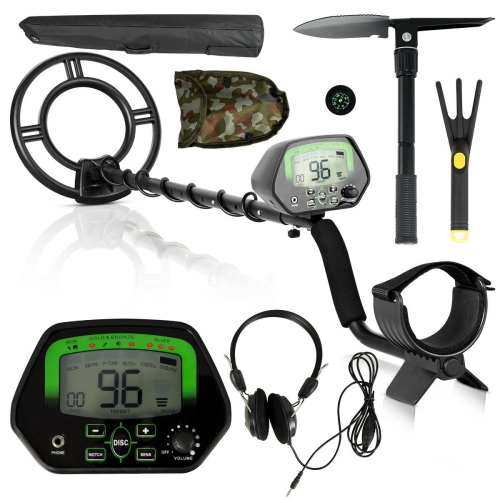
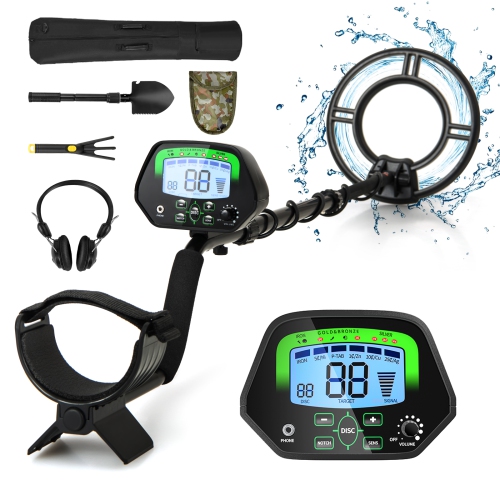
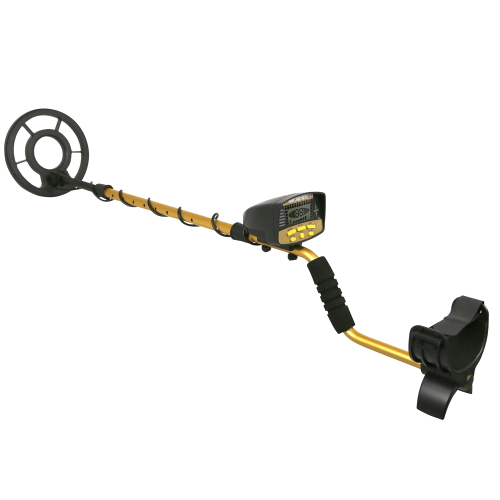
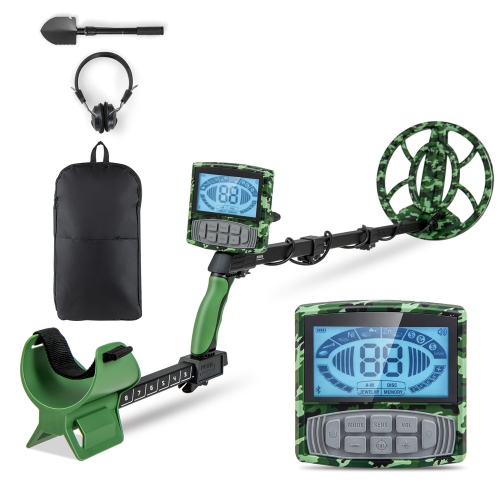
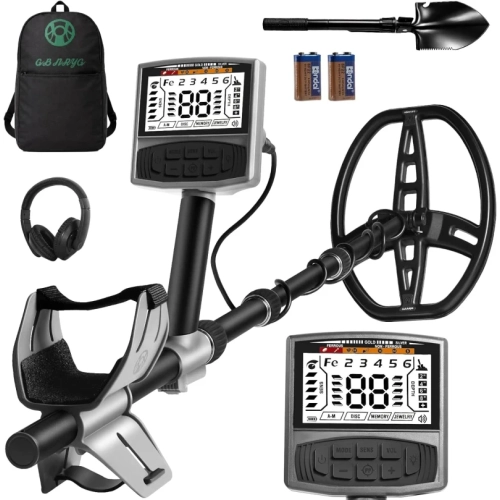
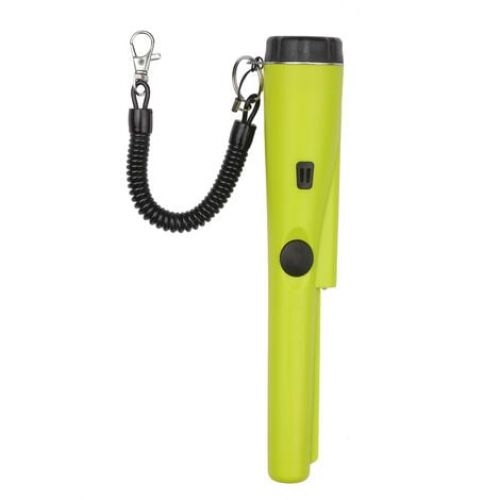
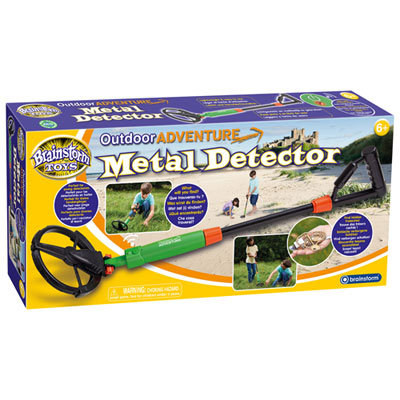
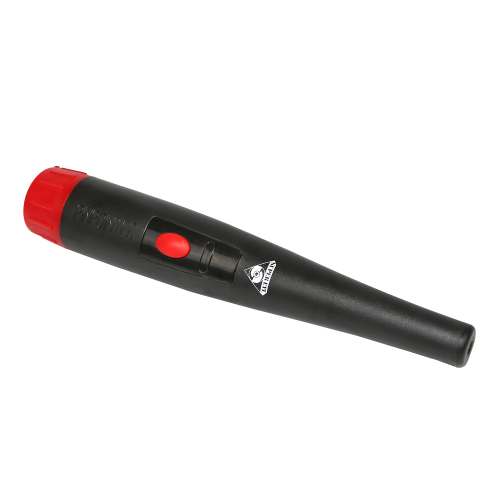
Understand detector types, features, water ratings, and search habits
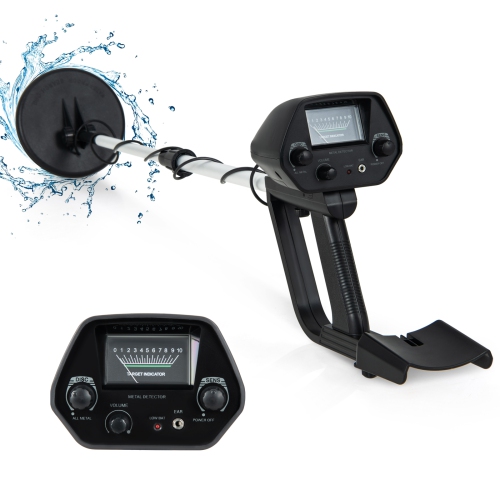
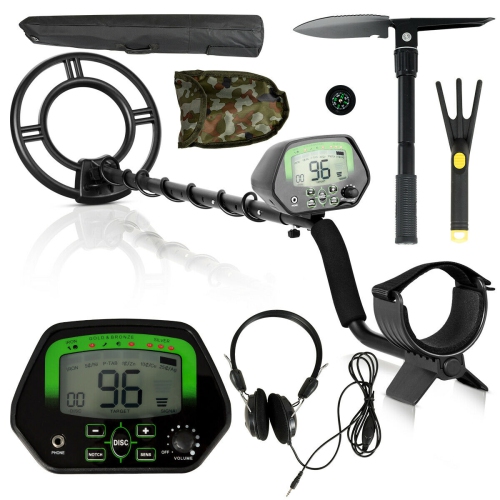
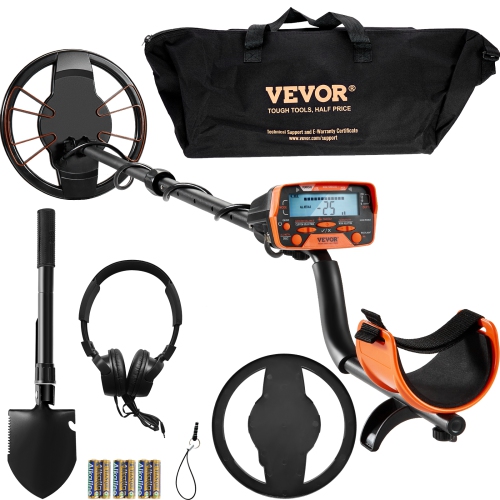
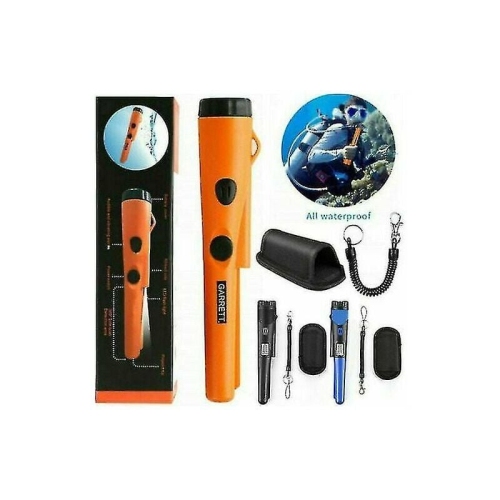
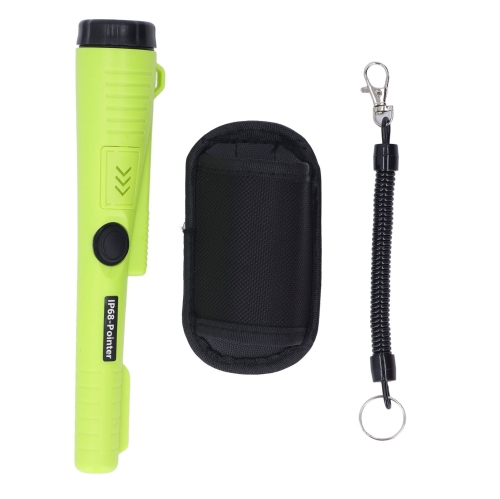
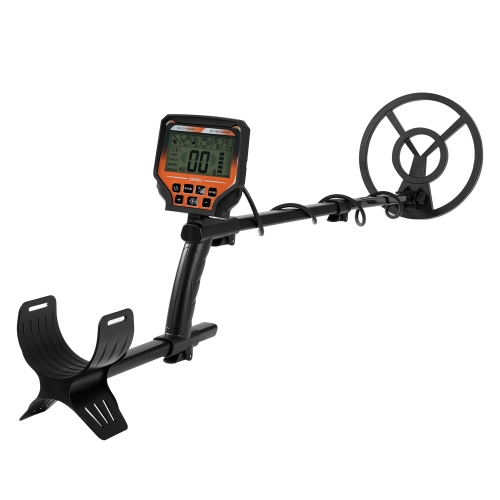
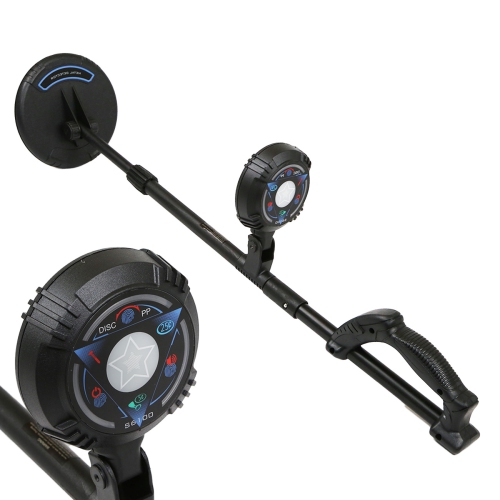
Treasure hunting metal detectors are designed to help you locate coins, jewellery, relics, and other metal objects hidden beneath soil, sand, or shallow water. They work by creating an electromagnetic field and detecting changes caused by metal targets, then communicating the result through an audio tone, visual indicator, or both. For general coin and relic hunting, very-low-frequency (VLF) detectors are a popular choice because they can identify a broad range of common metals and offer useful controls for sensitivity, discrimination, and target identification. Some models are built for beginners with straightforward controls, while others provide adjustable settings for experienced detectorists who want greater control over how the detector responds to different ground conditions. Pulse induction (PI) detectors use reflected pulses of energy and can be particularly useful in highly mineralized soil, wet sand, or other challenging areas where conventional detectors may produce more interference. The right choice depends on where the detector will be used, the types of targets being sought, and how much time the user expects to spend learning and adjusting the equipment. A detector intended for dry land may not be suitable for submerged use, so check the stated water-resistance rating carefully. “Waterproof” can refer to different levels of protection, including a coil that can be submerged while the control box must remain dry, or a fully submersible design intended for use underwater. Detectorists should also consider the search coil size and shape, as larger coils may cover more ground while smaller coils can be easier to manoeuvre around rocks, roots, and crowded areas.
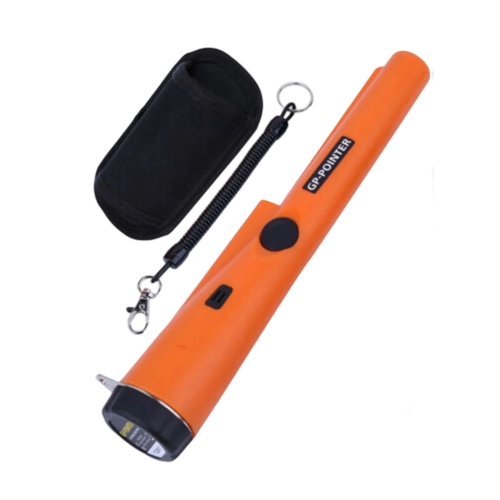
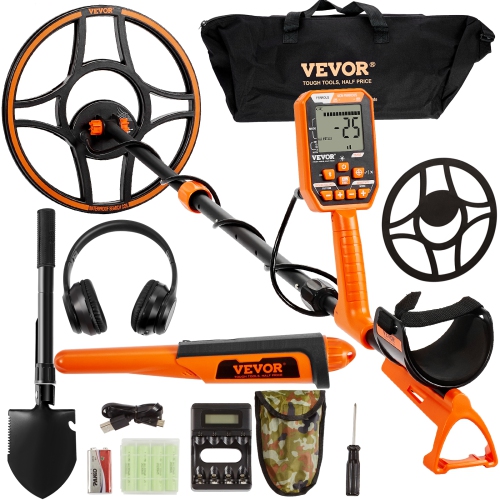
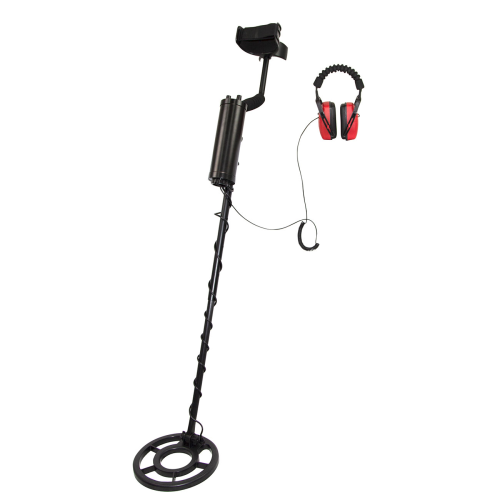
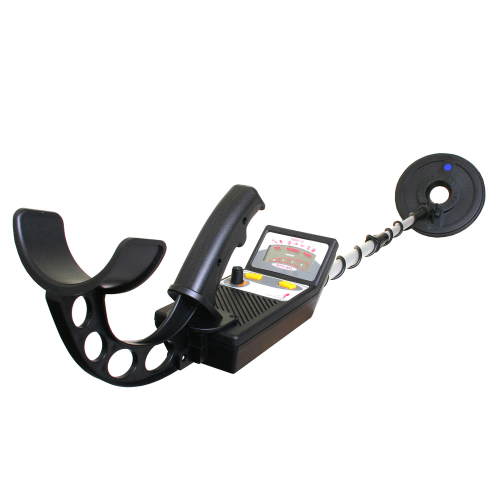
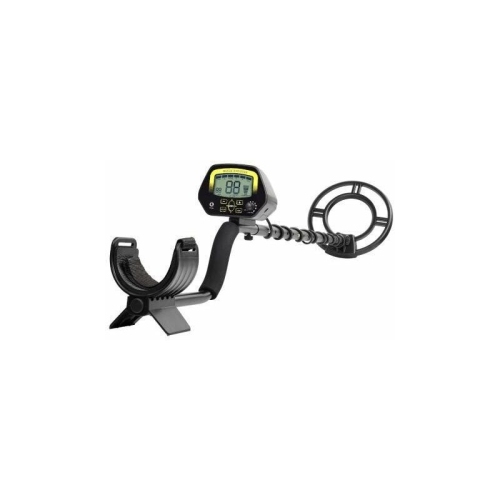
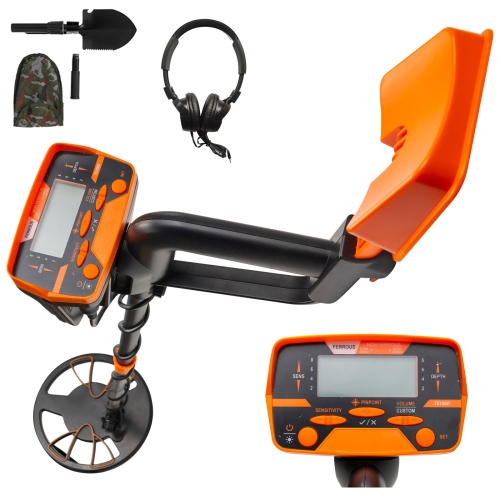
A comfortable design can make a substantial difference during a long afternoon in a field, park, or along a shoreline. Look for an adjustable shaft, balanced weight, and an armrest that helps reduce fatigue as the detector is swept from side to side. A clear target display can help distinguish likely iron, nickel, or higher-conductivity targets, although readings are estimates rather than guarantees; buried objects, soil conditions, nearby electrical equipment, and the angle of a target can all affect the signal. Sensitivity and discrimination controls are useful for managing this variation. Higher sensitivity may help detect smaller or deeper objects, but it can also increase false signals in mineralized ground or near sources of electrical interference. Discrimination can reduce responses from unwanted metals, yet no setting can reliably identify every target before it is recovered. This is why many experienced detectorists listen for changes in tone, sweep the same area from more than one direction, and use a pinpointer or careful digging technique to locate the target accurately. Depth depends on the object’s size, shape, material, orientation, soil composition, coil, and detector settings; advertised maximum depths should not be treated as a guarantee for ordinary finds. Accessories such as headphones can make faint signals easier to hear without disturbing others, while a digging tool, finds pouch, spare batteries, or rechargeable power options can make outings more convenient. Before searching, confirm that detecting is permitted on the property and follow local rules for parks, beaches, conservation areas, and historic sites. Recover targets carefully, fill every plug or hole, and leave the search area neat for the next visitor.
Treasure hunting metal detectors can appeal to a wide range of users, from someone exploring a backyard with family to a dedicated detectorist planning trips through fields, wooded paths, beaches, and other approved areas. They can also be an engaging gift for a curious child, teenager, or adult who enjoys outdoor activities, local history, collecting, or hands-on technology. For younger users, a lighter model with simple controls may be easier to handle, while Youth Metal Detectors can help narrow the selection toward options suited to developing users. Beginners often benefit from a detector that offers automatic or guided settings, a readable display, and enough adjustment range to support learning as their skills develop. More experienced users may prioritize manual ground balance, multiple search modes, a choice of coils, improved target separation, or waterproof construction for shoreline and shallow-water detecting. The best places to begin are usually areas where searching is allowed and where people have historically gathered, such as private land with permission, established recreation areas, or well-used paths that are not protected archaeological sites. Cooler months can be comfortable for walking and searching when conditions are manageable, while changing ground moisture may alter the way signals respond; wet sand and damp soil can sometimes improve conductivity but may also increase mineral-related noise. Expect a mix of ordinary metal scraps and occasional interesting finds, and treat every signal as information rather than a promise of buried treasure. With realistic expectations, respectful digging habits, and equipment matched to the terrain, a metal detector can turn an ordinary walk into a closer look at the ground beneath your feet.
A comfortable design can make a substantial difference during a long afternoon in a field, park, or along a shoreline. Look for an adjustable shaft, balanced weight, and an armrest that helps reduce fatigue as the detector is swept from side to side. A clear target display can help distinguish likely iron, nickel, or higher-conductivity targets, although readings are estimates rather than guarantees; buried objects, soil conditions, nearby electrical equipment, and the angle of a target can all affect the signal. Sensitivity and discrimination controls are useful for managing this variation. Higher sensitivity may help detect smaller or deeper objects, but it can also increase false signals in mineralized ground or near sources of electrical interference. Discrimination can reduce responses from unwanted metals, yet no setting can reliably identify every target before it is recovered. This is why many experienced detectorists listen for changes in tone, sweep the same area from more than one direction, and use a pinpointer or careful digging technique to locate the target accurately. Depth depends on the object’s size, shape, material, orientation, soil composition, coil, and detector settings; advertised maximum depths should not be treated as a guarantee for ordinary finds. Accessories such as headphones can make faint signals easier to hear without disturbing others, while a digging tool, finds pouch, spare batteries, or rechargeable power options can make outings more convenient. Before searching, confirm that detecting is permitted on the property and follow local rules for parks, beaches, conservation areas, and historic sites. Recover targets carefully, fill every plug or hole, and leave the search area neat for the next visitor.
Treasure hunting metal detectors can appeal to a wide range of users, from someone exploring a backyard with family to a dedicated detectorist planning trips through fields, wooded paths, beaches, and other approved areas. They can also be an engaging gift for a curious child, teenager, or adult who enjoys outdoor activities, local history, collecting, or hands-on technology. For younger users, a lighter model with simple controls may be easier to handle, while Youth Metal Detectors can help narrow the selection toward options suited to developing users. Beginners often benefit from a detector that offers automatic or guided settings, a readable display, and enough adjustment range to support learning as their skills develop. More experienced users may prioritize manual ground balance, multiple search modes, a choice of coils, improved target separation, or waterproof construction for shoreline and shallow-water detecting. The best places to begin are usually areas where searching is allowed and where people have historically gathered, such as private land with permission, established recreation areas, or well-used paths that are not protected archaeological sites. Cooler months can be comfortable for walking and searching when conditions are manageable, while changing ground moisture may alter the way signals respond; wet sand and damp soil can sometimes improve conductivity but may also increase mineral-related noise. Expect a mix of ordinary metal scraps and occasional interesting finds, and treat every signal as information rather than a promise of buried treasure. With realistic expectations, respectful digging habits, and equipment matched to the terrain, a metal detector can turn an ordinary walk into a closer look at the ground beneath your feet.
Top selling and popular products
-
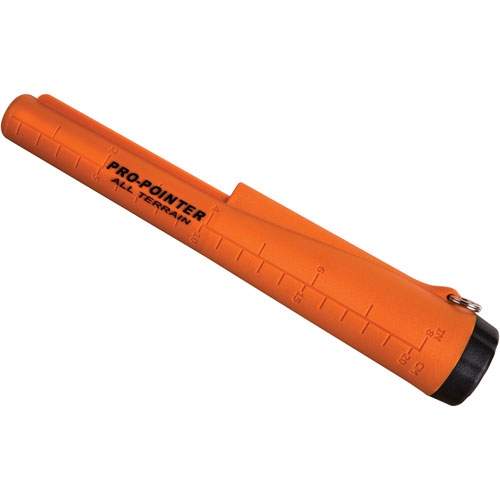 Your price for this item is $160.99
 -
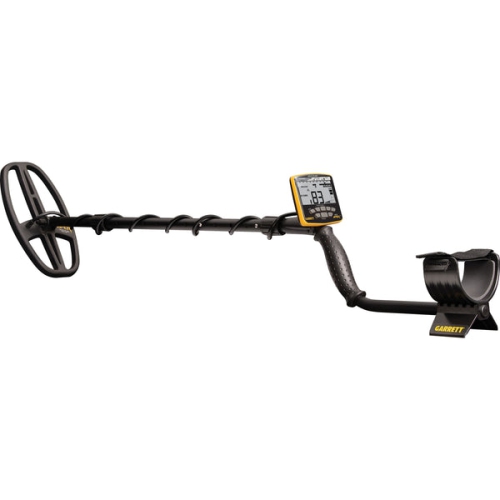 Your price for this item is $650.99
 -
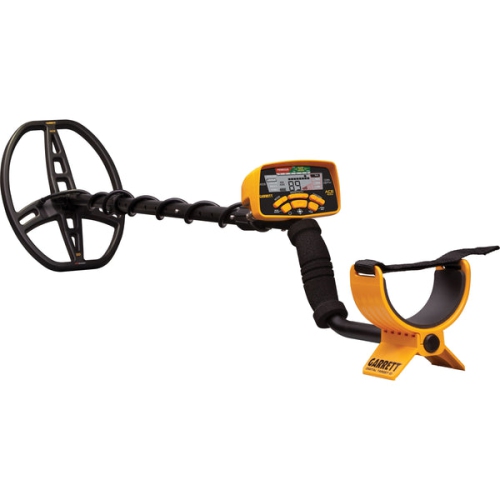 Your price for this item is $520.99
 -
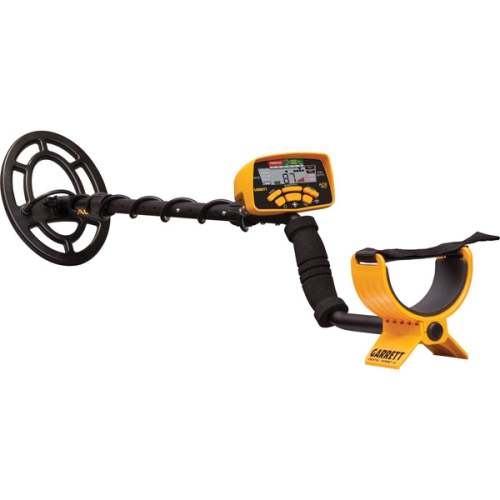 Your price for this item is $392.99
 -
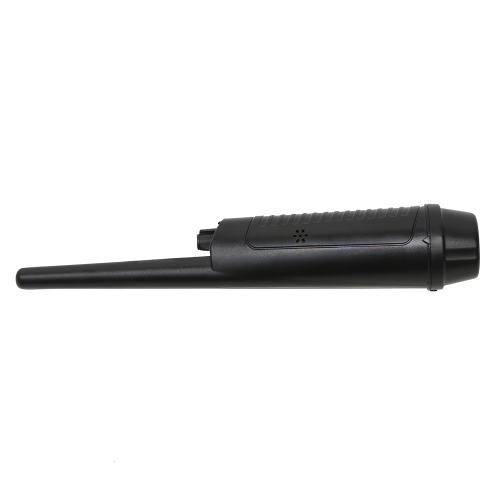 Your price for this item is $53.04
 -
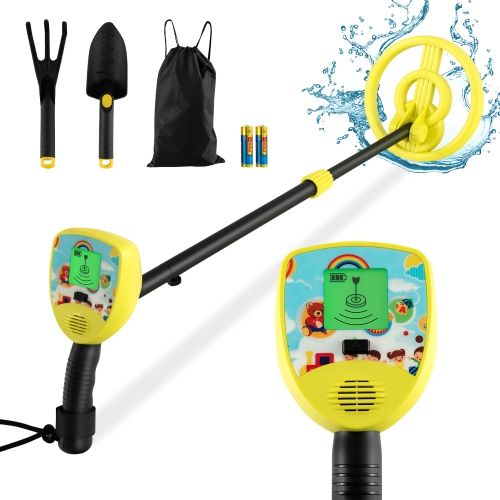 Your price for this item is $69.99
 -
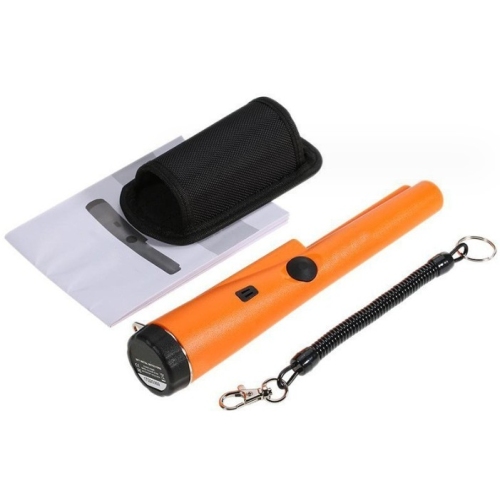 Your price for this item is $29.13
 -
 Your price for this item is $93.99
Discover more categories related to Treasure Hunting Metal Detectors
Top Collections:
Pokemon Centers, Kindle Devices, Best Budget Office Chairs, Apple iPhones 16, Best Laptops for Writers, iPhone 15 Apple, Canon G7X Cameras, Refurbished Apple Laptops, Alarm Clock, Motorola Razr Phones
Some products may be subject to Environmental Handling Fees
(EHF) depending on your province.
Learn more about EHFs.