Boat Bumpers
Protect your boat from scratches, dents, and wear with our selection of boat bumpers. Designed to provide a cushioning barrier between your boat and the dock, these essential boat accessories are a must-have for any boating enthusiast. Whether you're mooring your vessel or navigating through tight spaces, our range of boat bumpers offers reliable protection against impact and abrasion. Crafted from durable materials and available in various sizes and styles, our boat bumpers are designed to withstand the harsh marine environment while keeping your prized possession safe and secure. Explore our collection of boat bumpers today and ensure worry-free boating adventures every time you set sail.
Sort
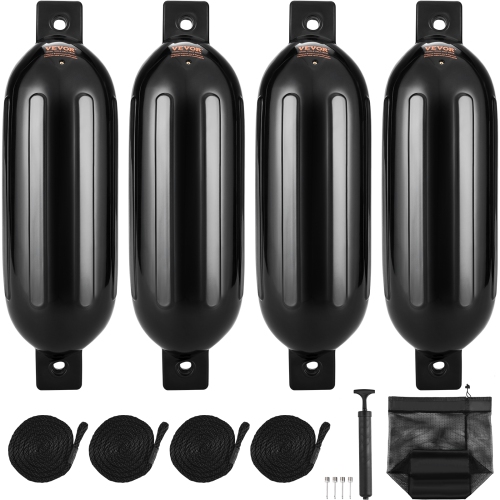
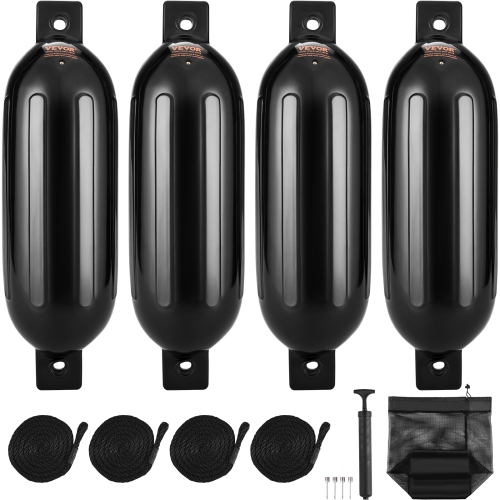
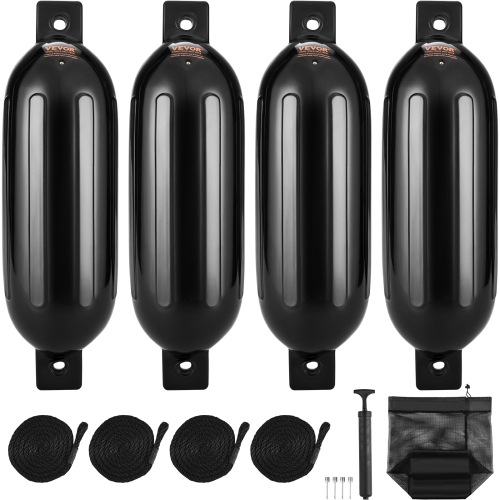

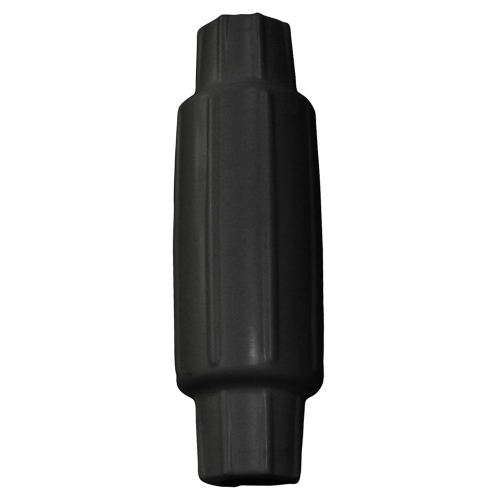

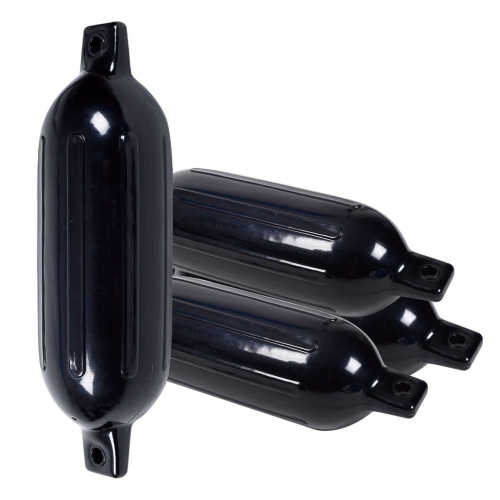
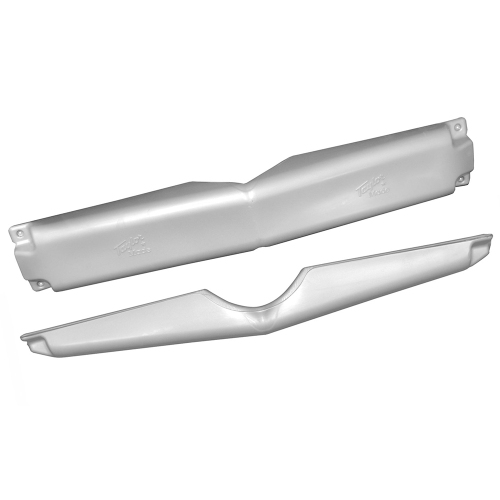
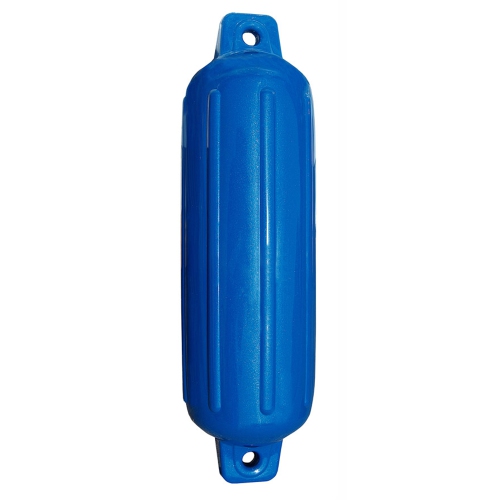
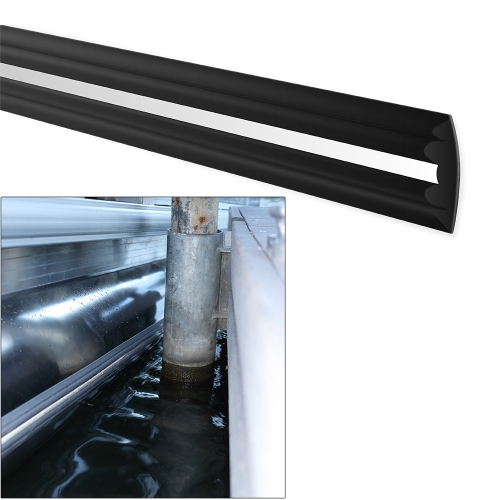
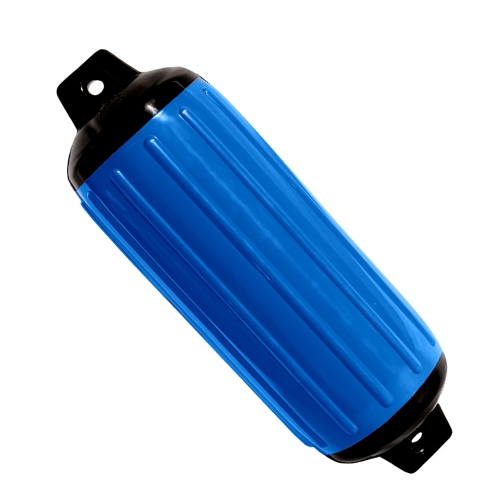
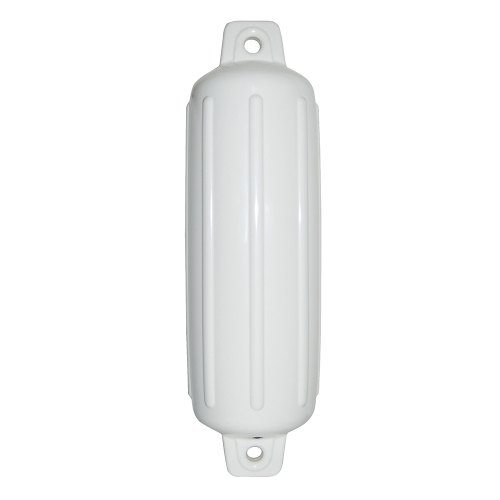
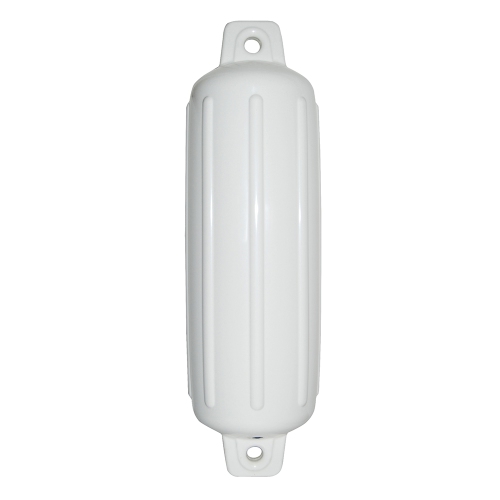
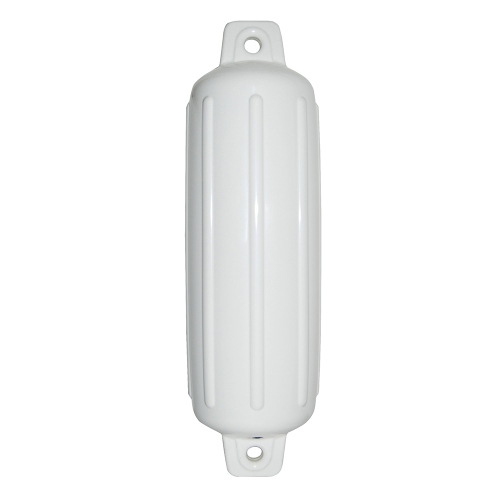
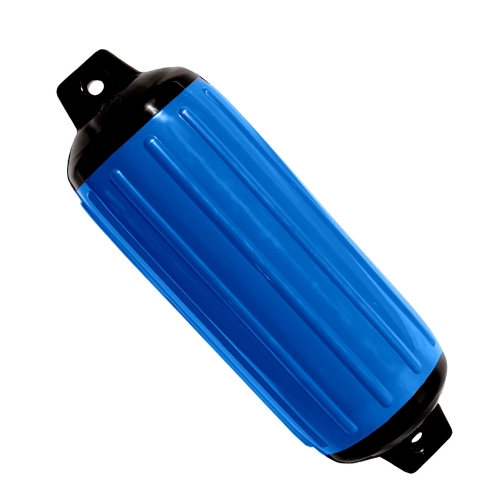
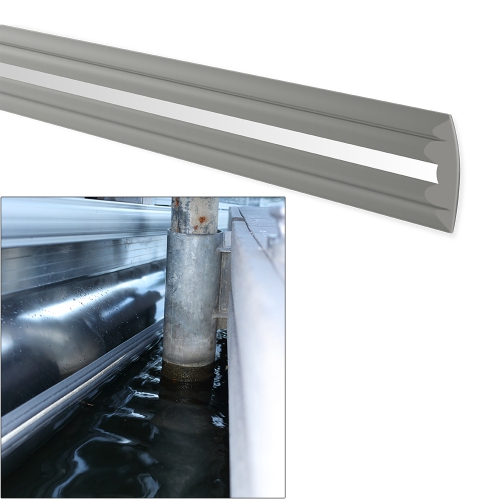
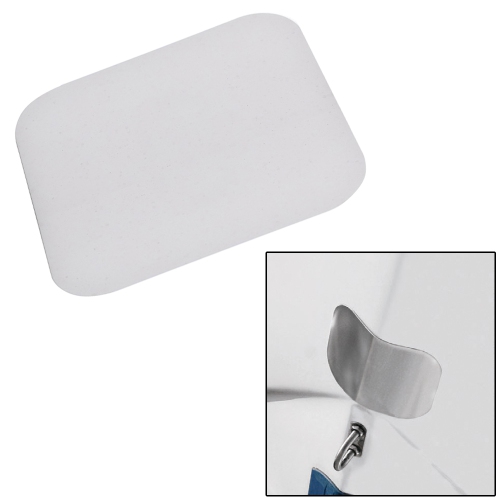
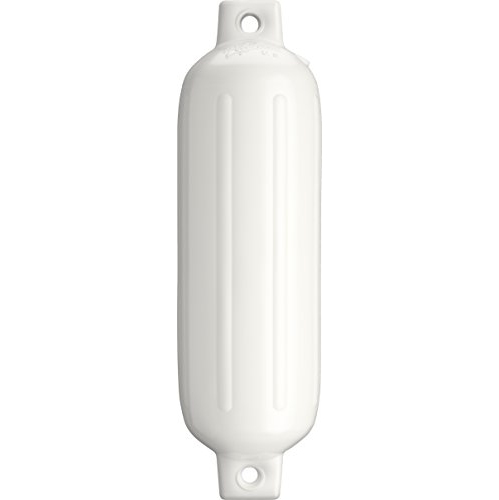
The right cushioning helps reduce hull damage while docking
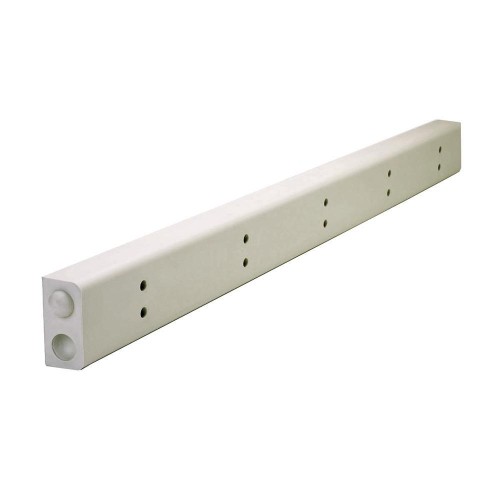
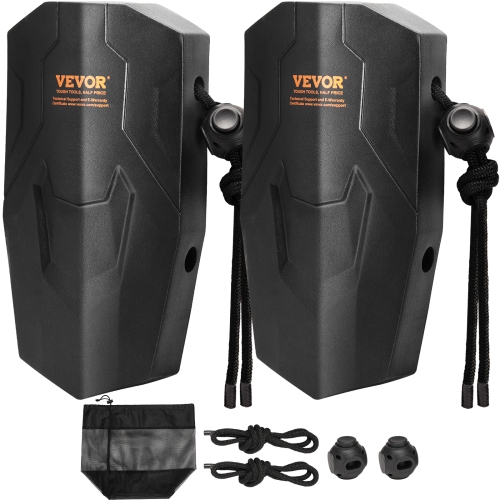
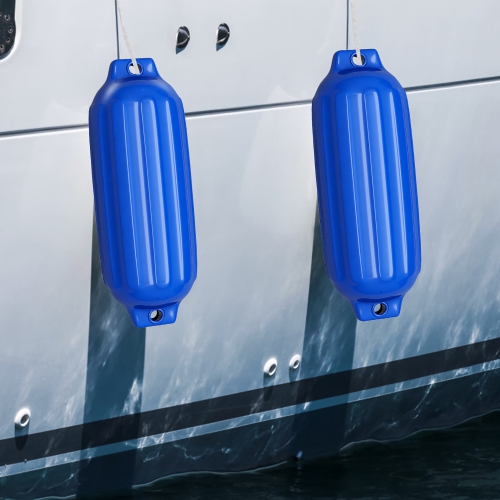
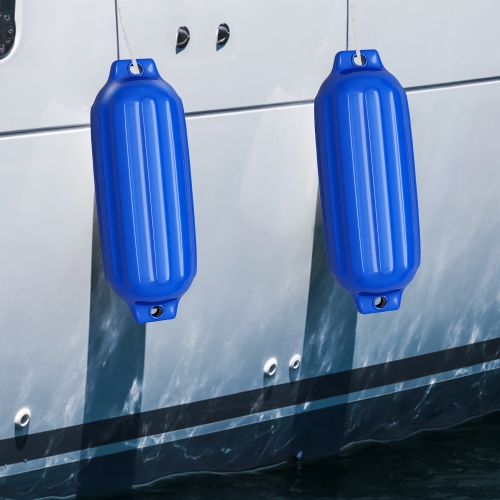
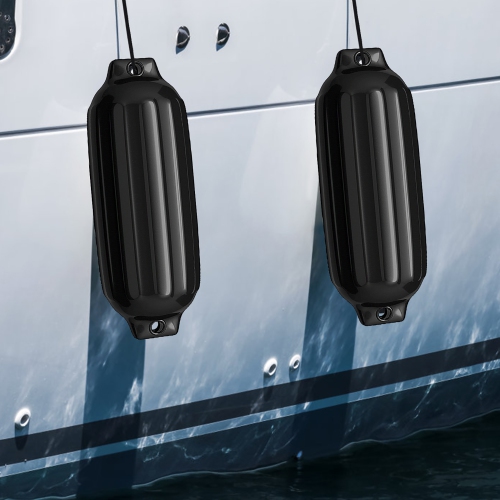
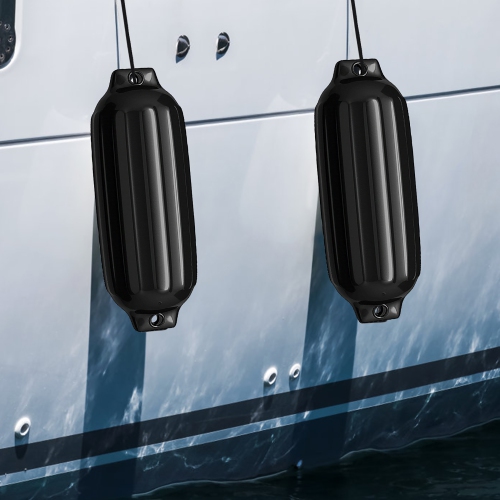
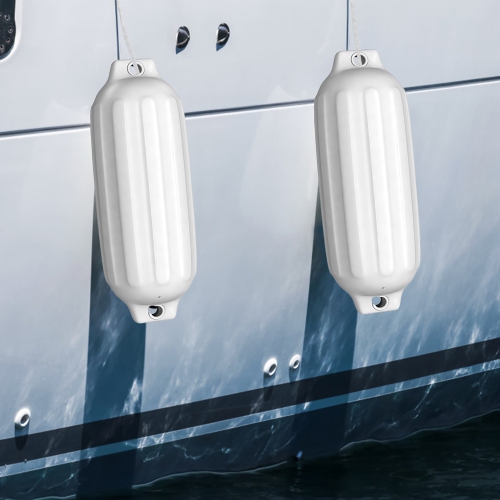
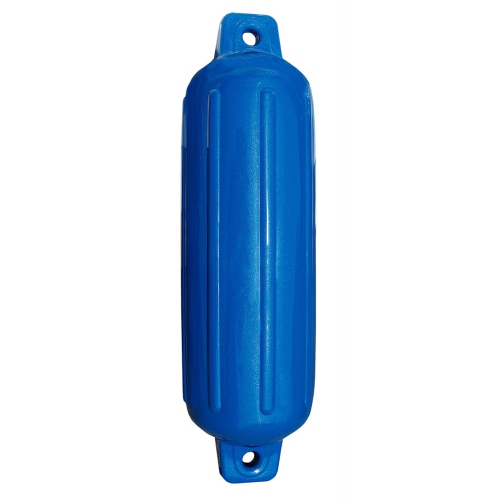
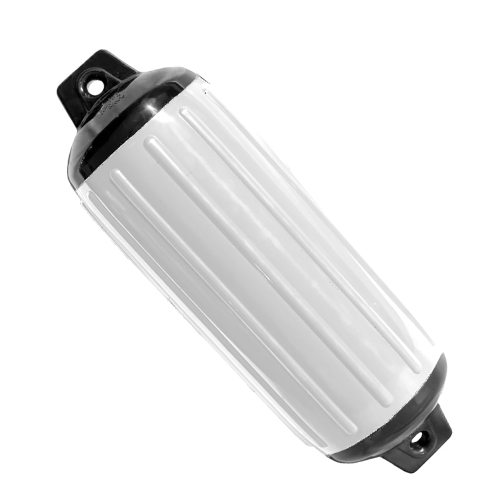
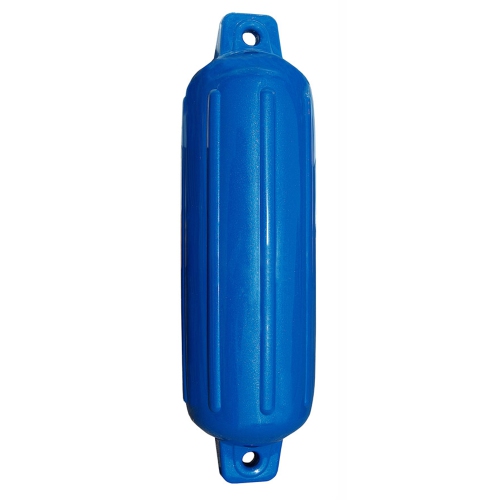
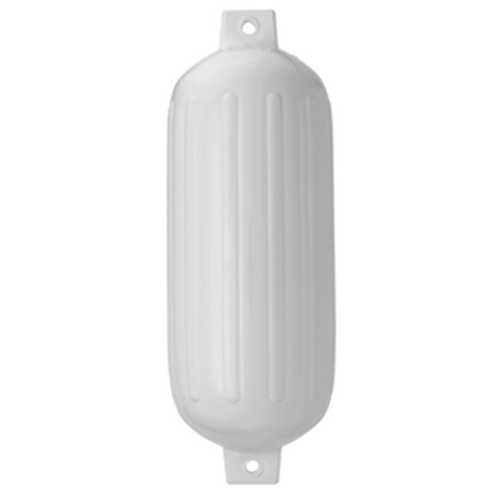
Boat bumpers, also called boat fenders, provide a protective cushion between a boat and a dock, another vessel, a piling, or another hard surface. They are designed to absorb pressure and reduce the chance of scratches, scuffs, dents, and other hull damage when docking or remaining alongside a dock. Even a careful approach can bring a boat into contact with a rough edge when wind, waves, current, or a crowded marina changes the angle at the last moment. A properly positioned boat bumper creates a buffer at those contact points, helping the boat settle gently instead of rubbing directly against wood, concrete, metal, or fibreglass. They are useful for fishing boats, pontoons, runabouts, cruisers, sailboats, personal watercraft, and other recreational vessels, as well as for boats that spend time tied to a private dock or shared marina. They can also be helpful during raft-ups, when several boats are secured together for an afternoon on the water, provided the vessels are tied and fendered appropriately. Cylindrical boat bumpers are a popular all-purpose choice because they can be hung vertically or horizontally, depending on the dock height and the shape of the hull. Round bumpers offer broad, all-around cushioning and can suit smaller boats or areas where contact may occur from several directions. Specialty shapes can help with low-freeboard boats, narrow docking spaces, corners, or other situations where a standard profile does not sit at the ideal height. Inflatable designs allow the firmness and size to be adjusted, while solid foam options provide dependable cushioning without needing to be inflated. The best choice depends on the boat, the dock, and the way the vessel is normally used.
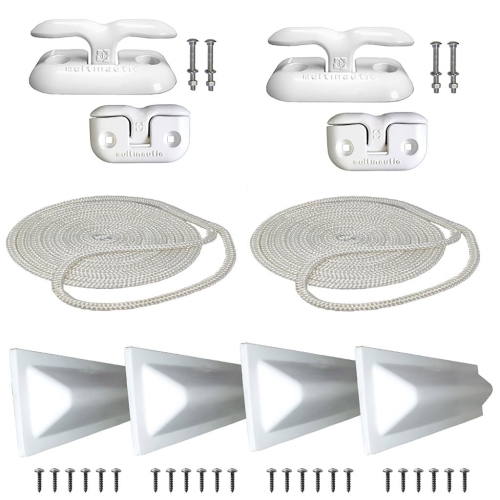
When choosing boat bumpers, begin with the boat’s length, weight, freeboard, and docking environment rather than selecting based on appearance alone. A larger or heavier boat generally needs larger, stronger fenders with enough surface area to spread pressure across the hull. A smaller vessel may benefit from compact bumpers that are easier to handle and store, but they should still be thick enough to prevent the hull from making contact with the dock under normal movement. Consider where the boat is most likely to touch: a low dock may require bumpers positioned lower on the hull, while a tall seawall or floating dock may call for a different hanging height. Windy conditions, tidal changes, wake activity, and tight slips can all increase movement, so having enough bumpers to cover several contact points is especially important. Look for durable, marine-suitable materials that can stand up to repeated rubbing, water exposure, and sunlight. Smooth surfaces are easier to rinse, while robust construction helps the bumper retain its shape through frequent use. Attachment style is another practical consideration. Lines should be easy to tie securely and long enough to adjust the bumper to the right position without leaving excess slack that can tangle around cleats or hardware. Adjustable placement is valuable when moving between a floating dock, a fixed dock, and another boat, since each setting can put pressure on a different part of the hull. It is also worth considering storage: a set that can be rinsed, dried, deflated when appropriate, or stored neatly is easier to keep ready for the next outing. Covers can help keep fenders looking tidy and may reduce surface wear from sunlight and repeated contact; explore Boat Fender Covers for added protection and a coordinated setup.
Using boat bumpers effectively is largely about preparation and positioning. Before approaching a dock, place the fenders where the boat is most likely to make contact, with at least one near the widest section and additional protection toward the bow or stern as the docking layout requires. In a narrow slip or when wind is pushing the boat sideways, extra coverage can make the final few feet much less stressful. A bumper should sit at the height of the dock or neighbouring boat, not swing beneath the hull or ride so high that the hard edge passes underneath it. Once secured, check that it can move slightly without dragging loose along the side of the boat. Relying on a single bumper at the last moment often leaves unprotected areas, especially when the boat pivots during a turn, so a complete arrangement is preferable for regular docking. Boat bumpers are protective equipment for docking and mooring, not a substitute for careful handling while underway; stow them securely when travelling so they do not obstruct visibility, drag in the water, or interfere with lines and controls. After use, rinse away salt, sand, and grime with fresh water, allow the bumpers to dry, and inspect them for cracks, flattening, damaged valves, worn lines, or other signs that protection may be reduced. Store them away from sharp objects and excessive heat during cooler months or whenever the boat is out of service. For boat owners, a dependable set is a practical addition to everyday equipment, while it can also be a thoughtful gift for someone preparing a new vessel, setting up a cottage dock, or spending more time on the water. From a first launch as the weather warms to dockside afternoons later in the season, properly selected boat bumpers help make tying up calmer, cleaner, and more reassuring.
When choosing boat bumpers, begin with the boat’s length, weight, freeboard, and docking environment rather than selecting based on appearance alone. A larger or heavier boat generally needs larger, stronger fenders with enough surface area to spread pressure across the hull. A smaller vessel may benefit from compact bumpers that are easier to handle and store, but they should still be thick enough to prevent the hull from making contact with the dock under normal movement. Consider where the boat is most likely to touch: a low dock may require bumpers positioned lower on the hull, while a tall seawall or floating dock may call for a different hanging height. Windy conditions, tidal changes, wake activity, and tight slips can all increase movement, so having enough bumpers to cover several contact points is especially important. Look for durable, marine-suitable materials that can stand up to repeated rubbing, water exposure, and sunlight. Smooth surfaces are easier to rinse, while robust construction helps the bumper retain its shape through frequent use. Attachment style is another practical consideration. Lines should be easy to tie securely and long enough to adjust the bumper to the right position without leaving excess slack that can tangle around cleats or hardware. Adjustable placement is valuable when moving between a floating dock, a fixed dock, and another boat, since each setting can put pressure on a different part of the hull. It is also worth considering storage: a set that can be rinsed, dried, deflated when appropriate, or stored neatly is easier to keep ready for the next outing. Covers can help keep fenders looking tidy and may reduce surface wear from sunlight and repeated contact; explore Boat Fender Covers for added protection and a coordinated setup.
Using boat bumpers effectively is largely about preparation and positioning. Before approaching a dock, place the fenders where the boat is most likely to make contact, with at least one near the widest section and additional protection toward the bow or stern as the docking layout requires. In a narrow slip or when wind is pushing the boat sideways, extra coverage can make the final few feet much less stressful. A bumper should sit at the height of the dock or neighbouring boat, not swing beneath the hull or ride so high that the hard edge passes underneath it. Once secured, check that it can move slightly without dragging loose along the side of the boat. Relying on a single bumper at the last moment often leaves unprotected areas, especially when the boat pivots during a turn, so a complete arrangement is preferable for regular docking. Boat bumpers are protective equipment for docking and mooring, not a substitute for careful handling while underway; stow them securely when travelling so they do not obstruct visibility, drag in the water, or interfere with lines and controls. After use, rinse away salt, sand, and grime with fresh water, allow the bumpers to dry, and inspect them for cracks, flattening, damaged valves, worn lines, or other signs that protection may be reduced. Store them away from sharp objects and excessive heat during cooler months or whenever the boat is out of service. For boat owners, a dependable set is a practical addition to everyday equipment, while it can also be a thoughtful gift for someone preparing a new vessel, setting up a cottage dock, or spending more time on the water. From a first launch as the weather warms to dockside afternoons later in the season, properly selected boat bumpers help make tying up calmer, cleaner, and more reassuring.
Top selling and popular products
-
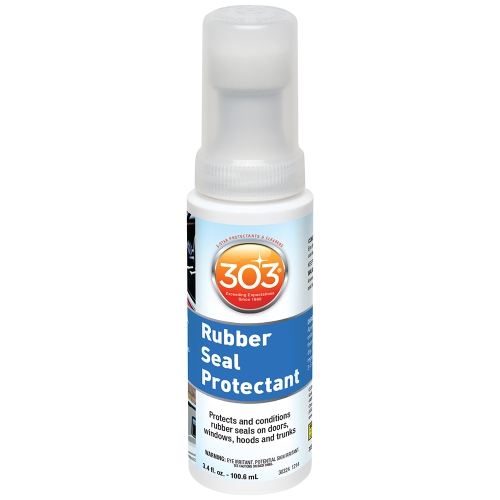 Your price for this item is $31.34
 -
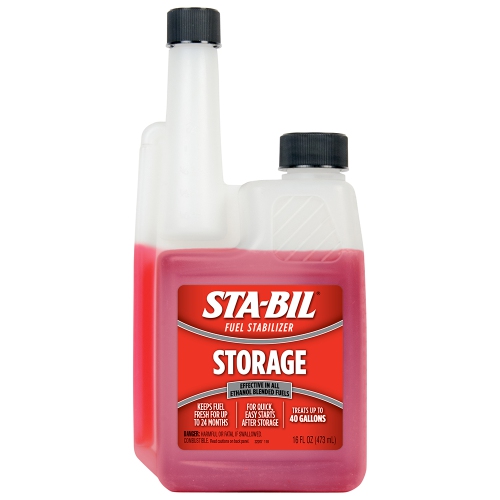 Your price for this item is $30.54
 -
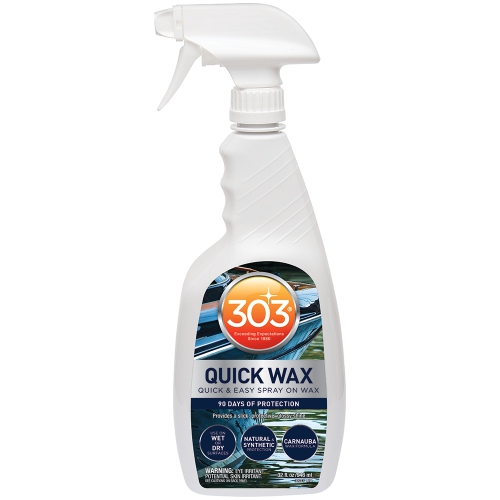 Your price for this item is $38.85
 -
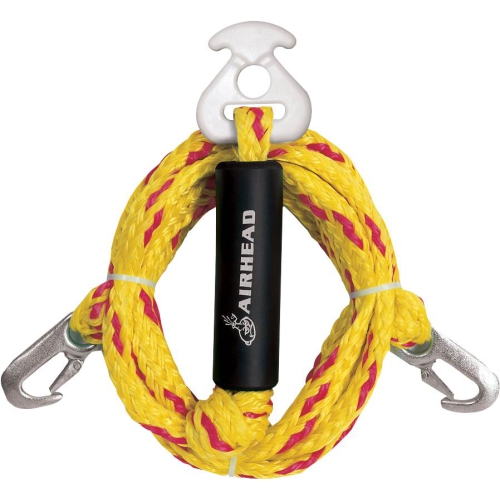 Your price for this item is $63.99
 -
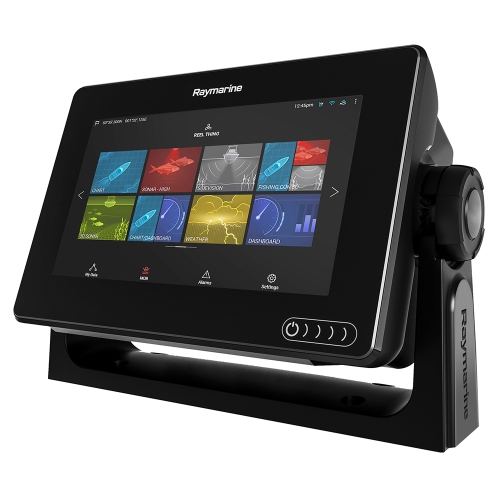 Your price for this item is $844.91
 -
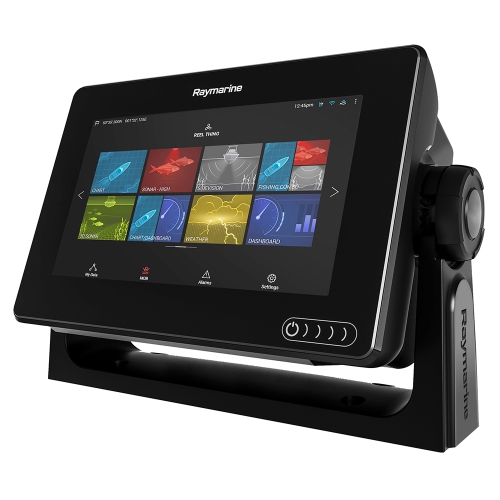 Your price for this item is $909.33
 -
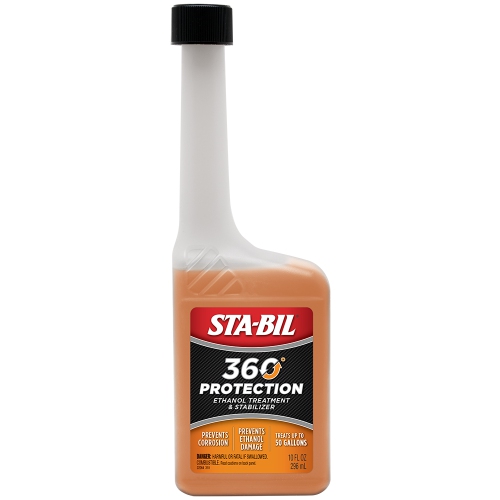 Your price for this item is $31.38
 -
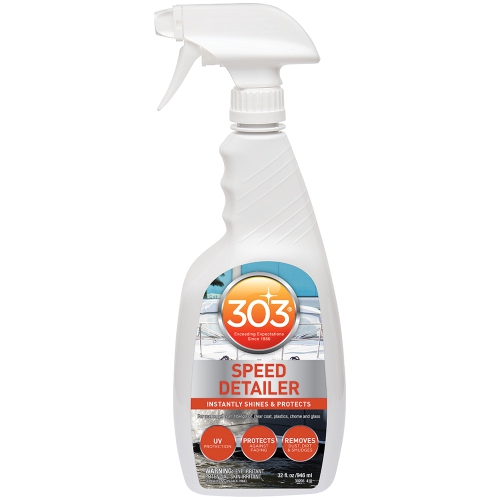 Your price for this item is $35.35
Discover more categories related to Boat Bumpers
Top Collections:
Pokemon Centers, Best Cameras for Sports Photography, Kindle Devices, Samsung Galaxy Phones, Canon G7X Cameras, Pokémon 30th Celebration Cards, Refurbished Apple Laptops, iPhone 15 Apple, Laptops for Students, Budget Smartphones
Some products may be subject to Environmental Handling Fees
(EHF) depending on your province.
Learn more about EHFs.