Black Boat Fenders
Protect your boat with style using our selection of black boat fenders. These essential accessories not only safeguard your vessel from scratches and dings but also add a sleek touch to its appearance. Whether you're docking or mooring, our range of black boat fenders provides reliable protection against impact and abrasion, ensuring peace of mind during every boating adventure. With various sizes and designs available, finding the perfect black boat fender to suit your needs has never been easier.
Sort
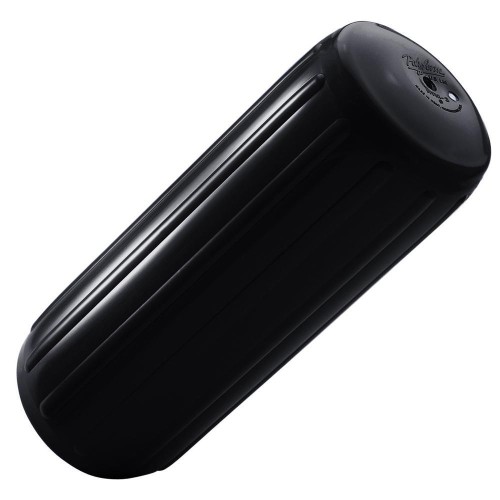
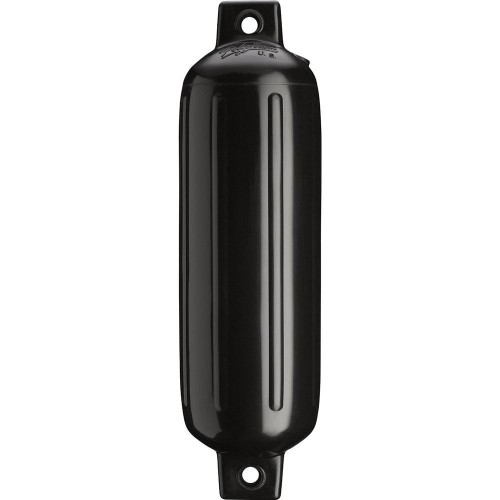
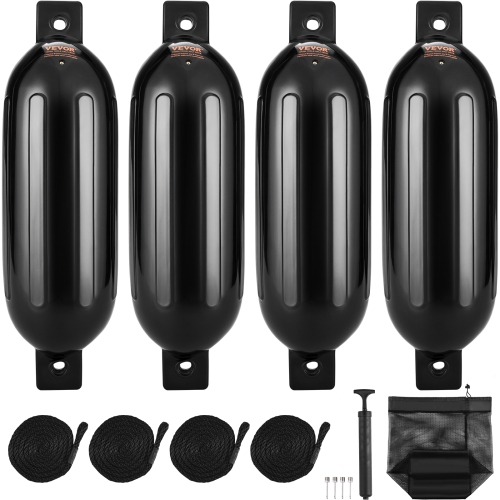
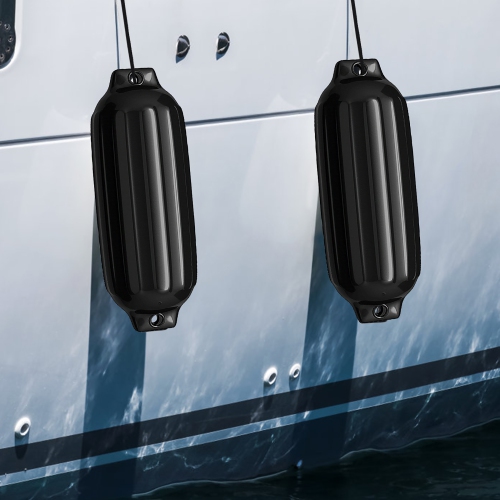
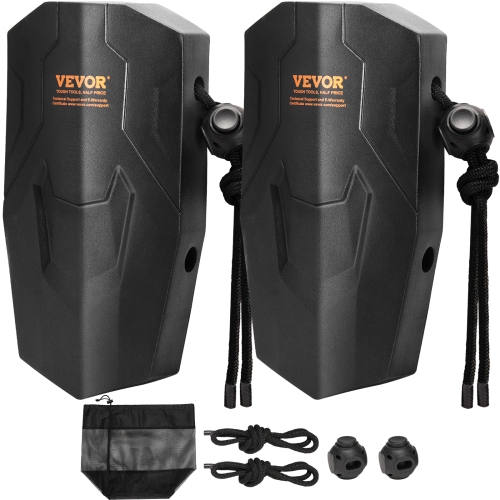
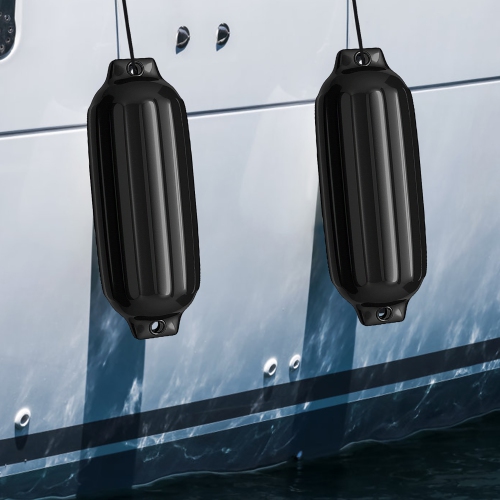
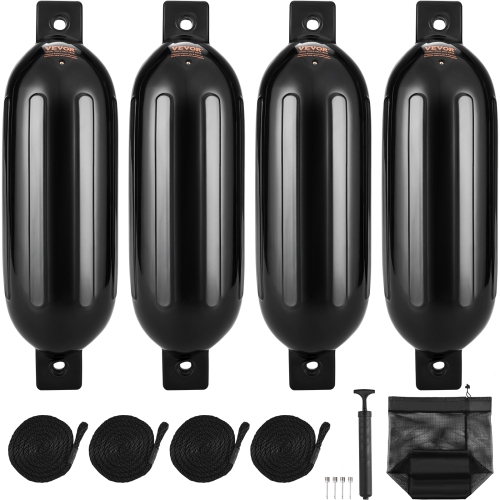
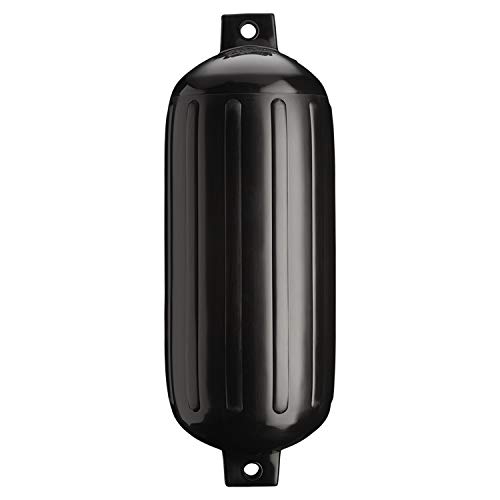
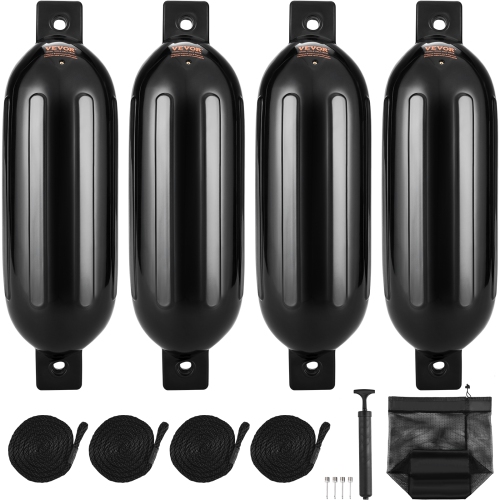
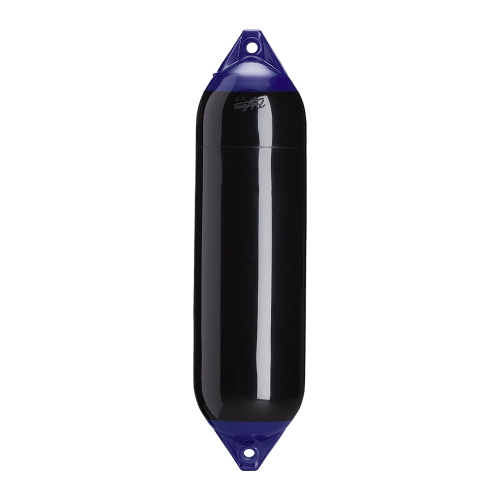
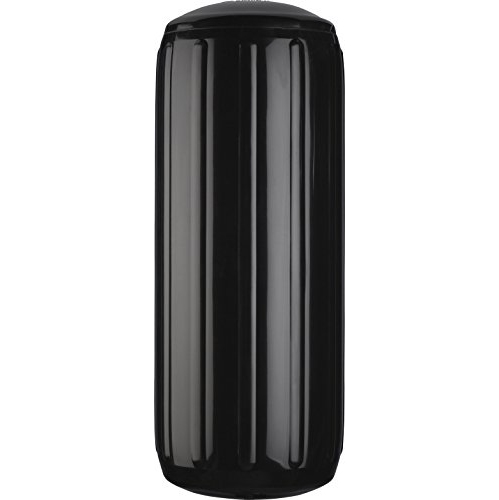
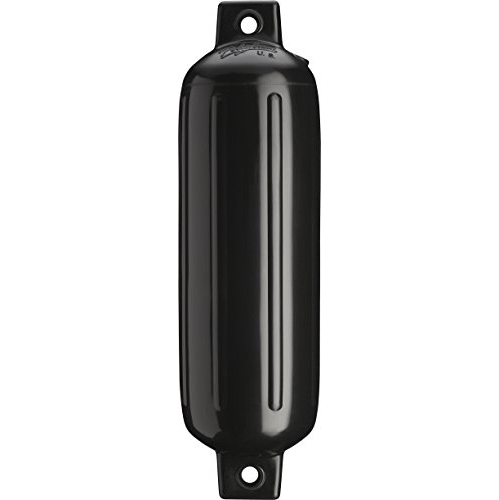
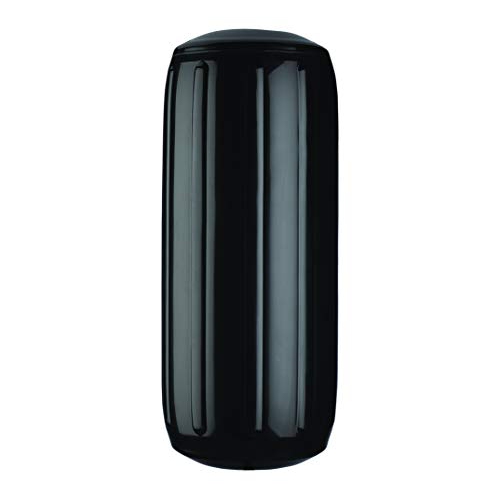
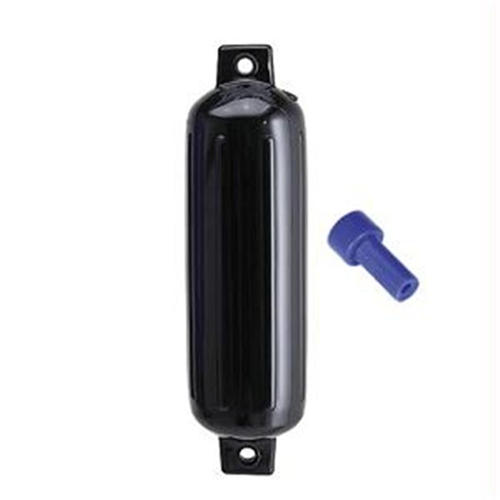
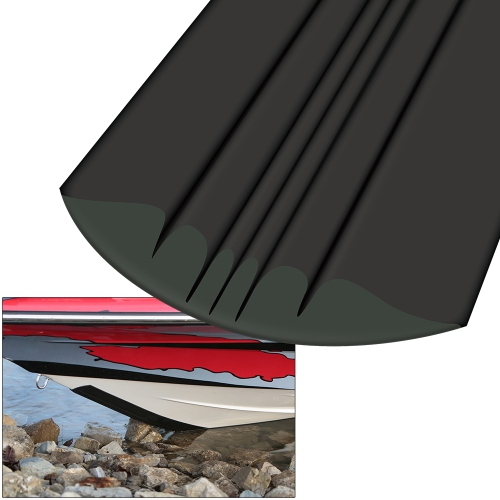


A softer buffer between your hull and the dock
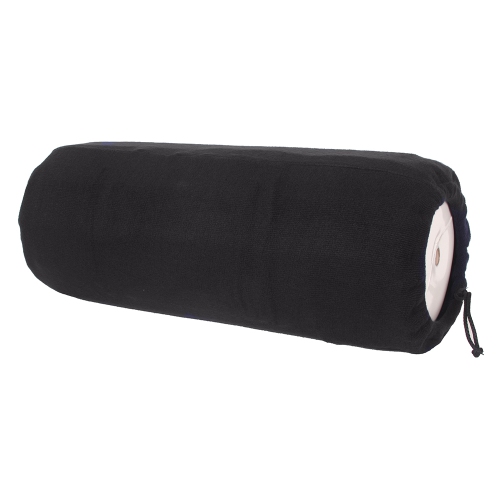
Black boat fenders provide a practical buffer between a boat’s hull and the hard surfaces it meets at a dock, alongside a piling, or while rafted beside another vessel. Their job is straightforward: cushion contact and help reduce scuffs, scratches, and impact damage as the boat shifts with wind, wakes, and changing water levels. Anyone who has watched a quiet slip become lively after a passing boat knows how quickly that space between hull and dock can disappear. A well-chosen fender helps take the pressure off those everyday encounters, whether you keep a small fishing boat at a lakeside marina or bring a larger pleasure craft alongside a busy public wharf. Black is an understated choice that pairs naturally with dark hulls, contrasting trim, stainless-steel railings, and a wide range of canvas colours. It can make some surface marks less noticeable than they would be on lighter colours, although salt residue, dust, and dried water spots may still show. The colour is mainly a matter of appearance; reliable protection comes from the fender’s size, shape, material, condition, and placement. Cylindrical fenders are familiar all-purpose options, with many designs suitable for vertical or horizontal positioning when rigged as directed. Round fenders provide a broader cushion and may suit applications where more space is needed between surfaces, though their bulk takes up additional storage room. Flat profiles can be useful where a lower-profile buffer is preferable, while shaped designs may address particular areas such as a bow or transom. These differences matter more than matching a particular look. The most useful choice is one that sits securely at the point of contact without rolling away or leaving an exposed section of hull. For boat owners who like a tidy, coordinated setup, matching black fenders can also bring a consistent appearance to equipment that remains visible whenever the boat is tied up.
Choosing black boat fenders starts with the boat itself and the places it normally berths. Boat length is a useful starting point, but weight, hull shape, freeboard, and the amount of movement at the mooring also affect the protection required. A sheltered freshwater slip presents different demands from an exposed berth where wind and boat traffic regularly push the hull towards the dock. Manufacturer sizing recommendations provide a better basis for selection than appearance alone, and a larger or heavier boat may need both larger fenders and more contact points. Diameter determines how much separation a fender provides, while length helps cover the area where the dock or neighbouring vessel is likely to meet the hull. A fender that looks generous on the shelf can be surprisingly small beside a high-sided boat, so checking measurements before buying is worthwhile. Dock construction deserves equal attention: floating docks, fixed docks, and isolated pilings do not all meet the hull at the same height or angle. Attachment style influences everyday convenience, too. Moulded eyes, centre-rope passages, and other configurations require compatible lines and suitable securing points, and not every purchase includes ropes or fittings. Clear package details help avoid arriving at the marina with the cushioning but no way to hang it. For inflatable designs, an accessible valve and clear inflation instructions make routine upkeep easier. Follow the stated pressure rather than inflating until the surface feels rigid; the fender needs to retain the cushioning characteristics intended by its maker. Material quality, resistance to abrasion and sunlight, and suitability for expected temperatures are useful considerations for equipment left outdoors. Check whether dimensions describe the inflated product, whether the price covers one fender or a set, and how much space the fenders will occupy when stowed. Those practical details often have a greater effect on satisfaction than small differences in styling, particularly aboard a boat where every locker already has a job.
Black boat fenders suit a broad range of boaters, from someone learning to berth a first runabout to an experienced owner replacing worn equipment before another stretch of use. Anglers may value a manageable shape that can be brought aboard quickly before leaving the dock, while families spending longer periods on the water may prefer a coordinated set that is easy to position and store. Owners who regularly visit unfamiliar marinas often benefit from having enough flexibility to protect either side of the boat, rather than keeping a setup that only works in their home slip. Fenders can also make a thoughtful practical gift for a boat owner, provided the giver knows the vessel’s size, typical docking arrangements, and preferred attachment style. An additional fender for occasional rafting or an awkward berth can be more useful than another decorative accessory, but compatibility should come before surprise. Day-to-day care is uncomplicated and worth building into the routine. Rinsing away grit and checking the surface before hanging a fender helps keep trapped debris from rubbing against the finish. Fender covers can add a soft contact surface, but they also need cleaning and inspection; a dirty cover can hold abrasive particles against the hull. Lines, attachment eyes, and valves deserve a look whenever the equipment is handled, especially after sustained rubbing or a rough stay at the dock. During the cooler months, owners whose boats remain afloat should continue checking positioning as water levels and docking conditions change. For boats being hauled out, cleaning and drying fenders before storage makes them easier to inspect and keeps lockers tidier. Fenders belong to the hull-protection side of boat ownership, while equipment such as Boat Blowers serves a separate ventilation role where required by the vessel’s design. Keeping those functions distinct makes it easier to choose equipment for the actual task. The appeal of a good fender is ultimately practical: a dependable cushion in the right place, a manageable piece of gear in hand, and a neater, better-protected boat alongside the dock.
Top selling and popular products
-
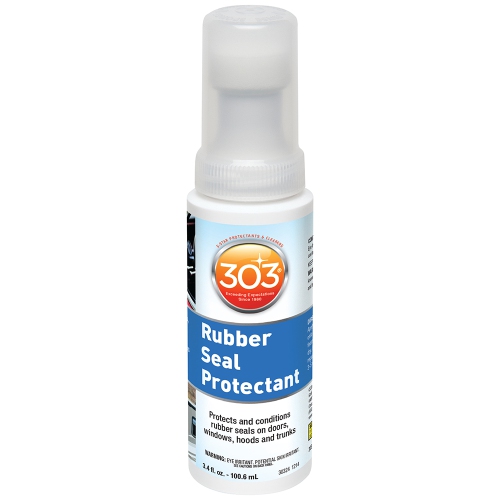 Your price for this item is $31.34
-
 Your price for this item is $30.54
-
 Your price for this item is $38.85
-
 Your price for this item is $63.99
-
 Your price for this item is $844.91
-
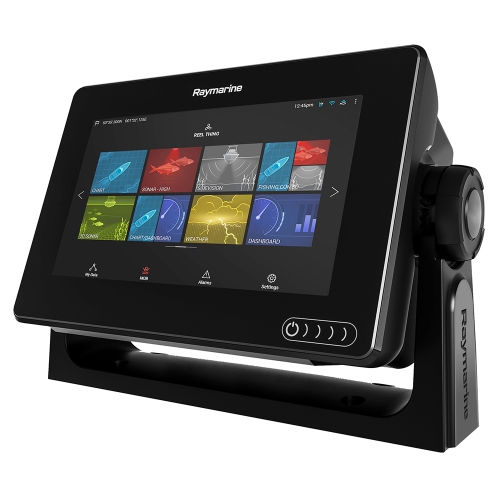 Your price for this item is $909.33
-
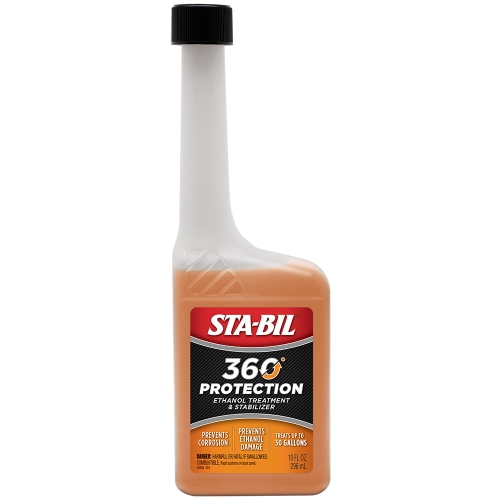 Your price for this item is $31.38
-
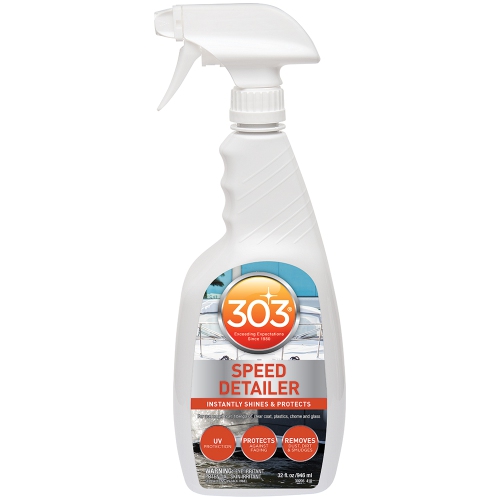 Your price for this item is $35.35
Discover more categories related to Black Boat Fenders
Top Collections:
Pokemon Centers, Best Cameras for Sports Photography, Kindle Devices, Samsung Galaxy Phones, Canon G7X Cameras, Pokémon 30th Celebration Cards, Refurbished Apple Laptops, iPhone 15 Apple, Laptops for Students, Budget Smartphones
Some products may be subject to Environmental Handling Fees
(EHF) depending on your province.
Learn more about EHFs.