Rv Macerator Pump
Looking to make your next RV adventure even more convenient and hassle-free? Look no further than our selection of RV macerator pumps. Designed to efficiently and effectively dispose of waste from your RV's holding tank, these powerful pumps offer a convenient alternative to traditional dumping methods. With their compact size and easy installation, our range of RV macerator pumps are perfect for anyone looking to streamline their RV waste management system. Say goodbye to messy and time-consuming dumping procedures, and say hello to a cleaner, more efficient way to handle waste on the go. Explore our collection of RV macerator pumps today and take your RVing experience to the next level.
Sort
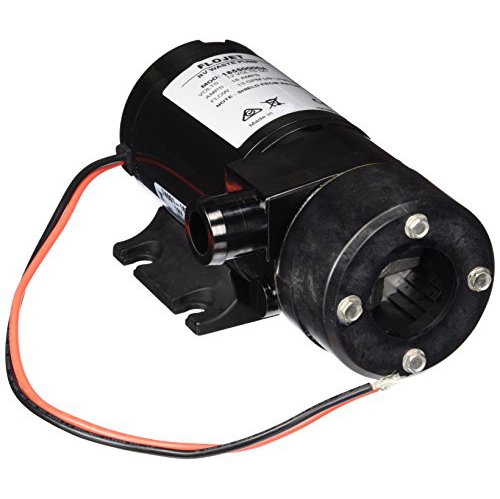
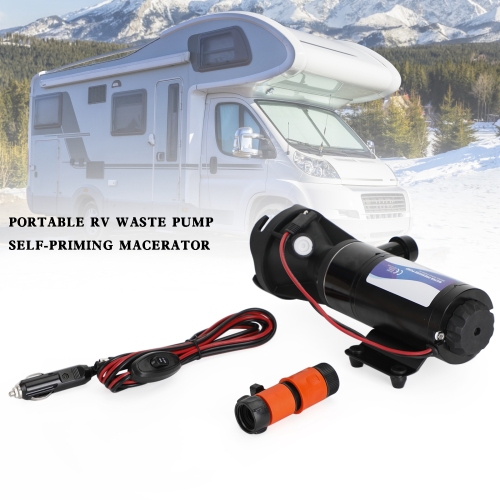
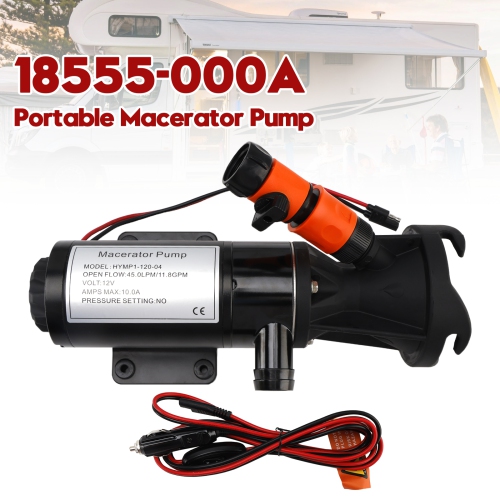

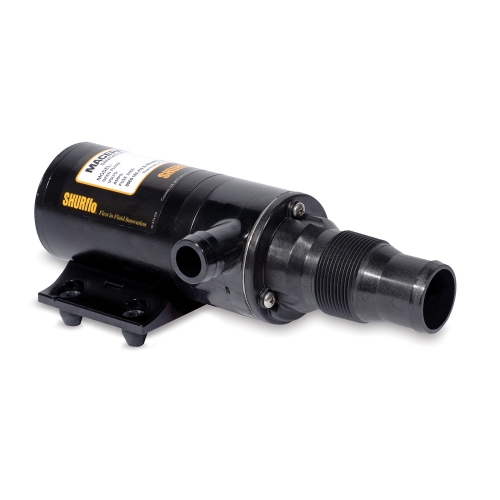
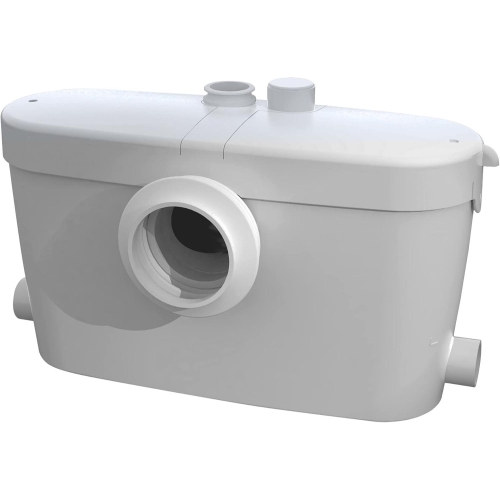
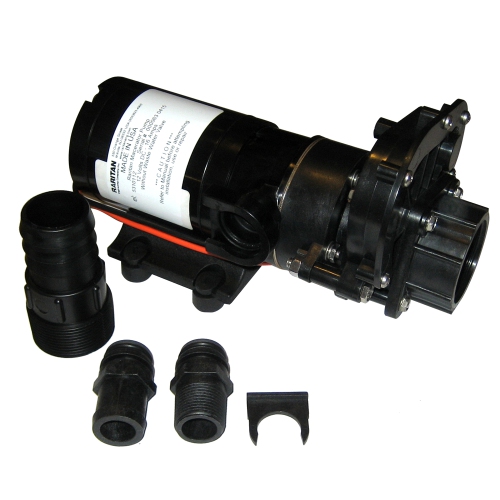
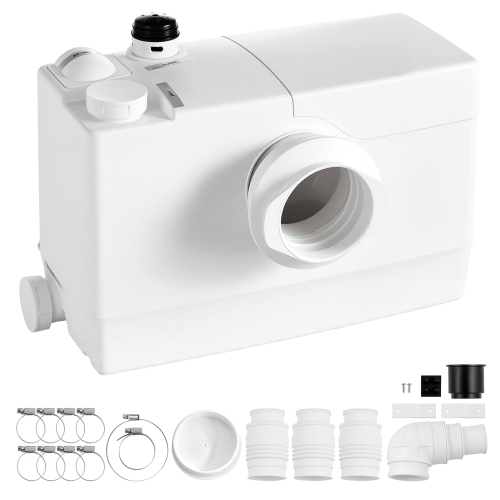
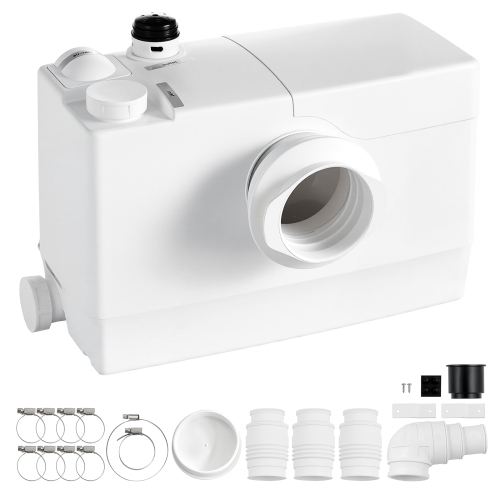
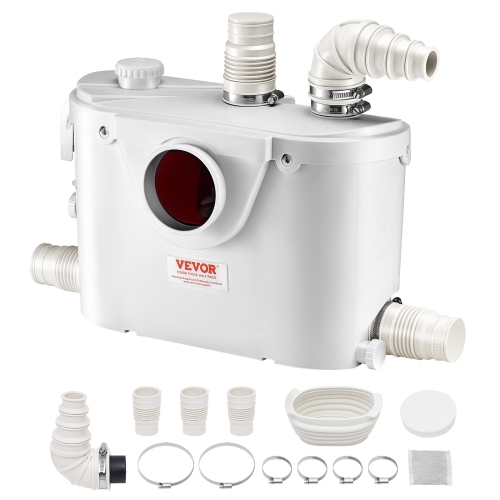
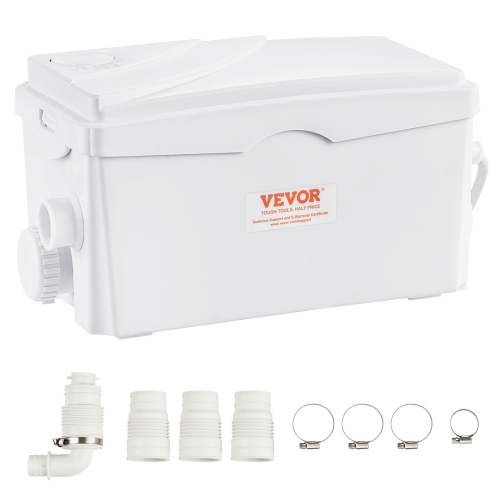
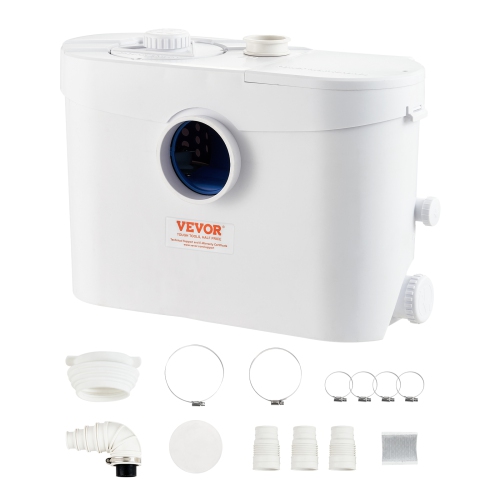
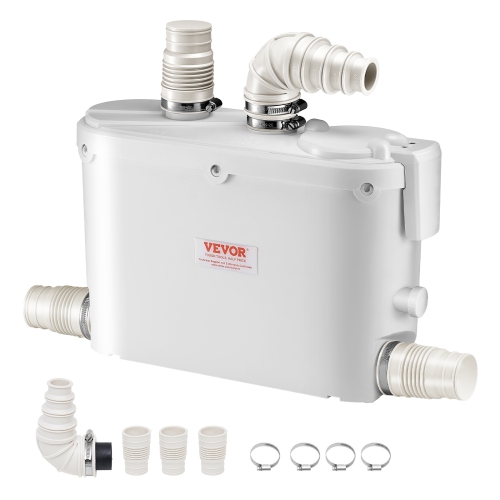
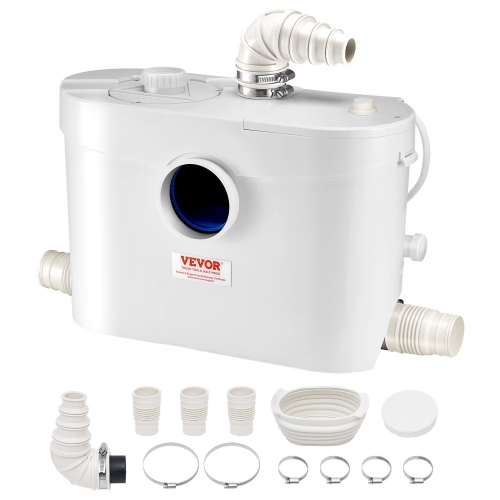
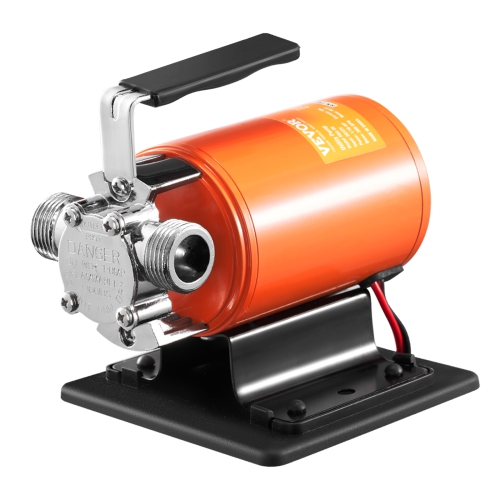
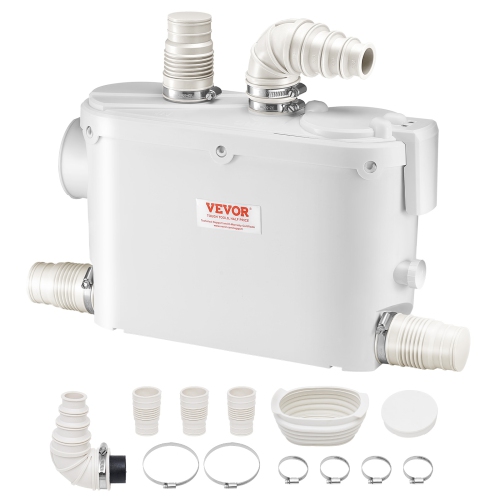
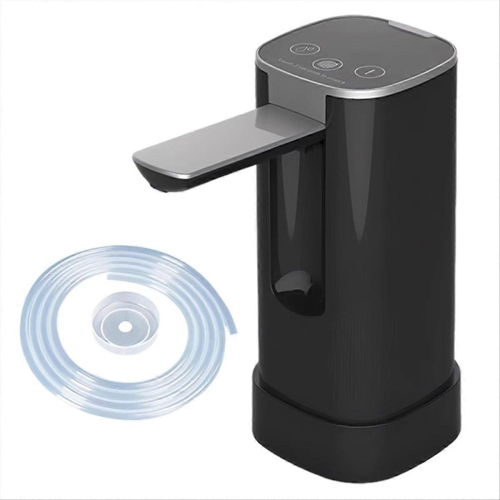
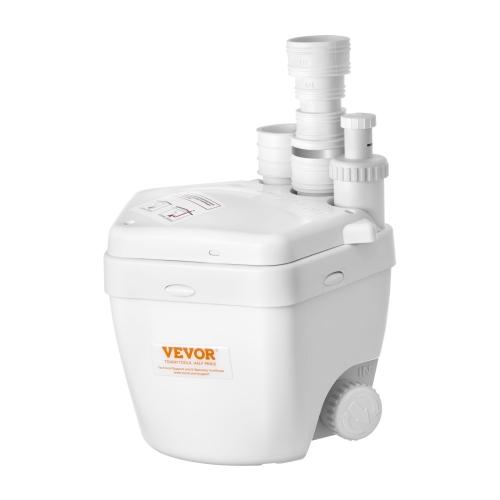
Flexible pumping makes tank emptying more manageable and controlled
RV macerator pumps make one of the least pleasant parts of RV ownership more manageable: emptying the holding tanks. Instead of relying only on a large, flexible sewer hose and a nearby dump station, an RV macerator pump grinds waste into a finer slurry and moves it through a smaller discharge hose. Many models connect to the RV’s standard 3-inch waste outlet and use rotating blades or impellers to break down solids, toilet paper, and other material before pumping. The resulting flow can travel through a typical 5/8-inch or 3/4-inch garden hose, making it easier to reach a residential clean-out, approved sewer connection, or other suitable disposal point. Depending on the pump, hose length, elevation, and installation, the system may move waste horizontally over a considerable distance or push it uphill, although every setup has limits that should be checked before use. This flexibility is especially useful for RV owners who store their motorhome or trailer at home, have a sewer clean-out that is not directly beside the driveway, or prefer to avoid moving a large vehicle simply to empty the tanks. A portable RV macerator pump can also be helpful at seasonal campsites, where the connection point may be awkwardly positioned or located farther away than the RV’s standard hose can comfortably reach.
When choosing an RV macerator pump, start with compatibility rather than appearance. Check the size and style of the RV waste outlet, the type of tank connection, the required hose fittings, and whether the pump is intended for temporary use or permanent installation. Portable systems are convenient for owners who use different campsites, share equipment between multiple recreational vehicles, or want to store the pump when travelling. A permanently mounted pump can be a practical choice for an RV that remains in one location for extended periods, provided there is enough room for the pump, wiring, valves, and hose connections. Most RV macerator pumps use a 12V power connection, so confirm that the cable can reach the RV’s battery or an appropriate power source without creating a trip hazard or placing strain on the wiring. Look for information about amperage, recommended fuse protection, maximum pumping distance, maximum lift, duty cycle, and whether the unit is designed for continuous or intermittent operation. Some kits include a discharge hose, inlet and outlet fittings, clamps, wiring, or flushing accessories, while others require these pieces to be purchased separately. A quick inventory before ordering can prevent the familiar campsite frustration of discovering that the pump is ready but the correct adapter or length of hose is missing. For other water-moving applications around a trailer or campsite, a Utility Pump may be more appropriate, but it should not be treated as a replacement for a pump specifically designed to handle RV waste.
Safe operation depends on careful setup and regular cleaning. Park on stable, reasonably level ground when possible, apply the parking brake, and keep children and pets away from the work area. Inspect the pump, fittings, seals, and hose before connecting anything, and make sure every connection is secure before opening a tank valve or switching on the motor. A macerator pump should be used only with the waste materials and fluids specified by its instructions; wipes, sanitary products, paper towels, rags, and other items that do not break down easily can cause blockages or damage even after passing through the grinding chamber. Many RV owners begin with the black-water tank, allowing the pump to move the contents before flushing with clear water, then empty the grey-water tank to help rinse the discharge hose. Follow the manufacturer’s sequence, since some systems have separate valves, rinse ports, or recommended priming procedures. Avoid running the pump dry, and stop promptly if the motor sounds strained, the flow slows unexpectedly, or the hose begins to swell. Once the tanks are empty, flush the system with clean water as directed, disconnect it carefully, and store the hose and pump in a sealed container or designated compartment. Gloves, eye protection, absorbent towels, and a small supply of compatible replacement clamps are sensible additions to an RV maintenance kit. During the warmer camping season, these pumps can simplify frequent trips and longer stays; during the cooler months, draining water from the pump and hoses before storage helps guard against freezing. An RV macerator pump can be a thoughtful practical gift for new RV owners, full-time travellers, campground hosts, or anyone preparing a trailer for extended road trips, particularly when the recipient values a cleaner, more controlled way to manage routine tank maintenance.
When choosing an RV macerator pump, start with compatibility rather than appearance. Check the size and style of the RV waste outlet, the type of tank connection, the required hose fittings, and whether the pump is intended for temporary use or permanent installation. Portable systems are convenient for owners who use different campsites, share equipment between multiple recreational vehicles, or want to store the pump when travelling. A permanently mounted pump can be a practical choice for an RV that remains in one location for extended periods, provided there is enough room for the pump, wiring, valves, and hose connections. Most RV macerator pumps use a 12V power connection, so confirm that the cable can reach the RV’s battery or an appropriate power source without creating a trip hazard or placing strain on the wiring. Look for information about amperage, recommended fuse protection, maximum pumping distance, maximum lift, duty cycle, and whether the unit is designed for continuous or intermittent operation. Some kits include a discharge hose, inlet and outlet fittings, clamps, wiring, or flushing accessories, while others require these pieces to be purchased separately. A quick inventory before ordering can prevent the familiar campsite frustration of discovering that the pump is ready but the correct adapter or length of hose is missing. For other water-moving applications around a trailer or campsite, a Utility Pump may be more appropriate, but it should not be treated as a replacement for a pump specifically designed to handle RV waste.
Safe operation depends on careful setup and regular cleaning. Park on stable, reasonably level ground when possible, apply the parking brake, and keep children and pets away from the work area. Inspect the pump, fittings, seals, and hose before connecting anything, and make sure every connection is secure before opening a tank valve or switching on the motor. A macerator pump should be used only with the waste materials and fluids specified by its instructions; wipes, sanitary products, paper towels, rags, and other items that do not break down easily can cause blockages or damage even after passing through the grinding chamber. Many RV owners begin with the black-water tank, allowing the pump to move the contents before flushing with clear water, then empty the grey-water tank to help rinse the discharge hose. Follow the manufacturer’s sequence, since some systems have separate valves, rinse ports, or recommended priming procedures. Avoid running the pump dry, and stop promptly if the motor sounds strained, the flow slows unexpectedly, or the hose begins to swell. Once the tanks are empty, flush the system with clean water as directed, disconnect it carefully, and store the hose and pump in a sealed container or designated compartment. Gloves, eye protection, absorbent towels, and a small supply of compatible replacement clamps are sensible additions to an RV maintenance kit. During the warmer camping season, these pumps can simplify frequent trips and longer stays; during the cooler months, draining water from the pump and hoses before storage helps guard against freezing. An RV macerator pump can be a thoughtful practical gift for new RV owners, full-time travellers, campground hosts, or anyone preparing a trailer for extended road trips, particularly when the recipient values a cleaner, more controlled way to manage routine tank maintenance.
Top selling and popular products
-
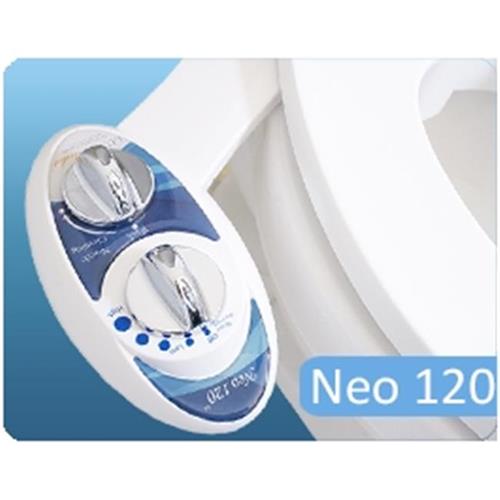 Your price for this item is $109.31
 -
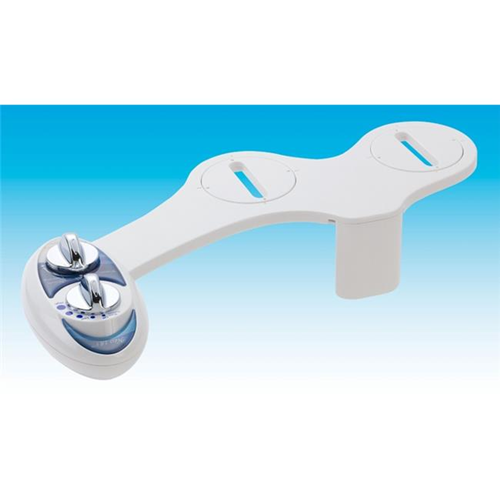 Your price for this item is $200.83
 -
 Your price for this item is $90
 -
 Your price for this item is $100
 -
 Your price for this item is $100
 -
 Your price for this item is $426.55
 -
 Your price for this item is $300
 -
 Your price for this item is $120
Discover more categories related to Rv Macerator Pump
Top Collections:
Pokemon Centers, Best Cameras for Sports Photography, Kindle Devices, Samsung Galaxy Phones, Canon G7X Cameras, Pokémon 30th Celebration Cards, Refurbished Apple Laptops, iPhone 15 Apple, Laptops for Students, Budget Smartphones
Some products may be subject to Environmental Handling Fees
(EHF) depending on your province.
Learn more about EHFs.