KitchenAid HD Mixers
Elevate your culinary creations with the KitchenAid HD Mixer, a versatile and reliable addition to any kitchen. Designed to handle a variety of tasks with ease, this powerful mixer makes baking and cooking more efficient and enjoyable. Whether you're whipping up a batch of cookies, kneading dough for fresh bread, or creating delicate meringues, the KitchenAid HD Mixer delivers consistent performance to help you achieve professional-quality results at home. Discover how this indispensable kitchen tool can transform your cooking experience and inspire your inner chef.
Sort
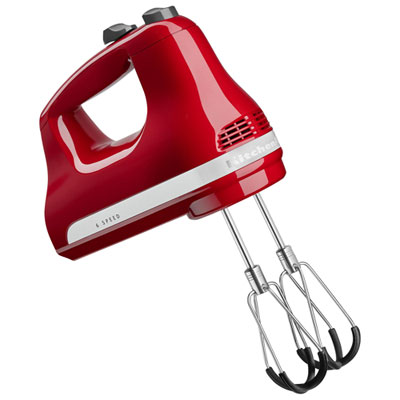

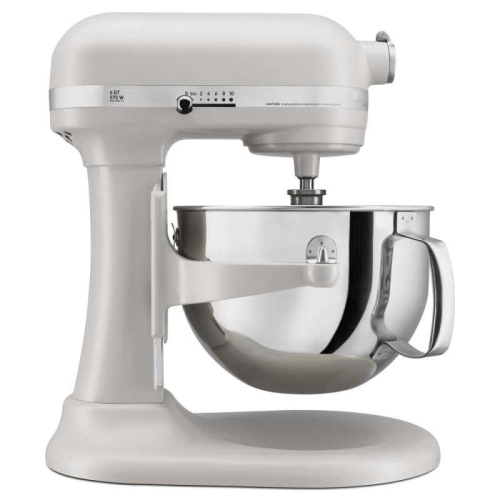
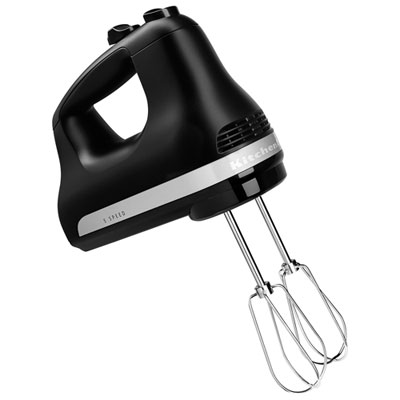
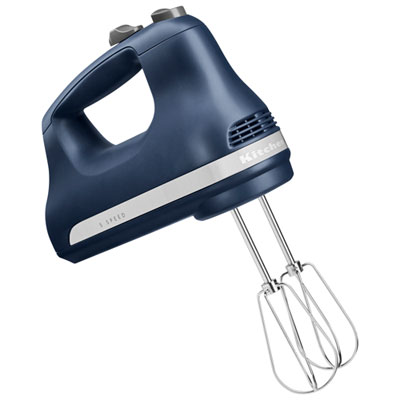
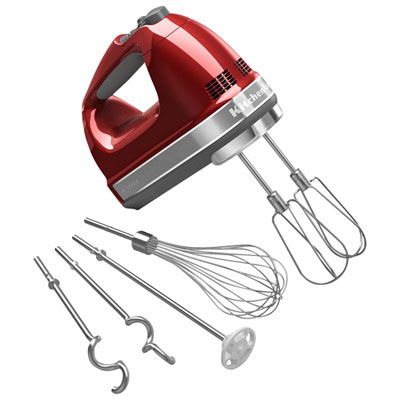
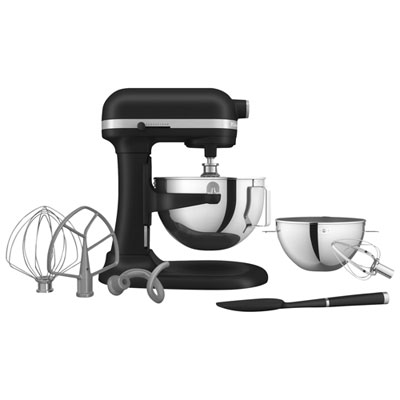
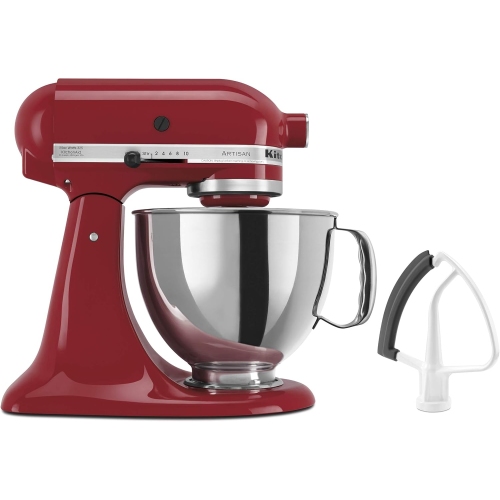

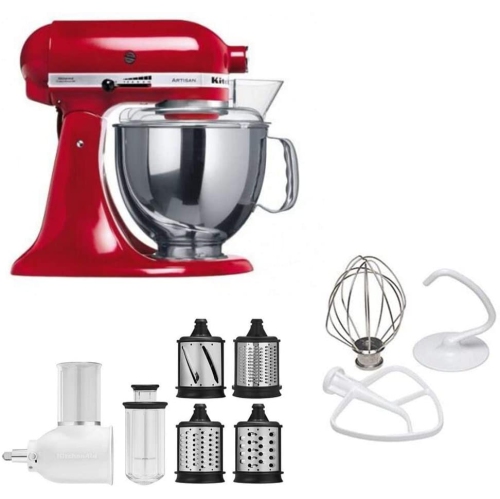


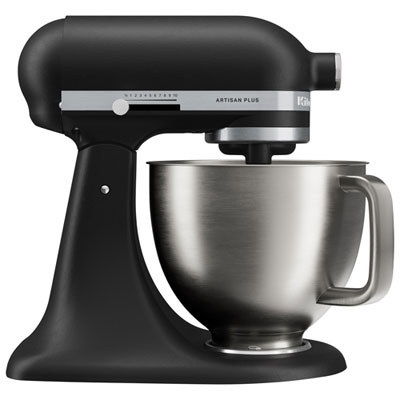
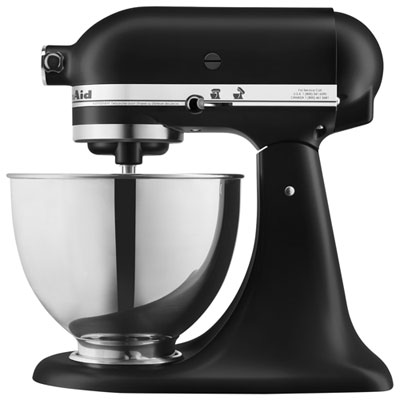
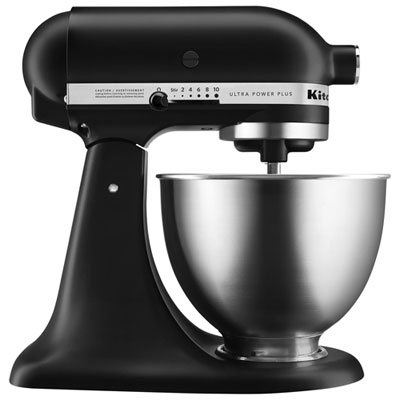


Why bowl-lift design matters for everyday baking
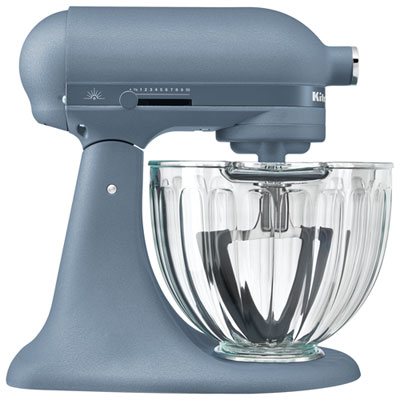
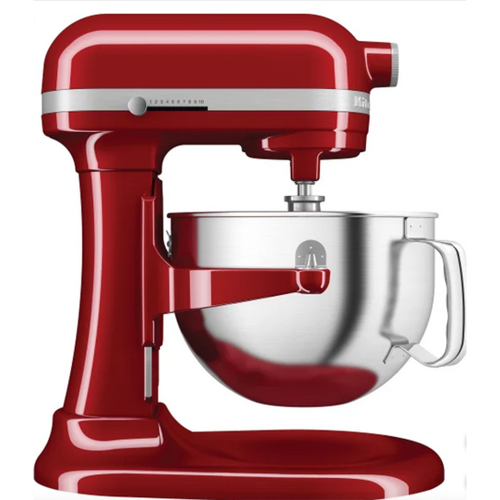
Heavy-duty stand mixers are countertop appliances built for mixing, beating, whipping, and kneading, with a stable base and interchangeable tools that handle different textures. The HD designation generally refers to heavy-duty construction, although capacity, motor design, and permitted batch sizes depend on the model. Bowl-lift designs are especially relevant to this category: the mixer head remains stationary while a side lever raises the bowl into its working position. The bowl attaches to supporting arms rather than relying on a tilt-back head, creating a sturdy setup for mixtures such as cookie dough, cake batter, and bread dough within the appliance’s stated limits. This arrangement also changes how the mixer fits into a kitchen. There is no head to swing upward, but space above and around the appliance still matters when adding ingredients, removing the mixing tool, or lifting out the bowl. A stainless steel bowl offers a durable, non-reactive surface for everyday preparation, from creaming butter and sugar to combining mashed potatoes. A bowl rated at 5 US quarts holds approximately 4.7 L, but that figure describes its total volume, not the amount of every recipe it can safely process. Dense dough, airy whipped cream, and loose batter place different demands on the same appliance. A large bowl may accommodate a generous batch of cookies yet struggle to whip a very small quantity if the whisk cannot reach it effectively. Metal housings, secure bowl supports, and well-fitted components contribute to a substantial feel, while internal gear materials and drive systems vary. Motor wattage alone does not establish kneading strength or durability; the transmission, mixing action, recommended operating speeds, and recipe limits also shape performance. For households that bake regularly, the practical appeal is consistent mechanical mixing while ingredients are measured, baking trays are prepared, or the next stage of a recipe is organized nearby.
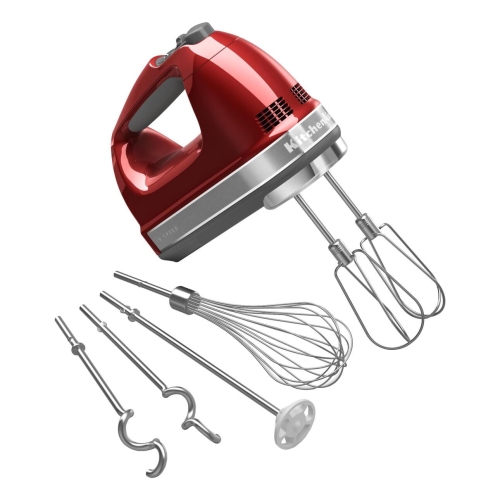
The mixing tools determine how that capability translates into everyday food preparation. A flat beater is generally suited to cake batters, cookie doughs, icing, and other mixtures that need thorough blending rather than kneading. A wire whisk incorporates air into suitable quantities of cream or egg whites, while a dough hook stretches and folds yeast dough using the motion intended for that mixer. Spiral and C-shaped dough hooks are not automatically interchangeable, even when they look similar in size. The correct tool must match the mixer’s attachment fitting, bowl shape, and operating clearances. In a planetary mixing system, the tool rotates while travelling around the bowl, helping it work through ingredients beyond the centre. Occasional scraping may still be necessary, especially when butter clings to the sides or flour settles at the bottom; the appliance should be stopped before a spatula enters the bowl. Starting slowly helps contain dry ingredients and reduces splashing when liquid is added. Higher settings serve different purposes, but heavy dough should only be kneaded at the speed specified in the manual. More speed is not a substitute for adequate capacity, and adding extra flour to an already stiff dough can increase the load considerably. A household making sandwich bread several times a week has different requirements from one mixing birthday cakes and occasional batches of biscuits. Recipe size, dough stiffness, and frequency of use matter more than a single headline specification. Some stand mixers also have a front attachment hub that can drive compatible food-preparation accessories, extending their role beyond the mixing bowl. Hub compatibility does not mean that bowls, beaters, whisks, or dough hooks are universally compatible, however. Those parts often depend on the exact model and bowl configuration. A spare bowl can make a layered cake easier to prepare, allowing batter and icing to be mixed separately without washing and drying the same bowl between stages, provided both bowls are approved for the appliance.
Within the broader category of Heavy Duty Stand Mixers, everyday suitability involves both the mixing task and the space where the appliance will live. A substantial mixer is often easiest to use when it can remain on a level, stable worktop, with enough room to position the bowl and reach the controls comfortably. Storage beneath a cupboard may work well, but the appliance’s full height and the clearance needed to remove accessories still matter. Weight is another practical consideration for anyone who would need to lift it from a low cabinet before each use. Bowl handles, accessible controls, and a secure lifting mechanism can make routine preparation more comfortable, although hands-free mixing still requires supervision. Care requirements differ by component rather than by appearance alone. Stainless steel bowls may be dishwasher-safe when the manufacturer permits it, while some whisks, metal attachments, and coated tools require handwashing. Uncoated aluminium parts can discolour or develop residue in a dishwasher, and damaged coatings deserve attention before further use. The motor housing should be unplugged and wiped clean rather than immersed, with flour and splashes removed from accessible surfaces before they build up. Correct bowl seating and the specified beater-to-bowl clearance help prevent unnecessary contact; a tool should not scrape the bowl simply to reach ingredients. Following stated batch limits, operating speeds, and rest periods where required also supports long-term use. These appliances suit enthusiastic home bakers, households that regularly prepare food from scratch, and cooks who value help with repetitive mixing. As a wedding, housewarming, or milestone gift, a heavy-duty mixer is most useful when its size and intended tasks suit the recipient’s kitchen. Finish and colour can complement surrounding appliances, but comfortable handling, suitable capacity, compatible tools, and straightforward cleaning are the details that remain important after the first cake has cooled.
Top selling and popular products
-
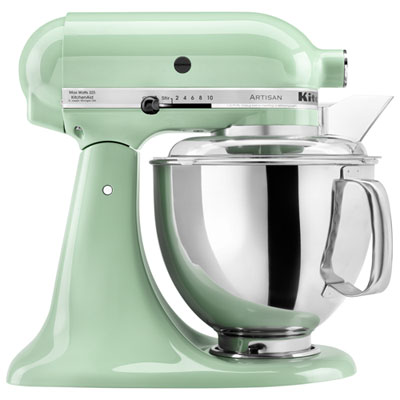 Your price for this item is $379.98
-
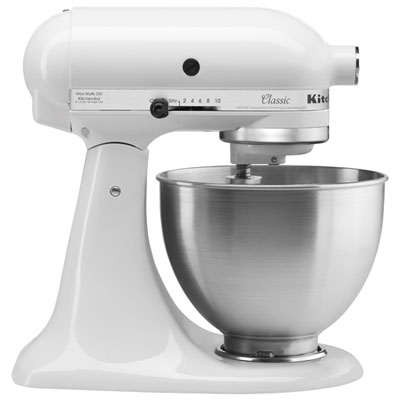 Your price for this item is $299.99
-
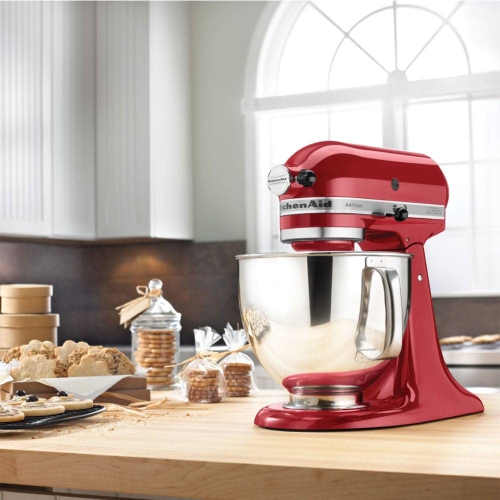 Your price for this item is $949.05
-
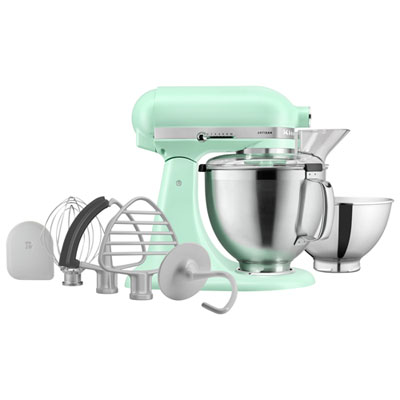 Your price for this item is $544.99
-
 Your price for this item is $399.99
-
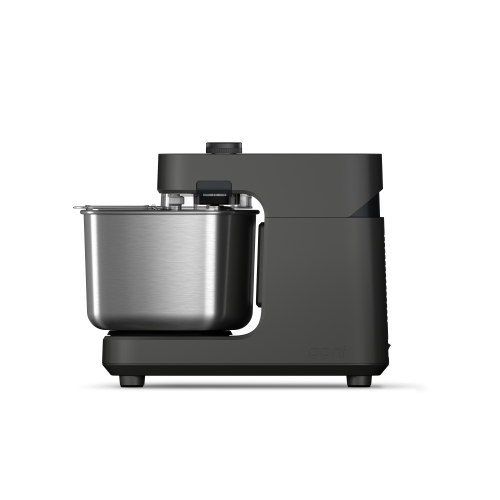 Your price for this item is $1099
-
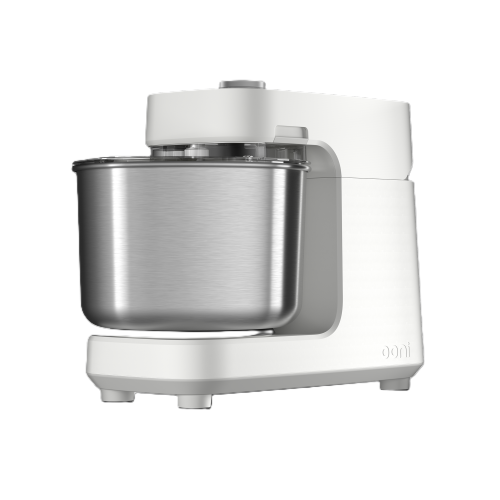 Your price for this item is $1099
-
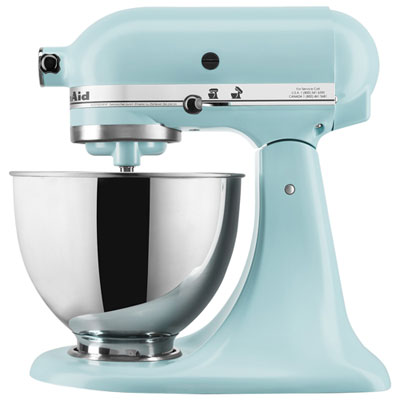 Your price for this item is $499.99
Discover more categories related to KitchenAid HD Mixers
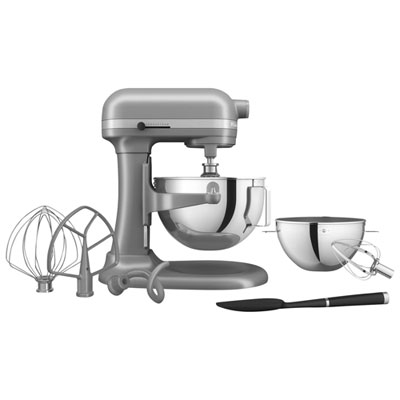
Top Collections:
Best Black Friday Deals This Year, Best Black Friday Deals On Electronics, Kindle Devices, Pokemon Centers, Best Black Friday Deals On Apple Products, Best Cameras for Sports Photography, Dyson Airwrap, Pokémon 30th Celebration Cards, Apple iPhone 17 Pro, Canon G7X Cameras
Some products may be subject to Environmental Handling Fees
(EHF) depending on your province.
Learn more about EHFs.