Powered Subwoofers for Home Theatre
Transform your home theatre experience with the deep, resonant bass that only powered subwoofers can provide. Designed to deliver immersive sound that elevates every movie night, gaming session, or music playlist, these subwoofers are essential for creating a cinematic atmosphere in your living space. By seamlessly integrating with your existing audio setup, powered subwoofers for home theatre systems ensure that you feel every beat and explosion with clarity and precision. Discover how the right subwoofer can make all the difference in bringing your entertainment to life.
Sort

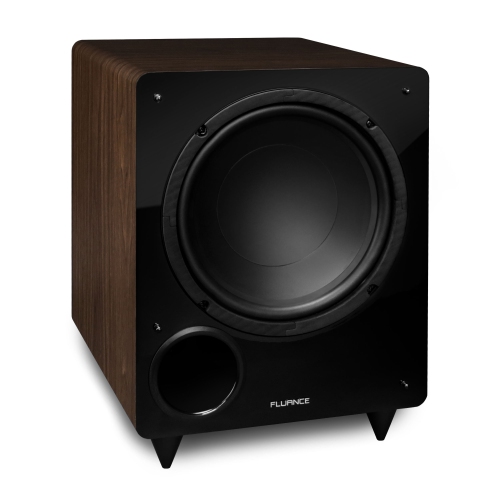
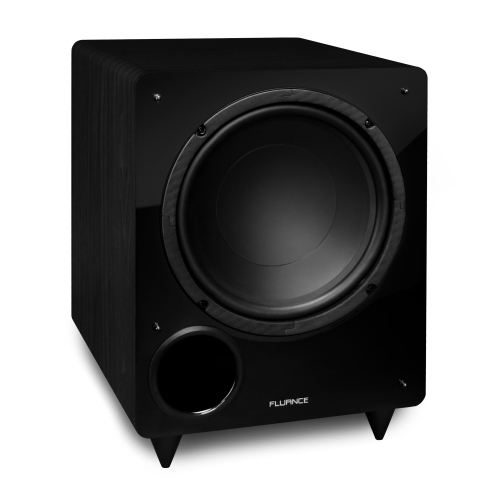
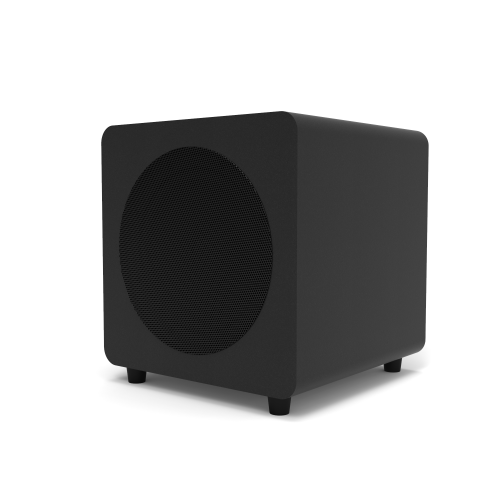
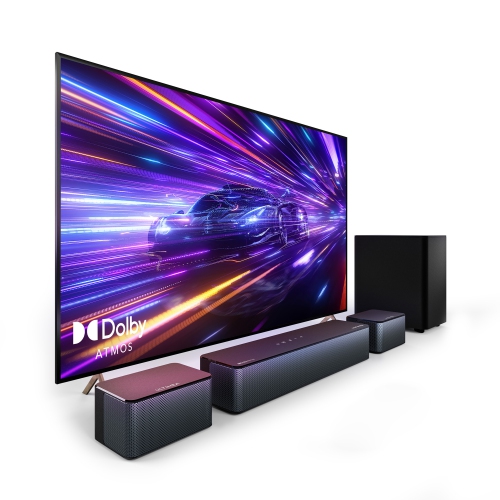

Deep bass that adds weight without overpowering voices
Powered subwoofers for home theatre bring depth and physical presence to the sounds that smaller speakers can struggle to reproduce, from a rolling thunderstorm to the low pulse beneath a film score. A powered subwoofer, also called an active subwoofer, combines a bass driver and a built-in amplifier in one enclosure. It needs an electrical outlet and a compatible audio connection, but it does not require a separate power amplifier to drive its speaker. In a surround sound system, it can reproduce the dedicated low-frequency effects channel, often identified as the “.1” in a 5.1 or 7.1 setup, along with bass redirected from other speakers through the receiver’s bass management settings. The result is not simply more volume. A well-integrated subwoofer adds weight to dialogue-heavy dramas, scale to concert recordings, and the feeling of distance as an aircraft crosses the screen, without drowning out voices or drawing attention to its location. Performance depends on the whole design, including the driver, amplifier, enclosure, and signal processing, rather than any single specification. Continuous or RMS amplifier ratings are generally more useful for comparison than peak figures, although testing methods can differ. Frequency response also needs context: a stated lower limit is more meaningful when accompanied by a tolerance, and reaching a very low note is different from reproducing it cleanly at a demanding listening level. Sealed enclosures have no bass port and can suit spaces where a smaller cabinet and a gradual low-frequency roll-off are useful. Ported enclosures use a tuned opening to increase output over part of the bass range, often making them appealing for cinematic effects. Neither design automatically guarantees better musical accuracy or stronger movie performance. Both can deliver controlled, convincing bass when their capabilities suit the room and the listening level, whether the main attraction is a quiet soundtrack with deep undertones or an action sequence with sustained low-frequency energy.
Room size, layout, and seating position all influence how a powered subwoofer sounds at home. A compact enclosed den places different demands on a subwoofer than a living room that opens into a kitchen and hallway, because the adjoining space affects how much air the system must energize. Floor area alone cannot establish a reliable amplifier requirement; ceiling height, openings, desired volume, and the subwoofer’s output capability matter too. Larger drivers and enclosures can provide greater output potential, but size is not a substitute for measured performance or thoughtful integration. For spacious rooms and systems built around substantial bass output, Big Subwoofer Home Theaters offers a related category to explore alongside the dimensions and connection requirements of the intended setup. Placement can make as much difference as a change in hardware. A corner may increase bass output, yet it can also exaggerate certain notes, turning a steady bass line into alternating booms and gaps. A position along the front wall may blend more naturally with the main speakers, while a small shift away from a wall or seating area can noticeably change the balance. Two subwoofers, with suitable placement and calibration, can help make bass more consistent across several seats rather than merely increasing loudness. Connections deserve equal attention. Many powered home theatre subwoofers accept a line-level signal from an AV receiver’s subwoofer or LFE output through an RCA cable. Some also support speaker-level inputs, app control, or wireless audio through compatible equipment, but these features are not universal. A wireless audio connection still leaves the subwoofer needing electrical power. Soundbars may work only with designated companion subwoofers, so a standard powered model is not automatically compatible. Adjustable level, crossover, and phase controls help the bass blend with the rest of the system. An 80 Hz crossover is a common starting point with capable main speakers, not a fixed rule; smaller speakers may need a higher setting. Receiver calibration can assist with integration, while familiar films and music help confirm that the result sounds balanced from the seats that matter most.
Cabinet construction and everyday practicality shape how comfortably a powered subwoofer fits into a shared living space. Enclosures commonly use medium-density fibreboard, often with internal bracing, to create a rigid housing that limits unwanted cabinet vibration. Finishes may include vinyl wraps, wood veneers, or painted surfaces, while fabric or metal grilles help shield the driver from incidental contact. These details affect appearance and care, but a heavy cabinet or an elaborate finish alone does not establish sound quality. Driver cones may use treated paper, polypropylene, metal, or composite materials, with performance depending on the complete driver design rather than the material name. Dimensions should account for more than the cabinet’s listed width and depth: cable plugs, amplifier controls, ventilation, and any required port clearance also need room. A subwoofer tucked tightly into a media cabinet can cause rattling, restrict airflow, and make adjustments awkward. Down-firing designs need their intended clearance beneath the driver, while front-firing designs benefit from protection against curious hands, pet toys, and accidental bumps. Stable feet and suitable isolation pads may reduce mechanical vibration transferred to the floor, although they will not prevent deep bass from travelling through a building. In an apartment or a room above a sleeping area, moderate playback levels and a receiver’s night mode or dynamic range controls can make late-evening viewing more considerate. Routine care is straightforward: switch off and unplug the unit before cleaning, use a soft dry cloth on the cabinet, and follow the manufacturer’s directions for the grille and driver. Liquids, direct heat, damp locations, and blocked ventilation can shorten the life of the finish or electronics. For film fans, console gamers, and music listeners, the appeal is bass that feels present without becoming tiring: the weight of footsteps in an adventure game, the body of a kick drum, or the distant rumble that gives a scene its scale. A powered subwoofer can also be a thoughtful gift for someone building a home theatre, provided the recipient’s connections, floor space, and household listening needs are understood. The most satisfying fit supports both immersive movie nights and ordinary evening listening, adding a foundation to the system rather than overpowering it.
Top selling and popular products
-
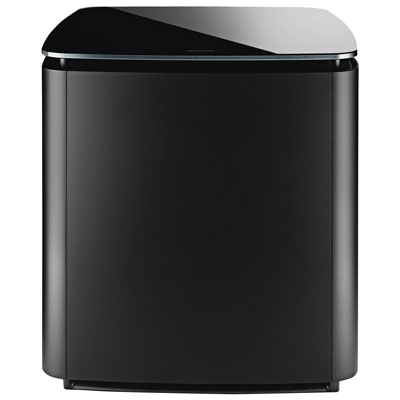 Your price for this item is $849.95
-
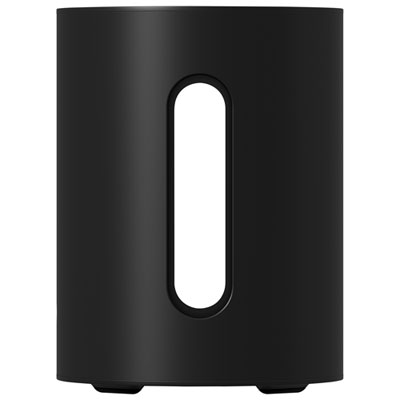 Your price for this item is $649.99
-
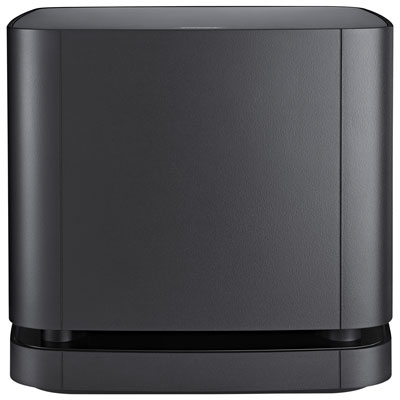 Your price for this item is $599.99
-
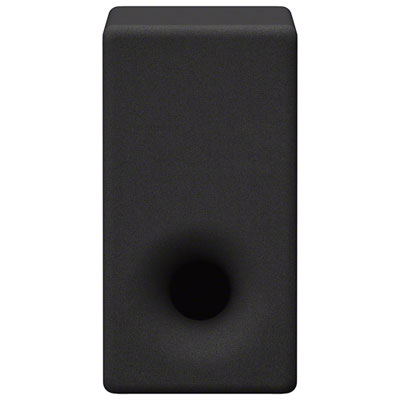 Your price for this item is $279.95
-
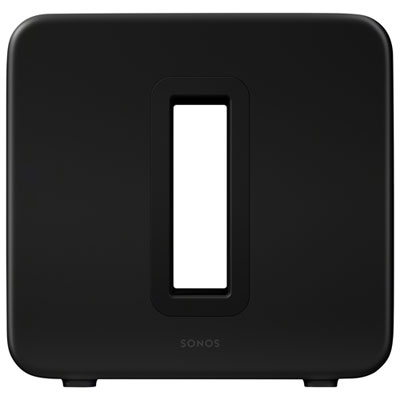 Your price for this item is $1149.99
-
 Your price for this item is $799.99
-
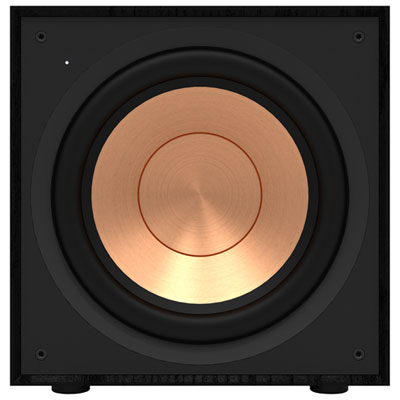 Your price for this item is $599.99
-
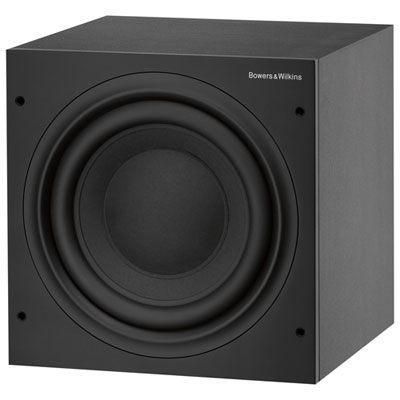 Your price for this item is $799.99
Discover more categories related to Powered Subwoofers for Home Theatre
Top Collections:
Pokemon Centers, Kindle Devices, Best Budget Office Chairs, Canon G7X Cameras, Apple iPhones 16, Samsung Galaxy Phones, Refurbished Apple Laptops, Laptops for Students, iPhone 15 Apple, Budget Smartphones
Some products may be subject to Environmental Handling Fees
(EHF) depending on your province.
Learn more about EHFs.