Crime Scene Games
Step into the shoes of a detective and put your investigative skills to the test with our selection of Crime Scene Games. Whether you're solving a mysterious murder, cracking codes, or unraveling complex puzzles, these immersive games will challenge your wits and keep you on the edge of your seat. Get ready to dive into thrilling storylines, gather evidence, and uncover the truth as you work to solve the ultimate whodunit. With a variety of options to choose from, there's a crime scene game here for every aspiring sleuth.
Sort
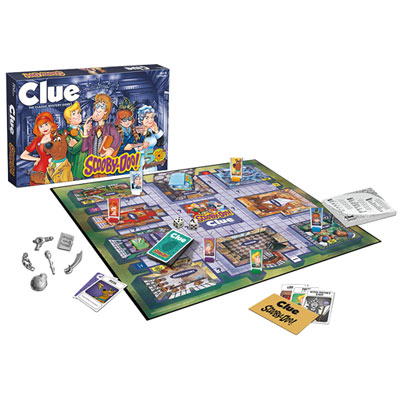
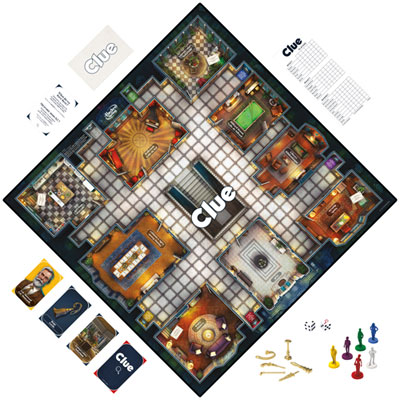
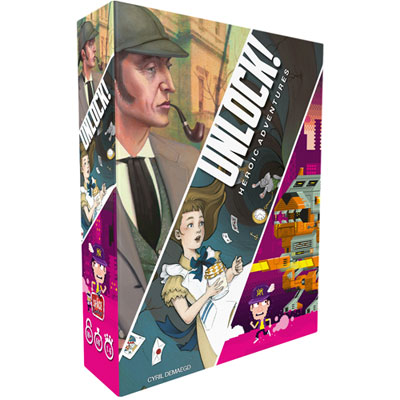
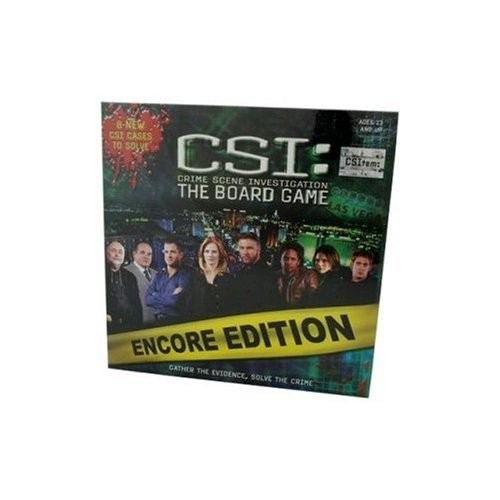







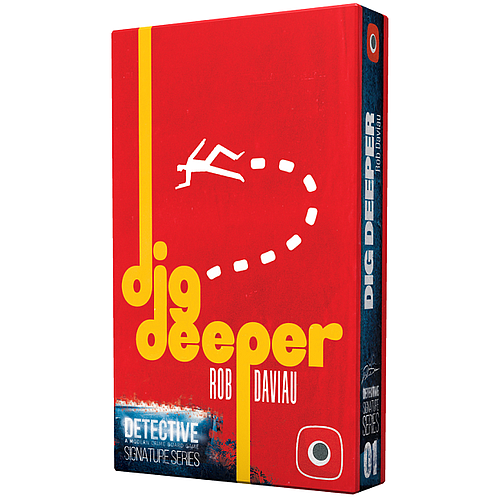







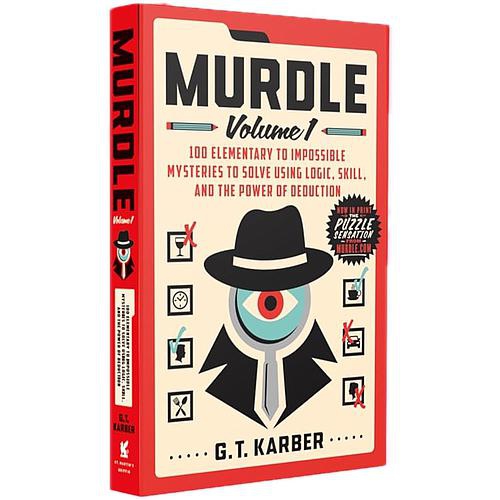
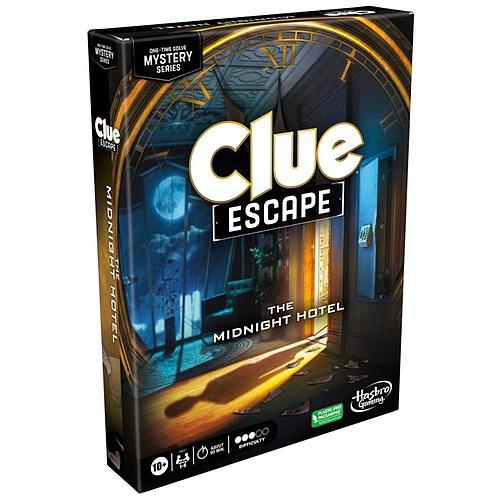


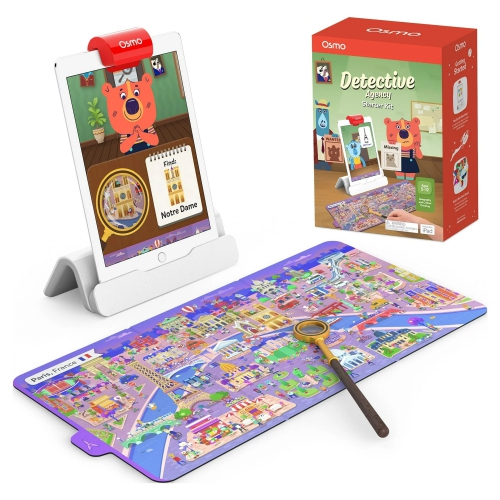




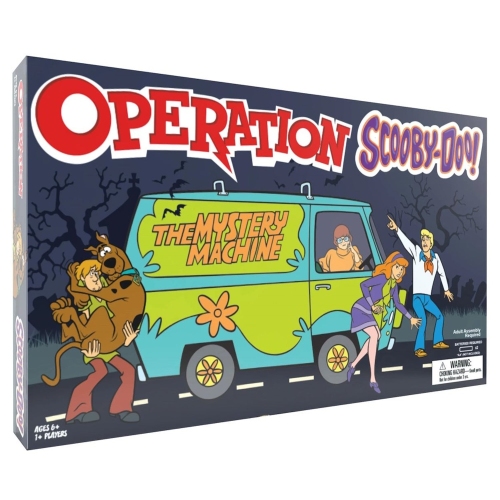



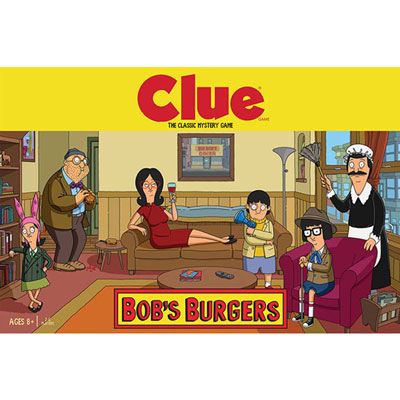


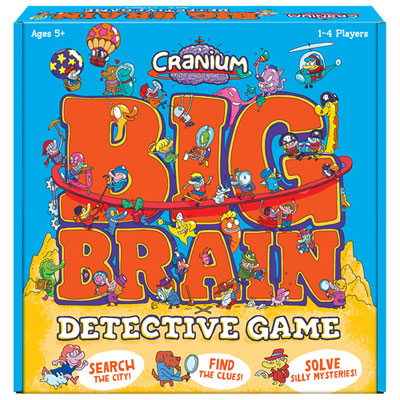


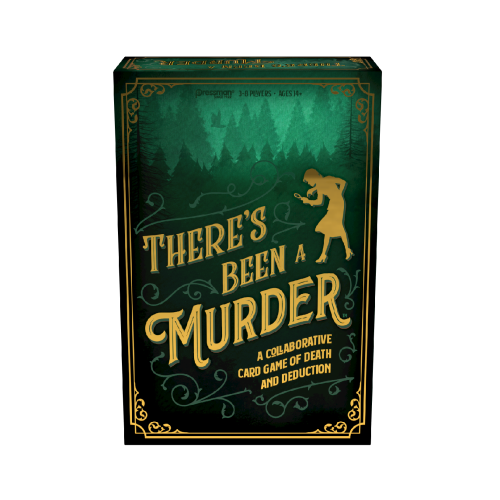
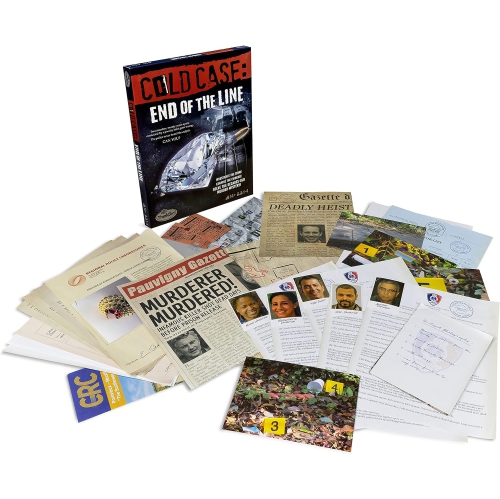
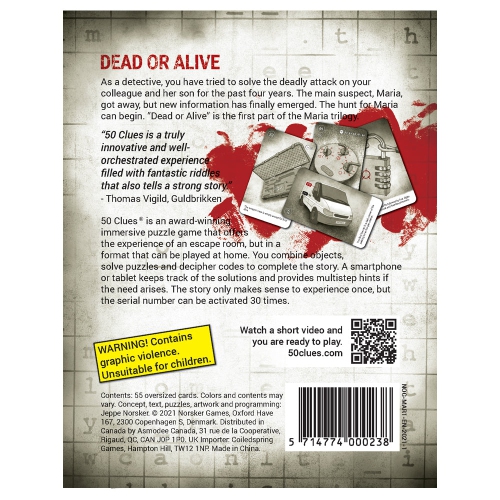

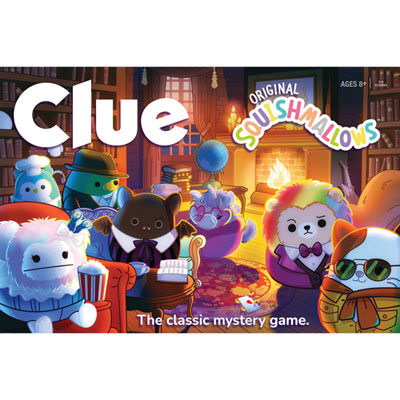


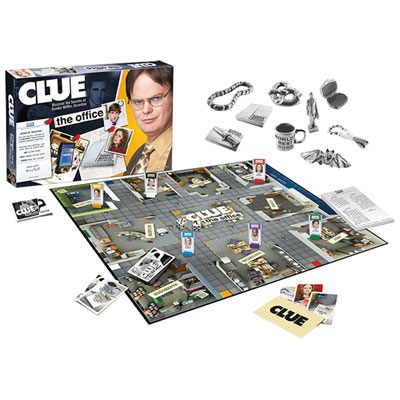


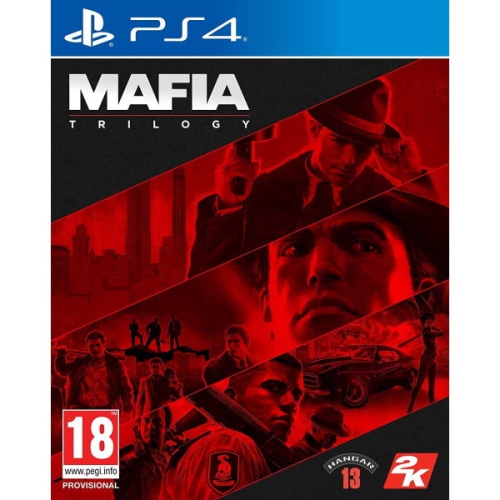
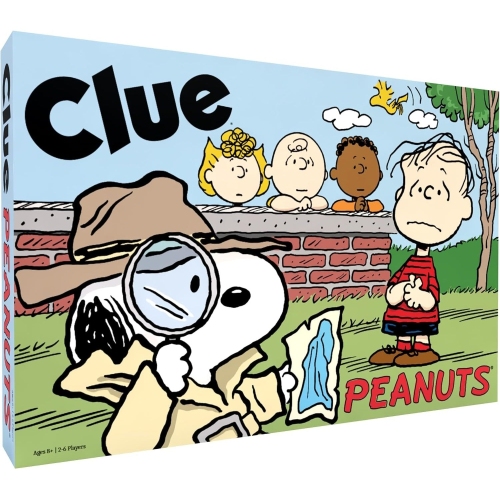



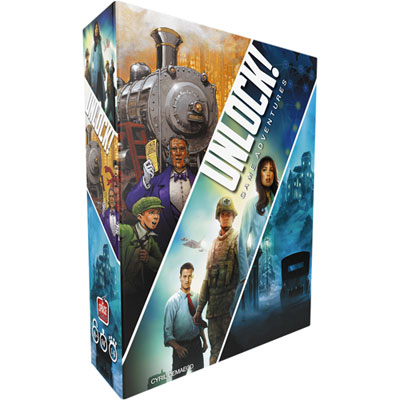


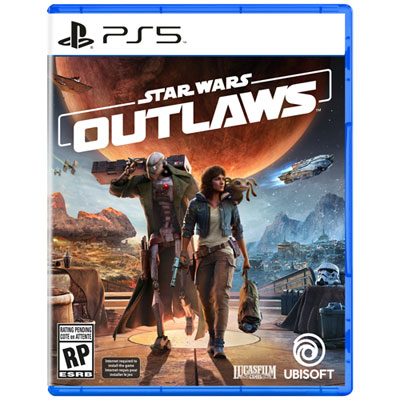

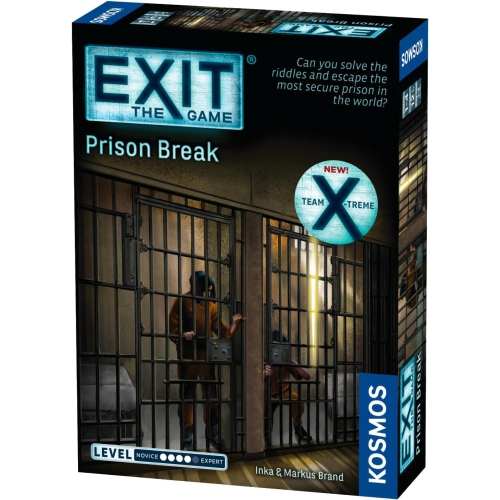


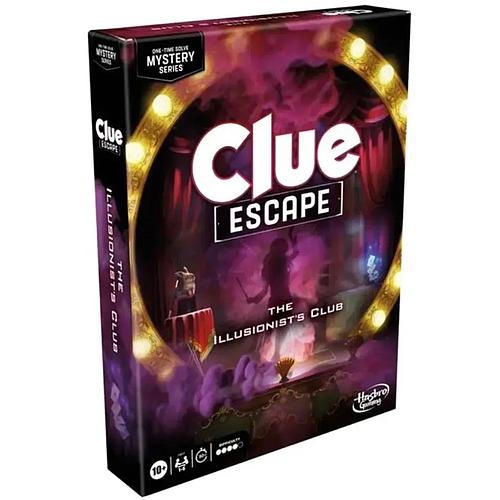

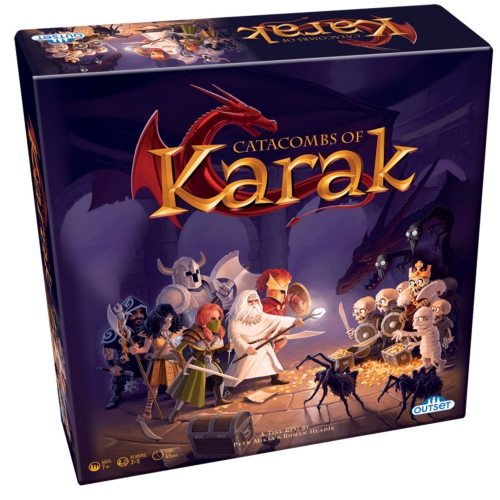





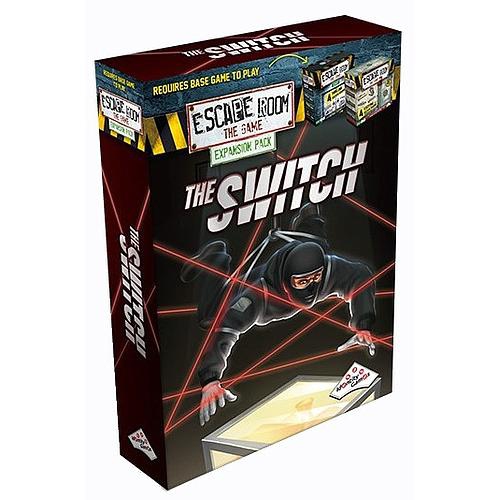


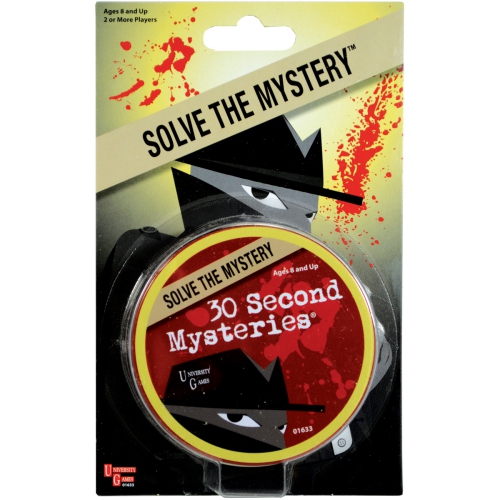

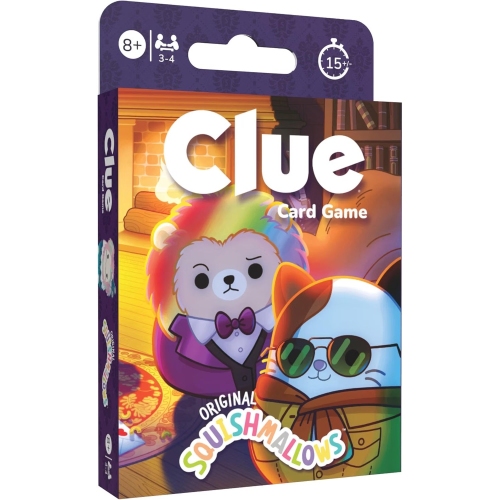
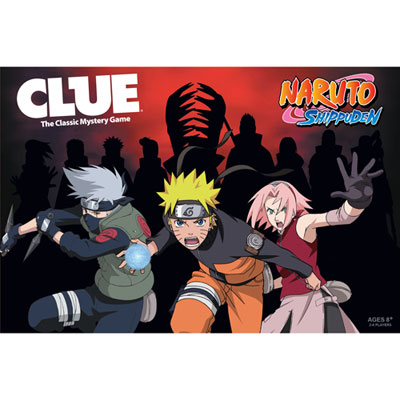





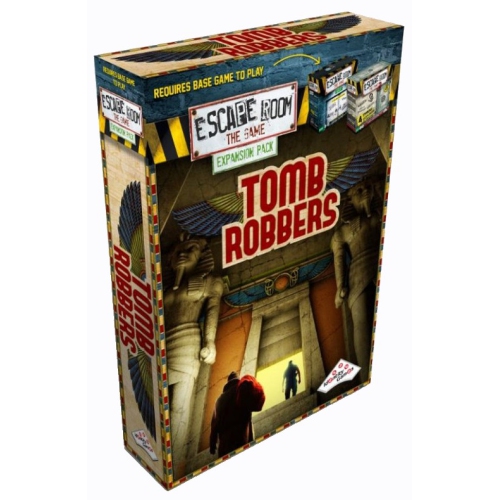





Small clues can turn an entire case around
Crime scene games are mystery-solving games in which players examine fictional evidence, connect clues, and work out what happened. They span tabletop case files, detective board games, hidden-object challenges, and investigative video games, with different ways to explore a scene and test a theory. The central appeal is the gap between what appears obvious and what the evidence actually supports: a receipt can place a suspect somewhere unexpected, a witness statement can clash with a timeline, and an ordinary photograph can reveal a detail that changes the case. Some formats focus on finding objects within detailed scenes, while others ask players to interpret documents, compare accounts, or piece together events with very little direction. A successful investigation may involve identifying a culprit, establishing a motive, explaining how an incident unfolded, or answering several connected questions. Unlike mysteries that simply reveal their endings, these games give players an active role in reaching a conclusion. Tabletop versions bring that process onto the table through printed reports, maps, cards, and other fictional case materials; digital versions can add searchable locations, dialogue, sound, and animated clues. Hybrid formats may pair physical components with an app or website that supplies interviews, additional evidence, or answer checks. Within the wider range of Crime Games, crime scene investigation puts particular emphasis on observation and deduction rather than action alone. The balance varies, so the most meaningful differences are often how evidence is presented, how much freedom players have to pursue leads, and whether the solution depends on careful reasoning, puzzle solving, or both. For someone who enjoys pausing a detective drama to compare theories, the attraction is familiar: the small satisfaction of spotting a contradiction before the full explanation comes into view. The fictional setting supplies the atmosphere, but the evidence gives players something concrete to discuss, question, and connect.
The feel of a crime scene game depends as much on its structure as on its story. A case-file format can resemble a desk covered in witness interviews and forensic summaries, giving players room to sort evidence in whatever order makes sense to them. A board-based mystery may use locations, turns, and defined actions to keep the investigation moving, while a digital detective game can let players inspect rooms, revisit conversations, and follow branching leads. Hidden-object play rewards close visual attention, whereas open-ended deduction asks players to decide which details matter without always marking the next step. Neither approach is inherently more satisfying; the right fit rests on whether the player enjoys clear objectives or the uncertainty of building a theory from scattered information. Difficulty also involves more than the number of clues. Dense reading, unfamiliar terminology, layered timelines, and subtle contradictions can make a compact case demanding, while a larger set of materials may remain approachable with clear prompts and a useful hint system. Hints that reveal information gradually can preserve the pleasure of solving a puzzle without leaving an evening stalled over one overlooked detail. Session length, player count, and opportunities to pause are practical considerations, especially when a game needs to fit around a shared schedule. Solo play leaves room to reread statements quietly and work at an individual pace. Cooperative play turns the same evidence into a conversation, with one person tracking times while another notices an inconsistency in a photograph. Larger groups benefit from enough readable material or distinct tasks to keep everyone involved rather than watching one person handle every clue. Recommended ages and content descriptions matter, too, since crime stories differ in tone, reading demands, and the intensity of their fictional subject matter. A puzzle-led mystery with restrained descriptions offers a different experience from a tense investigation, even when both centre on finding evidence. Clear distinctions between those styles help match the game to the people at the table or screen.
Physical design and technical requirements shape how comfortably these games work in everyday use. For tabletop formats, legible type, clear image printing, and distinguishable symbols matter because a single number, mark, or line of dialogue may be essential to the solution. Paper documents can make a fictional investigation feel convincing, while sturdy cards, boards, and well-fitting storage compartments help components withstand repeated handling. Enough table space to separate statements from photographs makes a sprawling case easier to follow, particularly when several players are comparing evidence at once. Keeping drinks away from paper clues and storing small pieces in their original compartments helps prevent damage or loss; a missing card can affect much more than the appearance of the set. Separate note paper is useful when the game does not require writing directly on its materials, although any cutting, folding, marking, or sealed-envelope steps should follow the game's own rules. Replay value deserves attention because learning a fixed solution changes a second playthrough. Some games contain several distinct cases, variable setups, or alternative paths, while others are designed around one investigation whose surprises are strongest the first time. Digital formats bring different considerations, including platform compatibility, supported controls, text size, save options, and any internet or account requirements. App-assisted tabletop games may also depend on a compatible device, and shared-screen play is easier when everyone can see the relevant clues. Features such as adjustable audio, subtitles, and readable interface text can make a substantial difference during dialogue-heavy scenes. As gifts, crime scene games suit puzzle enthusiasts, detective-fiction readers, and people who enjoy a shared activity with plenty to talk about afterwards. A self-contained case can give a couple or a small group a focused evening together, while a series of investigations can support an ongoing game-night routine. The strongest match is not necessarily the longest or most elaborate mystery, but one whose pace, presentation, and level of challenge make the act of investigating enjoyable from the first clue to the final explanation.
Top selling and popular products
-
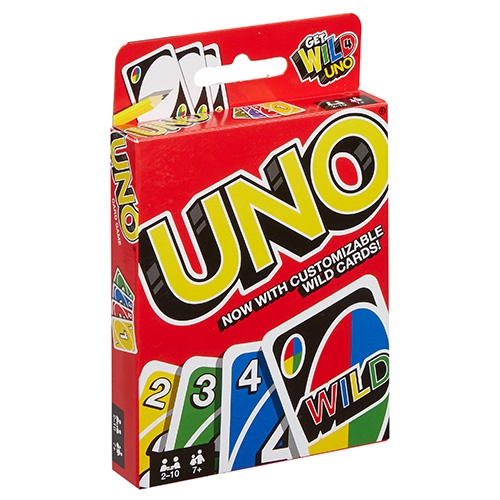 Your price for this item is $14.99
-
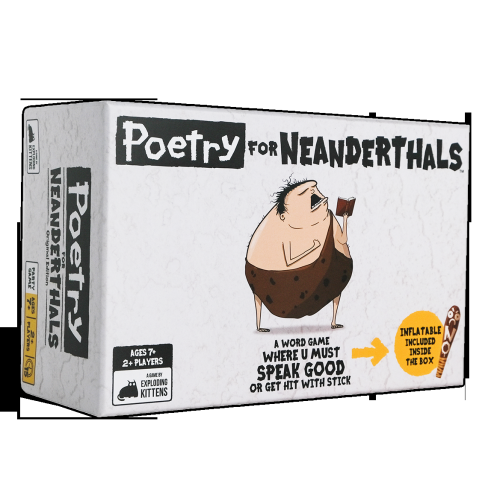 Your price for this item is $34.99
-
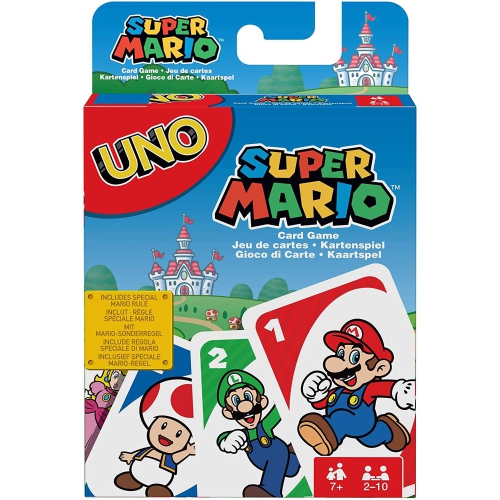 Your price for this item is $15
-
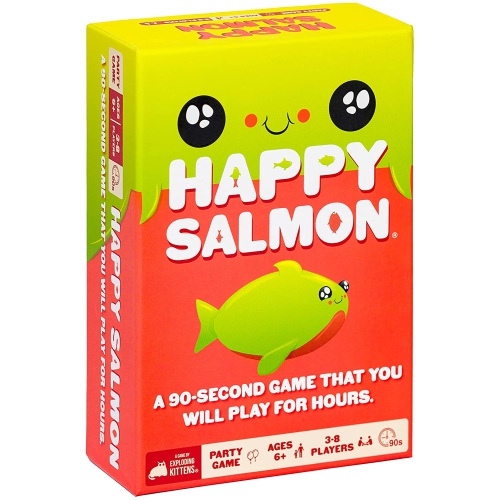 Your price for this item is $21.99
-
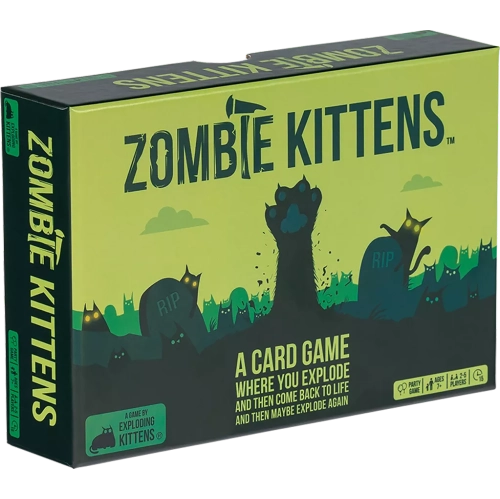 Your price for this item is $34.99
-
 Your price for this item is $24.99
-
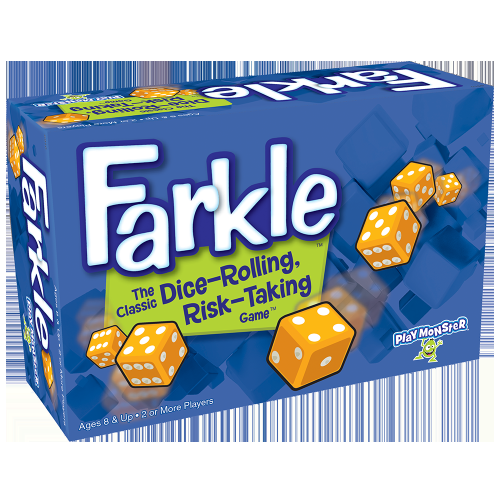 Your price for this item is $20.93
-
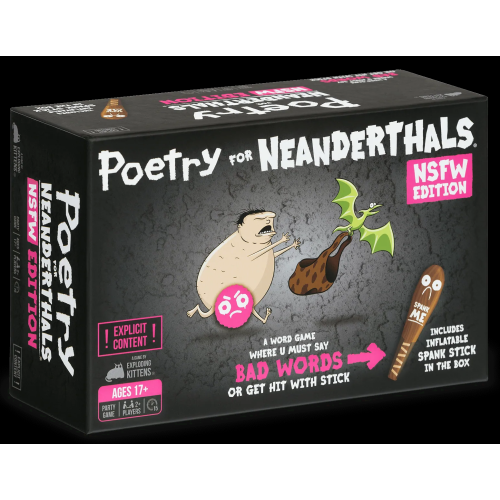 Your price for this item is $31.99
Discover more categories related to Crime Scene Games

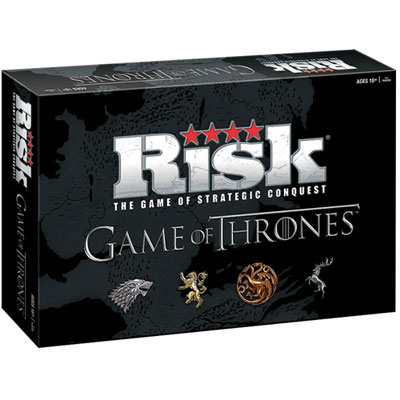
Top Collections:
Pokemon Centers, Best Cameras for Sports Photography, Kindle Devices, Samsung Galaxy Phones, Canon G7X Cameras, Pokémon 30th Celebration Cards, Refurbished Apple Laptops, iPhone 15 Apple, Laptops for Students, Budget Smartphones
Some products may be subject to Environmental Handling Fees
(EHF) depending on your province.
Learn more about EHFs.