Educational Board Games
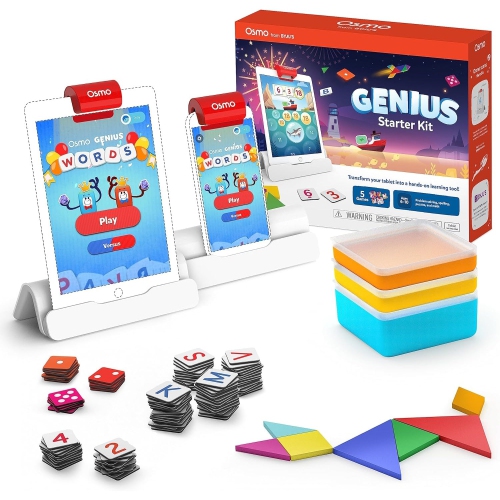
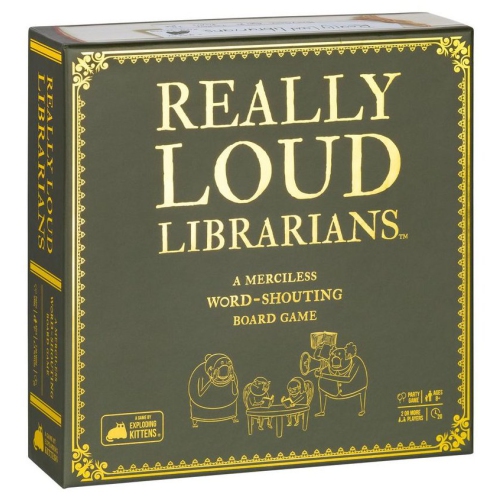
Looking to make learning fun and engaging for your little ones? Look no further than our collection of Board Games For All Ages. These interactive and entertaining games are designed to stimulate young minds, helping them develop essential skills while having a blast. Whether your child is learning numbers, letters, problem-solving, or strategy, our selection of educational board games offers a wide range of options to suit every age and interest. From classic favorites to innovative new releases, you'll find the perfect game to ignite your child's curiosity and foster their love for learning. Get ready to embark on an educational adventure that will keep the whole family entertained for hours on end.
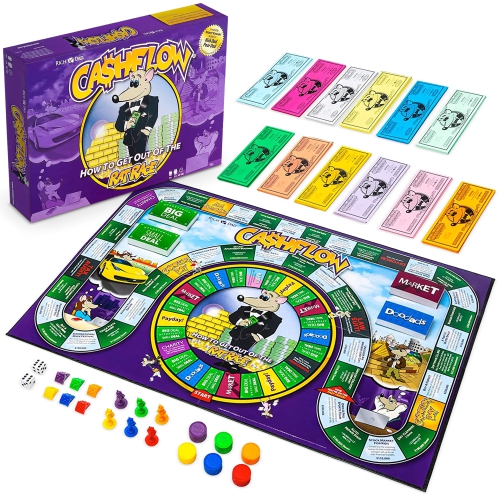
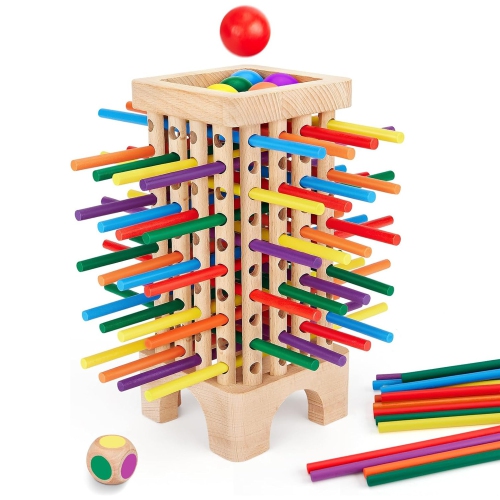
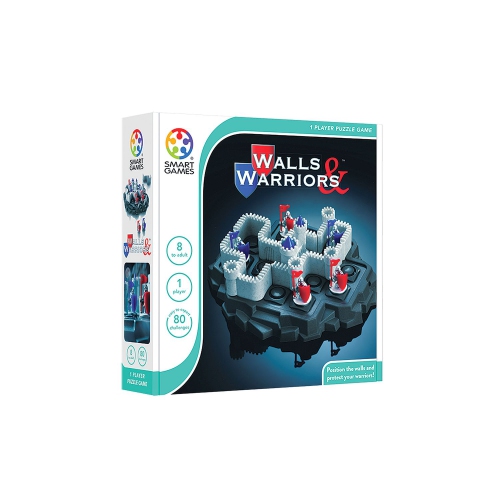
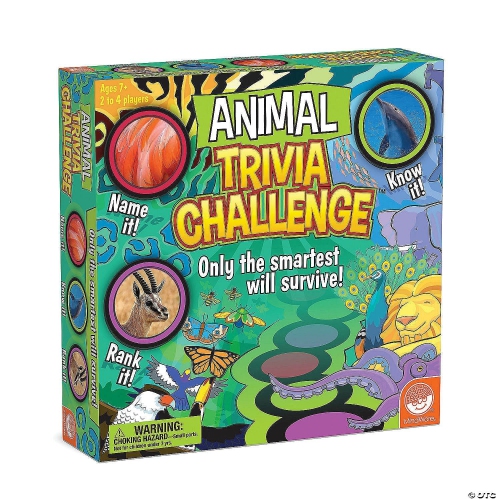
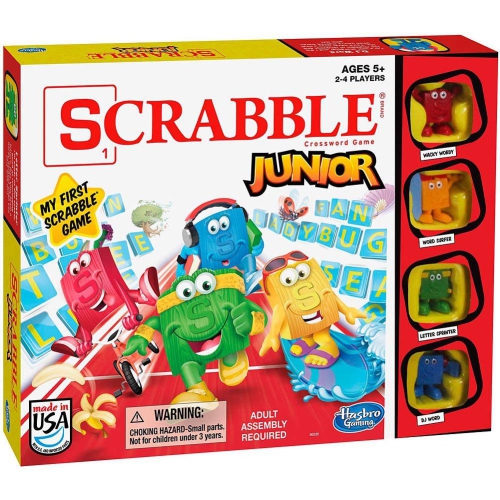
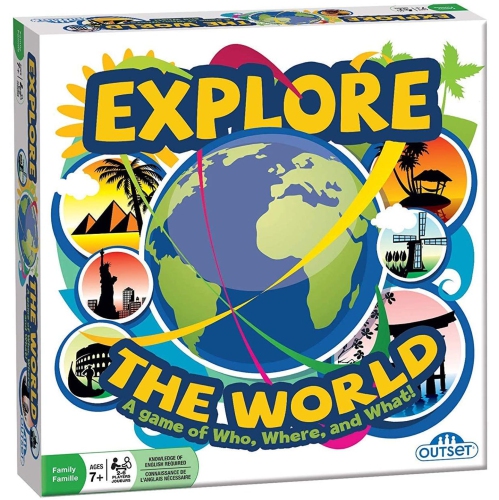
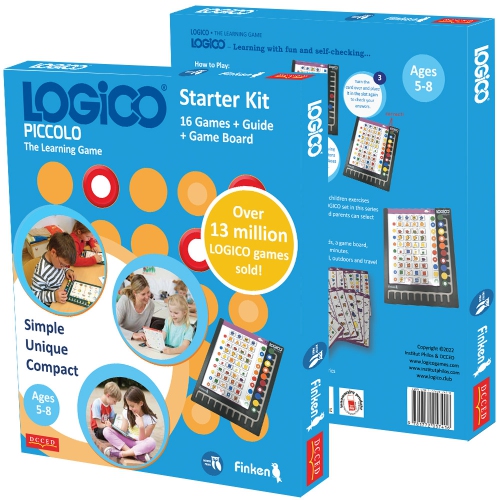
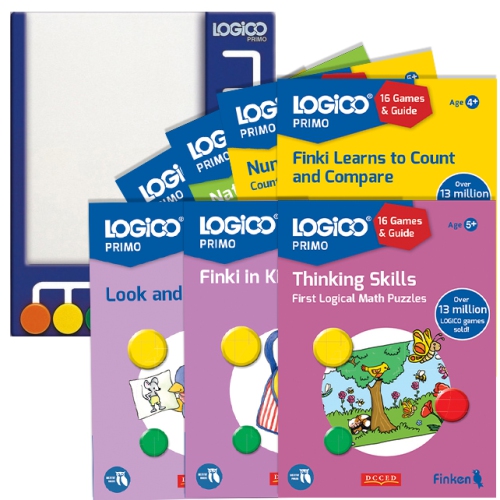
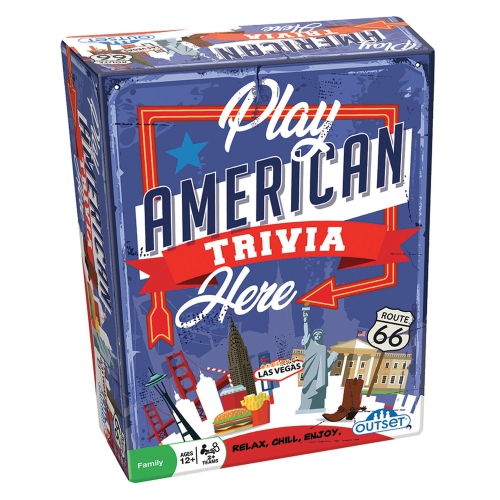
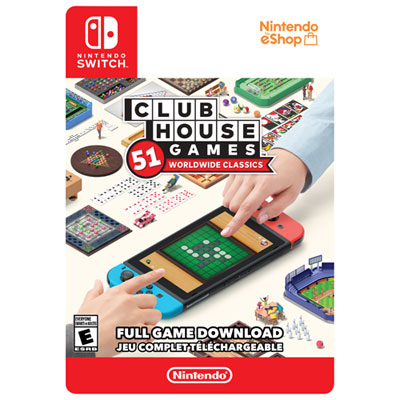
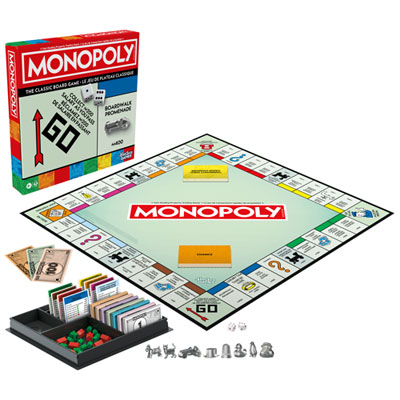
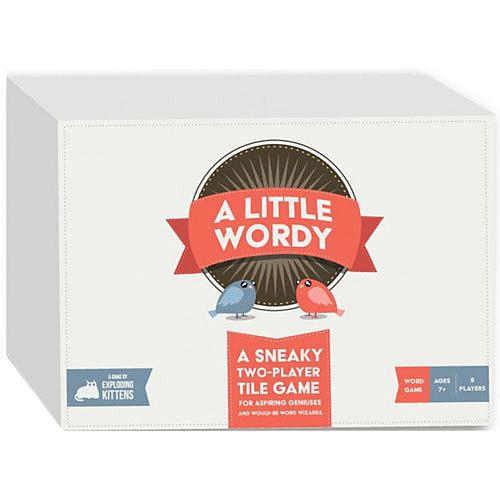
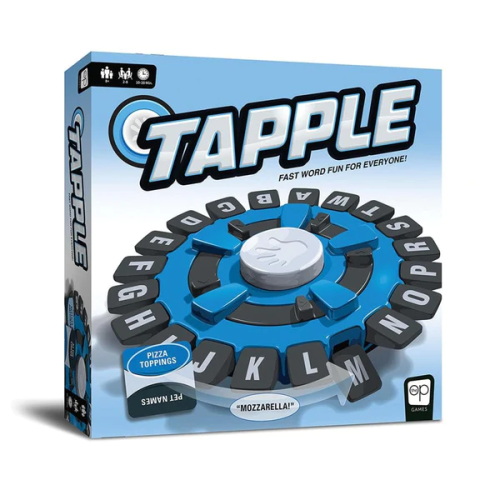
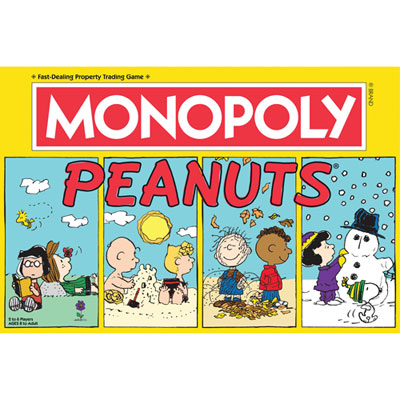
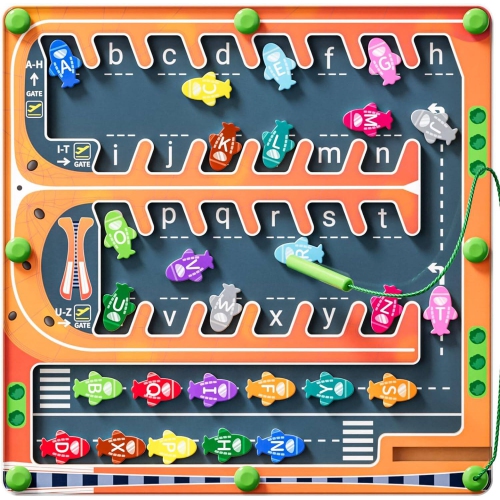
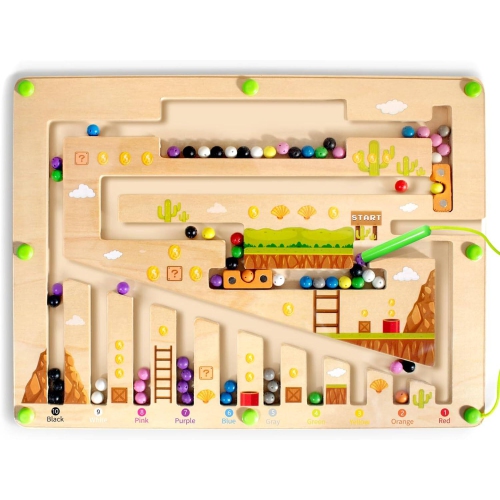
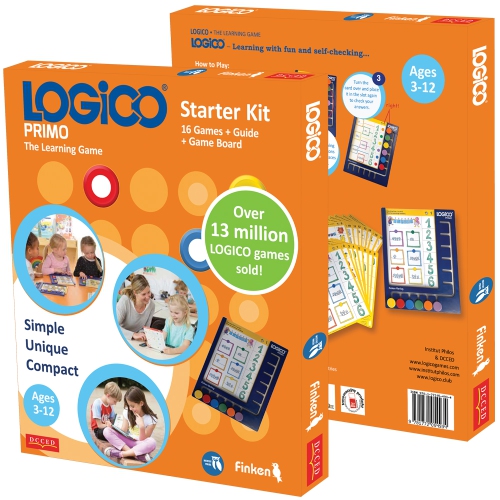
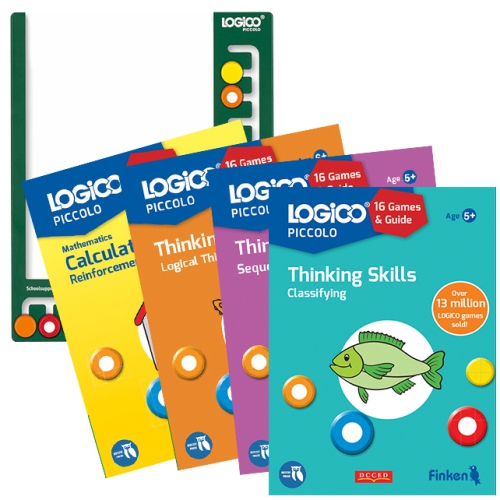
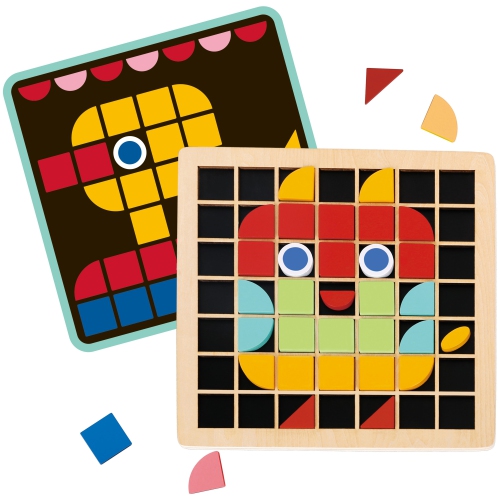
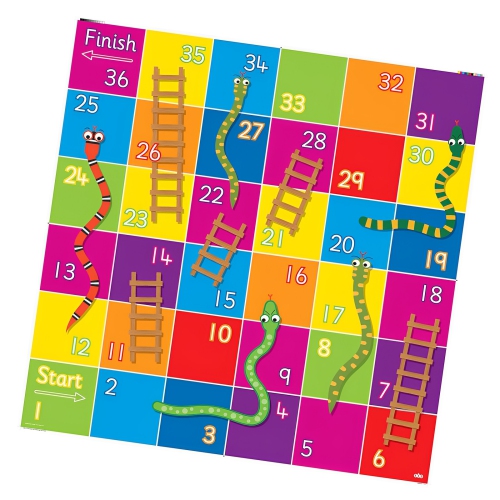
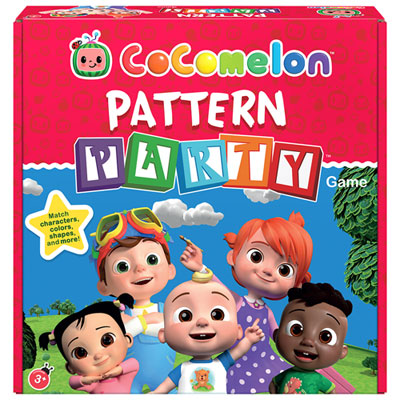
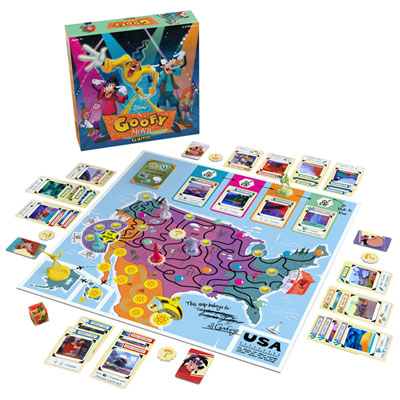
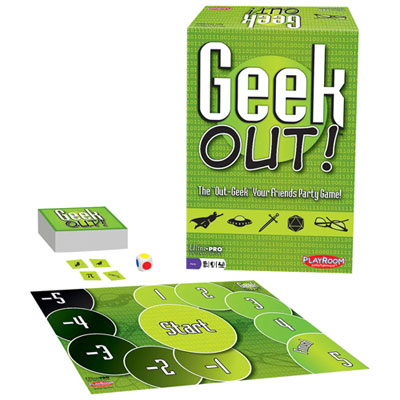
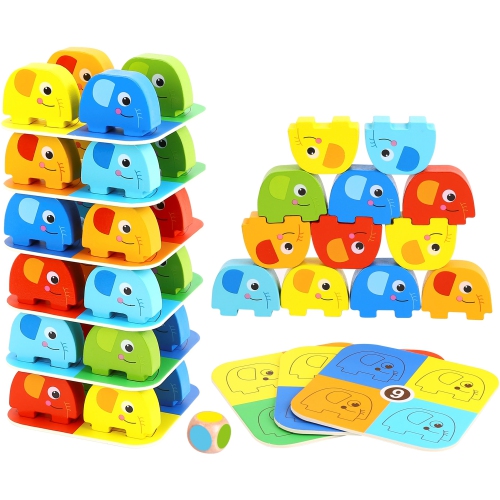
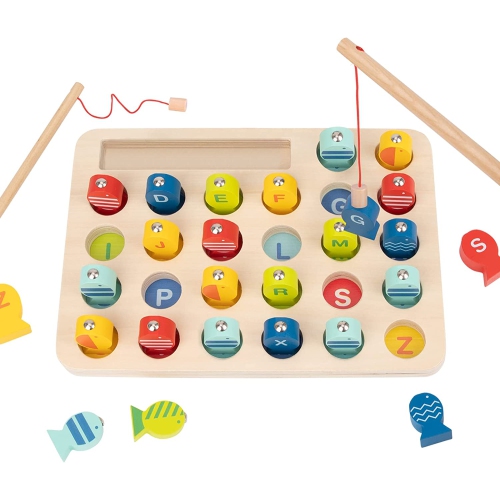
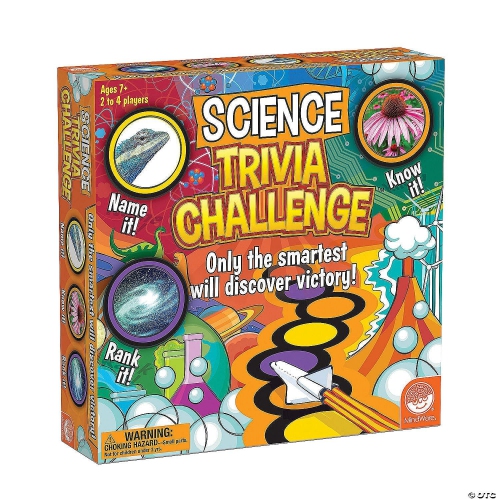
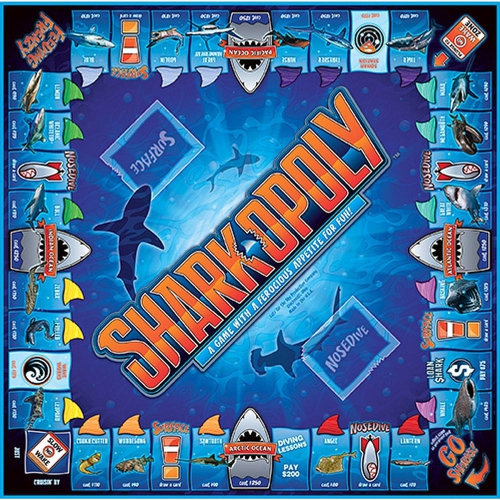
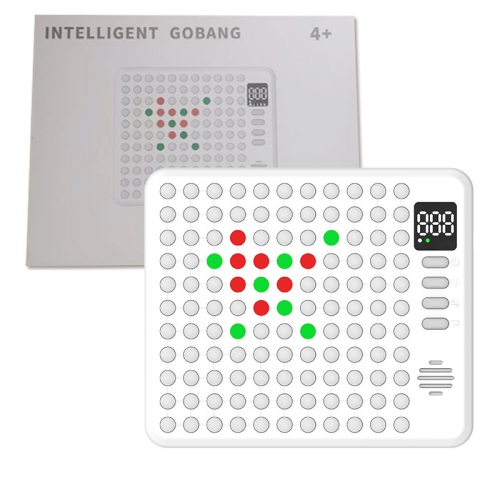
Learning through play with family, friends, and classmates
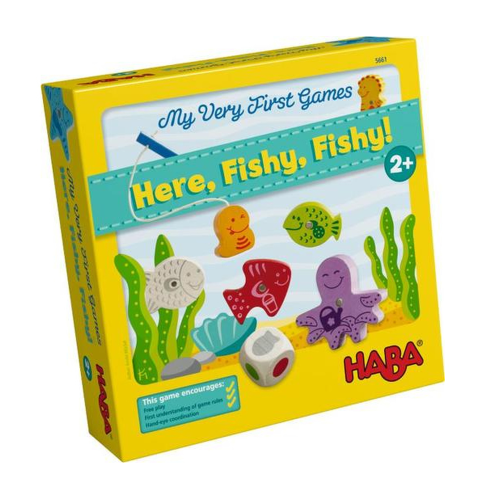
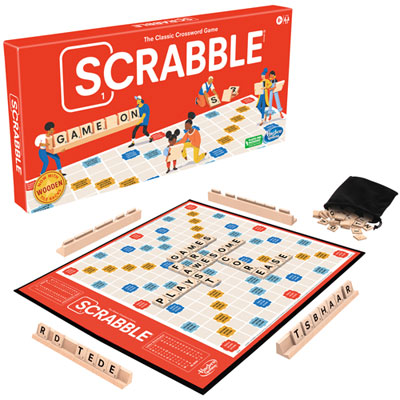
These games can be used in many settings, from a quiet afternoon at home to a classroom centre, tutoring session, library programme, or family game night. Parents and caregivers can support learning by reading the directions aloud, demonstrating one round, and allowing children to explain their thinking instead of correcting every move immediately. For example, when a player makes an arithmetic decision, an adult can ask them to describe how they reached the answer; when a child creates a word, the group can talk about its meaning, spelling, or use in a sentence. In a science game, players can connect the action on the board to familiar experiences, such as watching a seed grow, observing weather, or sorting objects by their properties. Cooperative games are particularly helpful for children who find competition frustrating, since everyone works toward a shared goal and can practise communication without one player being singled out as the winner. Competitive games have their own benefits when the rules are presented positively, helping children learn patience, decision-making, sportsmanship, and how to handle an unexpected result. Before purchasing, check whether the game requires reading, mental calculation, writing, or adult assistance, and think about whether the intended players will be comfortable with those demands. It is also useful to consider storage, setup time, and whether the components can be kept organized between sessions. Families looking for a gentler introduction to tabletop play may also enjoy browsing Easy Board Games, especially when selecting an activity for younger children, mixed-age groups, or players who are new to board games. During the cooler months, an educational board game can become a dependable part of an after-school routine: snacks on the table, coats by the door, and a short, focused activity that gives everyone a chance to connect.
Educational board games also make thoughtful gifts for children, families, teachers, grandparents, and anyone who enjoys learning through play. For a birthday or seasonal gift, choose a subject that reflects the recipient’s personality: a child fascinated by animals may enjoy nature and life-science challenges, while a budding storyteller may respond to word, reading, or creative language play. A child who loves numbers may appreciate games that turn calculations, patterns, and logical relationships into visible moves and satisfying progress. For a classroom or shared playroom, flexible games with several players and replayable challenges can offer value across different skill levels, particularly when the rules can be simplified for beginners or expanded for more experienced players. It is worth remembering that educational value often comes from the conversation around the game as much as from the printed objective. Children learn when they predict an outcome, make a choice, explain a rule, compare strategies, or try again after a mistake. Adults can extend the experience with small variations, such as giving younger players extra time, removing an advanced rule, forming teams, or inviting older children to act as scorekeepers or explainers. Keep sessions enjoyable and appropriately paced; ending on a positive note can make children look forward to returning to the game. With the right fit, an educational board game becomes more than a pastime. It can create a warm, screen-free gathering, reinforce school subjects in a memorable way, and give children the confidence to think aloud, collaborate, and discover that learning can be playful.
Top selling and popular products
-
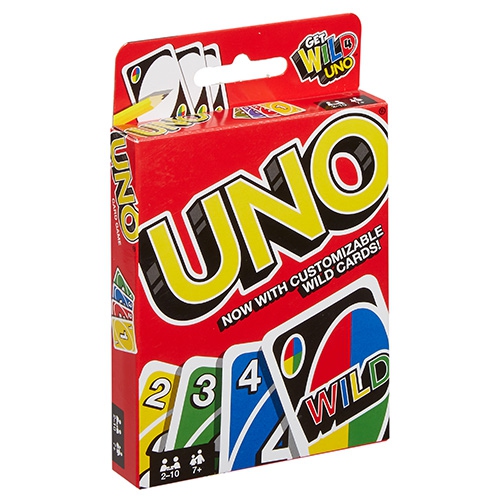 Your price for this item is $14.99
 -
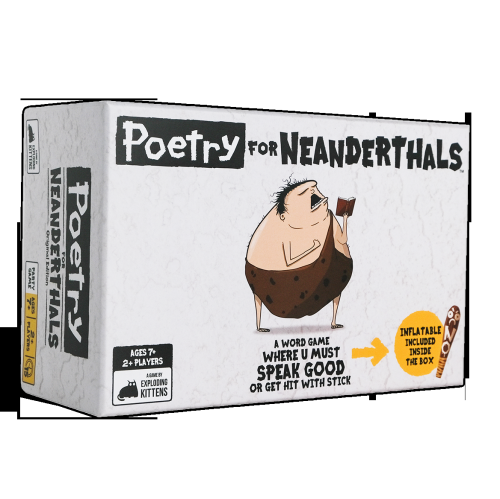 Your price for this item is $34.99
 -
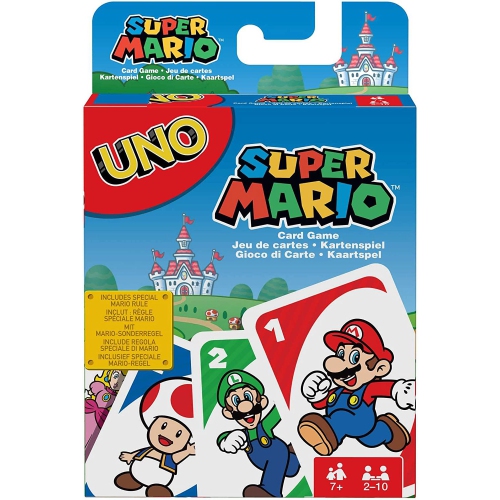 Your price for this item is $15
 -
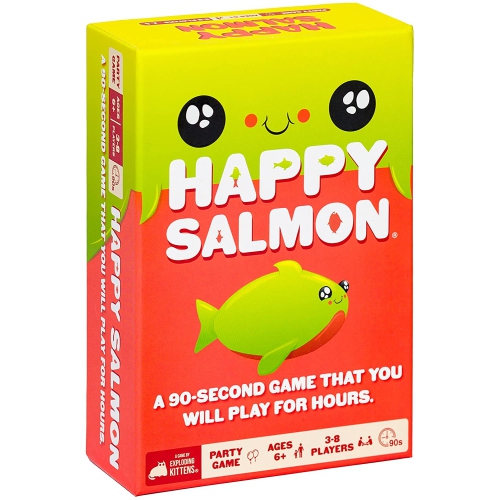 Your price for this item is $21.99
 -
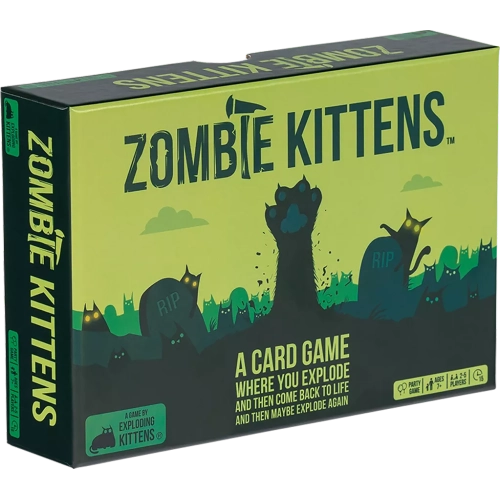 Your price for this item is $34.99
 -
 Your price for this item is $35.59
 -
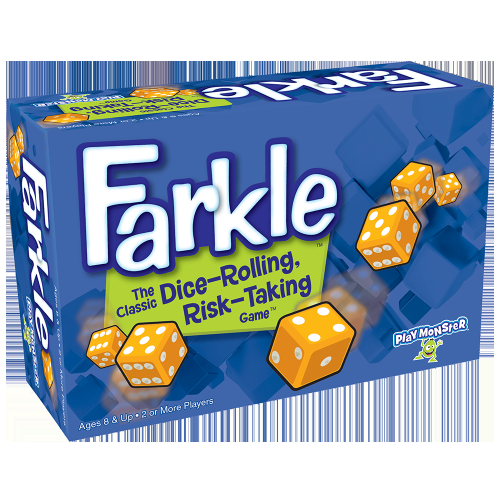 Your price for this item is $20.93
 -
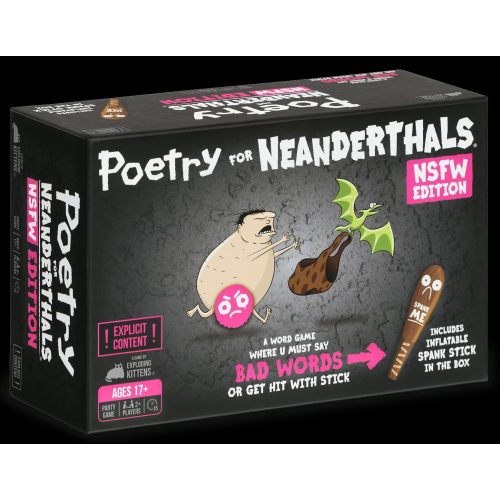 Your price for this item is $31.99