Educational Games for Classrooms
Educational Games for Classrooms offer engaging ways to inspire learning and foster teamwork among students. These interactive activities are designed to make lessons more dynamic, helping educators create a lively and collaborative environment. With a wide variety of options available, teachers can easily find games that suit different age groups and subjects, making it simple to enhance classroom experiences and encourage active participation. Whether used for group challenges or individual learning, these games are an excellent addition to any educational setting.
Sort
![OSMO - Genius Starter Kit - for Ipad [Electronics] The best toy I could ever imagine getting my 4 and 6 year old](https://multimedia.bbycastatic.ca/multimedia/products/500x500/188/18884/18884576.jpeg)


![BYJU'S Byju’s Learning Kits: Disney 2Nd Grade Premium Edition [Electronics]](https://multimedia.bbycastatic.ca/multimedia/products/500x500/193/19384/19384273.jpeg)
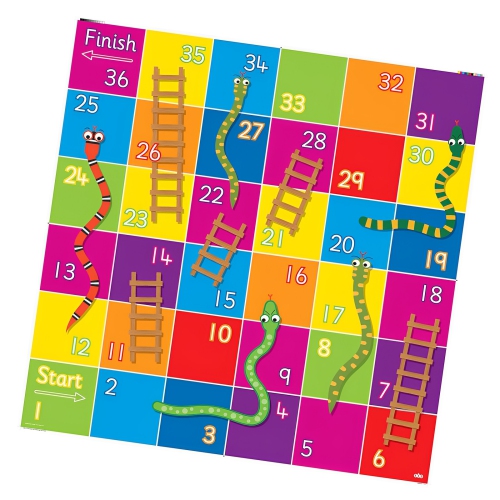
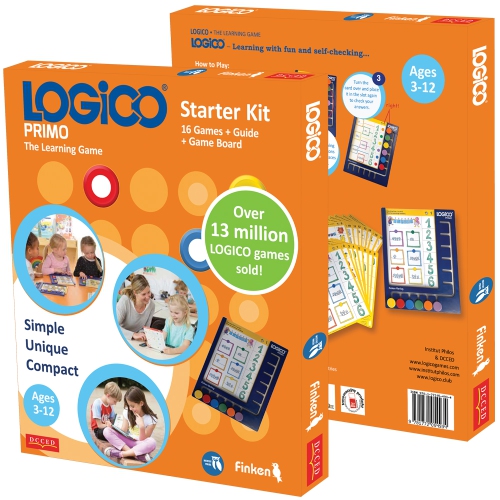
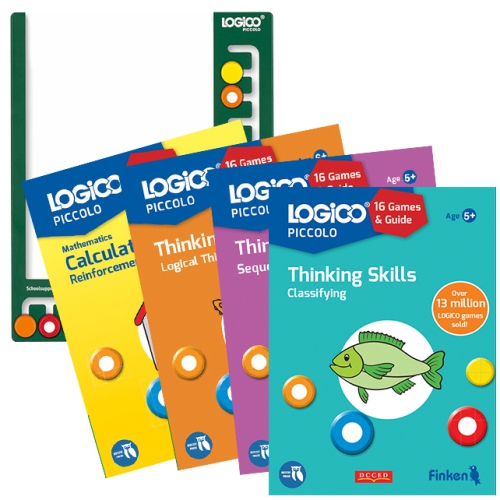
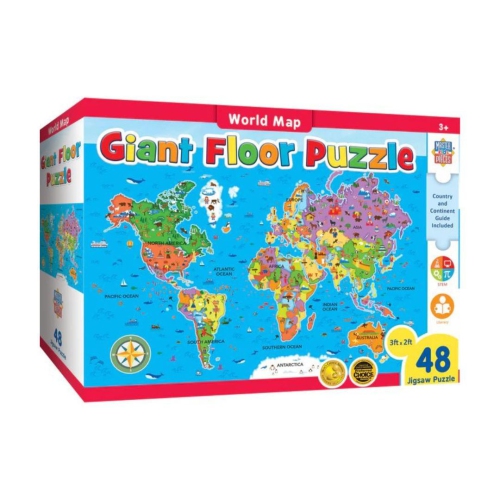
Games that reinforce learning and build classroom community
Bringing educational games into the classroom is a proven way to transform lessons into lively, memorable experiences that foster both learning and laughter. Teachers, educational assistants, and even parents volunteering in school settings have long recognized the power of games to spark curiosity and keep students engaged, whether the subject is language arts, mathematics, science, or social studies. These games can range from hands-on board games and card activities to movement-based group challenges, each tailored to support different learning styles and classroom sizes. As the weather warms and students’ energy levels rise, incorporating active games like scavenger hunts or hop-based activities can help channel excitement into productive learning moments. During the cooler months, quieter, collaborative games such as story-building or vocabulary challenges can foster teamwork and creativity while keeping the class focused and involved. The versatility of educational games makes them a staple in classrooms year-round, helping to reinforce academic concepts, encourage critical thinking, and develop social skills through friendly competition and group problem-solving.
When selecting educational games for the classroom, it’s important to consider the age and developmental stage of the students, the learning objectives, and the classroom environment. Games that encourage movement and participation, such as freeze dance or beach ball question games, are especially effective for younger students who benefit from kinesthetic learning and frequent activity breaks. For older students, strategy-based games and subject-specific challenges—like math dice games or word association activities—can provide a fun way to review concepts and build confidence. Many educational games are designed for group play, making them ideal for fostering collaboration, communication, and positive peer relationships. These products are not only popular among teachers but also make thoughtful gifts for new educators, classroom aides, or even students themselves, especially when gearing up for back-to-school season or celebrating milestones. The right game can become a classroom favourite, used for daily warm-ups, end-of-week rewards, or special occasions such as classroom parties or holiday celebrations.
Beyond traditional board and card games, digital options are increasingly popular in modern classrooms, offering interactive experiences that can be easily adapted for individual or group learning. These digital games often provide instant feedback, track progress, and can be aligned with curriculum goals, making them a valuable supplement to hands-on activities. Teachers looking to expand their collection may also want to explore resources like Educational Video Games for additional options that blend technology with learning. Whether used as a quick brain break, a way to reinforce new material, or a tool for building classroom community, educational games continue to be a dynamic and effective resource for educators seeking to make learning both meaningful and fun.
When selecting educational games for the classroom, it’s important to consider the age and developmental stage of the students, the learning objectives, and the classroom environment. Games that encourage movement and participation, such as freeze dance or beach ball question games, are especially effective for younger students who benefit from kinesthetic learning and frequent activity breaks. For older students, strategy-based games and subject-specific challenges—like math dice games or word association activities—can provide a fun way to review concepts and build confidence. Many educational games are designed for group play, making them ideal for fostering collaboration, communication, and positive peer relationships. These products are not only popular among teachers but also make thoughtful gifts for new educators, classroom aides, or even students themselves, especially when gearing up for back-to-school season or celebrating milestones. The right game can become a classroom favourite, used for daily warm-ups, end-of-week rewards, or special occasions such as classroom parties or holiday celebrations.
Beyond traditional board and card games, digital options are increasingly popular in modern classrooms, offering interactive experiences that can be easily adapted for individual or group learning. These digital games often provide instant feedback, track progress, and can be aligned with curriculum goals, making them a valuable supplement to hands-on activities. Teachers looking to expand their collection may also want to explore resources like Educational Video Games for additional options that blend technology with learning. Whether used as a quick brain break, a way to reinforce new material, or a tool for building classroom community, educational games continue to be a dynamic and effective resource for educators seeking to make learning both meaningful and fun.
Top selling and popular products
-
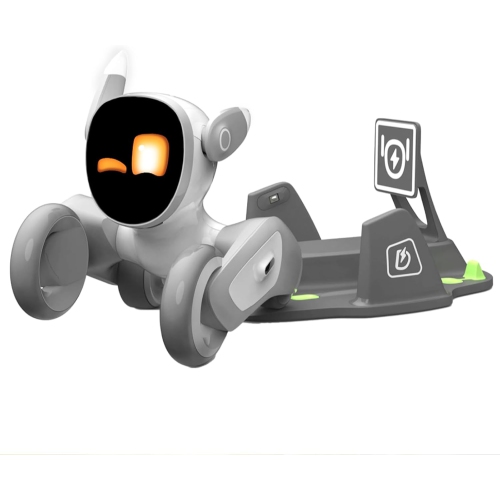 Your price for this item is $699.99
 -
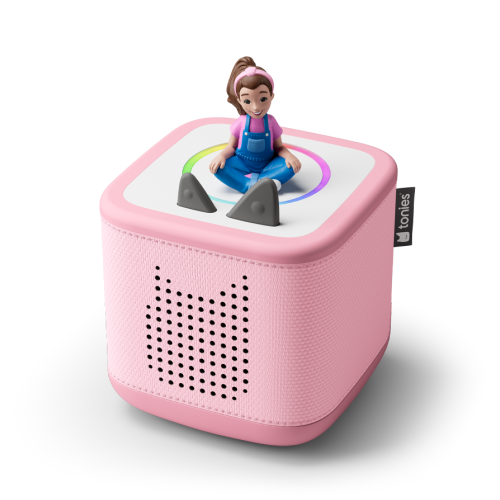 Your price for this item is $199.99
 -
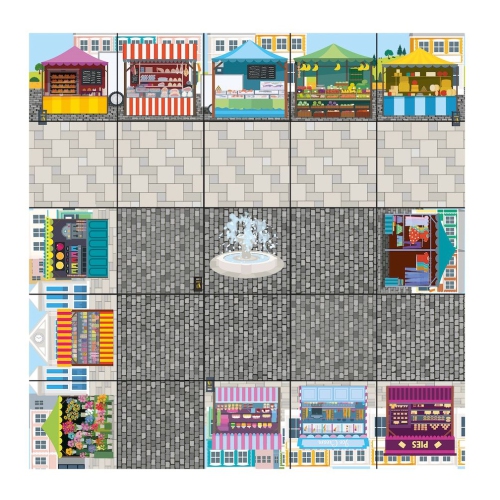 Your price for this item is $75.99
 -
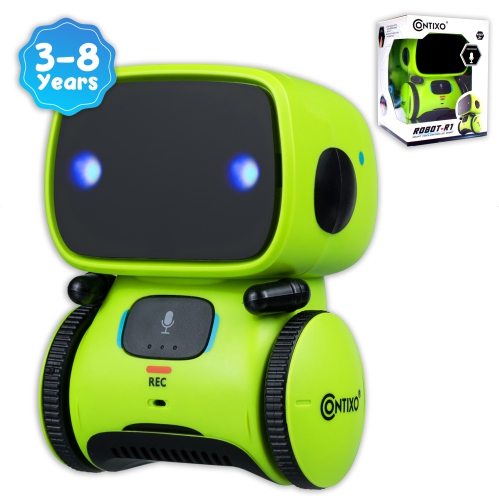 Your price for this item is $39.99
 -
 Your price for this item is $55.95
 -
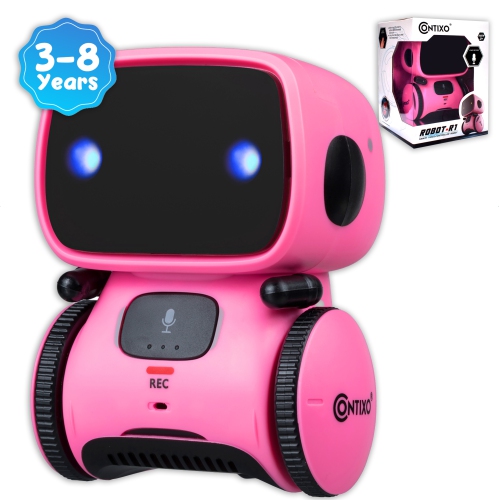 Your price for this item is $39.99
 -
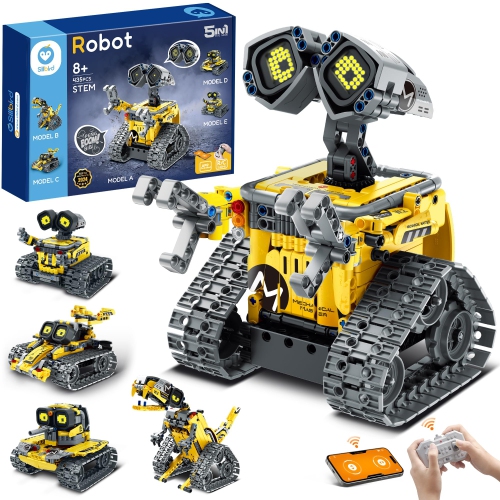 Your price for this item is $116.96
 -
 Your price for this item is $52.17
Discover more categories related to Educational Games for Classrooms
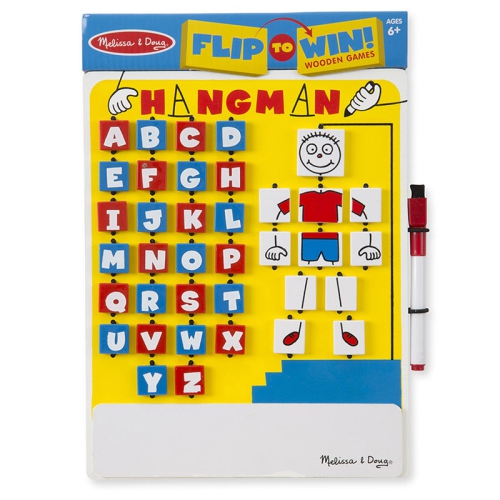
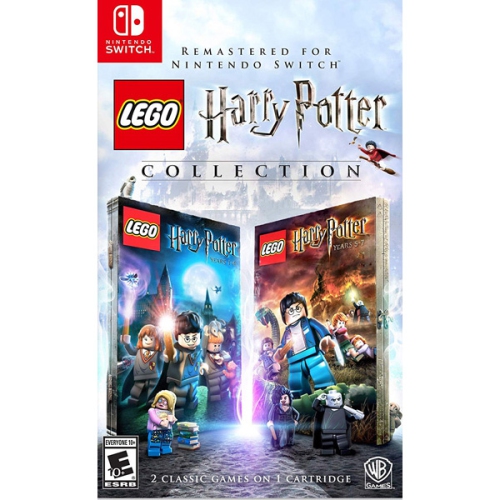
Top Collections:
Pokemon Centers, Kindle Devices, Best Budget Office Chairs, Apple iPhones 16, Best Laptops for Writers, iPhone 15 Apple, Canon G7X Cameras, Refurbished Apple Laptops, Alarm Clock, Motorola Razr Phones
Some products may be subject to Environmental Handling Fees
(EHF) depending on your province.
Learn more about EHFs.