Board Games for All Ages
Board games are a great way to spend time with family and friends. These games can be as simple or as complex as you want them to be. Here are some of our favorite board games for all ages.
Sort
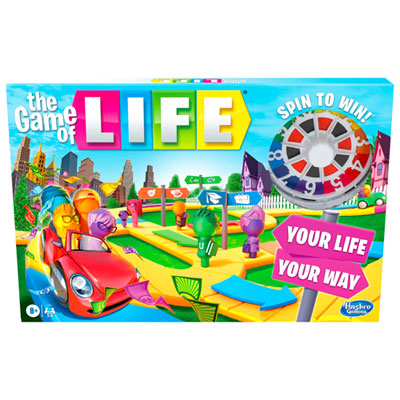
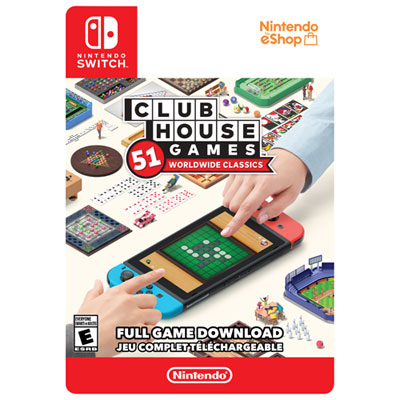
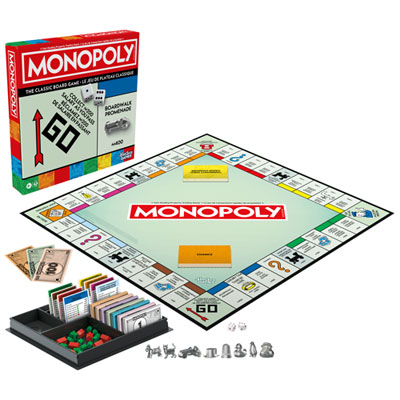
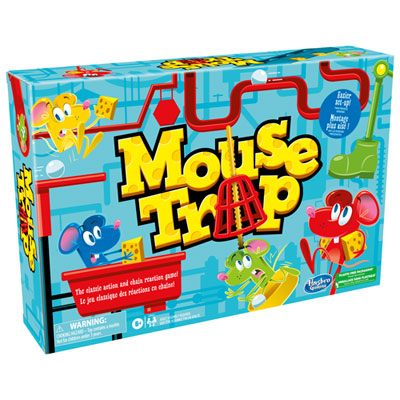
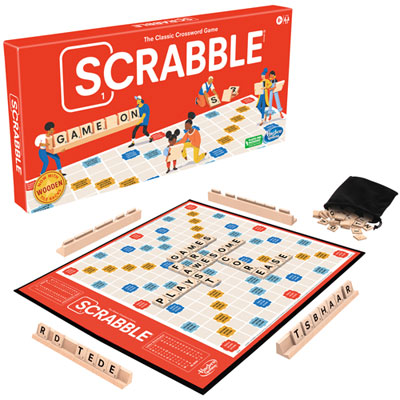
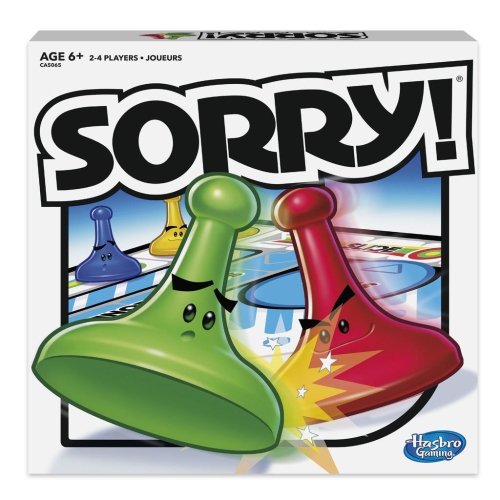
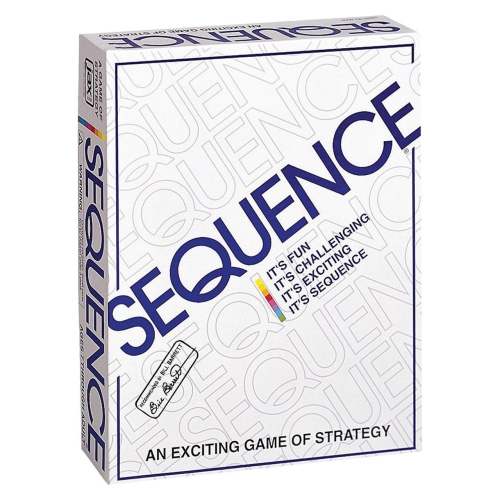
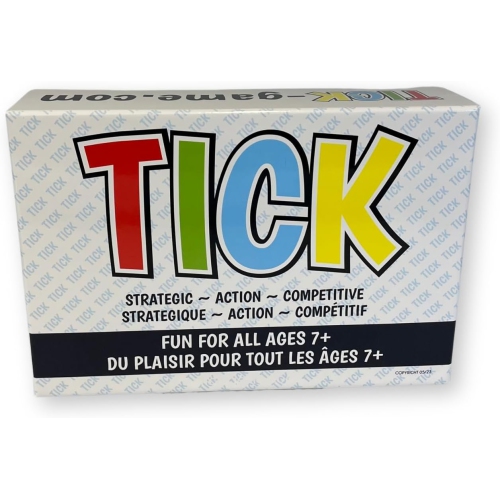
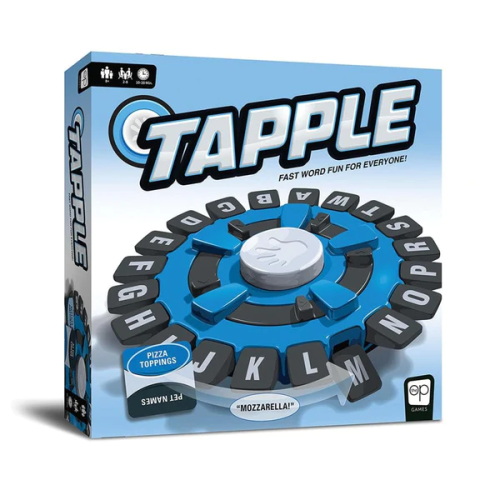
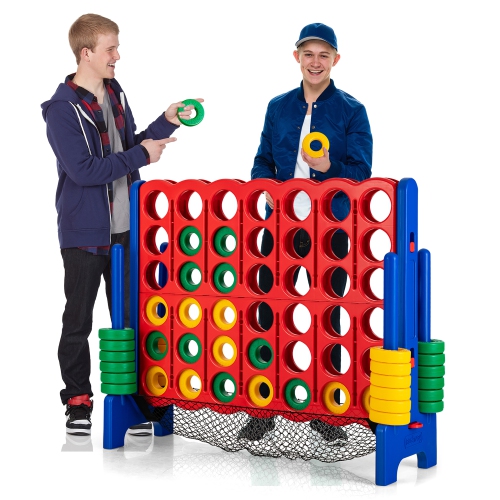
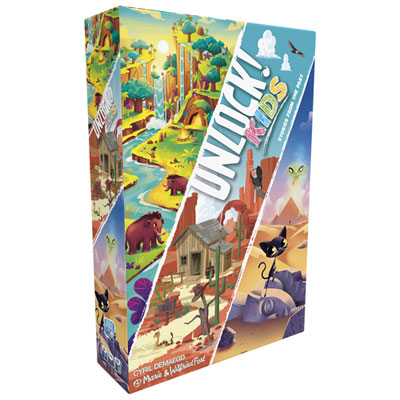
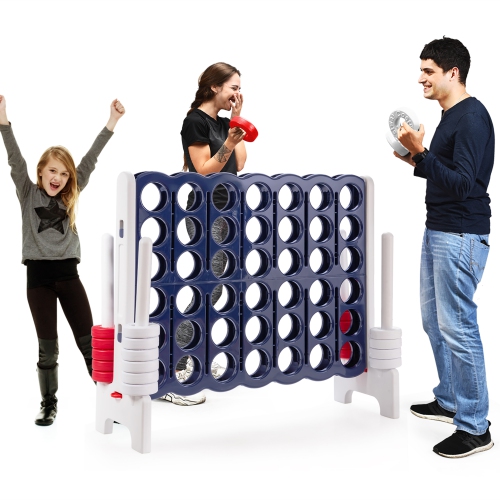
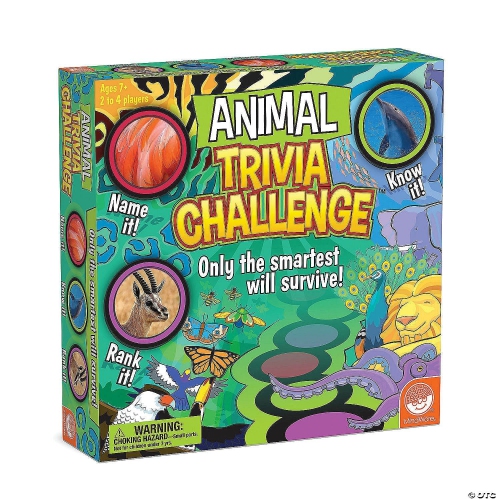
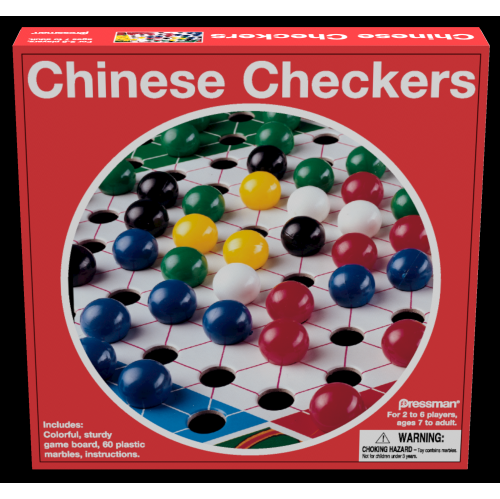
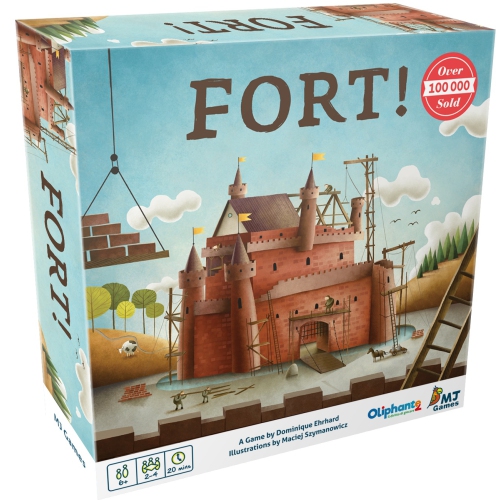
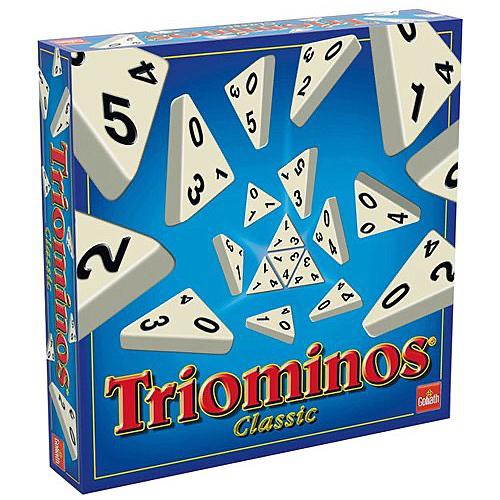
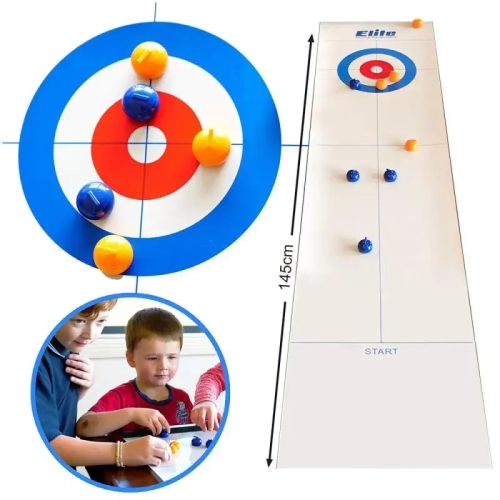
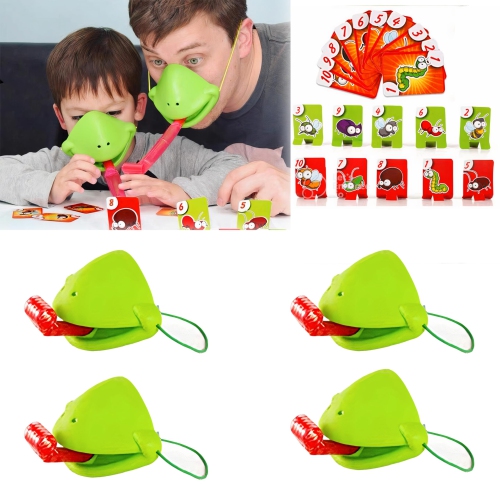
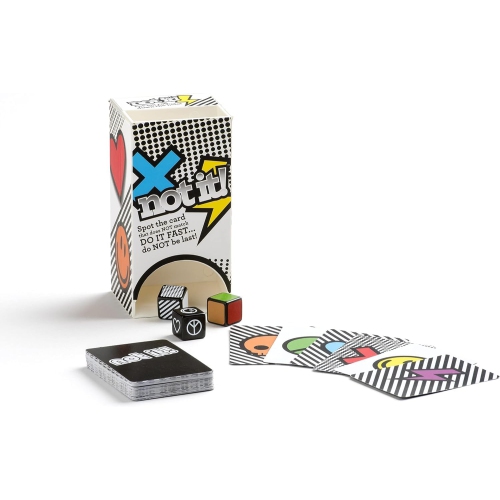
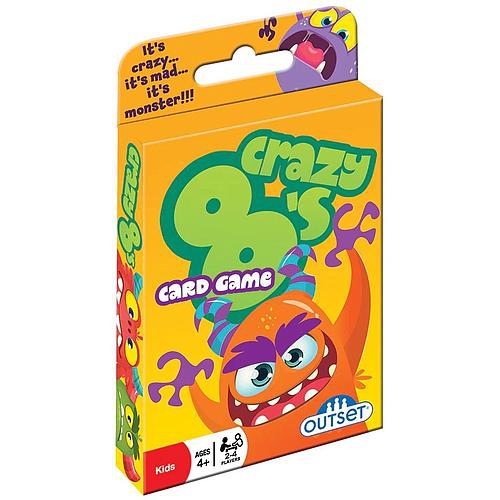
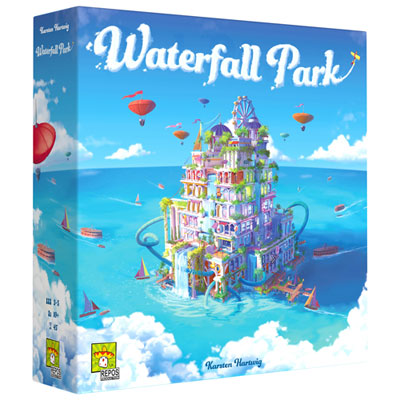
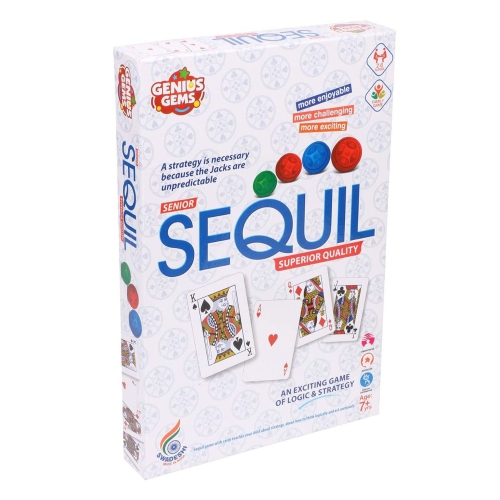
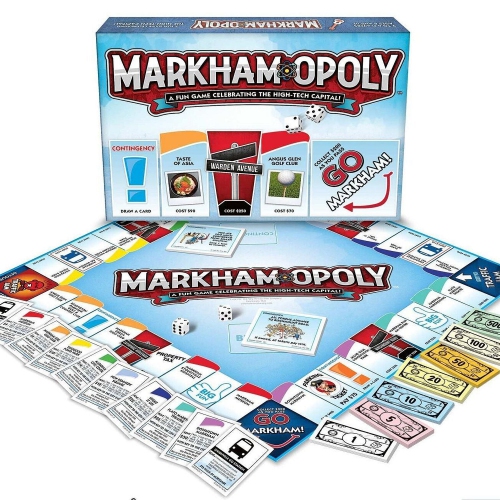

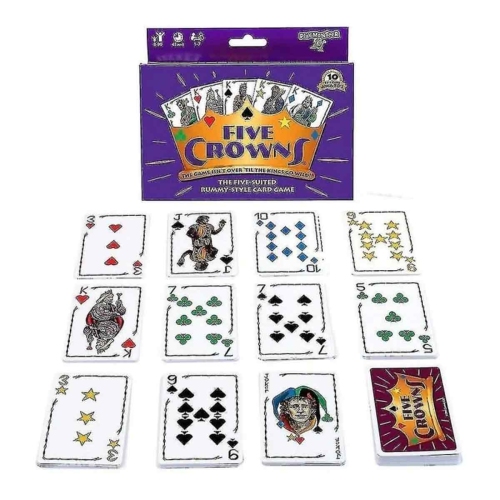
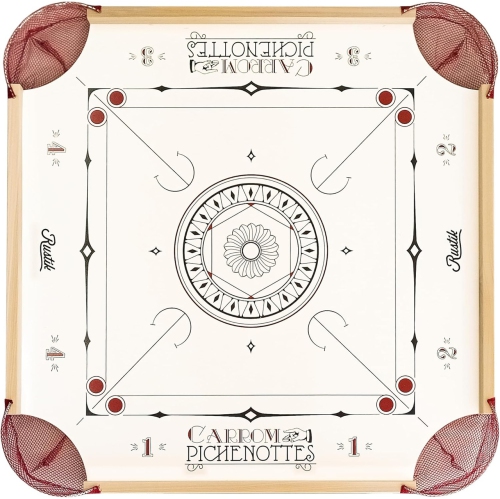
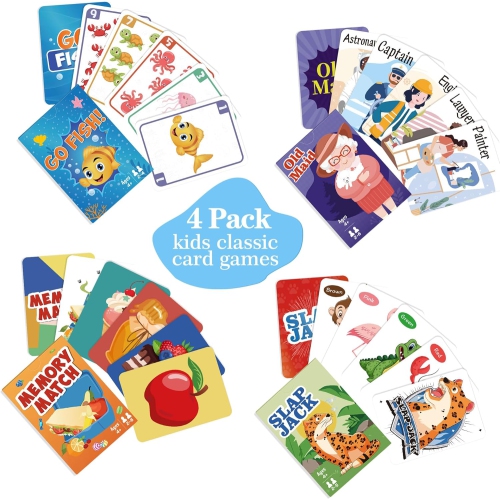
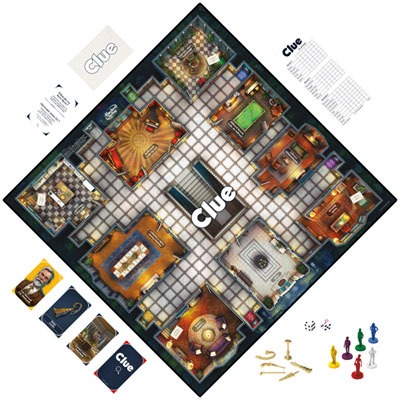
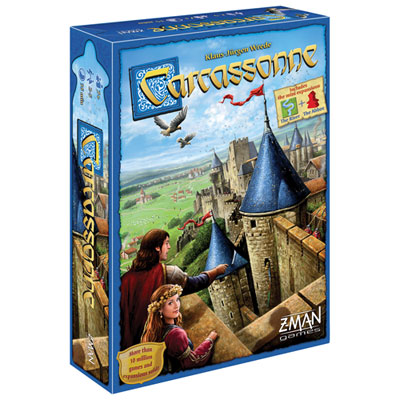
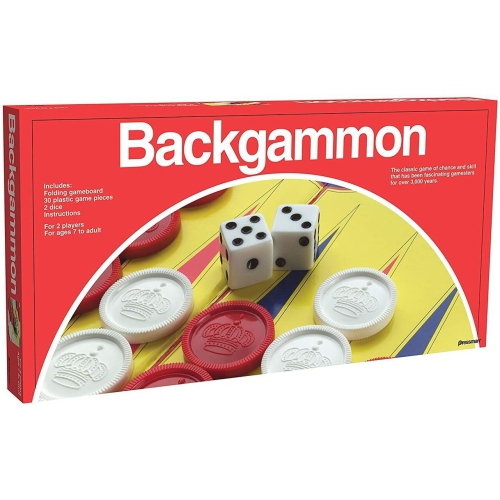
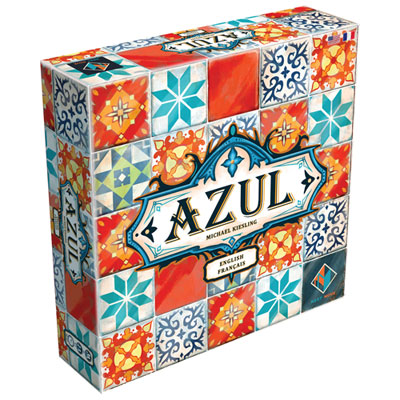
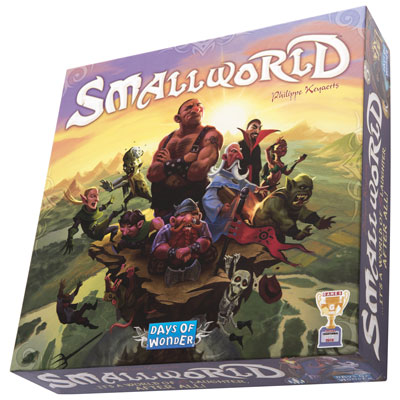
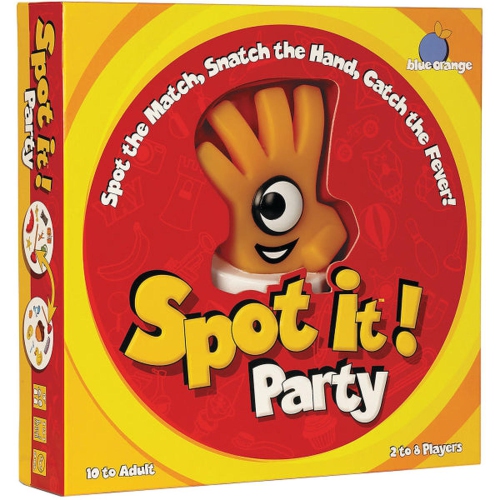
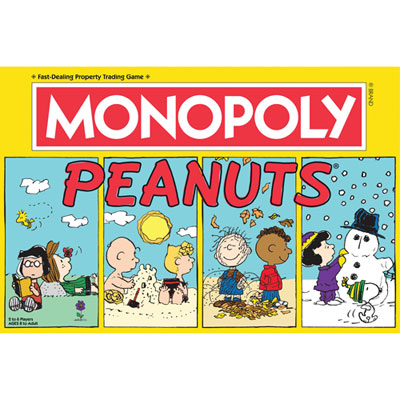
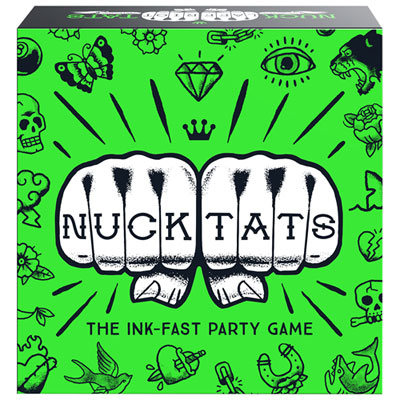
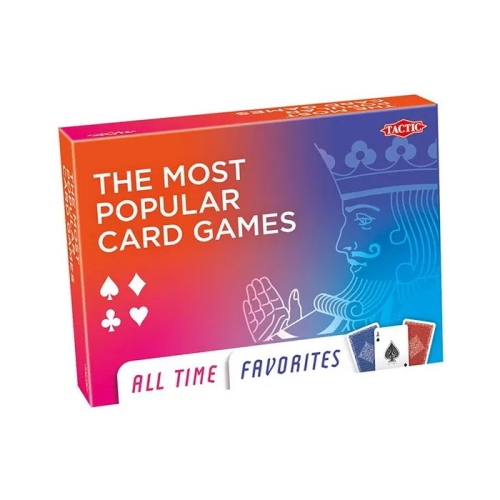
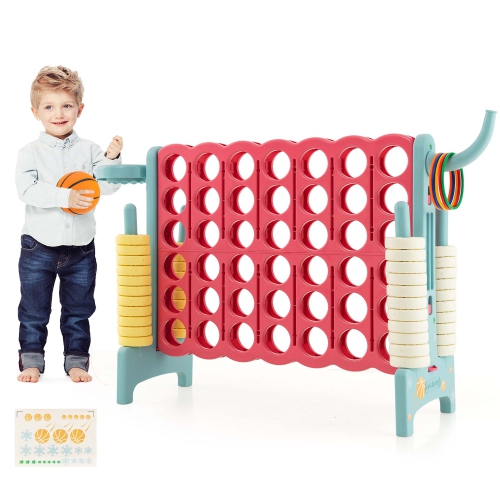


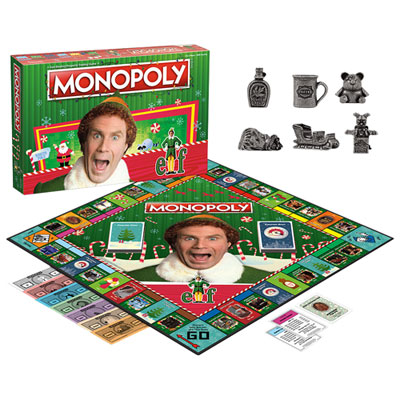
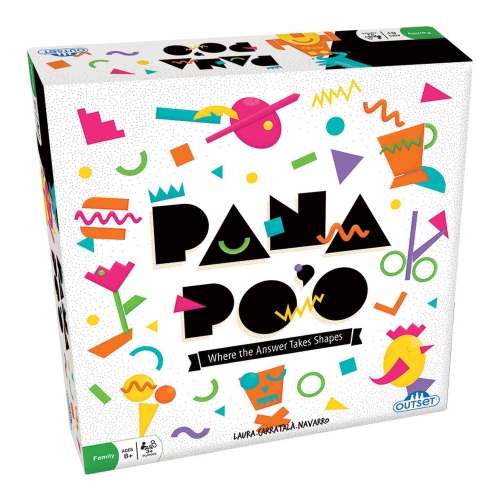
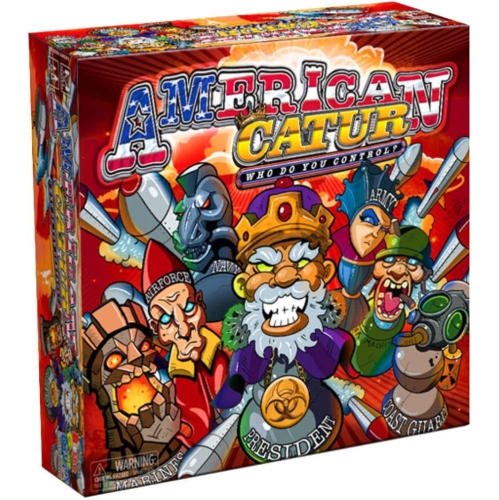
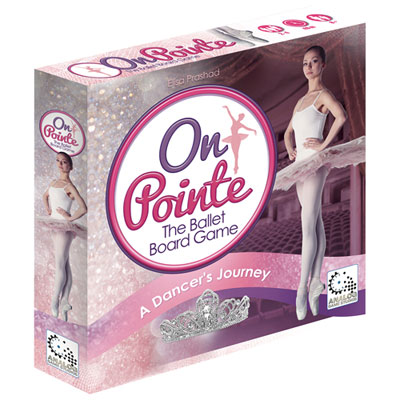
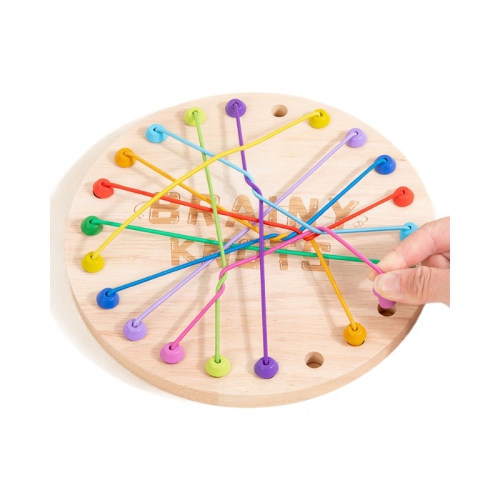
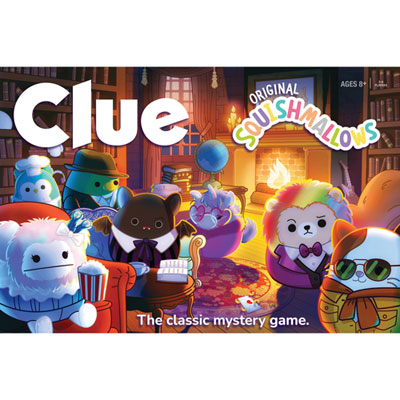
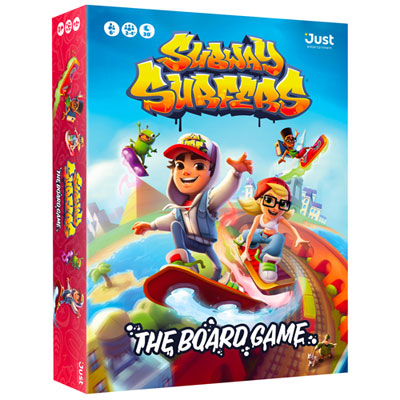
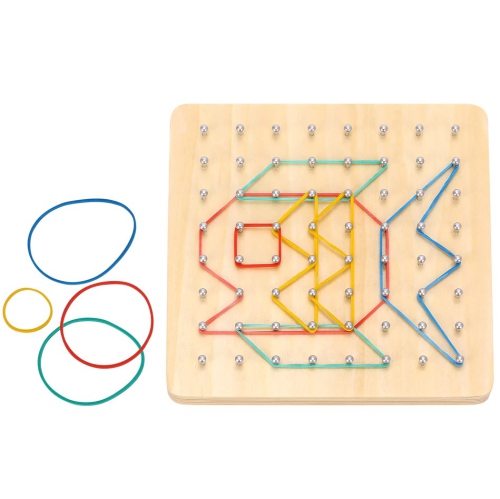
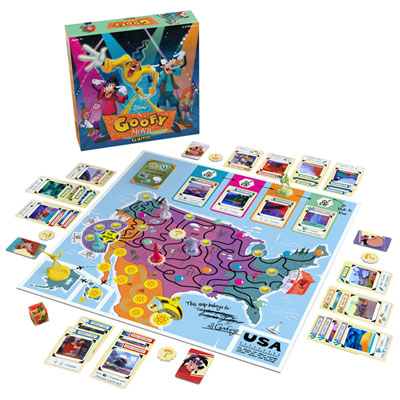
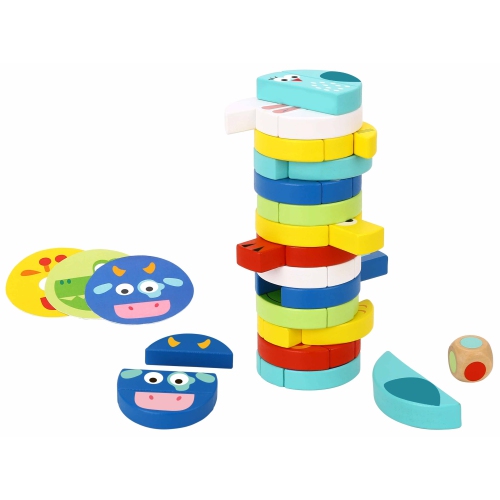
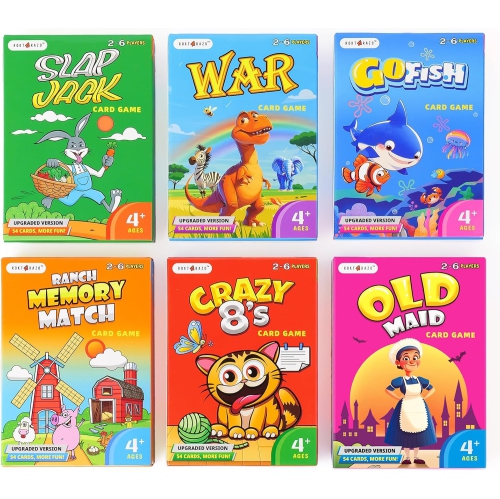
Shared play with simple rules and room to grow
Board games for all ages bring people together around a shared table, whether the group includes young children learning to take turns, adults looking for thoughtful strategy, or grandparents who enjoy a relaxed way to connect with family. The best choices for mixed-age play are easy to explain but offer enough variety to remain interesting over several rounds. Look for clear objectives, straightforward actions, readable game pieces, and rules that can be taught in a few minutes. Games based on matching colours and shapes, placing tiles, collecting sets, building routes, lining up symbols, or moving pieces toward a common goal can be especially approachable because players can understand the basic idea by watching a turn or two. At the same time, these formats leave room for more experienced players to plan ahead, weigh risks, and discover better ways to use their cards or pieces. A younger player may focus on finding a matching pattern, while an older player considers how that same move will affect the rest of the board. That balance helps everyone participate without making the experience feel like a lesson. When choosing a game, check the recommended age range, player count, average play time, and reading requirements. A game marked for younger children may be ideal for a first family collection, while a title with more text, longer turns, or layered rules may suit older children and adults. Consider the group’s attention span as well: shorter games are useful for after-school play, casual visits, and families with several activities competing for attention, while longer games can turn a quiet afternoon or evening into a memorable shared event. For households with players at different reading levels, visual symbols and colour-coded components can make the rules more accessible. Larger pieces may also be easier for small hands to handle, and sturdy boards and cards can be helpful when a game is likely to see frequent use.
A well-chosen family board game can support different styles of play, from friendly competition to collaboration. Competitive games are a good fit for players who enjoy making personal decisions, comparing scores, and celebrating a clever move, but the rules should make it possible for younger participants to stay involved even when they are still developing planning skills. Games that combine luck with simple strategy can create a more balanced experience, since an experienced player cannot always predict the outcome and a new player has a genuine chance to succeed. Cooperative games, meanwhile, give everyone a shared objective and can reduce the pressure of playing against a parent, sibling, or grandparent. Players might work together to complete a pattern, solve a challenge, reach a destination, or protect a collection of pieces before a shared time or event track is completed. This style encourages conversation and lets older players guide younger ones without taking over every decision. Spatial games that ask players to fit shapes together can help children practise visual planning, while pattern and category games can encourage recognition, memory, and flexible thinking. Route-building and map-based formats invite players to connect locations and anticipate what others may do, and line-making games offer a satisfying blend of luck, observation, and tactical placement. These activities are enjoyable first and foremost, but they can also create natural opportunities to practise counting, communication, patience, and decision-making. Families often find that the most successful game nights are not the ones with the most elaborate rules. They are the evenings when everyone has enough understanding to take part, enough freedom to make meaningful choices, and enough time to laugh over an unexpected turn. During the cooler months, a board game can add warmth to a kitchen table, living-room coffee table, or cottage dining area without requiring a screen or complicated setup. Keep the box somewhere easy to reach, sort the pieces before the first round, and choose a surface with enough room for the board, cards, and player areas. A small tray or container can help keep loose tokens together between games.
Board games for all ages also make thoughtful gifts for birthdays, family celebrations, visits with relatives, and households settling into a new routine. They can be selected for a child who enjoys puzzles and patterns, a sibling who likes friendly competition, or a family that wants an activity everyone can share. For a gift that will grow with the player, consider a game with a simple entry point and optional ways to add challenge, such as larger boards, advanced scoring, additional objectives, or team variations. If the game is intended for a multigenerational gathering, prioritise flexible player counts and rules that do not rely heavily on speed, small print, or specialist knowledge. For a group of two, look for formats that remain engaging with fewer players rather than depending on a busy table. For a larger gathering, simultaneous play, team options, and quick turns can help reduce waiting. It is also worth considering whether the recipient prefers calm, thoughtful play or lively interaction. Some players enjoy quietly arranging pieces and planning several turns ahead, while others prefer conversation, surprises, and a little friendly teasing. Families with younger children may appreciate games that can be paused and reset easily, especially when dinner, bedtime, or other interruptions are part of the evening. Adults who enjoy more demanding choices may want to browse Board Games for Adults for formats with deeper strategy, longer play times, or more complex decision-making. Before bringing a game to the table, read the setup instructions and decide whether a demonstration round would help. Explain the goal first, then introduce only the rules needed for the opening turns; additional details are easier to remember once the pieces are moving. A little preparation keeps the first experience welcoming and gives every player a fair chance to settle in. Whether the group gathers for a few quick rounds after school or stays at the table for an extended weekend session, the right board game can turn ordinary time together into a tradition that players look forward to repeating.
A well-chosen family board game can support different styles of play, from friendly competition to collaboration. Competitive games are a good fit for players who enjoy making personal decisions, comparing scores, and celebrating a clever move, but the rules should make it possible for younger participants to stay involved even when they are still developing planning skills. Games that combine luck with simple strategy can create a more balanced experience, since an experienced player cannot always predict the outcome and a new player has a genuine chance to succeed. Cooperative games, meanwhile, give everyone a shared objective and can reduce the pressure of playing against a parent, sibling, or grandparent. Players might work together to complete a pattern, solve a challenge, reach a destination, or protect a collection of pieces before a shared time or event track is completed. This style encourages conversation and lets older players guide younger ones without taking over every decision. Spatial games that ask players to fit shapes together can help children practise visual planning, while pattern and category games can encourage recognition, memory, and flexible thinking. Route-building and map-based formats invite players to connect locations and anticipate what others may do, and line-making games offer a satisfying blend of luck, observation, and tactical placement. These activities are enjoyable first and foremost, but they can also create natural opportunities to practise counting, communication, patience, and decision-making. Families often find that the most successful game nights are not the ones with the most elaborate rules. They are the evenings when everyone has enough understanding to take part, enough freedom to make meaningful choices, and enough time to laugh over an unexpected turn. During the cooler months, a board game can add warmth to a kitchen table, living-room coffee table, or cottage dining area without requiring a screen or complicated setup. Keep the box somewhere easy to reach, sort the pieces before the first round, and choose a surface with enough room for the board, cards, and player areas. A small tray or container can help keep loose tokens together between games.
Board games for all ages also make thoughtful gifts for birthdays, family celebrations, visits with relatives, and households settling into a new routine. They can be selected for a child who enjoys puzzles and patterns, a sibling who likes friendly competition, or a family that wants an activity everyone can share. For a gift that will grow with the player, consider a game with a simple entry point and optional ways to add challenge, such as larger boards, advanced scoring, additional objectives, or team variations. If the game is intended for a multigenerational gathering, prioritise flexible player counts and rules that do not rely heavily on speed, small print, or specialist knowledge. For a group of two, look for formats that remain engaging with fewer players rather than depending on a busy table. For a larger gathering, simultaneous play, team options, and quick turns can help reduce waiting. It is also worth considering whether the recipient prefers calm, thoughtful play or lively interaction. Some players enjoy quietly arranging pieces and planning several turns ahead, while others prefer conversation, surprises, and a little friendly teasing. Families with younger children may appreciate games that can be paused and reset easily, especially when dinner, bedtime, or other interruptions are part of the evening. Adults who enjoy more demanding choices may want to browse Board Games for Adults for formats with deeper strategy, longer play times, or more complex decision-making. Before bringing a game to the table, read the setup instructions and decide whether a demonstration round would help. Explain the goal first, then introduce only the rules needed for the opening turns; additional details are easier to remember once the pieces are moving. A little preparation keeps the first experience welcoming and gives every player a fair chance to settle in. Whether the group gathers for a few quick rounds after school or stays at the table for an extended weekend session, the right board game can turn ordinary time together into a tradition that players look forward to repeating.
Top selling and popular products
-
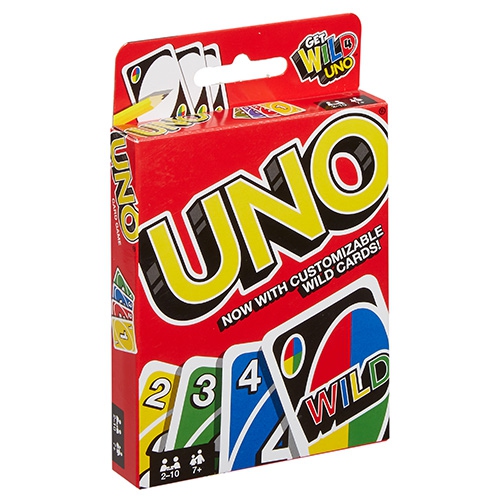 Your price for this item is $14.99
 -
 Your price for this item is $34.99
 -
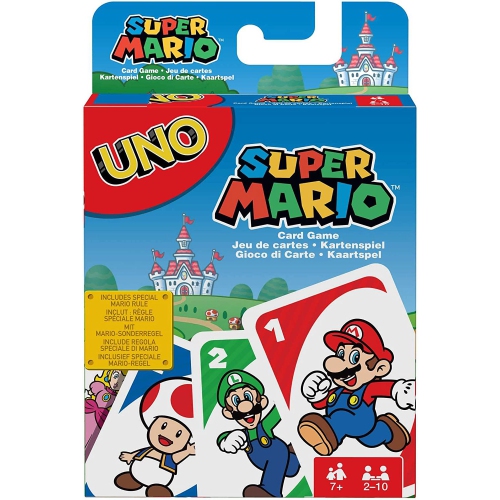 Your price for this item is $15
 -
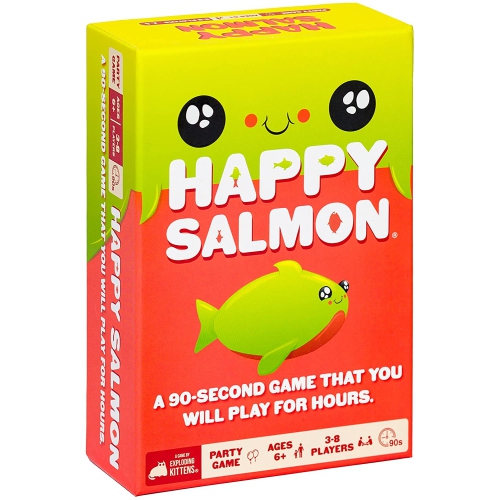 Your price for this item is $21.99
 -
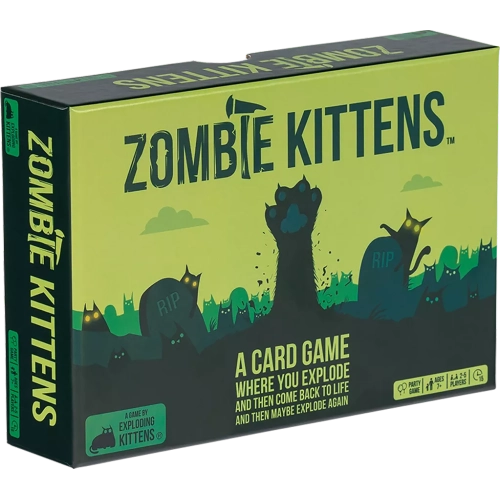 Your price for this item is $34.99
 -
 Your price for this item is $28.16
 -
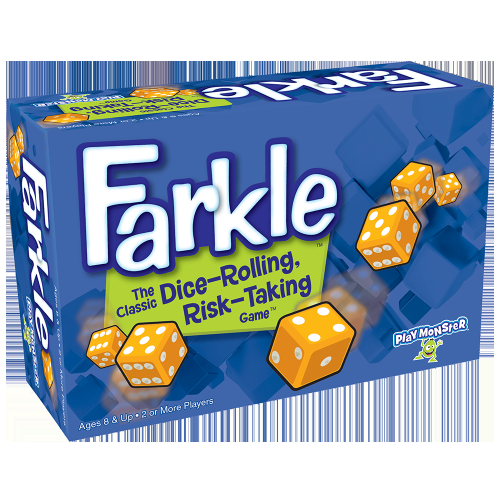 Your price for this item is $20.93
 -
 Your price for this item is $29.99
Discover more categories related to Board Games for All Ages

Top Collections:
Pokemon Centers, Budget 4K TVs, Best Budget Office Chairs, Kindle Devices, Canon G7X Cameras, Apple iPhones 16, iPhone 15 Apple, Laptops for Business Work, Xiaomi Phones, Flip Phones
Some products may be subject to Environmental Handling Fees
(EHF) depending on your province.
Learn more about EHFs.