Electronics Learning Kits
Looking to dive into the exciting world of electronics? Our Electronics Learning Kit is the perfect starting point for beginners and enthusiasts alike. Discover the wonders of circuitry, coding, and more with this comprehensive kit that includes everything you need to get started on your electronic journey. From building simple circuits to programming microcontrollers, this kit provides hands-on learning opportunities that will ignite your curiosity and creativity. Whether you're a student, hobbyist, or aspiring engineer, our Electronics Learning Kit will empower you to explore the limitless possibilities of electronics and bring your ideas to life.
Sort





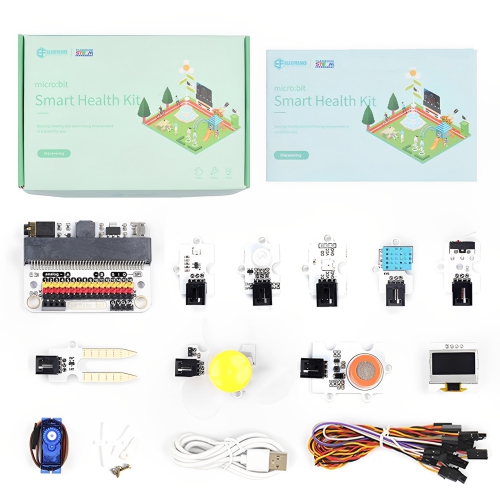
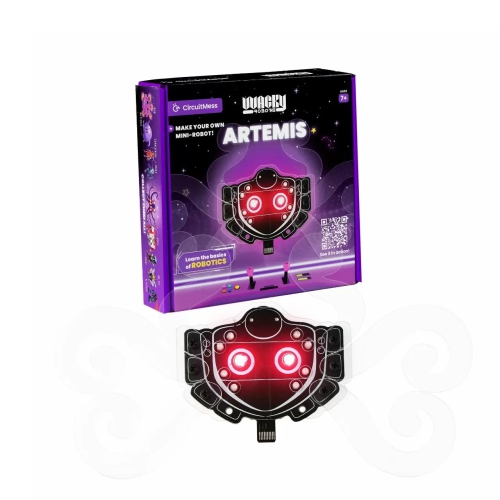
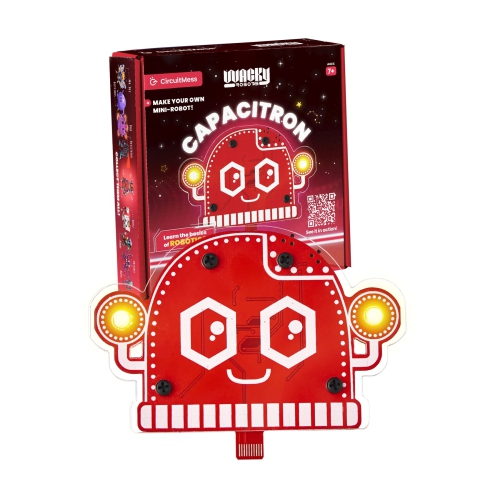
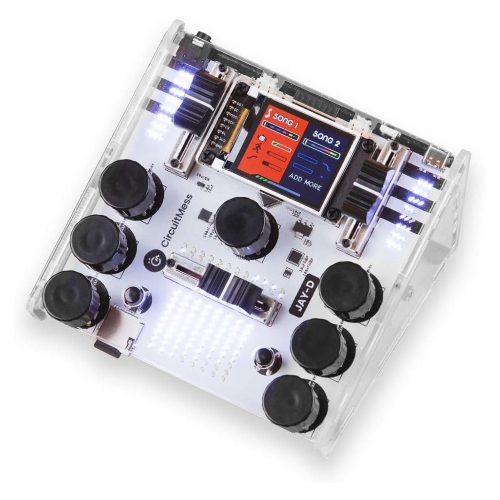



![OSMO - Genius Starter Kit - for Ipad [Electronics] The best toy I could ever imagine getting my 4 and 6 year old](https://multimedia.bbycastatic.ca/multimedia/products/500x500/188/18884/18884576.jpeg)
![OSMO - Little Genius Starter Kit: Plus Early Math Adventure - Ipad [Electronics]](https://multimedia.bbycastatic.ca/multimedia/products/500x500/193/19384/19384299.jpeg)
Hands-on projects turn circuits and coding into understanding
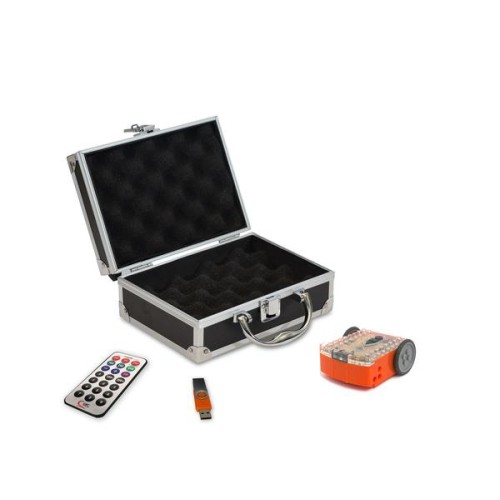
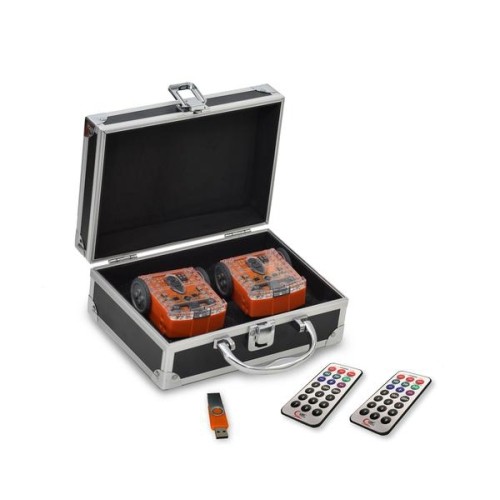
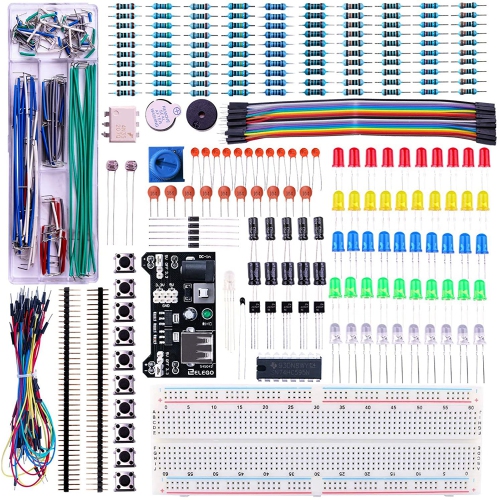
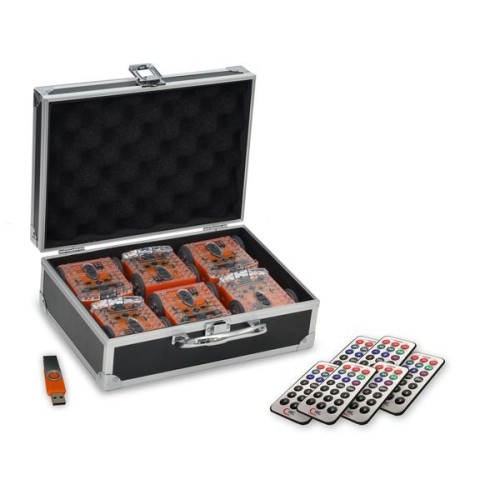
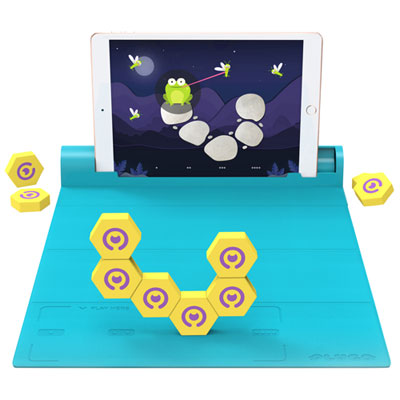
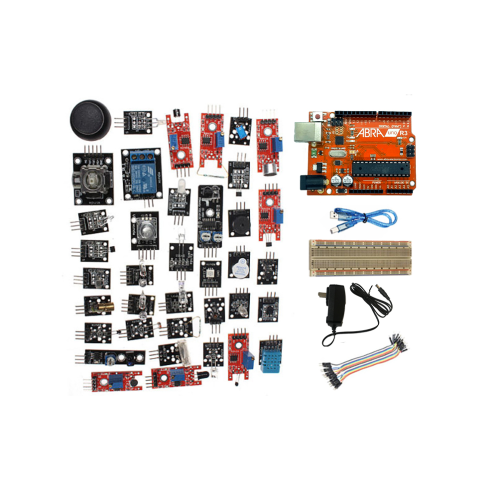
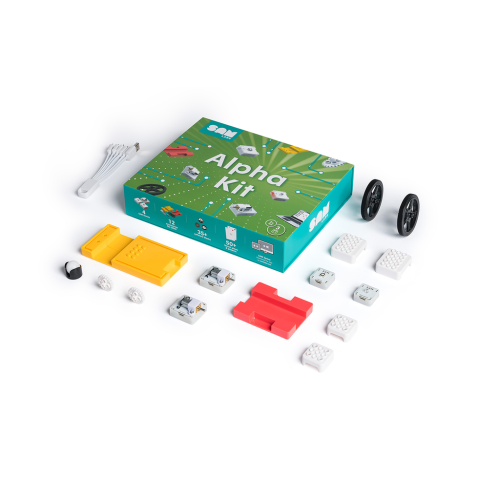
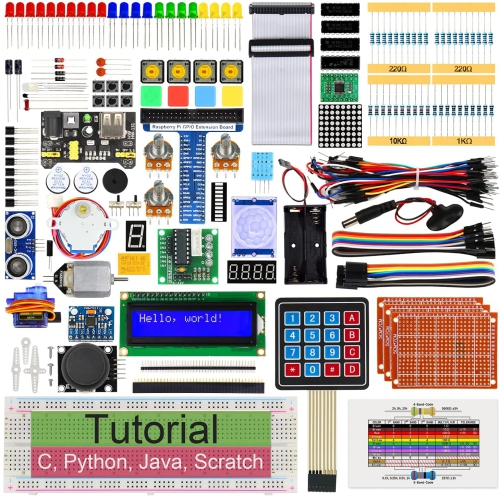
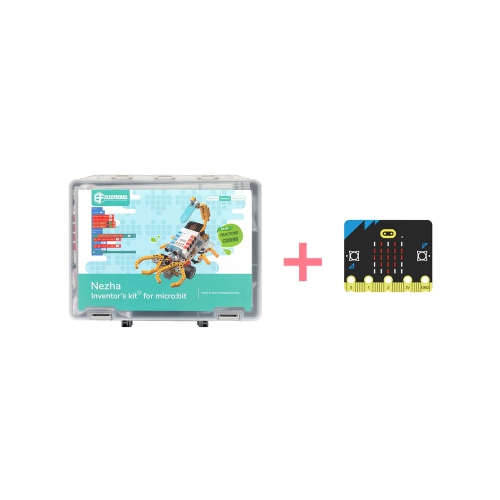
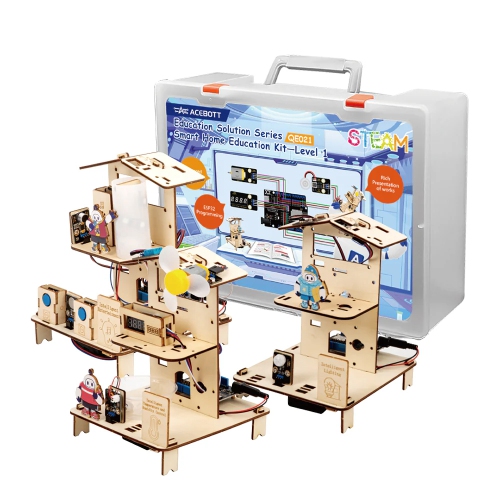
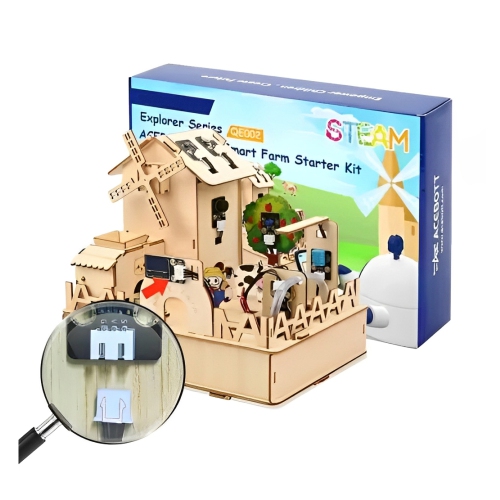
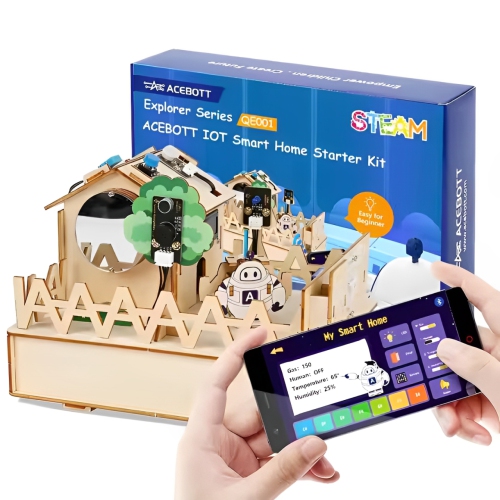
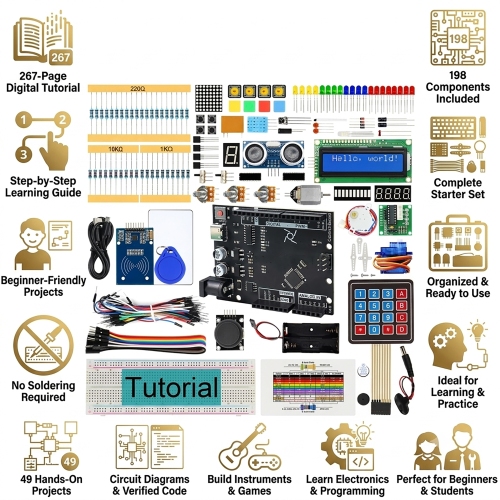
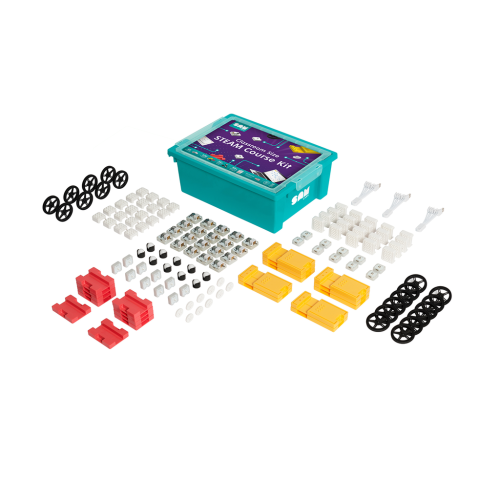
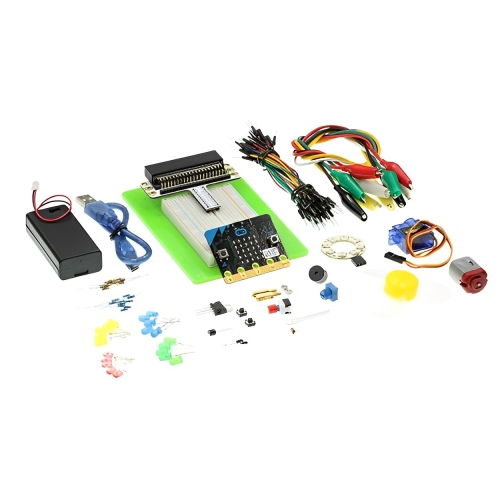
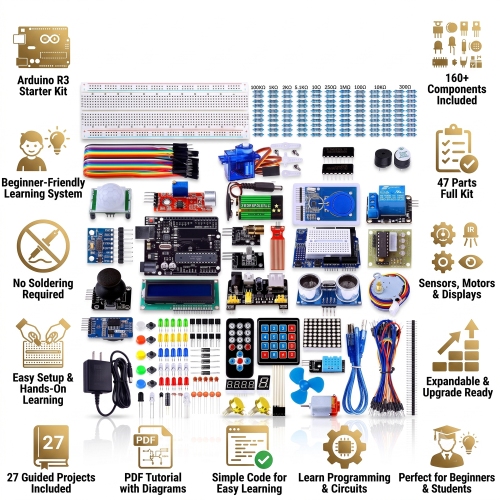
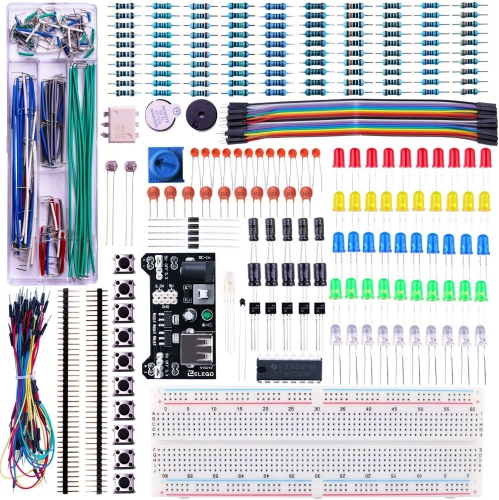
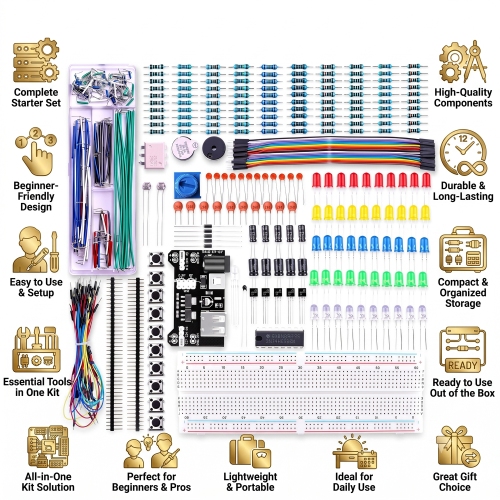
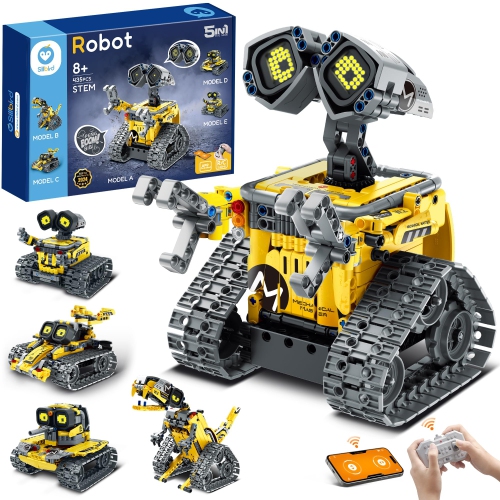
Electronics learning kits make it easier to explore electricity, circuitry, coding, and engineering through practical, hands-on activities. Rather than learning only from diagrams or explanations, a learner can connect components, observe what happens, make adjustments, and gradually understand why a circuit works. Many kits are designed for children around age 8 and up, although the appropriate choice depends on the learner’s confidence, reading ability, patience, and interest in technology. Beginner-focused sets often use colour-coded parts, labelled connections, snap-together modules, or clearly illustrated instructions, allowing young learners to build simple lights, alarms, switches, fans, and other small projects without needing soldering equipment. These features can make a first experience with electronics feel approachable, especially for a child who enjoys building with their hands or taking everyday gadgets apart to see how they work. Older children, teens, and adults may prefer kits that introduce breadboards, resistors, LEDs, capacitors, sensors, jumper wires, and programmable control boards. These sets usually involve more planning and troubleshooting, but they also open the door to projects that respond to movement, light, temperature, sound, or user input. For a broader selection aimed at new learners, explore Electronics Kits for Beginners. When choosing among electronics learning kits, start with the intended age range and the level of support provided. A guided kit with step-by-step lessons can help someone build confidence, while a more open-ended component set may suit a learner who enjoys experimenting and solving problems independently.
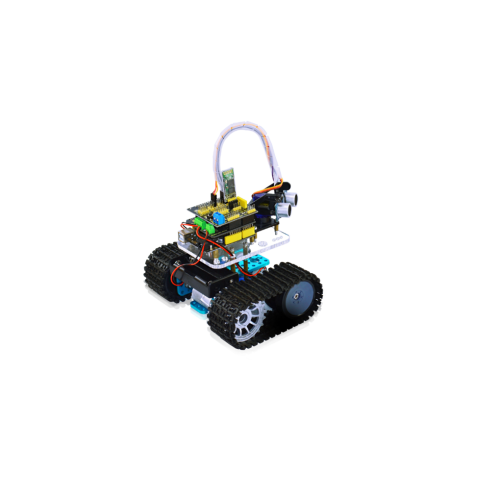
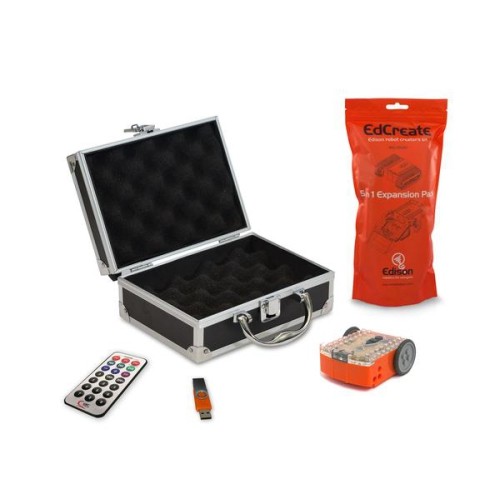
The type of electronics covered is another important consideration. Some kits focus on basic analogue circuits, where learners see how switches, batteries, lights, motors, and sound-producing components interact. These activities are useful for understanding current flow, polarity, series and parallel circuits, resistance, and the role of individual components. They can also provide satisfying results in a short session: a light turns on, a buzzer sounds, or a motor begins spinning as soon as the connections are correct. Other kits centre on coding and microcontrollers. These introduce programming logic alongside physical electronics, helping learners use instructions, inputs, and outputs to control lights, read sensors, or create interactive projects. A coding-focused kit may be a good fit for an older student who is curious about robotics, game design, automation, or computer science. Check whether the lessons are printed, available digitally, or built into an accompanying application, and consider how much adult guidance may be needed. A clear project sequence can be particularly helpful for a first-time learner, while a well-organized component inventory becomes increasingly valuable as projects grow more complex. It is also worth checking what is included in the box and what must be supplied separately, such as batteries, a compatible computer, a USB cable, or basic tools. Safety remains central: follow the manufacturer’s age guidance, use only the recommended power source, keep small parts away from younger children, and supervise projects that involve heat, sharp tools, or loose wires. Kits that avoid soldering can be a practical starting point for children, while soldering-based projects are generally better suited to experienced teens and adults with appropriate instruction and supervision.
Electronics learning kits can be engaging gifts for children, teens, students, hobbyists, and families who enjoy working on a project together. They are well suited to the cooler months, when indoor activities provide a welcome opportunity to concentrate, build, and test something new at a kitchen table or a dedicated desk. A child might begin by following one illustrated activity, then return later to combine parts into a design of their own. A parent or grandparent can participate by helping read the instructions, sort components, or talk through why a connection produces a particular result. For teens, an electronics kit may complement classroom learning in science, technology, engineering, mathematics, or computer studies, while adults may use one to refresh technical skills or explore a new hobby. Look for sturdy storage, clearly marked components, reusable parts, and instructions that explain the underlying idea rather than simply listing connection steps. The best choice should leave room for progress: a beginner can start with short, rewarding builds, then move toward sensors, programmable functions, motors, displays, and more involved designs as their confidence grows. It is normal for a first circuit not to work immediately. Checking battery orientation, tracing each connection, and testing one change at a time teaches the same patience and logical thinking used in larger engineering projects. Whether the goal is a thoughtful gift, a screen-connected activity, a classroom supplement, or a personal introduction to making and coding, an electronics learning kit can turn abstract concepts into something visible, movable, and rewarding to build.
The type of electronics covered is another important consideration. Some kits focus on basic analogue circuits, where learners see how switches, batteries, lights, motors, and sound-producing components interact. These activities are useful for understanding current flow, polarity, series and parallel circuits, resistance, and the role of individual components. They can also provide satisfying results in a short session: a light turns on, a buzzer sounds, or a motor begins spinning as soon as the connections are correct. Other kits centre on coding and microcontrollers. These introduce programming logic alongside physical electronics, helping learners use instructions, inputs, and outputs to control lights, read sensors, or create interactive projects. A coding-focused kit may be a good fit for an older student who is curious about robotics, game design, automation, or computer science. Check whether the lessons are printed, available digitally, or built into an accompanying application, and consider how much adult guidance may be needed. A clear project sequence can be particularly helpful for a first-time learner, while a well-organized component inventory becomes increasingly valuable as projects grow more complex. It is also worth checking what is included in the box and what must be supplied separately, such as batteries, a compatible computer, a USB cable, or basic tools. Safety remains central: follow the manufacturer’s age guidance, use only the recommended power source, keep small parts away from younger children, and supervise projects that involve heat, sharp tools, or loose wires. Kits that avoid soldering can be a practical starting point for children, while soldering-based projects are generally better suited to experienced teens and adults with appropriate instruction and supervision.
Electronics learning kits can be engaging gifts for children, teens, students, hobbyists, and families who enjoy working on a project together. They are well suited to the cooler months, when indoor activities provide a welcome opportunity to concentrate, build, and test something new at a kitchen table or a dedicated desk. A child might begin by following one illustrated activity, then return later to combine parts into a design of their own. A parent or grandparent can participate by helping read the instructions, sort components, or talk through why a connection produces a particular result. For teens, an electronics kit may complement classroom learning in science, technology, engineering, mathematics, or computer studies, while adults may use one to refresh technical skills or explore a new hobby. Look for sturdy storage, clearly marked components, reusable parts, and instructions that explain the underlying idea rather than simply listing connection steps. The best choice should leave room for progress: a beginner can start with short, rewarding builds, then move toward sensors, programmable functions, motors, displays, and more involved designs as their confidence grows. It is normal for a first circuit not to work immediately. Checking battery orientation, tracing each connection, and testing one change at a time teaches the same patience and logical thinking used in larger engineering projects. Whether the goal is a thoughtful gift, a screen-connected activity, a classroom supplement, or a personal introduction to making and coding, an electronics learning kit can turn abstract concepts into something visible, movable, and rewarding to build.
Top selling and popular products
-
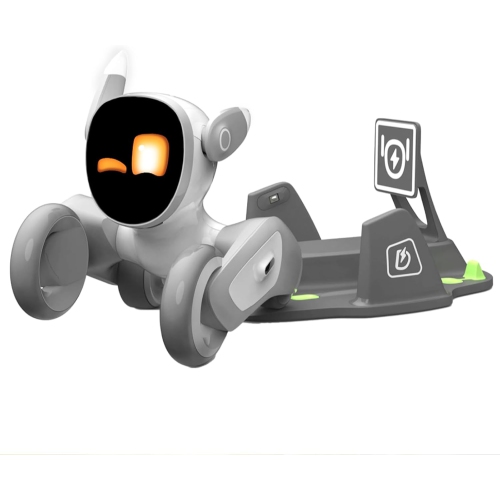 Your price for this item is $699.99
 -
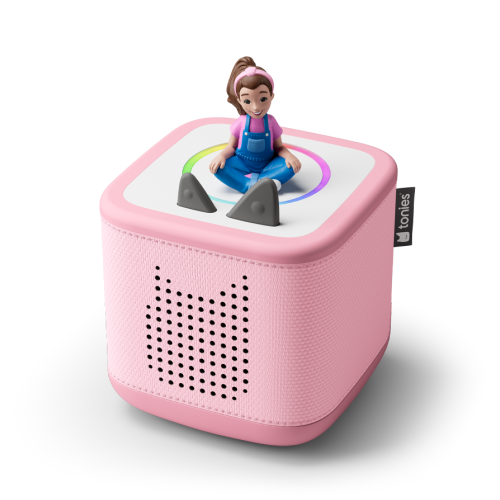 Your price for this item is $199.99
 -
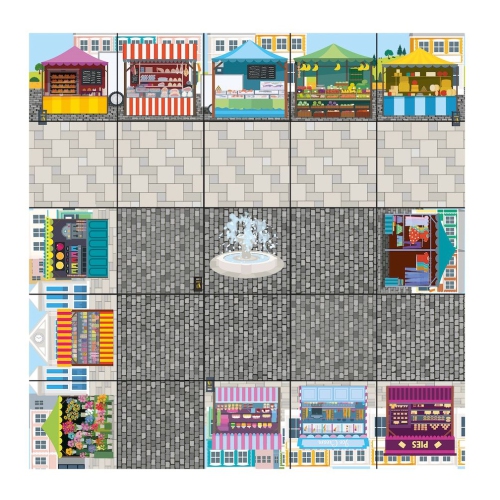 Your price for this item is $75.99
 -
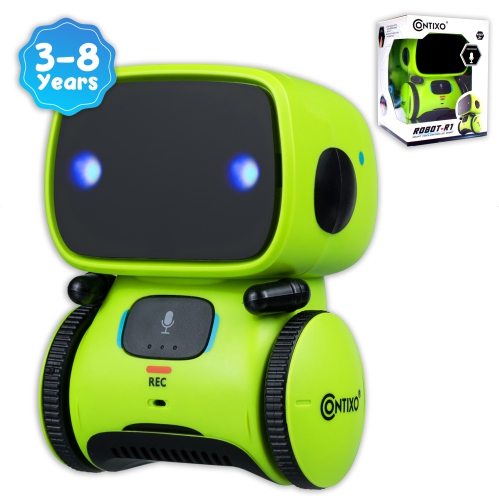 Your price for this item is $39.99
 -
 Your price for this item is $55.95
 -
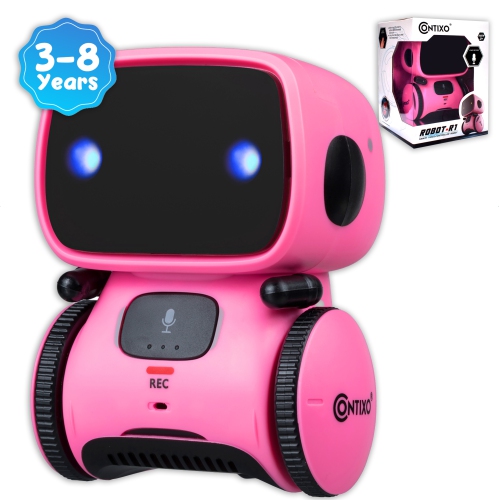 Your price for this item is $39.99
 -
 Your price for this item is $116.96
 -
 Your price for this item is $52.17
Discover more categories related to Electronics Learning Kits
Top Collections:
Pokemon Centers, Budget 4K TVs, Best Budget Office Chairs, Kindle Devices, Canon G7X Cameras, Apple iPhones 16, iPhone 15 Apple, Laptops for Business Work, Xiaomi Phones, Flip Phones
Some products may be subject to Environmental Handling Fees
(EHF) depending on your province.
Learn more about EHFs.