Electronic Project Kits
Looking to embark on a thrilling journey into the world of electronics? Our electronic project kit collection is here to ignite your curiosity and unleash your inner inventor. Whether you're a seasoned DIY enthusiast or just starting, these kits are designed to provide endless hours of educational and hands-on fun. From building circuits and programming microcontrollers to creating your electronic gadgets, our selection offers something for almost everyone. Get ready to dive into a world of creativity, innovation, and limitless possibilities with our electronic project kits.
Sort
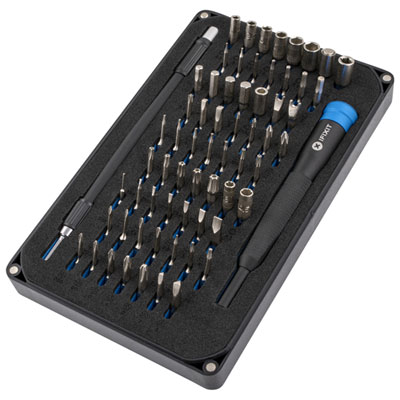

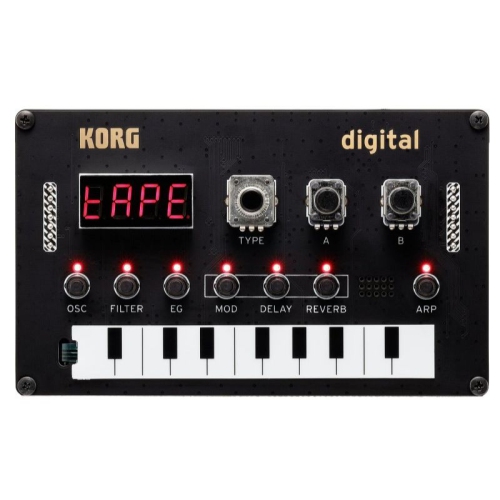
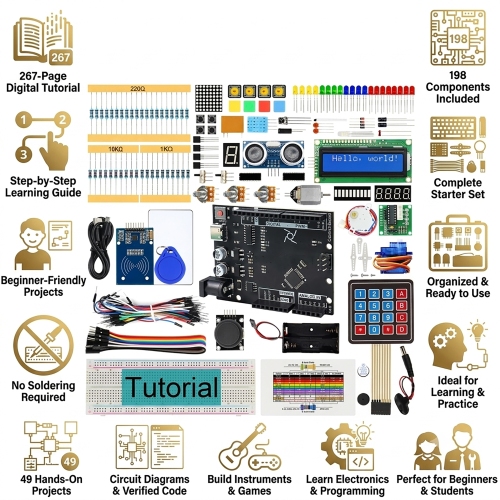
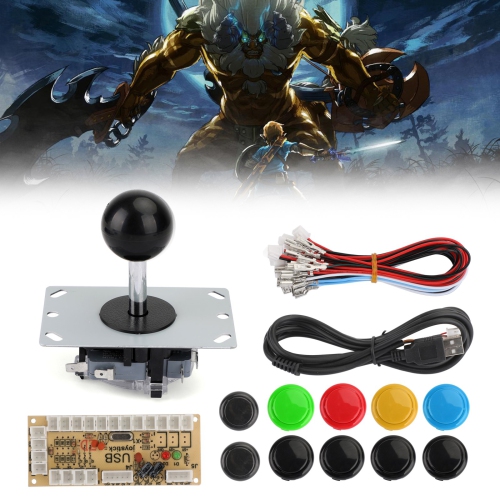
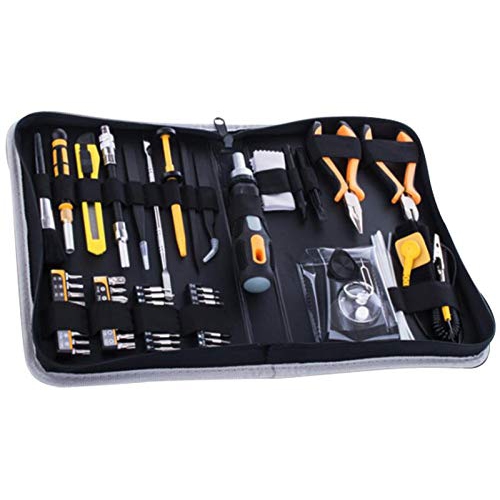

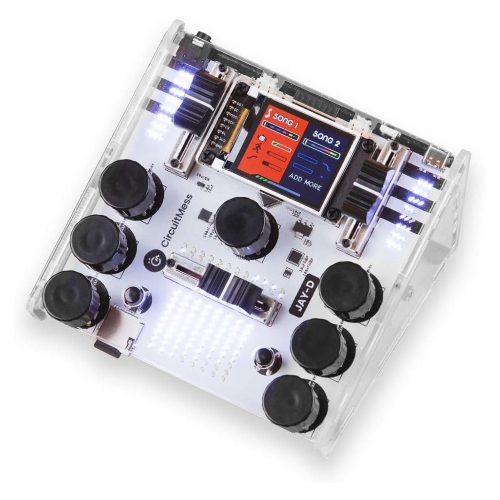

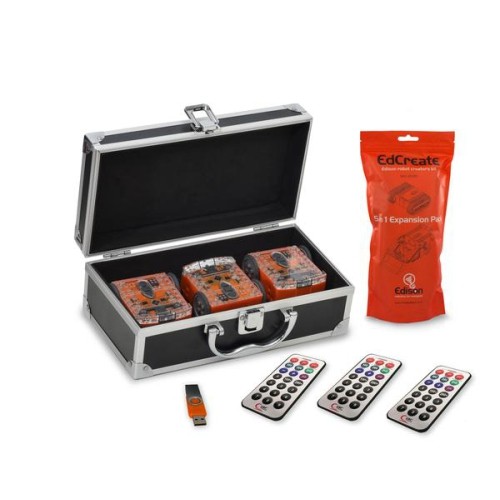
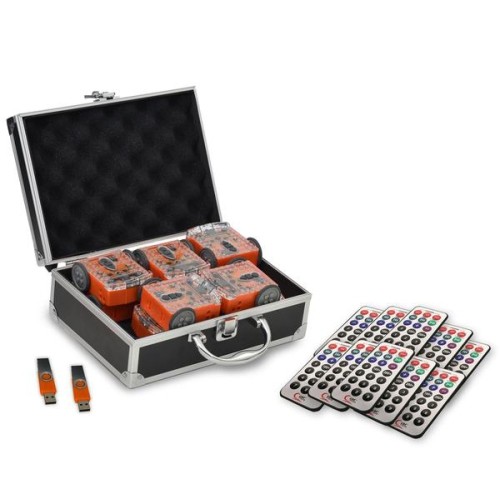
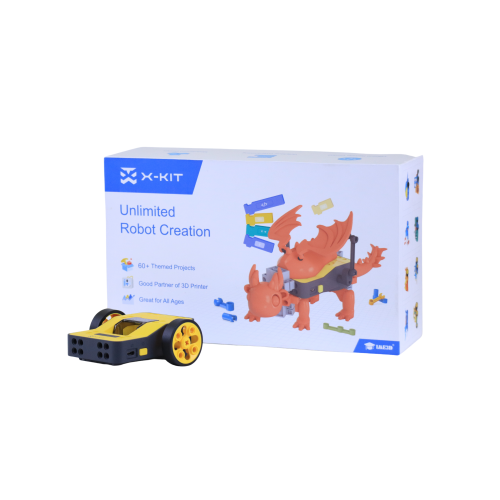
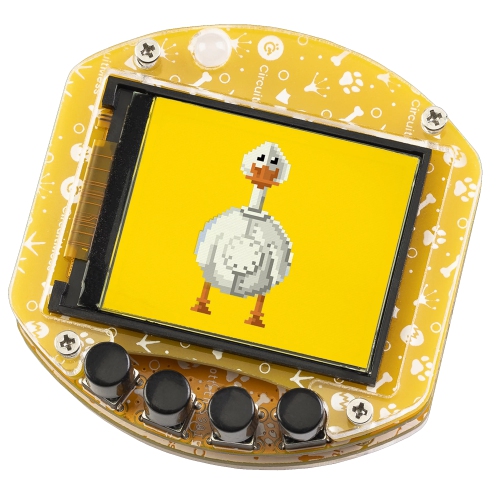
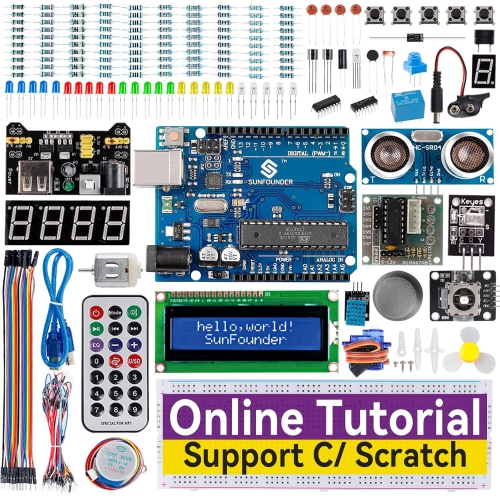
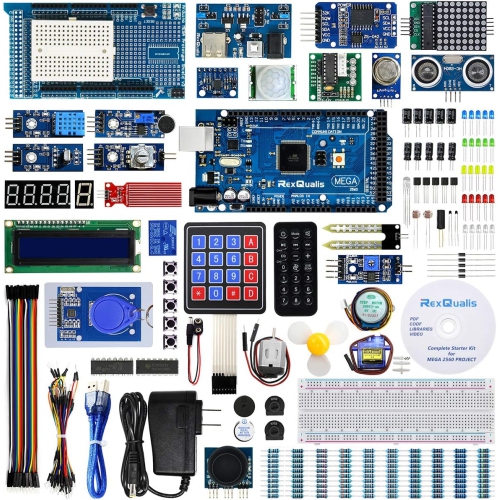
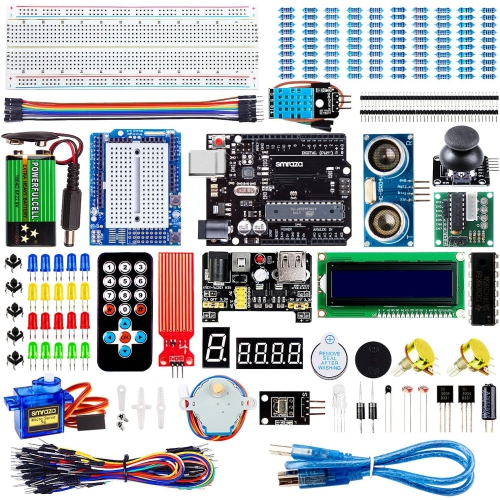
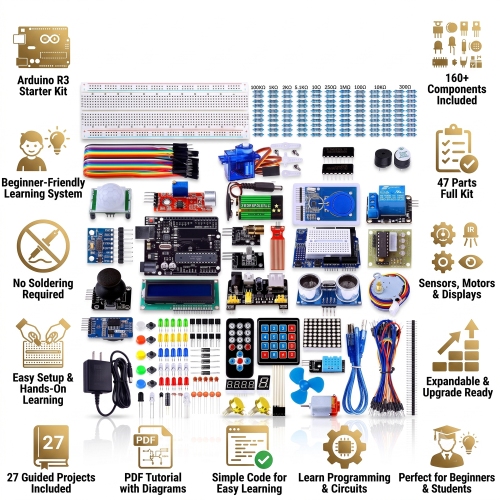
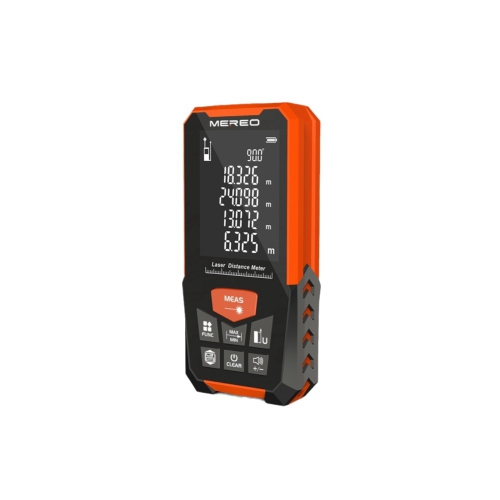
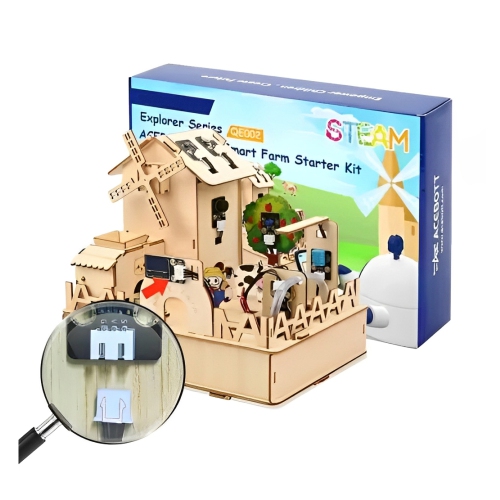
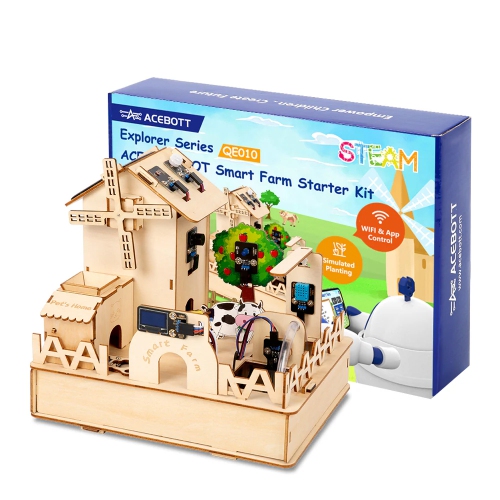
Hands-on learning through circuits, coding, and practical problem-solving
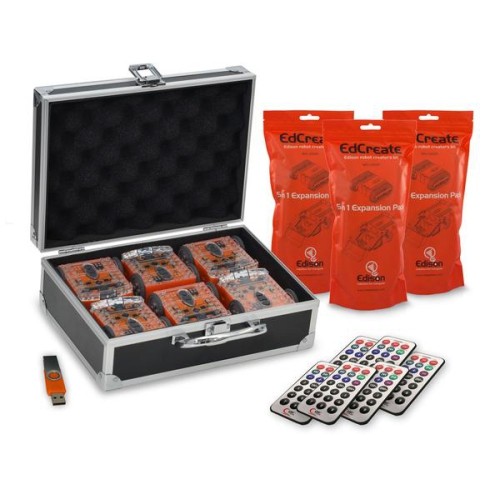
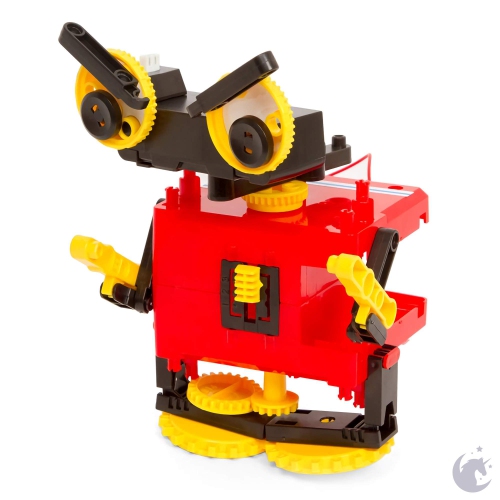
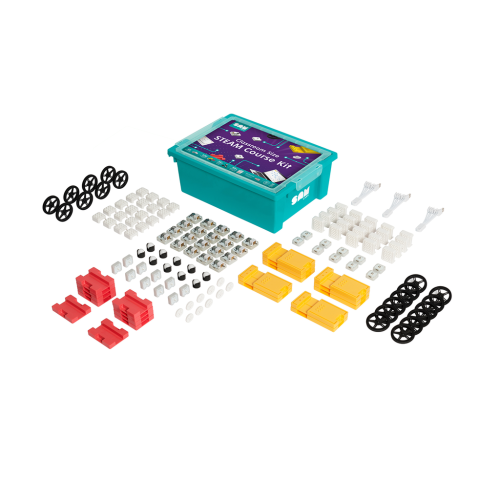
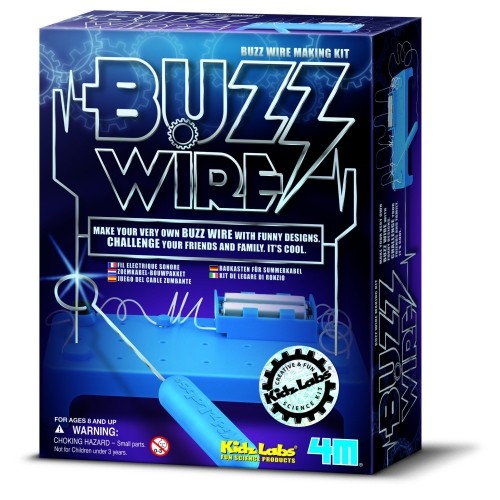
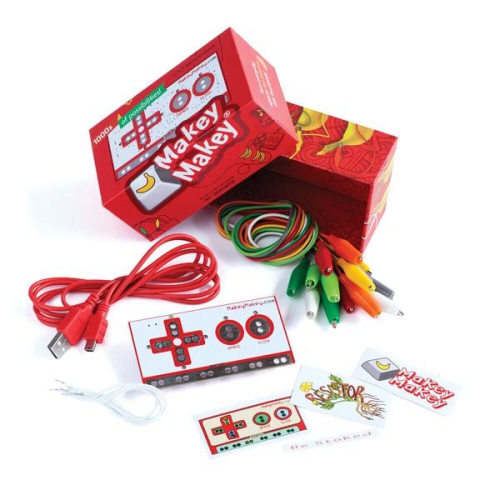
Electronic project kits bring the fundamentals of electricity, circuits, coding, and problem-solving into a practical, hands-on format. Instead of learning only from diagrams or instructions, users can connect components, test an idea, observe what happens, and make adjustments when a light does not turn on or a motor behaves unexpectedly. Kits vary considerably, so choosing one starts with matching the format to the user’s age, experience, and goals. Snap-together kits are often a comfortable entry point for young beginners, generally around ages 5 to 10, because they use colour-coded modules and a plastic grid rather than loose wires, soldering irons, or complicated tools. Children can build simple lights, alarms, fans, switches, and other circuits while becoming familiar with concepts such as power sources, conductors, resistance, and series and parallel connections. An adult can participate by helping interpret the project instructions, encouraging careful testing, and explaining why a circuit works. For families spending more time indoors during the cooler months, these kits can turn a kitchen table or desk into a small, engaging workshop. They can also make thoughtful gifts for children who enjoy building, taking things apart, puzzles, science activities, or technology. Look for clear instructions, sturdy connections, age guidance, and a selection of projects that gradually increase in difficulty. For more introductory options, browse Electronics Kits for Beginners to find learning-focused sets designed to make the first steps feel approachable.
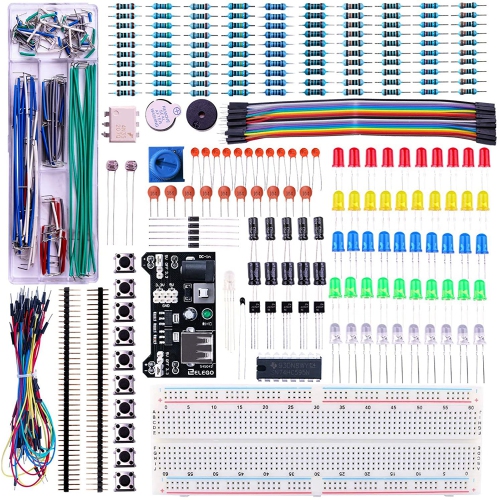
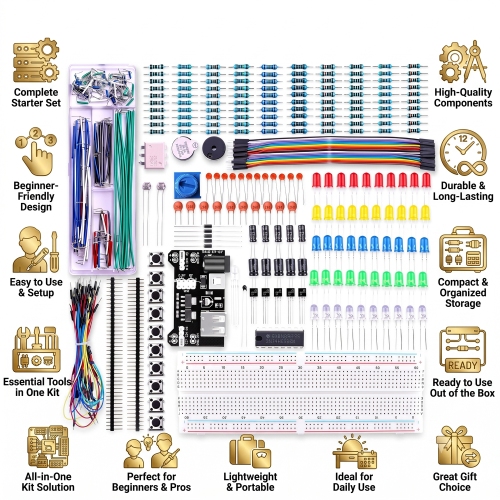
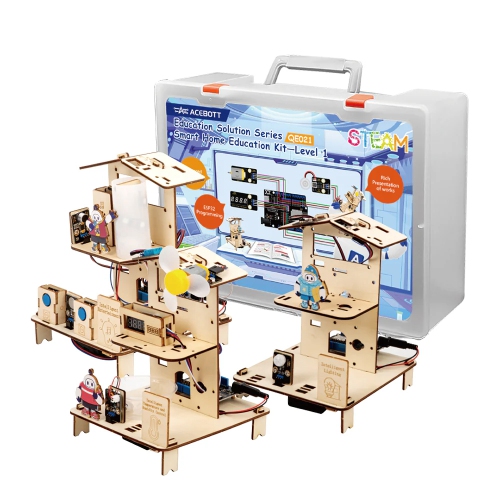
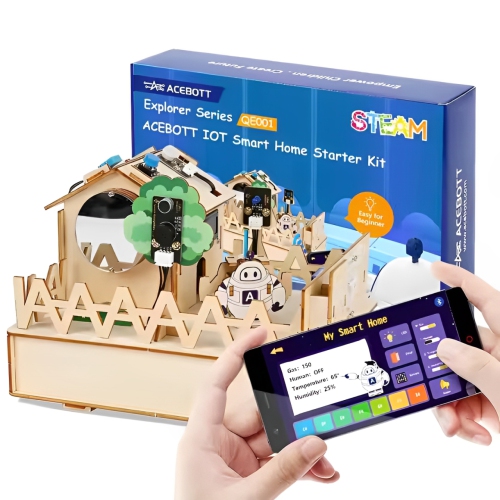
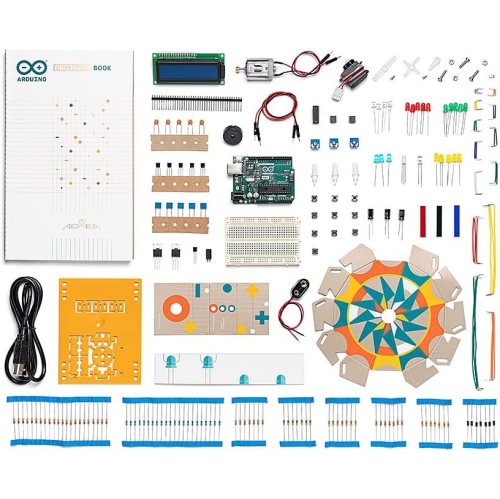
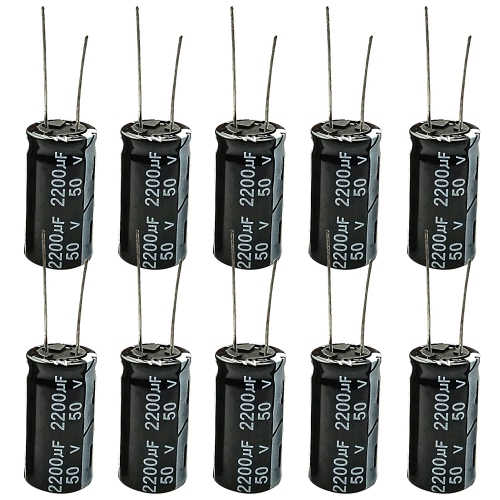
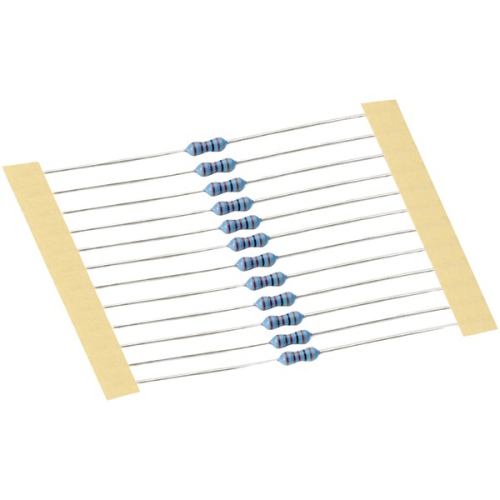
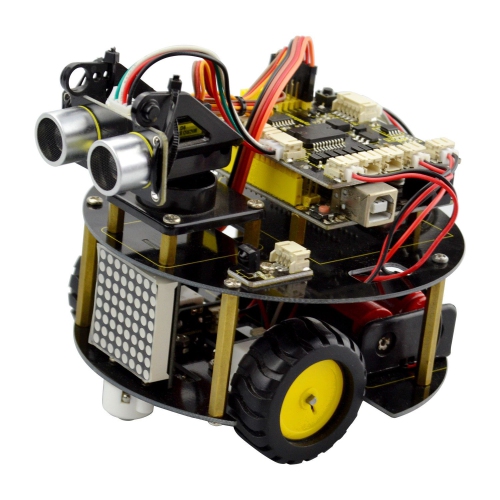
For older children, teens, students, and adults, electronic project kits may focus on breadboards, individual components, programming, or microcontrollers. A breadboard and component kit is a useful choice for learning how circuits are assembled without permanently joining parts together. These kits commonly include a solderless breadboard, jumper wires, LEDs, resistors, capacitors, switches, buzzers, and other basic components. They are well suited to users who want to understand circuit design through experimentation, whether they are following a wiring diagram or developing a small idea of their own. A breadboard also makes it easier to correct mistakes: a misplaced wire can be removed and repositioned without taking apart an entire project. When selecting one, check the number and variety of included components, the quality of the instructions, the size of the breadboard, and whether the parts are compatible with common educational electronics platforms. Microcontroller starter kits add coding and hardware control to the experience. They may allow users to program lights, read temperature or motion sensors, operate small motors, create sound effects, or display information on a screen. These sets are generally best for ages 10 and up, depending on the child’s reading ability and the complexity of the software, and they can continue to be useful for adult learners. A well-designed kit should explain both sides of the activity: the code tells the system what to do, while the connected components allow it to sense or affect the physical world. Before buying, confirm that the required software works with the intended computer, that setup instructions are available, and that the kit includes the necessary cables and core parts.
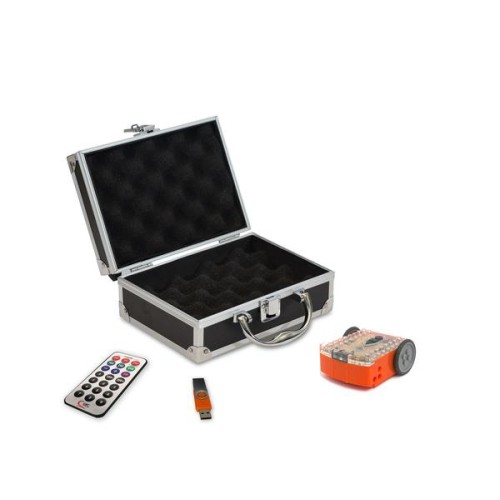
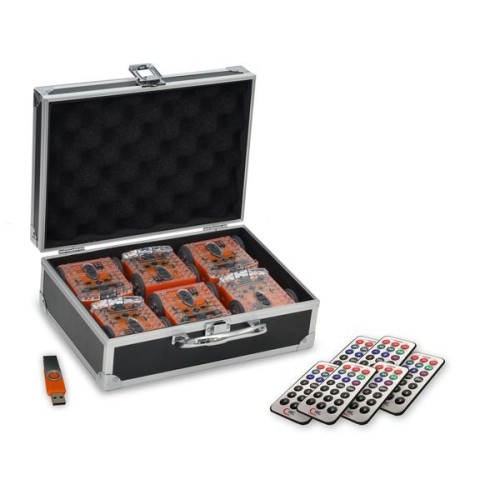
More advanced electronic project kits may introduce soldering, analogue circuits, robotics, communication, or a combination of several skills. Soldering-based projects can be rewarding for teens and adults who want to create a more permanent circuit, but they require close attention to heat, ventilation, workspace setup, and supervision for younger users. Beginners may prefer a kit with a guided project book, labelled components, illustrated diagrams, and a clear sequence from simple builds to more challenging ones. Book-backed learning systems are particularly helpful for someone who wants to understand the reason behind each step rather than simply copy a connection. A project that explains voltage, current, polarity, resistance, and troubleshooting can build confidence that carries over to future designs. Consider the intended setting as well. A compact kit with a storage case suits a student moving between a bedroom desk, classroom, and study area, while a larger component assortment may be more suitable for a dedicated hobby workspace. Gift-givers can also match the kit to a recipient’s interests: a child who enjoys flashing lights may appreciate basic circuit projects, a teen interested in games or gadgets may enjoy coding and sensors, and an adult learner may prefer open-ended projects that encourage independent design. Safety remains important with every format. Use only the recommended power source, check polarity before turning a circuit on, keep small components away from young children, and follow all instructions for batteries, tools, heat, and moving parts. With the right level of challenge and a little patience, electronic project kits offer a satisfying way to spend an afternoon, build practical skills, and see abstract ideas come alive through light, sound, motion, and code.
For older children, teens, students, and adults, electronic project kits may focus on breadboards, individual components, programming, or microcontrollers. A breadboard and component kit is a useful choice for learning how circuits are assembled without permanently joining parts together. These kits commonly include a solderless breadboard, jumper wires, LEDs, resistors, capacitors, switches, buzzers, and other basic components. They are well suited to users who want to understand circuit design through experimentation, whether they are following a wiring diagram or developing a small idea of their own. A breadboard also makes it easier to correct mistakes: a misplaced wire can be removed and repositioned without taking apart an entire project. When selecting one, check the number and variety of included components, the quality of the instructions, the size of the breadboard, and whether the parts are compatible with common educational electronics platforms. Microcontroller starter kits add coding and hardware control to the experience. They may allow users to program lights, read temperature or motion sensors, operate small motors, create sound effects, or display information on a screen. These sets are generally best for ages 10 and up, depending on the child’s reading ability and the complexity of the software, and they can continue to be useful for adult learners. A well-designed kit should explain both sides of the activity: the code tells the system what to do, while the connected components allow it to sense or affect the physical world. Before buying, confirm that the required software works with the intended computer, that setup instructions are available, and that the kit includes the necessary cables and core parts.
More advanced electronic project kits may introduce soldering, analogue circuits, robotics, communication, or a combination of several skills. Soldering-based projects can be rewarding for teens and adults who want to create a more permanent circuit, but they require close attention to heat, ventilation, workspace setup, and supervision for younger users. Beginners may prefer a kit with a guided project book, labelled components, illustrated diagrams, and a clear sequence from simple builds to more challenging ones. Book-backed learning systems are particularly helpful for someone who wants to understand the reason behind each step rather than simply copy a connection. A project that explains voltage, current, polarity, resistance, and troubleshooting can build confidence that carries over to future designs. Consider the intended setting as well. A compact kit with a storage case suits a student moving between a bedroom desk, classroom, and study area, while a larger component assortment may be more suitable for a dedicated hobby workspace. Gift-givers can also match the kit to a recipient’s interests: a child who enjoys flashing lights may appreciate basic circuit projects, a teen interested in games or gadgets may enjoy coding and sensors, and an adult learner may prefer open-ended projects that encourage independent design. Safety remains important with every format. Use only the recommended power source, check polarity before turning a circuit on, keep small components away from young children, and follow all instructions for batteries, tools, heat, and moving parts. With the right level of challenge and a little patience, electronic project kits offer a satisfying way to spend an afternoon, build practical skills, and see abstract ideas come alive through light, sound, motion, and code.
Top selling and popular products
-
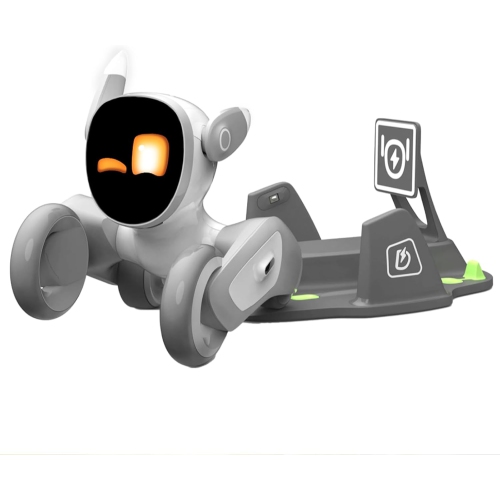 Your price for this item is $699.99
 -
 Your price for this item is $199.99
 -
 Your price for this item is $75.99
 -
 Your price for this item is $39.99
 -
 Your price for this item is $55.95
 -
 Your price for this item is $39.99
 -
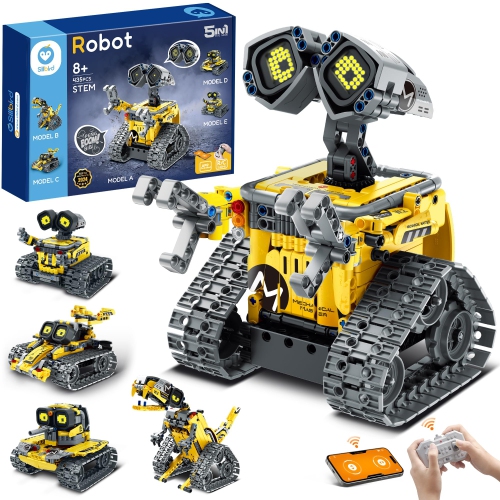 Your price for this item is $116.96
 -
 Your price for this item is $52.17
Discover more categories related to Electronic Project Kits
Top Collections:
Pokemon Centers, Kindle Devices, Best Budget Office Chairs, Apple iPhones 16, Best Laptops for Writers, iPhone 15 Apple, Canon G7X Cameras, Refurbished Apple Laptops, Alarm Clock, Motorola Razr Phones
Some products may be subject to Environmental Handling Fees
(EHF) depending on your province.
Learn more about EHFs.