Electronic Kits
Looking to dive into the world of electronics and build something amazing? Look no further than our wide selection of electronic kits. Whether you're a beginner or an experienced hobbyist, these kits provide all the components and instructions you need to create your own electronic devices. From DIY robots to circuit boards and more, our electronic kits offer endless possibilities for learning and creativity. Explore our collection today and unleash your inner inventor!
Sort
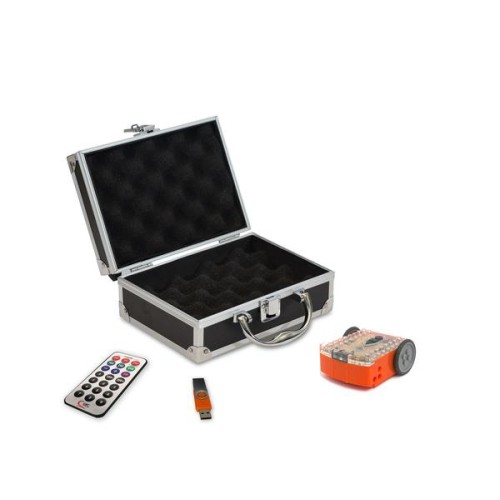
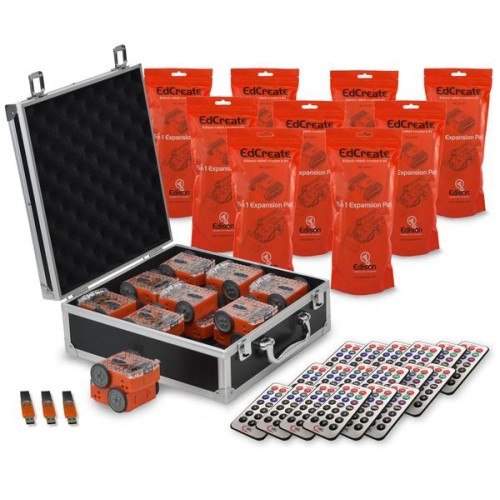
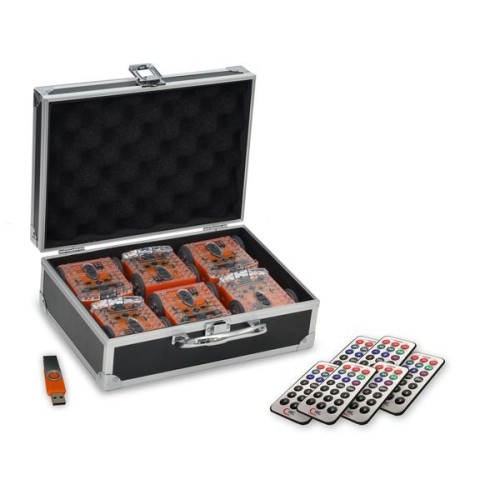

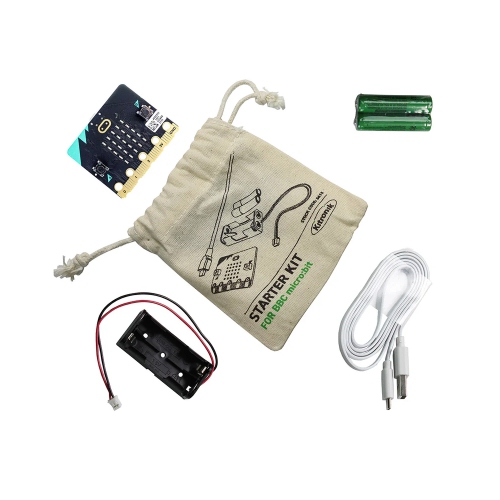
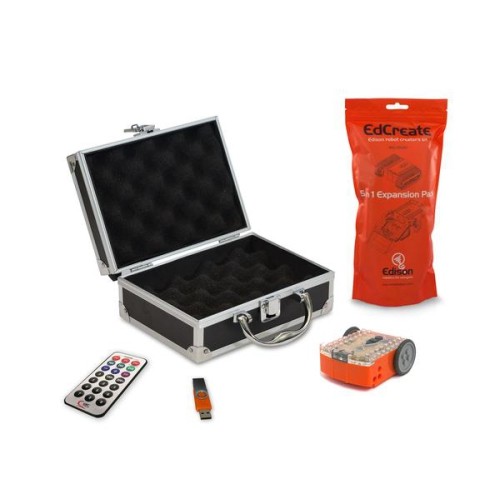

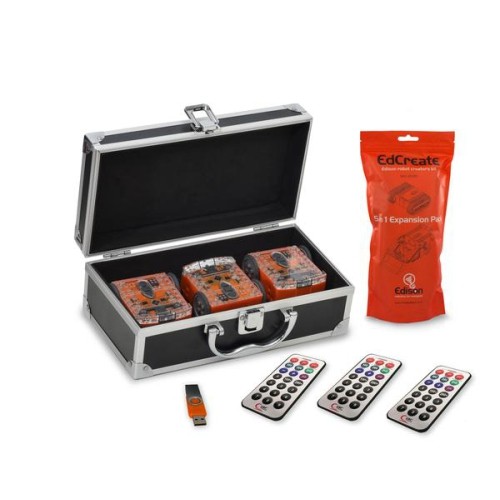
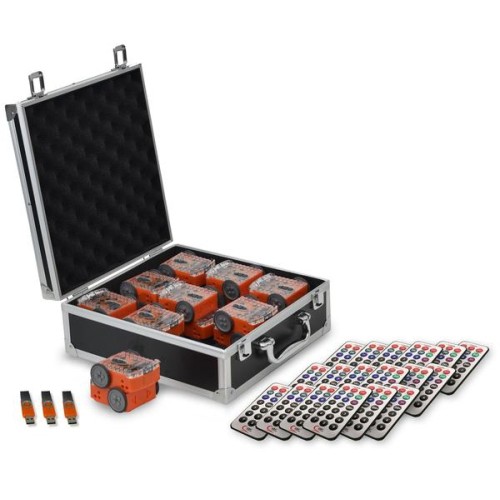
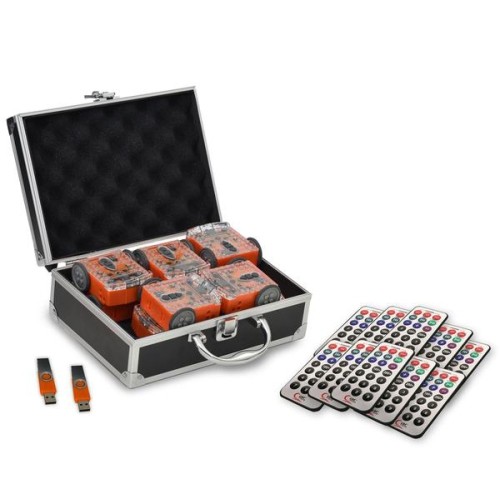
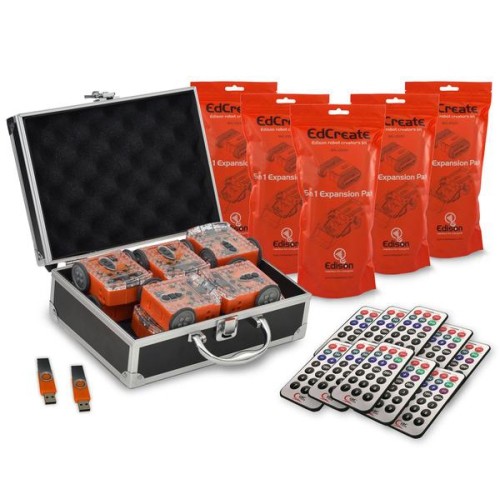
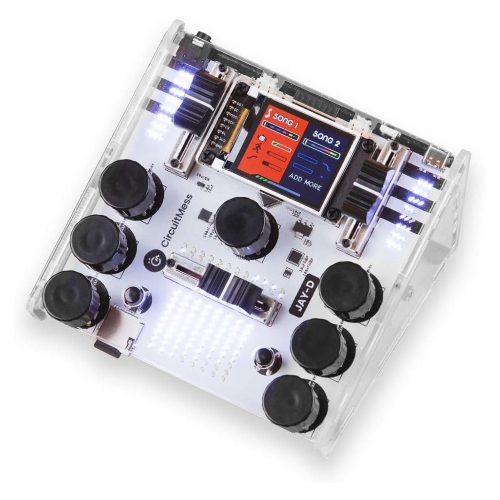
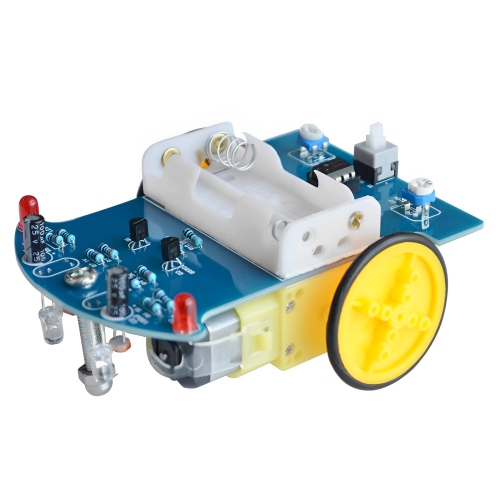
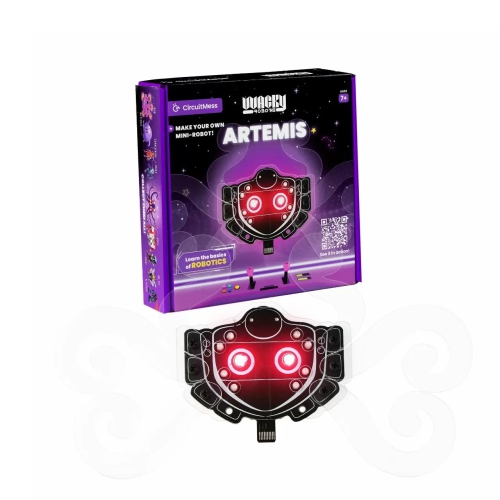

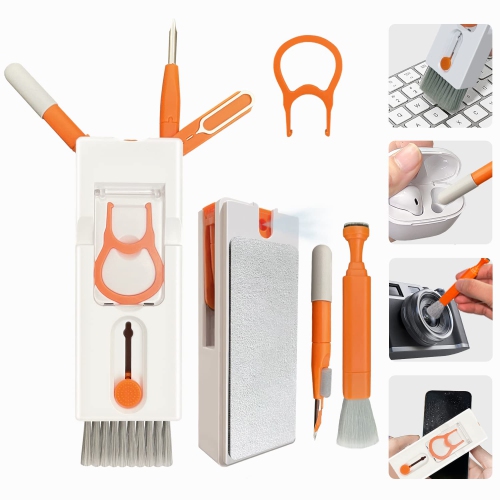

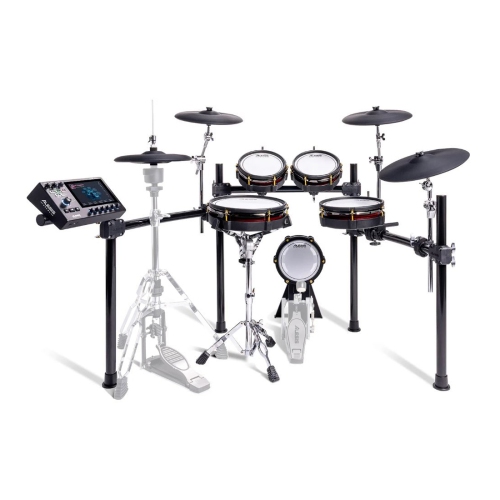
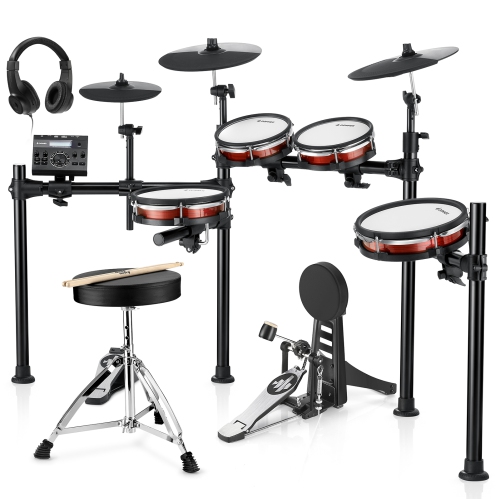
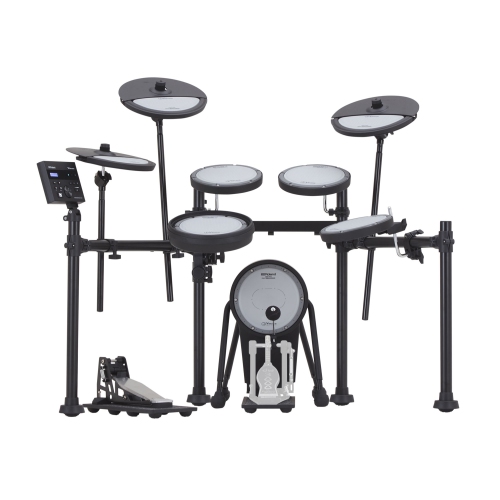
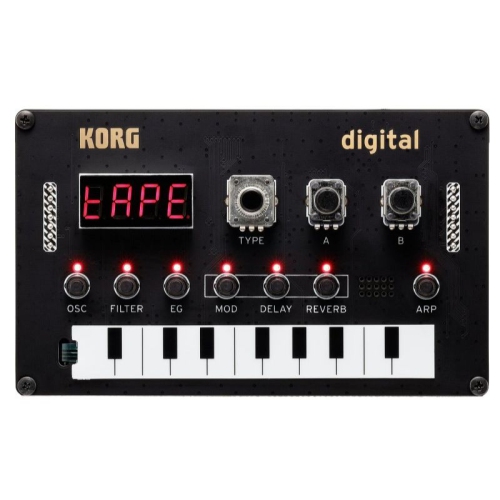
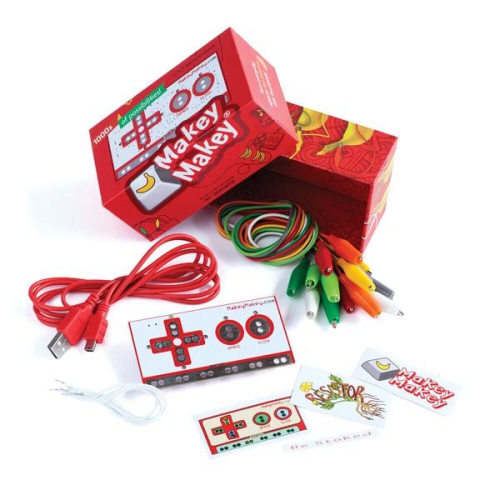
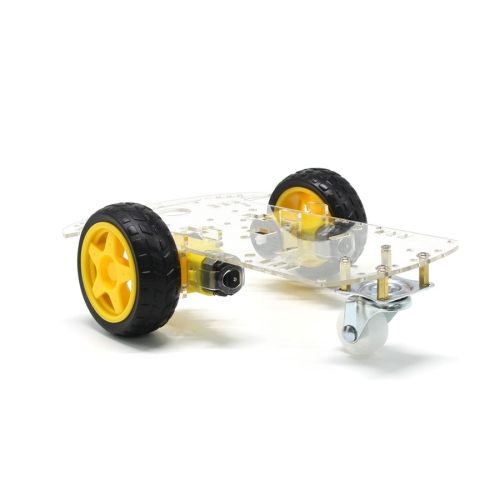
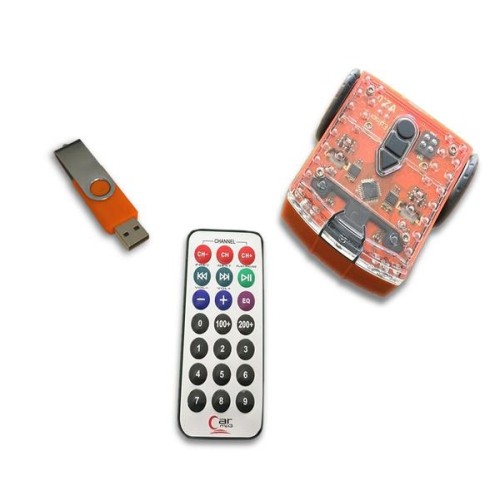
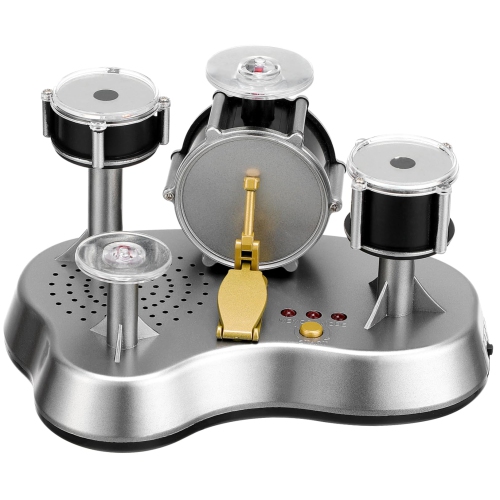
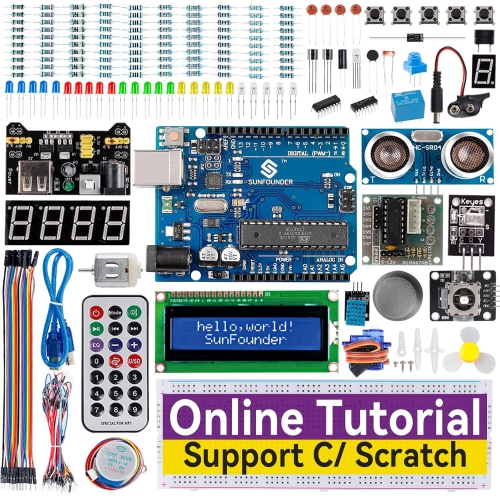
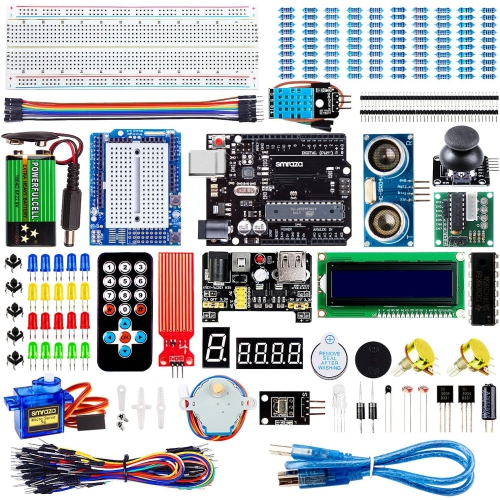
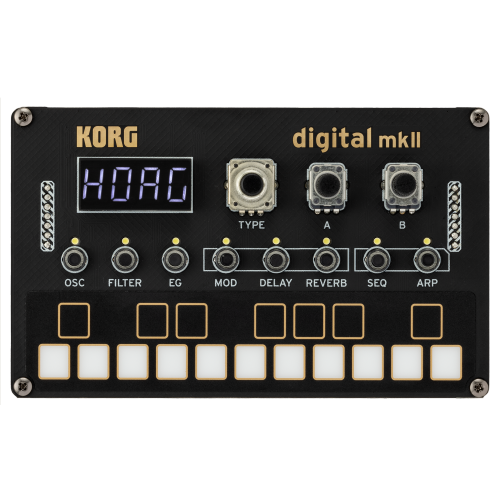
Hands-on projects turn circuits, code and ideas into action
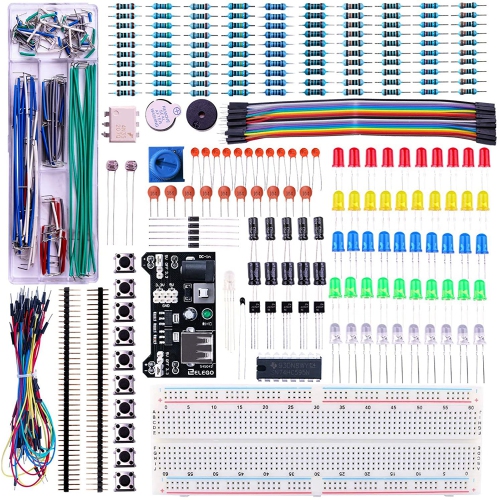
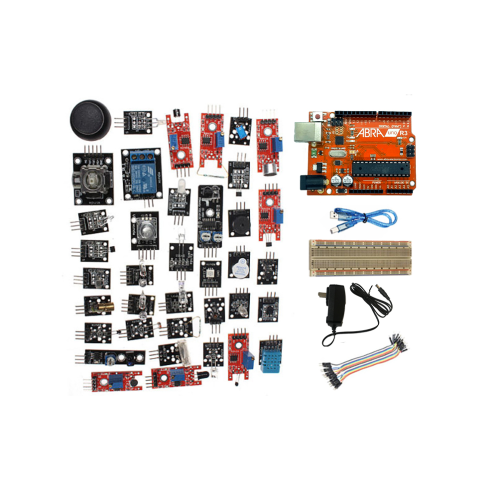
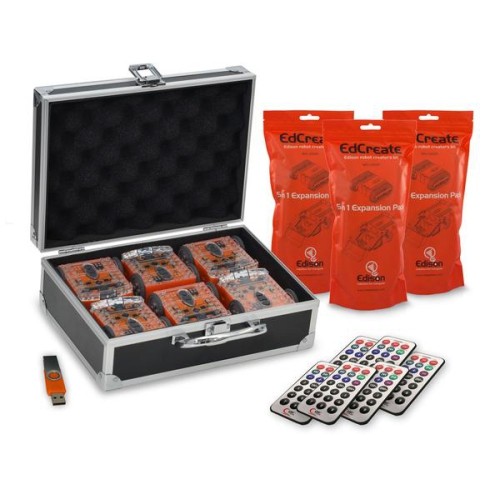
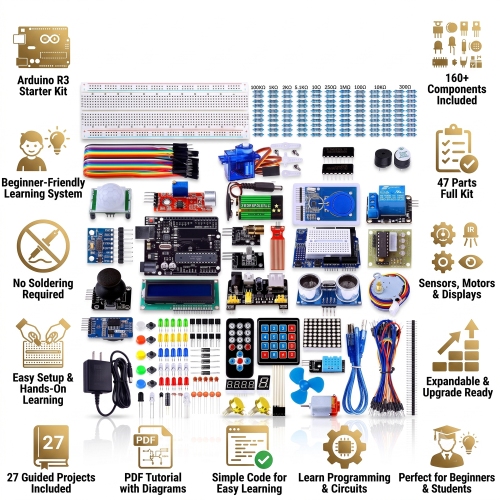
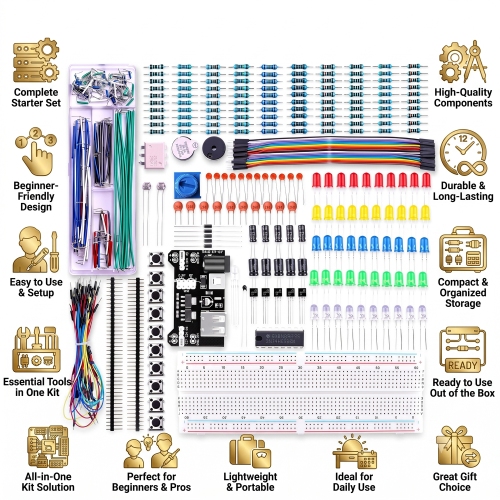
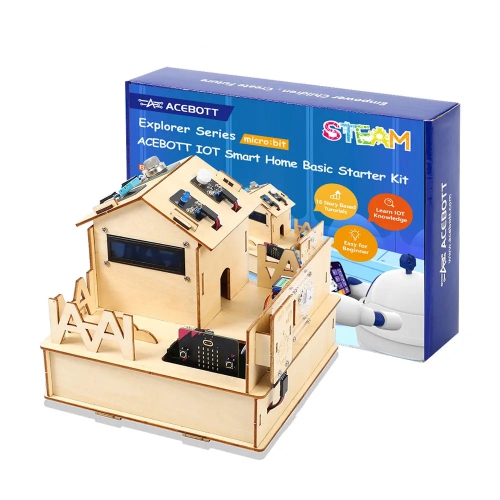
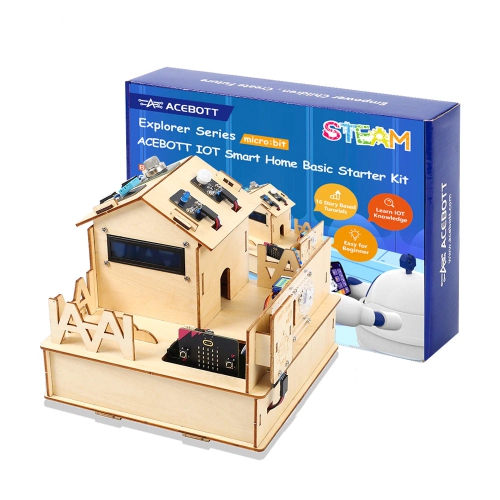
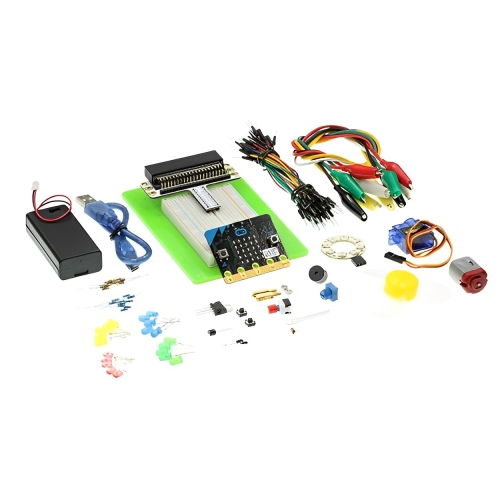
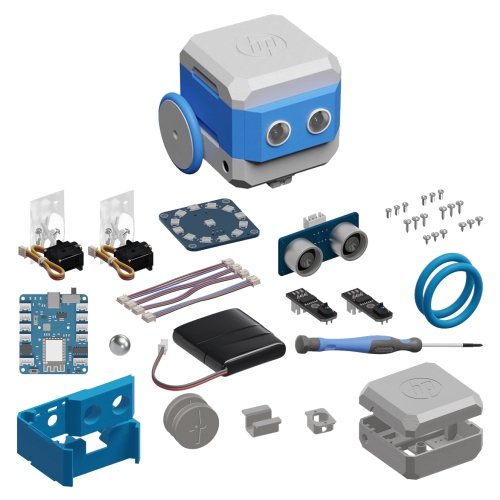
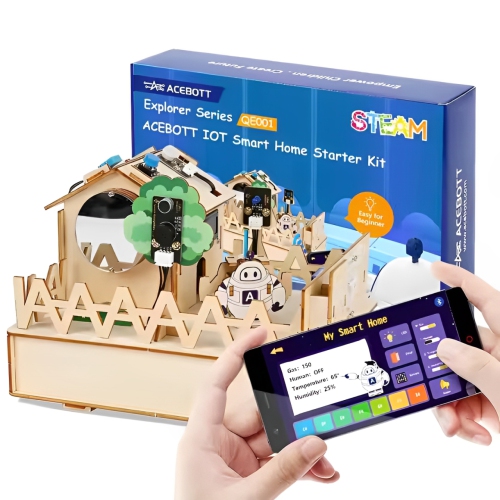
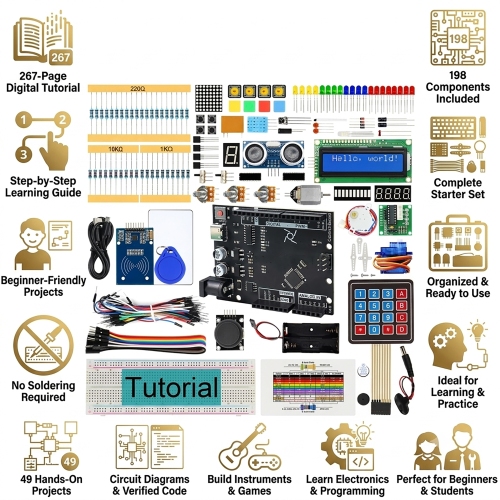
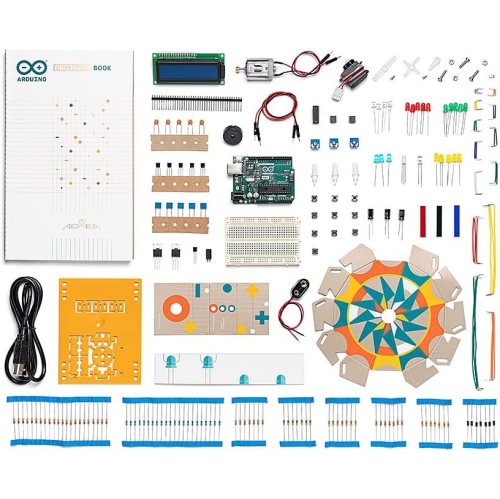
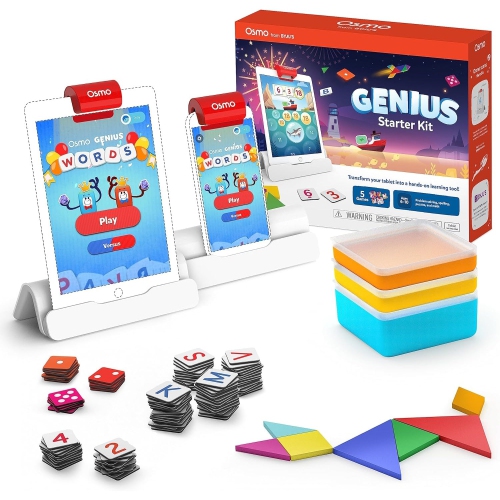
Electronic kits bring ideas to life by turning abstract concepts into something you can see, hear and touch. Instead of learning about circuits only from a screen or a textbook, users can connect components, adjust inputs and observe what happens as LEDs glow, buzzers sound, motors turn or sensors respond. This makes electronic kits a practical choice for beginners, curious hobbyists, students and families who enjoy hands-on learning. Some kits are designed for simple, snap-together assembly, with clearly marked modules that connect without soldering. These sets can be a comfortable starting point for younger learners who are discovering how switches, lights, speakers and power sources work together. Other kits focus on programmable boards and microcontrollers, giving users the opportunity to write code that controls lights, reads temperature or motion, operates a small motor, or reacts to buttons and other inputs. For someone who enjoys building, troubleshooting and improving a project over time, a programmable kit can offer a deeper path into coding and circuit design. Component assortments are another useful option, especially for learners who want the freedom to create their own layouts. Breadboards, resistors, capacitors, LEDs, jumper wires and sensors can be arranged in many different ways, making them well suited to experimentation and repeated practice. When choosing among electronic kits, consider the user’s age, previous experience, patience and preferred style of learning. A child may appreciate large, colour-coded parts and projects with an immediate result, while a teen or adult may prefer detailed instructions, adjustable circuits and opportunities to build beyond the examples included in the box.
The right kit also depends on the kind of skills the user hopes to develop. For an introduction to basic electricity, look for a set that explains concepts such as polarity, conductivity, switches, resistance and series and parallel connections through straightforward activities. For coding-focused learning, check whether the kit includes a programmable control board, compatible sensors and guided projects that gradually increase in difficulty. Clear instructions are especially helpful when a learner is working independently, while open-ended projects can keep experienced users engaged after they have completed the included activities. Beginners often benefit from a kit that provides the main components in one place, reducing the need to identify every part before getting started. It is also worth checking the power requirements, the size of the pieces, the recommended age range and whether a computer, batteries, tools or additional components are needed. Soldering kits can be rewarding for teens and adults who want to learn how electronic parts are physically attached to a circuit board, but they require careful supervision, a suitable work area and attention to safe handling practices. A solderless kit may be the better fit for a younger maker, a classroom activity or a relaxed weekend project. Whether the goal is to build a simple alarm, explore sound, create a light display or experiment with sensors, look for projects that match the user’s interests. A music lover may stay engaged with audio-based builds, while someone fascinated by machines may prefer motors, switches and moving parts. For additional hands-on STEM activities, browse Maker Kits to compare related ways to build, create and learn.
Electronic kits can make thoughtful gifts for children, teens, university students, first-time hobbyists and adults returning to a favourite interest. They are especially appealing during the cooler months, when an absorbing project can turn a kitchen table, study area or workbench into a small creative studio. A parent and child might spend an afternoon following a circuit diagram together, sorting parts into small containers and celebrating when the first light turns on. Friends can compare designs, test different solutions and learn that a failed connection is often part of the process rather than the end of the project. For a student, an electronic kit can provide a useful bridge between classroom lessons and practical problem-solving, helping familiar ideas such as measurement, logic and mathematics feel more tangible. For an adult beginner, it can be a rewarding way to slow down, work with their hands and build confidence one project at a time. When giving a kit as a gift, think about the recipient’s workspace and available tools. A compact, self-contained set may be easiest for a beginner with limited room, while a larger component collection can suit someone who already has a workbench and enjoys designing from scratch. It is helpful to choose projects that can be completed in stages, since a successful first build creates momentum for more ambitious experiments. Keep small components away from young children, follow the included safety instructions and provide supervision when tools, heat or electrical power are involved. With the right match, an electronic kit is more than a box of parts: it is an invitation to investigate, make adjustments, solve problems and watch a personal idea take shape.
The right kit also depends on the kind of skills the user hopes to develop. For an introduction to basic electricity, look for a set that explains concepts such as polarity, conductivity, switches, resistance and series and parallel connections through straightforward activities. For coding-focused learning, check whether the kit includes a programmable control board, compatible sensors and guided projects that gradually increase in difficulty. Clear instructions are especially helpful when a learner is working independently, while open-ended projects can keep experienced users engaged after they have completed the included activities. Beginners often benefit from a kit that provides the main components in one place, reducing the need to identify every part before getting started. It is also worth checking the power requirements, the size of the pieces, the recommended age range and whether a computer, batteries, tools or additional components are needed. Soldering kits can be rewarding for teens and adults who want to learn how electronic parts are physically attached to a circuit board, but they require careful supervision, a suitable work area and attention to safe handling practices. A solderless kit may be the better fit for a younger maker, a classroom activity or a relaxed weekend project. Whether the goal is to build a simple alarm, explore sound, create a light display or experiment with sensors, look for projects that match the user’s interests. A music lover may stay engaged with audio-based builds, while someone fascinated by machines may prefer motors, switches and moving parts. For additional hands-on STEM activities, browse Maker Kits to compare related ways to build, create and learn.
Electronic kits can make thoughtful gifts for children, teens, university students, first-time hobbyists and adults returning to a favourite interest. They are especially appealing during the cooler months, when an absorbing project can turn a kitchen table, study area or workbench into a small creative studio. A parent and child might spend an afternoon following a circuit diagram together, sorting parts into small containers and celebrating when the first light turns on. Friends can compare designs, test different solutions and learn that a failed connection is often part of the process rather than the end of the project. For a student, an electronic kit can provide a useful bridge between classroom lessons and practical problem-solving, helping familiar ideas such as measurement, logic and mathematics feel more tangible. For an adult beginner, it can be a rewarding way to slow down, work with their hands and build confidence one project at a time. When giving a kit as a gift, think about the recipient’s workspace and available tools. A compact, self-contained set may be easiest for a beginner with limited room, while a larger component collection can suit someone who already has a workbench and enjoys designing from scratch. It is helpful to choose projects that can be completed in stages, since a successful first build creates momentum for more ambitious experiments. Keep small components away from young children, follow the included safety instructions and provide supervision when tools, heat or electrical power are involved. With the right match, an electronic kit is more than a box of parts: it is an invitation to investigate, make adjustments, solve problems and watch a personal idea take shape.
Top selling and popular products
-
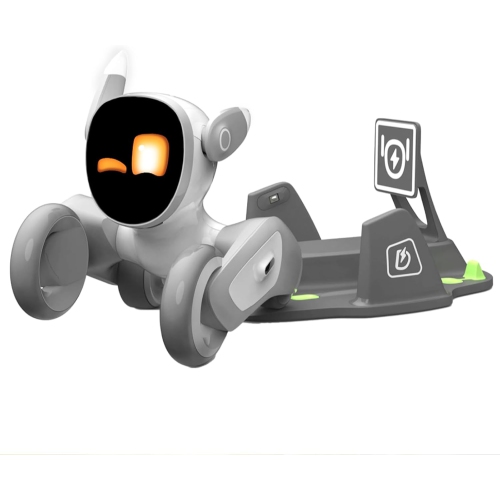 Your price for this item is $699.99
 -
 Your price for this item is $199.99
 -
 Your price for this item is $75.99
 -
 Your price for this item is $39.99
 -
 Your price for this item is $55.95
 -
 Your price for this item is $39.99
 -
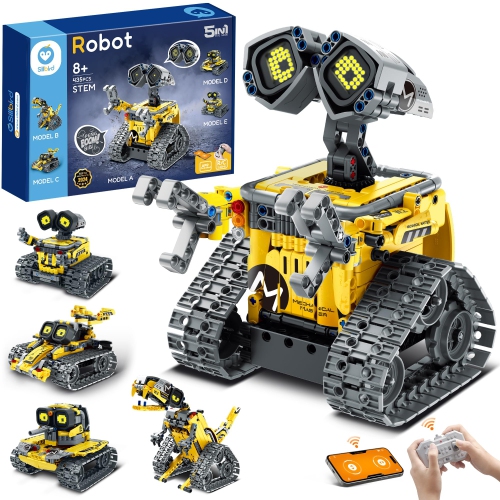 Your price for this item is $116.96
 -
 Your price for this item is $52.17
Discover more categories related to Electronic Kits
Top Collections:
Pokemon Centers, Budget 4K TVs, Best Budget Office Chairs, Kindle Devices, Canon G7X Cameras, Apple iPhones 16, iPhone 15 Apple, Laptops for Business Work, Xiaomi Phones, Flip Phones
Some products may be subject to Environmental Handling Fees
(EHF) depending on your province.
Learn more about EHFs.