Abstract Games
Dive into the captivating world of abstract games, where strategy meets creativity and imagination knows no bounds. These unique games offer endless possibilities for players seeking to challenge their minds and explore new dimensions of fun. With their simple yet intriguing designs, abstract games are perfect for sparking lively competition among friends or providing a peaceful solo experience. Whether you're a seasoned strategist or a curious newcomer, there's an abstract game waiting to inspire your next gaming adventure. Explore our diverse selection and discover the perfect addition to your game collection today!
Sort
![GS2 GAMES Contraptions Collection [Playstation 5]](https://multimedia.bbycastatic.ca/multimedia/products/500x500/193/19382/19382773.jpeg)
Simple rules with room for deeply strategic play
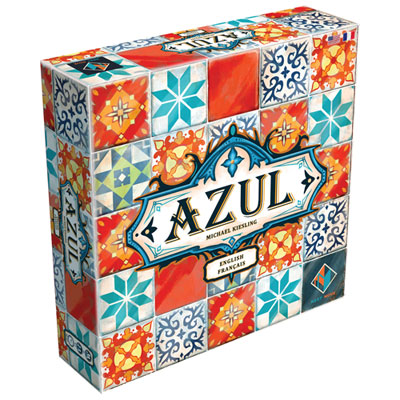
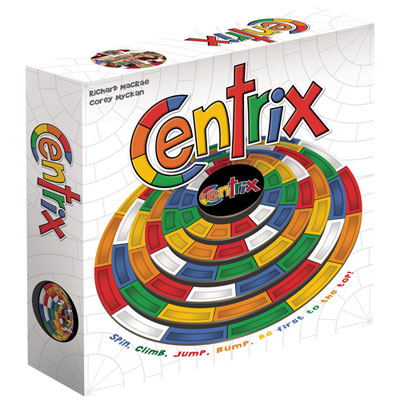
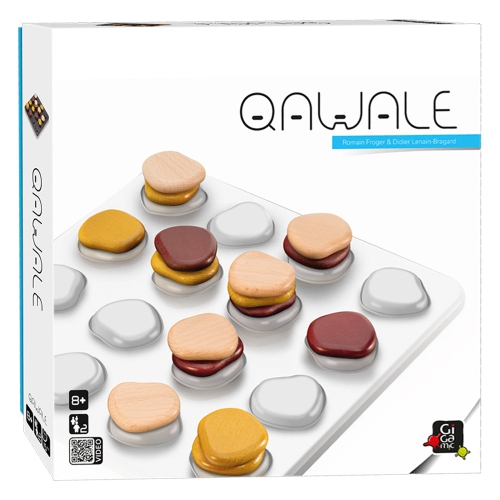
Abstract games put patterns, position, and player decisions at the centre of play, usually with little or no story attached. Instead of following characters through a fictional world, players work with shapes, spaces, colours, and a set of rules that gives each move its meaning. In the strictest sense, an abstract strategy game combines perfect information with an absence of randomness: every player can see the relevant game state, and there are no hidden cards, shuffled draws, or dice rolls deciding what happens next. The challenge comes from anticipating another person’s choices and understanding how the board might change. The broader abstract board game category also includes designs that use random tile draws, shared pools of pieces, or a light decorative theme while keeping spatial reasoning at the heart of the experience. That distinction matters when choosing between a contest based entirely on calculated moves and a more flexible puzzle that asks players to adapt. Common goals include connecting opposite edges of a board, surrounding an opponent’s pieces, controlling territory, completing patterns, or leaving another player without a legal move. A few straightforward actions can produce considerable strategic depth because each placement changes the possibilities for later turns. A piece set near the middle might open several routes, while the same piece placed along an edge could protect a narrow passage. Sometimes the strongest move earns nothing immediately but prevents an opponent from building an advantage. This makes abstract strategy games appealing to people who enjoy visible cause and effect, careful observation, and the satisfaction of finding a useful move on a crowded board. Many also have limited reading requirements once the rules are understood, although language demands vary by design. Their clean presentation can make the first turn approachable without making the whole game easy to master, giving beginners a clear starting point and experienced players room to develop their judgement over repeated sessions.
The right abstract game fits both the people at the table and the way they like to spend their time. Two-player formats often create a direct contest in which every move is an answer, a threat, or an invitation to take a risk. Multiplayer formats can feel less predictable even without dice, since several people may alter a shared space before a turn comes around again. Player count is therefore more than a number on a box: it affects how much control each person has and how far ahead planning remains useful. Playing time deserves similar attention. A short game can suit a quick rematch after dinner, while a longer one gives a developing position time to become a layered puzzle. The stated duration is best treated as an estimate, particularly when new players are learning or someone likes to consider every option. For mixed-experience groups, useful features may include introductory setups, clearly illustrated rules, or optional ways to adjust the challenge, where provided. Age recommendations should be considered alongside the size of the components, the amount of reading, and the patience needed to wait between turns. Small counters and tiles require particular care around young children, and any choking-hazard warnings should be followed. Visual clarity also makes a practical difference. High contrast between the board and pieces, distinct shapes, and symbols that do not rely on colour alone can make positions easier to read. Pieces with enough height or texture to grasp may be more comfortable for players who find flat tokens fiddly. Consider the playing surface as well: a compact grid may fit a small side table, while a pattern-building game with separate player areas can need more room than its central board suggests. Abstract games can make thoughtful gifts for puzzle enthusiasts, couples, families, and friends who enjoy a challenge they can revisit. For someone whose interests also include imaginative play and open-ended activities, Creative Games offers a related category to explore, while abstract play remains focused on decisions within defined rules.
Materials and construction shape how an abstract game feels in use, particularly when pieces are handled and rearranged throughout a session. Wooden components can offer a satisfying weight and a tactile grain, although their finish and dimensions should be consistent enough for pieces to sit securely. Moulded plastic can provide crisp shapes and easy-to-distinguish forms; smooth edges and a stable base matter more than appearance alone. Thick cardboard tiles should lie flat, with cleanly cut edges and printed markings that remain readable across the table. Thin or uneven components may be harder to align when the arrangement itself determines legal moves or scoring. A folding board should rest level, and any joins should avoid disrupting the spaces where pieces belong. For games played away from home, a secure case, contained playing area, or fitted storage can help keep the setup manageable. Magnetic components, where included, may reduce accidental movement, but they still need to be stored safely and used according to the age guidance. At home, trays or separate compartments make it easier to sort colours and shapes, check that all pieces have been returned, and begin the next session without a lengthy search. Care should follow the manufacturer’s directions for the particular materials. Keeping drinks away from cardboard boards and tiles helps prevent swelling, peeling, and stains; dry hands and a clean table reduce marks on frequently handled surfaces. Avoid soaking wooden parts or applying harsh cleaners to printed pieces, and allow any safely cleaned components to dry fully before closing the box. Store boards flat where practical, without heavy objects pressing into raised details or bending box corners. These small habits help preserve both the finish and the accuracy of the playing surface. Over time, much of an abstract game’s lasting appeal comes from discovering more within the same rules rather than adding more components. Replaying a close finish, trying a different opening, or noticing why a blocked route mattered can give a familiar set fresh interest. A well-suited game balances that depth with comfortable handling, a readable layout, and a pace that keeps everyone involved from the opening placement to the final move.
The right abstract game fits both the people at the table and the way they like to spend their time. Two-player formats often create a direct contest in which every move is an answer, a threat, or an invitation to take a risk. Multiplayer formats can feel less predictable even without dice, since several people may alter a shared space before a turn comes around again. Player count is therefore more than a number on a box: it affects how much control each person has and how far ahead planning remains useful. Playing time deserves similar attention. A short game can suit a quick rematch after dinner, while a longer one gives a developing position time to become a layered puzzle. The stated duration is best treated as an estimate, particularly when new players are learning or someone likes to consider every option. For mixed-experience groups, useful features may include introductory setups, clearly illustrated rules, or optional ways to adjust the challenge, where provided. Age recommendations should be considered alongside the size of the components, the amount of reading, and the patience needed to wait between turns. Small counters and tiles require particular care around young children, and any choking-hazard warnings should be followed. Visual clarity also makes a practical difference. High contrast between the board and pieces, distinct shapes, and symbols that do not rely on colour alone can make positions easier to read. Pieces with enough height or texture to grasp may be more comfortable for players who find flat tokens fiddly. Consider the playing surface as well: a compact grid may fit a small side table, while a pattern-building game with separate player areas can need more room than its central board suggests. Abstract games can make thoughtful gifts for puzzle enthusiasts, couples, families, and friends who enjoy a challenge they can revisit. For someone whose interests also include imaginative play and open-ended activities, Creative Games offers a related category to explore, while abstract play remains focused on decisions within defined rules.
Materials and construction shape how an abstract game feels in use, particularly when pieces are handled and rearranged throughout a session. Wooden components can offer a satisfying weight and a tactile grain, although their finish and dimensions should be consistent enough for pieces to sit securely. Moulded plastic can provide crisp shapes and easy-to-distinguish forms; smooth edges and a stable base matter more than appearance alone. Thick cardboard tiles should lie flat, with cleanly cut edges and printed markings that remain readable across the table. Thin or uneven components may be harder to align when the arrangement itself determines legal moves or scoring. A folding board should rest level, and any joins should avoid disrupting the spaces where pieces belong. For games played away from home, a secure case, contained playing area, or fitted storage can help keep the setup manageable. Magnetic components, where included, may reduce accidental movement, but they still need to be stored safely and used according to the age guidance. At home, trays or separate compartments make it easier to sort colours and shapes, check that all pieces have been returned, and begin the next session without a lengthy search. Care should follow the manufacturer’s directions for the particular materials. Keeping drinks away from cardboard boards and tiles helps prevent swelling, peeling, and stains; dry hands and a clean table reduce marks on frequently handled surfaces. Avoid soaking wooden parts or applying harsh cleaners to printed pieces, and allow any safely cleaned components to dry fully before closing the box. Store boards flat where practical, without heavy objects pressing into raised details or bending box corners. These small habits help preserve both the finish and the accuracy of the playing surface. Over time, much of an abstract game’s lasting appeal comes from discovering more within the same rules rather than adding more components. Replaying a close finish, trying a different opening, or noticing why a blocked route mattered can give a familiar set fresh interest. A well-suited game balances that depth with comfortable handling, a readable layout, and a pace that keeps everyone involved from the opening placement to the final move.
Top selling and popular products
-
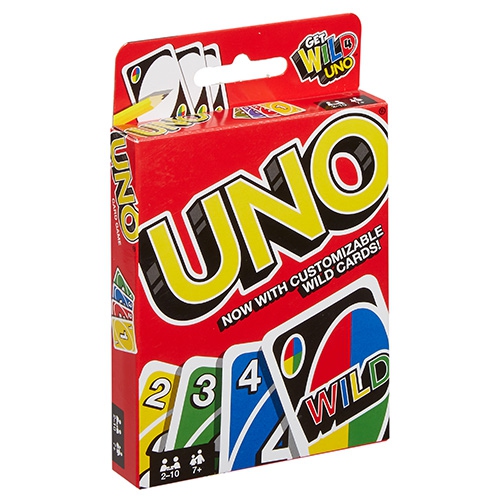 Your price for this item is $14.99
 -
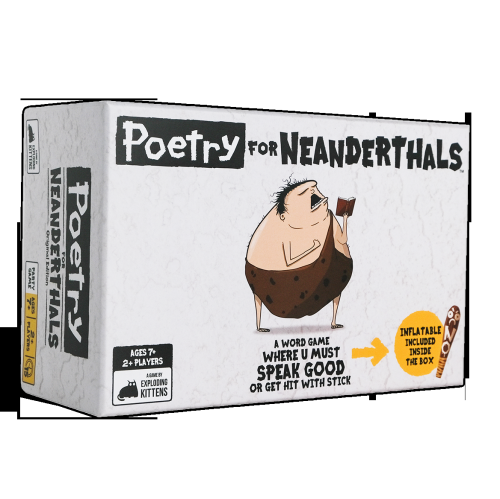 Your price for this item is $34.99
 -
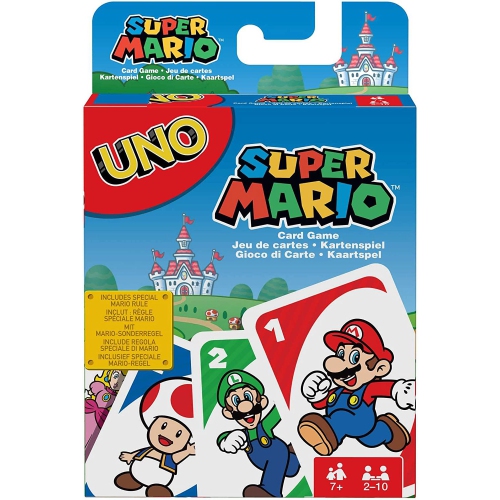 Your price for this item is $15
 -
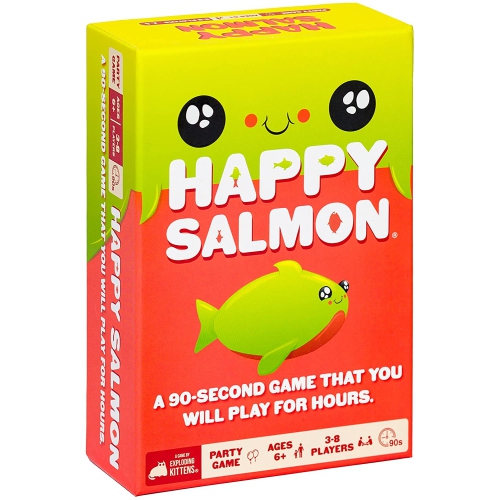 Your price for this item is $21.99
 -
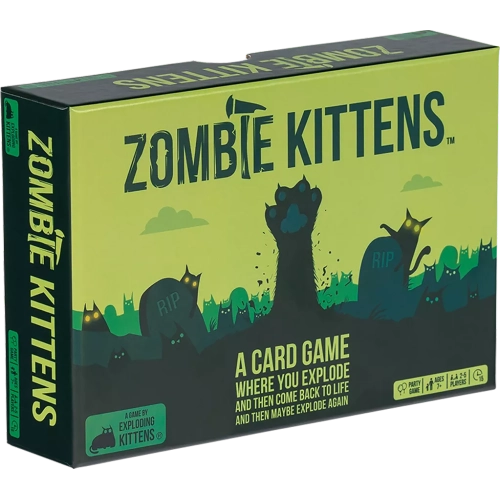 Your price for this item is $34.99
 -
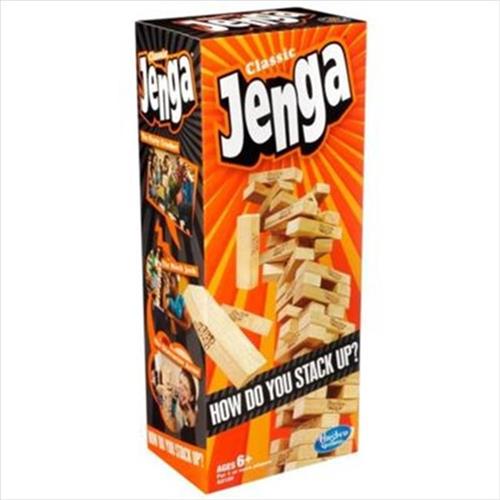 Your price for this item is $35.59
 -
 Your price for this item is $20.93
 -
 Your price for this item is $31.99
Discover more categories related to Abstract Games
Top Collections:
Pokemon Centers, Kindle Devices, Best Budget Office Chairs, Apple iPhones 16, Best Laptops for Writers, iPhone 15 Apple, Canon G7X Cameras, Refurbished Apple Laptops, Alarm Clock, Motorola Razr Phones
Some products may be subject to Environmental Handling Fees
(EHF) depending on your province.
Learn more about EHFs.