Abstract Strategy Board Games
Elevate your game nights with abstract strategy board games, where every move counts and thoughtful planning leads to victory. Perfect for players who enjoy testing their skills, these games focus on tactics, logic, and creative problem-solving. Explore a diverse selection designed to challenge the mind and provide hours of engaging entertainment for all ages. Discover the world of abstract strategy board games and find the perfect addition to your collection today.
Sort
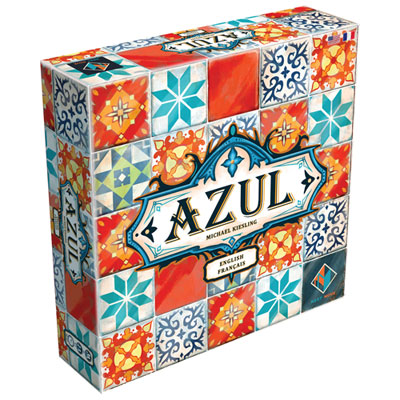
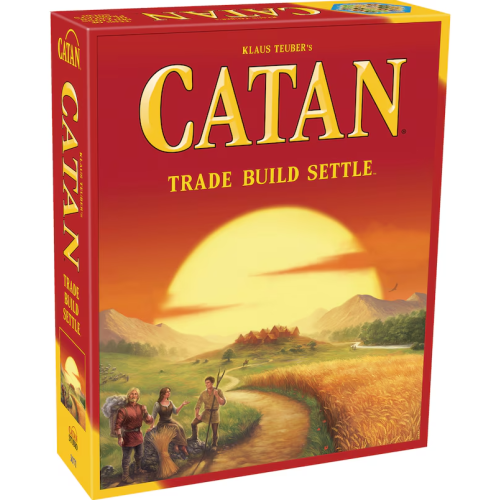
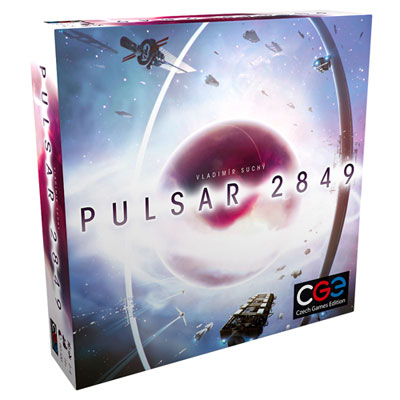
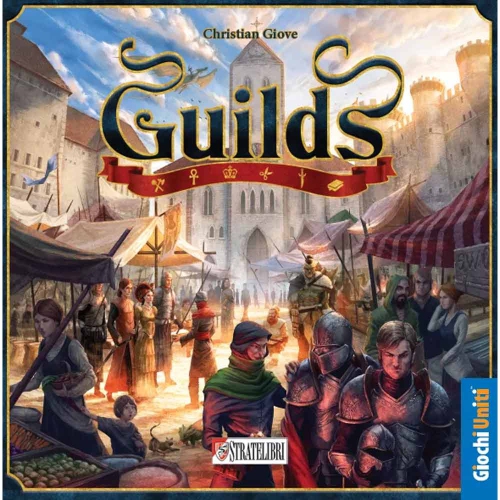
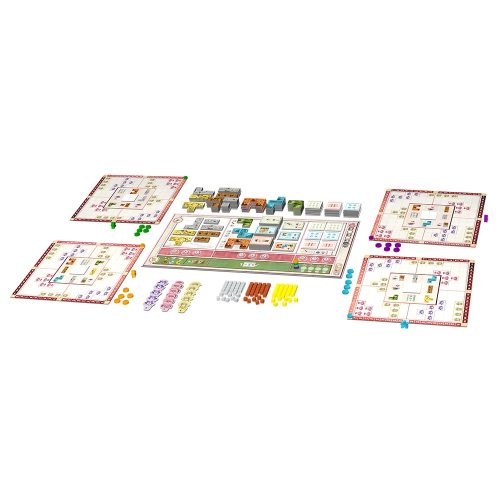
![STONEMAIER GAMES Euphoria - Essential Edition [Board Game, 2-6 Players]](https://multimedia.bbycastatic.ca/multimedia/products/500x500/199/19968/19968520.jpeg)
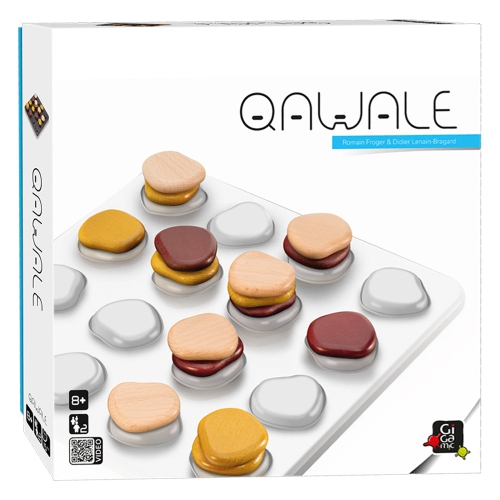
![GIGAMIC Qawale Mini [Board Game, 1 - 4 Players]](https://multimedia.bbycastatic.ca/multimedia/products/500x500/193/19384/19384312.jpeg)
![ASMODEE Orbis [Board Game, 2-4 Players]](https://multimedia.bbycastatic.ca/multimedia/products/500x500/151/15158/15158881.jpeg)
![STONEMAIER GAMES Between Two Castles - Essential Edition [Board Game, 2-7 Players]](https://multimedia.bbycastatic.ca/multimedia/products/500x500/196/19659/19659999.jpeg)
![CAPSTONE GAMES Anunnaki: Dawn Of The Gods [Board Game, 1 - 4 Players]](https://multimedia.bbycastatic.ca/multimedia/products/500x500/196/19677/19677134.jpeg)
![AWAKEN REALMS World In Progress [Board Game, 2 - 5 Players]](https://multimedia.bbycastatic.ca/multimedia/products/500x500/196/19679/19679682.jpeg)
![CAPSTONE GAMES Stephens By Rola E Costa [Board Game, 1 - 4 Players]](https://multimedia.bbycastatic.ca/multimedia/products/500x500/196/19679/19679685.jpeg)

![NINTENDO GAMES Advance Wars 1+2: Re-Boot Camp for Nintendo Switch [Videogames] Great! Best Buy delivered the game in perfect condition and on time](https://multimedia.bbycastatic.ca/multimedia/products/500x500/177/17720/17720169.jpeg)

Where every move rewards planning, patience, and tactical thinking
Abstract strategy board games are built around decisions rather than chance. In most cases, players compete on an open board with every piece, position, and possible move visible throughout the game. There are no dice rolls or shuffled cards to determine the outcome, so success comes from reading the board, planning several turns ahead, and adapting when an opponent disrupts an intended route. This combination of simple rules and layered decisions gives abstract strategy games their lasting appeal. A new player can often learn the basic movement or placement rules in a few minutes, while experienced players continue discovering more effective patterns, traps, and counterplays over many sessions. Many games in this category are designed primarily for two players, creating a focused contest that can feel like a conversation conducted through the board. One turn may open a path, claim a key space, or create a threat that is easy to overlook; the other player must respond while considering what that response will make possible next. The visual style may be minimal, geometric, or inspired by familiar objects and themes, but the central experience remains tactical problem-solving. Abstract strategy board games can be a strong choice for people who enjoy chess-like planning, puzzles, logic challenges, or competitive play without random outcomes. They also suit players who appreciate games that can be replayed frequently, since changing the opening moves and defensive choices can produce a completely different match.
When choosing an abstract strategy board game, start by considering the number of players, typical play time, and the level of challenge that fits the intended group. A compact two-player game with a match that lasts 15 to 30 minutes can work well for a quick evening activity, a break from screens, or a best-of-three rivalry at the kitchen table. Longer games may offer more room for developing a strategy, managing several objectives, and recovering from an early mistake, but they require players who are comfortable settling in for a more concentrated session. The board layout and movement system also make a meaningful difference. Some games focus on positioning pieces to create lines, connections, or enclosed areas, while others ask players to build upward, control territory, block routes, or use a limited set of actions in increasingly clever ways. Look for clear instructions and components that are easy to handle, particularly if the game will be shared with younger players or used by people who are new to strategy games. A smaller footprint can be helpful in apartments, dorm rooms, cottages, or any space where a full-size table is not always available. Storage matters as well; trays, bags, or a well-organized box can make setup and cleanup less of a chore. For a gift, abstract strategy board games are especially appealing because they do not depend on a particular season, franchise, or player collection. They can be given to a friend who enjoys puzzles, a couple looking for an activity they can share, or a family member who likes thoughtful competition. During the cooler months, a game with a crisp board, tactile pieces, and a short setup can turn an ordinary evening indoors into a focused, memorable match.
Abstract strategy games are also a useful way to bring different generations together because the main advantage comes from observation and decision-making rather than speed, trivia knowledge, or physical strength. A grandparent and grandchild can learn the rules together, while two friends can refine their approaches over repeated games and develop familiar opening tactics. For younger players, these games can encourage spatial reasoning, patience, pattern recognition, and the habit of considering consequences before acting. Adults may enjoy the same games as a quiet alternative to party games or as a more portable option for travel, visits, and weekend getaways. Since both players generally have access to the same information, a match can feel fair and transparent, although the depth of the strategy may still provide a demanding challenge. Players who want more complexity can explore Complex Strategy Board Games, while those seeking a more direct contest may prefer the streamlined structure of abstract play. Before purchasing, consider whether the recipient prefers fast tactical choices or slower planning, a traditional grid or a three-dimensional board, and a game that rewards careful defence or bold attacks. It is also worth checking the recommended age range and whether the components require delicate handling. A well-chosen abstract strategy board game can become a familiar ritual: pieces spread across the table, a few quiet minutes spent studying the opening, and the satisfying pause that follows a move neither player saw coming. With no luck to blame and no hidden information to reveal, every victory feels earned, every loss offers a lesson, and each rematch presents a fresh opportunity to try a different plan.
When choosing an abstract strategy board game, start by considering the number of players, typical play time, and the level of challenge that fits the intended group. A compact two-player game with a match that lasts 15 to 30 minutes can work well for a quick evening activity, a break from screens, or a best-of-three rivalry at the kitchen table. Longer games may offer more room for developing a strategy, managing several objectives, and recovering from an early mistake, but they require players who are comfortable settling in for a more concentrated session. The board layout and movement system also make a meaningful difference. Some games focus on positioning pieces to create lines, connections, or enclosed areas, while others ask players to build upward, control territory, block routes, or use a limited set of actions in increasingly clever ways. Look for clear instructions and components that are easy to handle, particularly if the game will be shared with younger players or used by people who are new to strategy games. A smaller footprint can be helpful in apartments, dorm rooms, cottages, or any space where a full-size table is not always available. Storage matters as well; trays, bags, or a well-organized box can make setup and cleanup less of a chore. For a gift, abstract strategy board games are especially appealing because they do not depend on a particular season, franchise, or player collection. They can be given to a friend who enjoys puzzles, a couple looking for an activity they can share, or a family member who likes thoughtful competition. During the cooler months, a game with a crisp board, tactile pieces, and a short setup can turn an ordinary evening indoors into a focused, memorable match.
Abstract strategy games are also a useful way to bring different generations together because the main advantage comes from observation and decision-making rather than speed, trivia knowledge, or physical strength. A grandparent and grandchild can learn the rules together, while two friends can refine their approaches over repeated games and develop familiar opening tactics. For younger players, these games can encourage spatial reasoning, patience, pattern recognition, and the habit of considering consequences before acting. Adults may enjoy the same games as a quiet alternative to party games or as a more portable option for travel, visits, and weekend getaways. Since both players generally have access to the same information, a match can feel fair and transparent, although the depth of the strategy may still provide a demanding challenge. Players who want more complexity can explore Complex Strategy Board Games, while those seeking a more direct contest may prefer the streamlined structure of abstract play. Before purchasing, consider whether the recipient prefers fast tactical choices or slower planning, a traditional grid or a three-dimensional board, and a game that rewards careful defence or bold attacks. It is also worth checking the recommended age range and whether the components require delicate handling. A well-chosen abstract strategy board game can become a familiar ritual: pieces spread across the table, a few quiet minutes spent studying the opening, and the satisfying pause that follows a move neither player saw coming. With no luck to blame and no hidden information to reveal, every victory feels earned, every loss offers a lesson, and each rematch presents a fresh opportunity to try a different plan.
Top selling and popular products
-
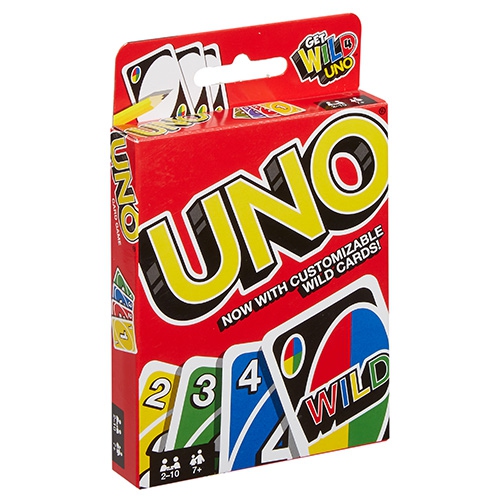 Your price for this item is $14.99
 -
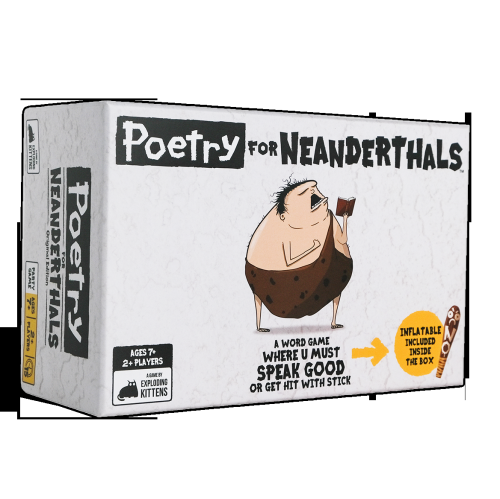 Your price for this item is $34.99
 -
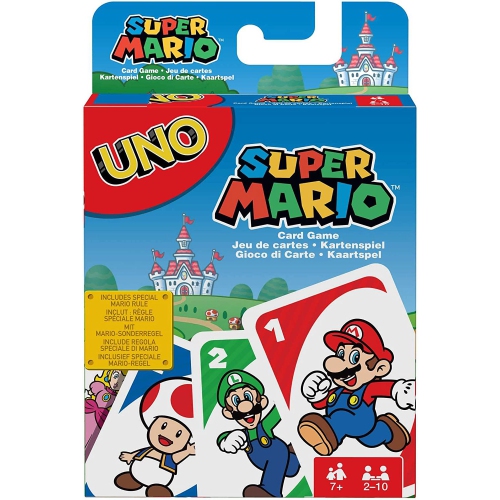 Your price for this item is $15
 -
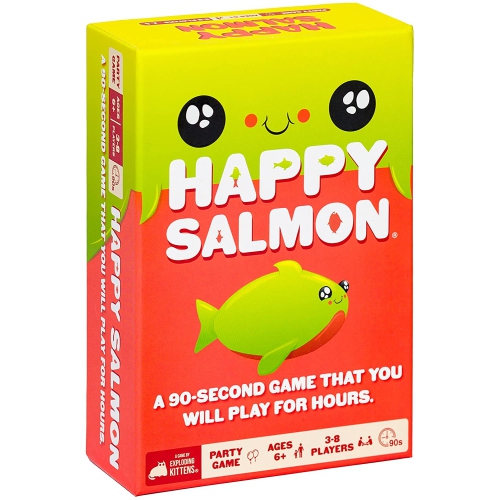 Your price for this item is $21.99
 -
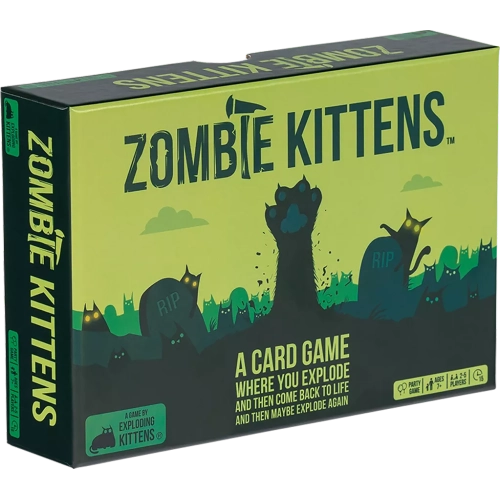 Your price for this item is $34.99
 -
 Your price for this item is $35.59
 -
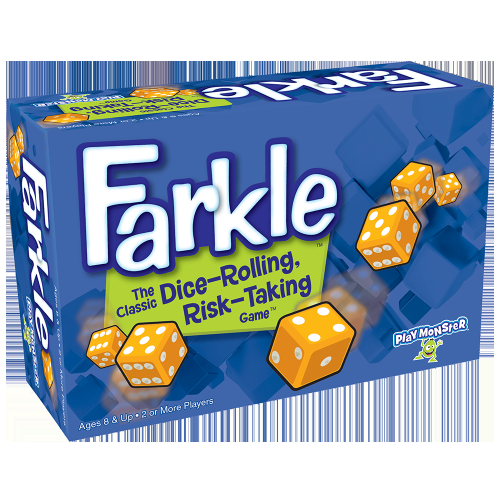 Your price for this item is $20.93
 -
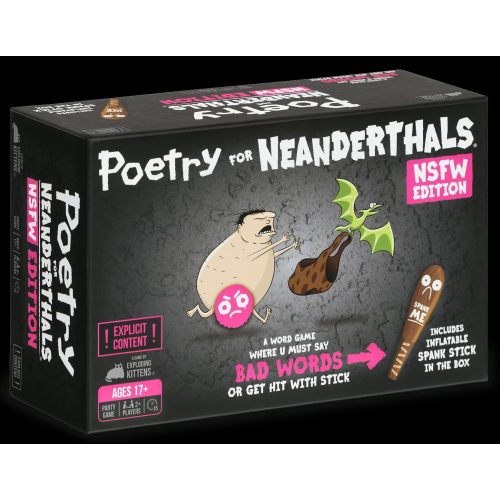 Your price for this item is $31.99
Discover more categories related to Abstract Strategy Board Games
Top Collections:
Pokemon Centers, Kindle Devices, Best Budget Office Chairs, Apple iPhones 16, Best Laptops for Writers, iPhone 15 Apple, Canon G7X Cameras, Refurbished Apple Laptops, Alarm Clock, Motorola Razr Phones
Some products may be subject to Environmental Handling Fees
(EHF) depending on your province.
Learn more about EHFs.