Unique Games
Discover a world of unparalleled excitement with our collection of unique games, where creativity meets entertainment. Perfect for all ages and interests, these games promise to transform any gathering into an unforgettable experience. Whether you're looking to challenge your strategic thinking, ignite laughter with friends, or explore new realms of imagination, our diverse selection offers something special for everyone. Dive into a universe of fun and innovation that will keep you coming back for more.
Sort
![BANDAI NAMCO We Love Katamari Reroll + Royal Reverie for Nintendo Switch [Videogames] Love this game; glad I was able to find it at Best Buy!](https://multimedia.bbycastatic.ca/multimedia/products/500x500/177/17716/17716905.jpeg)
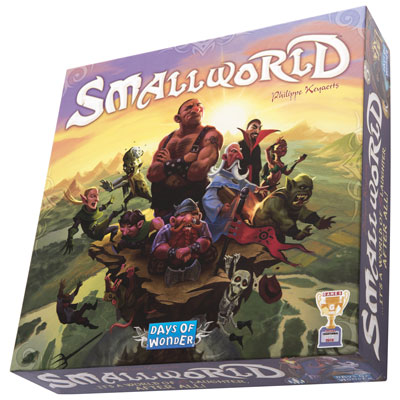
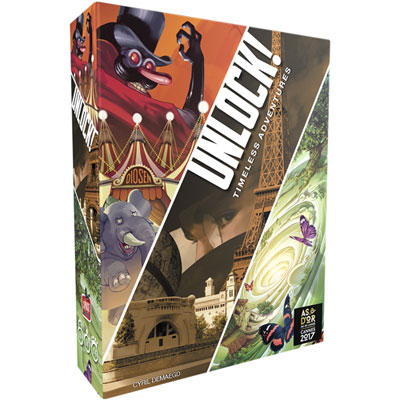
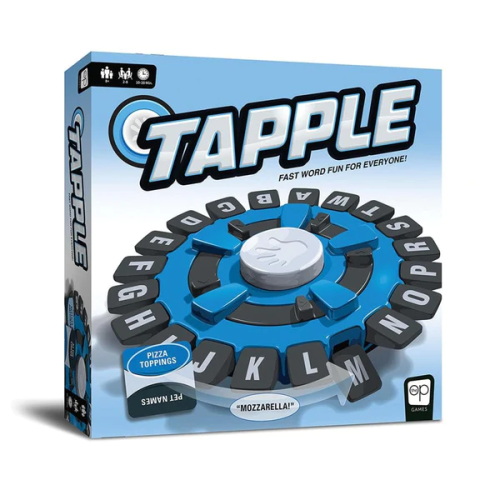
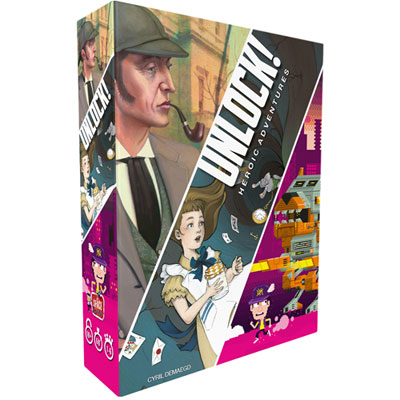
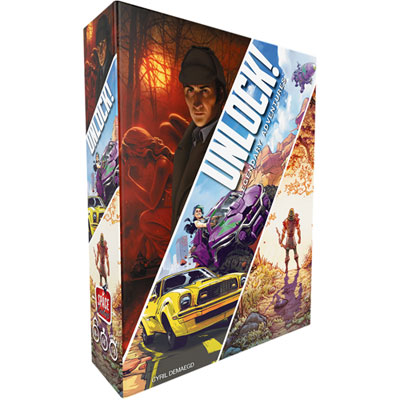
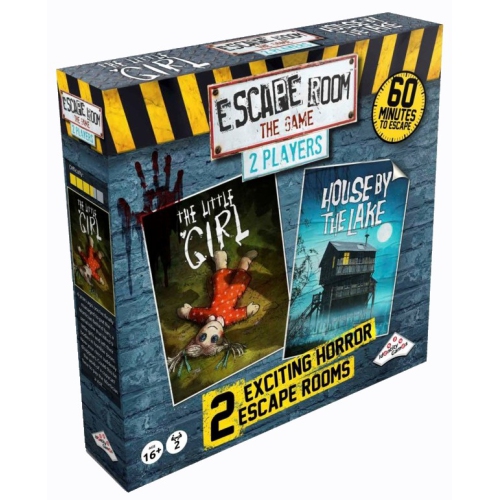
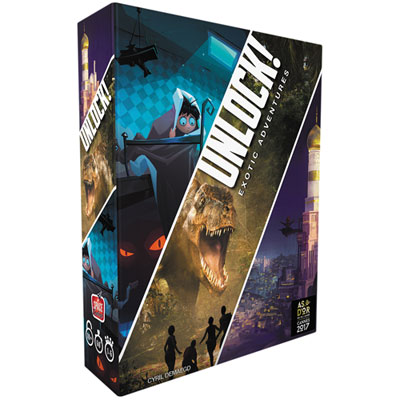
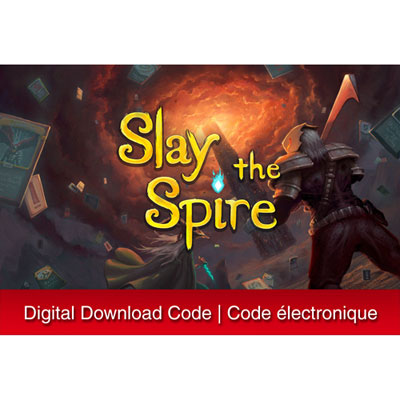
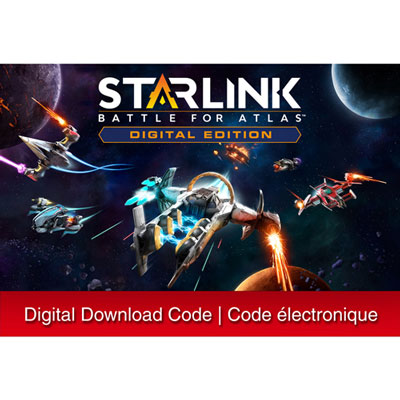
![RED ART GAMES Shotgun King: The Final Checkmate [Nintendo Switch]](https://multimedia.bbycastatic.ca/multimedia/products/500x500/194/19477/19477159.jpeg)
![RED ART GAMES Shinorubi [Nintendo Switch]](https://multimedia.bbycastatic.ca/multimedia/products/500x500/193/19384/19384052.jpeg)
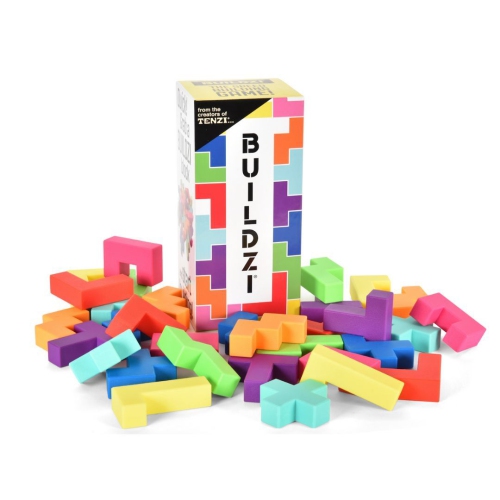
![GS2 GAMES Contraptions Collection [Playstation 5]](https://multimedia.bbycastatic.ca/multimedia/products/500x500/193/19382/19382773.jpeg)
![SUPER RARE GAMES Tabs: Totally Accurate Battle Simulator: Srg#92 [Nintendo Switch]](https://multimedia.bbycastatic.ca/multimedia/products/500x500/193/19382/19382880.png)
![MODUS Them's Fightin' Herds [Nintendo Switch]](https://multimedia.bbycastatic.ca/multimedia/products/500x500/193/19382/19382797.jpeg)
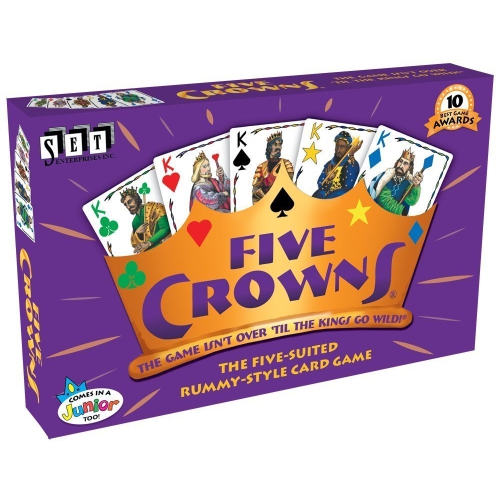
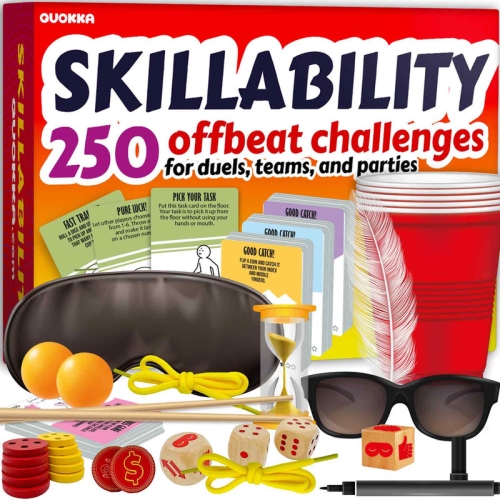
![LIMITED RUN GAMES Hyper Gunsport - Limited Run #069 [Playstation 5]](https://multimedia.bbycastatic.ca/multimedia/products/500x500/179/17980/17980044.jpeg)
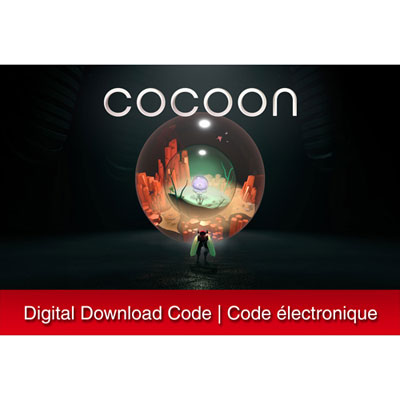
![SUPER RARE GAMES Astrea: Six-Sided Oracles - Srg#133 [Nintendo Switch]](https://multimedia.bbycastatic.ca/multimedia/products/500x500/197/19796/19796490.jpeg)
![RIDLEY'S GAMES This And That Game, Mash UPS - [Board Game]](https://multimedia.bbycastatic.ca/multimedia/products/500x500/194/19478/19478022.jpeg)
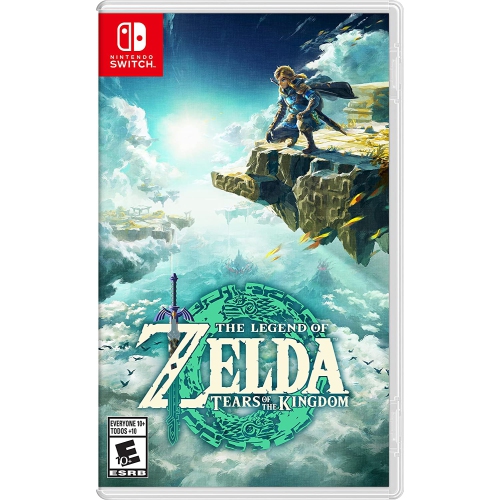
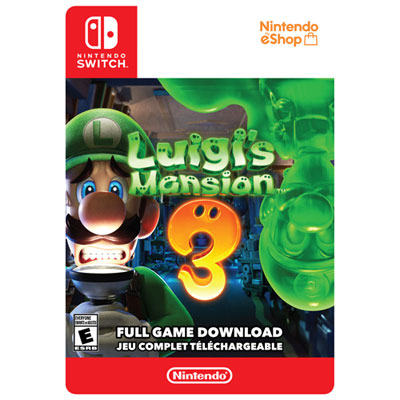
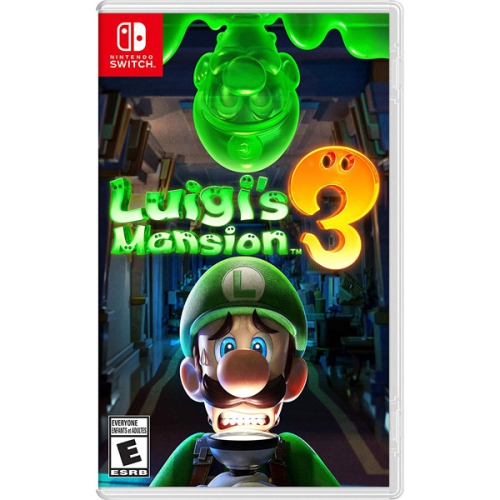
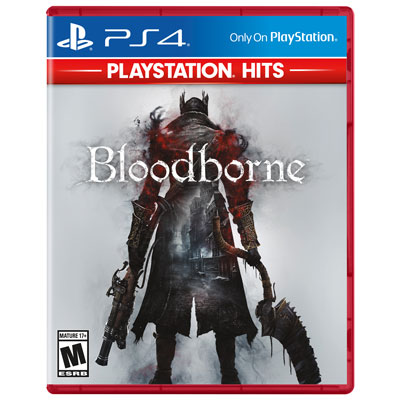
![NINTENDO Pokemon Legends: Arceus [ Switch] Great game](https://multimedia.bbycastatic.ca/multimedia/products/500x500/161/16176/16176883.jpeg)
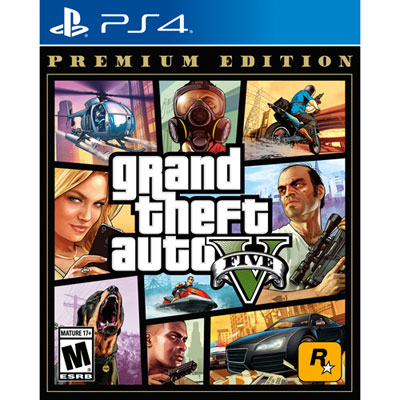
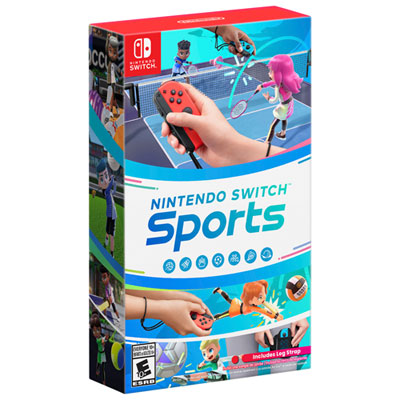
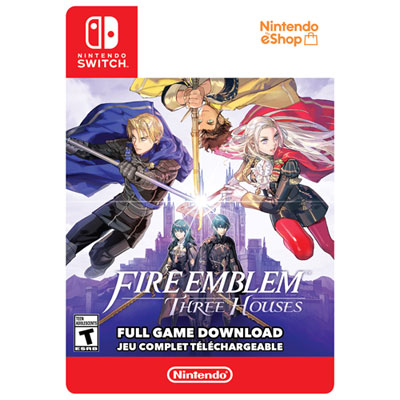
![FANGAMER Undertale [Nintendo Switch] Great](https://multimedia.bbycastatic.ca/multimedia/products/500x500/148/14876/14876227.jpeg)
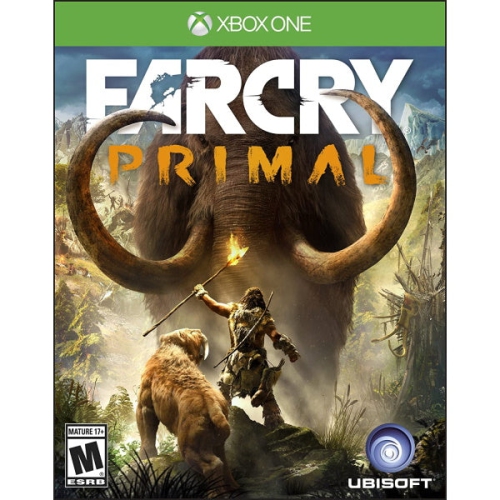
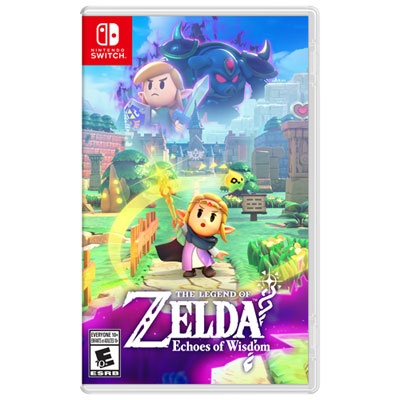
![NINTENDO Xenoblade Chronicles 3D [New 3Ds] One of the best Wii games in the world and it will be one of the best 3DS games](https://multimedia.bbycastatic.ca/multimedia/products/500x500/148/14828/14828319.jpeg)
![NINTENDO Luigi's Mansion: Dark Moon [ 3Ds] This is one of the best 3D game on 3DS so far](https://multimedia.bbycastatic.ca/multimedia/products/500x500/152/15268/15268025.png)
![NINTENDO Pikmin 3 [ Wii U] Great to play](https://multimedia.bbycastatic.ca/multimedia/products/500x500/147/14763/14763854.png)
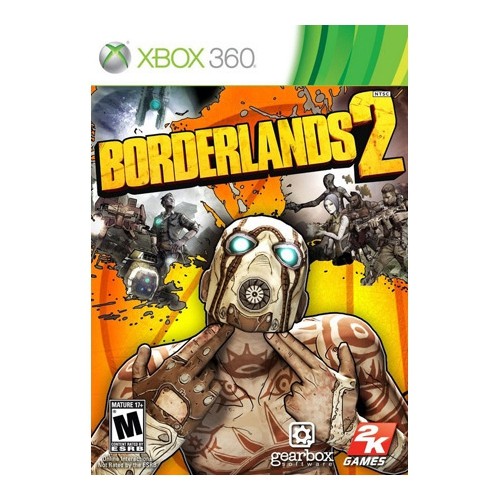
![WISH STUDIOS That's You [Playstation 4] Great game](https://multimedia.bbycastatic.ca/multimedia/products/500x500/152/15263/15263554.jpeg)
![SEGA 7Th Dragon Iii Code: Vfd - Launch First Print Edition [Nintendo 3Ds] Great jrpg](https://multimedia.bbycastatic.ca/multimedia/products/500x500/148/14828/14828086.jpeg)
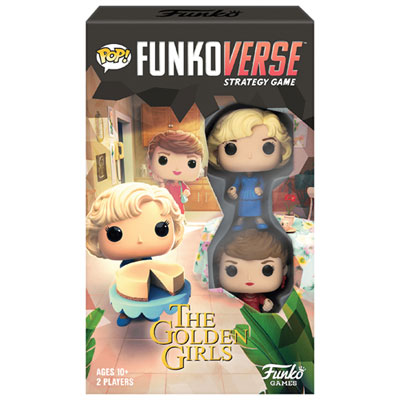
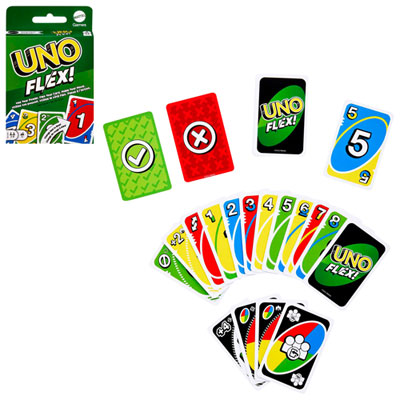
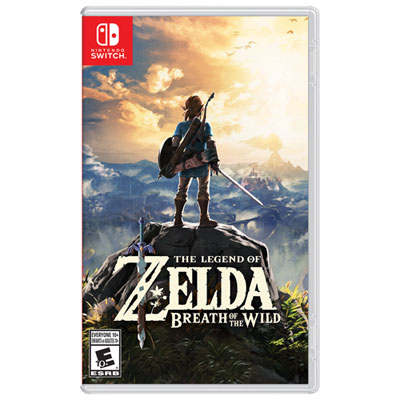
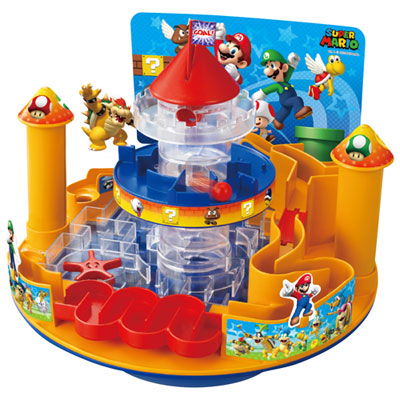
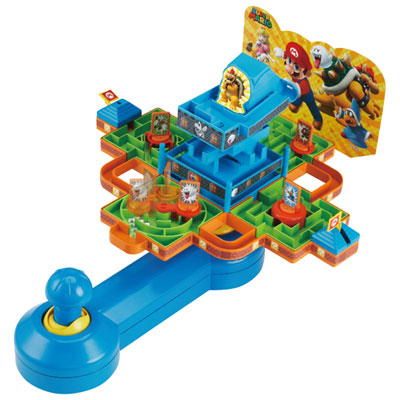
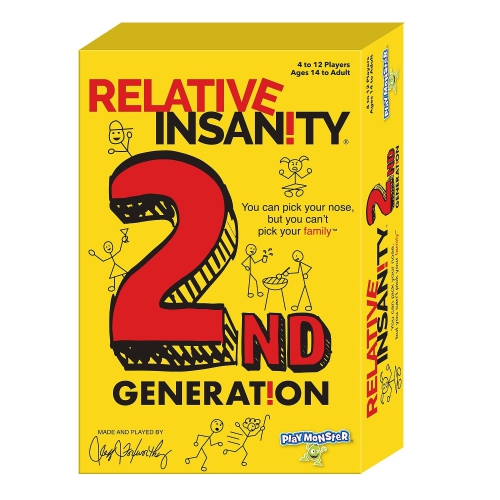
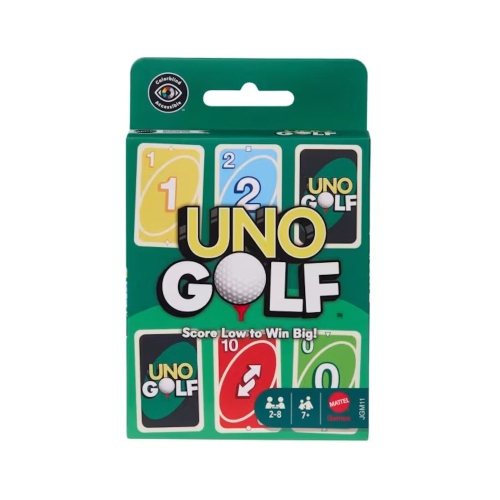
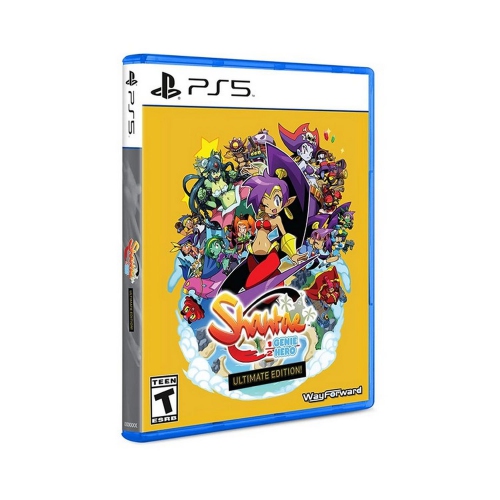
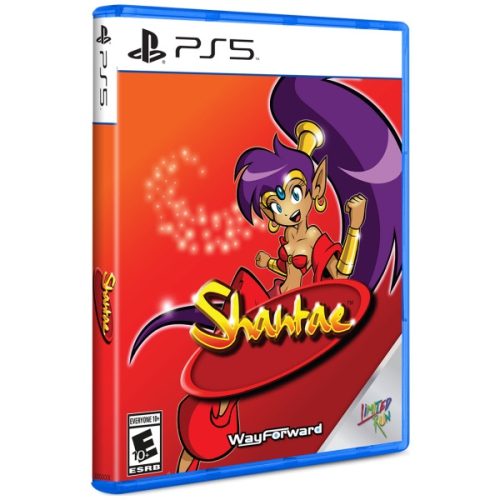
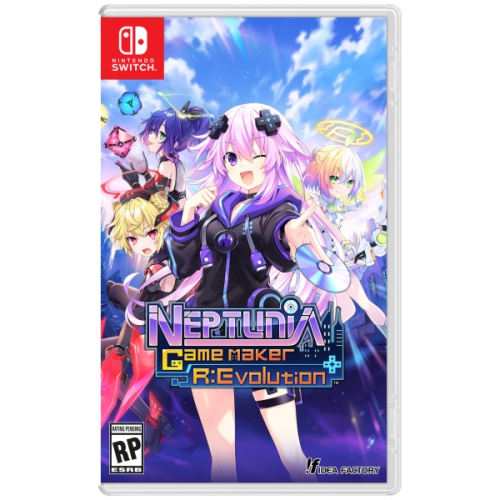
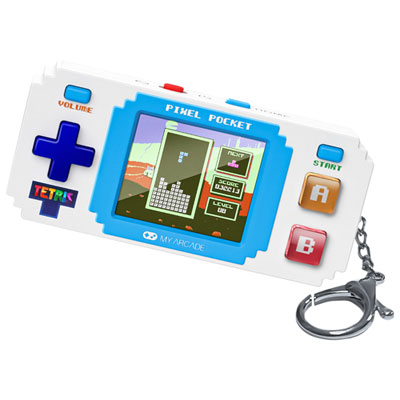
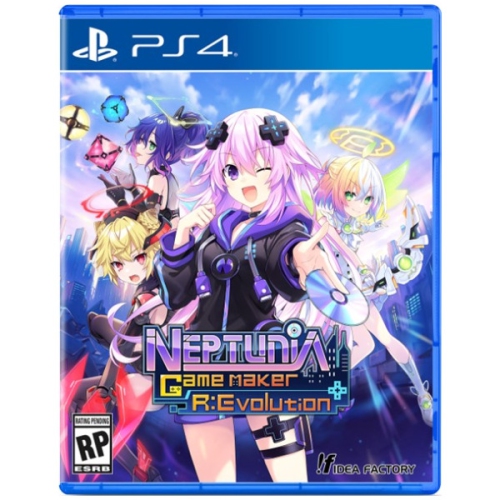
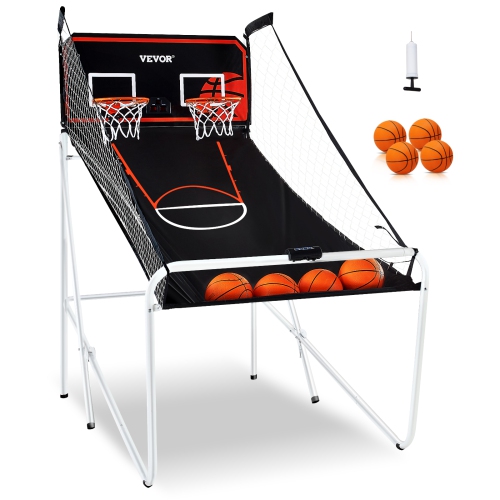
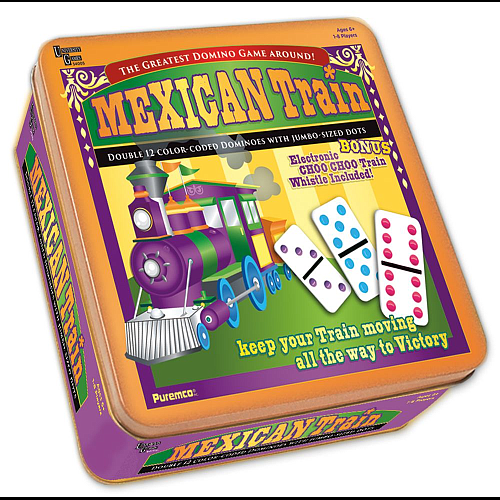
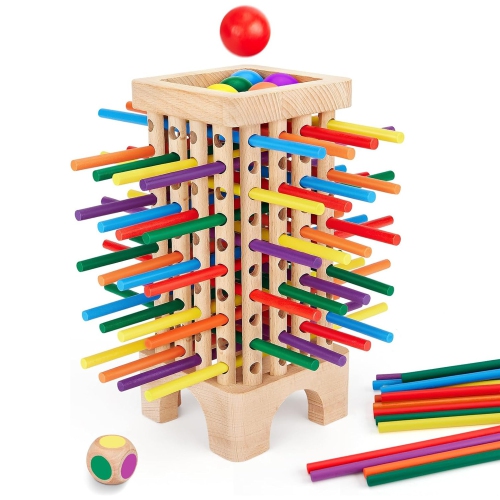
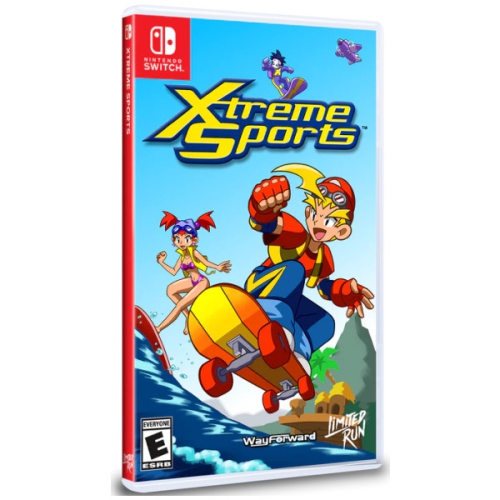
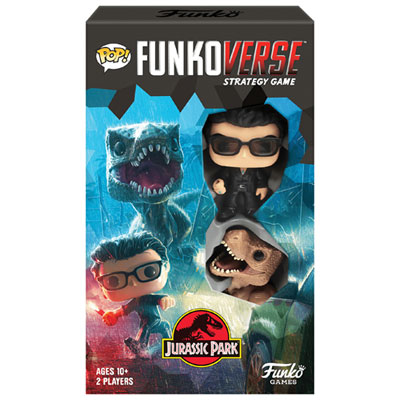

![MATTEL Uno: Masters Of The Universe Exclusive [2 - 10 Players] Card Game](https://multimedia.bbycastatic.ca/multimedia/products/500x500/193/19383/19383136.jpeg)
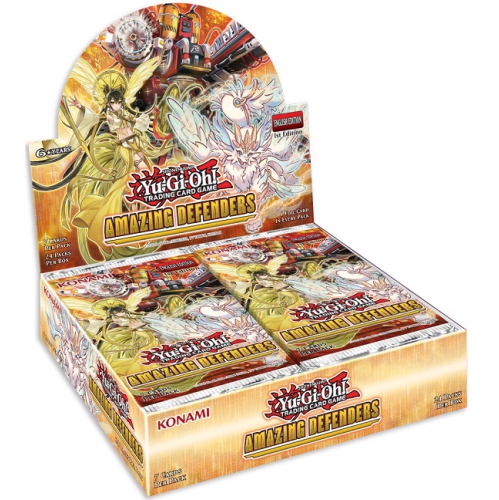
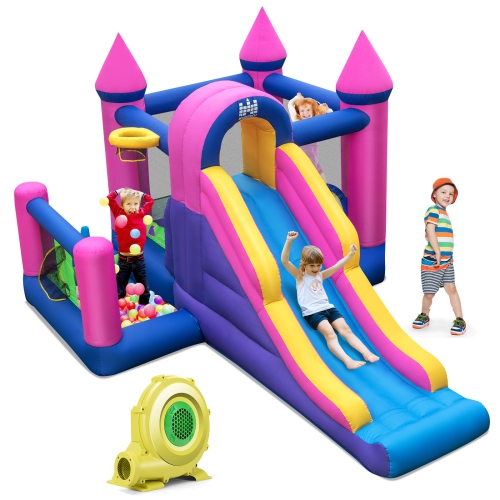
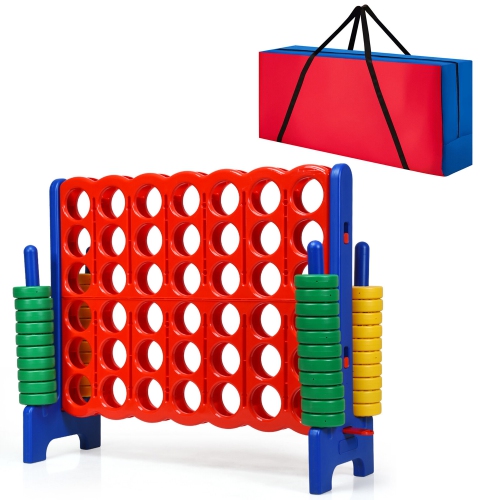
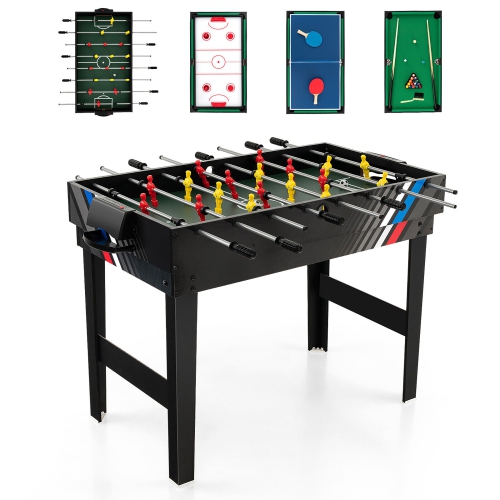
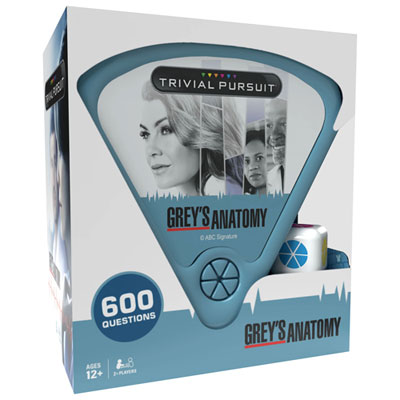
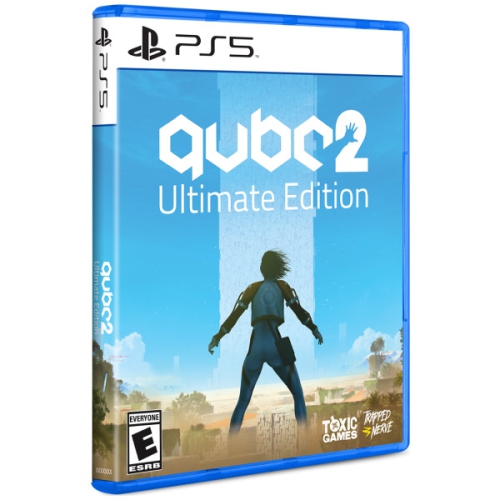
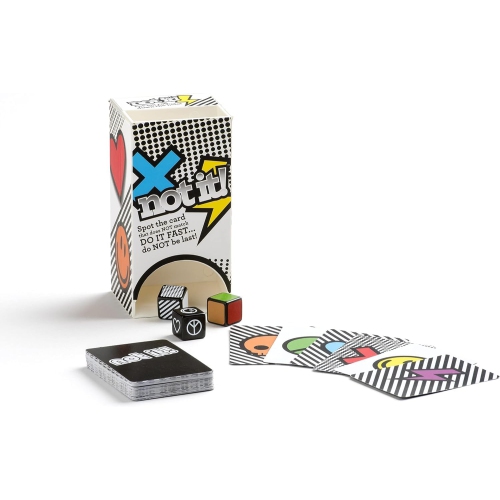
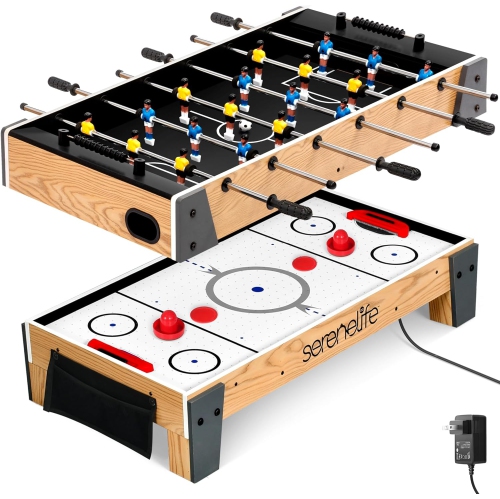
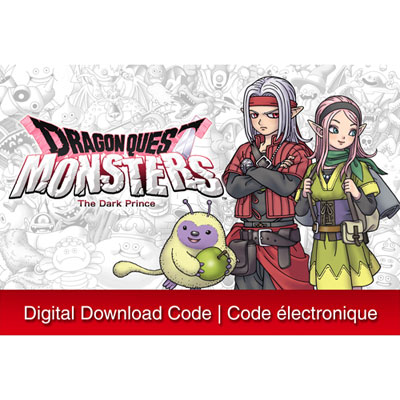
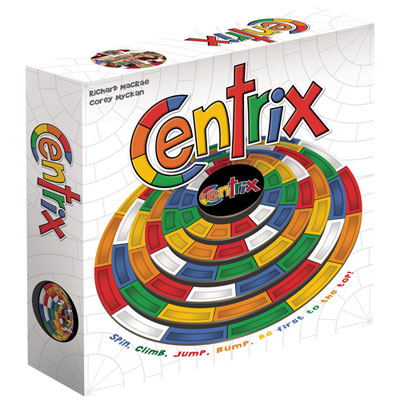
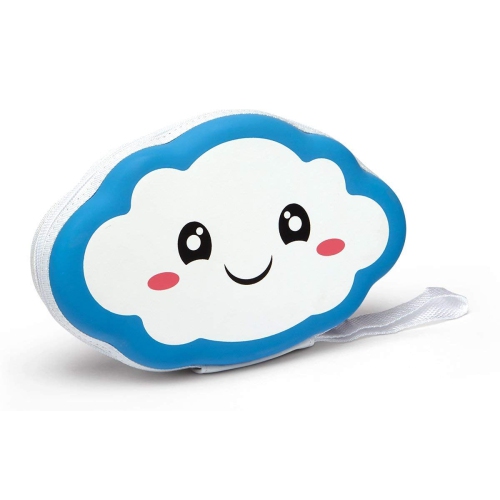
![SAS CREATIVE Carthage - The Deckbuilding Board Game [Board Game, 1-5 Players]](https://multimedia.bbycastatic.ca/multimedia/products/500x500/151/15158/15158860.jpeg)
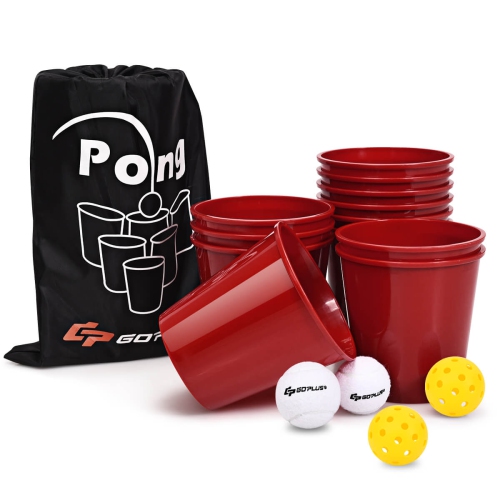
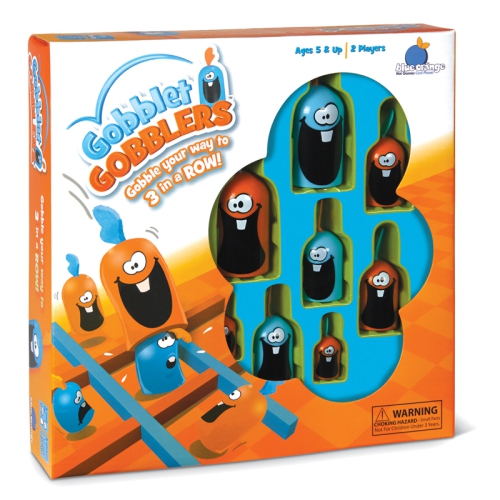

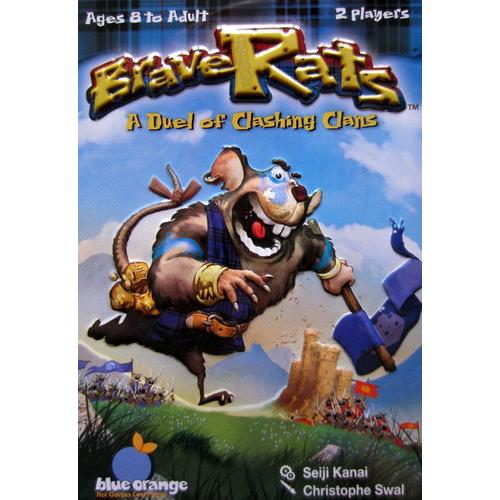
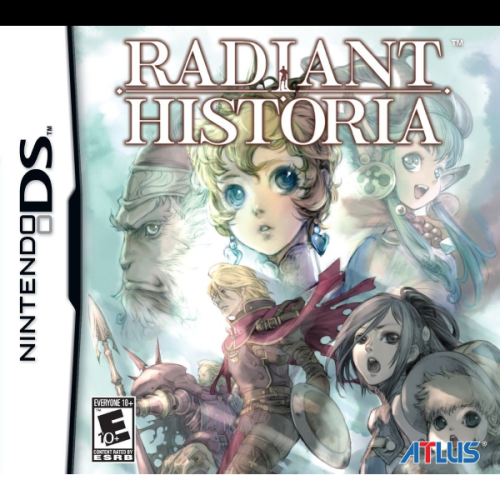
![FUNBOX MEDIA Pretty Girls Game Collection 4 [Playstation 4]](https://multimedia.bbycastatic.ca/multimedia/products/500x500/193/19382/19382950.jpeg)
![SUPER RARE GAMES Dorfromantik: Srg#109 [Nintendo Switch]](https://multimedia.bbycastatic.ca/multimedia/products/500x500/193/19382/19382652.jpeg)
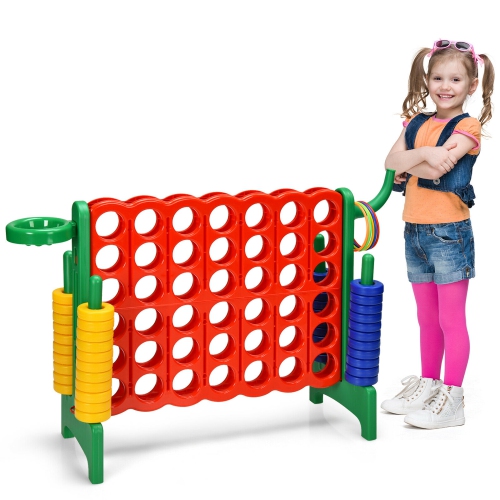
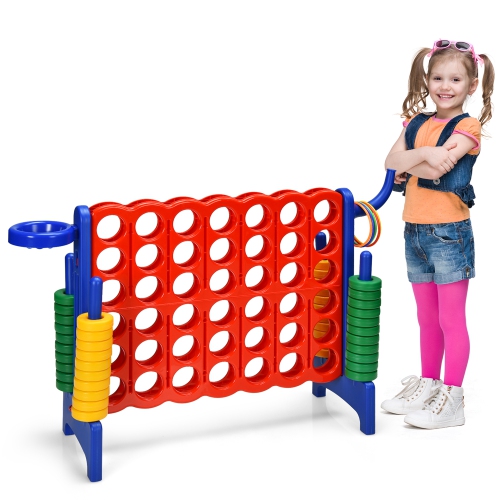
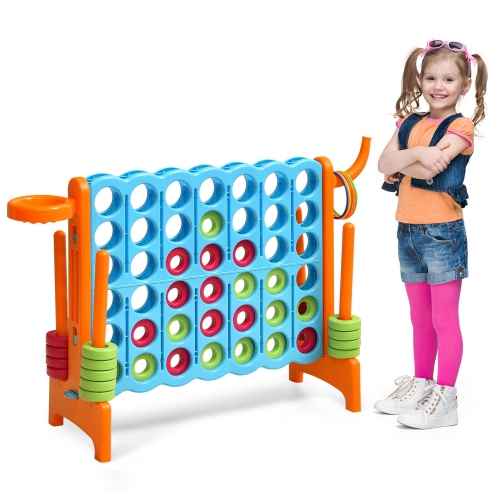
![PLAID HAT GAMES Gen7: A Crossroads Game [Board Game, 3-4 Players]](https://multimedia.bbycastatic.ca/multimedia/products/500x500/153/15332/15332353.jpeg)
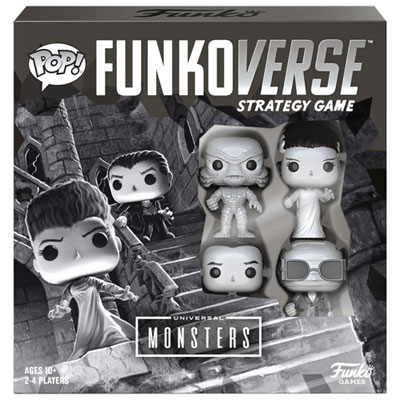
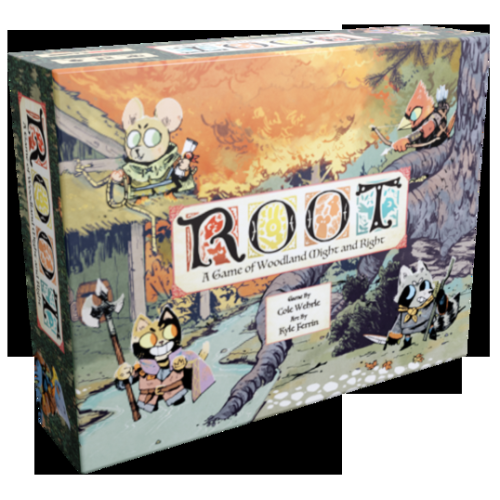

![RIDLEY'S GAMES Mash-UPS Who Would Beat Who? Battles [Board Game, Ages 6+]](https://multimedia.bbycastatic.ca/multimedia/products/500x500/165/16590/16590628.jpeg)
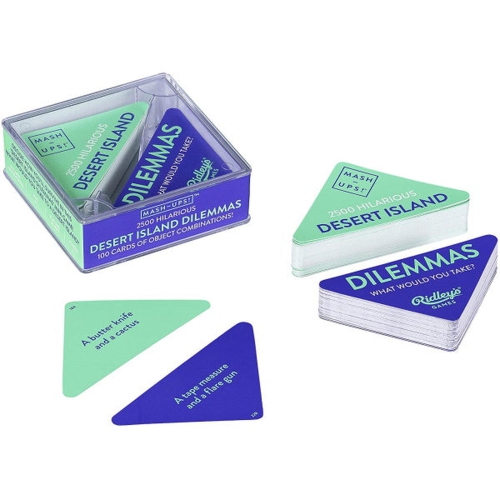
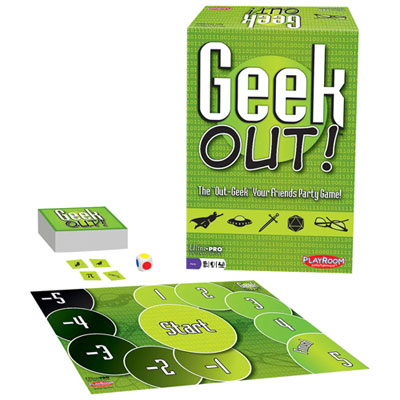
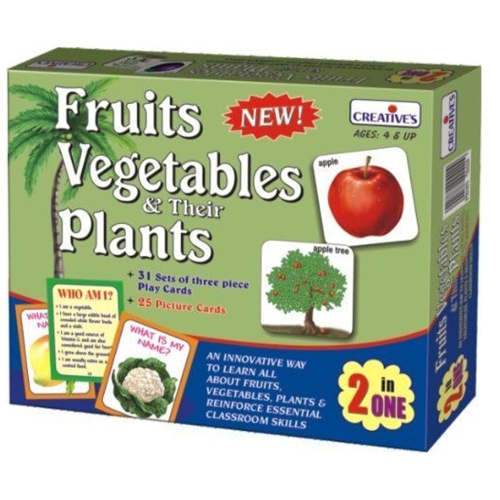
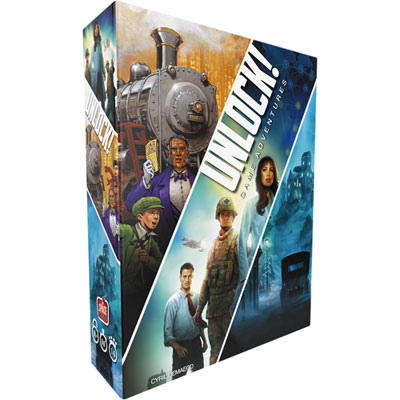

Unusual mechanics and stories make every play memorable
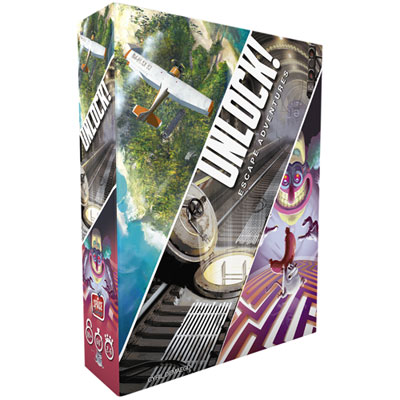
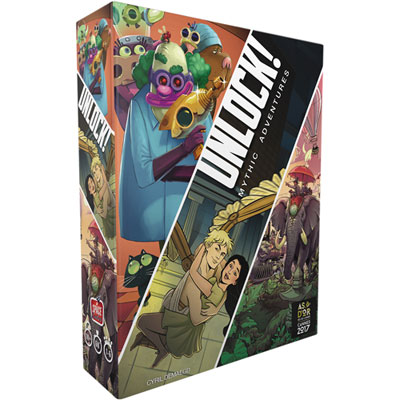
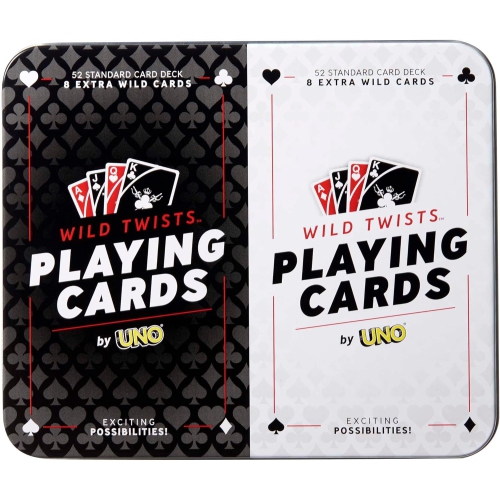
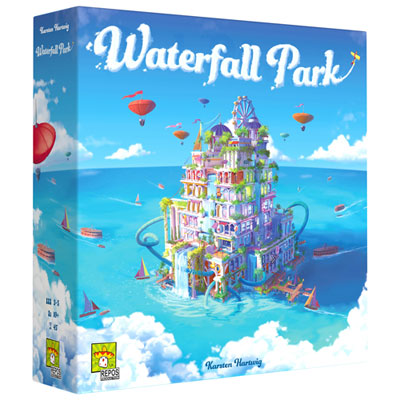
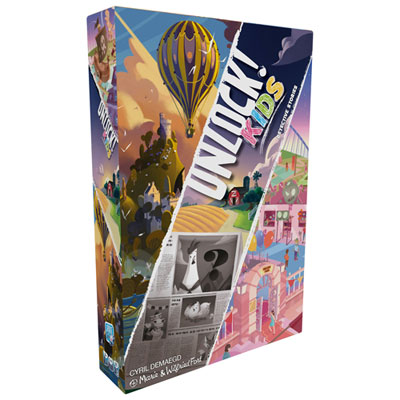
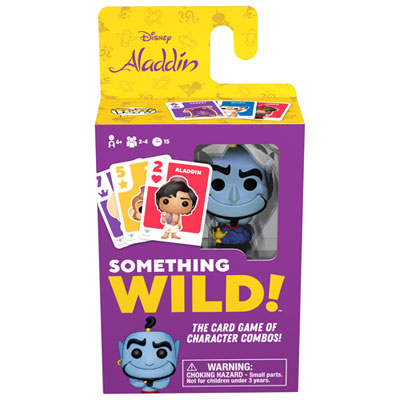
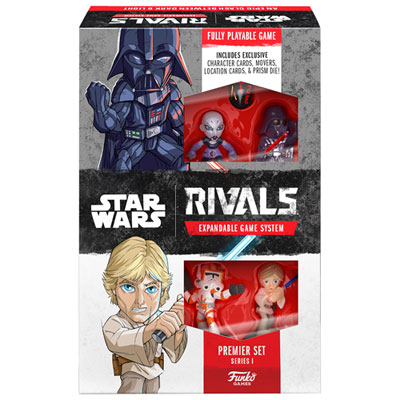
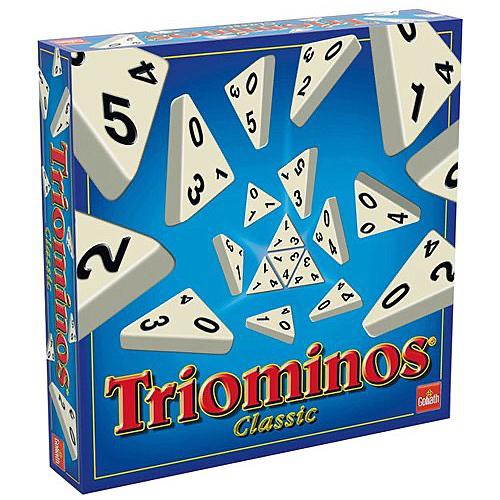
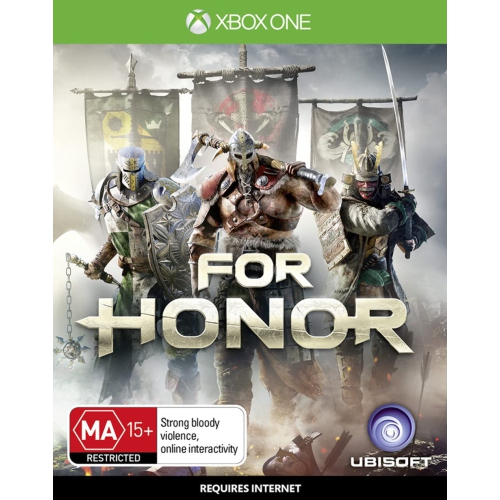
Unique games bring a sense of discovery to play through unusual mechanics, imaginative themes, distinctive visual styles, or stories that do not follow familiar formulas. Rather than relying only on traditional racing, sports, strategy, or matching formats, these games may ask players to reinterpret the rules, solve problems from an unexpected perspective, build a story together, or uncover information piece by piece. Some are tabletop experiences built around cards, tiles, dice, boards, hidden information, or cooperative challenges, while others are video games designed for consoles, computers, or handheld devices. A unique game can be atmospheric and story-driven, quick and social, thoughtful and puzzle-focused, or highly replayable with a different outcome each time. The common thread is a memorable idea that gives the experience its own identity. For shoppers, that makes these games appealing when familiar favourites have started to feel predictable or when a game night calls for something that sparks conversation. They can suit solo players who enjoy experimenting at their own pace, pairs looking for a shared challenge, families settling in during the cooler months, or groups of friends who like laughter, improvisation, and friendly debate. A creative game can also make a thoughtful gift for someone who enjoys trying new hobbies, collecting unusual experiences, or exploring stories beyond the usual genres.
When choosing among unique games, begin with the way the recipient or play group prefers to spend time. A cooperative game encourages everyone to work toward a shared goal, making it a natural choice for families or groups that appreciate collaboration rather than direct competition. Competitive games may be a better fit for players who enjoy bluffing, deduction, negotiation, planning, or the satisfaction of finding a clever route to victory. Some tabletop games can be learned in a few minutes and played in a short sitting, while others unfold over an evening and reward careful attention to evolving rules, character abilities, or connected scenarios. Check the recommended age range, number of players, estimated play time, and language requirements before purchasing, especially when the game is intended as a gift. A game designed for one or two players may not serve a larger gathering, just as a party-style game may feel less engaging for someone who usually plays alone. Storage and table space also matter: compact card games are easy to bring to a cottage, visit with friends, or weekend trip, while larger boxed games may need a dedicated surface and room to organize components. For digital titles, confirm platform compatibility, required storage, controller or accessory support, internet requirements, and whether the experience is intended for one player or includes local or online multiplayer. When the appeal is primarily visual or narrative, consider whether the recipient enjoys atmospheric exploration, dialogue, world-building, or a slower pace. When the appeal is mechanical, look for descriptions that highlight experimentation, deduction, shifting objectives, unusual controls, or rules that change as the game progresses. Shoppers who enjoy mind-bending challenges may also want to explore Unique Puzzles for additional ways to make problem-solving feel fresh.
Unique games are especially well suited to gifting because they create an activity as well as an object to unwrap. A family member might enjoy a cooperative adventure that turns an ordinary evening at home into a shared mission, while a university student or young professional may appreciate a portable game that fits easily into a small living space and welcomes new people into the group. For children and teens, look for age-appropriate themes, clear instructions, and mechanics that encourage observation, pattern recognition, creativity, or strategic thinking without making the experience feel like homework. For experienced players, an unconventional premise or a fresh structure can be more appealing than a higher level of difficulty alone. Games with branching stories, hidden information, changing conditions, or multiple possible solutions can remain interesting after the first play, while quick social games are useful for casual gatherings where players may be arriving at different times. During early fall through winter, unique games can add variety to evenings spent indoors, but their appeal extends well beyond seasonal use: they can accompany a rainy afternoon, a family visit, a holiday gathering, or a relaxed weekend throughout the year. Before choosing a gift, think about the recipient’s personality as much as their hobbies. Someone who enjoys telling stories may respond to imaginative prompts and role-playing, while a detail-oriented player may prefer deduction and intricate systems. A person who likes lively group activities may value humour, guessing, or negotiation, whereas a quieter player may prefer a solo challenge with a strong sense of atmosphere. With the right combination of theme, complexity, player count, and play time, a unique game can become the title people remember, bring out repeatedly, and recommend after the final turn or closing scene.
When choosing among unique games, begin with the way the recipient or play group prefers to spend time. A cooperative game encourages everyone to work toward a shared goal, making it a natural choice for families or groups that appreciate collaboration rather than direct competition. Competitive games may be a better fit for players who enjoy bluffing, deduction, negotiation, planning, or the satisfaction of finding a clever route to victory. Some tabletop games can be learned in a few minutes and played in a short sitting, while others unfold over an evening and reward careful attention to evolving rules, character abilities, or connected scenarios. Check the recommended age range, number of players, estimated play time, and language requirements before purchasing, especially when the game is intended as a gift. A game designed for one or two players may not serve a larger gathering, just as a party-style game may feel less engaging for someone who usually plays alone. Storage and table space also matter: compact card games are easy to bring to a cottage, visit with friends, or weekend trip, while larger boxed games may need a dedicated surface and room to organize components. For digital titles, confirm platform compatibility, required storage, controller or accessory support, internet requirements, and whether the experience is intended for one player or includes local or online multiplayer. When the appeal is primarily visual or narrative, consider whether the recipient enjoys atmospheric exploration, dialogue, world-building, or a slower pace. When the appeal is mechanical, look for descriptions that highlight experimentation, deduction, shifting objectives, unusual controls, or rules that change as the game progresses. Shoppers who enjoy mind-bending challenges may also want to explore Unique Puzzles for additional ways to make problem-solving feel fresh.
Unique games are especially well suited to gifting because they create an activity as well as an object to unwrap. A family member might enjoy a cooperative adventure that turns an ordinary evening at home into a shared mission, while a university student or young professional may appreciate a portable game that fits easily into a small living space and welcomes new people into the group. For children and teens, look for age-appropriate themes, clear instructions, and mechanics that encourage observation, pattern recognition, creativity, or strategic thinking without making the experience feel like homework. For experienced players, an unconventional premise or a fresh structure can be more appealing than a higher level of difficulty alone. Games with branching stories, hidden information, changing conditions, or multiple possible solutions can remain interesting after the first play, while quick social games are useful for casual gatherings where players may be arriving at different times. During early fall through winter, unique games can add variety to evenings spent indoors, but their appeal extends well beyond seasonal use: they can accompany a rainy afternoon, a family visit, a holiday gathering, or a relaxed weekend throughout the year. Before choosing a gift, think about the recipient’s personality as much as their hobbies. Someone who enjoys telling stories may respond to imaginative prompts and role-playing, while a detail-oriented player may prefer deduction and intricate systems. A person who likes lively group activities may value humour, guessing, or negotiation, whereas a quieter player may prefer a solo challenge with a strong sense of atmosphere. With the right combination of theme, complexity, player count, and play time, a unique game can become the title people remember, bring out repeatedly, and recommend after the final turn or closing scene.
Top selling and popular products
-
 Your price for this item is $14.99
 -
 Your price for this item is $34.99
 -
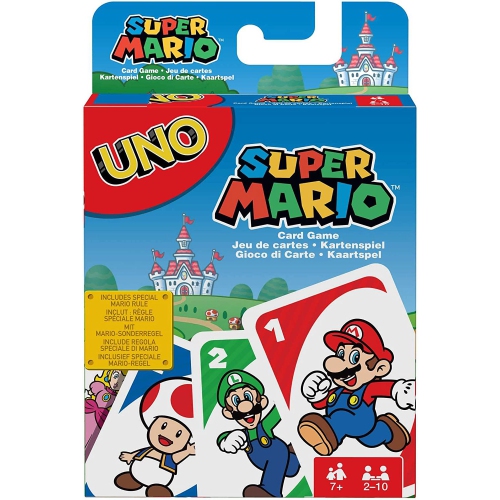 Your price for this item is $15
 -
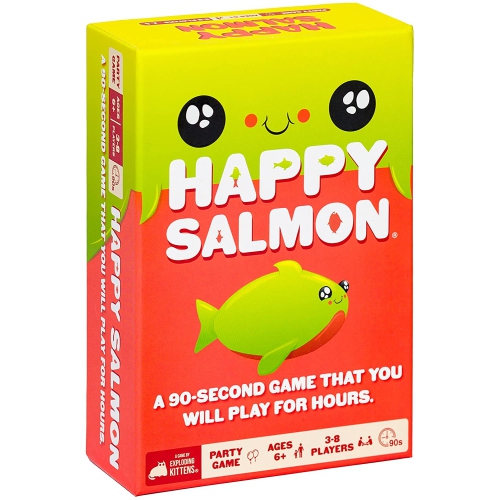 Your price for this item is $21.99
 -
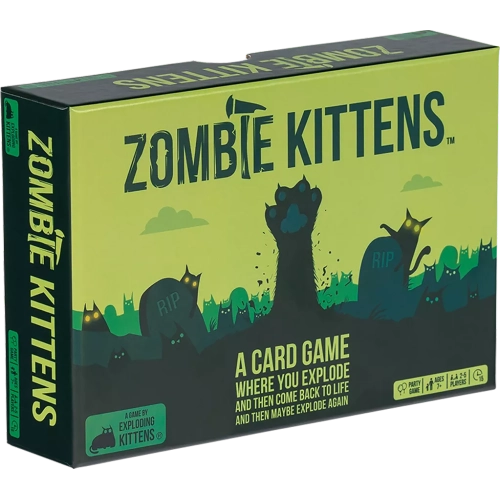 Your price for this item is $34.99
 -
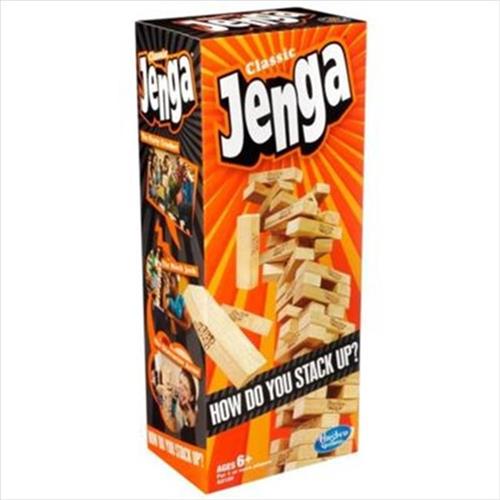 Your price for this item is $35.59
 -
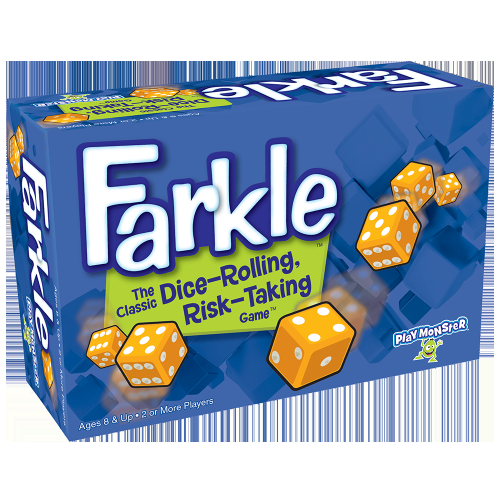 Your price for this item is $20.93
 -
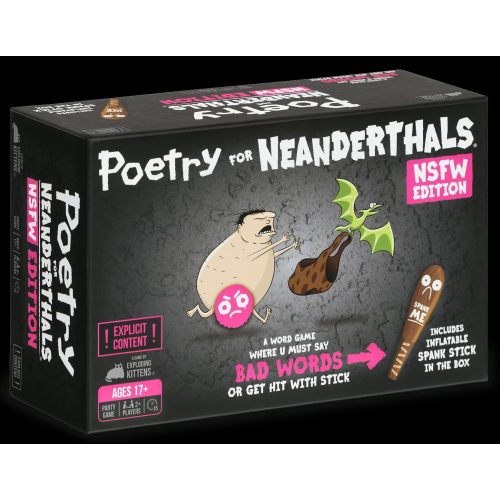 Your price for this item is $31.99
Discover more categories related to Unique Games
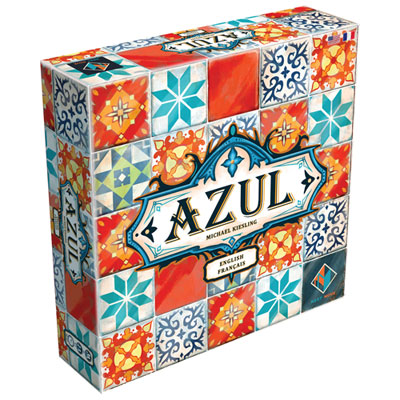
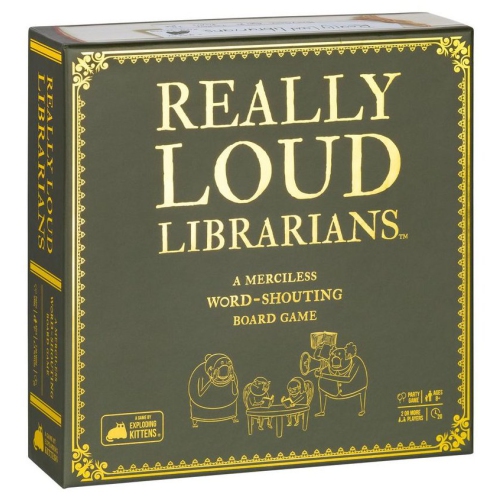
Top Collections:
Pokemon Centers, Kindle Devices, Best Budget Office Chairs, Apple iPhones 16, Best Laptops for Writers, iPhone 15 Apple, Canon G7X Cameras, Refurbished Apple Laptops, Alarm Clock, Motorola Razr Phones
Some products may be subject to Environmental Handling Fees
(EHF) depending on your province.
Learn more about EHFs.