Art Supplies for Beginners
Whether you're an aspiring artist or simply looking to explore your creative side, our collection of art supplies for beginners has everything you need to unleash your imagination. From essential tools like paintbrushes and sketchbooks to a wide range of vibrant paints, markers, and pencils, we offer a diverse selection of high-quality materials that will help you bring your artistic visions to life. With these beginner-friendly art supplies, you'll be able to embark on your creative journey with confidence and create stunning works of art that truly reflect your unique style. So, let your creativity flow and discover the joy of expressing yourself through art with our carefully curated selection of beginner art supplies.
Sort
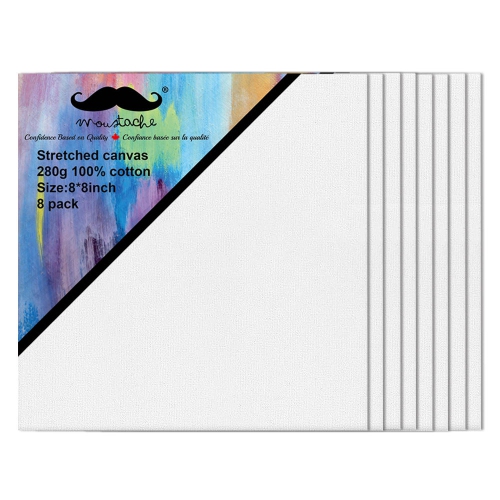
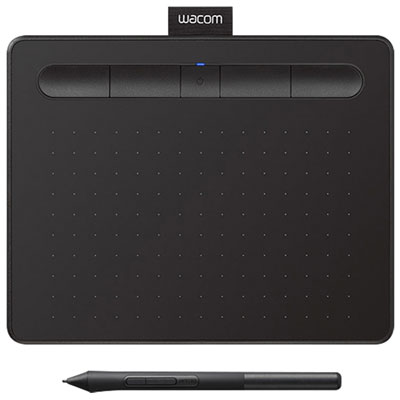
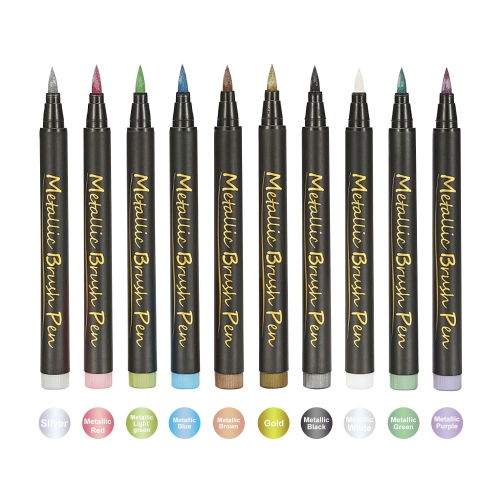
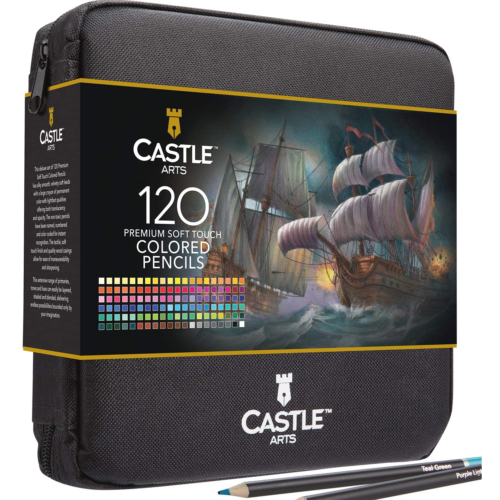
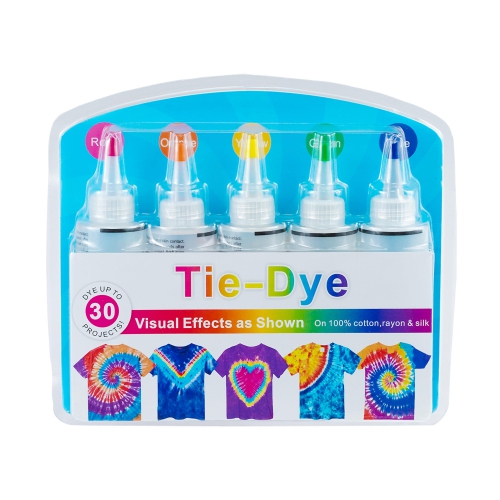
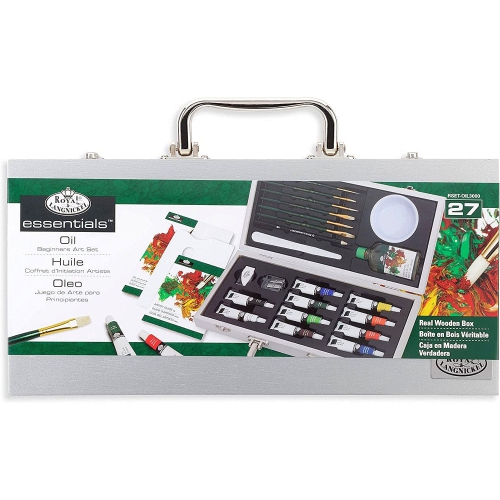
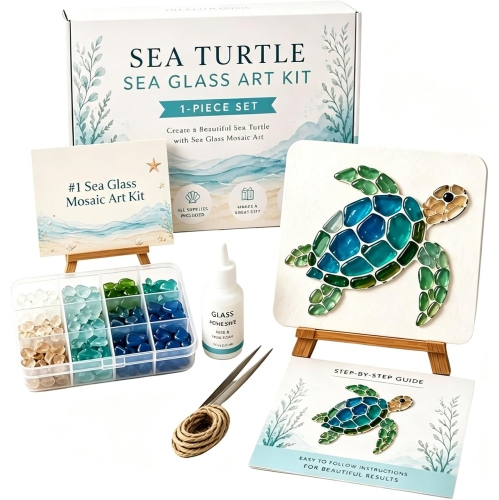
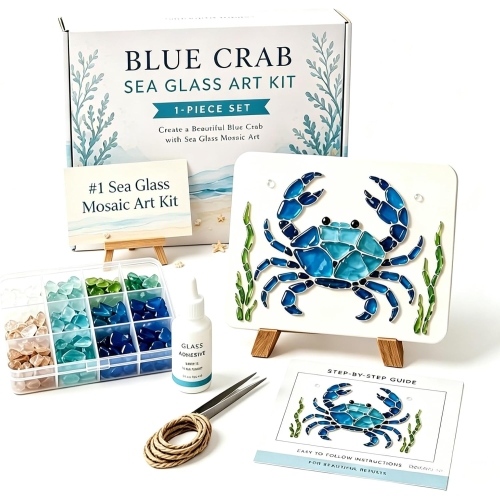
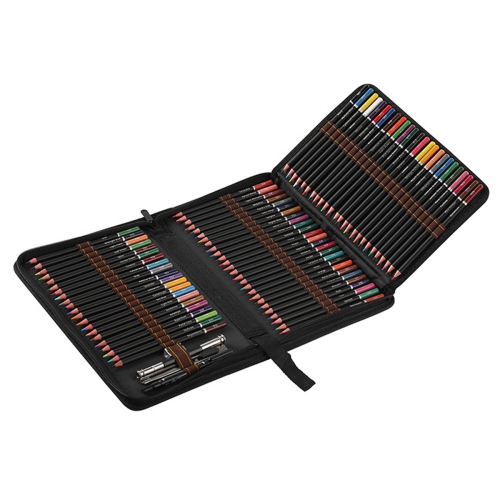
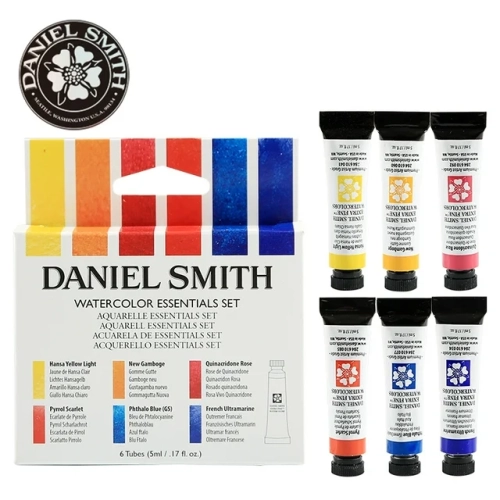
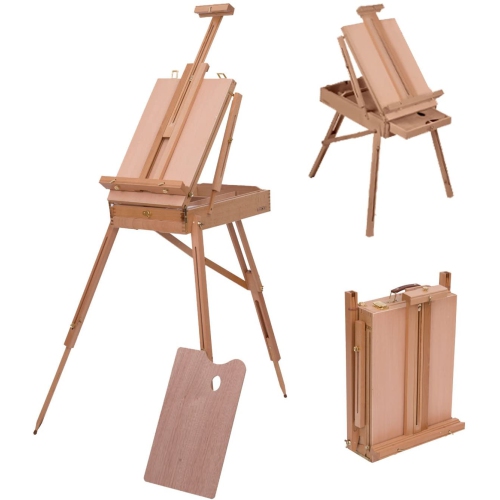
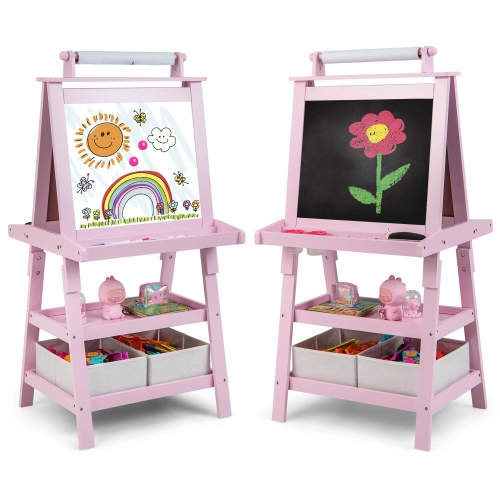
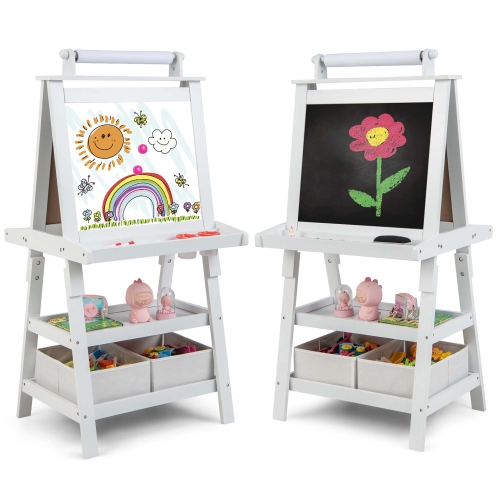
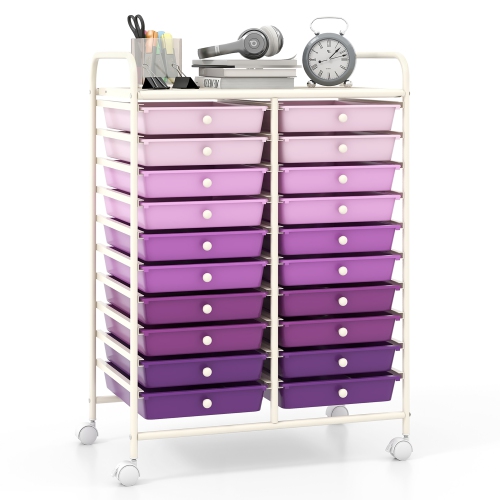
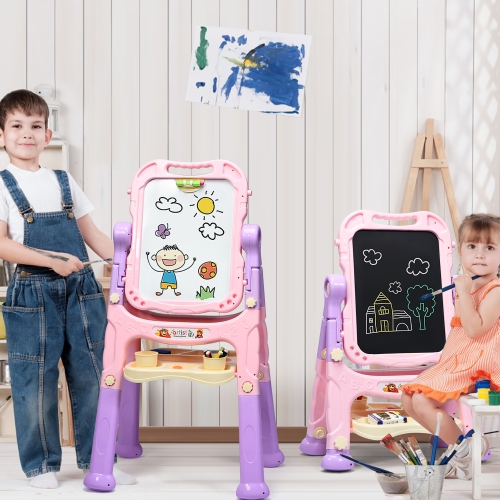





A few drawing basics leave room to experiment
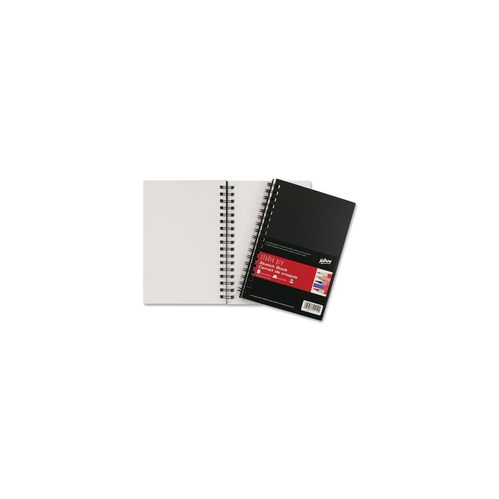
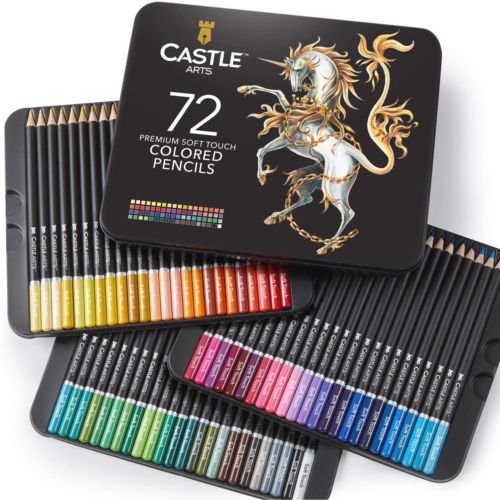
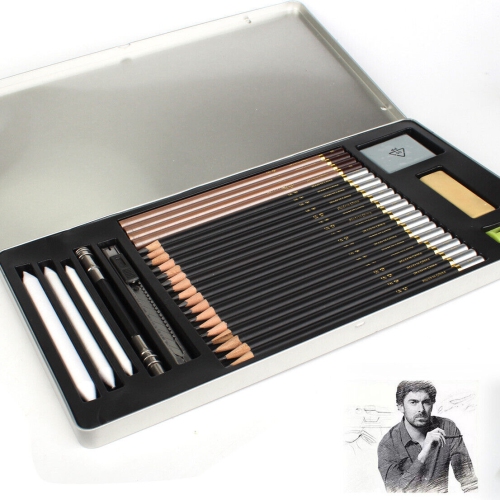
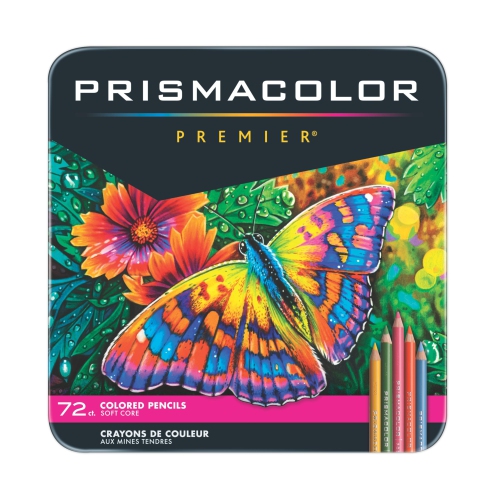
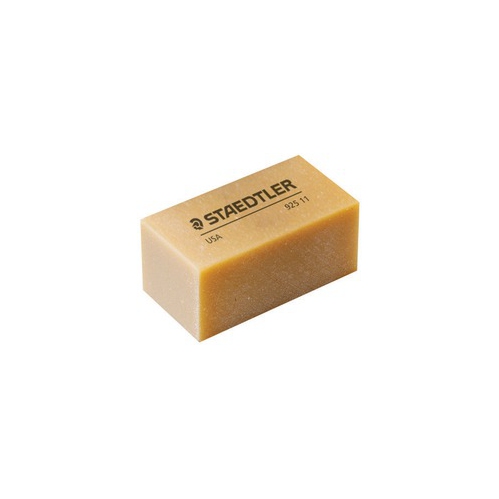
Art supplies for beginners are most useful when they make it easy to practise basic marks, explore colour, and get familiar with a few materials at a time. A small range of graphite pencils, a dependable eraser, and a sketchbook can support everything from quick doodles to careful drawings of everyday objects. An HB pencil produces relatively light, controlled lines, while softer grades such as 2B and 4B leave darker marks for shading and contrast. This range gives a new artist room to draw the outline of a mug, shade the curve of its handle, and suggest the shadow beneath it without needing a large collection of tools. Coloured pencils add another approachable option, offering dry, portable colour that can be built up gradually with light layers. Pencil cores vary in softness: softer cores generally release colour more readily, while firmer cores can hold a fine point for small details. A comfortable barrel shape matters during longer drawing sessions, especially for someone still learning to control pressure. Erasers serve different purposes, too. A kneaded eraser can be shaped to lift small areas of graphite or soften shading, while a conventional drawing eraser is useful for removing broader marks from suitable paper. Paper texture and weight affect how these materials behave. Smooth sheets suit fine lines and detailed pen work, while paper with a little tooth helps catch graphite, coloured pencil, and pastel. Mixed-media paper around 160 gsm can be practical for drawing and occasional light washes, although its tolerance for water depends on its construction and sizing. Paper intended specifically for watercolour, often around 300 gsm, is generally better suited to wetter painting techniques, though it may still buckle. A sketchbook that opens comfortably and has enough support behind the page makes practice easier, whether it rests on a desk or on a lap. Together, these basics leave plenty of room for experimenting without making every drawing session feel like a complicated setup.
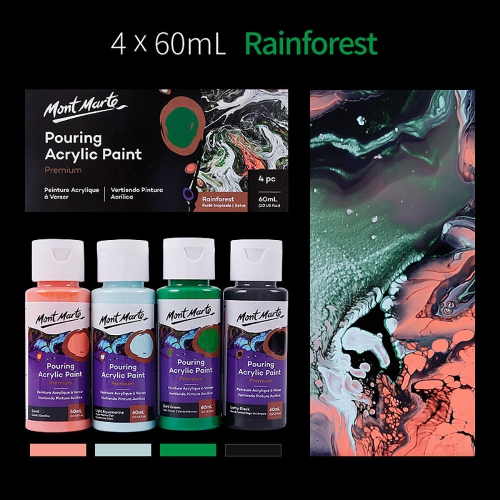
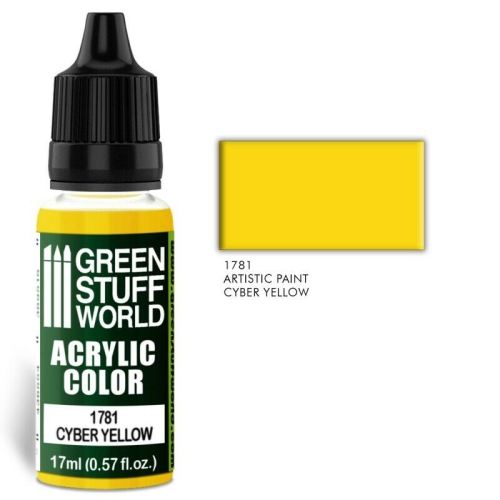
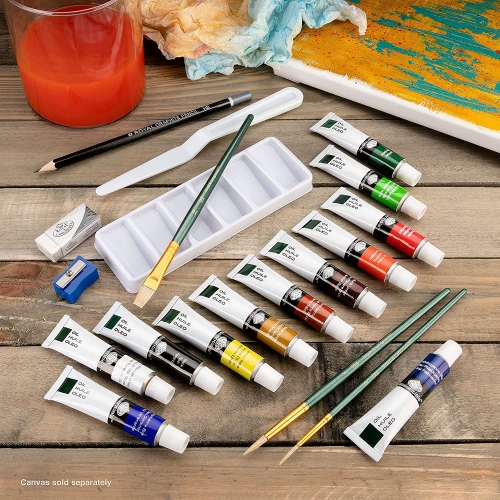
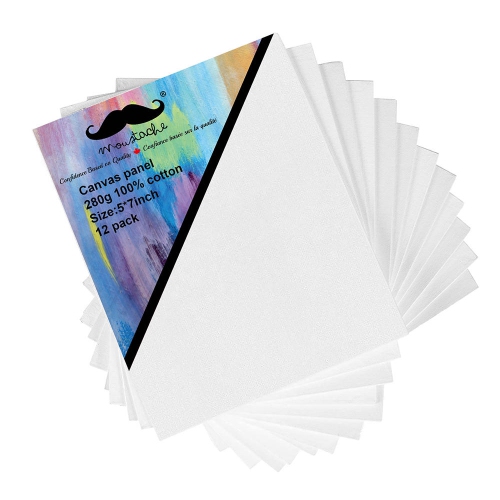
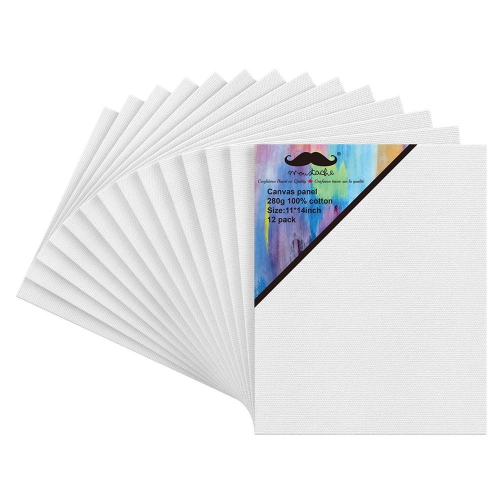
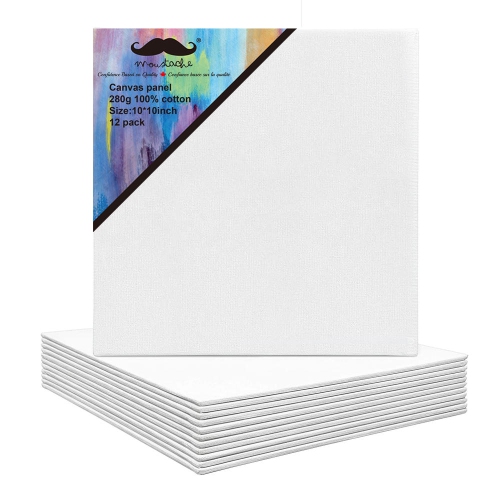
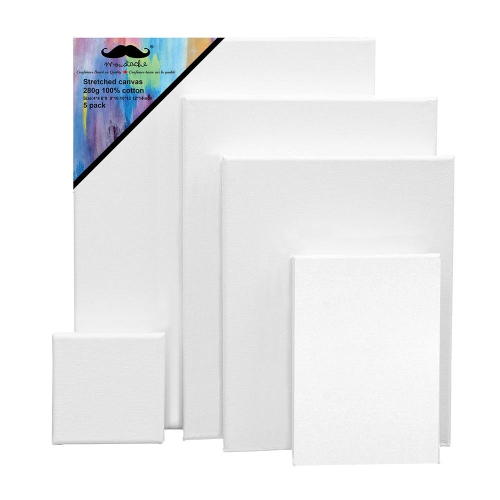
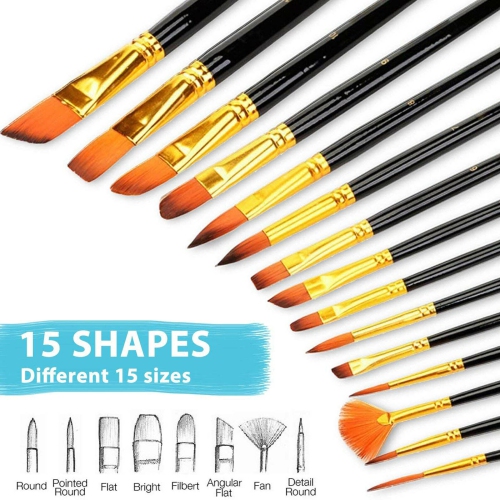
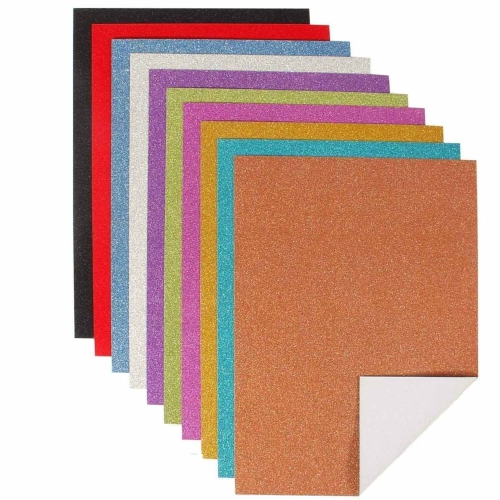
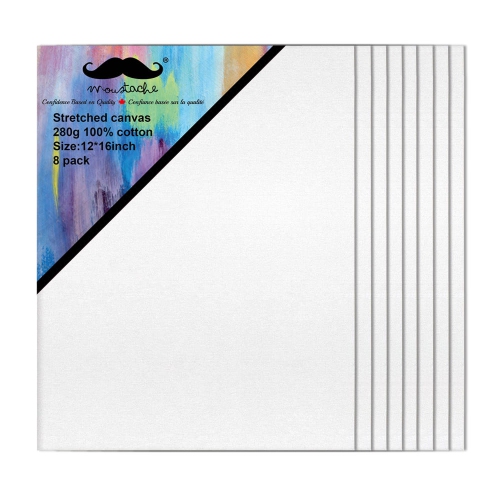
Beginner painting supplies offer a different kind of creative freedom, with brush shape, paint consistency, and surface choice all influencing the result. Watercolour is well suited to transparent washes, soft edges, and portable painting sessions. Dry pans keep colour compact, while tubes allow larger amounts of paint to be mixed on a palette. A few versatile colours can provide useful mixing practice, helping a beginner see how a warmer yellow or cooler blue changes the greens in a painted leaf. Acrylic paint works differently: it dries relatively quickly and can produce opaque layers, making it suitable for bold shapes, simple still-life paintings, and adding lighter details over dry darker areas. Acrylic becomes water-resistant as it cures and can permanently mark clothing or furniture, so a protected work surface is important even for a short session. Brush fibres should suit the medium. Soft, absorbent brushes help carry watercolour washes, while resilient synthetic bristles can offer good control with acrylic paint. A round brush supports lines, curves, and smaller shapes; a flat brush makes broader strokes and defined edges. Handles should feel balanced rather than awkward, and shorter handles can be comfortable for close work at a table. Paper, canvas panels, and stretched canvas each provide a different painting experience, but they are not interchangeable for every technique. Watercolour needs a surface designed to manage water, while acrylic can be used on appropriately prepared paper or primed canvas. Markers and pastels bring further choices for beginners who prefer direct colour without a brush. Marker-compatible paper can help reduce feathering, although some inks still bleed through and need a protective sheet underneath. Soft pastels create expressive, blendable marks but shed dust and smudge easily; oil pastels have a waxier feel and leave thicker strokes. These differences make intended use more important than the number of pieces in a set. Materials suited to neat line drawings may feel quite different from those meant for loose, layered colour, and a focused assortment can make those first attempts more satisfying.
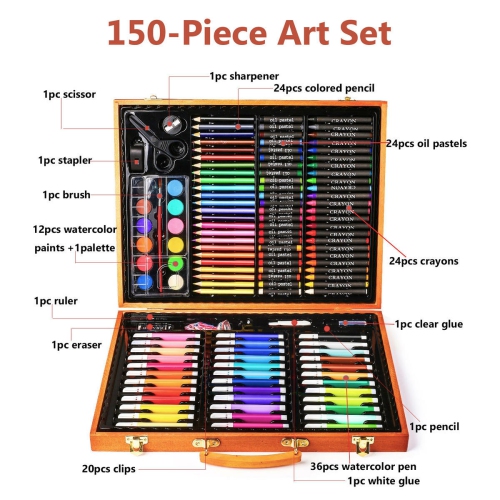
Everyday practicality also shapes how often beginner art supplies get used. A compact drawing kit suits a small desk, a shared kitchen table, or a bag carried to a casual art class. A painting setup needs a little more room for water containers, a palette, and somewhere flat for work to dry undisturbed. Cases with secure closures and separate compartments help protect pencil points and keep small tools from getting lost. For sketching away from home, a firm-backed pad provides support, while a lightweight pouch keeps frequently used materials within reach. Durability depends partly on construction and partly on care: pencil cores can break internally after a hard drop, brush tips can bend when stored resting on their bristles, and uncapped markers can dry out. Brushes generally last longer when cleaned promptly using a method appropriate to the paint, reshaped gently, and dried as directed by the manufacturer. Wet artwork should dry fully before a sketchbook is closed or loose sheets are stacked. Paint containers need secure lids, and paper benefits from dry storage away from spills and direct sunlight. For children and younger beginners, age guidance, clear labelling, and washable formulas can matter more than an extensive colour range. A non-toxic label does not mean a material is intended for skin painting or ingestion, and cutting tools, fixatives, and other specialist materials require separate care and appropriate supervision. Art supplies can also make thoughtful gifts for students, adults returning to a creative hobby, or anyone who enjoys quiet, hands-on activities during the cooler months. Gift suitability often comes down to the recipient’s interests: someone who fills notebook margins with characters may enjoy drawing materials, while someone drawn to landscapes may prefer painting supplies. For younger artists developing their own preferences, Art Supplies for Teens offers a related focus. Useful beginner materials leave space for imperfect lines, unexpected colour mixtures, and repeated attempts—the ordinary practice that makes a blank page feel more inviting.
Beginner painting supplies offer a different kind of creative freedom, with brush shape, paint consistency, and surface choice all influencing the result. Watercolour is well suited to transparent washes, soft edges, and portable painting sessions. Dry pans keep colour compact, while tubes allow larger amounts of paint to be mixed on a palette. A few versatile colours can provide useful mixing practice, helping a beginner see how a warmer yellow or cooler blue changes the greens in a painted leaf. Acrylic paint works differently: it dries relatively quickly and can produce opaque layers, making it suitable for bold shapes, simple still-life paintings, and adding lighter details over dry darker areas. Acrylic becomes water-resistant as it cures and can permanently mark clothing or furniture, so a protected work surface is important even for a short session. Brush fibres should suit the medium. Soft, absorbent brushes help carry watercolour washes, while resilient synthetic bristles can offer good control with acrylic paint. A round brush supports lines, curves, and smaller shapes; a flat brush makes broader strokes and defined edges. Handles should feel balanced rather than awkward, and shorter handles can be comfortable for close work at a table. Paper, canvas panels, and stretched canvas each provide a different painting experience, but they are not interchangeable for every technique. Watercolour needs a surface designed to manage water, while acrylic can be used on appropriately prepared paper or primed canvas. Markers and pastels bring further choices for beginners who prefer direct colour without a brush. Marker-compatible paper can help reduce feathering, although some inks still bleed through and need a protective sheet underneath. Soft pastels create expressive, blendable marks but shed dust and smudge easily; oil pastels have a waxier feel and leave thicker strokes. These differences make intended use more important than the number of pieces in a set. Materials suited to neat line drawings may feel quite different from those meant for loose, layered colour, and a focused assortment can make those first attempts more satisfying.
Everyday practicality also shapes how often beginner art supplies get used. A compact drawing kit suits a small desk, a shared kitchen table, or a bag carried to a casual art class. A painting setup needs a little more room for water containers, a palette, and somewhere flat for work to dry undisturbed. Cases with secure closures and separate compartments help protect pencil points and keep small tools from getting lost. For sketching away from home, a firm-backed pad provides support, while a lightweight pouch keeps frequently used materials within reach. Durability depends partly on construction and partly on care: pencil cores can break internally after a hard drop, brush tips can bend when stored resting on their bristles, and uncapped markers can dry out. Brushes generally last longer when cleaned promptly using a method appropriate to the paint, reshaped gently, and dried as directed by the manufacturer. Wet artwork should dry fully before a sketchbook is closed or loose sheets are stacked. Paint containers need secure lids, and paper benefits from dry storage away from spills and direct sunlight. For children and younger beginners, age guidance, clear labelling, and washable formulas can matter more than an extensive colour range. A non-toxic label does not mean a material is intended for skin painting or ingestion, and cutting tools, fixatives, and other specialist materials require separate care and appropriate supervision. Art supplies can also make thoughtful gifts for students, adults returning to a creative hobby, or anyone who enjoys quiet, hands-on activities during the cooler months. Gift suitability often comes down to the recipient’s interests: someone who fills notebook margins with characters may enjoy drawing materials, while someone drawn to landscapes may prefer painting supplies. For younger artists developing their own preferences, Art Supplies for Teens offers a related focus. Useful beginner materials leave space for imperfect lines, unexpected colour mixtures, and repeated attempts—the ordinary practice that makes a blank page feel more inviting.
Top selling and popular products
-
 Your price for this item is $32.99
 -
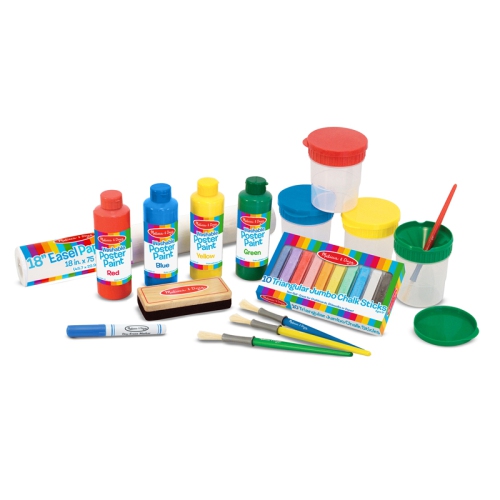 Your price for this item is $90.99
 -
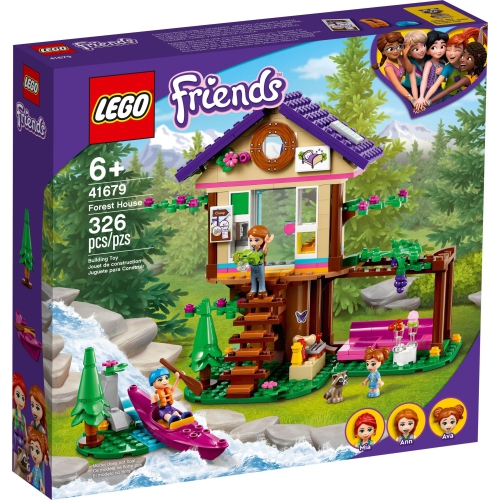 Your price for this item is $116.16
 -
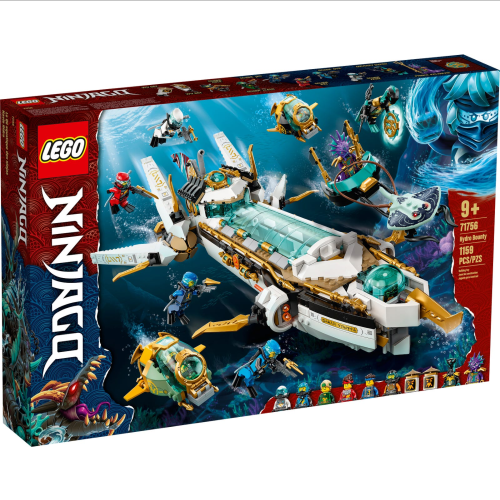 Your price for this item is $361.99
 -
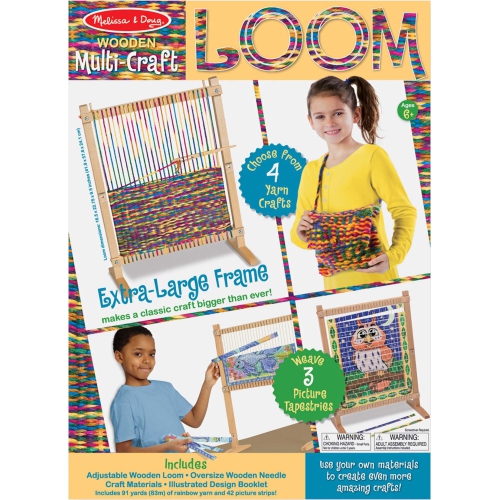 Your price for this item is $72.99
 -
 Your price for this item is $25.99
 -
 Your price for this item is $63
 -
 Your price for this item is $59.9
Discover more categories related to Art Supplies for Beginners

Top Collections:
Pokemon Centers, Budget 4K TVs, Best Budget Office Chairs, Kindle Devices, Canon G7X Cameras, Apple iPhones 16, iPhone 15 Apple, Laptops for Business Work, Xiaomi Phones, Flip Phones
Some products may be subject to Environmental Handling Fees
(EHF) depending on your province.
Learn more about EHFs.