Autonomous Robots
Autonomous Robots have revolutionized the way we interact with technology, bringing science fiction to life in our very own homes. With their ability to perform tasks independently and adapt to changing environments, these cutting-edge machines are quickly becoming an integral part of our daily lives. Whether you're looking for a robot companion to keep you company, a smart vacuum cleaner to effortlessly clean your floors, or a high-tech assistant to help with household chores, our collection of autonomous robots offers a wide range of options to suit your needs. Explore the possibilities and discover how these incredible creations can simplify your life and enhance your home.
Sort
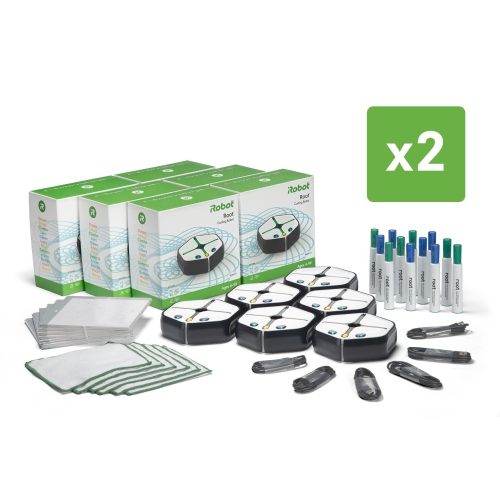
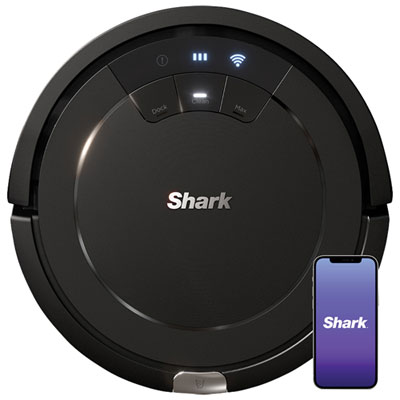
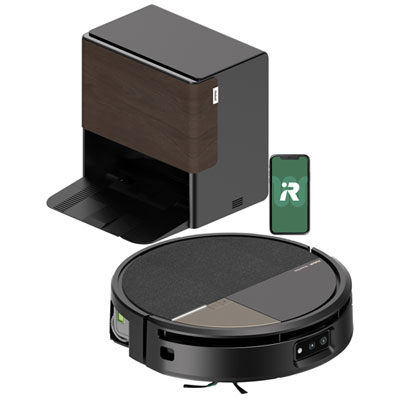
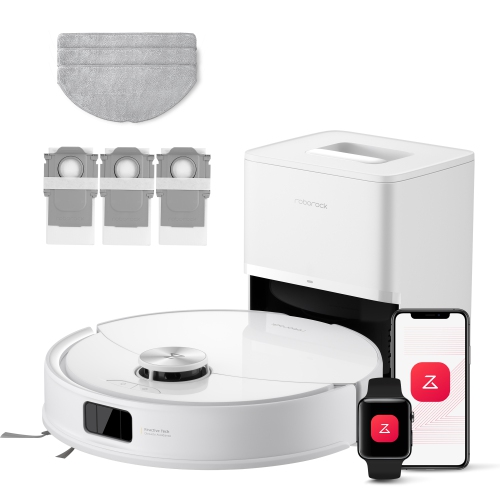
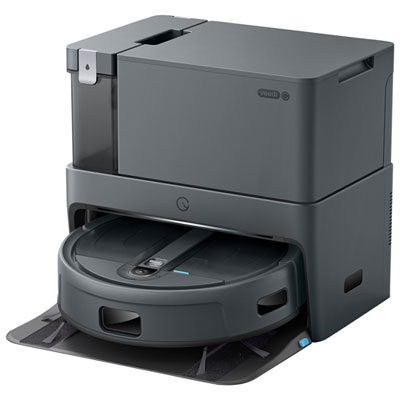
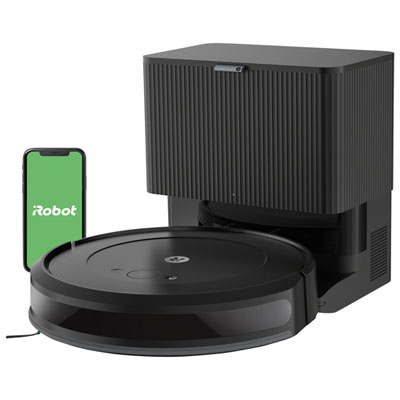
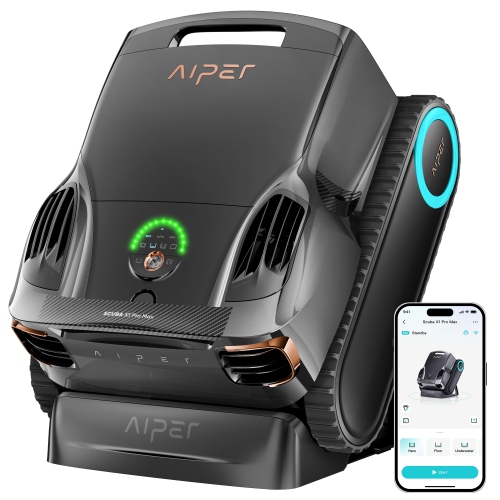
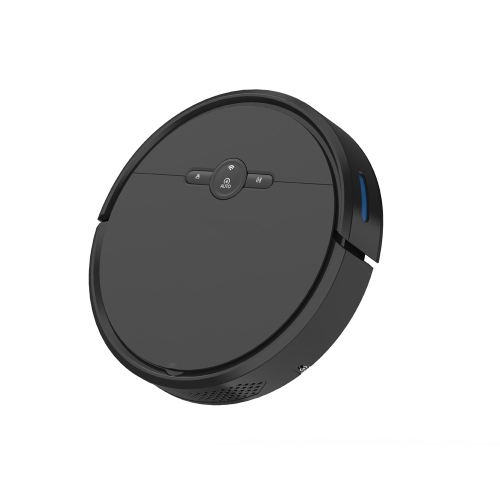
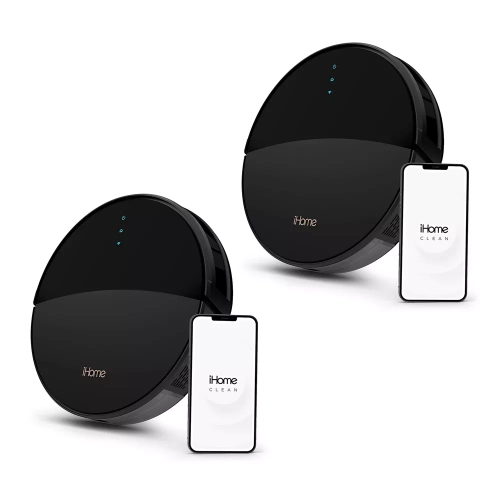
How sensors and mapping turn decisions into movement
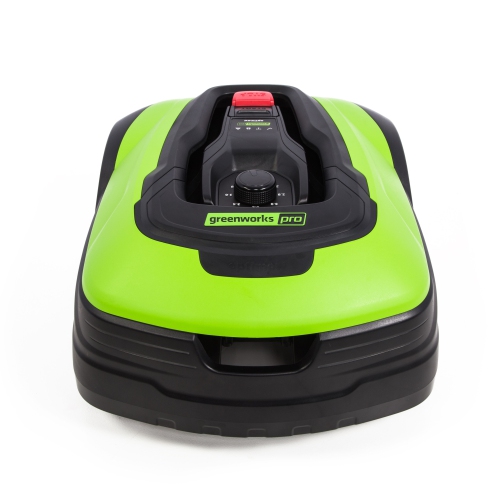
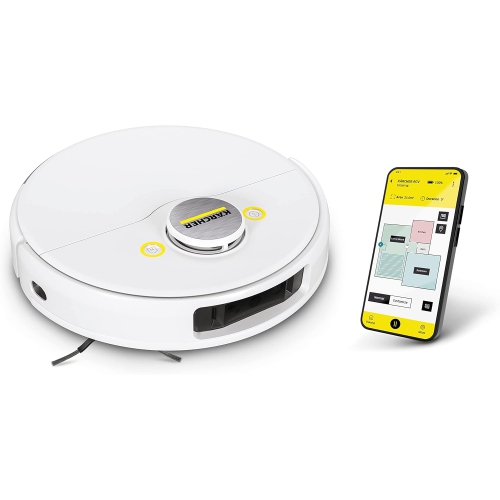
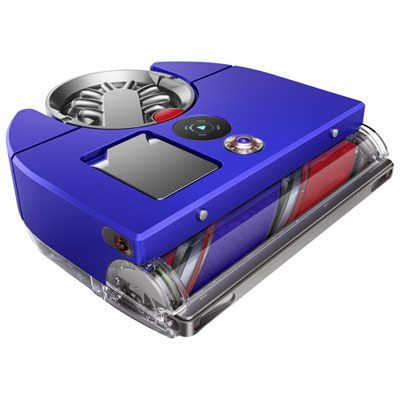
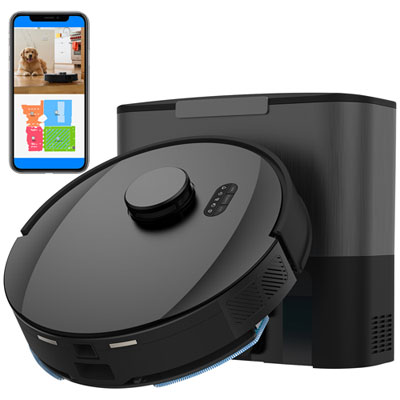
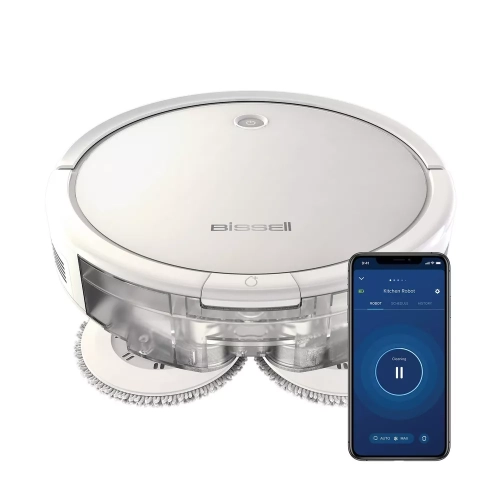
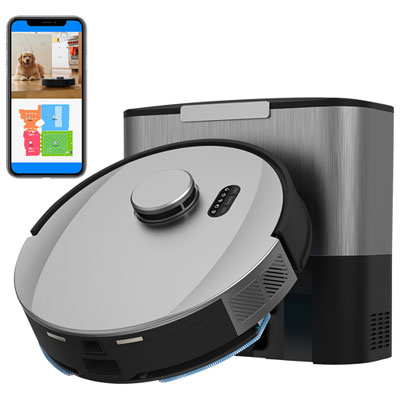
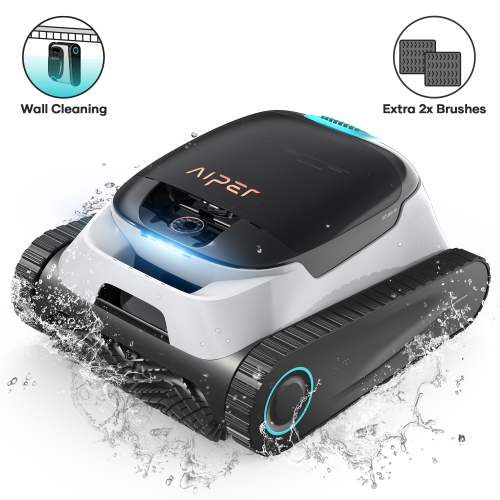
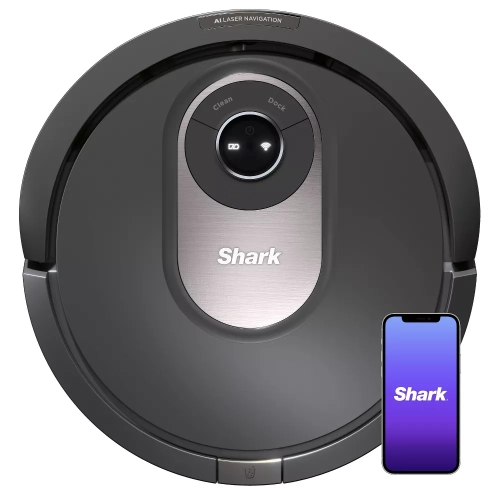
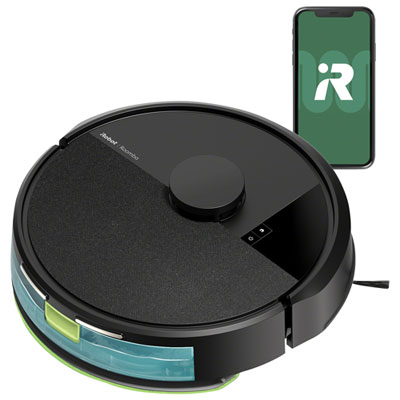
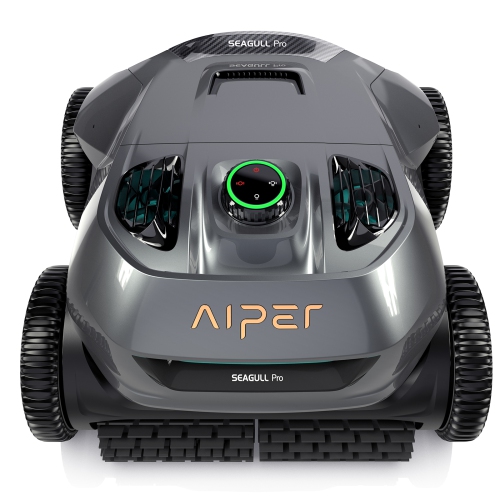
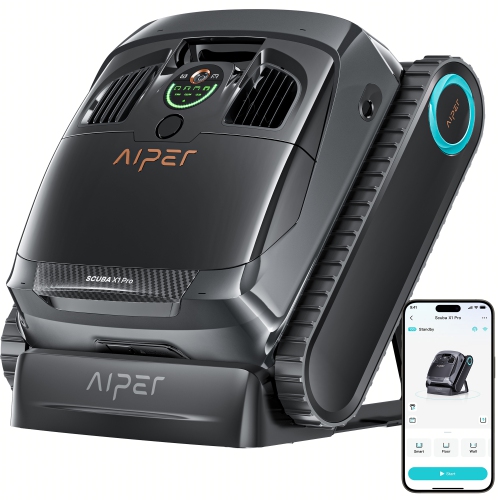
Autonomous robots are intelligent machines designed to complete tasks, move through spaces and respond to changing surroundings with limited ongoing human control. Unlike remote-controlled devices, they do not need a person to direct every turn, stop or action. Instead, they combine sensors, onboard computing and mechanical components to interpret their environment and carry out programmed instructions. Cameras can identify furniture, walls, people and other visual details, while LiDAR, infrared sensors, sonar or proximity sensors help measure distance and detect obstacles. An onboard computer processes this information in real time, allowing the robot to decide where to travel and how to respond when its route changes. Many autonomous robots use mapping technologies such as Simultaneous Localization and Mapping, commonly called SLAM, to build a virtual map while determining their own position within it. Motors, wheels, brushes, cutting systems and other actuators then turn those decisions into physical movement. This combination of sensing, processing and movement is what allows autonomous robots to vacuum floors, maintain lawns, transport items, inspect areas or complete other repetitive tasks without constant supervision. When browsing autonomous robots, consider the task the machine is intended to perform, the type of environment it must navigate and how much setup or interaction it requires. A robot designed for smooth indoor flooring may not be suited to thick rugs, steps or cluttered rooms, while an outdoor model may need to handle uneven ground, slopes, narrow passages or changing weather conditions. Understanding these practical details helps you choose a robot that fits naturally into your home, workplace or project rather than one that simply has an impressive list of features.
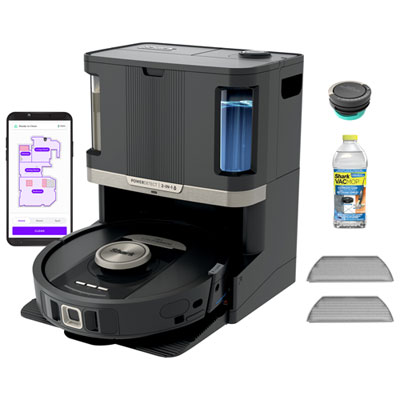
For home use, autonomous robots can make everyday routines more manageable by taking care of jobs that are easy to postpone but satisfying to have completed. A robotic floor cleaner can work around furniture, return to its charging station and follow a schedule that suits the household, helping keep crumbs, dust and pet hair from gathering under tables or along baseboards. A robotic lawn mower can follow a defined cutting area and maintain grass with less hands-on effort, particularly for people who have limited time or prefer to spend outdoor hours on gardening, entertaining or relaxing. Navigation features are especially important in these settings. Look for accurate mapping, obstacle detection, room or zone controls, boundary settings and the ability to resume a task after charging. Battery life and charging time affect how much area a robot can cover, while the size of the dustbin, water tank or collection system determines how often it needs attention. Noise level, brush design, filter maintenance and replacement parts can also make a noticeable difference over the long term. For homes with children or pets, sensors that recognize obstacles and scheduling controls that keep the robot away during busy periods may be particularly useful. Autonomous robots can also be thoughtful gifts for someone moving into a new home, managing a busy family schedule or looking for practical help with regular chores. They are most enjoyable when the recipient has a suitable space and clear expectations: no robot can eliminate every manual task, and mapping, clearing cords or setting boundaries may be part of the first-use process. Once configured, however, the right device can become a quiet part of the household routine, working in the background while people focus on cooking, hosting friends or enjoying a calmer evening.
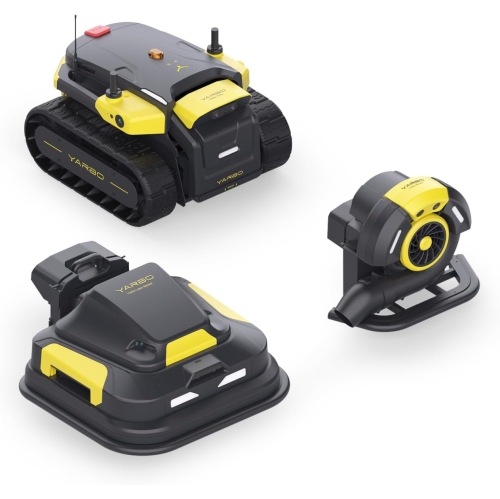
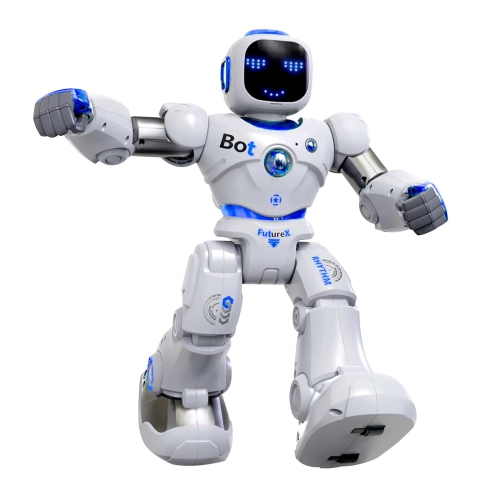
Beyond consumer cleaning and lawn care, autonomous robots are used in workplaces, warehouses, laboratories, educational settings and exploration projects. Autonomous mobile robots can transport inventory, supplies or equipment along established routes, using sensors and onboard software to avoid obstacles and adjust their path when a corridor or work area is blocked. Other systems can support inspection, monitoring, delivery, mapping or research in places that are difficult, repetitive or impractical for people to access continuously. Their capabilities vary widely, so shoppers should pay attention to operating range, navigation method, payload or working capacity, connectivity, software compatibility and the level of programming involved. Some robots are intended to work independently after simple setup, while others are better suited to technical users who want to configure routines, experiment with sensors or develop applications. A stable wireless connection may be helpful for remote access, but many autonomous robots also rely on onboard processing so they can continue making basic decisions when communication is interrupted. Safety features deserve careful consideration as well, including emergency stop controls, automatic charging, obstacle detection, restricted-area settings and clear status indicators. For those interested in more specialised robotics, Advanced Robots can provide a broader look at machines built for complex tasks and technical applications. Whether the goal is to reduce routine housework, maintain an outdoor area or explore the possibilities of automated movement, the best choice balances autonomy with control. Check the dimensions of the robot and its charging base, confirm that it can operate on the surfaces and slopes in your space, and review the required maintenance before making a decision. With the right fit, autonomous robots can add useful support to daily life while offering a practical introduction to sensing, mapping, navigation and robotics in action.
For home use, autonomous robots can make everyday routines more manageable by taking care of jobs that are easy to postpone but satisfying to have completed. A robotic floor cleaner can work around furniture, return to its charging station and follow a schedule that suits the household, helping keep crumbs, dust and pet hair from gathering under tables or along baseboards. A robotic lawn mower can follow a defined cutting area and maintain grass with less hands-on effort, particularly for people who have limited time or prefer to spend outdoor hours on gardening, entertaining or relaxing. Navigation features are especially important in these settings. Look for accurate mapping, obstacle detection, room or zone controls, boundary settings and the ability to resume a task after charging. Battery life and charging time affect how much area a robot can cover, while the size of the dustbin, water tank or collection system determines how often it needs attention. Noise level, brush design, filter maintenance and replacement parts can also make a noticeable difference over the long term. For homes with children or pets, sensors that recognize obstacles and scheduling controls that keep the robot away during busy periods may be particularly useful. Autonomous robots can also be thoughtful gifts for someone moving into a new home, managing a busy family schedule or looking for practical help with regular chores. They are most enjoyable when the recipient has a suitable space and clear expectations: no robot can eliminate every manual task, and mapping, clearing cords or setting boundaries may be part of the first-use process. Once configured, however, the right device can become a quiet part of the household routine, working in the background while people focus on cooking, hosting friends or enjoying a calmer evening.
Beyond consumer cleaning and lawn care, autonomous robots are used in workplaces, warehouses, laboratories, educational settings and exploration projects. Autonomous mobile robots can transport inventory, supplies or equipment along established routes, using sensors and onboard software to avoid obstacles and adjust their path when a corridor or work area is blocked. Other systems can support inspection, monitoring, delivery, mapping or research in places that are difficult, repetitive or impractical for people to access continuously. Their capabilities vary widely, so shoppers should pay attention to operating range, navigation method, payload or working capacity, connectivity, software compatibility and the level of programming involved. Some robots are intended to work independently after simple setup, while others are better suited to technical users who want to configure routines, experiment with sensors or develop applications. A stable wireless connection may be helpful for remote access, but many autonomous robots also rely on onboard processing so they can continue making basic decisions when communication is interrupted. Safety features deserve careful consideration as well, including emergency stop controls, automatic charging, obstacle detection, restricted-area settings and clear status indicators. For those interested in more specialised robotics, Advanced Robots can provide a broader look at machines built for complex tasks and technical applications. Whether the goal is to reduce routine housework, maintain an outdoor area or explore the possibilities of automated movement, the best choice balances autonomy with control. Check the dimensions of the robot and its charging base, confirm that it can operate on the surfaces and slopes in your space, and review the required maintenance before making a decision. With the right fit, autonomous robots can add useful support to daily life while offering a practical introduction to sensing, mapping, navigation and robotics in action.
Top selling and popular products
-
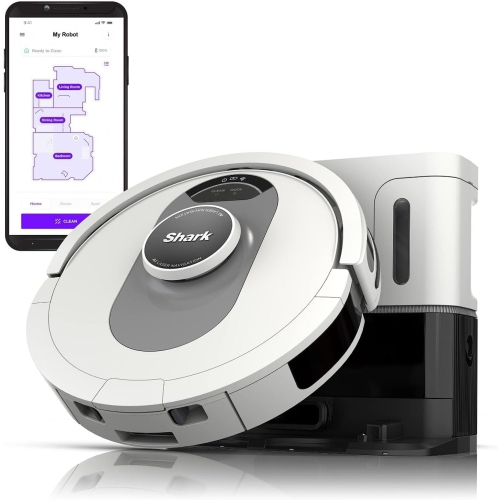 Your price for this item is $699.99
 -
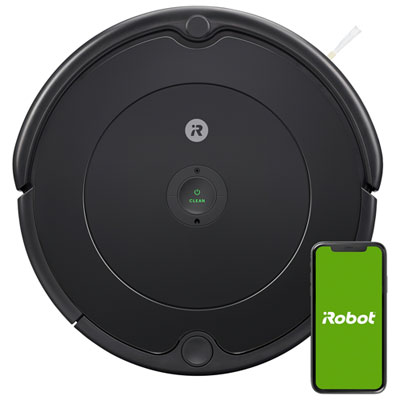 Your price for this item is $289.97
 -
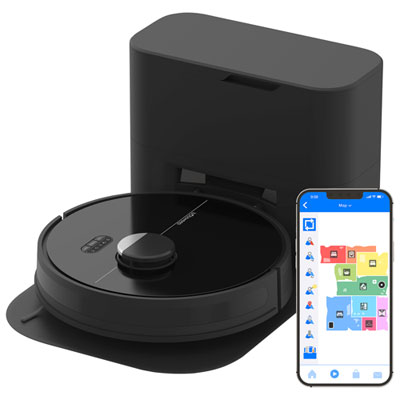 Your price for this item is $219.99
 -
 Your price for this item is $999
 -
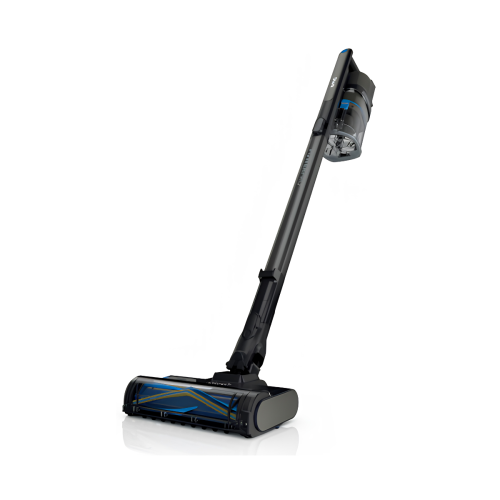 Your price for this item is $399.99
 -
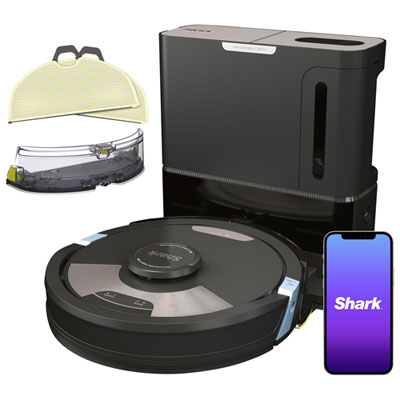 Your price for this item is $899.99
 -
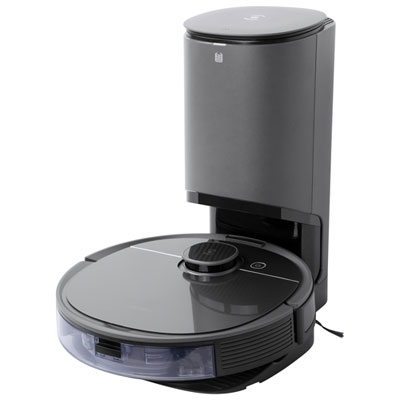 Your price for this item is $799.95
 -
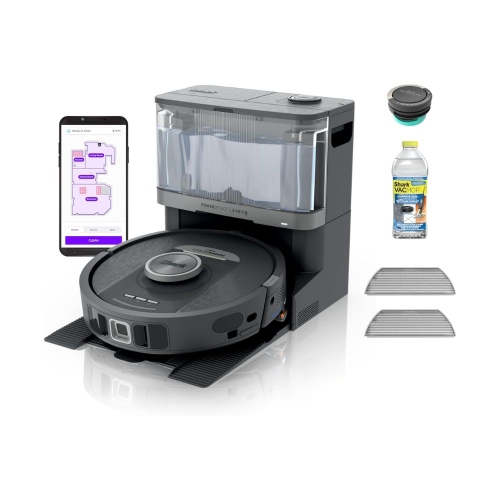 Your price for this item is $1149.99
Discover more categories related to Autonomous Robots
Top Collections:
Pokemon Centers, Kindle Devices, Best Budget Office Chairs, Apple iPhones 16, Best Laptops for Writers, iPhone 15 Apple, Canon G7X Cameras, Refurbished Apple Laptops, Alarm Clock, Motorola Razr Phones
Some products may be subject to Environmental Handling Fees
(EHF) depending on your province.
Learn more about EHFs.