Walkers for Baby
Give your little one the freedom to explore and discover with walkers for babies. Whether they're taking their first steps or cruising around the house, these walkers for babies offer endless entertainment while giving you peace of mind. Discover the perfect walkers for your baby that offer all the features you need for safety and convenience.
Sort
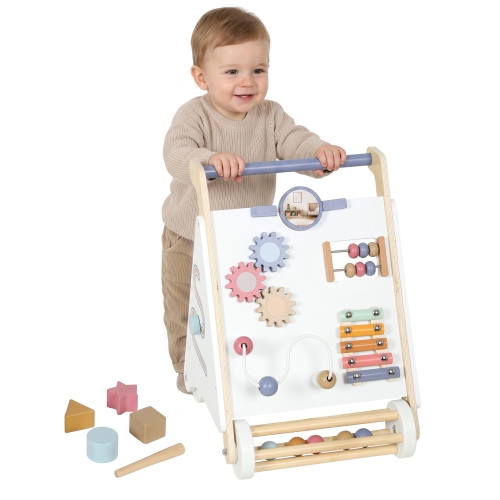
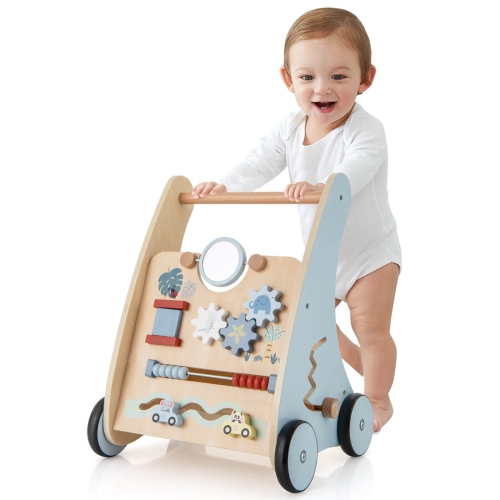
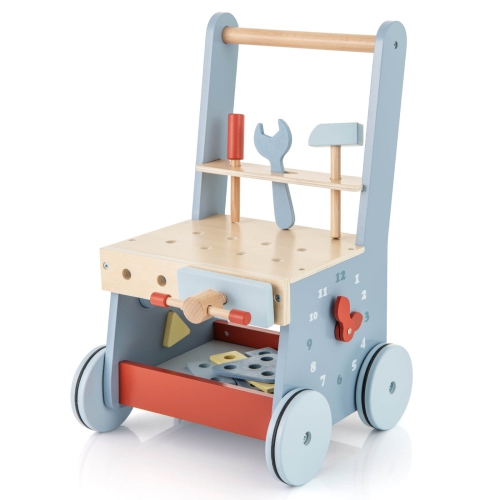
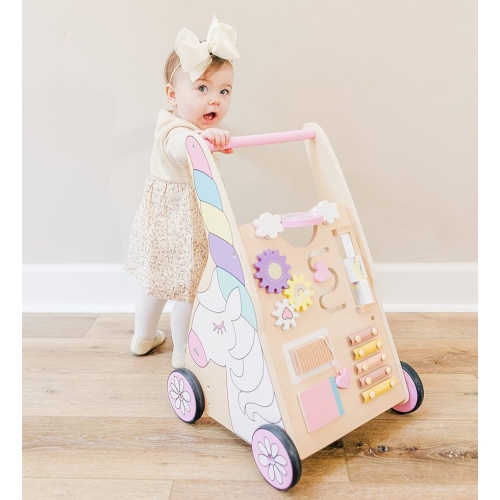
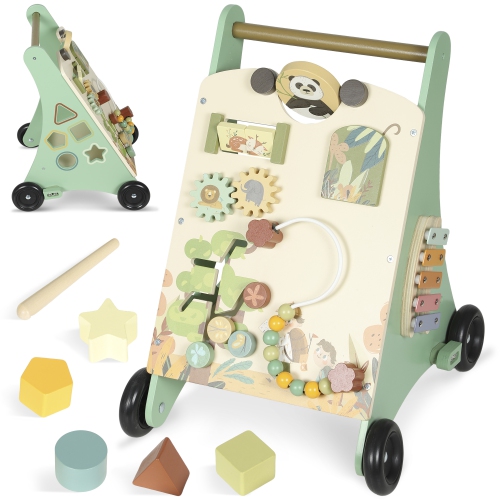
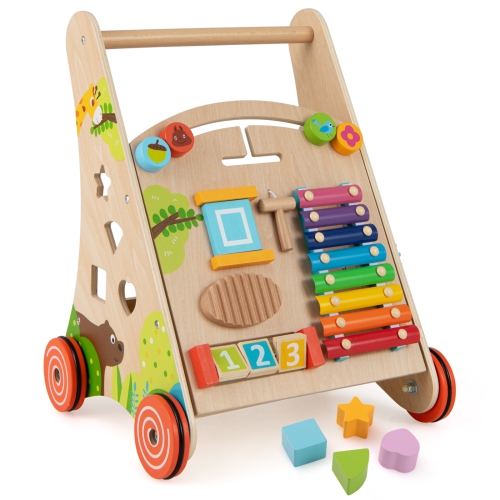
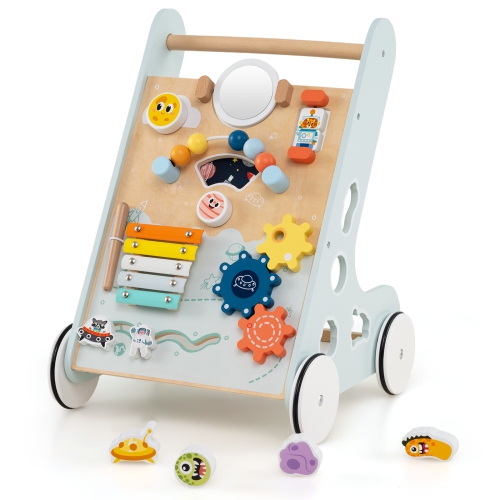
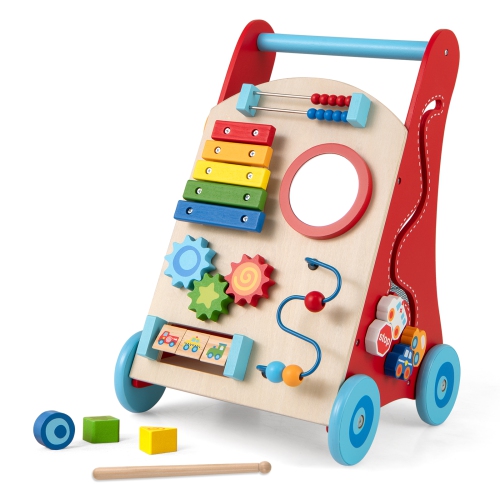
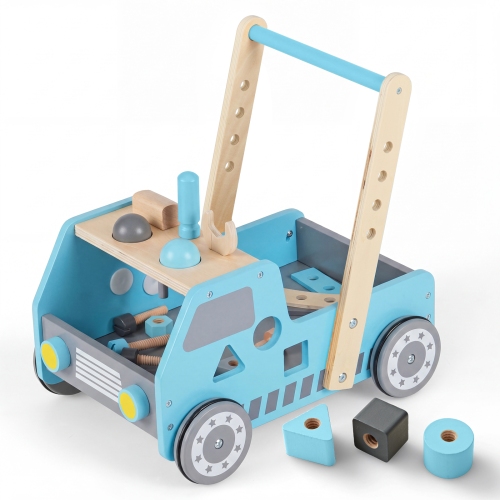
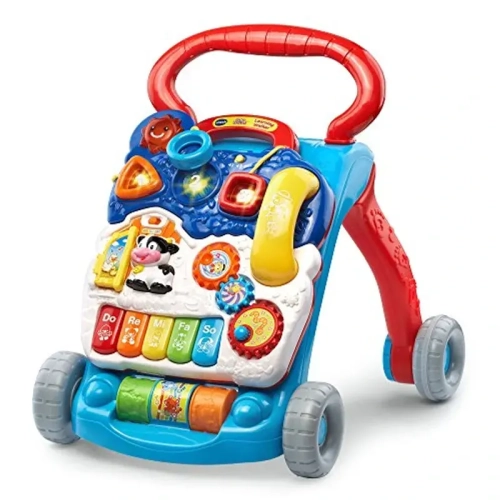
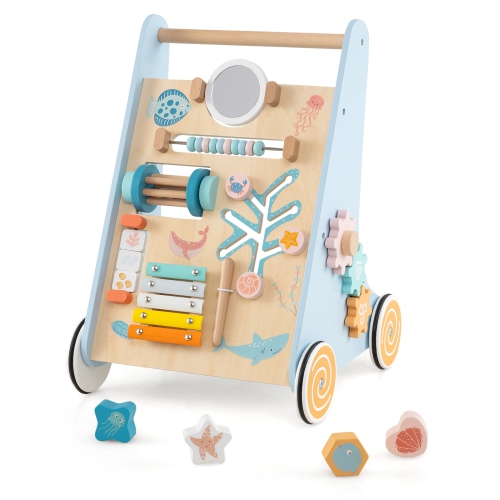
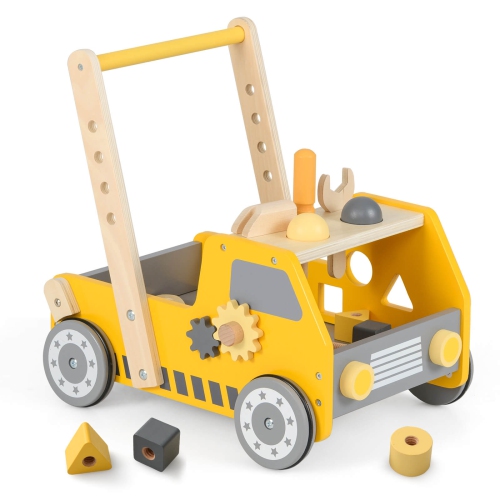
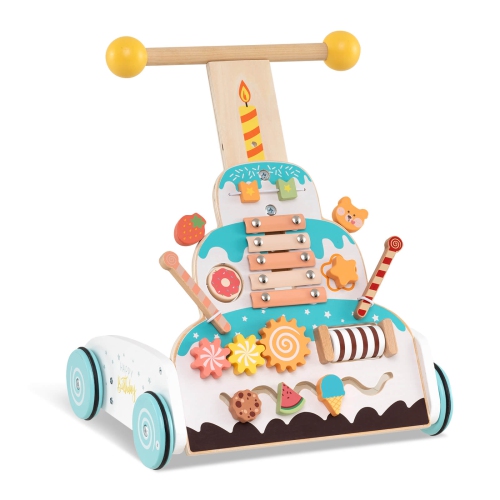

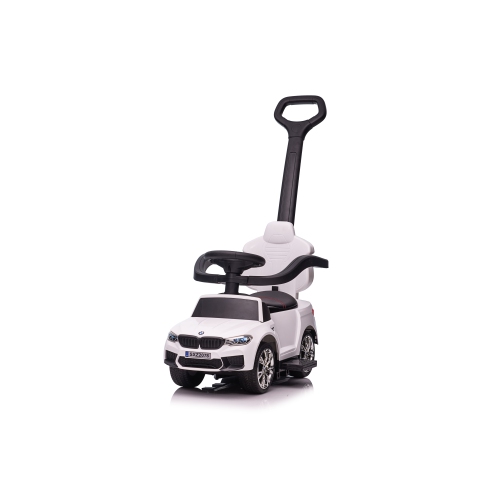
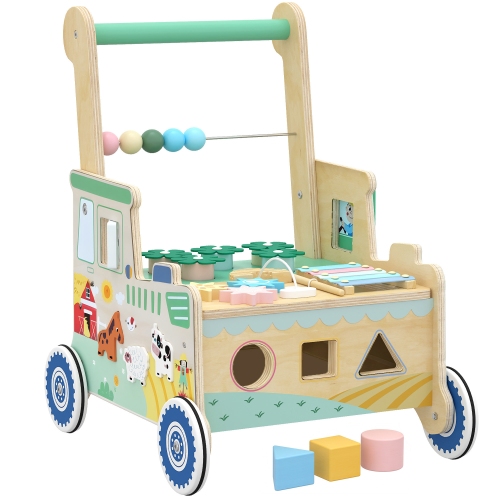
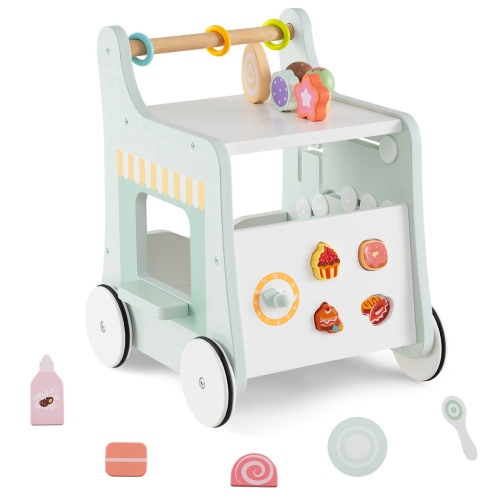
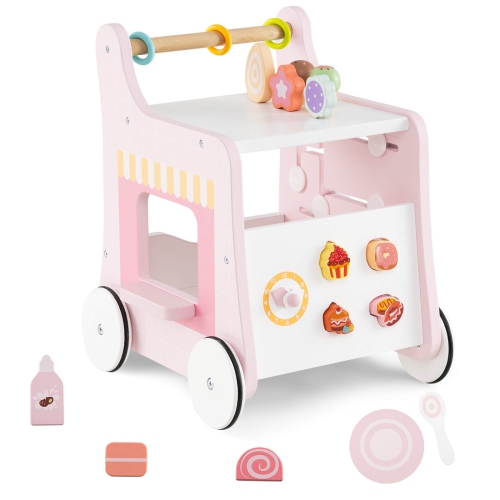
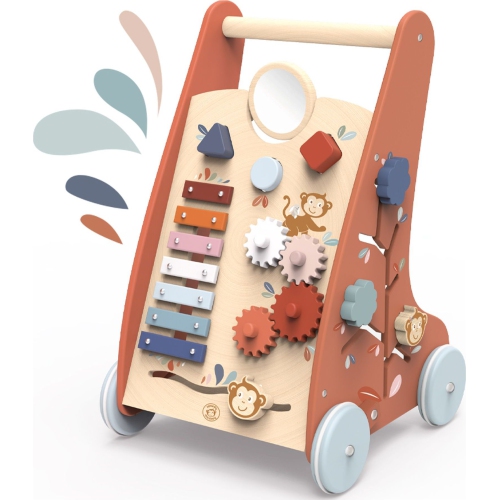
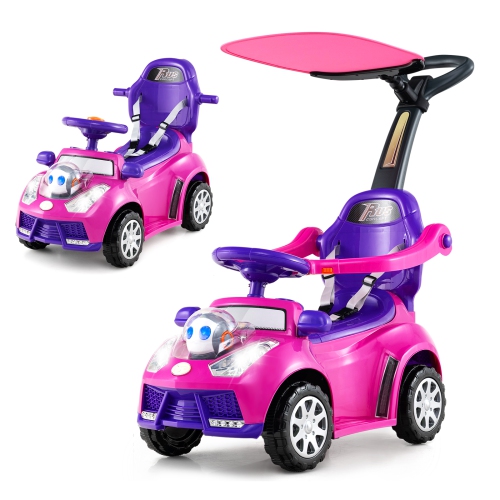
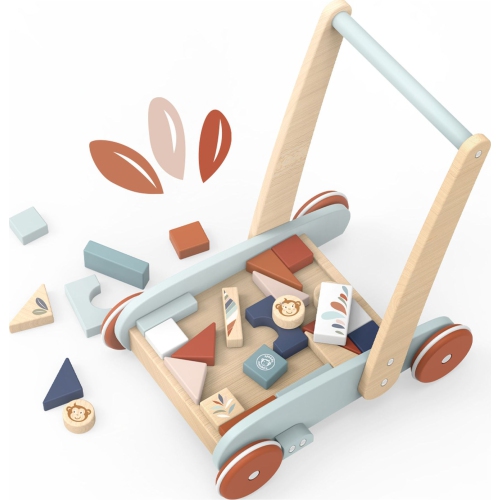
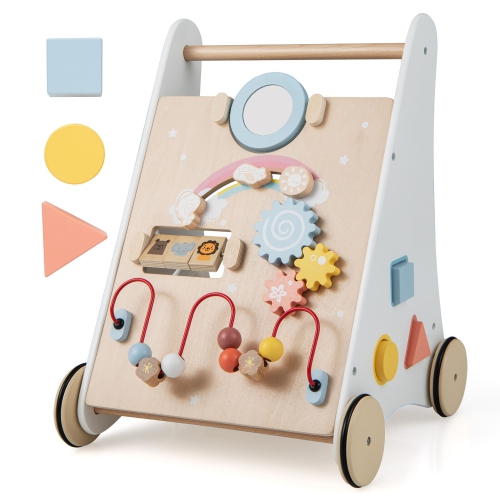
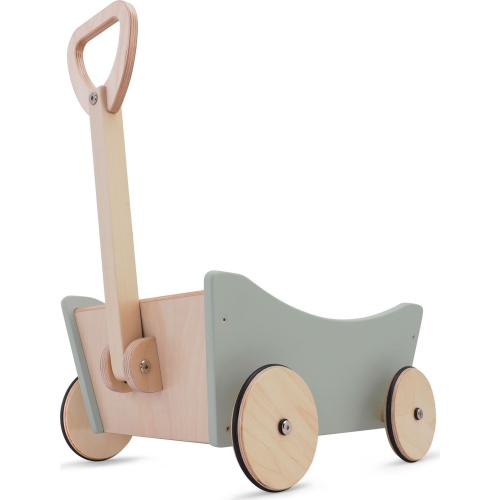
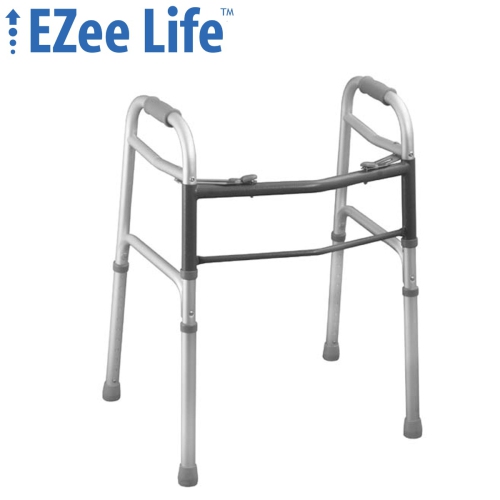
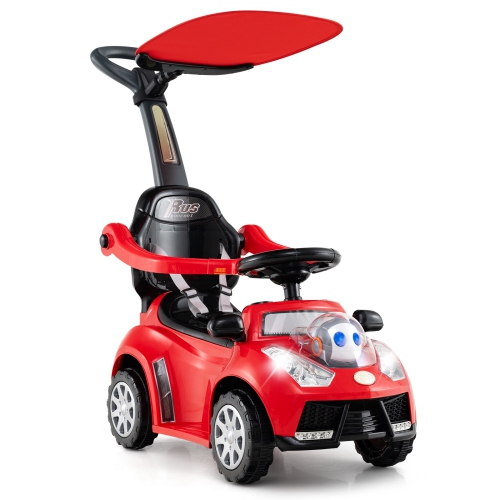

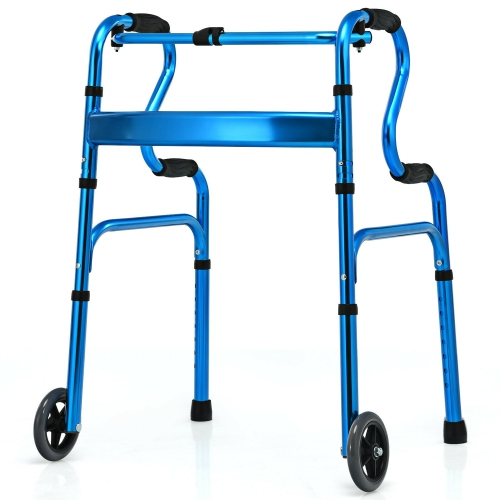
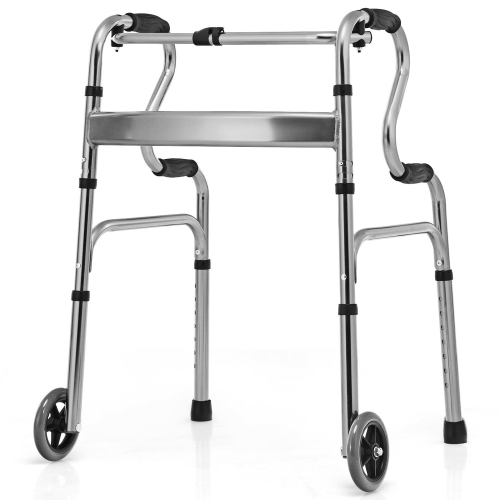
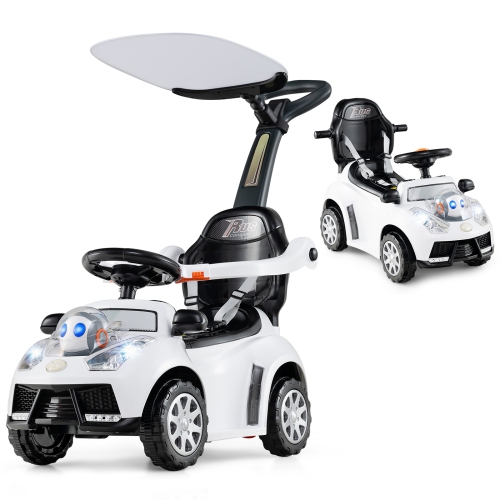
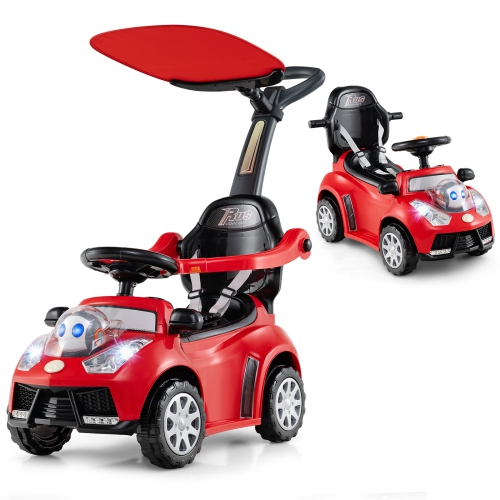
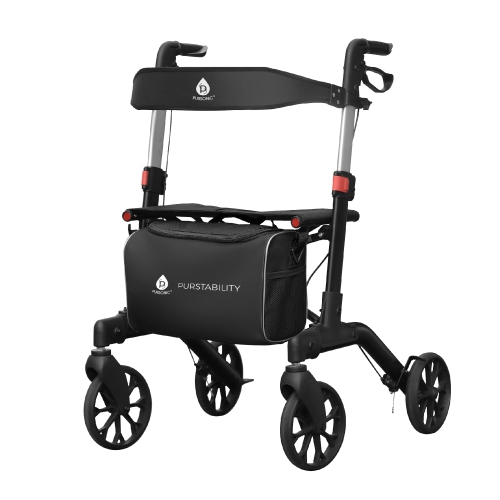
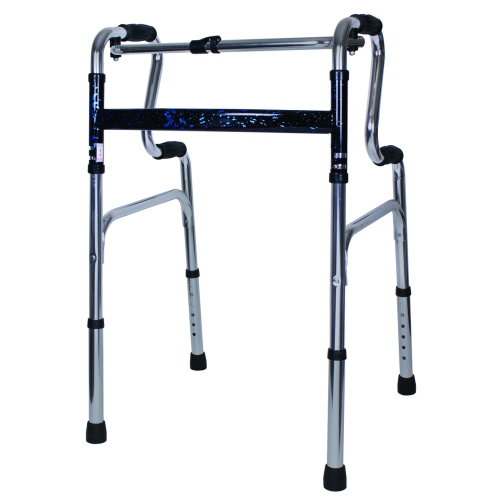
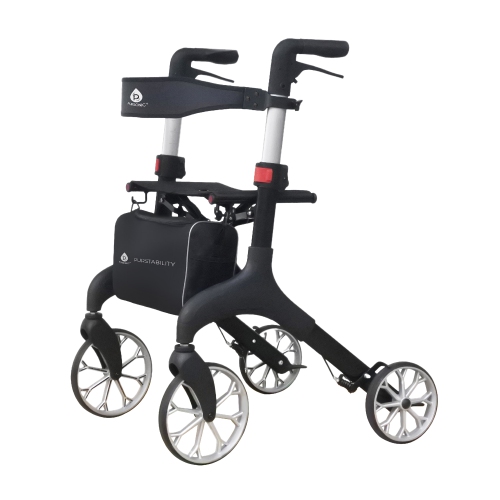
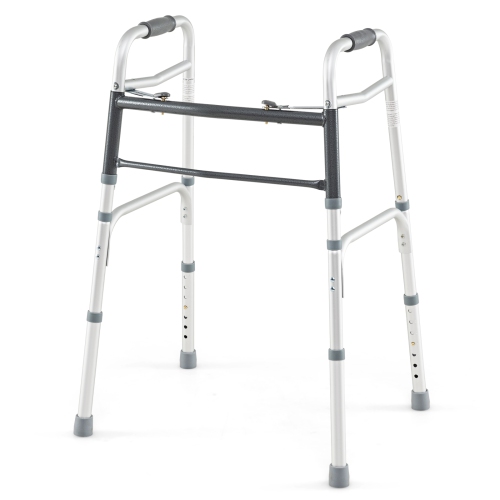
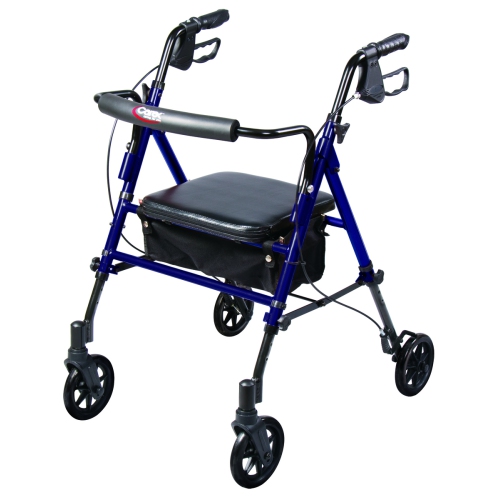
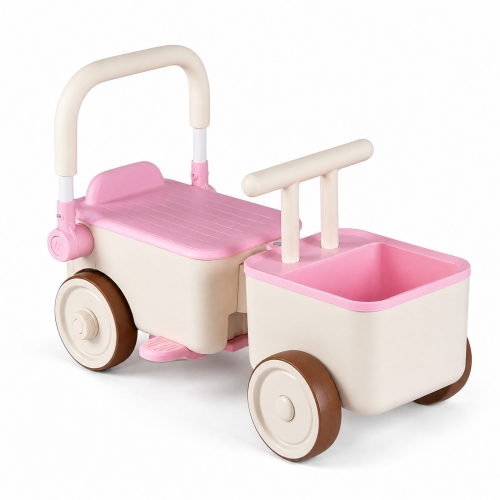
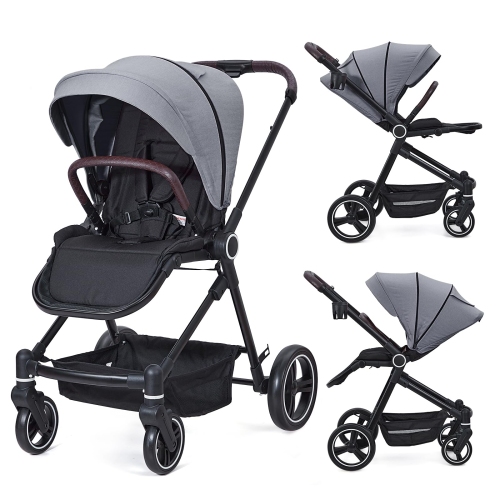
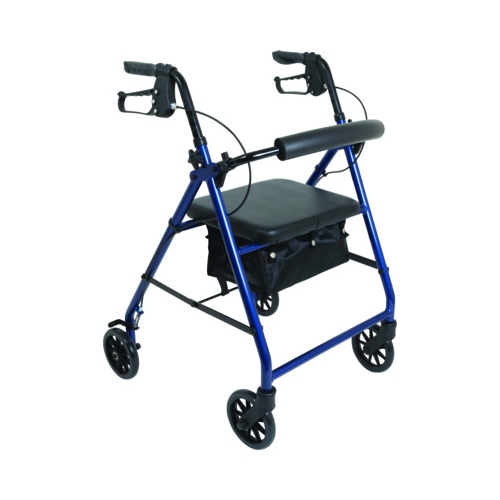
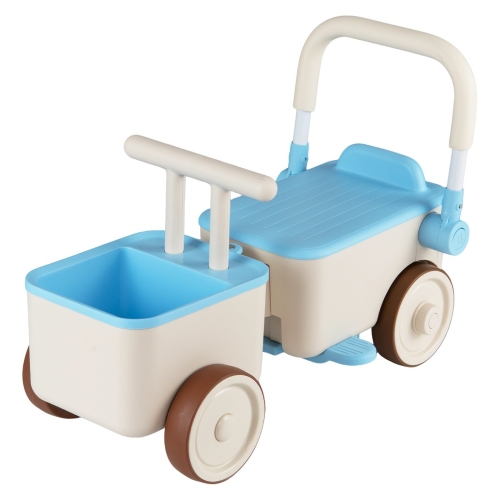
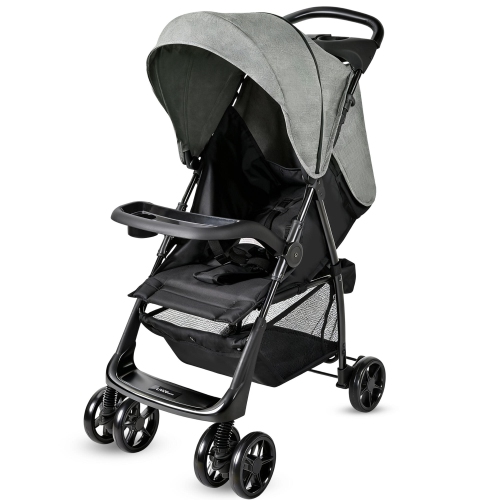
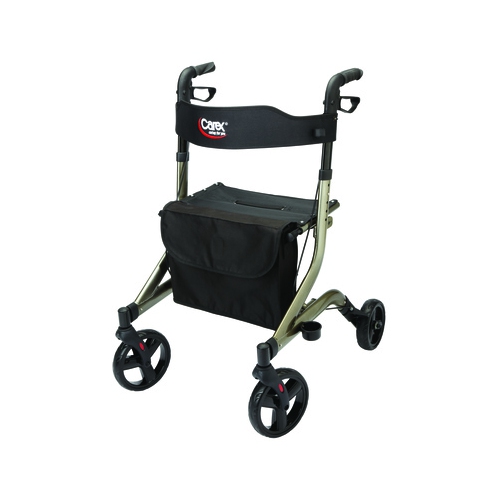
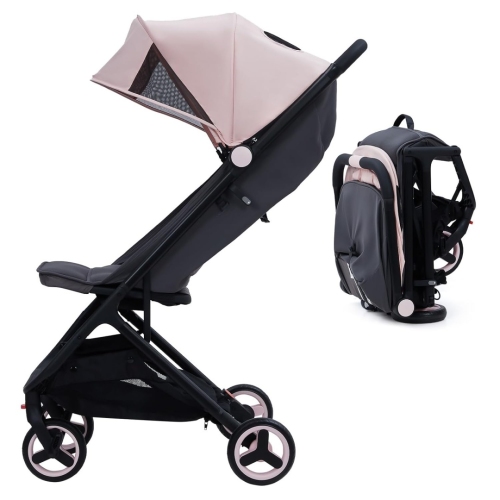
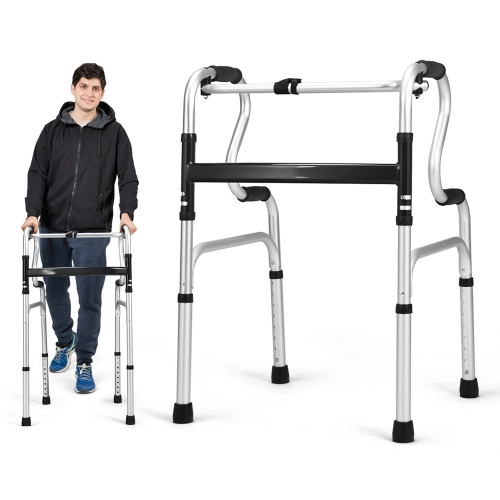
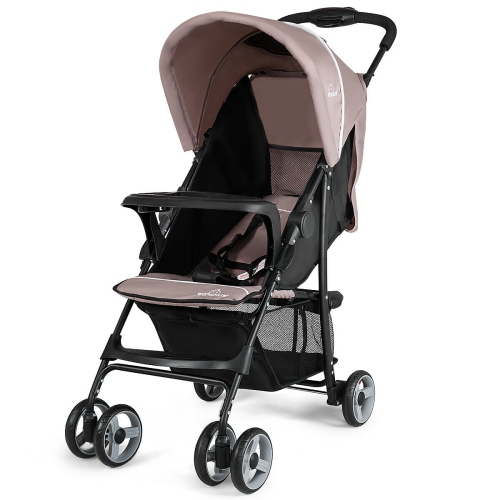
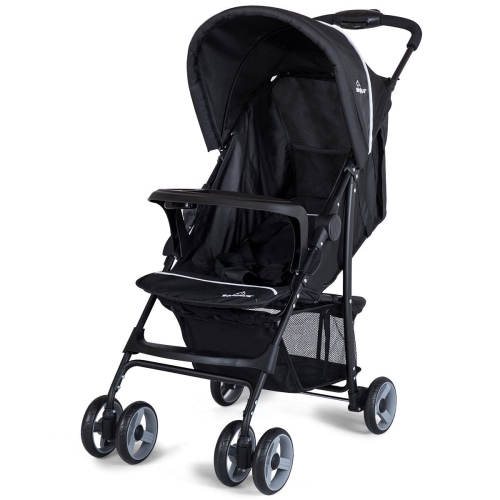
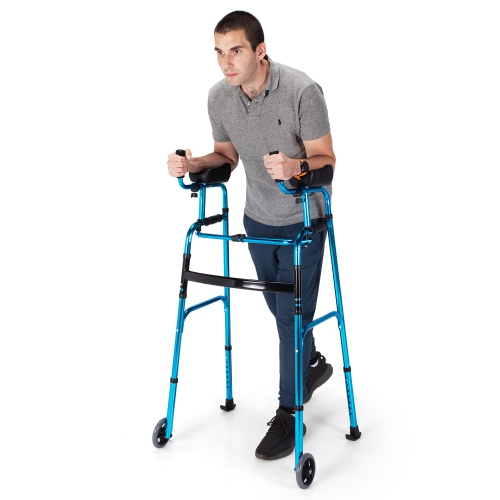
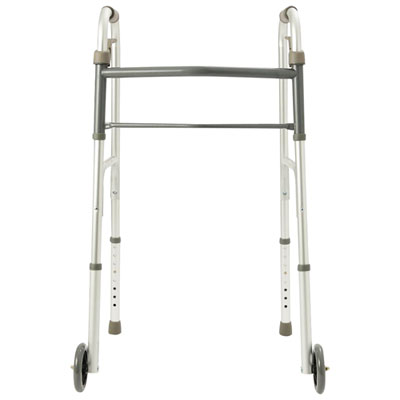
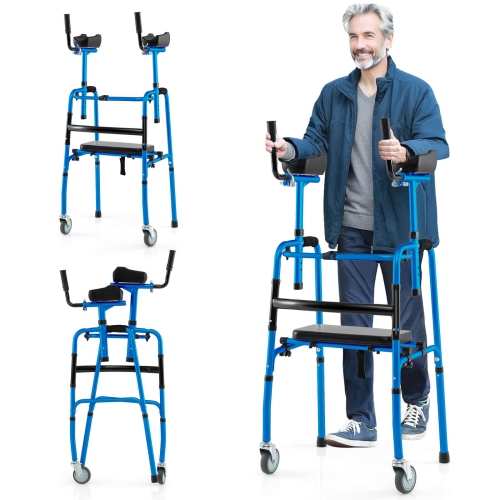
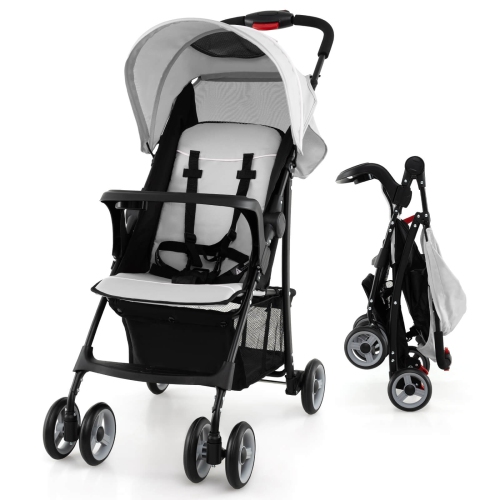
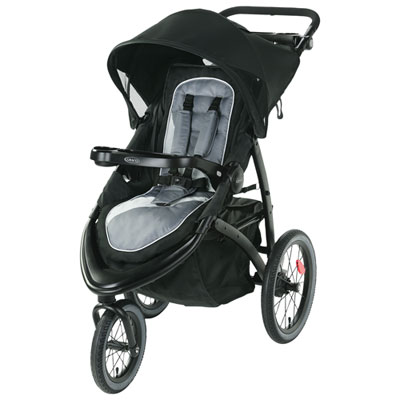
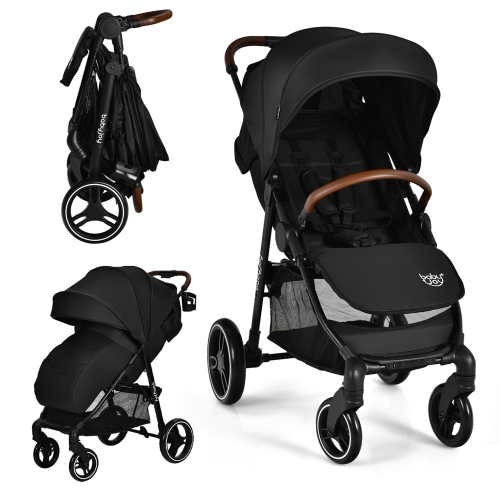
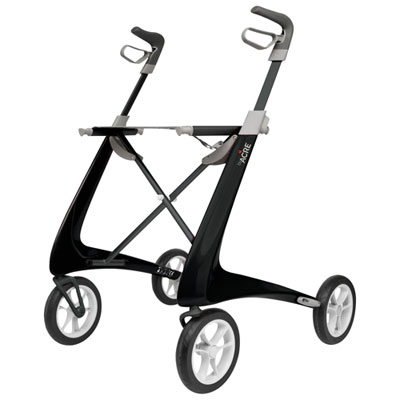
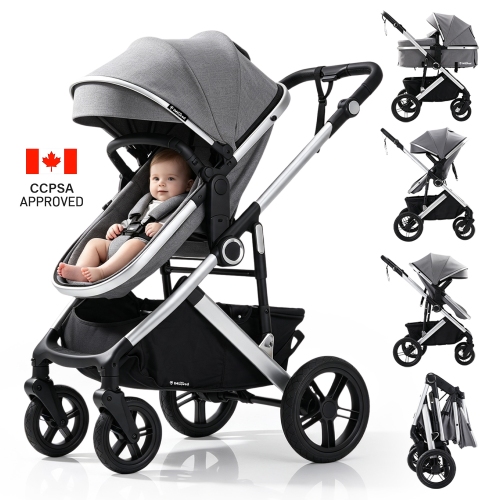
Early movement benefits from stable designs and close supervision
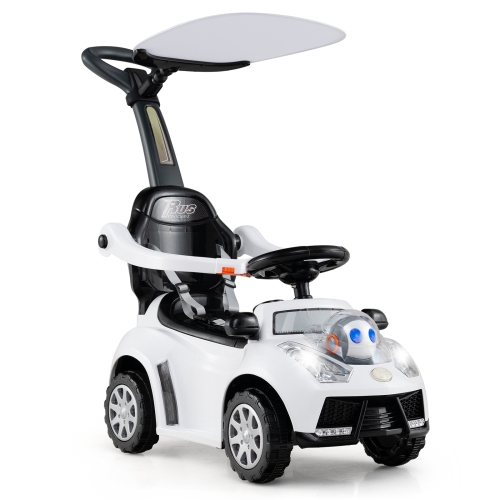
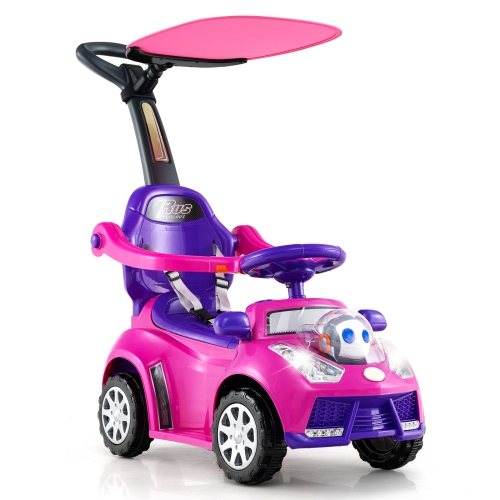
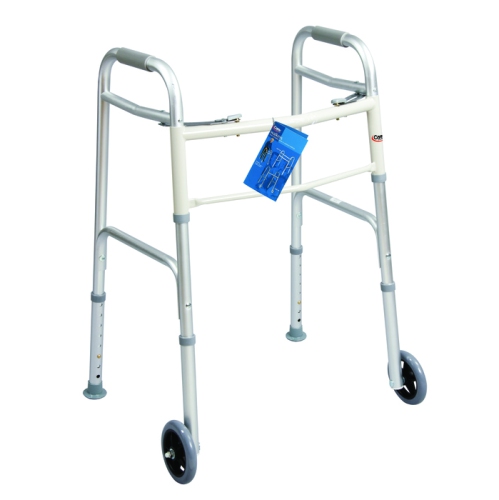
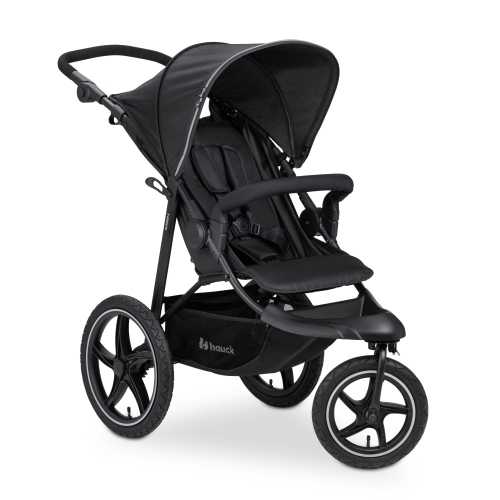
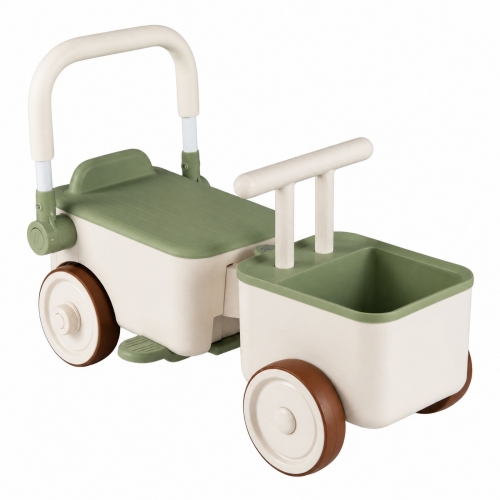
Walkers for baby can offer an engaging way for little ones to practise movement, balance, and coordination as they become more curious about the space around them. In this category, the term “walker” can describe several different designs, so it helps to understand how each one is used before choosing a suitable option. Push walkers are designed for a baby who is beginning to pull up and take supported steps. The child stands behind the walker, holds the handle, and moves it forward at their own pace. This style encourages natural weight shifting and lets babies practise stepping while remaining close to the floor. Sit-to-stand walkers often include a removable or fixed activity area for floor play, then become a push-along toy as the child develops. They can be useful in homes where one toy needs to support several stages of play, from sitting and reaching to standing and walking. Some families also browse Walkers With Wheels when looking for wheeled mobility products, but a traditional enclosed, seated mobile walker is a different category and should be considered carefully. In Canada, traditional seated walkers with wheels are prohibited under the Canada Consumer Product Safety Act because of the risk of falls, particularly near stairs, thresholds, and other changes in floor level. Push-style designs are generally the more appropriate choice for babies who are learning to stand and walk, provided they are used according to the manufacturer’s instructions and under close adult supervision.
When selecting walkers for baby, start with your child’s developmental stage rather than choosing based only on appearance or the number of features. A baby should be able to sit steadily and show signs of pulling up or bearing weight before using a push walker, while the product packaging should always provide the specific age, weight, and developmental guidance to follow. Look for a stable, broad base that is less likely to tip when a child leans forward, along with a handle that is comfortable to grasp at the correct height. Adjustable wheel resistance or speed control can be especially useful on smooth floors, where a walker may move faster than a new walker can manage. Some models are designed for carpet, hardwood, or low-pile flooring, while others may perform differently on rugs and uneven surfaces, so consider the rooms where the walker will be used most often. A lightweight design may be easier for a child to move, but a little extra stability can make the first attempts feel more controlled. Activity panels with buttons, textures, lights, or sounds can add interest during seated floor play, although simple features may be preferable if your home is sensitive to noise. Check whether batteries are required, whether the activity section can be removed for cleaning, and whether the walker can be stored easily when not in use. Smooth edges, secure parts, and durable construction are important for everyday play, while small detachable pieces should be kept away from children who still put objects in their mouths. Before each use, inspect the wheels, handles, and activity components for loosened parts or damage, and stop using the walker if anything becomes unstable.
Walkers for baby can be a thoughtful gift for new parents, grandparents, relatives, or friends welcoming a growing baby, particularly when the recipient is entering the stage of pulling up and cruising along furniture. For a gift, a versatile sit-to-stand design can provide play value before independent walking begins, while a straightforward push walker may suit a family that already has plenty of infant toys and wants something focused on movement. It is worth checking the household layout before choosing: an open living area with clear pathways may accommodate a larger design, whereas a smaller home may benefit from a compact walker that can be moved between rooms or stored in a closet. Whichever style is selected, use it only in a clear, supervised area away from stairs, balconies, doors, hot surfaces, cords, pet bowls, and furniture with sharp corners. Place rugs securely and watch for transitions between flooring types, since a wheel can catch at an edge and cause the frame to stop suddenly. Babies can lose their balance, let go without warning, or push a walker into an object, even after they have used it confidently several times. An adult should stay within arm’s reach, and a walker should never be used as a substitute for hands-on support or general childproofing. During cooler months, indoor walkers can give a newly mobile baby a fun way to explore when outdoor play is limited, while activity features can provide floor-level entertainment on quieter afternoons. With the right fit, stable design, and attentive supervision, a baby walker can become part of a child’s early movement routine and a memorable addition to the play area.
When selecting walkers for baby, start with your child’s developmental stage rather than choosing based only on appearance or the number of features. A baby should be able to sit steadily and show signs of pulling up or bearing weight before using a push walker, while the product packaging should always provide the specific age, weight, and developmental guidance to follow. Look for a stable, broad base that is less likely to tip when a child leans forward, along with a handle that is comfortable to grasp at the correct height. Adjustable wheel resistance or speed control can be especially useful on smooth floors, where a walker may move faster than a new walker can manage. Some models are designed for carpet, hardwood, or low-pile flooring, while others may perform differently on rugs and uneven surfaces, so consider the rooms where the walker will be used most often. A lightweight design may be easier for a child to move, but a little extra stability can make the first attempts feel more controlled. Activity panels with buttons, textures, lights, or sounds can add interest during seated floor play, although simple features may be preferable if your home is sensitive to noise. Check whether batteries are required, whether the activity section can be removed for cleaning, and whether the walker can be stored easily when not in use. Smooth edges, secure parts, and durable construction are important for everyday play, while small detachable pieces should be kept away from children who still put objects in their mouths. Before each use, inspect the wheels, handles, and activity components for loosened parts or damage, and stop using the walker if anything becomes unstable.
Walkers for baby can be a thoughtful gift for new parents, grandparents, relatives, or friends welcoming a growing baby, particularly when the recipient is entering the stage of pulling up and cruising along furniture. For a gift, a versatile sit-to-stand design can provide play value before independent walking begins, while a straightforward push walker may suit a family that already has plenty of infant toys and wants something focused on movement. It is worth checking the household layout before choosing: an open living area with clear pathways may accommodate a larger design, whereas a smaller home may benefit from a compact walker that can be moved between rooms or stored in a closet. Whichever style is selected, use it only in a clear, supervised area away from stairs, balconies, doors, hot surfaces, cords, pet bowls, and furniture with sharp corners. Place rugs securely and watch for transitions between flooring types, since a wheel can catch at an edge and cause the frame to stop suddenly. Babies can lose their balance, let go without warning, or push a walker into an object, even after they have used it confidently several times. An adult should stay within arm’s reach, and a walker should never be used as a substitute for hands-on support or general childproofing. During cooler months, indoor walkers can give a newly mobile baby a fun way to explore when outdoor play is limited, while activity features can provide floor-level entertainment on quieter afternoons. With the right fit, stable design, and attentive supervision, a baby walker can become part of a child’s early movement routine and a memorable addition to the play area.
Top selling and popular products
-
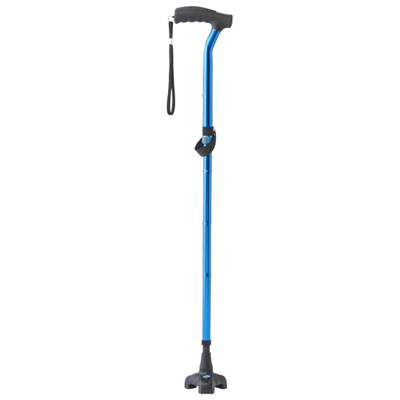 Your price for this item is $35.99
 -
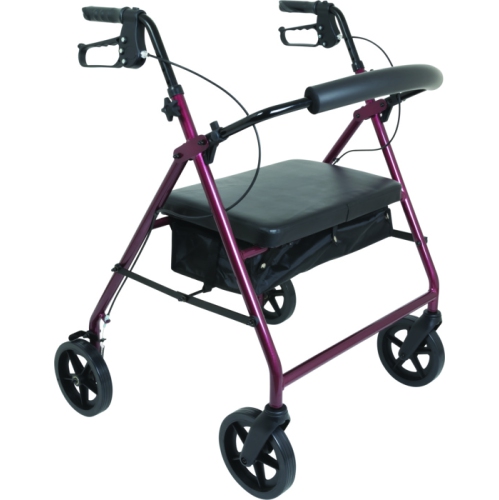 Your price for this item is $244.99
 -
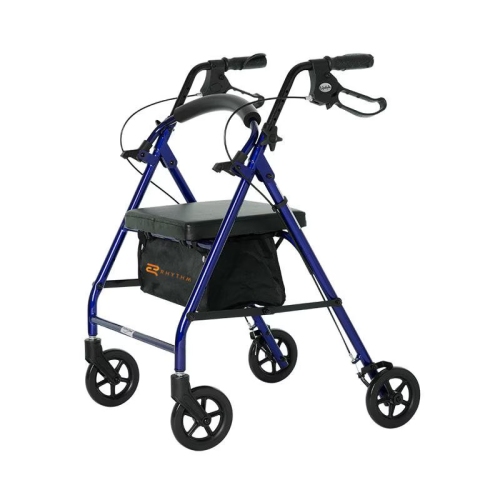 Your price for this item is $151.99
 -
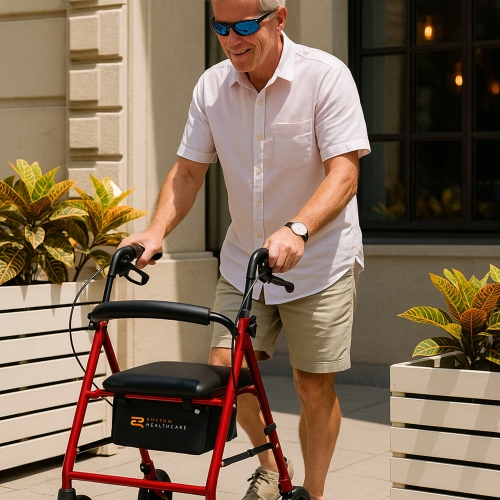 Your price for this item is $138.99
 -
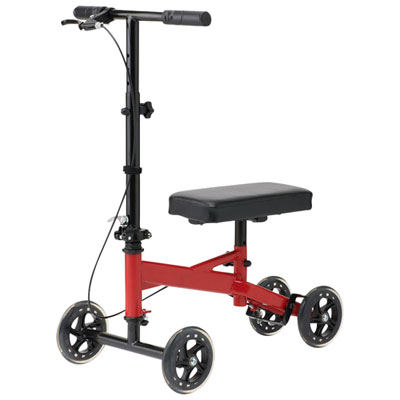 Your price for this item is $169.99
 -
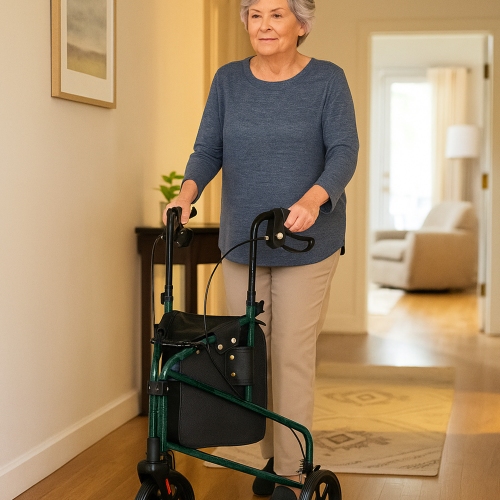 Your price for this item is $212.99
 -
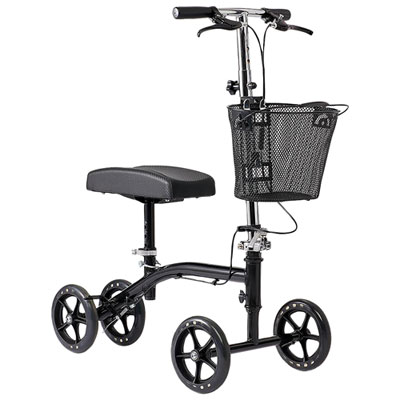 Your price for this item is $196.98
 -
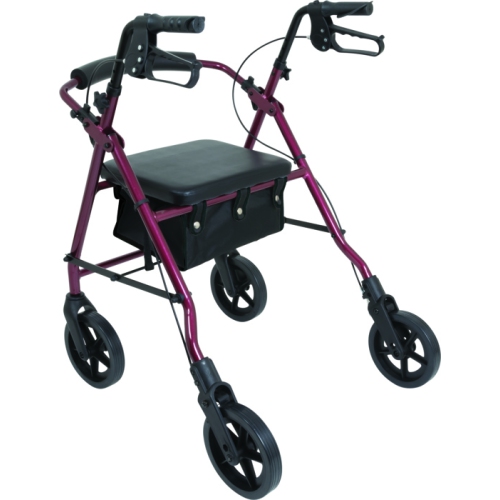 Your price for this item is $199.99
Discover more categories related to Walkers for Baby
Top Collections:
Pokemon Centers, Best Cameras for Sports Photography, Kindle Devices, Samsung Galaxy Phones, Canon G7X Cameras, Pokémon 30th Celebration Cards, Refurbished Apple Laptops, iPhone 15 Apple, Laptops for Students, Budget Smartphones
Some products may be subject to Environmental Handling Fees
(EHF) depending on your province.
Learn more about EHFs.