Card Games for All Ages
Card Games for All Ages offer endless entertainment and bring friends and family together for hours of fun. Whether you're planning a lively game night, looking for a quick activity during gatherings, or searching for engaging options to enjoy at home, you'll find a wide variety of choices to suit every age group. Explore classic favorites and new additions that make every moment memorable with Card Games for All Ages, perfect for players young and old.
Sort

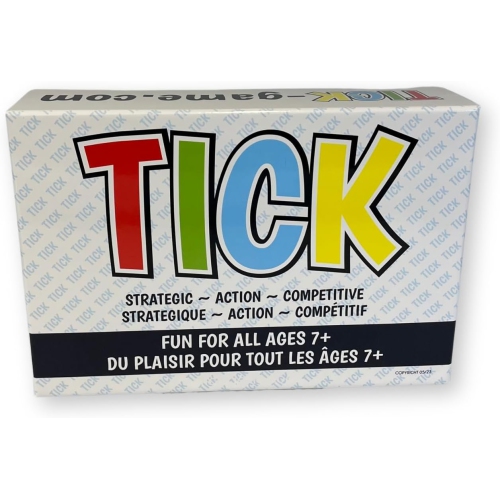


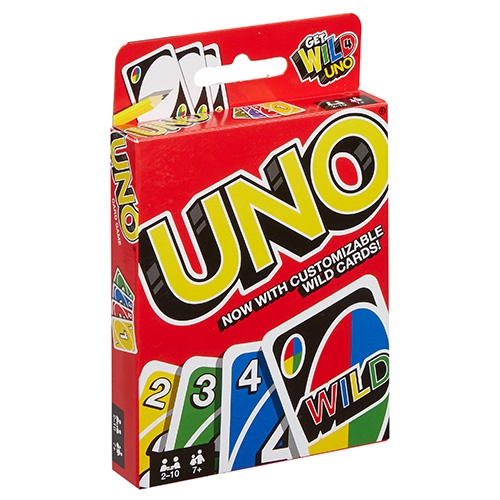
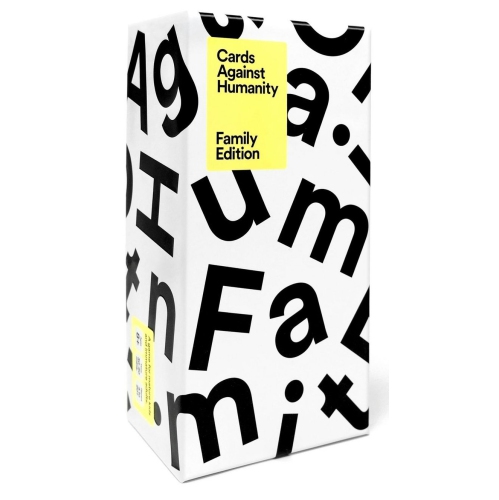
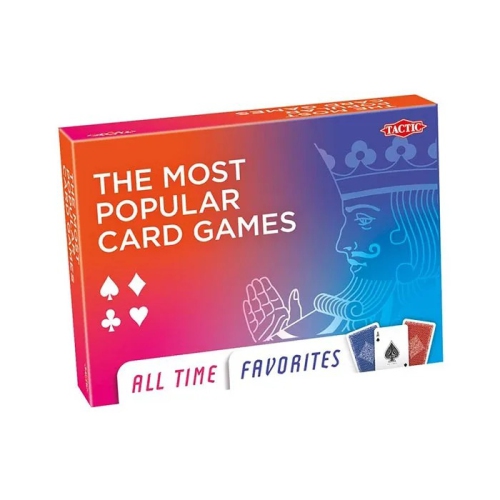
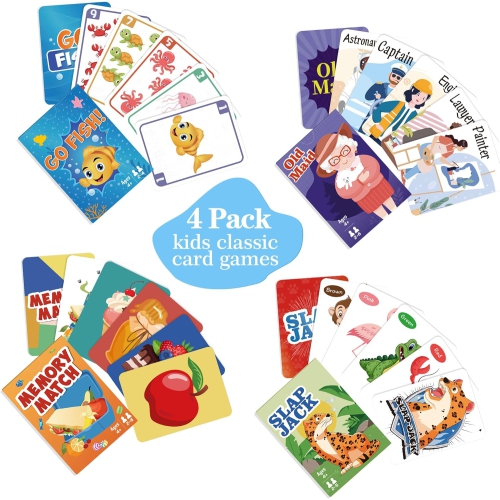
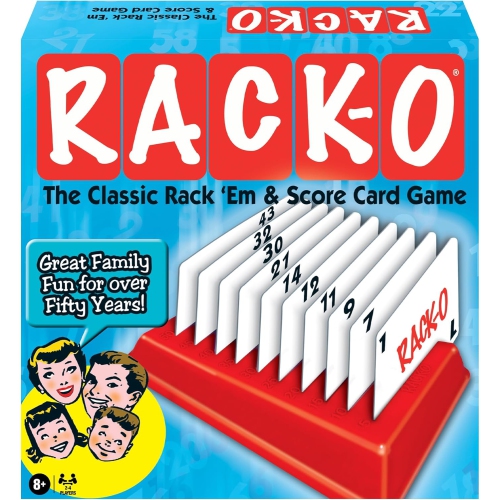
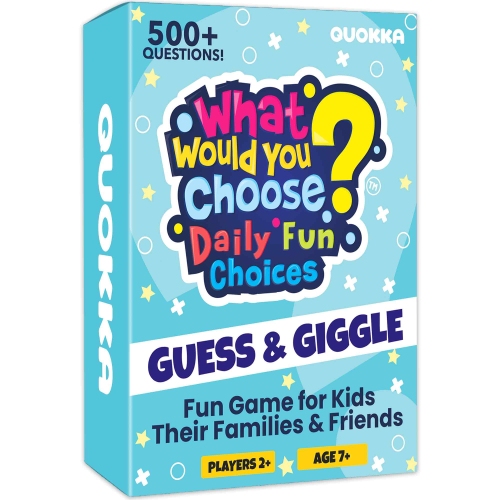
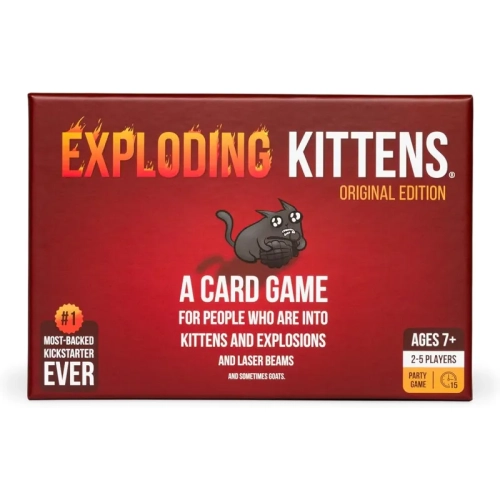

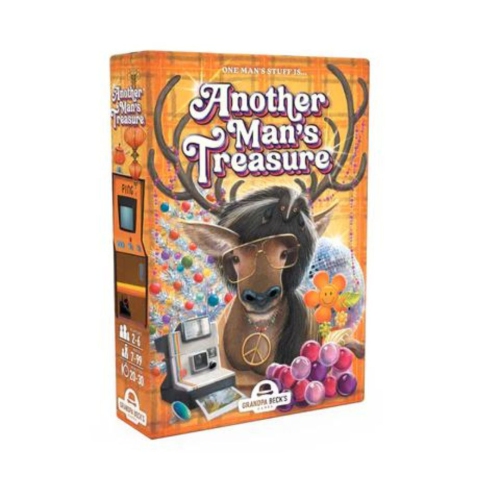


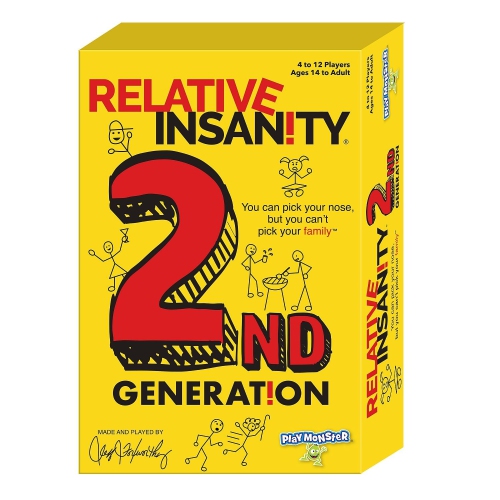
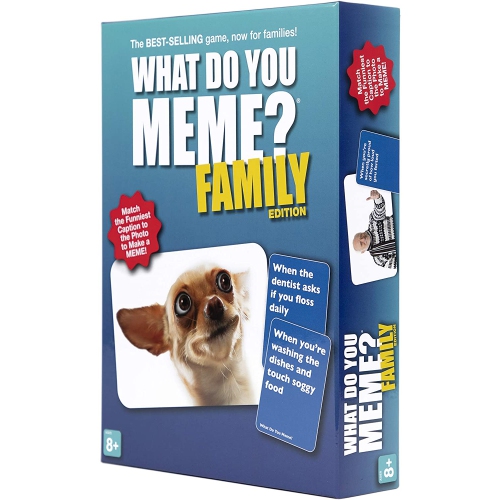
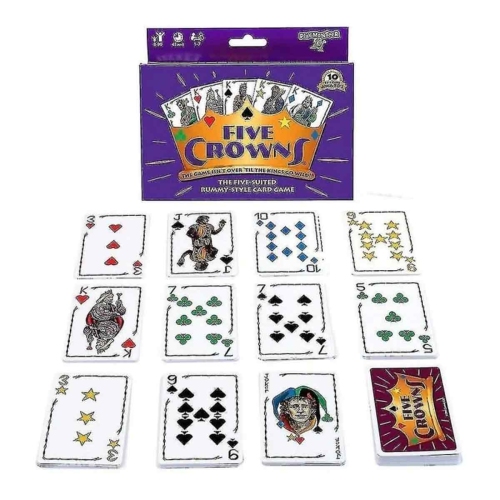
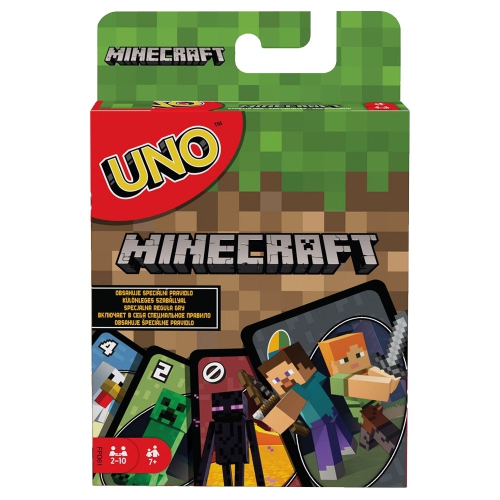
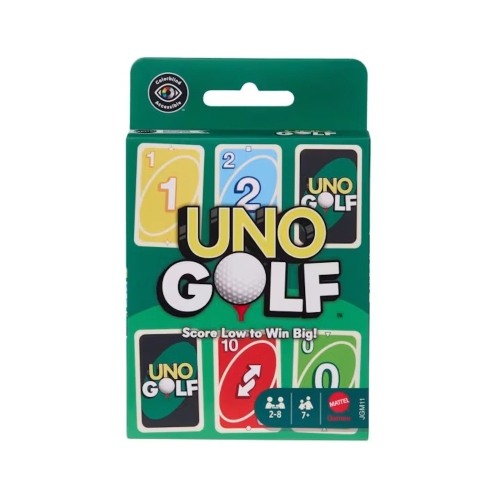
Simple rules can bring generations to the same table
Card games for all ages offer screen-free entertainment in a compact format, with options for children, teens, adults, and groups playing together. They range from familiar games played with a standard 52-card deck to dedicated decks built around matching pictures, collecting sets, telling stories, or working towards a shared goal. A few cards spread across a table can turn an ordinary afternoon into a lively contest, while a slower game gives players time to chat between turns. The right fit depends on the players rather than age alone: reading level, comfort with numbers, attention span, and familiarity with taking turns all shape the experience. Picture-based cards and straightforward matching rules can suit younger players, especially when an adult joins in to demonstrate a round. Clear symbols and short turns help keep everyone involved without making the game feel like a lesson. Older children and adults may enjoy more decisions, hidden information, or opportunities to plan several turns ahead. Cooperative card games give a group something to solve together, while competitive formats can range from lighthearted races to thoughtful contests of strategy. For mixed-age gatherings, simple rules with meaningful choices often work better than rules that depend heavily on vocabulary, trivia knowledge, or quick reactions. Recommended ages remain important, since an “all ages” theme does not mean every deck is suitable for every child. Player counts matter just as much: a game designed around two participants creates a different experience from one that gives a larger group a role in every round. Playing time also affects how comfortably a game fits into family routines. A short round can fill the gap before dinner, while a longer format gives an evening gathering a shared focus. Games with clear stopping points are particularly useful when younger players need a break or someone has to leave the table. Across these formats, card play gives people opportunities to practise counting, recognize patterns, remember information, and make decisions through play, with enjoyment remaining the main purpose.
The cards themselves make a noticeable difference to everyday play. Many decks use paper-based cardstock, sometimes with a core, coating, or textured finish that changes how the cards feel when shuffled and dealt. Thin cards can be easy to handle in small numbers but may bend with repeated use; thicker stock can feel sturdier, although a full deck may be harder for small hands to shuffle. Plastic cards offer another construction option and may tolerate frequent handling well, but cleaning methods still depend on the manufacturer’s care directions. A smooth finish can help cards slide across a table, while a more textured surface changes their grip and feel. Neither finish suits every player, so handling comfort is as relevant as appearance. Card size deserves attention, too. Larger cards can make illustrations and text easier to see, yet holding a wide fan may be awkward for children or anyone with limited hand mobility. Clear type, strong contrast, and symbols that do not rely on colour alone can make shared play more comfortable. A card holder can help someone keep a hand visible without gripping it throughout the game, while a tidy playing surface leaves room for shared piles and personal cards. Layout matters when several people need to read information from different sides of the table. Decks with easily recognized markings can reduce the need to pick up and turn every card. For frequent use, a well-fitting box or case keeps the deck together and protects edges during transport. Loose cards pushed into a crowded bag are more likely to crease, and a missing card can affect how some games work. Clean, dry hands and a table free of spills help preserve printed surfaces. Paper cards generally need gentle care rather than soaking, while washable materials should only be cleaned as directed. Storing decks away from damp areas and direct sunlight also helps protect their shape and artwork. These practical details matter most for games that travel regularly between home, a relative’s house, and a community gathering.
Card games fit many different occasions because the experience can be as social, thoughtful, or energetic as the group prefers. At a family gathering, a deck with familiar symbols can bring grandparents and grandchildren to the same table without requiring everyone to share the same reading level. Among friends, a game built around deduction or storytelling can encourage conversation, while a quiet two-player format offers a more focused activity. Solo card games provide another way to enjoy a deck when a group is not part of the plan. For travel, compact packaging and a modest playing area are useful, particularly when cards need to stay within reach on a small table. Games that require frequent spreading, sorting, or reaching across shared piles are better suited to a larger, stable surface. Classroom recreation, after-school programs, and community groups may benefit from formats with brief explanations and rounds that allow participants to join between games. In these settings, language requirements and the number of players who can participate at once deserve particular attention. A game can be easy to learn yet still leave someone waiting too long between turns, especially in a large group. Simultaneous play or shared decisions can help keep more people engaged, although fast-paced formats may not suit players who prefer extra thinking time. As gifts, card games can suit families, puzzle enthusiasts, frequent travellers, and people who enjoy hosting, provided the rules and level of challenge match their interests. A compact box is convenient, but the experience inside matters more than its size: some recipients enjoy familiar routines, while others welcome a new set of decisions to explore. For gatherings that call for a larger tabletop setup, Board Games for All Ages offers a related way to bring players together. Card games have their own appeal through portable decks, flexible formats, and the ease of dealing another hand. With comfortable handling and a pace that suits the group, a deck can become a familiar part of shared downtime.
Top selling and popular products
-
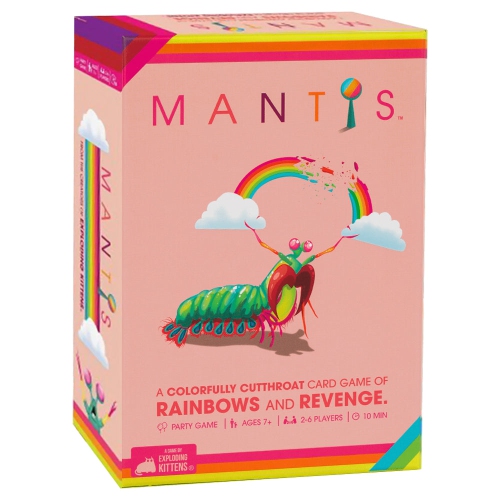 Your price for this item is $31.99
-
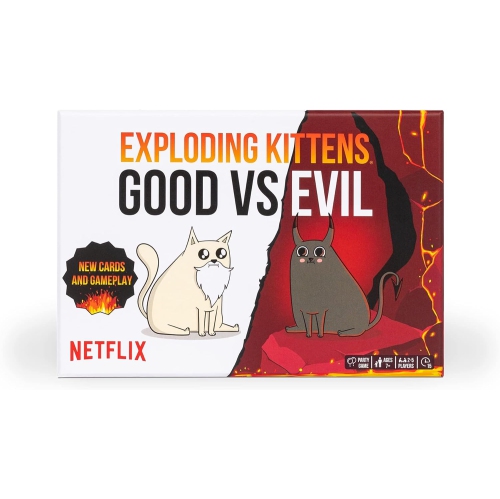 Your price for this item is $34.99
-
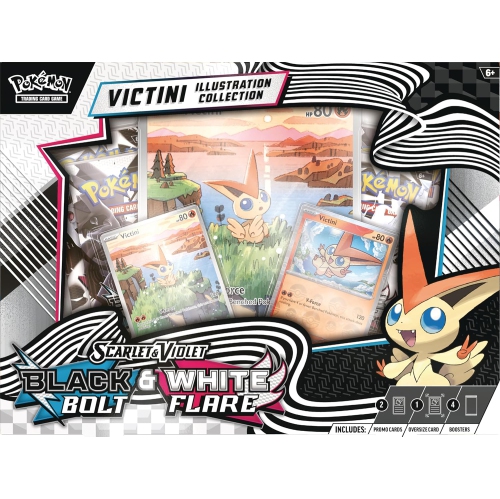 Your price for this item is $154.99
-
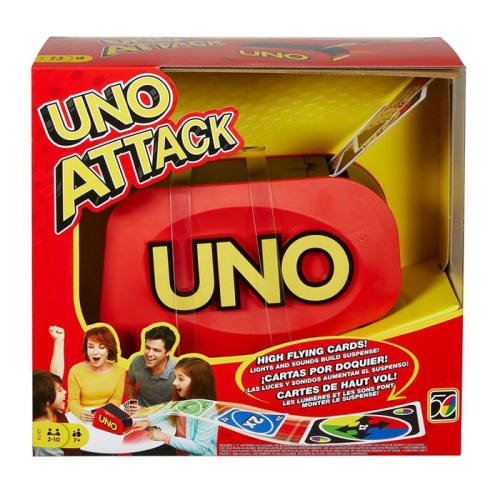 Your price for this item is $43.99
-
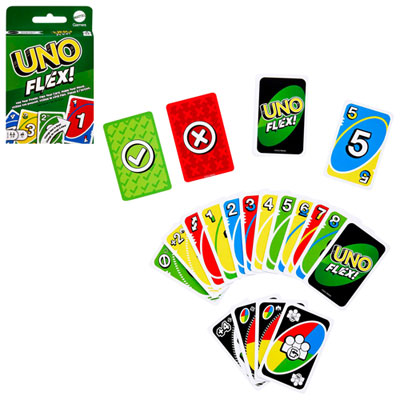 Your price for this item is $7.98
-
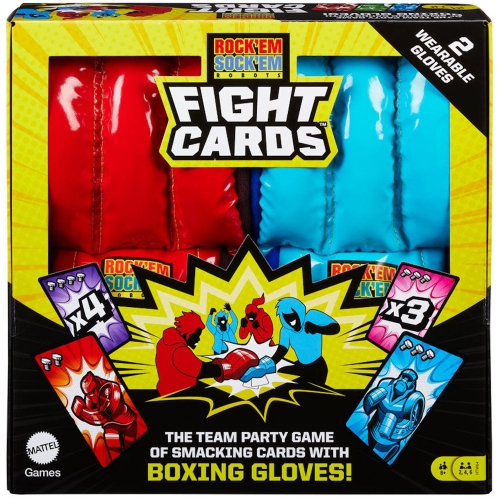 Your price for this item is $24.99
-
 Your price for this item is $40
-
 Your price for this item is $30.99
Discover more categories related to Card Games for All Ages
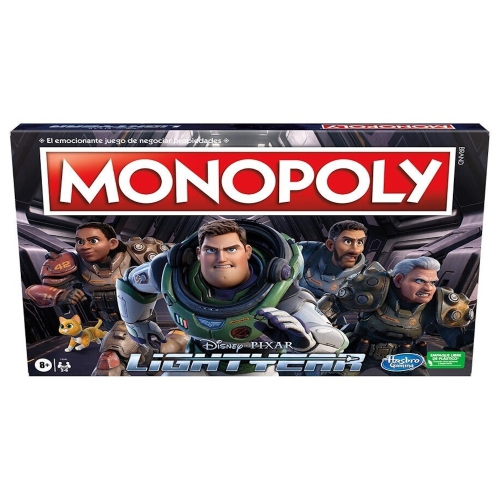
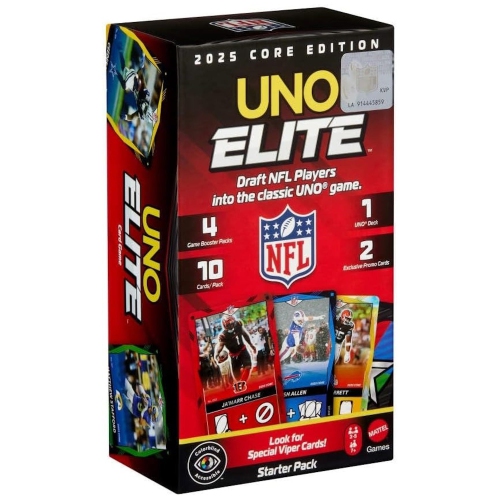
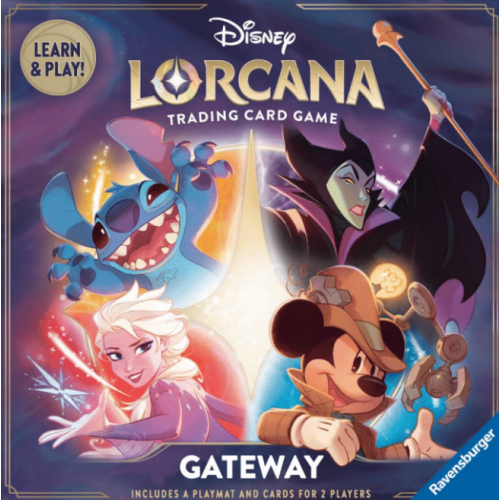
Top Collections:
Best Black Friday Deals This Year, Best Black Friday Deals On Electronics, Kindle Devices, Pokemon Centers, Best Black Friday Deals On Apple Products, Best Cameras for Sports Photography, Dyson Airwrap, Pokémon 30th Celebration Cards, Apple iPhone 17 Pro, Canon G7X Cameras
Some products may be subject to Environmental Handling Fees
(EHF) depending on your province.
Learn more about EHFs.